Vue normale

  • ✇Euromaidan Press
  • The Russian missile that hit Poland was made only months earlier, prosecutors found

    Polish prosecutors have identified the cruise missile that crashed in eastern Poland during Russia's mass overnight attack on Ukraine yesterday, according to Ukrinform. Investigators traced the weapon to a recent Russian production run and dated its manufacture, with a Ukrainian expert helping confirm the find.  Russia's air war on Ukraine keeps spilling beyond the front, with its drones and aircraft regularly breaching allied airspace along NATO's eastern edge and expo
     

The Russian missile that hit Poland was made only months earlier, prosecutors found

31 juillet 2026 à 08:21

two children pulled rubble alive three did survive—one village near kryvyi rih after russian missile attack · post site where cruise came down lublin voivodeship poland 30 2026 місце падіння

Polish prosecutors have identified the cruise missile that crashed in eastern Poland during Russia's mass overnight attack on Ukraine yesterday, according to Ukrinform. Investigators traced the weapon to a recent Russian production run and dated its manufacture, with a Ukrainian expert helping confirm the find

Russia's air war on Ukraine keeps spilling beyond the front, with its drones and aircraft regularly breaching allied airspace along NATO's eastern edge and exposing how hard the bloc finds it to respond.

Prosecutors trace the missile to a Moscow-area plant

Marcin Kozak, spokesman for the District Prosecutor's Office in Lublin, spoke at a media briefing on Friday, a Ukrinform correspondent reported on 31 July. He said the fallen weapon was a Russian Kh-101 cruise missile. Investigators reached that conclusion after examining the impact site in Lublin Voivodeship and the fragments recovered there. The same work let them date the weapon's manufacture and trace where in Russia it was built.

"Preliminary work examining the site and the traces found — that is, elements of the aerial object — allows us to state unequivocally what object we are dealing with," Kozak said. "This is a Kh-101 missile, manufactured in the second quarter of 2026 at one of the enterprises in Moscow Oblast."
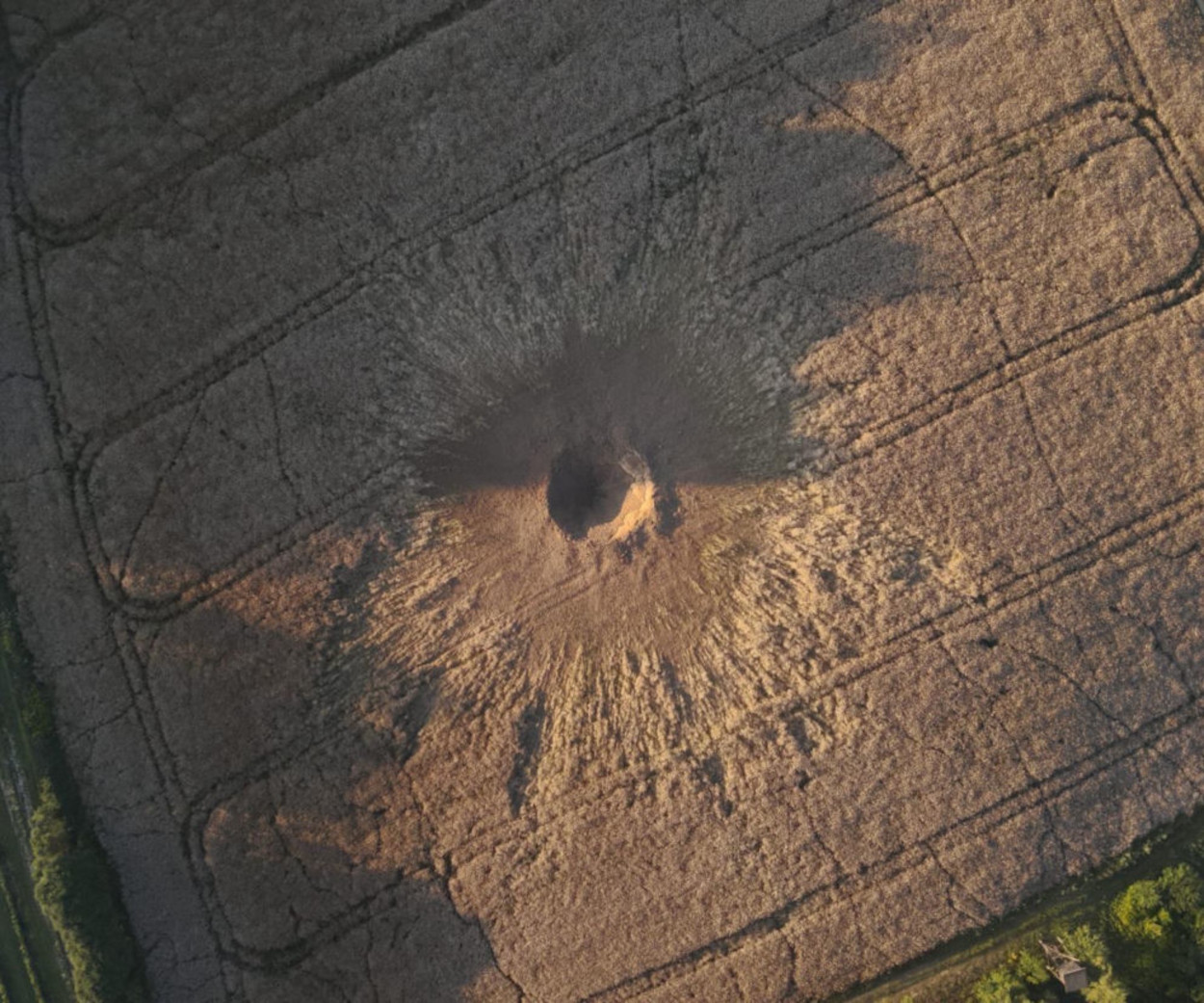
Crater left by a Russian Kh-101 cruise missile in a field in Poland, 30 July 2026. Photo: Radio ESKA

That places the weapon's origin at a plant in the Moscow area, the region ringing the Russian capital. A Ukrainian expert arrived in Poland yesterday evening and joined the identification.
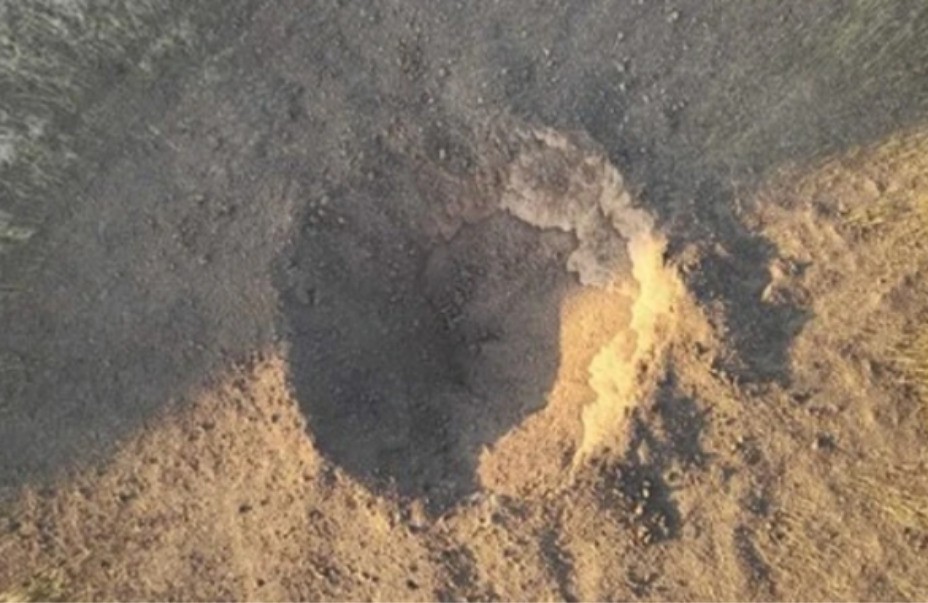
warsaw confirms russian kh-101 cruise missile overshot ukraine hit field poland · post crater left 30 2026 kh-1010 вирва від вибуху ракети х-101 в польщі липня onet militarnyi news ukrainian
Explore further

Warsaw confirms a Russian Kh-101 cruise missile overshot Ukraine and hit a field in Poland

How the missile crossed into Poland

Yesterday, Polish Prime Minister Donald Tusk confirmed that a Kh-101 had crossed into Polish airspace during the overnight barrage. It came down about 50 kilometers from Lublin, leaving behind a crater where its warhead exploded. Poland put its air defenses on alert and scrambled military aircraft as Russia's missiles neared the border. Air raid sirens sounded in Lublin around 03:50 local time, and crews later found the crater and scattered debris around 95 km into Poland.
warsaw confirms russian kh-101 cruise missile overshot ukraine hit field poland · post routes missiles drones during attack one track crossing 30 2026 going маршрути прольотів російських ракет і дронів
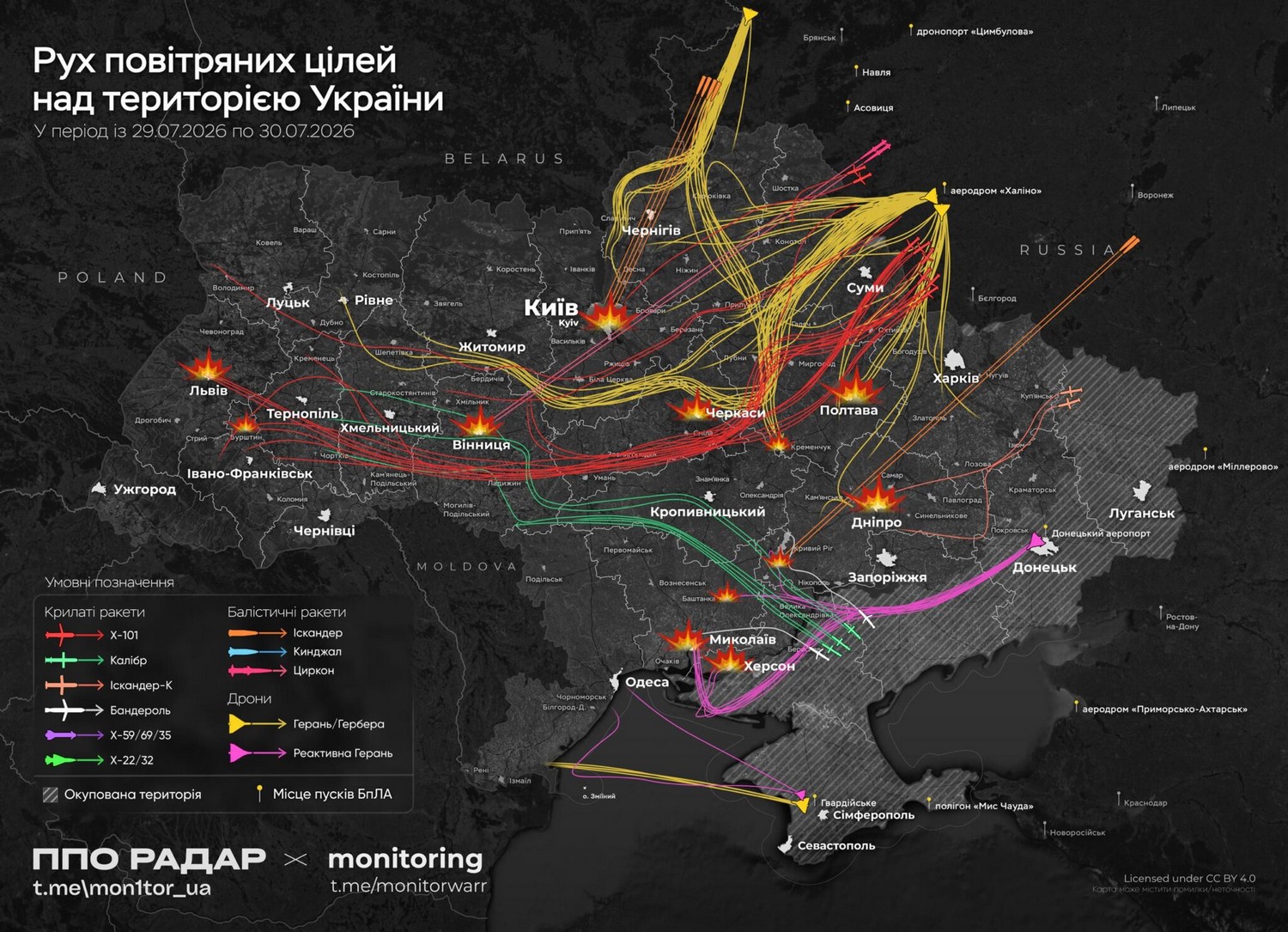
Routes of Russian missiles and drones during the attack on Ukraine, one track crossing into Poland, 30 July 2026. Map: PPO RADAR / monitor_ua

The Russian missile either strayed into Poland or was deliberately directed there during Russia's mass attack on Ukraine overnight on 30 July. Russia sent missiles and drones across the country, and several areas reported hits and fires. Its strikes hit Lviv, Kyiv, and Dnipropetrovsk Oblast, where the barrage also killed civilians in central Ukraine.

After the missile fell, two disinformation campaigns spread through Poland's information space, one aimed at Ukraine and the other at the Polish government.

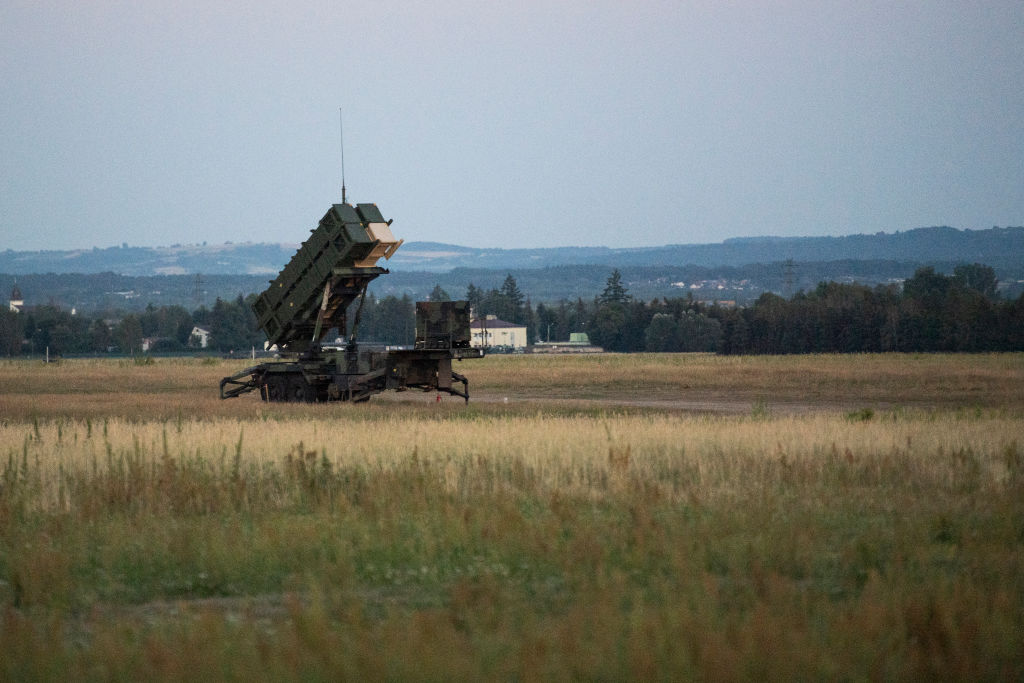
Tusk also signaled that Warsaw would soon weigh sending Ukraine more missiles for its Patriot air defense systems.
  • ✇The Kyiv Independent
  • NATO to strengthen missile defenses in Eastern Europe to counter Russian threats, Bloomberg reports
    NATO plans to enhance its missile defense systems on its eastern flank in response to a growing threat from Russia, Bloomberg reported on June 12, citing its undisclosed sources.For the first time, member states of NATO are reportedly considering combining the alliance's ballistic missile shield with other integrated missile defense assets. The talks are taking place behind closed doors and involve sensitive deliberations, Bloomberg reported, citing its sources.Moscow has long opposed NATO's mis
     

NATO to strengthen missile defenses in Eastern Europe to counter Russian threats, Bloomberg reports

13 juin 2025 à 01:58
NATO to strengthen missile defenses in Eastern Europe to counter Russian threats, Bloomberg reports

NATO plans to enhance its missile defense systems on its eastern flank in response to a growing threat from Russia, Bloomberg reported on June 12, citing its undisclosed sources.

For the first time, member states of NATO are reportedly considering combining the alliance's ballistic missile shield with other integrated missile defense assets. The talks are taking place behind closed doors and involve sensitive deliberations, Bloomberg reported, citing its sources.

Moscow has long opposed NATO's missile defense infrastructure, particularly the U.S.-built interceptors deployed in Poland and Romania, states neighboring Ukraine. The alliance has previously said those systems are intended to counter potential long-range threats from Iran, not Russia.

The so-called "NATO expansion to the east" is one of the key narratives used by Russian propaganda to justify its large-scale war against Ukraine.

The proposed integration of ballistic missile defense with NATO's broader air and missile defense network would address threats from any direction in the future. This shift suggests the effort would increasingly be focused on deterring Russian capabilities, according to Bloomberg's sources.

The move comes as NATO ramps up its defense posture more than three years after Russia launched its full-scale invasion of Ukraine. The alliance recently agreed on the most ambitious new weapons targets since the Cold War.

NATO Secretary General Mark Rutte called on alliance members to make a "quantum leap" in defense investment in response to the enduring threat from Russia. Speaking at Chatham House in London, Rutte urged allies to increase air and missile defense by 400%.

Talks on integrating the systems may wrap up ahead of the NATO summit in The Hague on June 24–25, but could continue afterward, the sources said. Ukraine is invited to attend the summit. It remains unclear whether the initiative will still officially cite Iran as a threat or move fully toward addressing Russia.

The effort is part of a broader strategy to reinforce NATO's eastern flank, but some officials have raised concerns about how it might affect peace efforts in Ukraine and whether the United States will fully support the integration, Bloomberg reported.

Previously, U.S. President Donald Trump echoed Russian claims that Kyiv provoked the invasion by pursuing its NATO ambitions.

Earlier, Bloomberg reported that NATO is deploying a new satellite surveillance system aimed at monitoring military activity in Ukraine and along the alliance's eastern borders. The system, known as Smart Indication and Warning Broad Area Detection (SINBAD), will use AI-powered analysis to scan large areas and detect potential threats with unprecedented frequency.

NATO expands satellite surveillance to monitor Ukraine, eastern flank
The initiative, named Smart Indication and Warning Broad Area Detection (SINBAD), will allow NATO to scan vast territories with unprecedented frequency, using AI-powered analysis to detect changes and alert allies to potential threats.
NATO to strengthen missile defenses in Eastern Europe to counter Russian threats, Bloomberg reportsThe Kyiv IndependentAnna Fratsyvir
NATO to strengthen missile defenses in Eastern Europe to counter Russian threats, Bloomberg reports
❌