Vue normale

  • ✇Climb to the Stars
  • Les podcasts et moi [en]
    [en] Les podcasts et moi c’est une longue, longue histoire. Pour la petite histoire, je connais personnellement (déjà à l’époque) une des personnes-clés impliquées dans l’invention de ce mode de distribution du contenu audio. Comme pour WordPress, Twitter ou Instagram, c’est marrant de voir ces médias ou plateformes qui sont si “grand public” aujourd’hui et de me souvenir du monde où ça n’existait pas, et de les avoir vu naître et grandir. Ah, nostalgie… Les podcasts, j’ai donc découvert ça
     

Les podcasts et moi [en]

12 novembre 2025 à 17:48
[en]

Les podcasts et moi c’est une longue, longue histoire. Pour la petite histoire, je connais personnellement (déjà à l’époque) une des personnes-clés impliquées dans l’invention de ce mode de distribution du contenu audio. Comme pour WordPress, Twitter ou Instagram, c’est marrant de voir ces médias ou plateformes qui sont si “grand public” aujourd’hui et de me souvenir du monde où ça n’existait pas, et de les avoir vu naître et grandir.

Ah, nostalgie… Les podcasts, j’ai donc découvert ça au fur et à mesure que ça s’est mis à exister, même si, visiblement, en 2005 je n’étais pas convaincue. En 2007 toutefois, après avoir tâtonné à quelques reprises avec la publication audio/vidéo sur mon blog, j’enregistre avec une amie une poignée d’épisodes: Fresh Lime Soda. Puis assez vite, je me suis mise à écouter énormément de podcasts. C’est encore le cas.

Le podcast, au début, c’était des enregistrements de gens qui parlaient. Je sais qu’un des premiers que j’écoutais, c’était This Week in Tech (TWiT). Je me souviens du choc que j’ai eu quand j’ai découvert Radiolab: c’était construit, monté, recherché – de véritables documentaires audio. Une révélation. Je pense que c’était en 2008 ou 2009. C’était en tous cas assez tôt pour que je me retrouve rapidement à avoir épuisé tout leur back catalog. En 2010, je rajoute un deuxième podcast à mes habitudes d’écoute: On The Media. Quelque part aux alentours de cette époque, je découvre dans un tout autre genre The Savage Lovecast (18+ je vous préviens). Puis c’est l’explosion de ma liste d’écoute, et je me retrouve rapidement à ne plus réussir à écouter tous les nouveaux épisodes des podcasts auxquels je suis abonnée à mesure qu’ils sortent.

Mon but aujourd’hui n’était en fait pas de plonger dans des réminiscences historiques, mais de vous donner une liste de recommandations de podcasts à écouter. En particulier, de podcasts “série limitée”, souvent des enquêtes ou des documentaires sur un sujet précis, qui font x épisodes et c’est tout. Le premier à avoir lancé le genre, à ma connaissance, c’était Serial. A la sortie de la première saison, en 2014, “tout le monde” en parlait. Le podcast est encore actif, et il vaut bien la peine d’écouter toutes les saisons.

Pendant très, très longtemps, je désespérais de trouver des podcasts en français dont la qualité, tant pour ce qui était du contenu et de la production, pouvait rivaliser avec les podcasts américains que j’avais l’habitude d’écouter. On m’en recommandait, mais la posture journalistique classique du narrateur soit entièrement absent, soit “objectif et neutre”, désincarné, ça me hérissait le poil.

J’ai fait des études en sciences humaines. La notion d’observation participante était centrale, on mangeait la phénoménologie au petit déj, et en plus de ça, je me suis construite toute jeune adulte déjà en tant que blogueuse.

Le blog, au-delà du format de publication, c’est une culture de la parole publique dans laquelle le “je” qui observe, expérimente et interprète le monde fait partie intégrante du discours qu’il produit. Sans lui, rien ne peut être pensé ou dit – il serait malhonnête de vouloir l’invisibiliser. Et même s’il peut vouloir tendre à une certaine objectivité, ce locuteur-narrateur colore inévitablement de son regard singulier tout ce qu’il a à dire. Rendre compte de cette subjectivité en lui donnant une place dans le texte produit, c’est au final offrir au lecteur plus de clés pour en traiter le contenu, pour l’interpréter.

Dans les podcasts que j’écoute, même quand il s’agit d’une enquête, il y a un “je” qui raconte, qui ne se cantonne pas à un rôle, mais qui ose être une personne. C’est notre proxy dans l’histoire, et l’histoire qu’il raconte est aussi son histoire, aux prises avec l’histoire qu’il veut nous raconter. Ça fait beaucoup d’histoires, pas toutes au même niveau.

Depuis quelques années, on commence enfin à voir ce type de posture dans des podcasts francophones, accompagnée d’une haute qualité de production. On a Meta de Choc (même si selon les sujets on retombe un peu dans “l’objectivité journalistique”) et Dingue, par exemple. Et plus récemment, de manière beaucoup plus marquée et avec un format “x épisodes pour couvrir un sujet”, Mon corps électrique.

Je salue cette évolution.

La liste de recommandations que j’avais l’intention de mettre à votre disposition ce soir, ce sera donc pour une autre fois, ma petite introduction s’étant transformée en longue digression prenant toute la place.

En attendant, vous pouvez vous pencher sur des recommandations d’écoute que j’ai faites par le passé, en fouinant dans les articles de ce blog tagués “podcast”. Bonne lecture, bonne écoute, et à bientôt!

  • ✇Climb to the Stars
  • Mais sérieux, le suivi psy? [en]
    [en] Depuis hier j’écoute, scotchée, le podcast “Mon corps électrique” d’Arnaud Robert. Ecoutez-le, vous ne regretterez pas. C’est du grand podcast, tant sur le fond que sur la forme, qui n’a rien à envier à mes “références” anglo-saxonnes. Chapeau. Je dois réagir au sujet qui fait surface dans l’épisode 6 (mais commencez au début, hein, écoutez tout). L’accompagnement psychologique, ou plutôt, l’absence criante de celui-ci – à ce stade en tout cas du podcast. Et de ce que j’en ai compris, j
     

Mais sérieux, le suivi psy? [en]

10 novembre 2025 à 17:09
[en]

Depuis hier j’écoute, scotchée, le podcast “Mon corps électrique” d’Arnaud Robert. Ecoutez-le, vous ne regretterez pas. C’est du grand podcast, tant sur le fond que sur la forme, qui n’a rien à envier à mes “références” anglo-saxonnes. Chapeau.

Je dois réagir au sujet qui fait surface dans l’épisode 6 (mais commencez au début, hein, écoutez tout). L’accompagnement psychologique, ou plutôt, l’absence criante de celui-ci – à ce stade en tout cas du podcast. Et de ce que j’en ai compris, je précise bien. Si j’ai surinterprété, corrigez-moi.

Je suis estomaquée. Comment peut-on imaginer une seule minute qu’un entretien unique avec un psychiatre afin d’évaluer si un participant est suffisamment stable pour prendre part à une étude dont l’enjeu est de récupérer de la mobilité dans un membre paralysé puisse suffire en matière de prise en charge de l’aspect “santé mentale” d’une telle démarche? Comment peut-on imaginer laisser à des médecins le soin de l’accompagnement psychologique? Un médecin n’est pas un psychologue. Un psychiatre n’est pas un psychologue, ni nécessairement un psychothérapeute, tant qu’à faire. Traverser des mois et des mois, des heures par jour, au service de la science et dans l’espoir d’un miracle, si petit soit-il, comment peut-on imaginer laisser les personnes concernées gérer ça sans impliquer un ou des professionnels de la santé mentale?

Ça fait écho, chez moi, à deux choses.

La première, évidemment, c’est mon accident. Sans mesure de comparaison avec ce qui est arrivé à Arnaud, ne devant “que” me débattre avec un syndrome post-commotionnel, qui plus est avec un pronostic qui a toujours été celui de la récupération complète. Mais pendant tous ces longs mois depuis mi-mars, j’ai heureusement pu compter non seulement sur des séances hebdomadaires avec ma psychothérapeute (psychologue) – un suivi qui était déjà en place avant l’accident, mais qu’on songeait à espacer, des rencontres régulières avec mon psychiatre, dont on a doublé la fréquence par rapport à avant l’accident, et un coaching hebdomadaire spécialisé “commotion”, accompagnant le programme d’entrainement cognitif auquel m’avait adressé mon neurologue. Honnêtement, il a bien fallu tout ça pour m’aider à garder la tête hors de l’eau – et ça continue. Et avant d’avoir le suivi spécifique à ce que je traversais (le neurologue et le coaching), à savoir la récupération d’un syndrome post-commotionnel, malgré mes ressources, le fait que j’étais entourée, le soutien, les autres professionnels de la santé (médecins, physios…), je me sentais très désemparée et livrée à moi-même face à mes difficultés et peurs pour mon avenir.

Cet écho, pour dire: après un accident qui change la vie, que ce soit de façon très visible (Arnaud) ou très peu visible (moi), la santé mentale c’est d’office pas de la tarte. Et aussi, qu’un accompagnement psychologique, quel qu’en soit la qualité, n’en vaut pas un autre, et qu’il y a un sens à en avoir/fournir un spécifique à ce que la personne traverse (par exemple, il y a des psychologues spécialisés pour les personnes en attente de transplantation d’organe).

Le deuxième écho, plus parlant peut-être, c’est la PMA (procréation médicalement assistée). Là aussi, le corps/la personne “subit” le parcours médical, même si c’est voulu, choisi, désiré. Suite au suicide d’une amie cet été qui était justement dans ce type de démarche, j’avais creusé un peu. Même si ce n’est pas quelque chose auquel on penserait spontanément, je pense que ça ne surprendra personne si je vous dit qu’un échec de FIV est un facteur de risque suicidaire conséquent. Ça paraîtrait donc indiqué qu’un parcours PMA soit d’office doublé d’un suivi psy spécialisé? Qu’on prépare les patientes à gérer les échecs qui jalonneront quasi-inévitablement leur parcours, et la perspective d’un échec complet, d’un deuil à faire qu’on cherche désespérément à éviter? Qu’on les sensibilise à l’escalade d’engagement que représente ce processus?

C’est loin d’être le cas. La PMA, c’est un processus où on vend du rêve, de l’espoir, où on paie de son corps, de son temps, de son argent, de sa souffrance, dans l’espoir (parfois peu réaliste, suivant l’âge) de porter un enfant et devenir mère. On s’occupe du corps, et on les laisse se débrouiller avec les retentissements psychologiques.

Je range les échos et je reviens au podcast d’Arnaud et ce que l’écoute de cet épisode 6 en cours m’inspire. Je me dis qu’il semble y avoir, dans certains milieux médicaux, une naiveté extraordinaire concernant ce qui touche à la santé mentale. Je suis consternée. Consternée.

Note: ce billet a commencé sa vie en tant que “petit truc à vite partager sur Facebook“.

Allez, comme on est sur le blog, quelques liens en plus en rapport avec le podcast:

  • ✇The Kyiv Independent
  • Armenian parliament speaker urges ban on Russian TV broadcasting
    Armenian authorities should "seriously" consider banning the broadcast of Russian television channels in Armenia, Armenian Parliament Speaker Alen Simonyan said on July 1, citing concerns over interference and deteriorating ties."We must very seriously discuss the suspension of the Russian television channel broadcast in the territory of Armenia," Simonyan told reporters, according to Armenpress. He criticized recent content aired by Russian state broadcasters, which the Armenian government has
     

Armenian parliament speaker urges ban on Russian TV broadcasting

2 juillet 2025 à 06:27
Armenian parliament speaker urges ban on Russian TV broadcasting

Armenian authorities should "seriously" consider banning the broadcast of Russian television channels in Armenia, Armenian Parliament Speaker Alen Simonyan said on July 1, citing concerns over interference and deteriorating ties.

"We must very seriously discuss the suspension of the Russian television channel broadcast in the territory of Armenia," Simonyan told reporters, according to Armenpress. He criticized recent content aired by Russian state broadcasters, which the Armenian government has denounced as harmful to bilateral ties.

The remarks come as Armenia continues to pivot away from Moscow's sphere of influence and seeks to bolster ties with the West.

Simonyan suggested that individuals connected to Armenian-Russian oligarch Samvel Karapetyan may be financing efforts to meddle in Armenia's internal matters.

"If there are channels that allow themselves to interfere in Armenia’s domestic affairs, perhaps we ought to respond likewise, by at least banning their entry into the homes of our society," he said.

Tensions between Armenia and Russia have mounted since Moscow's failure to intervene during Azerbaijan's military operation in Nagorno-Karabakh in September 2023, which resulted in the mass displacement of ethnic Armenians.

In April, Armenian President Vahagn Khachaturyan signed a law initiating the country's formal accession process to the European Union.

Though symbolic, the legislation marks a significant political shift, embedding European integration into Armenian law. The bill, passed by parliament in March, was backed by 64 lawmakers and opposed by seven.

Armenian Prime Minister Nikol Pashinyan has said that EU membership would require a referendum, while the Kremlin warned that joining both the EU and the Russian-led Eurasian Economic Union (EAEU) is "simply impossible." The EAEU, established in 2015, includes Russia, Belarus, Kazakhstan, Armenia, and Kyrgyzstan.

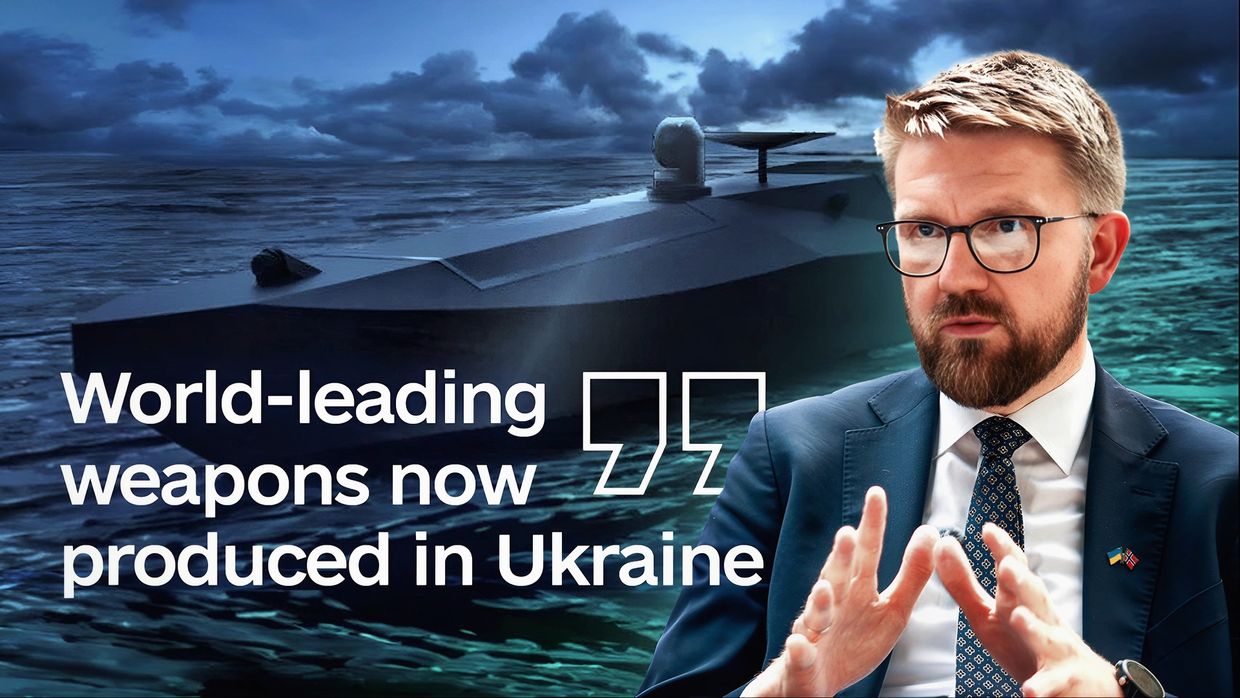
Why Norway is investing billions in Ukraine’s victory
The Kyiv Independent’s Oleksiy Sorokin sat down with Eivind Vad Petersson, state secretary to the Norwegian foreign minister and co-chair of the joint Norwegian-Ukrainian Working Group on Nuclear Safety and Security.
Armenian parliament speaker urges ban on Russian TV broadcastingThe Kyiv IndependentOleksiy Sorokin
Armenian parliament speaker urges ban on Russian TV broadcasting
  • ✇The Kyiv Independent
  • Azerbaijan detains alleged Russian spies as relations with Moscow nosedive
    Editor's note: The story was updated after the Sputnik news agency disclosed the names of those detained in Baku.Azerbaijani police detained two alleged agents of Russia's Federal Security Service (FSB) on June 30 following searches at the Baku office of the Russian state-controlled news agency Sputnik, the Azerbaijani news outlet Apa.az reported.Sputnik later elaborated that Igor Kartavykh, chief editor of Sputnik Azerbaijan, and Yevgeniy Belousov, managing editor, had been detained in Baku. Th
     

Azerbaijan detains alleged Russian spies as relations with Moscow nosedive

30 juin 2025 à 10:26
Azerbaijan detains alleged Russian spies as relations with Moscow nosedive

Editor's note: The story was updated after the Sputnik news agency disclosed the names of those detained in Baku.

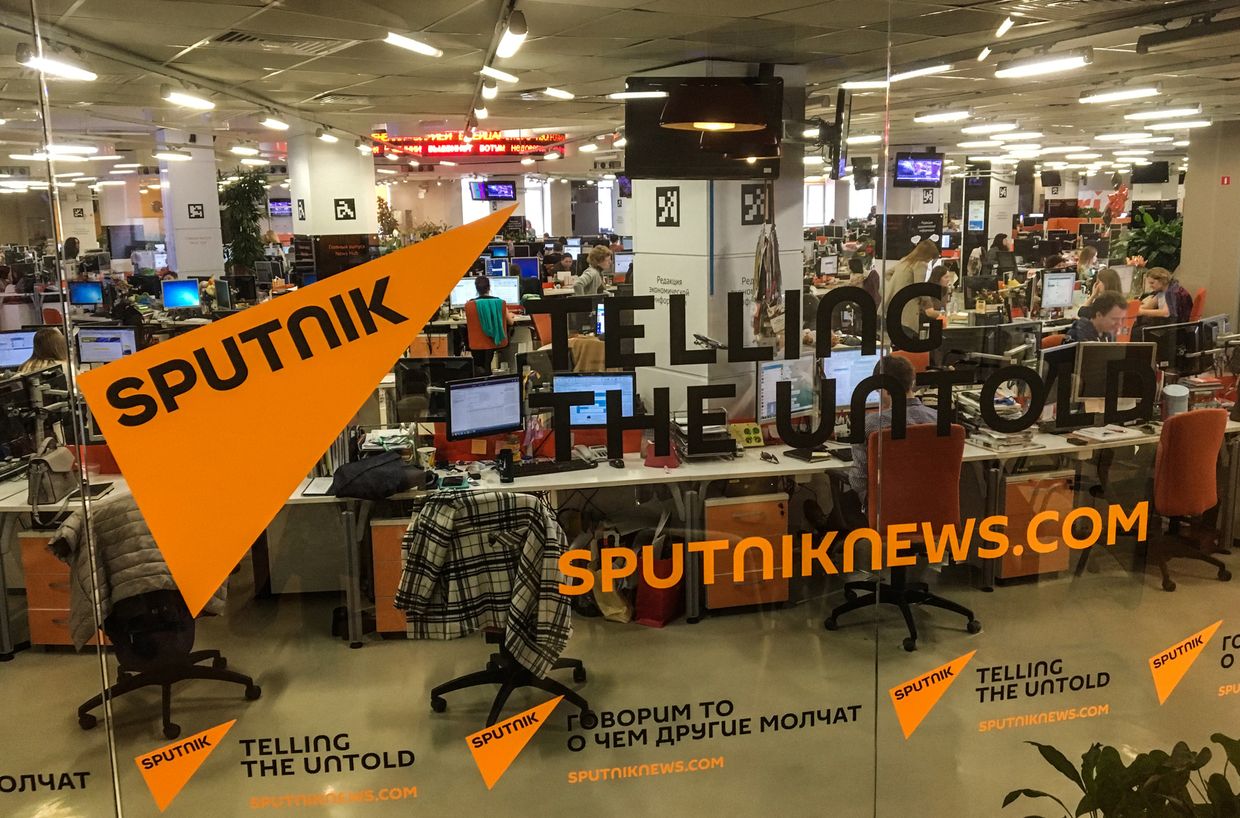
Azerbaijani police detained two alleged agents of Russia's Federal Security Service (FSB) on June 30 following searches at the Baku office of the Russian state-controlled news agency Sputnik, the Azerbaijani news outlet Apa.az reported.

Sputnik later elaborated that Igor Kartavykh, chief editor of Sputnik Azerbaijan, and Yevgeniy Belousov, managing editor, had been detained in Baku. The agency called the allegations that the detainees were FSB agents "absurd."

The move comes amid a major deterioration in Russian-Azerbaijani relations that followed the detention of over 50 Azerbaijanis as part of a murder investigation in Yekaterinburg on June 27. Two people died during the detentions, and three others were seriously injured.

The searches in the office of the Russian propaganda media outlet, which operates as a local branch of Russian state news agency Russia Today (RT), began on June 30.

The Russian propagandist Margarita Simonyan, editor-in-chief of Russia Today, said that representatives of the Russian embassy in Baku were on their way to Sputnik's office. Sputnik employees were offline and probably did not have access to phones, she added.

According to Simonyan, some of Sputnik's employees were Russian citizens.

The Azerbaijani government ordered in February that the activities of Sputnik's Azerbaijani office be suspended.

The authorities said that the move was intended to ensure parity in the activities of Azerbaijan's state media abroad and foreign journalists in the country. This meant that the number of Sputnik Azerbaijan journalists working in Baku was to be equal to the number of journalists of the Azerbaijani news agency Azertadzh in Russia.

As a result, Sputnik Azerbaijan had to reduce its staff from 40 people to one but refused to do so and continued to operate despite the Azerbaijani government's decision, according to Apa.az.

As the Russian-Azerbaijani relations deteriorate, Azerbaijan has cancelled all planned cultural events hosted alongside Russian state and private organizations, the country's Culture Ministry announced on June 29.

The announcement followed the deaths of two Azerbaijani citizens during police raids in the Russian city of Yekaterinburg.

Azerbaijan’s Foreign Ministry said on June 28 that Ziyaddin and Huseyn Safarov had died during a raid carried out by Russian authorities. Azerbaijan called the killings "ethnically motivated" and "unlawful" actions.

Baku called for the perpetrators to be brought to justice and said it expected Moscow to conduct a comprehensive investigation into the incident.

In the meantime, the Russian Foreign Ministry said that the detentions were carried out as part of an investigation into serious crimes. Foreign Ministry spokesperson Maria Zakharova claimed that these were cases related to murders committed in 2001, 2010, and 2011.

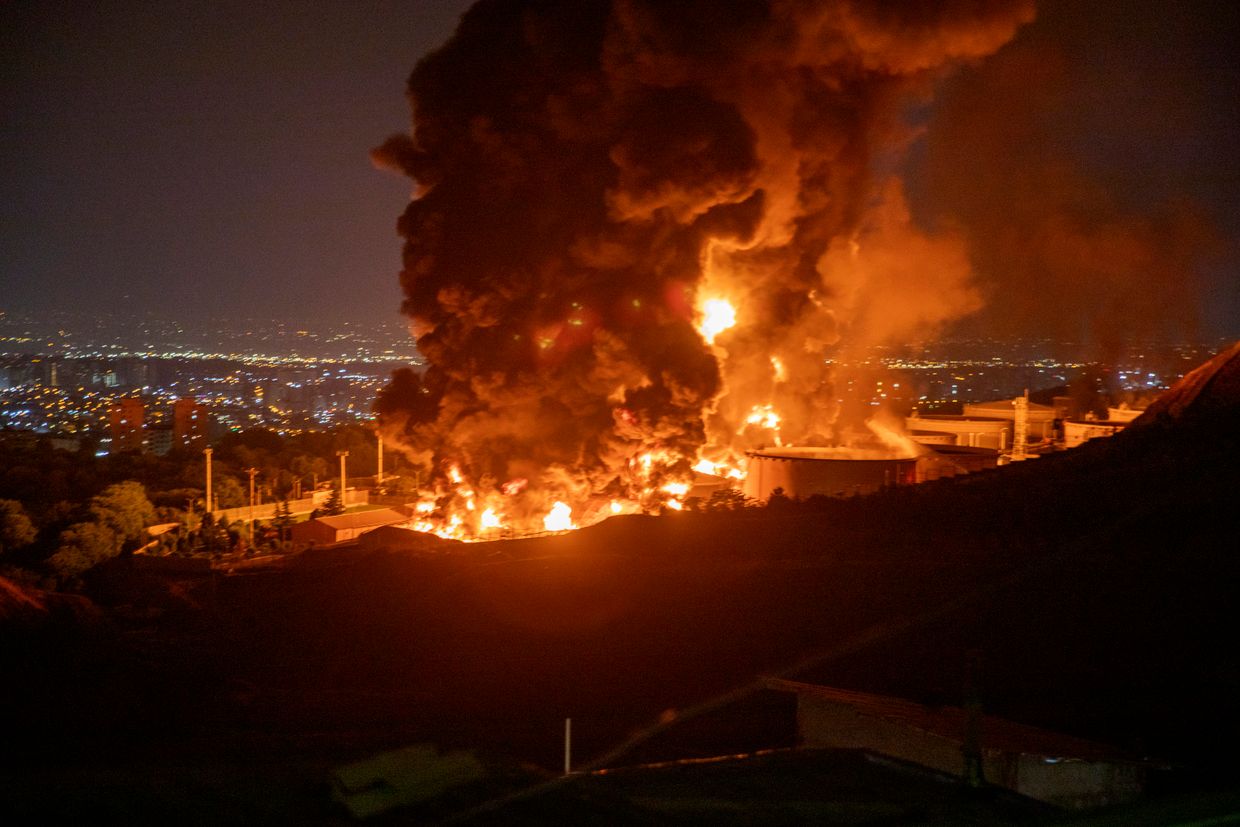
Russia pulls its scientists out of Iranian nuclear plant, as Israeli strikes threaten decades of collaboration
Israel’s strikes on Iranian nuclear facilities have alarmed none more than Russia, the country that first brought nuclear power to Iran in defiance of Western objections. We’re “millimeters from catastrophe,” said Kremlin spokeswoman Maria Zakharova on June 18 in response to a bombing campaign that Israel launched against Iran on June 13. Decades of conflict with the West have united Iran and Russia, despite a cultural gulf between the two nations that dwarfs the Caspian Sea that physically di
Azerbaijan detains alleged Russian spies as relations with Moscow nosediveThe Kyiv IndependentKollen Post
Azerbaijan detains alleged Russian spies as relations with Moscow nosedive
  • ✇The Kyiv Independent
  • Ukrainian journalist Vladyslav Yesypenko released after four years of Russian detention
    Ukrainian journalist Vladyslav Yesypenko was released on June 20 after more than four years of detention in Russian-occupied Crimea, Radio Free Europe/Radio Liberty reported.Yesypenko, a freelance contributor to Crimea.Realities, a regional project of RFE/RL's Ukrainian Service, reported on various issues in Crimea before being detained by Russia’s FSB in March 2021.He was accused of espionage and possession of explosives, charges he denied, and later sentenced to five years in prison by a Russi
     

Ukrainian journalist Vladyslav Yesypenko released after four years of Russian detention

22 juin 2025 à 16:14
Ukrainian journalist Vladyslav Yesypenko released after four years of Russian detention

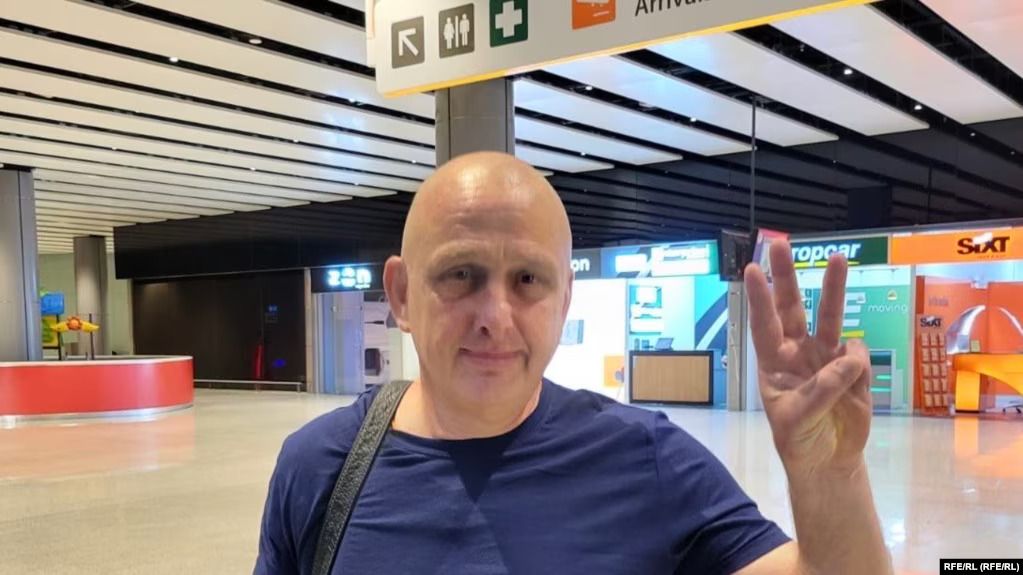
Ukrainian journalist Vladyslav Yesypenko was released on June 20 after more than four years of detention in Russian-occupied Crimea, Radio Free Europe/Radio Liberty reported.

Yesypenko, a freelance contributor to Crimea.Realities, a regional project of RFE/RL's Ukrainian Service, reported on various issues in Crimea before being detained by Russia’s FSB in March 2021.

He was accused of espionage and possession of explosives, charges he denied, and later sentenced to five years in prison by a Russian-controlled court.

Yesypenko said he was tortured, including with electric shocks, to force a confession, and was denied access to independent lawyers for nearly a month after his arrest.

RFE/RL welcomed his release, thanking the U.S. and Ukrainian governments for their efforts. Yesypenko has since left Russian-occupied Crimea.

“Vlad was arbitrarily punished for a crime he didn’t commit… he paid too high a price for telling the truth about occupied Crimea,” said RFE/RL President Steven Kapus.

During his imprisonment, Yesypenko became a symbol of press freedom, receiving several prestigious awards, including the Free Media Award and PEN America’s Freedom to Write Award.

His case drew support from human rights groups, the National Union of Journalists of Ukraine, and international advocates for media freedom.

Russia invaded and unlawfully annexed Crimea in 2014, cracking down violently on any opposition to its regime.

Following Russia's full-scale invasion of Ukraine in February 2022, the Kremlin toughened its grip on dissent, passing laws in March 2022 that prohibit what authorities label as "false" criticism of Russia's war.

Crimean Tatar freed from Russian captivity: ‘Recognizing Russia’s control of Crimea would legitimize crime’
For nearly two years in Russian captivity, Leniie Umerova clung to a single hope: that one day, she would return home — to Crimea. “I thought about Crimea all the time,” Umerova told the Kyiv Independent. “I dreamed of going there without the permission of the occupying forces, without going through
Ukrainian journalist Vladyslav Yesypenko released after four years of Russian detentionThe Kyiv IndependentDaria Shulzhenko
Ukrainian journalist Vladyslav Yesypenko released after four years of Russian detention
  • ✇Made Not Found (by danah boyd)
  • Risks vs. Harms: Youth & Social Media
    Since the “social media is bad for teens” myth will not die, I keep having intense conversations with colleagues, journalists, and friends over what the research says and what it doesn’t. (Alice Marwick et. al put together a great little primer in light of the legislative moves.) Along the way, I’ve also started to recognize how slipperiness between two terms creates confusion — and political openings — and so I wanted to call them out in case this is helpful for others thinking about these issu
     

Risks vs. Harms: Youth & Social Media

8 octobre 2024 à 13:32
Risks vs. Harms: Youth & Social Media

Since the “social media is bad for teens” myth will not die, I keep having intense conversations with colleagues, journalists, and friends over what the research says and what it doesn’t. (Alice Marwick et. al put together a great little primer in light of the legislative moves.) Along the way, I’ve also started to recognize how slipperiness between two terms creates confusion — and political openings — and so I wanted to call them out in case this is helpful for others thinking about these issues.

In short, “Does social media harm teenagers?” is not the same question as “Can social media be risky for teenagers?”

The language of “harm” in this question is causal in nature. It is also legalistic. Lawyers look for “harms” to place blame on or otherwise regulate actants. By and large, in legal contexts, we talk about PersonA harming PersonB. As such, PersonA is to be held accountable. But when we get into product safety discussions, we also talk about how faulty design creates the conditions for people to be harmed due to intentional, malfeasant actions by the product designer. Making a product liability claim is much harder because it requires proving the link of harm and the intentionality to harm.

Risk is a different matter. Getting out of bed introduces risks into your life. Risk is something to identify and manage. Some environments introduce more potential risks and some actions reduce the risks. Risk management is a skill to develop. And while regulation can be used to reduce certain risks, it cannot eliminate them. And it can also backfire and create more risks. (This is the problem that María Angel and I have with techno-legal solutionism.)

Let’s unpack this a bit by shifting contexts and thinking about how we approach risks more generally.

Skiing is Risky.

Skiing is understood to be a risky sport. As we approach skiing season out here in the Rockies, I’m bracing myself for the uptick in crutches, knee wheelies, and people under 40 using the wheelchair services at the Denver airport. There is also a great deal of effort being put into trying to reduce the risk that someone will leave the slopes in this state. I’m fascinated by the care ski instructors take in trying to ensure that people who come to the mountains learn how to take care. There’s a whole program here for youngins designed to teach them a safety-first approach to skiing.

And there’s a whole host of messaging that will go out each day letting potential skiers know about the conditions. We will also get fear-mongering messages out here, with local news reporting on skiers doing stupid things and warnings of avalanches that too many folks will ignore. And there will be posters at the resorts telling people to not speed on the mountains because they might kill a kid. (I think these posters are more effective as scaring kids than convincing skiers to slow down.)

No matter what messaging goes out, people will still get hurt this season like they do every season. And so there are patrollers whose job it is to look for people in high-risk situations and medics who will be on hand to help people who have been injured. And there’s a whole apparatus structured to get them of the mountain and into long-term care.

Unless you’re off your rocker, you don’t just watch a few YouTube videos and throw yourself down a mountain on skis. People take care to learn how to manage the risks of skiing. Or they’re like me and take one look at that insanity and dream of a warm place by a fire or sitting in a hot tub instead of spending stupid amounts of money to introduce that kind of risk into their lives.

Crossing the Street is Risky.

The stark reality is that every social environment has risks. And one of the key parts of being socialized through childhood into adulthood is learning to assess and respond to risks.

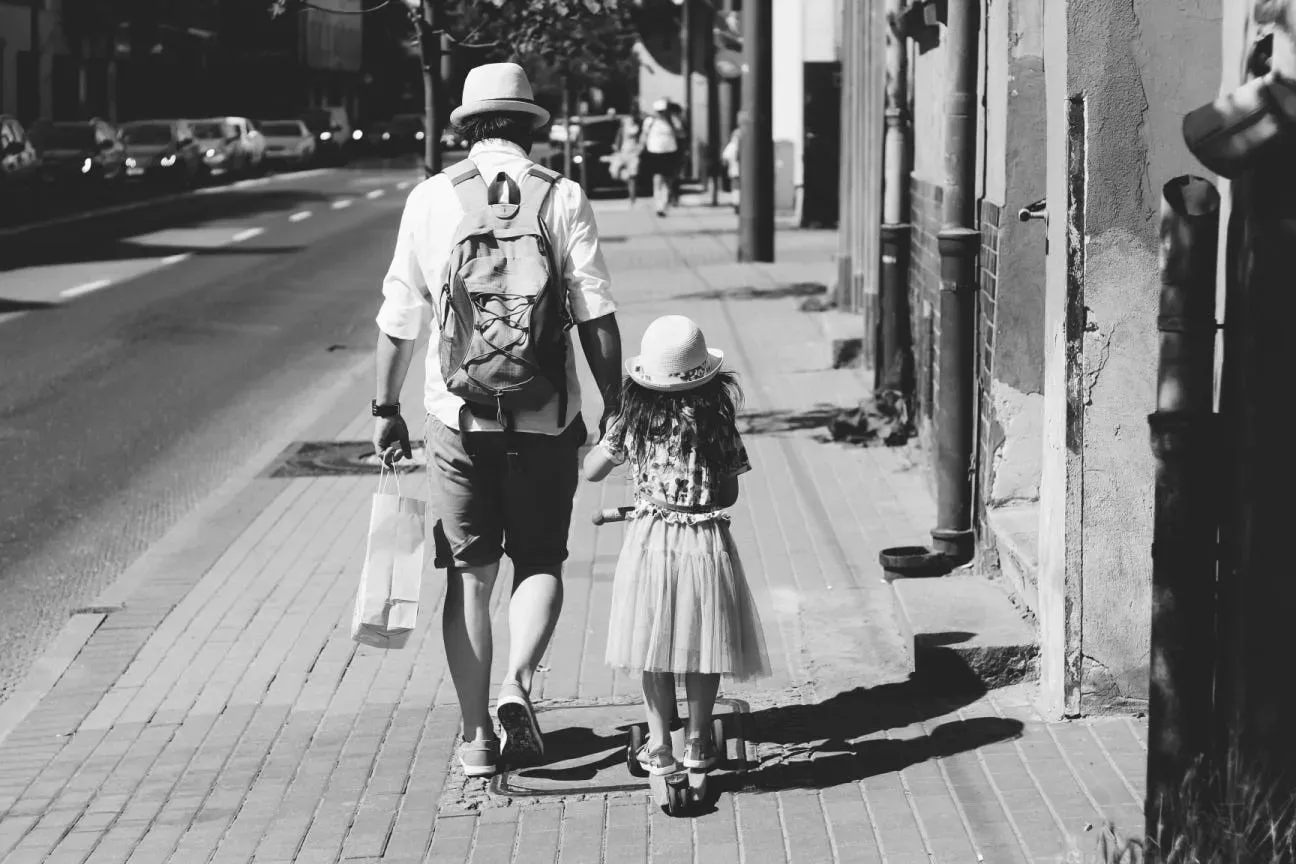
Consider walking down the street in a busy city. As any NYC parent knows, there are countless near-heart attacks that occur when trying to teach a 2-year-old to stop at the corner of the sidewalk. But eventually they learn to stop. And eventually they learn to not bowl people over while riding their scooter down that sidewalk. And then the next stage begins — helping young people learn to look both ways before crossing the street, regardless of what is happening with the light, and convincing them to maintain constant awareness about their environment. And eventually that becomes so normal that you start to teach your child how to J-walk without getting a ticket. And eventually, the child turns into a teenager who wanders the city alone, J-walking with ease while blocking out all audio signals with their headphones. But then take that child — or an American adult — to a city like Hanoi and they’ll have to relearn how to cross a street because nothing one learns in NYC about crossing streets applies to Hanoi.

Is crossing the street risky? Of course. But there’s a lot we can do to make it less risky. Good urban design and functioning streetlights can really help, but they don’t make the risk disappear. And people can actually cross a street in Hanoi, even though I doubt anyone would praise the urban design of streets and there are no streetlights. While design can help, what really matters for navigating risk is rooted in socialization, education, and agency. Mixed into this is, of course, experience. The more that we experience crossing the street, the easier it gets, regardless of what you know about the rules. And still, the risk does not entirely disappear. People are still hit by cars while crossing the street every year.

The Risk of Social Media Can Be Reduced.

Can social media be risky for youth? Of course. So can school. So can friendship. So can the kitchen. So can navigating parents. Can social media be designed better? Absolutely. So can school. So can the kitchen. (So can parents?) Do we always know the best design interventions? No. Might those design interventions backfire? Yes.

Does that mean that we should give up trying to improve social media or other digital environments? Absolutely not. But we must also recognize that trying to cement design into law might backfire. And that, more generally, technologies’ risks cannot be managed by design alone.

Fixating on better urban design is pointless if we’re not doing the work to socialize and educate people into crossing digital streets responsibly. And when we age-gate and think that people can magically wake up on their 13th or 18th birthday and be suddenly able to navigate digital streets just because of how many cycles they took around the sun, we’re fools. Socialization and education are still essential, regardless of how old you are. (Psst to the old people: the September that never ended…)

In the United States, we have a bad habit of thinking that risks can be designed out of every system. I will never forget when I lived in Amsterdam in the 90s, and I remarked to a local about how odd I found it that there were no guardrails to prevent cars from falling into the canals when they were parking. His response was “you’re so American” which of course prompted me to say, “what does THAT mean?” He explained that, in the Netherlands, locals just learned not to drive their cars into the canals, but Americans expected there to be guardrails for everything so that they didn’t have to learn not to be stupid. He then noted out that every time he hears about a car ending up in the canal, it is always an American who put it there. Stupid Americans. (I took umbrage at this until, a few weeks later, I read a news story about a drunk American driving a rental into the canal.)

Better design is warranted, but it is not enough if the goal is risk reduction. Risk reduction requires socialization, education, and enough agency to build experience. Moreover, if we think that people will still get hurt, we should be creating digital patrols who are there to pick people up when they are hurt. (This is why I’ve always argued that “digital street outreach” would be very valuable.)

But What About Harms?

People certainly face risks when encountering any social environment, including social media. This then triggers the next question: Do some people experience harms through social media? Absolutely. But it’s important to acknowledge that most of these harms involve people using social media to harm others. It’s reasonable that they should be held accountable. It’s not reasonable to presume that you can design a system that allows people to interact in a manner where harms will never happen. As every school principal knows, you can’t solve bullying through the design of the physical building.

Returning to our earlier note on product liability, it is reasonable to ask if specific design choices of social media create the conditions for certain kinds of harms to be more likely — and for certain risks to be increased. Researchers have consistently found that bullying is more frequent and more egregious at school than on social media, even if it is more visible on the latter. This makes me wary of a product liability claim regarding social media and bullying. Moreover, it’s important to notice what schools have done in response to this problem. They’ve invested in social-emotional learning programs to strengthen resilience, improve bystander approaches, and build empathy. These interventions are making a huge difference, far more than building design. (If someone wants to tax social media companies to scale these interventions, have a field day.)

Of course, there are harms that I do think are product liability issues vis-a-vis social media. For example, I think that many privacy harms can be mitigated with a design approach that is privacy-by-default. I also think that regulations that mandate universal privacy protections would go a long way in helping people out. But the funny thing is that I don’t think that these harms are unique to children. These are harms that are experienced broadly. And I would argue that older folks tend to experience harms associated with privacy much more acutely.

But even if you think that children are especially vulnerable, I’d like to point out that while children might need a booster seat for the seatbelt to work, everyone would be better off if we put privacy seatbelts in place rather than just saying that kids can’t be in cars.

I have more complex feelings about the situations where we blame technology for societal harms. As I’ve argued for over a decade, the internet mirrors and magnifies the good, bad, and ugly. This includes bullying and harassment, but it also includes racism, xenophobia, sexism, homophobia, and anti-trans attitudes. I wish that these societal harms could be “fixed” by technology; that would be nice. But that is naive.

I get why parents don’t want to expose children to the uglier parts of the world. But if we want to raise children to be functioning adults, we also have to ensure that they are resilient. Besides, protecting children from the ills of society is a luxury that only a small segment of the population is able to enjoy. For example, in the US, Black parents rarely have the option of preventing their children from being exposed to racism. This is why white kids need to be educated to see and resist racism. Letting white kids live in “colorblind” la-la-land doesn’t enable racial justice. It lets racism fester and increases inequality.

As adults, we need to face the ugliness of society head on, with eyes wide open. And we need to intentionally help our children see that ugliness so that they can be agents of change. Social media does make this ugly side more visible, but avoiding social media doesn’t make it go away. Actively engaging young people as they are exposed to the world through dialogue allows them to be prepared to act. Turning on the spicket at a specific age does not.

I will admit that one thing that intrigues me is that many of those who propagate hate are especially interested in blocking children from technology for fear that allowing their children to be exposed to difference might make them more tolerant. (No, gender is not contagious, but developing a recognition that gender is socially and politically constructed — and fighting for a more just world — sure is.) There’s a long history of religious communities trying to isolate youth from kids of other faiths to maintain control.

There’s no doubt that media — including social media — exposes children to a much broader and more diverse world. Anyone who sees themselves as empowering their children to create a more just and equitable world should want to conscientiously help their children see and understand the complexity of the world we live in.

In the early days of social media, I was naive in thinking that just exposing people to people around the world to each other would fundamentally increase our collective tolerance. I had too much faith in people’s openness. I know now that this deterministic thinking was foolish. But I have also come to appreciate the importance of combining exposure with education and empathy.

Isolating people from difference doesn’t increase tolerance or appreciation. And it won’t help us solve the hardest problems in our world — starting with both inequity and ensuring our planet is livable for future generations. Instead, we need to help our children build the skills to live and work together.

Put another way, to raise children who can function in our complex world, we need to teach them how to cross the digital street safely. Skiing is optional.

❌