Connexion
Russia is working to modernize its weapons on every front. This month, its drones are expected to carry 20-element anti-jam antennas to outpace Ukraine’s jamming
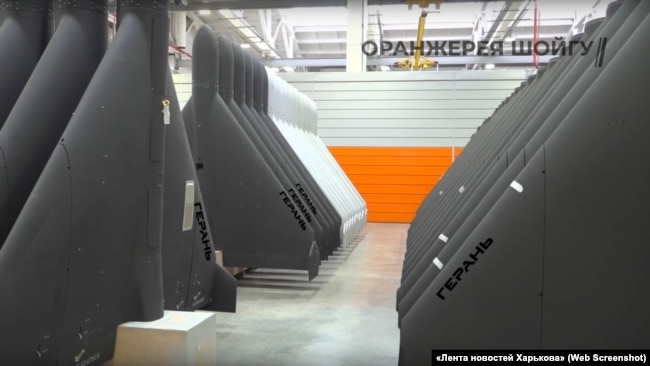
Russia is working methodically to modernize its attack drones on every possible front. This month, its drones are expected to carry 20-element anti-jam antennas in place of the 16-element ones, harder for Ukrainian electronic warfare to defeat, Serhii "Flash" Beskrestnov, President Volodymyr Zelenskyy's defense-technology adviser, said.
Russia's knack for scaling and upgrading its weapons is something Ukrainian experts keep flagging. Serhii Bratchuk, spokesperson for the Ukrainian Volunteer Army, recently put it bluntly, "Credit to the Russians. They know how to scale." Meanwhile, military analyst Oleksandr Kovalenko of the Information Resistance group has argued that Russia plans its terror campaigns years out and adapts almost monthly, a foresight Ukraine has struggled to match.
The antenna work is another example, and it will not stop at 20 elements: the main supplier, VNIIR "Progress", plans 24-element arrays in 2027, and Chinese firms are mounting similar efforts, shipping multi-element antennas to Russia disguised as farm equipment.
Autonomous drones need GPS jamming
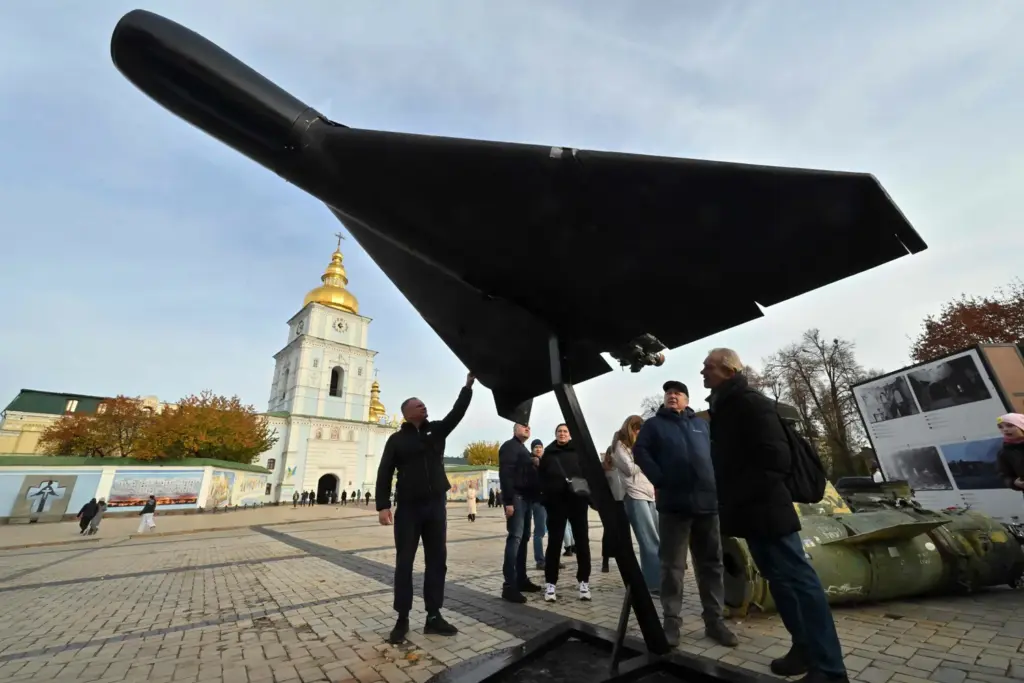
Not every jet drone that reaches Kyiv is flown by a live operator, Beskrestnov said. A large share runs on ordinary satellite navigation, and a few weeks ago, Russia upgraded the drones' inertial navigation, the backup that holds a course when the satellite signal drops.
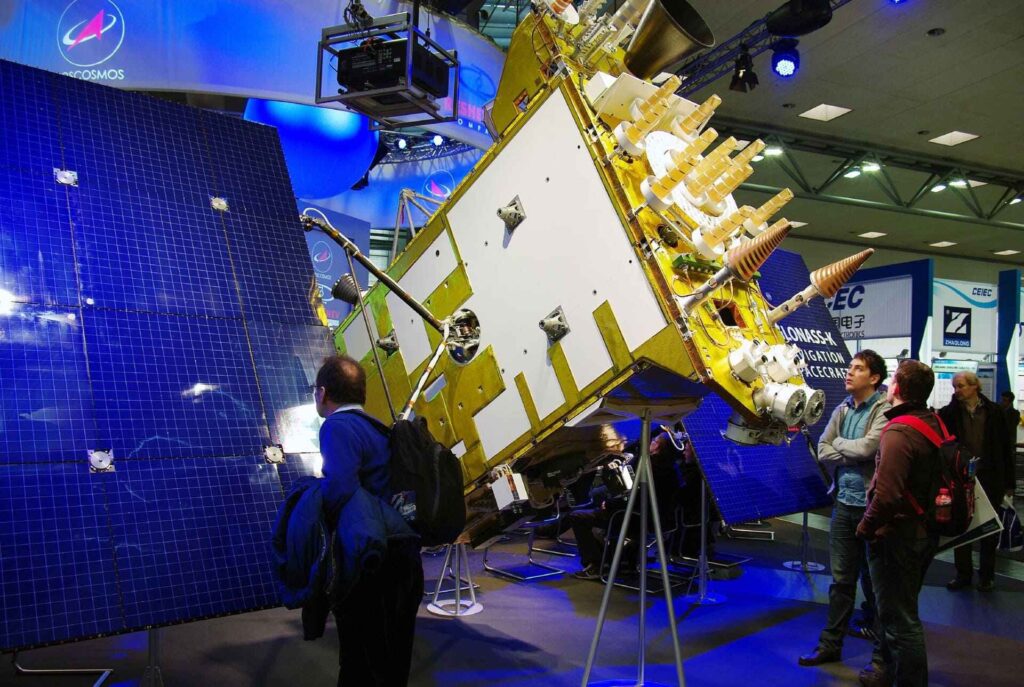
The distinction changes how Ukraine fights back. A drone under live control can be stopped by jamming its communication link, the mobile or satellite internet the operator uses, which cuts the operator off. A drone flying on its own has no such link to jam. There, Ukraine has to jam the GPS or GLONASS signals the drone relies on.
Cruise missiles share the weakness
The same logic applies to Russia's newer cruise weapons. The Banderol and the Dan-T, which Russia is betting on, carry no operator link at all, only satellite and inertial navigation, Beskrestnov said.
The Dan-T is a strange case: it began as the Dan-M, a jet-powered target drone that Russia's Sokol bureau built in the early 1990s to mimic US Tomahawk cruise missiles for air-defense practice, now fitted with a warhead and fired at Ukrainian cities.
Because these weapons navigate rather than being flown, Ukrainian electronic warfare is one of the few tools that can throw them off course, even as Russia races to harden the navigation they depend on.