Connexion
After years of disputes, Hungary finds common ground with Ukraine—on honoring Soviet deportations from Zakarpattia
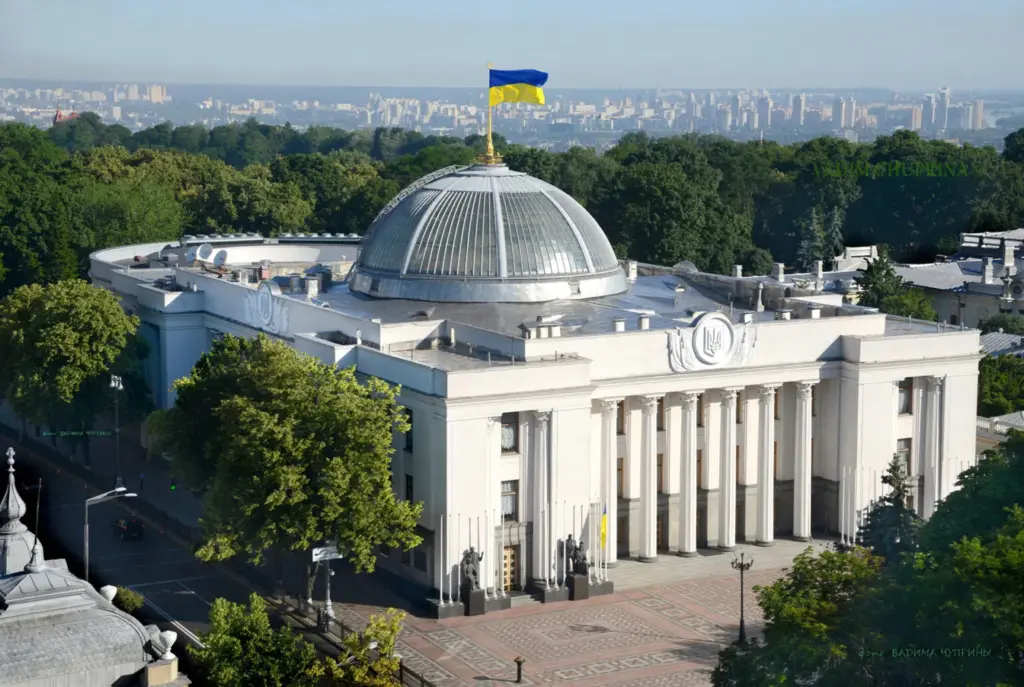
Budapest praised the Verkhovna Rada—Ukraine’s parliament—after it voted 261–0 to classify mass arrests, deportations, and persecution by the Soviet military administration in Zakarpattia (also known as Transcarpathia) from 1944 to 1946 as crimes of the communist regime.
The vote makes the Verkhovna Rada the first state body in the world to recognize the repression of Zakarpattia’s Hungarian community as a crime, according to European Pravda. It creates an opening for historical reconciliation after years of minority-rights disputes, strained relations, and blocking Ukraine’s EU accession. However, Budapest continues to press Kyiv for further concessions.
After Soviet forces took control of Zakarpattia—Ukraine’s westernmost region, bordering Hungary and home to the country’s largest ethnic Hungarian community—the NKVD, Stalin’s secret police, and SMERSH, Soviet military counterintelligence, detained civilian men aged 18 to 50 under the pretext of mobilization.
The men were deported without trial to labor camps and the Soviet Gulag prison-camp system. Hungary’s Foreign Ministry said tens of thousands of Hungarian- and German-speaking men were deported, and many thousands died under the inhumane conditions of forced labor.
The campaign became known in Hungarian as malenkij robot. Derived from a Russian phrase meaning “a little work,” Soviet troops used this deceptive phrase when taking people away.
Hungarian Foreign Minister Anita Orbán—no relation to former Prime Minister Viktor Orbán—called the declaration “a fitting tribute” to thousands targeted by Soviet terror because of their Hungarian identity. She said Hungary was ready to help uncover the truth about the past and honor the victims.
Hungary welcomes the Ukrainian parliament’s declaration condemning Soviet authorities' coercive measures against the Hungarian community in Transcarpathia between 1944 and 1946. The declaration is a fitting tribute to the thousands of victims of deportation and forced labor…
— Anita Orban (@_OrbanAnita) September 3, 2026
The resolution calls for memorials, archival publications, research, and the inclusion of the repression in educational programs. It also draws a parallel with Russia’s present-day occupation practices, saying Moscow is committing similar large-scale repression against civilians in occupied Ukraine.
Marton Hajdu, chair of the Hungarian parliament’s foreign affairs committee, nevertheless said reconciliation must be accompanied by Kyiv’s full implementation of its June agreement with Budapest on minority rights.
A cautious thaw in Hungarian-Ukrainian relations
The exchange adds to tentative signs of improving relations since Péter Magyar ended Viktor Orbán’s 16 years in power in April. Magyar’s government summoned Russia’s ambassador after Moscow struck Zakarpattia and later closed a money-laundering case involving $82 million belonging to Ukraine’s state-owned Oschadbank, reversing another Orbán-era dispute.
Budapest and Kyiv also reached a June agreement covering Hungarian-language education and the use of Hungarian in public services. Yet Magyar’s government has continued to slow parts of Ukraine’s EU accession process amid domestic pressure to defend Zakarpattia’s Hungarian community. The recognition of Soviet crimes, therefore, provides new common ground without settling the wider disagreements between the neighbors.
Read also
-
Russia made 500 Ukrainian schoolchildren in occupied Donetsk take part in “anti-terrorism dictation”. It taught them they can be jailed for a repost at 14
-
From HQ to the zero line: Ukraine’s Hrafit system answers one important question on an ordinary phone in a trench and on the road
-
“Everyone is absolutely livid”: Expert says Russian agent may have activated MESH relay within 5 km of attack on Security Service, enraging Ukraine and Europe