❌

Vue normale

How Trump Has Cracked Down on Dissent Since the Killing of Charlie Kirk

22 septembre 2026 à 05:01
The White House has labeled critics terrorists, attributed violence to a left-wing conspiracy and investigated unions, nonprofits and other groups in a battle over free speech.

© Adriana Zehbrauskas for The New York Times

A memorial to Charlie Kirk outside the Turning Point USA headquarters last year in Phoenix.
  • ✇Euromaidan Press
  • Russia’s secret drone math: one Tatarstan plant could yield 28,000 more drone bodies a year
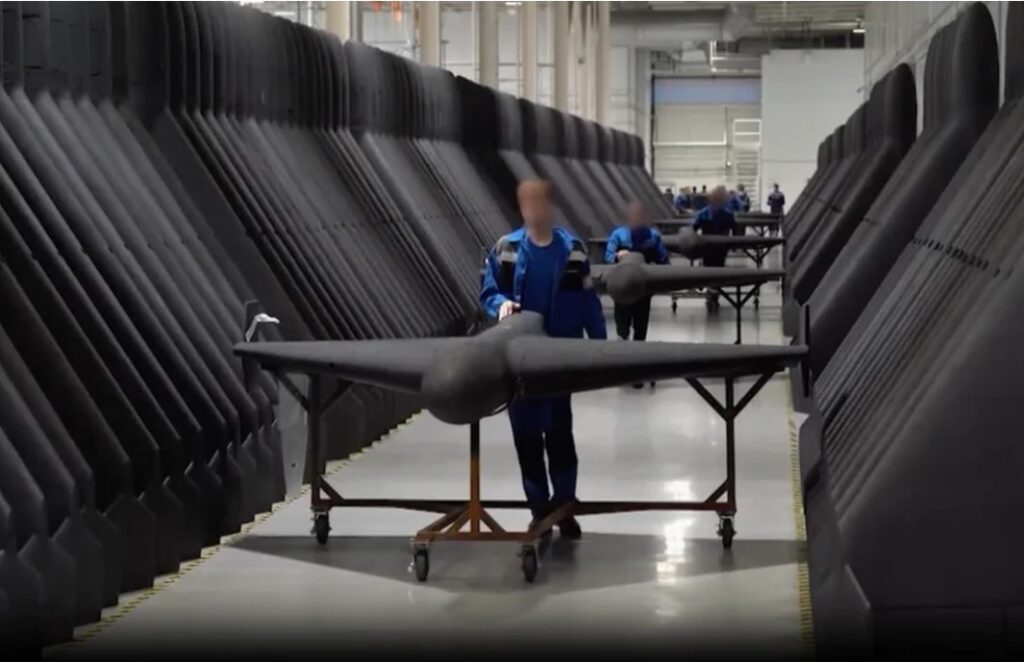
    Russia is quietly moving to expand the capacity of the plant behind its long-range attack drones, a step that could sharply raise how many it launches at Ukraine, according to Politico. The plan turns on a single carbon fiber factory in Russia's Tatarstan region and runs to the end of the decade. These files add something narrower than Russia's known intent to fight on: they identify carbon fiber as a critical material capping how many drones it can build. To break that cap, the Kremli
     

Russia’s secret drone math: one Tatarstan plant could yield 28,000 more drone bodies a year

21 septembre 2026 à 09:31

axios cuba has acquired over 300 russian iranian military drones · post russia's drone factory tatarstan shahed_plant alabuga video ukraine news ukrainian reports

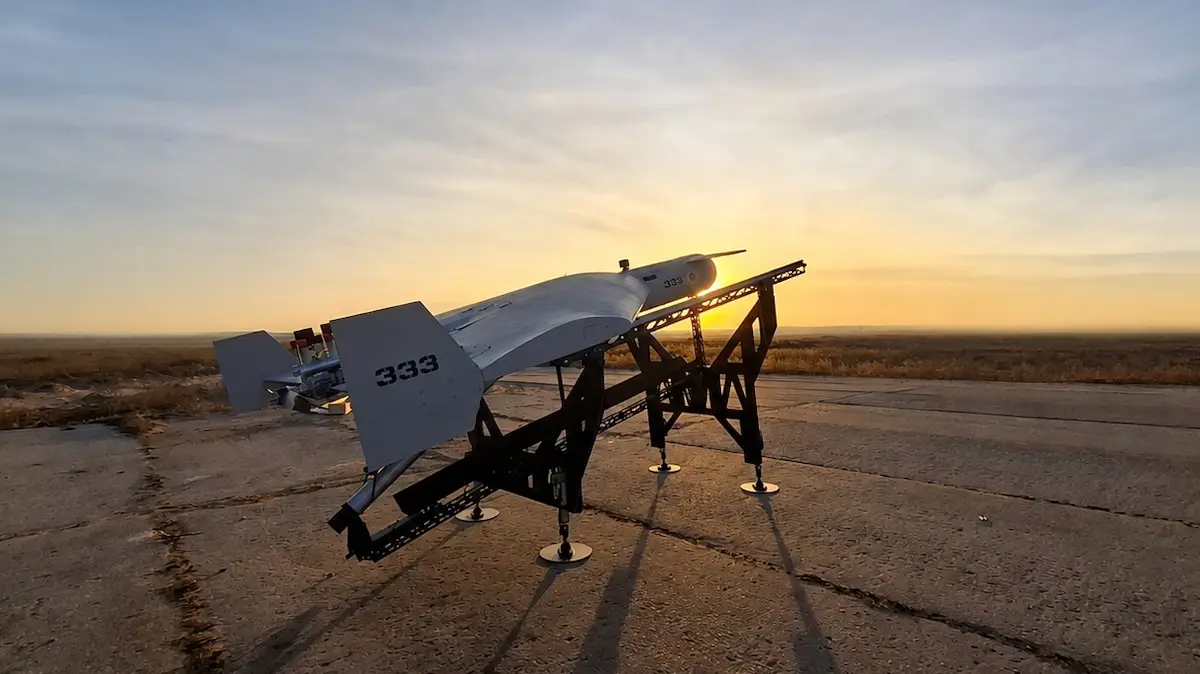
Russia is quietly moving to expand the capacity of the plant behind its long-range attack drones, a step that could sharply raise how many it launches at Ukraine, according to Politico. The plan turns on a single carbon fiber factory in Russia's Tatarstan region and runs to the end of the decade.

These files add something narrower than Russia's known intent to fight on: they identify carbon fiber as a critical material capping how many drones it can build. To break that cap, the Kremlin is funding production lines that will not run until the decade's end—a bet on winning by out-building Ukraine, even as the strikes grind on.

The bottleneck Russia wants to break

Politico obtained internal documents from Russian state nuclear corporation Rosatom showing its Alabuga-Volokno plant would add 500 tons of military-grade aerospace carbon fiber a year by 2029. Rosatom declined to comment. Weapons expert David Albright, who heads the Institute for Science and International Security, estimated that volume could yield airframes for about 28,000 more attack drones a year—a 78% jump.

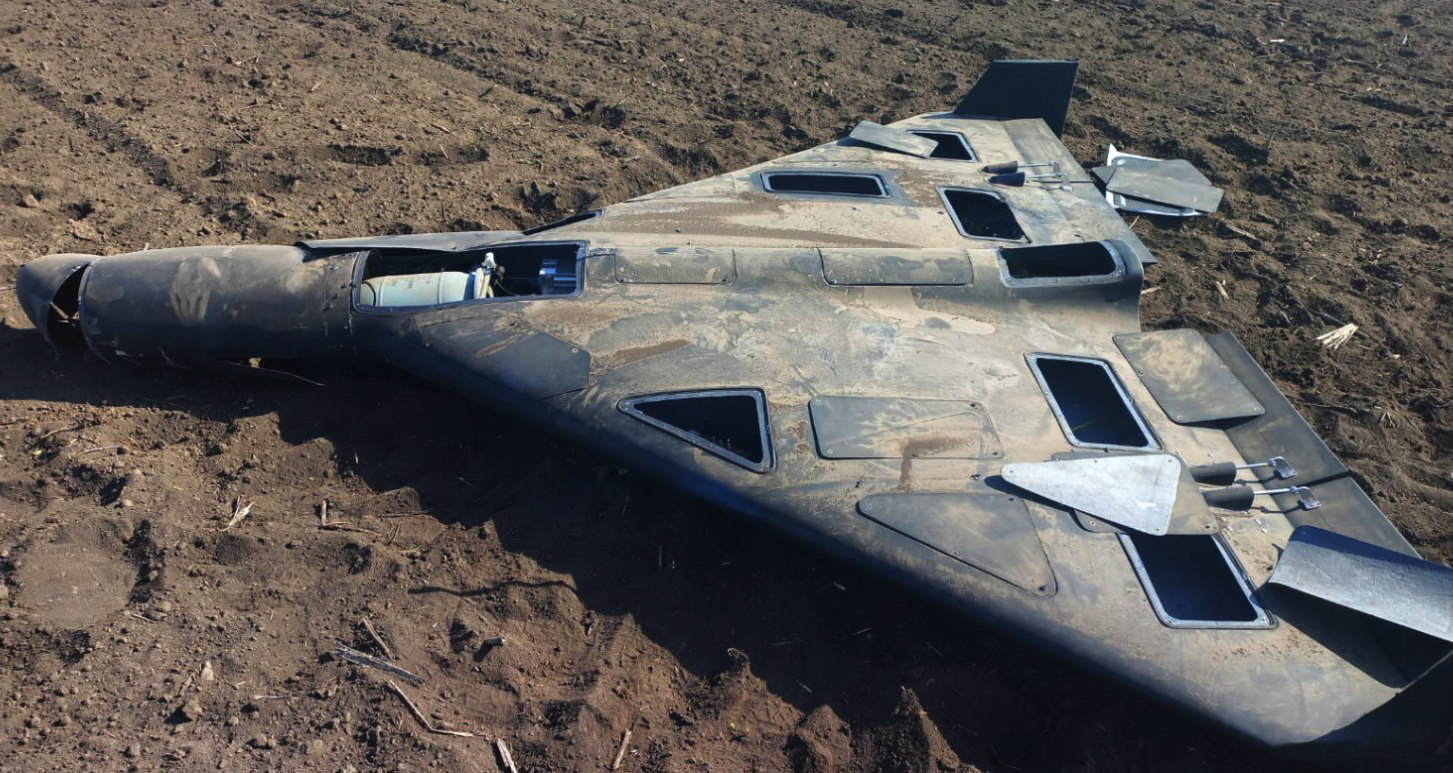
Ukraine already estimates Russia can build more than 36,000 Shahed/Geran kamikaze drones a year. Carbon fiber is the choke point: it keeps the airframes light and strong, and Russia has no cheap substitute.

"Without the carbon fiber, they can't make the drone. Can't substitute for the carbon fiber in the drone and keep its weight down," Albright said.

Moscow is investing in the raw material, not just more assembly halls—the fiber, not floor space, is what caps output.

Ground already cleared in Tatarstan

Documents gathered by the Ukrainian Security and Cooperation Center describe a new factory on the site designed to produce UMT42S-3K aerospace-grade fiber. Satellite images from May to July show land cleared for construction. Albright's own August imagery shows foundations going in. He said the stated 2027 completion date "requires rapid construction." Russia has spent the past year adding new assembly halls at the same site.

The plant and its parent, Rosatom's Umatex Group, already sit under US, UK, and other Western sanctions. The US House Select Committee on China and the Ukrainian government both verified the documents, officials told Politico.

The push comes as Russia leans harder on jet-powered Shaheds, which Ukraine's Air Force says are hard to down with conventional defenses. Kyiv has fielded its first jet interceptor and tested a new one in September—but the plant is a bid to out-build those defenses faster than Ukraine can scale them.

  • ✇Euromaidan Press
  • China calls itself neutral—but its fiber ends up in the drones that hit Ukraine
    Shipping documents show how a Chinese state company kept supplying Russia's drone factories with the raw material used in its long-range attack drones, Politico reported. Chinese parts have been recovered from downed Russian drones before. These records are the first to show the raw material shipped straight to the factory—a sanctioned arm of Russia's nuclear giant Rosatom. Russia's mass-produced attack drones run on parts sourced worldwide that keep slipping past Weste
     

China calls itself neutral—but its fiber ends up in the drones that hit Ukraine

7 septembre 2026 à 09:42

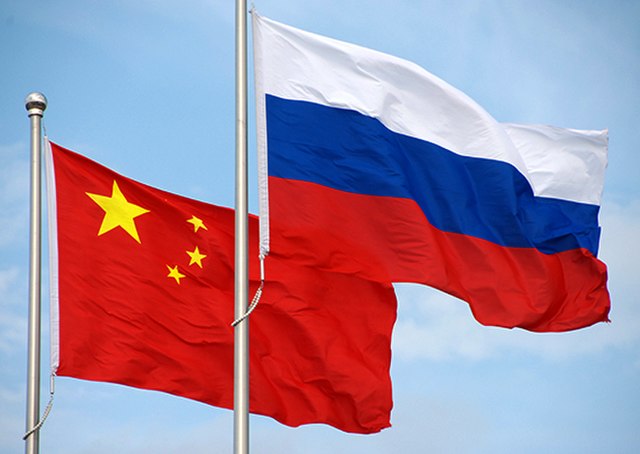
Flags of Russia and China.

Shipping documents show how a Chinese state company kept supplying Russia's drone factories with the raw material used in its long-range attack drones, Politico reported. Chinese parts have been recovered from downed Russian drones before. These records are the first to show the raw material shipped straight to the factory—a sanctioned arm of Russia's nuclear giant Rosatom.

Russia's mass-produced attack drones run on parts sourced worldwide that keep slipping past Western export controls, and Ukrainian cities take the hits almost nightly. Kyiv has spent the war naming the foreign suppliers behind that hardware, one component at a time.

What the documents show

The papers trace 46 metric tons of carbon-fiber chemicals from Jilin Chemical Fiber Group to Alabuga-Volokno, a Rosatom subsidiary in Tatarstan. The exporter disguised the cargo under a customs code meant for civilian fibers like nylon, said weapons expert David Albright, who studies Russia's drone production. That precursor, polyacrylonitrile, is the raw ingredient for the light carbon fiber in Russia's Shahed-type attack drones.

The MICH 2000 drone can fly up to 2,000 km and carry a warhead weighing up to 60kg. Photo courtesy of the manufacturer
Explore further

Ukraine’s new Tu-95 killer is a $48,000 copy of a drone China refused to sell

Drones of that type killed at least 15 people at a shopping mall in central Ukraine in August. Albright estimated the load could yield enough for as many as 1,300 kamikaze drones. The Kyiv-based Ukrainian Security and Cooperation Center, a think tank close to Ukraine's government, gathered the documents and shared them with Western governments. The US House Select Committee on China judged them legitimate, and Ukraine confirmed their authenticity.

Why Beijing can't plead ignorance

Alabuga-Volokno has faced Western sanctions since 2023 from the US, UK, EU, Ukraine, and others. Jilin faces none. Albright said the documents would let the State Department sanction the Chinese supplier. Serhii Kuzan, who heads the Ukrainian center, called China arguably the main and only source of these composite materials.

Former US officials rejected any idea that Beijing was unaware.

"The idea that Chinese state-owned enterprises can hide things from the Chinese government just doesn't wash," said Dennis Wilder, a former CIA deputy assistant director for East Asia and the Pacific.

Explore further

Russia’s jam-resistant drones run on a Chinese modem no one has sanctioned

Denials and a summit

Rosatom claimed it works in full compliance with the law. China's embassy in Washington called the evidence an attempt to "smear and scapegoat China," saying Beijing has never supplied lethal weapons.

The disclosure lands as US President Donald Trump prepares to meet Xi Jinping in Washington this month. In late August, Xi told Vladimir Putin their ties were set to strengthen.

❌