Connexion
Ukraine and Hungary have a rare moment of cooperation, agreeing to build fuel storage beyond Russia’s reach

Ukraine’s Naftogaz has signed a memorandum with Hungarian energy company MOL to build fuel storage facilities in Hungary near the Ukrainian border, creating additional reserves outside the reach of Russian strikes.
Acting Naftogaz CEO Sergiy Fedorenko said the project will diversify fuel supply routes and provide storage capacity outside areas exposed to Russian attacks. He said this could make fuel supplies more reliable for Ukrainian consumers while also expanding cross-border energy infrastructure.
The agreement was announced during the Carpathian Economic Forum, held as part of the first summit of the Carpathian Eight regional cooperation format.
Why Ukraine needs fuel storage outside the country
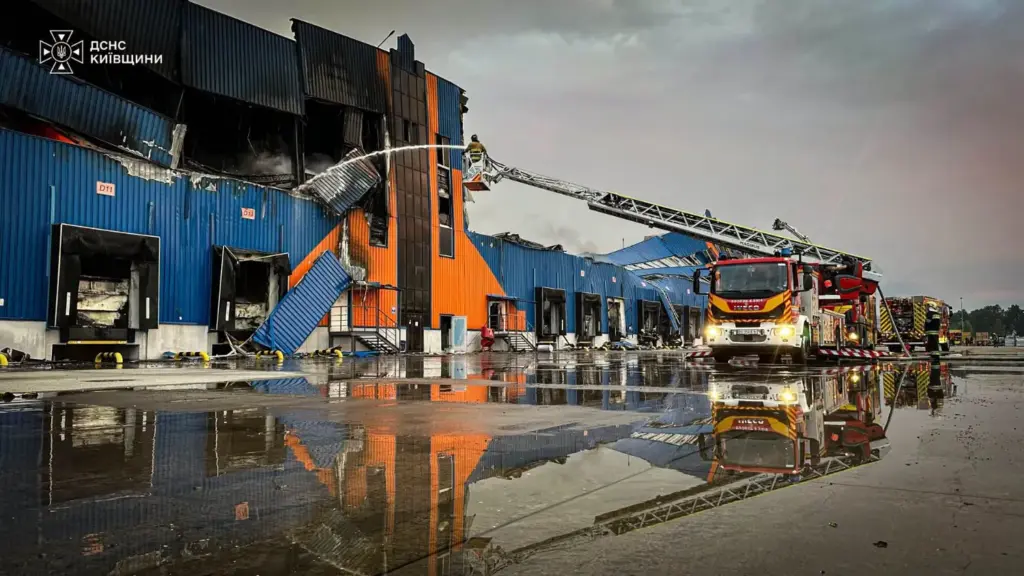
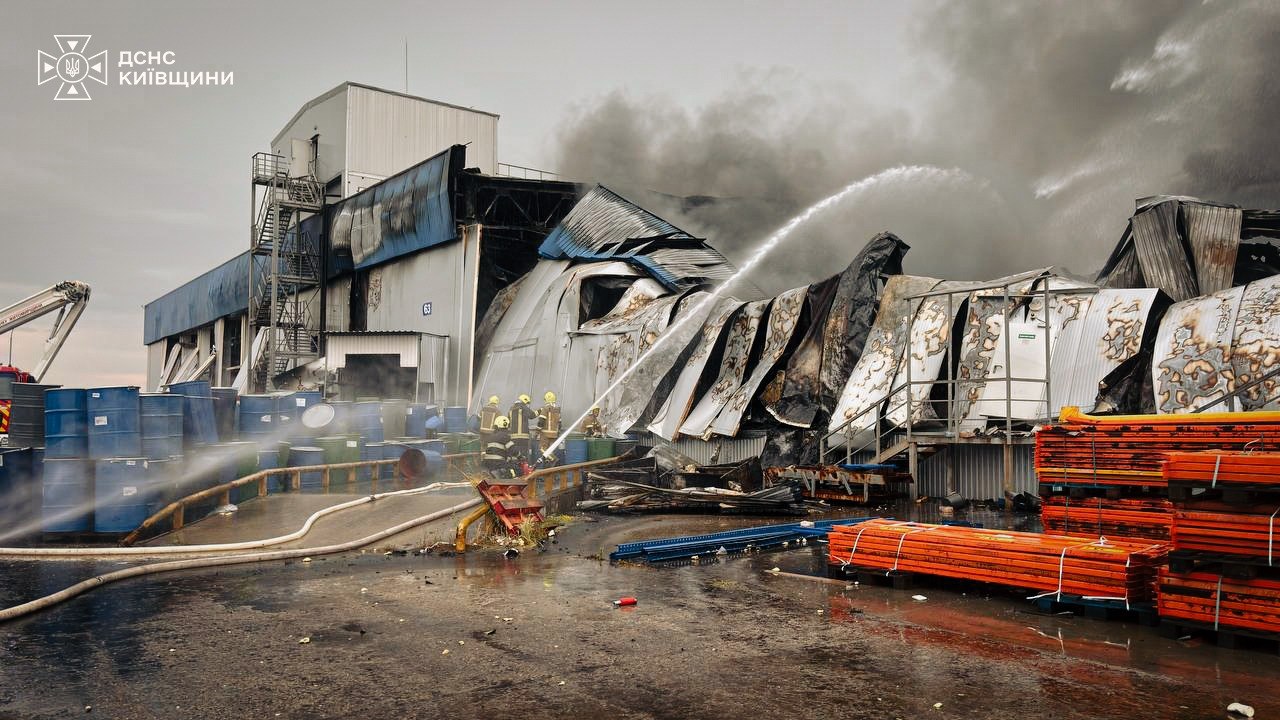
Russia has repeatedly targeted Ukraine’s fuel infrastructure, including oil and gas production facilities, filling stations, and other sites needed to supply fuel across the country. These attacks increase in the lead up to and during winter months, where the impacts on civilians are especially severe.
Naftogaz said Russian attacks destroyed 37 of its filling stations during the first seven months of 2026. The company said fuel availability is particularly important for emergency services, medical teams, public transport, and communities near the front line.
Russia has also attacked Ukraine’s oil and gas production facilities. In August, Naftogaz said a major Russian attack damaged seven Ukrnafta production facilities and forced some of them offline, reducing oil and gas production.
Storing fuel in Hungary would give Ukraine additional reserves beyond the reach of these attacks and another route for bringing petroleum products into the country if domestic infrastructure is damaged.
Fedorenko said the agreement could make fuel supplies to Ukrainian consumers more reliable while supporting the development of energy infrastructure connecting the two countries.
Ukraine-Hungary ties improve
The deal comes as Kyiv and Budapest have begun rebuilding relations following years of tensions under former Hungarian Prime Minister Viktor Orbán.
Péter Magyar replaced Orbán as Hungary’s prime minister in 2026, and the new government has moved toward closer cooperation with Ukraine, although major disagreements remain.
In June, Ukrainian Foreign Minister Andrii Sybiha described the relationship as entering a “new page” after Kyiv and Budapest reached an agreement addressing longstanding disputes over the rights of Hungary’s ethnic minority in Ukraine.
The two countries have since continued talks on normalizing relations. In September, the relationship was showing tentative signs of improvement, including progress on minority-rights issues and preparations for a meeting between Ukrainian President Volodymyr Zelenskyy and Magyar.
Energy cooperation has already featured in the renewed dialogue. During a Ukrainian government visit to Budapest in 2025, the two sides discussed Hungarian participation in modernizing Ukraine’s energy infrastructure and agreed to continue economic cooperation.
The improvement in relations has not eliminated disagreements. Hungary continues to block progress on parts of Ukraine’s EU accession process, citing concerns over the rights of Hungary’s ethnic minority in Ukraine.
The planned fuel-storage facilities therefore mark a practical area of cooperation between the two countries at a time when Russia’s attacks are making secure fuel supplies increasingly important for Ukraine.
Read also
-
NATO’s top generals meet in Copenhagen with Ukraine at top of agenda, as warnings grow that Russia may strike Alliance next
-
Ukraine’s new interceptor drone moves toward mass production after first kills against jet-powered Russian drones that fly like cruise missiles
-
Ukraine’s Donetsk counteroffensive wins not by force but by stealth: it gathers troops under Russian nose and seizes two villages before they react