Vue lecture

Russia keeps hitting Kyiv’s gas stations. Now they get military air-threat tracking
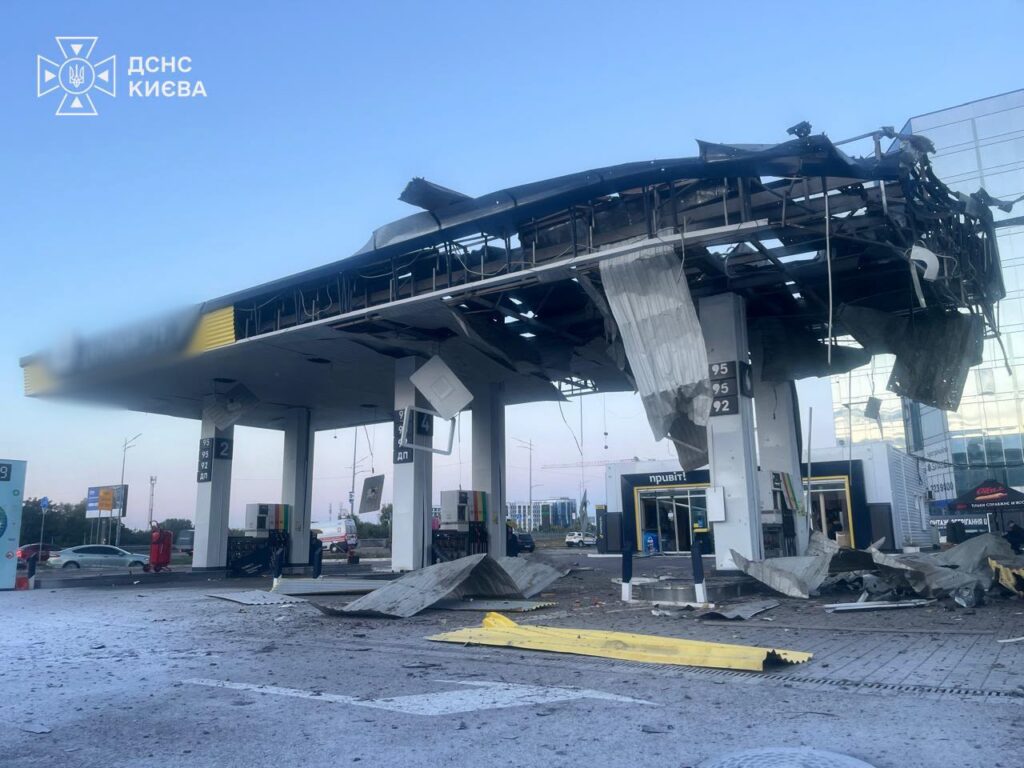
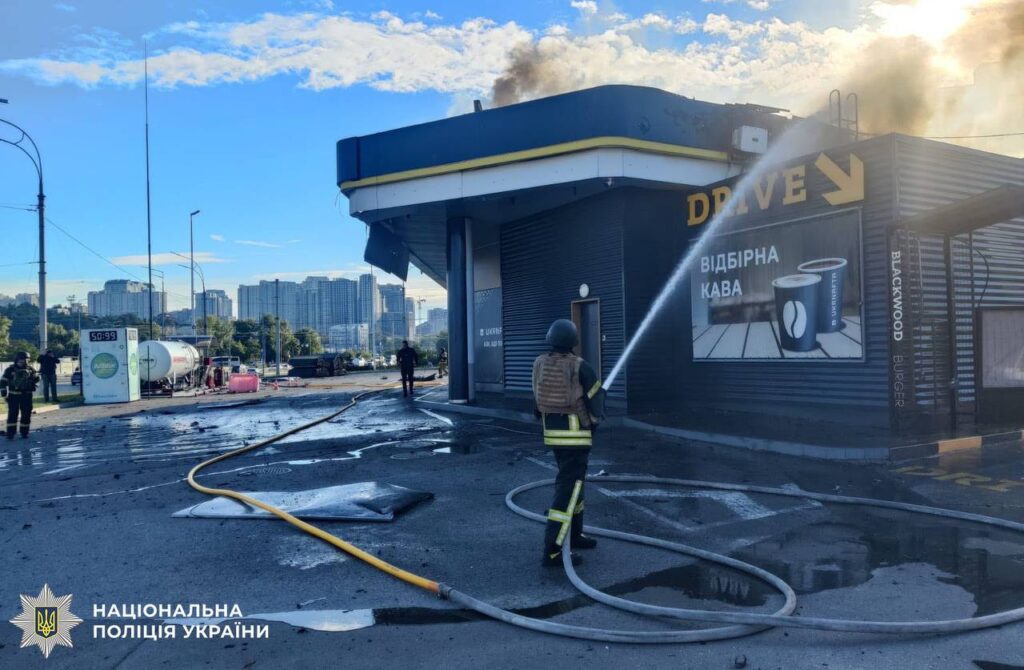
A gas station in Kyiv after being struck by a Russian drone on 15 September 2026. Photo: Ukraine's State Emergency Service

Gas stations across Kyiv Oblast will receive access to a military air-awareness system to help them respond more quickly to Russian drone attacks, Kyiv Oblast military administration head Tymur Tkachenko said on 15 September.

The move comes as Russian forces increasingly target fuel infrastructure during their attacks on Ukrainian cities. Two gas stations were hit in Kyiv on 15 September, killing one person and injuring 11, while at least three other Ukrnafta stations in the capital have been struck since 10 September.

The new system will allow designated gas-station employees to see real-time information about the movement of Russian aerial targets rather than relying only on the general air-raid alert. This should give stations more time to suspend operations, protect employees, and move customers away from danger.

Gas stations are becoming a recurring target

The attacks on Kyiv’s gas stations are part of a broader pattern. More than 300 gas stations across Ukraine have been attacked since the current wave began, according to Ukraine’s Energy Ministry, with strikes increasingly reaching deeper into the country.

In Kyiv, Russian forces have repeatedly used drones against fuel stations over the past week. The 15 September attack hit two more stations during a wider wave of around 200 drones launched against Ukraine.
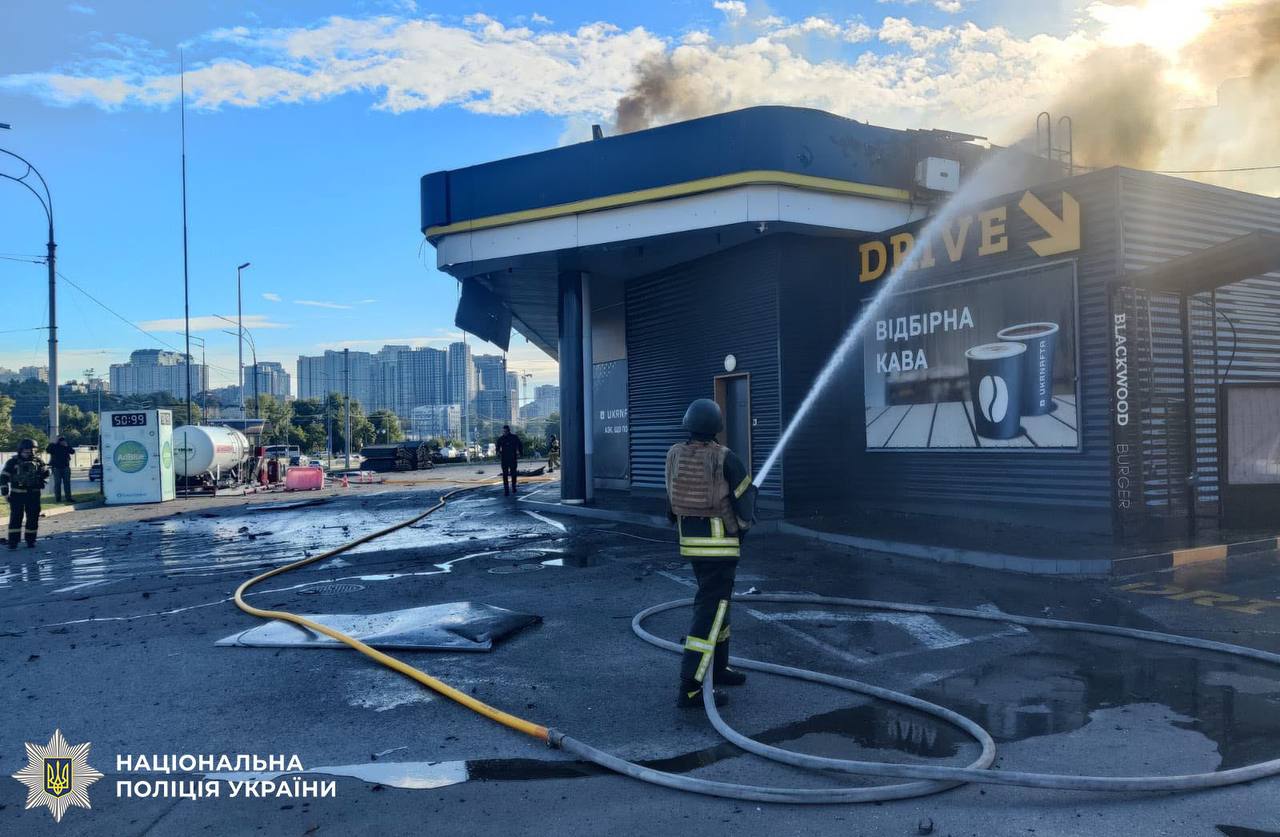
russian drones killed man injured eight kyiv hitting two gas stations · post firefighter extinguishes burning shop ukrnafta station struck drone ukraine 15 2026 police5280922930982363336 news ukrainian reports
Explore further

Russian drones killed a man and injured eight in Kyiv, hitting two gas stations

The targeting of fuel infrastructure adds another dimension to Russia’s campaign against Ukraine’s civilian supply system. Gas stations are not only businesses but critical points in the country’s transportation and fuel network, making repeated attacks capable of affecting both public safety and civilian mobility.

Tkachenko said the new air-awareness access is intended to give businesses “maximum available tools” to detect threats earlier and react in time.

He also urged drivers to follow gas-station employees’ instructions during air raids, as the facilities adapt their operations to the growing threat.

  •  

Ukraine’s drone campaign is changing where Putin goes – now his flagship forum is being moved out of Sochi

Russian President Vladimir Putin has moved his flagship foreign policy conference from Sochi to Moscow Oblast amid growing concerns over Ukraine’s long-range drone strikes, the Financial Times reported on 15 September.

The decision is likely an indirect acknowledgment of the impact of Ukraine’s ongoing deep-strike drone campaign. Russian officials may not publicly admit that Ukrainian drones pose a serious threat, but their actions suggest otherwise: Putin has increasingly avoided areas within range of Ukrainian drones, and now a major Kremlin event is being moved out of Sochi because of security concerns.

The annual Valdai Discussion Club meeting was originally planned for Sochi, but the venue was changed after Putin’s security service insisted on the move, according to four people familiar with the decision cited by the FT. Some 120 guests had already received invitations to the Black Sea resort before being informed of the change in August.

Putin has not visited Sochi since the Valdai conference there in early October 2025. Since then, Ukraine has significantly stepped up its long-range drone campaign against Russia. The change is stark compared with 2021, when Putin visited the Black Sea resort 24 times, according to the FT.

Ukraine is targeting the defenses behind Russia’s rear

Ukraine has repeatedly demonstrated its ability to strike targets in Russia’s rear. Its drones have reached energy and logistics infrastructure thousands of kilometers from Ukraine, while Sochi and other areas of Russia’s Black Sea coast have come under repeated attack.

The latest strike came on 13–14 September, when Ukraine’s Defense Forces hit the 92N6 multifunction radar of a Russian S-400 air defense system in Sochi, according to Ukraine’s General Staff. The radar tracks aerial targets and guides the S-400’s missiles, making it a critical component of the system defending the area.

The strike followed a 4 September Ukrainian attack on Sochi that hit two fuel depots and an air defense position near the Abkhazia border. Satellite imagery later showed nine destroyed fuel storage tanks and damage at the air defense position.

Fires broke out at two fuel depots in and beside Sochi, southern Russia, after drones struck overnight

One is a Rosneft depot in the resort's Adler district, the other a Lukoil site on the federal territory of Sirius, reported the Russian news Telegram channel Astra, which… pic.twitter.com/JqXiw2pRYG

— Euromaidan Press (@EuromaidanPress) September 4, 2026

Putin’s movements show the threat is changing

The relocation also fits a broader pattern in Putin’s movements. The Russian president has spent much of his time in Moscow, St Petersburg and his residence near Lake Valdai in Novgorod Oblast, while making more trips east of the Urals – areas farther from Ukraine’s long-range drone reach.

The Valdai forum will still take place from 28 September to 1 October, but now in Moscow Oblast rather than Sochi. Putin traditionally attends the final day and holds a lengthy question-and-answer session.

The Kremlin does not need to say Ukrainian drones are a serious threat. Moving Putin’s major foreign-policy forum away from Sochi says it for them.

  •  

Russian drones started 17 fires in Chernihiv Oblast, adding forest to the list of things the war destroys without aiming

forest fires

Falling Russian drone debris started 17 forest fires in Chernihiv Oblast between 7 and 13 September, burning 10.8 hectares, Ukraine's state forestry enterprise Forests of Ukraine said.

Russia's drone campaign is causing damage beyond its immediate targets, as falling debris can start fires in forests and other open areas. Forest fires linked to military activity have become a recurring problem across Ukraine. The previous week, 56 forest fires covering 84 hectares were recorded nationwide, with 95% attributed to hostilities, according to the state forestry enterprise.

Drone wreckage also started fires in eight other oblasts during the same period. Kherson Oblast recorded 3.7 hectares burned, Odesa 2 hectares, and Sumy 1.91 hectares. Smaller areas were affected in Zaporizhzhia (0.7 hectares), Dnipropetrovsk (0.5 hectares), Kyiv and Zhytomyr (0.12 hectares each), and Mykolaiv (0.1 hectares), according to Forests of Ukraine.

Russia kept up the daily barrages all week. Between 7 and 13 September, it launched more than 2,000 strike drones at Ukraine, by the Air Force's daily counts, and air defense downed or suppressed about 1,800 of them. The heaviest came on the night of 13 September, when 453 drones and S8000 Banderol munitions flew in from six directions and 405 drones and four Banderols were brought down. Twice that week, Russia also attacked in daylight, sending 410 drones on 12 September and 323 on 13 September between 06:30 and 18:00.

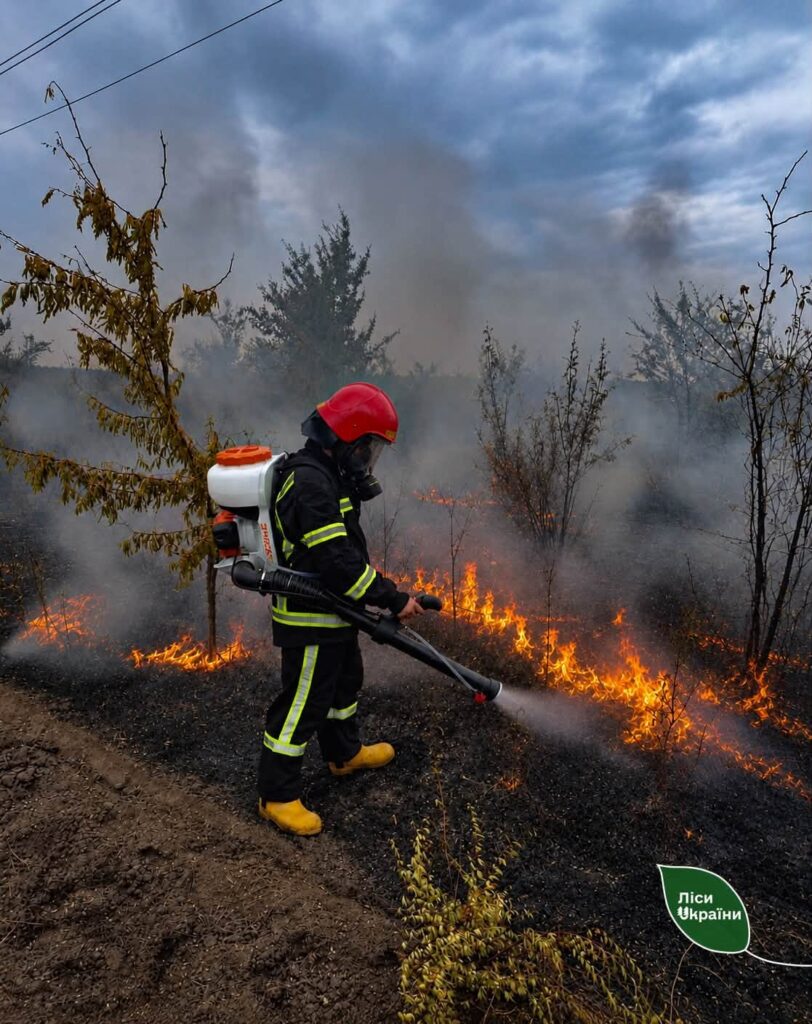
A firefighter works a forest fire line with a backpack sprayer in Ukraine, September 2026
A firefighter works the fire line with a backpack sprayer in Ukraine, September 2026. Crews fought 46 forest fires across the country last week, almost 72% of them caused by military action. Photo: Forests of Ukraine

About 165,000 hectares of Ukrainian forest have burned since Russia's full-scale invasion began in February 2022, with most of the damage linked to fires caused by shelling and combat.

In total, 46 forest fires covering 25.7 hectares were recorded across the enterprise's territory that week, with about 72% linked to military activity, according to Forests of Ukraine.

Munition debris lies in the ash after a forest fire in Ukraine, September 2026
Munition debris lies in the ash after a forest fire burned through, Ukraine, September 2026. Photo: Forests of Ukraine

The wider environmental toll

The fires are part of a wider environmental toll from Russia's war. The Initiative on Greenhouse Gas Accounting of War, working with the NGO Ecodiya and Ukraine's environment ministry, put emissions from war-driven landscape fires over the first four years at 70 million tons of CO2 equivalent, in an assessment reported by the Ukraine War Environmental Consequences Work Group.

The same review recorded 2,643 environmental incidents monitored by Ecodiya, with 2025 accounting for 931 of them.

  •  

Russian drones killed a man and injured eight in Kyiv, hitting two gas stations

russian drones killed man injured eight kyiv hitting two gas stations · post firefighter extinguishes burning shop ukrnafta station struck drone ukraine 15 2026 police5280922930982363336 news ukrainian reports

Russian drones killed one man and injured eight people in Kyiv on the morning of 15 September, hitting two gas stations along with warehouses, a restaurant, and an office building, the National Police reported. The strikes came in a night-long wave of 200 drones that also hit Odesa Oblast in southern Ukraine. 

Moscow's full-scale war against Ukraine grinds on, and Russia has been targeting Ukraine's civilian supply system for months, taking out retailer warehouses, medicine depots, and the railways that move them. The two Kyiv filling stations were the fourth and fifth stations reported as belonging to state-owned Ukrnafta to be struck in the capital since 10 September.

What Russia hit in Kyiv

The first drone came down at a gas station in the Darnytskyi district shortly after 06:00, and more drones hit warehouses in the Obolonskyi district around the same time, the Kyiv Military Administration saidThe strike critically wounded a man who was standing near the Darnytskyi station.

The attack resumed after 08:00. A drone struck a non-residential building in the Solomianskyi district, then a second gas station in the Holosiivskyi district, where heavy smoke rose over the site. Mayor Vitalii Klitschko reported the number of injured climbing through the morning, from two to four to eight, with two of them in serious condition. Emergency services put six of the eight in the Solomianskyi district, which took a second hit around 10:00.

The man hurt at the Darnytskyi station died in hospital at about 10:35. Beyond the two stations, police recorded damage to warehouses, a fast-food restaurant, and a business center.

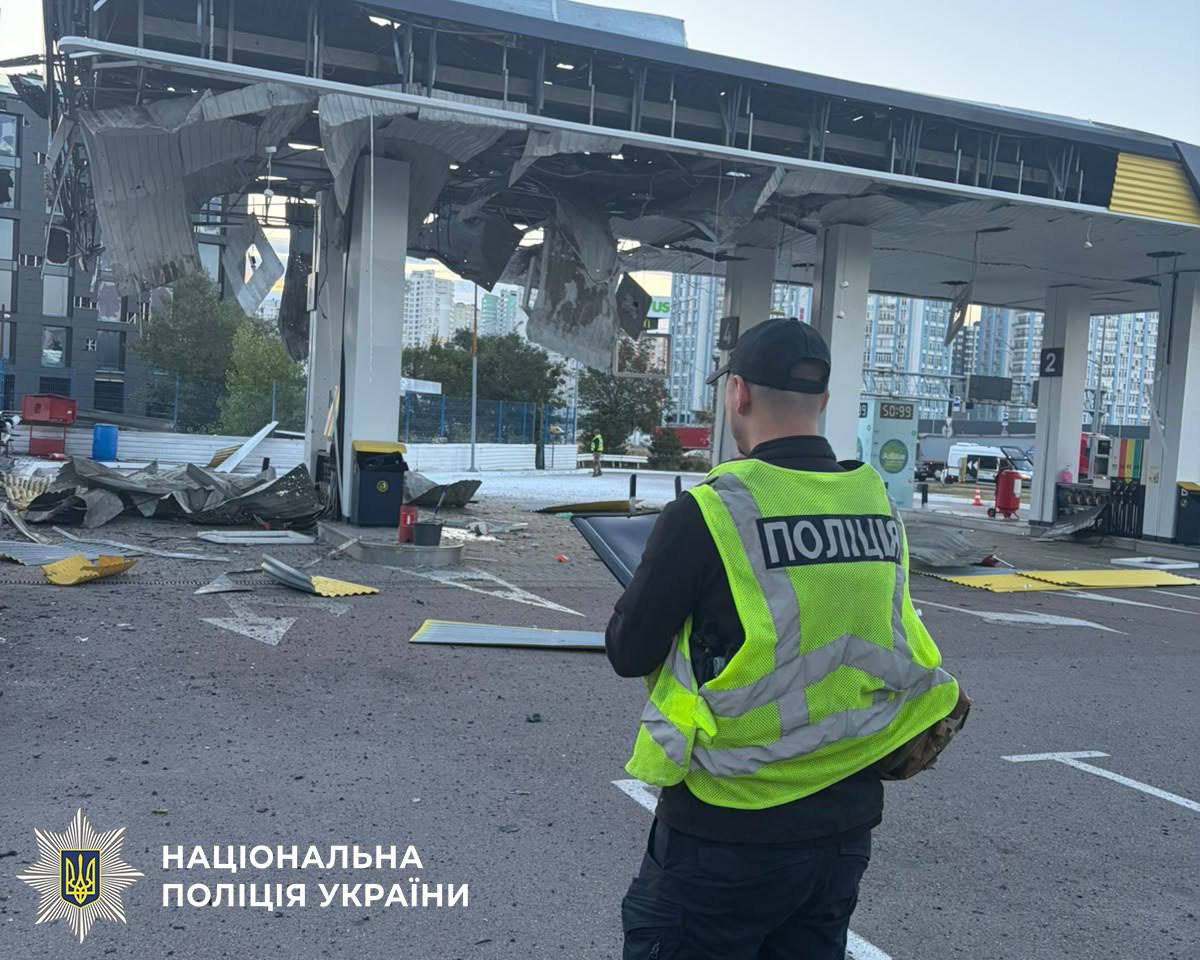
russian drones killed man injured eight kyiv hitting two gas stations · post police officer ukrnafta station destroyed drone strike ukraine 15 2026 police5280922930982363330 news ukrainian reports
A police officer at an Ukrnafta gas station destroyed by a Russian drone strike in Kyiv, Ukraine, 15 September 2026. Photo: National Police of Ukraine

The wave that carried them

Russia launched 200 strike drones from 18:00 on 14 September, the Air Force said: Shahed types including jet-powered ones, Gerberas, and Parodiya decoys, flown from Russia and occupied areas. Air defense downed or suppressed 187 of them by 08:00, with hits recorded at seven locations and debris falling at three more. The attack was still running when that count was published.

russian drones killed man injured eight kyiv hitting two gas stations · post firefighter extinguishes burning shop ukrnafta station struck drone ukraine 15 2026 police5280922930982363336 news ukrainian reports

Russian drones killed a man and injured eight in Kyiv, hitting two gas stations

Russian forces hit Odesa Oblast at the same time. Russian forces struck residential buildings, logistics sites, and port and transport infrastructure, oblast head Oleh Kiper said, damaging roofs, facades, and windows of private houses along with dozens of garages and cars.

The same night, NATO fighters shot down a drone over Lithuania that had crossed from Belarus, and Ukrainian forces struck the Syzran refinery in Samara Oblast and a warehouse in Taganrog.

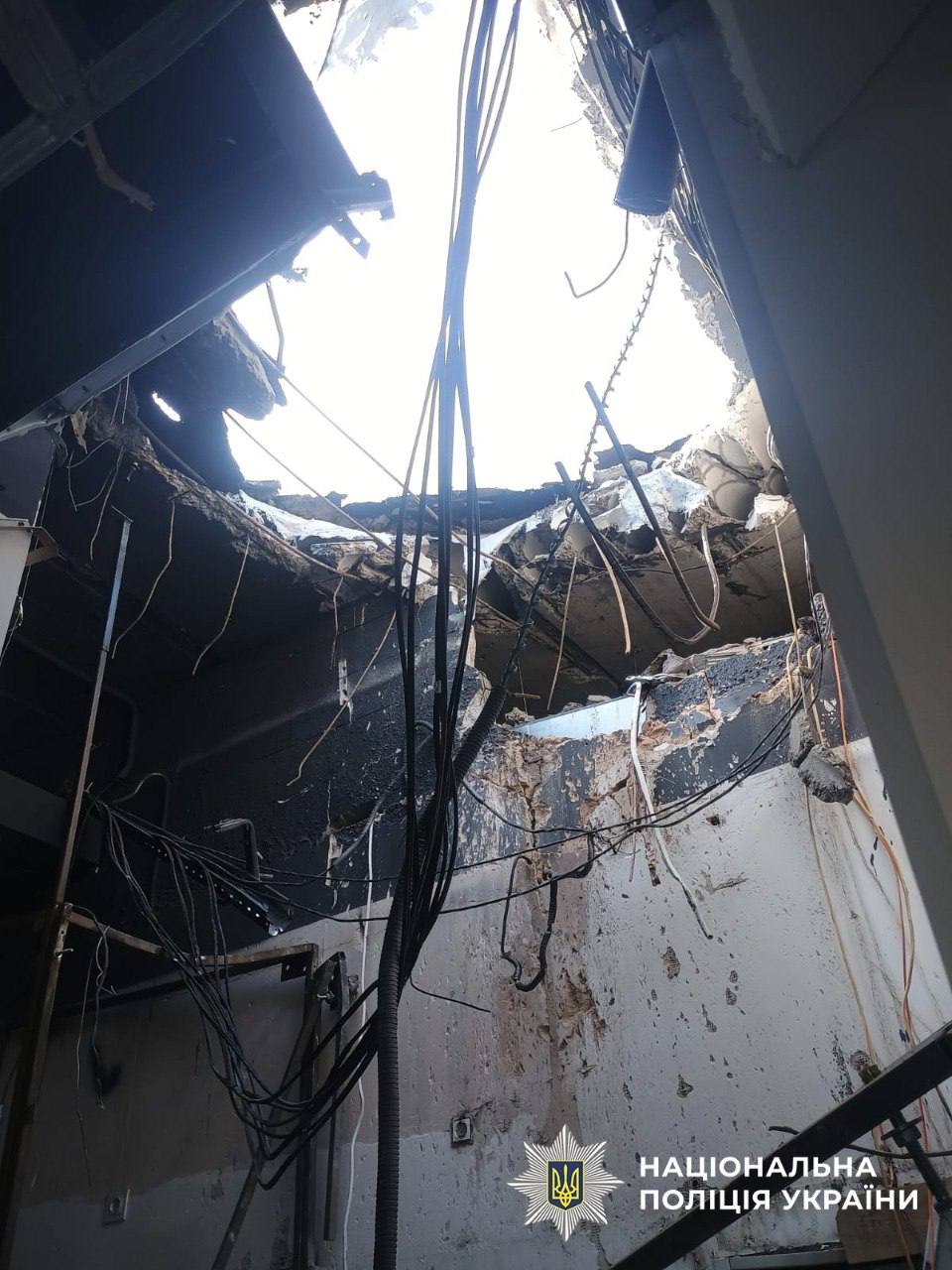
russian drones killed man injured eight kyiv hitting two gas stations · post hole torn through ceiling building hit during drone attack ukraine 15 2026 police5280922930982363332 news ukrainian reports
A hole torn through the ceiling of a building hit during the Russian drone attack on Kyiv, Ukraine, 15 September 2026. Photo: National Police of Ukraine

Why gas stations

Kyiv's filling stations have been under systematic attack since 10 September, when a drone came down at a station near a shopping mall. On 11 September, jet drones hit two Ukrnafta complexes on opposite banks of the city and returned to strike one of them a second time.

russian drones killed man injured eight kyiv hitting two gas stations · post fragment drone recovered after attack ukraine 15 2026 police5280922930982363333 news ukrainian reports
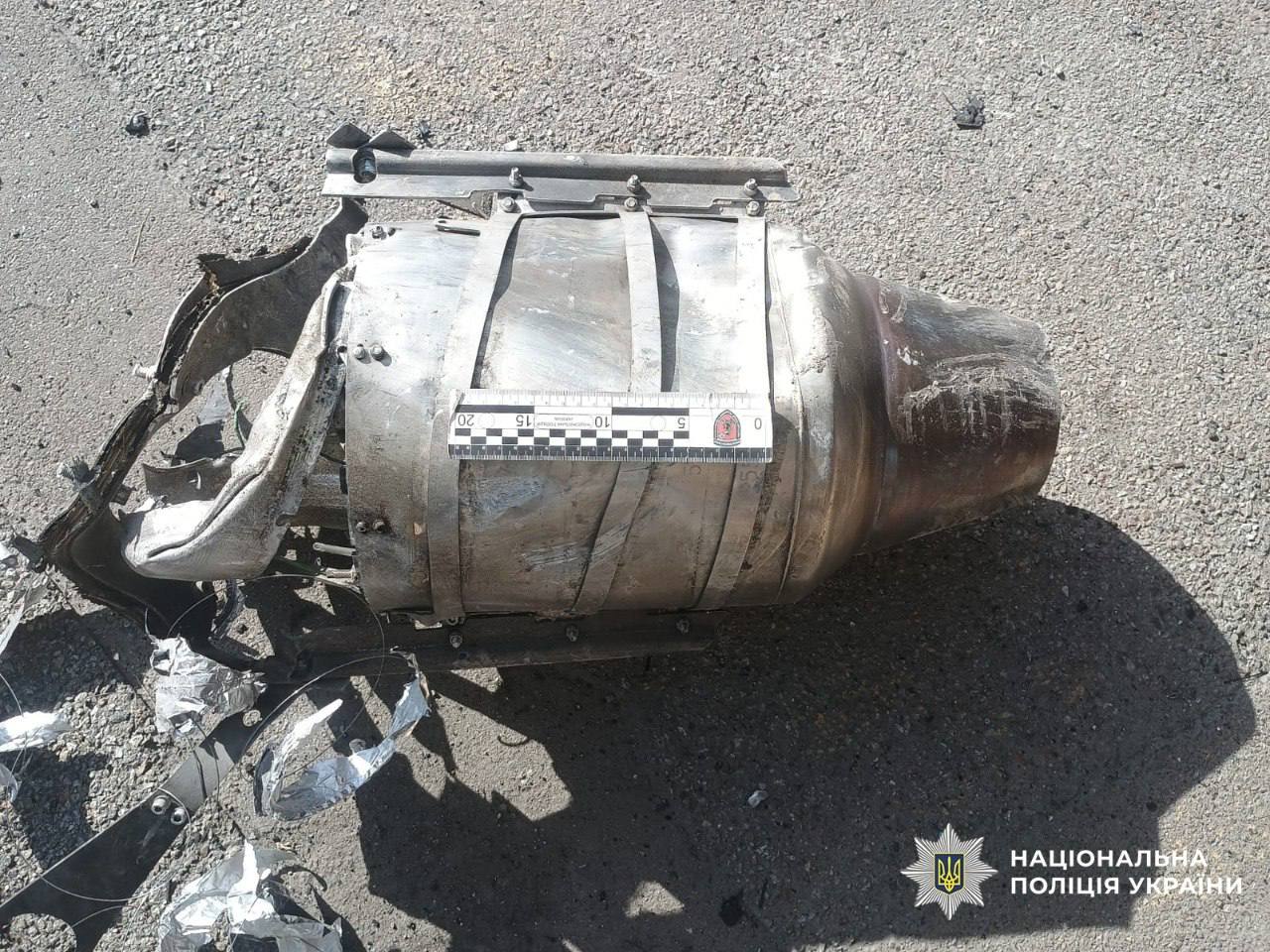
A fragment of a Russian drone recovered after the attack on Kyiv, Ukraine, 15 September 2026. Photo: National Police of Ukraine

Unlike filling stations in the border oblasts, which Russia hits with cheap short-range drones, the Kyiv stations are being struck with its most expensive ones. Ukrainian stations are mostly struck with the Geran-4 Seeker, the variant fitted with machine-vision targeting, according military observer Oleksandr Kovalenko of Information Resistance.

Geran-5 (Above) and Geran-4 (Below)
Geran-5 (above) and Geran-4 (below). Image: TurDef

More than 300 gas stations have been attacked across Ukraine since the current wave began, according to energy ministry data. The strikes have moved gradually from front-line oblasts deeper into the country, and about 80% of damaged stations return to work. 

  •  
❌