
 Connexion
Russia rehearsed how to disable Europe’s undersea communications cables near Svalbard. NATO forces drove them off
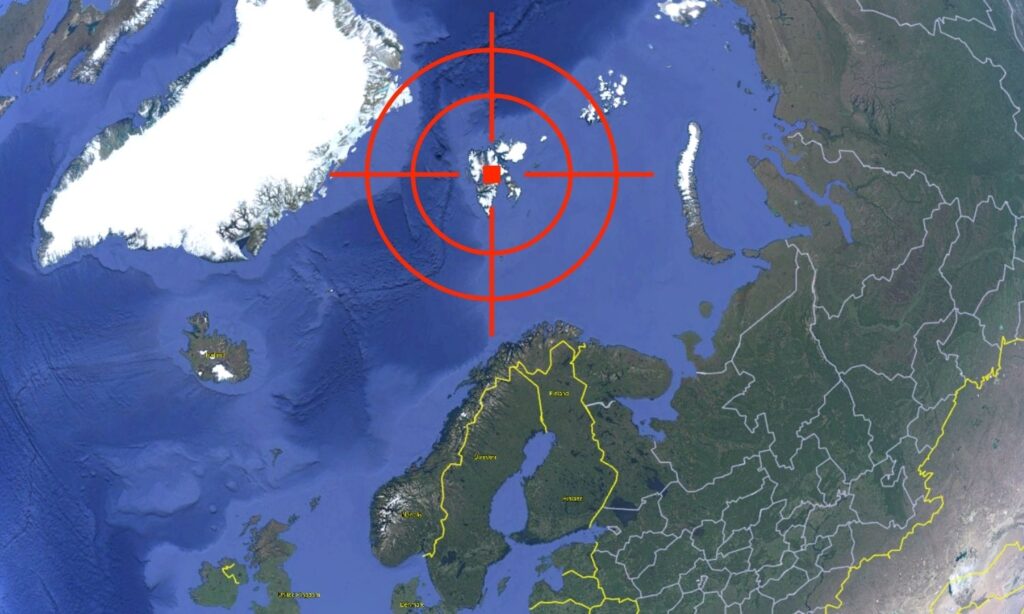
Russia rehearsed an operation to disable critical undersea cables near Norway’s Svalbard archipelago this spring, according to two Western officials cited by Reuters.
The exercise comes as Russia continues a broader hybrid campaign against European countries, using covert sabotage, cyberattacks, espionage, and surveillance of critical infrastructure alongside its war against Ukraine.
The operation involved Russia’s Main Directorate of Deep-Sea Research, known as GUGI, which used deep-sea submersibles to simulate deploying technology designed to disable undersea cables.
British, Norwegian, and US forces tracked the Russian vessels and confronted them at sea, preventing them from completing the exercise, the officials told Reuters. The vessels eventually left the area.
No cables were damaged.
Russian forces rehearsed cable attacks
The operation took place near two 1,400-kilometer fiber-optic cables connecting Svalbard with mainland Norway. The cables carry satellite data from SvalSat, the world’s largest satellite ground station and part of NASA’s Near Space Network.
Britain and Norway disclosed in April that they had uncovered covert Russian activity in Arctic waters, but the details of the operation, including the technology involved and US participation, had not previously been reported.
Norwegian Defense Minister Tore Sandvik said the joint operation sent Russia a message that covert activity would be detected and face consequences.
The US and UK have sanctioned GUGI over its activities in European waters.
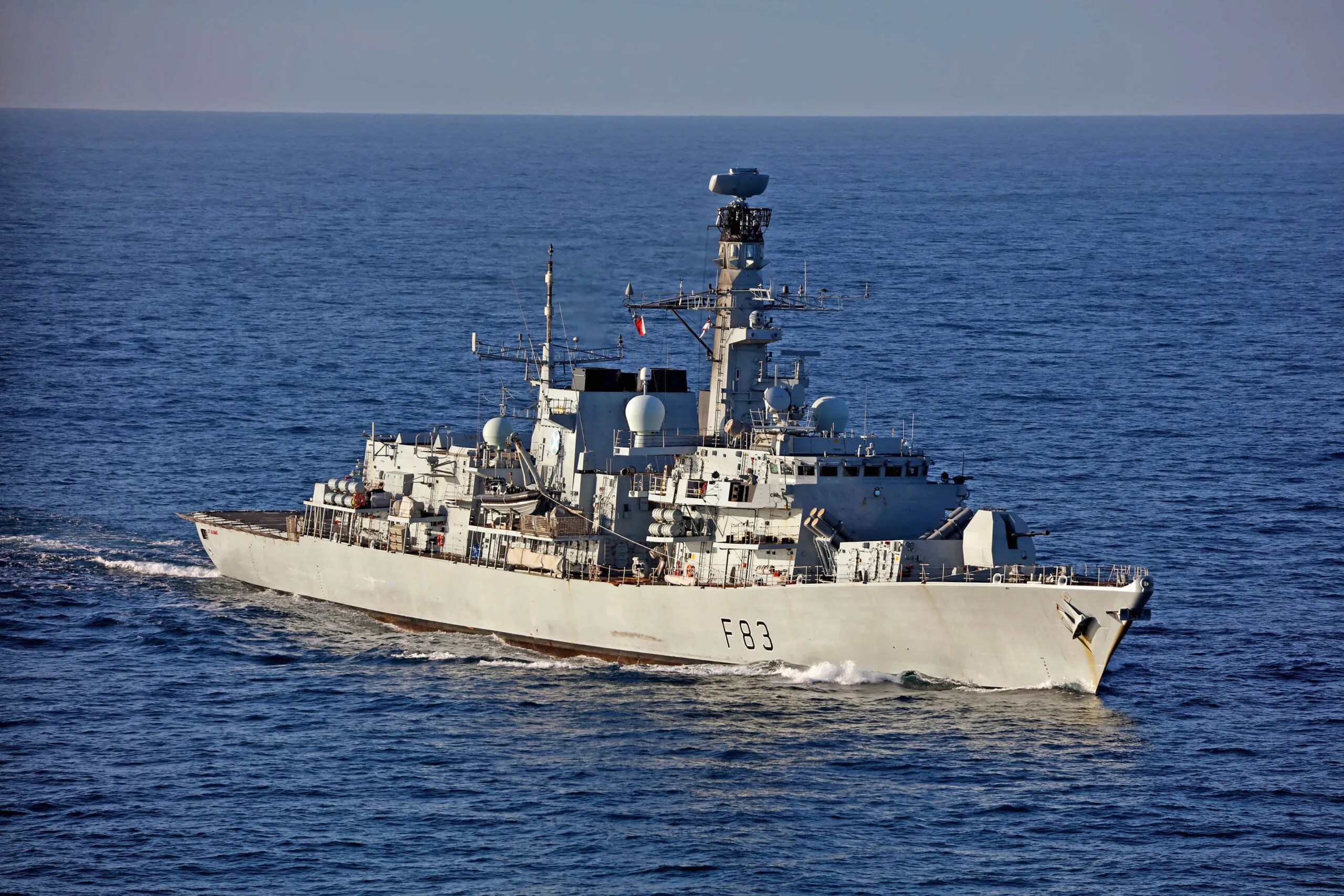
“Will not be tolerated” – UK exposes Russian spy submarine operation targeting its undersea cables
Europe watches its undersea infrastructure
European governments have become increasingly concerned about Russian activity around telecommunications cables, power lines, and pipelines. Reuters reported that since 2023, vessels have increasingly been observed moving slowly over or near sensitive infrastructure, raising concerns that they could be mapping potential targets.
NATO has expanded monitoring in response. Its Baltic Sentry operation increases surveillance around critical infrastructure in the Baltic Sea, while the UK-led Nordic Warden monitors northern European waters.
Windward data cited by Reuters showed that vessels classified as “drifting” in the North Sea increased 52% in 2025, to 13,079. At least 11 subsea cables were damaged or cut in the Baltic between October 2023 and the end of 2025.
Western officials are increasingly concerned that Russia could use sabotage against European infrastructure to test NATO's response without immediately triggering open conflict. Some US intelligence officials have raised the possibility that Moscow could eventually test the alliance’s Article 5 mutual-defense commitment, according to Reuters.
Russia’s Defense Ministry did not respond to Reuters’ request for comment. The Kremlin has repeatedly denied conducting sabotage operations in NATO countries.
The Svalbard exercise did not damage infrastructure, but it involved rehearsing capabilities that could be used against critical European infrastructure in a future conflict.
Read also
-
A Russian intelligence operative and a Belarusian petty criminal: Germany names the Leipzig bomb-drone suspects
-
Second fire in a month hits the Bulgarian plant that ships ammunition to Ukraine, and sabotage is on the table
-
Ukraine’s parliament changes how military budget is cleared, and freezes money behind one of war’s cleverest supply schemes, defense-industry council says
