His Pulitzer-winning photograph, “Burst of Joy,” documented an Air Force pilot’s reunion with his family after five years as a prisoner of war in Vietnam.
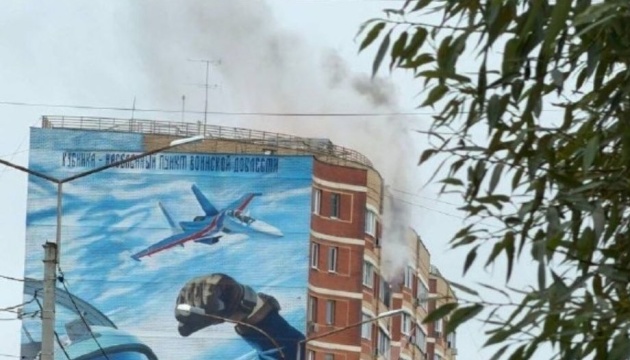
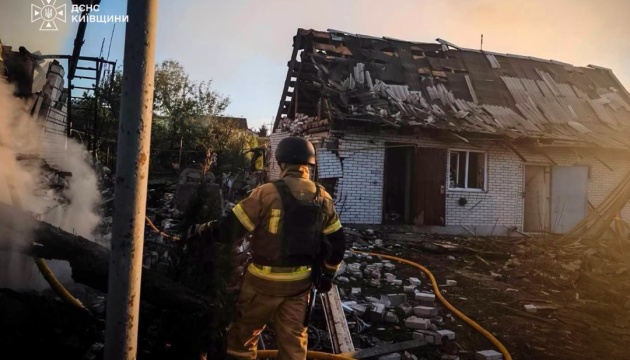
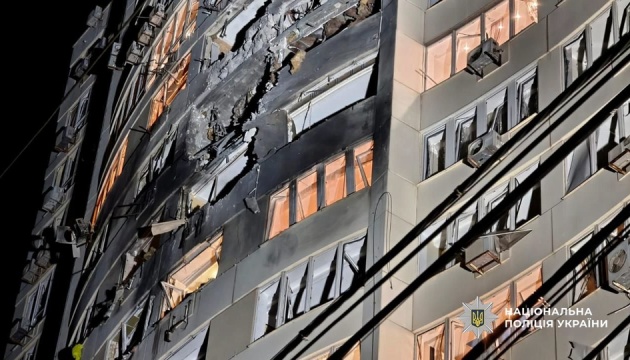
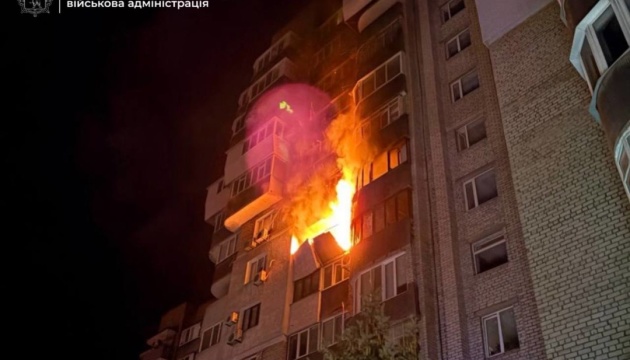
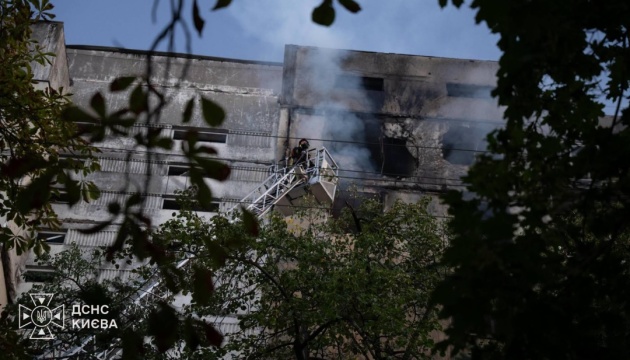
In the Holosiivskyi district of Kyiv, three people were injured and another 25 were evacuated after a Russian drone struck a 9-story residential building.
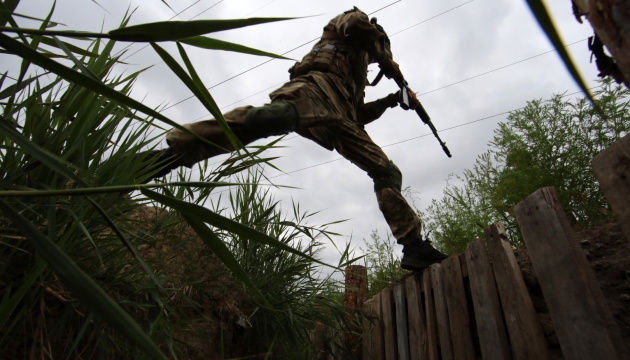
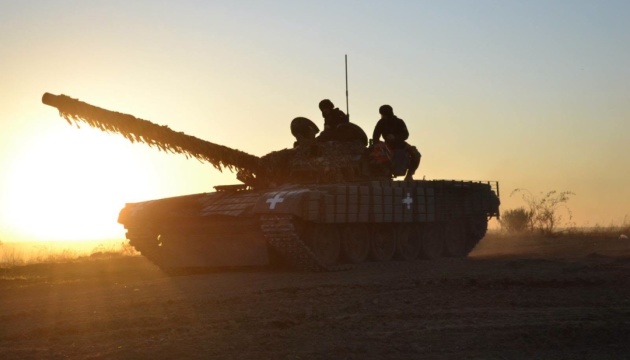
Ukraine's National Guard says its assault units have cleared four square kilometers of ground near Kupiansk. According to the military, fighters of the 23rd R.U.G. Assault Regiment of the Khartiia corps have pushed Russian forces out of territory between the settlements of Dvorichna and Zapadne, working with the 35th Separate Marine Brigade on one stretch.
Russia wants Kupiansk as a logistics node and a springboard for pushing deeper into Kharkiv Oblast. Just outside the city sits the Kupiansk-Vuzlovyi station, a key rail hub whose capture would let Russian forces move supplies and equipment far more easily.
“Overall, another 4 square kilometers of Ukrainian territory have been liberated. As long as the enemy remains on our land, the work continues,” the National Guard said.
Ukraine said its assault units have cleared another four square kilometers of ground near Kupiansk
Fighters of the 23rd R.U.G. Assault Regiment of the Khartiia corps pushed Russian forces out of the territory between the settlements of Dvorichna and Zapadne The National Guard pic.twitter.com/aOXrXm0BRw
The clearing north of the city is only one part of a contested picture. Kupiansk straddles the Oskil River: Ukraine holds the left, eastern bank, while Russian forces have pushed onto the right, western bank closer to Ukraine's rear.
On 2 September, Viktor Tregubov, head of communications for Ukraine's Joint Forces Group, said Russian troops had infiltrated part of northern Kupiansk on that right bank.
"On the right bank, the Russians are trying to hold the northern parts of the city, where they've already infiltrated some of their fighters," he told Suspilne, adding that Ukrainian forces are making trouble for them there.
The infiltrators are trying to reach the city through the village of Holubivka, he said.
On the left bank, Russian units are trying to reach the railway station.
"The Russians are pushing very hard toward it. They want to narrow our bridgehead," Tregubov reported.
No confirmed Russian advance
Back in July, Trehubov mentioned the Russian forces’ logistical problems in this direction, according to ArmyInform.
He explained that logistics for Russian forces in the area had been effectively paralyzed by a fuel shortage, with even water being delivered exclusively by drones.
Russian propaganda claims that the Russian Sever (North) military grouping has allegedly captured the settlements of Vasylivka, Dovzhanka, Blahodatne and Slyzneve and “closed the Vovchansk cauldron” are false.
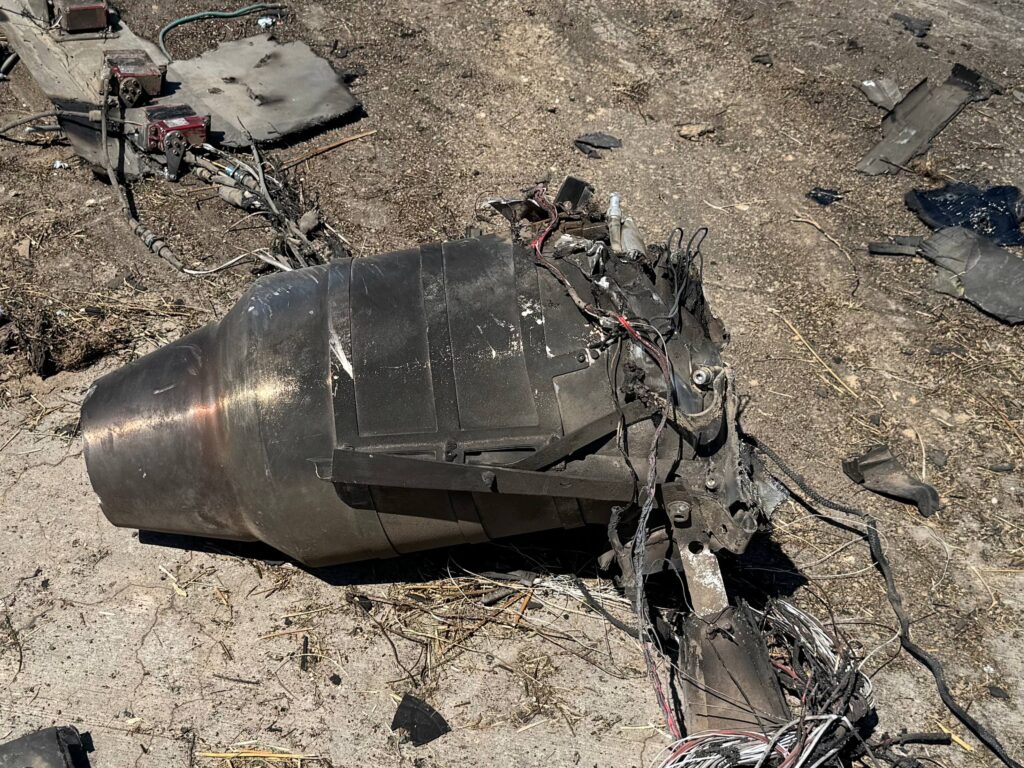
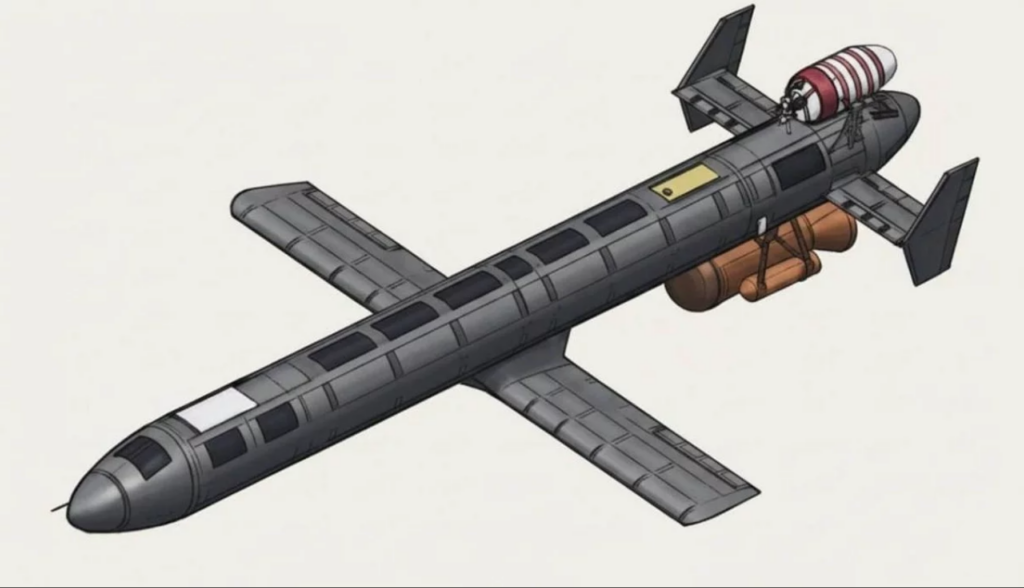
Russia has been bolting small FPV attack drones to the wings of its long-range Gerans and releasing them deep inside Ukraine, far behind the front. The tactic may now have reached Kyiv Oblast, where an FPV drone was recently recorded, though it is not confirmed that a Geran delivered it, Serhii "Flash" Beskrestnov, the president's adviser on defense technologies, told UNIAN. A Geran drop is one of the versions being weighed.
A Geran (the Russian-built version of Iran's Shahed-136) can fly hundreds of kilometers, so bolting short-range FPVs to its wings carries them far past the front line before release. Russia has done the same with its Molniya and Gerbera drones, and in May Euromaidan Press reported FPVs delivered this way, turning up dozens of kilometers from the border, on the ground, and even on the roofs of apartment buildings.
A year-old experiment, still rare
"The Russians have been running these experiments for a while. They attach two FPVs above the wings and drop them," Beskrestnov said.
He last recorded the tactic a week ago in Konotop, in Sumy Oblast, where Russian forces held two such drones on a carrier's wings and released them.
Until now, he added, it had shown up only on conventional Gerans. Holding an FPV on a jet-powered Geran is far harder because the speed is too high for a clean release, "but technologically it's entirely possible," Beskrestnov believes.
Ukrainian air defenders have brought at least one carrier down: in March, the Darknode anti-Shahed unit destroyed a Geran carrying two wing-mounted FPVs over Ukrainian airspace before it could release them, Militarnyi reported.
Low yield, mostly a scare tactic
Russia uses the tactic sparingly, and by its own measure, it does not work well.
"If you look at the number of successful strikes they've had with these FPVs, it's small," Beskrestnov explained, because controlling a drone dropped this way is difficult.
The FPVs carry no large warhead, and the launches often serve mainly to terrorize civilians, he said.
The dropped drones are usually flown over ordinary mobile networks rather than through a relay mounted on the carrier.
"There's an ordinary SIM card, and they control the FPV through it," Beskrestnov said, adding that Ukraine has been recording the practice on and off for about a year.
Servicemen of the 23rd Separate Assault Regiment R.U.G. of the Khartia Corps of the National Guard of Ukraine have cleared new areas of Russian troops in the Kupiansk district, Kharkiv region.
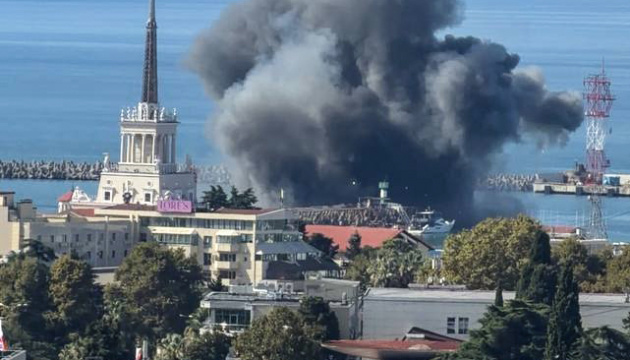
An unmanned surface vessel operated by the Naval Forces of the Armed Forces of Ukraine struck the Nefrit multipurpose support vessel, sailing under the Russian flag, while it was in the port of Sochi.
On September 2 and during the night of September 3, 2026, units of the Ukrainian Defense Forces struck a number of enemy military targets, including a BK-16 landing craft, an electronic warfare system, a UAV command post, and enemy warehouses.
Russia has started launching its strike drones during the day, not only after dark. The reason is the new jet-powered Geran drones, which fire groups cannot take down, so for Russia there is no longer any difference between attacking by day or by night, Serhii "Flash" Beskrestnov, President Zelenskyy's adviser on defense technologies, told Glavcom.
The near-hourly daytime raids are the new face of a campaign that culminated on 1 September, Knowledge Day, when Russia hit Kyiv and its region with ballistic missiles and jet-powered drones and killed 12 people. That strike culminated a six-day assault on the capital that began on 27 August, two days after CIA Director John Ratcliffe arrived in Moscow. However, even after that, the attack continued. Sirens now sound across Kyiv and the surrounding oblast roughly once an hour, around the clock.
Why the shift to daylight
The daytime raids carry an added economic and psychological weight, he said. The threat of strikes forces shops and businesses to open and close unpredictably, snarls transport, and can halt rail service.
"They understand perfectly well that daytime attacks hurt the population and business," Beskrestnov said, adding that the state railway Ukrzaliznytsia is paralyzed.
Keeping the defenders on their feet
A further aim is to hold Ukraine's air defense in a permanent state of readiness, Beskrestnov said. Round-the-clock attacks mean radar stations and generators must run without pause.
"Radar stations and generators run constantly, and that also puts a strain on our troops," he added.
Kyiv remains a Russian prime target because it carries symbolic as well as military weight, as the capital houses the government, business, and warehouses, and a strike there would resonate far more than terrorizing a small town.
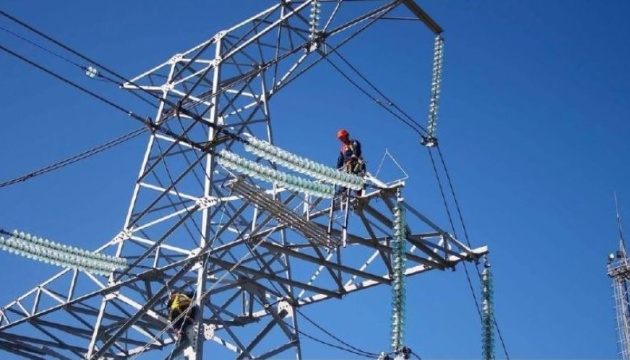
Russian forces first concentrated on districts nearer the drones' launch corridors — Kyiv's Left Bank, and the Brovary and Boryspil raions — before switching to the other bank to hunt for targets. As the cold season approaches, he expects Russia to intensify strikes on the energy infrastructure it has so far spared.
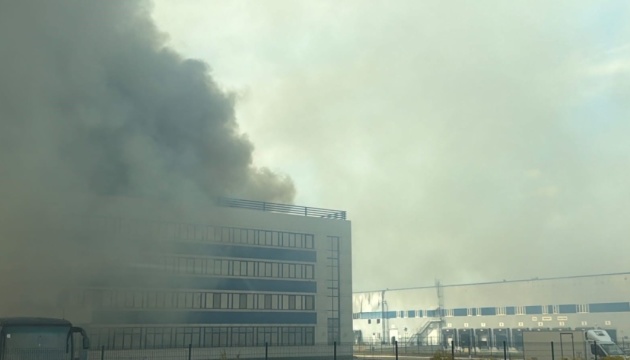
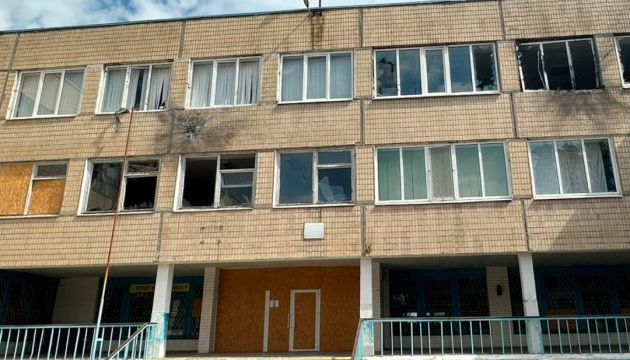
Last night, the Russians caused damage in 13 regions of Ukraine; specifically, in Odesa, a drone struck a residential high-rise, injuring 17 people, three of whom were children.
The occupiers attacked the village of Bilenke in the Zaporizhzhia district with a drone. One person was killed and another wounded when the drone struck a civilian car.
As of the morning of September 3, Russian attacks have left new consumers without power in five regions; in the Odesa region, grid restrictions are in effect due to the aftermath of the September 2 attack.
The total combat losses of Russian forces in Ukraine from February 24, 2022, to September 3, 2026, amount to approximately 1,492,350 personnel, including 1,320 over the past day.
Russian forces have attacked three districts of the Dnipropetrovsk region more than 20 times since the evening, using aerial bombs, drones, and artillery.
 Connexion






The National Guard pic.twitter.com/aOXrXm0BRw