
 Connexion
A Ukrainian railway engineer spied on Lyman’s defenses for Russia using Google Maps
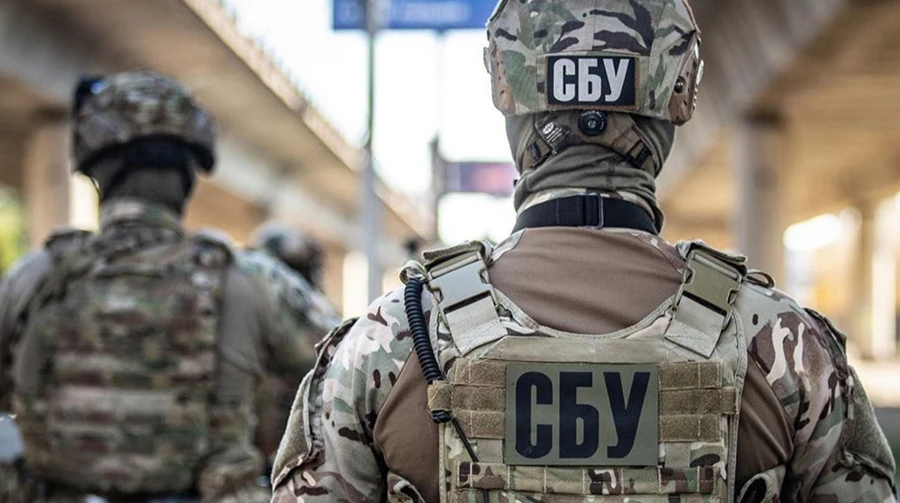
A Ukrainian court sentenced the former chief engineer of Lyman’s locomotive depot to 15 years in prison with property confiscation for helping Russia target the frontline city, Ukraine’s Security Service (SBU) said on 11 August. Investigators report he sent a Russian handler the locations of Ukrainian positions intended for guided-bomb and artillery strikes.
Lyman blocks Russia’s northern route toward Sloviansk and Kramatorsk, which are part of Ukraine's fortress belt in the Donbas. As attacks on supply lines intensify, information about Ukrainian positions can help Russia direct bombs and artillery. The case fits a broader pattern of Russian intelligence recruiting people inside Ukraine to locate targets. Russian services have used money and blackmail, including threats against recruits’ families, to secure their cooperation.
According to the SBU, the former engineer traveled around Lyman and its outskirts to record Ukrainian military bases. He marked possible targets on Google Maps, then sent screenshots to a handler in Russia through a messaging app.
The collaborator operated from basement
The agency said an acquaintance whom it described as a “DNR deputy” in occupied Donetsk Oblast connected him with Russian intelligence. The SBU said the man moved into an apartment building’s basement to shelter himself while directing Russian strikes on the community.
SBU officers detained him in Sloviansk in May 2026. The agency said a seized smartphone contained evidence of his reconnaissance and contacts with the Russian side.
The SBU did not identify the man, the court, or any specific strike enabled by his information.
How Russia turns locals into spotters
The Lyman case involved an acquaintance of the former engineer, but Russian services also use money, blackmail, and online platforms to find recruits. The SBU says minors may initially receive simple assignments, such as taking photographs or painting graffiti, before being directed toward more serious sabotage.
Other recruits have allegedly answered Telegram offers of “easy money.” These include a Zaporizhzhia man later convicted of building bombs and a Dnipro suspect accused of activating more than 1,000 Starlink terminals for Russian forces.
Ukraine has prosecuted similar cases before. In November 2024, a court sentenced another Russian agent to 15 years for guiding missile and drone strikes in Zhytomyr Oblast.
More recent cases remain at the allegation stage. The SBU has accused a Kharkiv Oblast man of installing hidden cameras near military sites and a Poltava student of mapping energy facilities while filming air-defense units.
Read also
-
Alleged Russian agent arrested in Dnipro, accused of activating 1,000+ Starlink communications terminals to support Russian forces
-
Bomb-maker working for Russia’s military intelligence in Zaporizhzhia loses his freedom for 15 years
-
“Classic Russian spy tactics” turn victims of Putin’s war into weapons against their own allies


