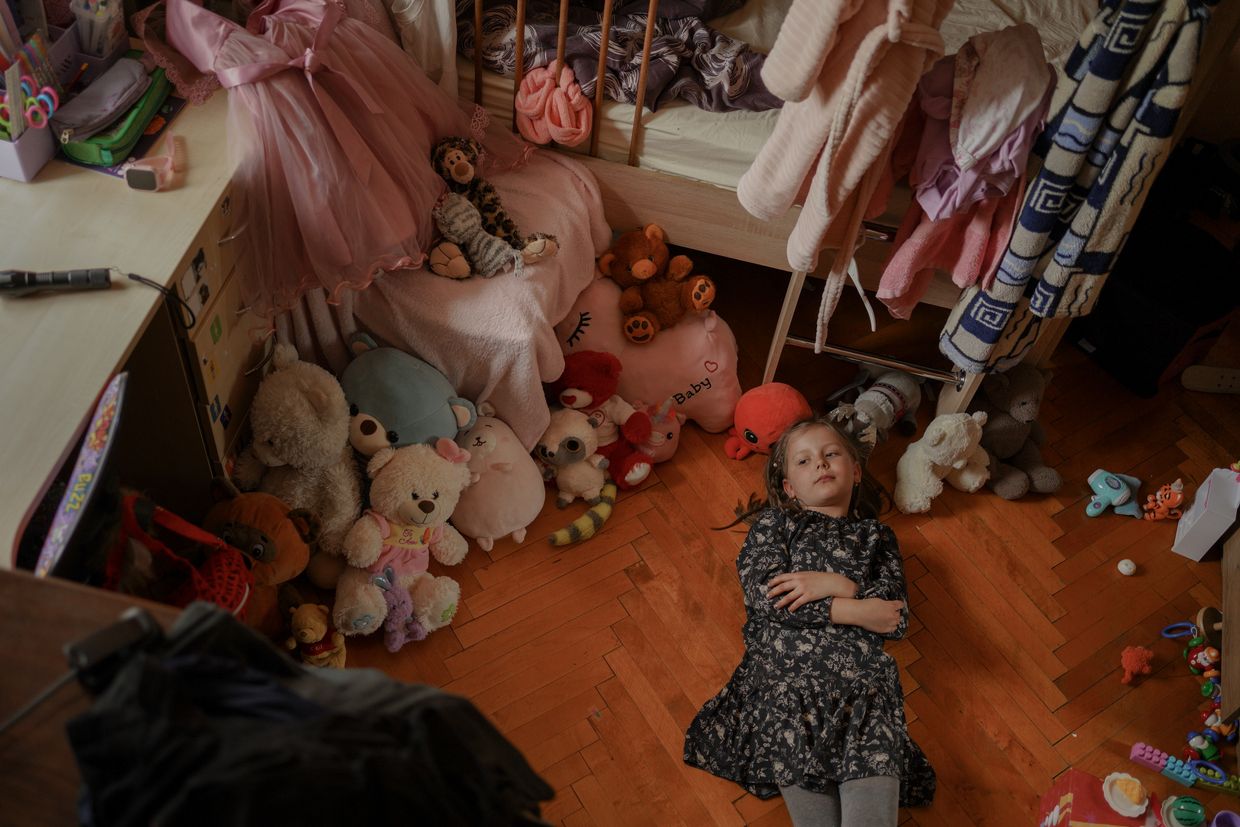
Russia has transferred 50 children from the occupied Antratsyt district of Luhansk Oblast to a so-called rehabilitation camp in Kalmykia, Ukraine’s Center for Countering Disinformation (CCD) reported on June 14.
Kalmykia is about 1,170 km (726 miles) by air from Moscow, and its western border lies roughly 300 km (186 miles) from the nearest point on the Russia–Ukraine border.
According to the center, while the "Lesnaya Skazka" ("Forest Fairy Tale") camp is officially described as hosting sports and creative activities, in fact, it functions as a site of "round-the-clock ideological brainwashing, systemic Russification, and an attempt to erase Ukrainian identity."
Since February 2022, at least 20,000 Ukrainian children have been abducted from Russian-occupied territories and sent to other Russian-controlled areas of Ukraine or to Russia itself, according to a Ukrainian national database, "Children of War." Only 1,359 children have been returned thus far.
The center compared the camp in Kalmykia to "Krasnaya Gvozdika," ("Red Carnation") a facility in occupied Zaporizhzhia Oblast, saying both are used not for recreation, but as tools of Russia’s war strategy.
“These camps have become instruments of assimilation where Ukrainian children are taught distorted history, exposed to Russian propaganda, and conditioned to show loyalty to the Putin regime,” the center said. “War and hostility are normalized, with children being groomed as human resources for future conflicts.”
The watchdog emphasized that separating children from their families, culture, and language places them under the full control of the occupying power — a practice it says constitutes a violation of international humanitarian law and forms part of Russia’s broader genocidal policy toward Ukraine.
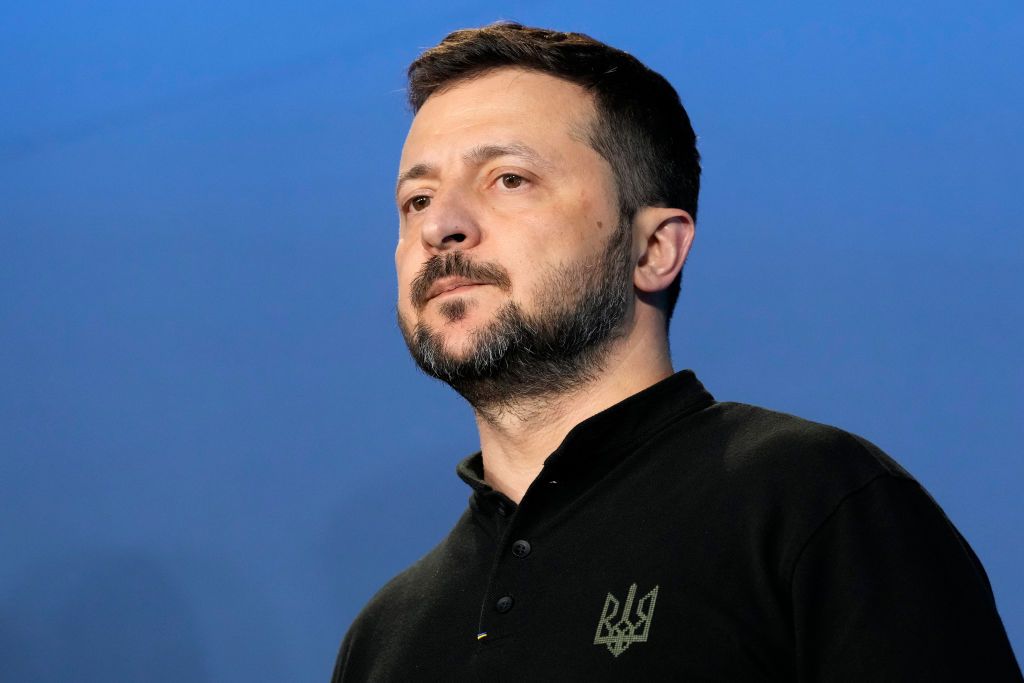
In response to Russia’s efforts to indoctrinate Ukrainian children, President Volodymyr Zelensky on June 10 imposed sanctions on 48 individuals and nine organizations associated with the deportation of Ukrainian children, according to a decision of Ukraine's National Security and Defense Council (NSDC).
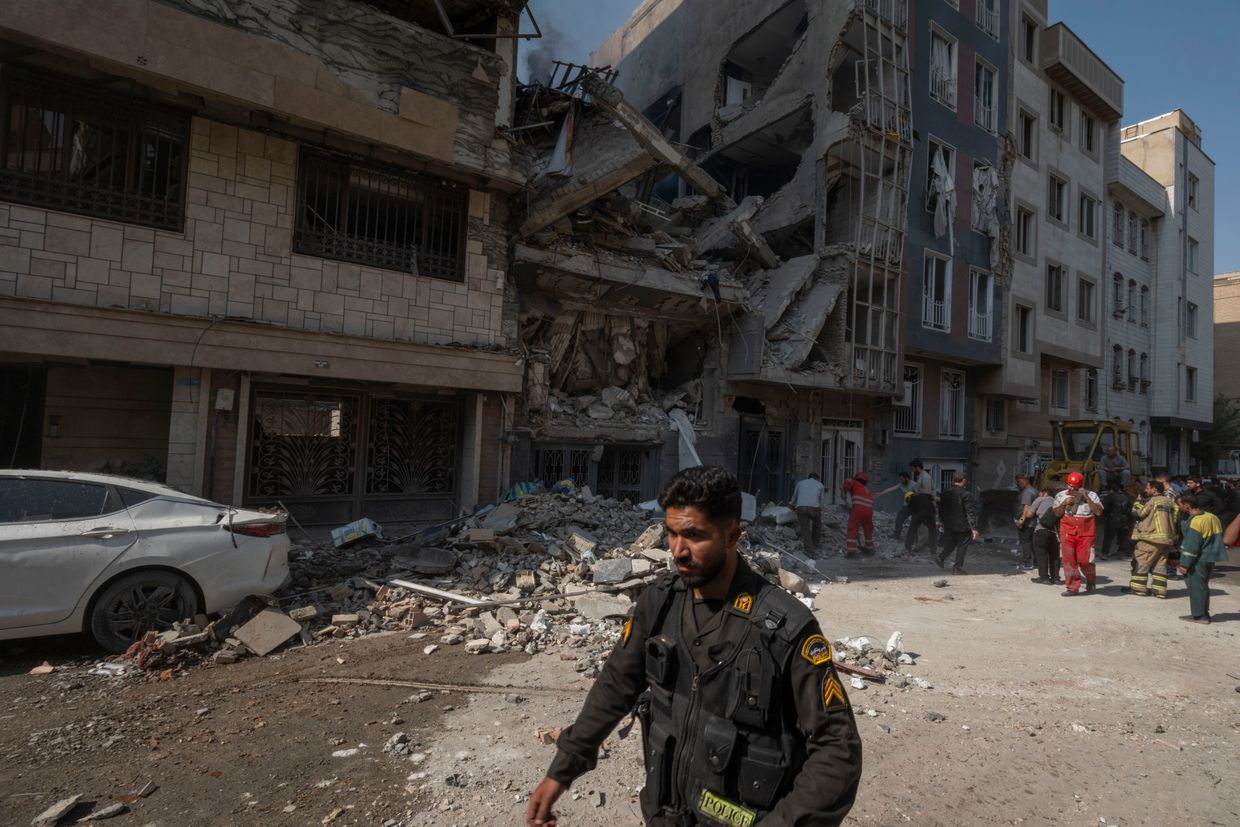
Israeli officials have asked the Trump administration to join military operations targeting Iran’s nuclear program, including a strike on the fortified Fordow uranium enrichment site, Axios reported on June 14, citing two Israeli officials.
The request comes as Israel continues its assault on Iranian targets and warns that it lacks the capability to destroy Fordow alone. The underground facility, located deep within a mountain, is beyond the reach of Israel’s conventional weapons. U.S. forces in the region, however, have the necessary bunker-busting bombs and bomber aircraft to hit the site.
According to an Israeli official who spoke to Axios, Trump suggested in a recent conversation with Israeli Prime Minister Benjamin Netanyahu that he would consider joining the operation if needed. But a White House official denied that claim on June 13.
A second U.S. official confirmed that Israel had urged the U.S. to take part, but said the administration is not currently considering involvement. Israeli Ambassador to the U.S. Yechiel Leiter told Fox News on June 13 that "the entire operation… really has to be completed with the elimination of Fordow."
An Israeli source told Axios that the U.S. is considering the request, and that Israel hopes Trump will agree to it.
A senior White House official told Axios on June 14 that "whatever happens today cannot be prevented," referring to the Israeli attacks. "But we have the ability to negotiate a successful peaceful resolution to this conflict if Iran is willing. The fastest way for Iran to accomplish peace is to give up its nuclear weapons program," the official added.
U.S. officials have so far maintained that Iranian retaliation must not target American forces, arguing that the current Israeli operation does not justify attacks on U.S. interests.
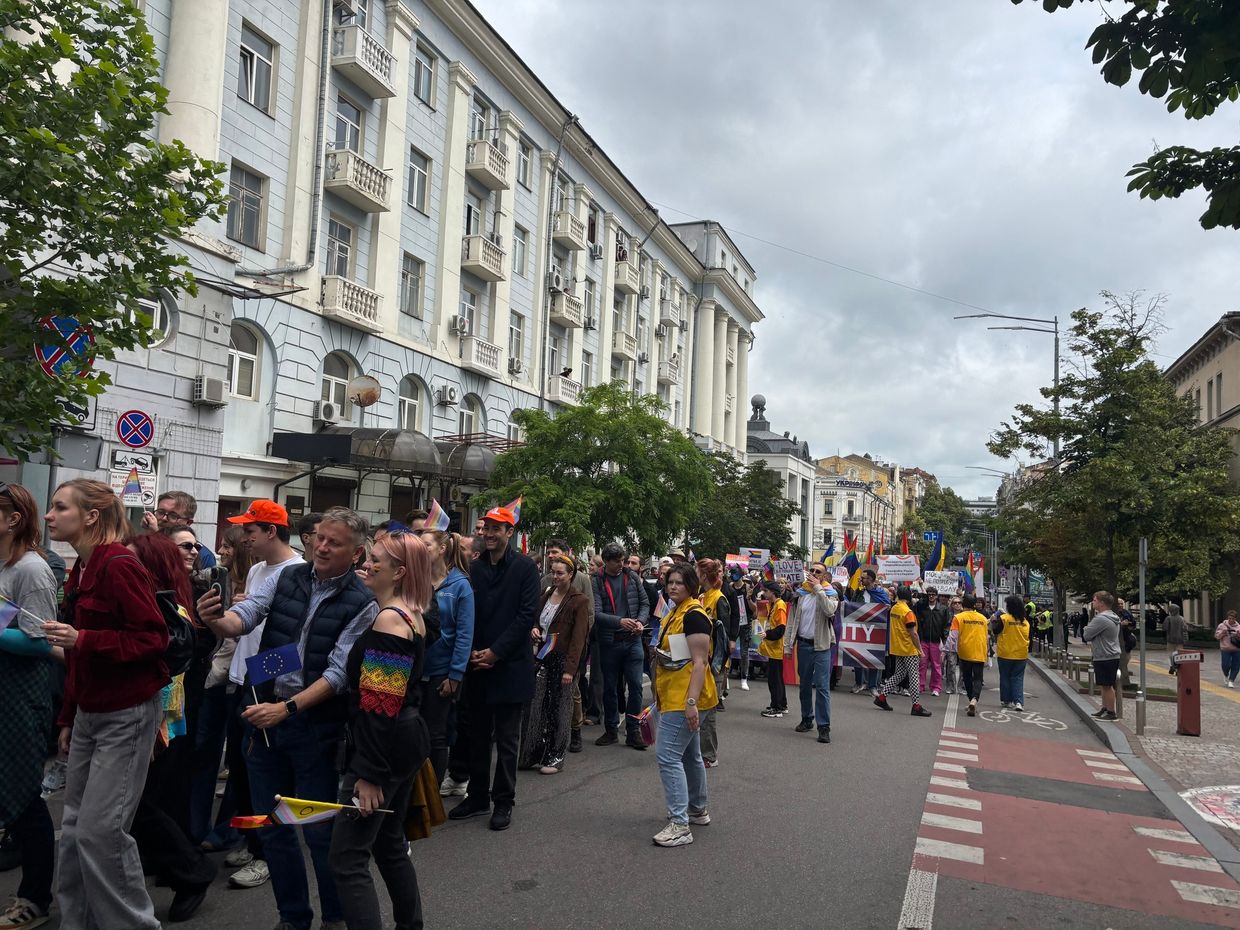
Kyiv Pride held a parade with over 1,500 participants in the Ukrainian capital on June 14, which was met with counterprotests.
"Other Ukrainian Prides also participated — including Kharkiv Pride and Ukraine Pride. Kyiv’s student community was represented, among others, by the Student Parliament of Taras Shevchenko National University of Kyiv and Ukraine Global Scholars," Kyiv Pride said in a post to Facebook.
On June 7, a drone charity event for Kyiv Pride took place outside the Foreign Ministry building and was met with a nearby counterprotest.
The march was joined by representatives from the EU, Canada, the U.K., and various other countries, including France, Germany, and Spain.
The march was joined by the LGBT+ Military non-governmental organization (NGO) as Russia's war against Ukraine continues.
"Among the marchers was veteran Viktor Pylypenko, head of the NGO LGBT+ Military for Equal Rights. He drew public attention to the growing loss of military personnel and veterans who are dying at war — while their families remain unrecognized by law," Kyiv Pride said in its statement.
The march raised 20,000 hryvnia for the Serhiy Sternenko Foundation to purchase drones for the military.
Representatives, including Canada's ambassador to Ukraine, Natalka Cmoc, joined the event.
"Ambassadors, the Canadian embassy team, along with many diplomats, joined (the) Kyiv Pride march this morning," Cmoc said.
The Kyiv Pride event was met with a nearby counterprotest.
"With regret, we must note that those who incite violence still have broader access to public space and freely walk through the central streets, while participants of Kyiv Pride March are surrounded by police and restricted in their route. We continue to witness the spread of hate speech," Kyiv Pride said.
Kyiv Pride held a march in June 2024 for the first time since Russia began its full-scale war against Ukraine in February 2022.
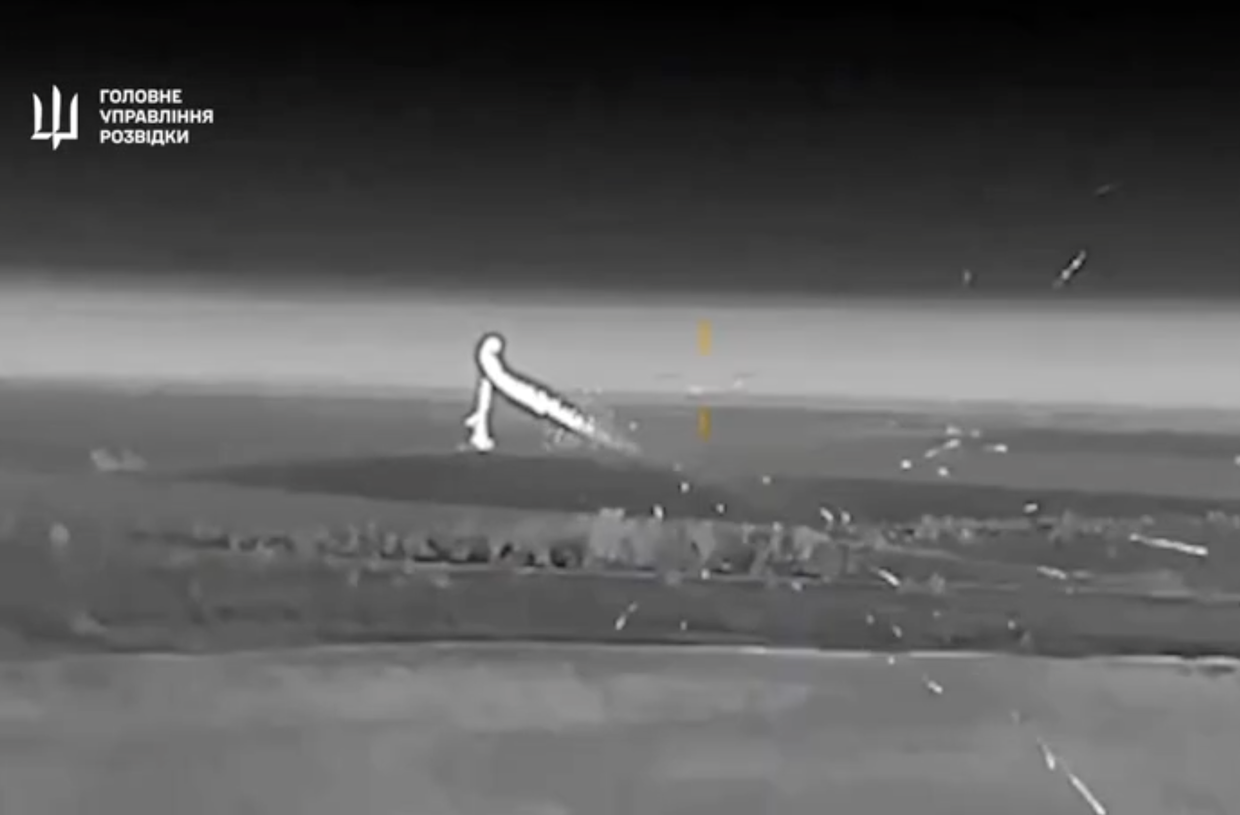
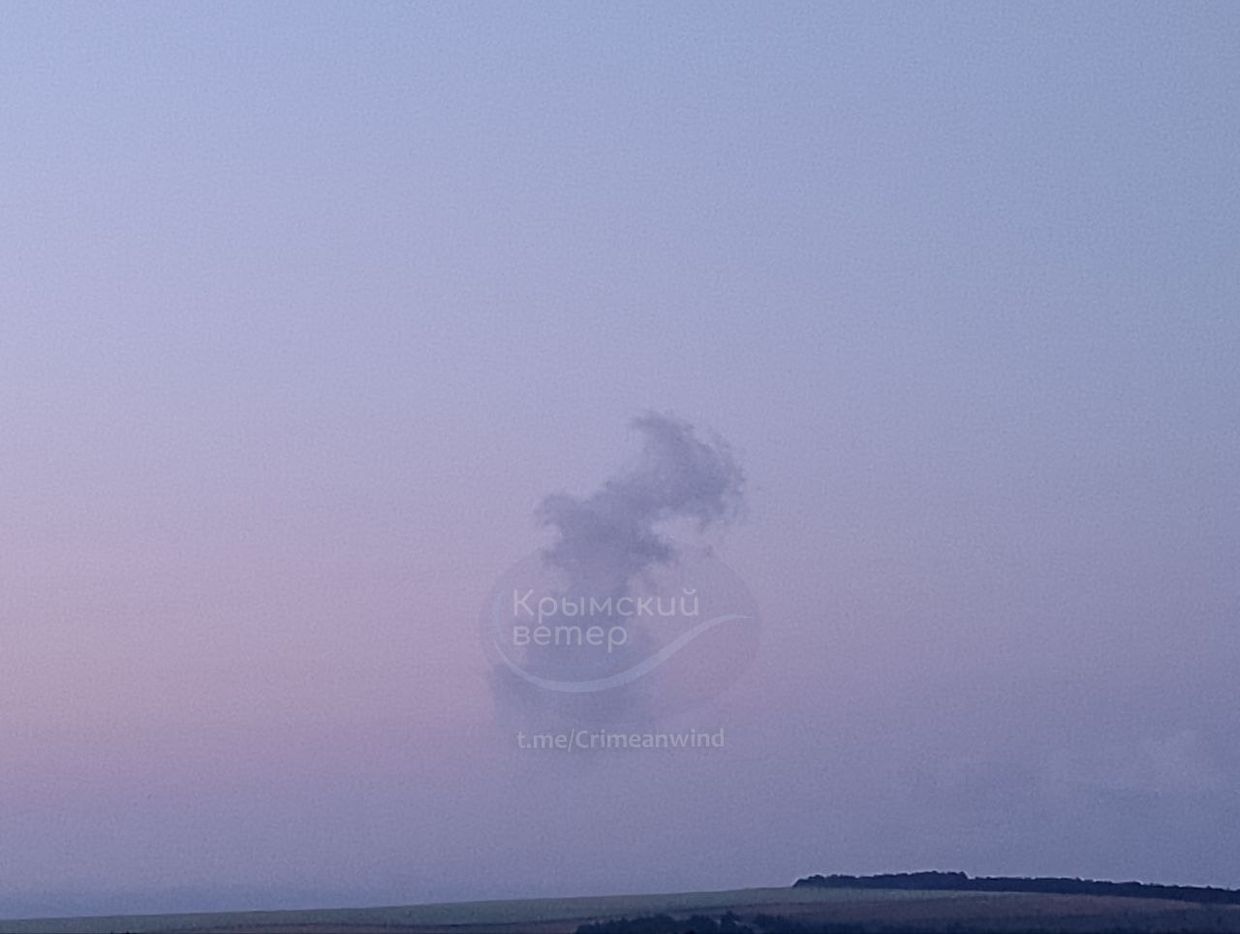
Ukraine's military intelligence (HUR) destroyed three Russian air defense systems using drones in the occupied Zaporizhzhia Oblast on June 14, HUR says.
"Strike drone masters of the Department of Active Operations of the HUR of the Ukrainian defense ministry discovered and destroyed expensive air defense systems of the Russian invaders in the temporarily occupied territory of the Zaporizhzhia region," HUR reported in a post to Telegram.
Ukraine's military regularly strikes military targets in Russian-occupied territories and deep within Russia in an attempt to diminish Moscow's fighting power as it continues its war against Ukraine.
A Russian Buk-M3, a Pantsyr S1, and a 9S19 Imbir radar from the S-300V air defense system were destroyed in the Ukrainian drone attack.
"The video shows a stunning maneuver of a Ukrainian drone dodging a Muscovite anti-aircraft missile, as well as episodes of successful fire strikes," HUR's statement said.
Kyiv claimed it disabled 34% of Russia's strategic bomber fleet in what is seen as one of the most daring operations during Russia's full-scale war.
Ukraine's military intelligence agency was behind explosions near Desantnaya Bay in Russia's far eastern Vladivostok on May 30, which reportedly damaged military personnel and equipment, a source in HUR told the Kyiv Independent.
Editor's note: This is a developing story and is being updated.
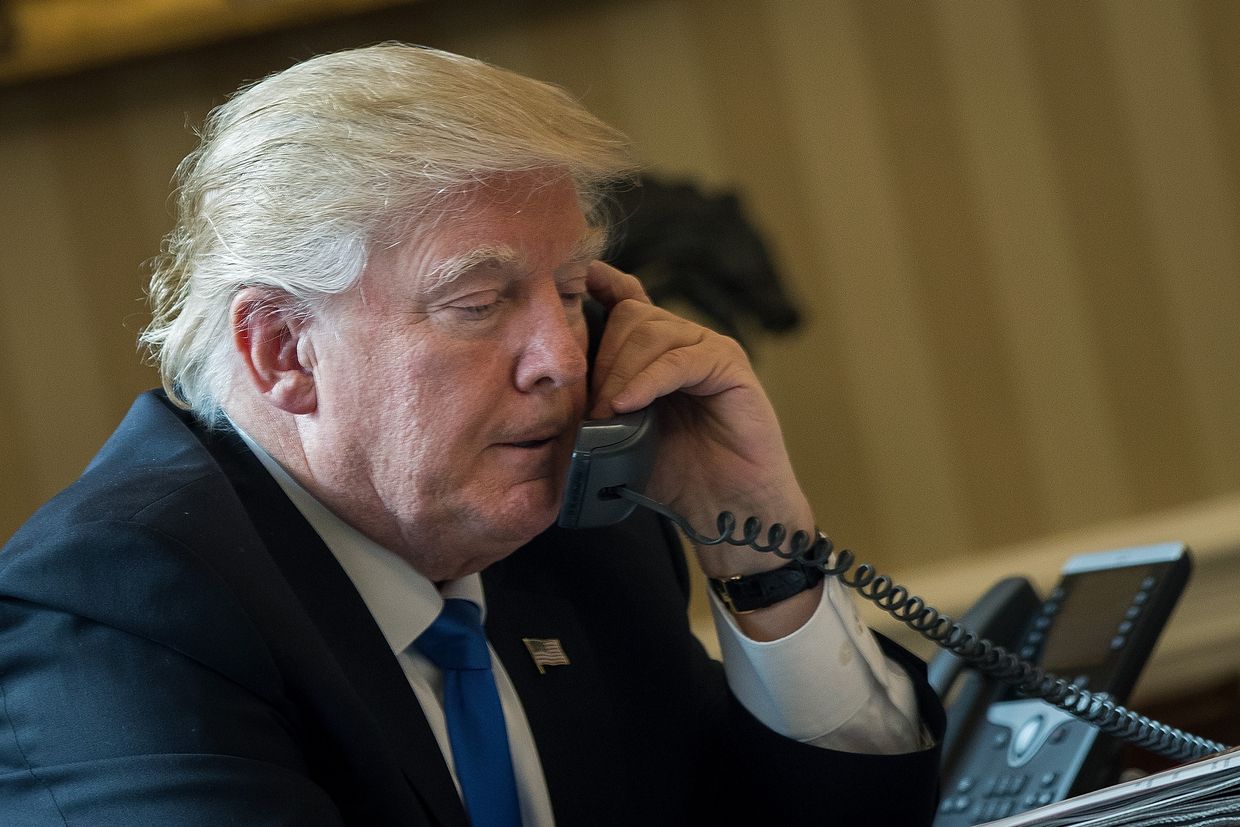
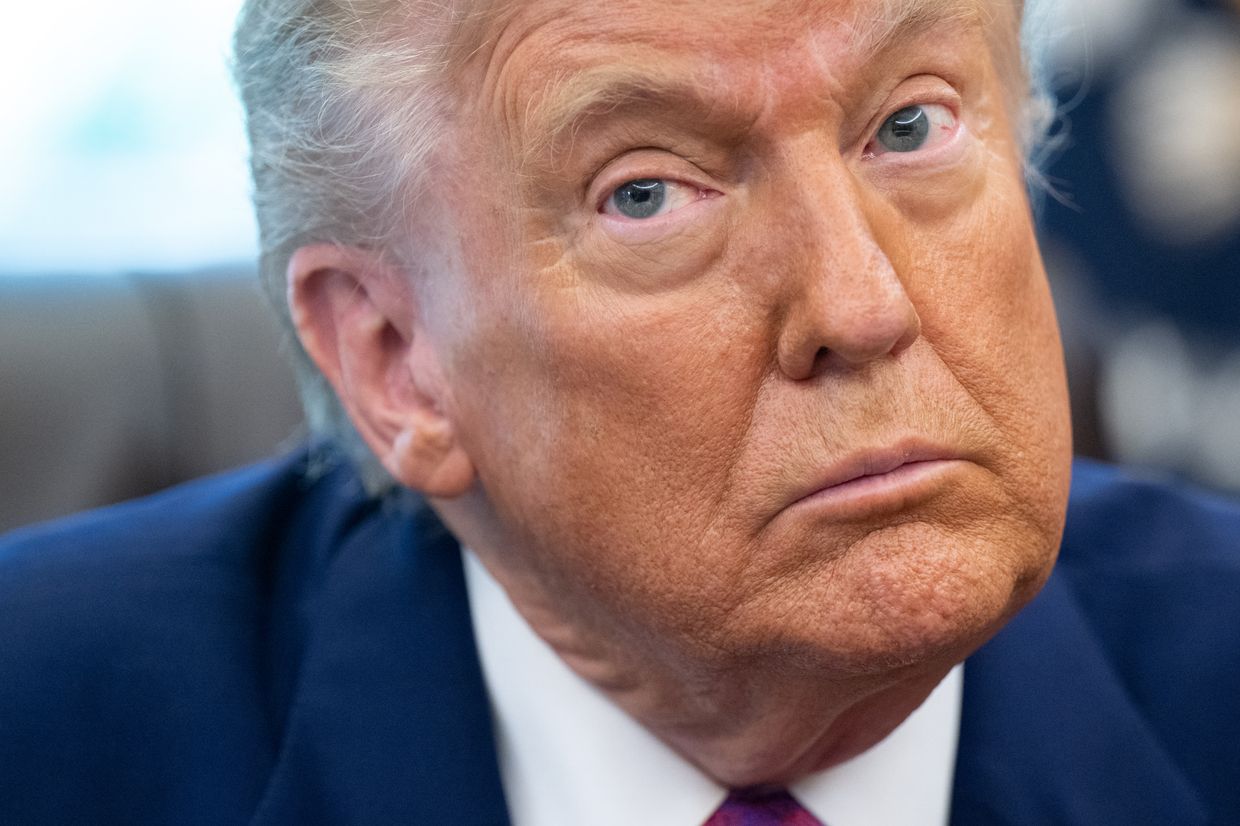
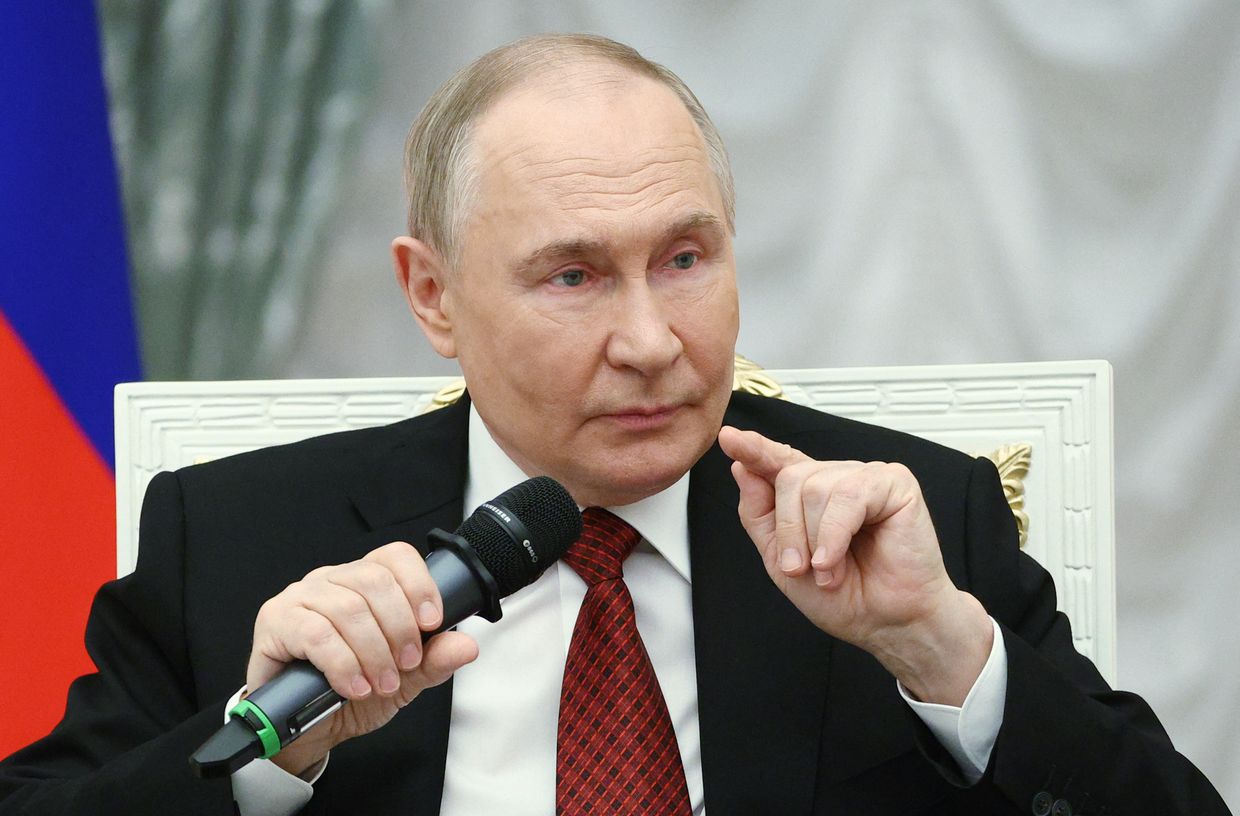
U.S. President Donald Trump and Russian President Vladimir Putin held a phone call on June 14 in which the two leaders discussed Ukraine and the conflict between Israel and Iran.
"Another telephone conversation between Russian President Vladimir... Putin and U.S. President Donald Trump," Russian state media reported, citing Putin's foreign policy aide Yuri Ushakov.
The phone call took place on Trump's birthday, as the U.S. president marks the occasion with a military parade in Washington.
The two leaders discussed Russia's ongoing war against Ukraine and the situation in the Middle East as Israel and Iran continue to exchange aerial attacks.
"The exchange of opinions naturally focused on the dangerous escalation of the situation in the Middle East," Ushakov said.
The phone call between Trump and Putin lasted 50 minutes, he said.
"Russia expressed its readiness to continue negotiations with the Ukrainians, as agreed, after June 22. Donald Trump took note of this information and once again noted his interest in a speedy end to the Russian-Ukrainian conflict," Ushakov said, according to Russian state media.
Trump later confirmed he held a phone call with Putin, saying that the main topic the two leaders covered was Iran.
"President Putin called this morning to very nicely wish me a Happy Birthday, but to more importantly, talk about Iran, a country he knows very well," Trump said in a post to Truth social.
Trump noted that the phone call between the two leaders lasted about one hour, with Putin congratulating Trump on his birthday.
"Much less time was spent talking about Russia/Ukraine, but that will be for next week. He is doing the planned prisoner swaps — large numbers of prisoners are being exchanged, immediately, from both sides," Trump said.
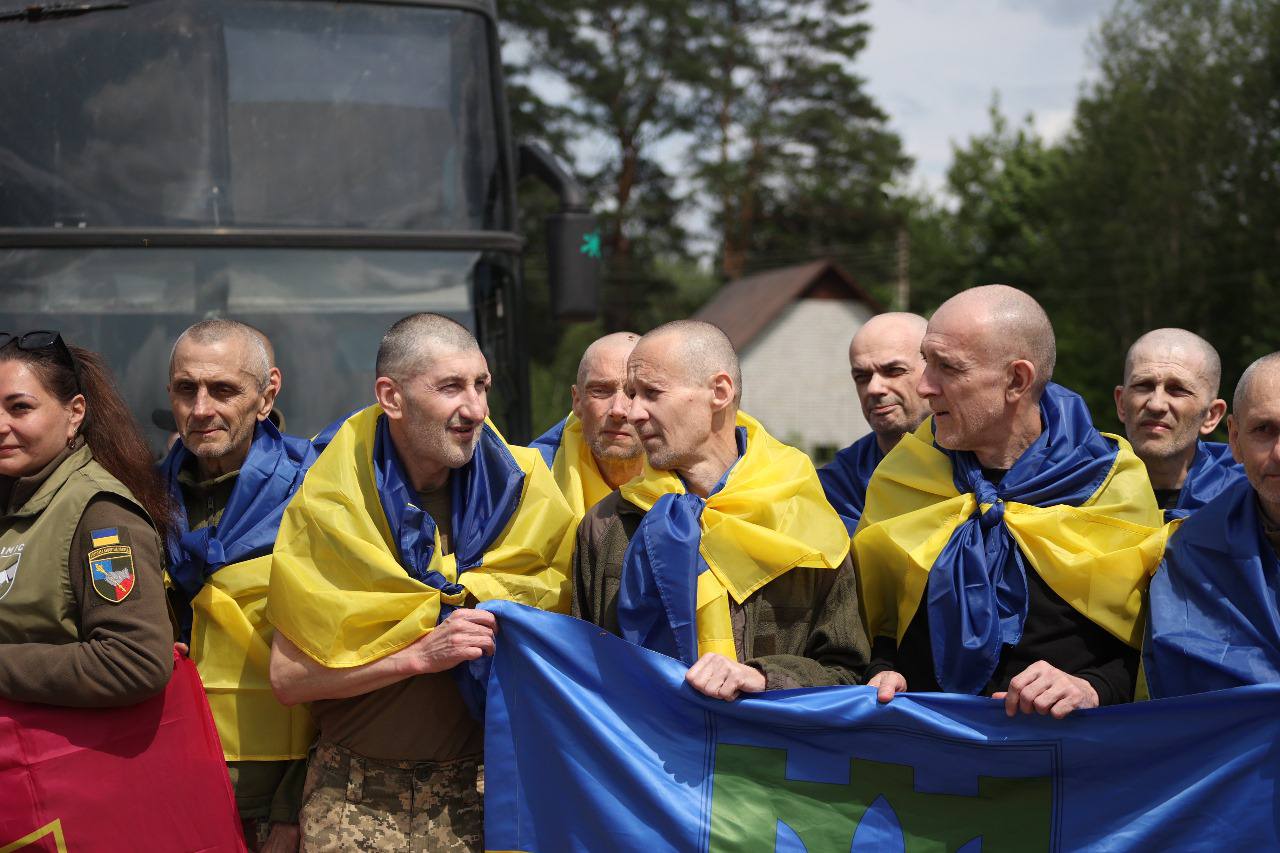
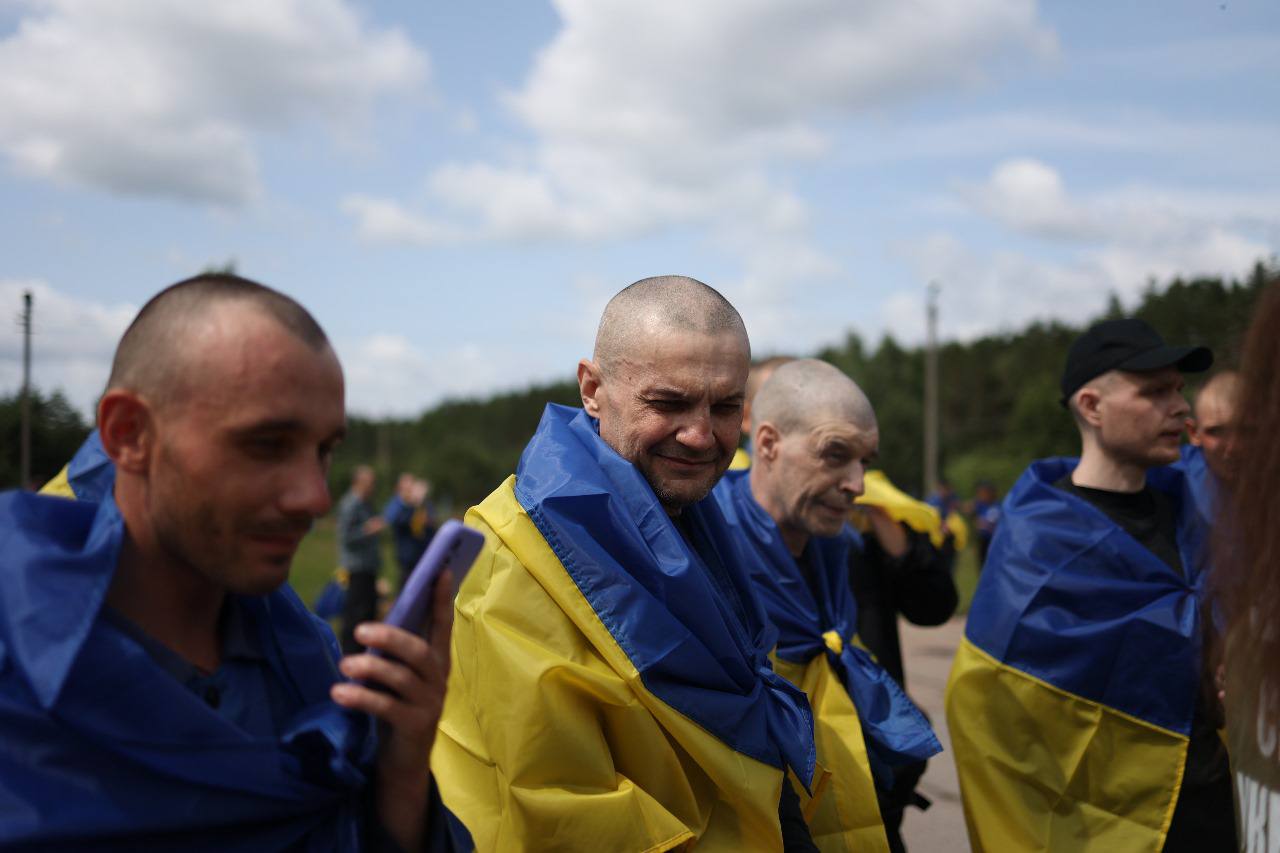
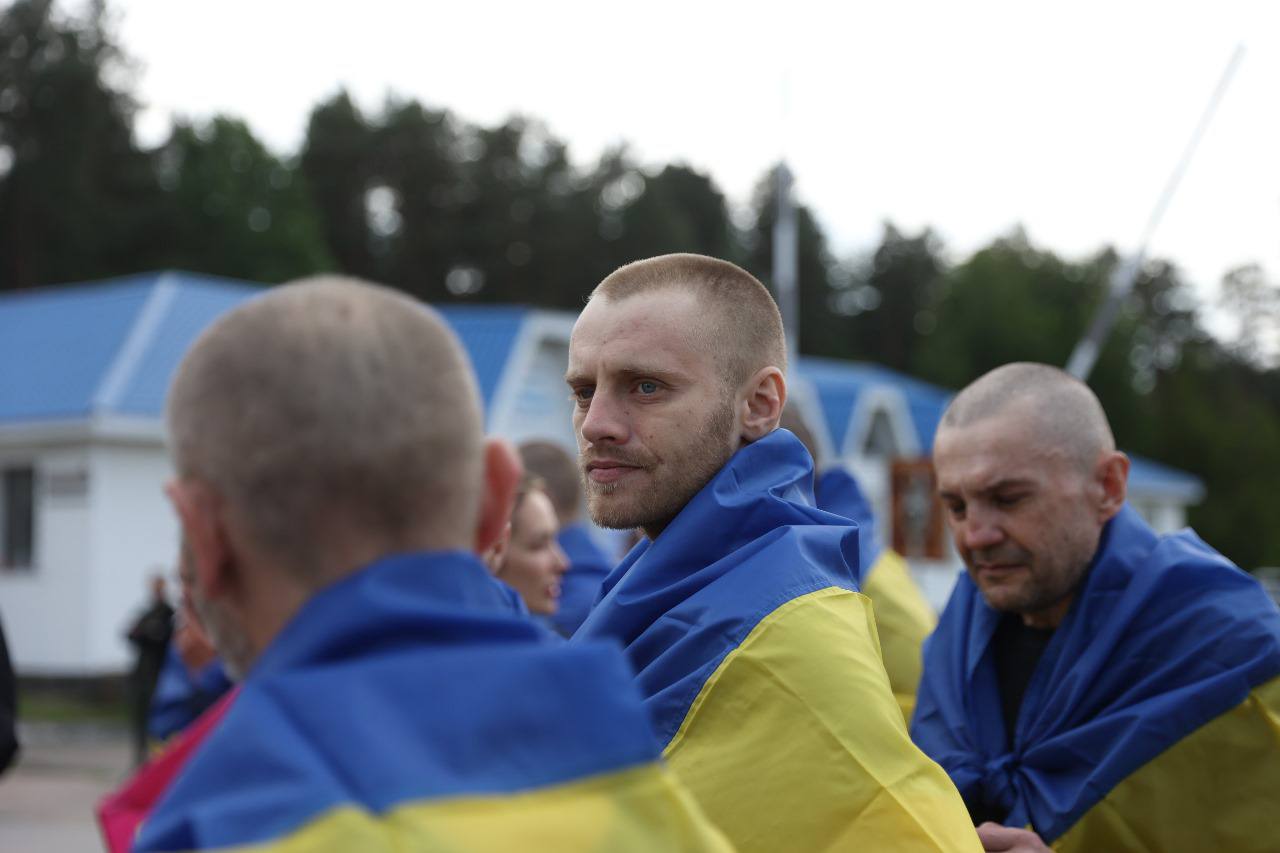
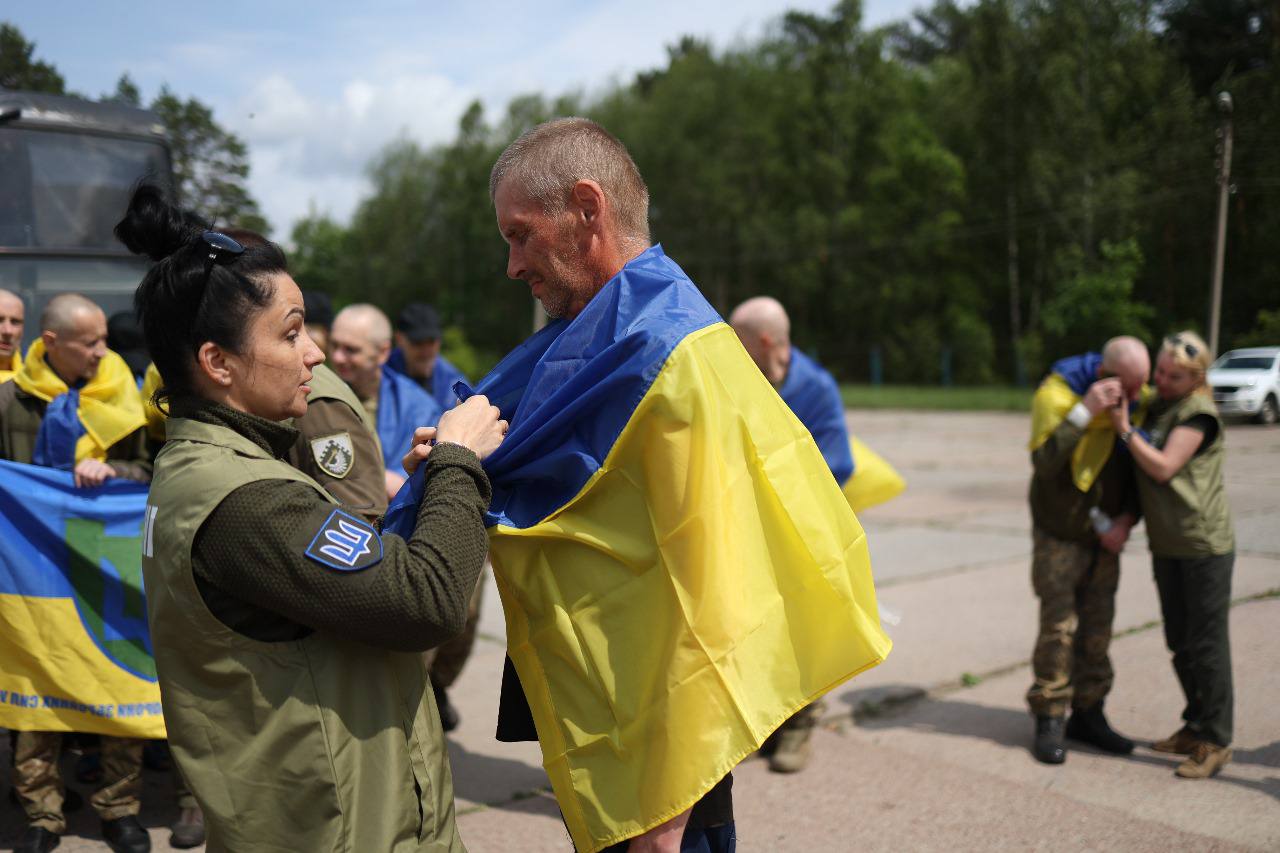
The latest round of prisoner swaps occurred on June 14. Ukraine mainly returned severely wounded and seriously ill soldiers, many of whom were captured during the defense of Mariupol in 2022.
Russia has intensified drone and missile attacks on Ukraine following two rounds of largely inconclusive peace talks between Moscow and Kyiv in Turkey on May 16 and June 2.
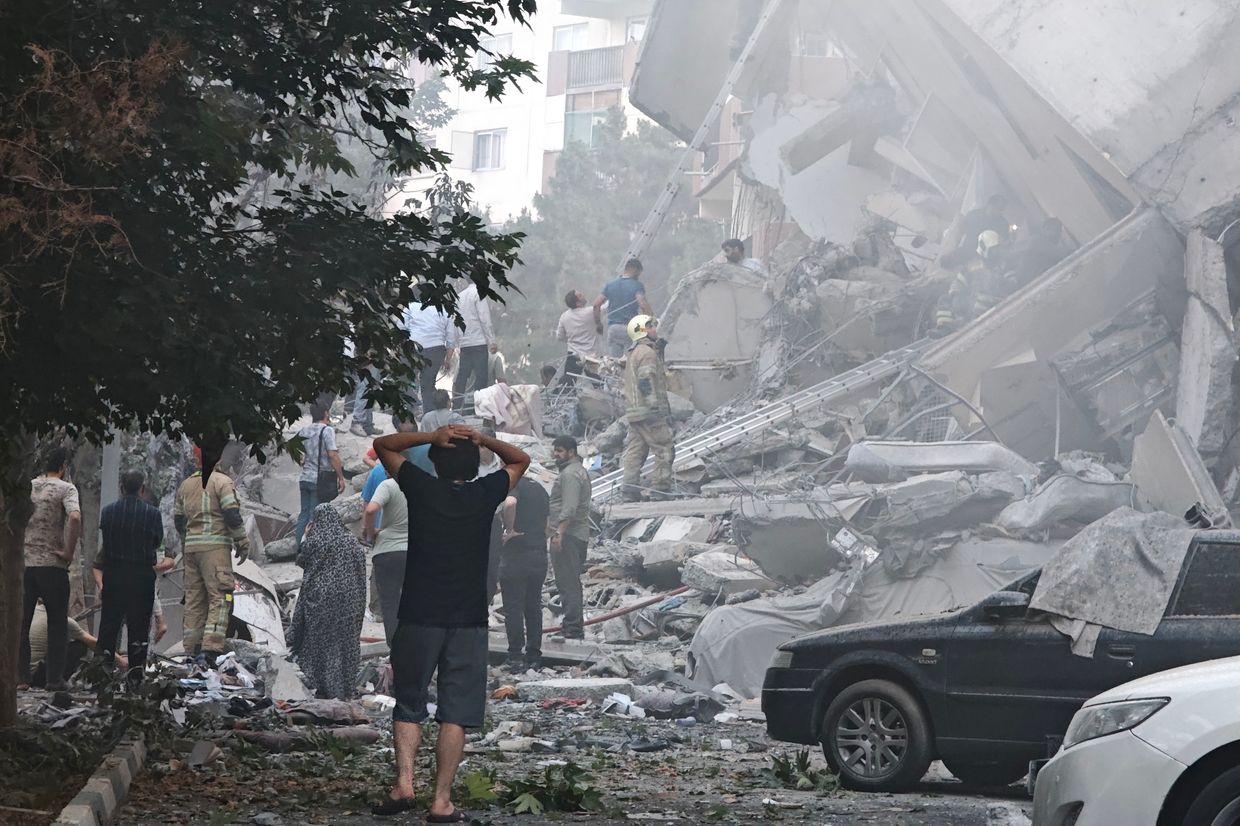
Israel and Iran continued to exchange attacks on June 14, more than 24 hours after Israel launched its first strikes on Iran's nuclear sites and military leadership.
Trump has said that the U.S. military is on high alert and watching for any kind of retaliation, adding that the U.S. will respond to defend itself or Israel if Iran strikes back.
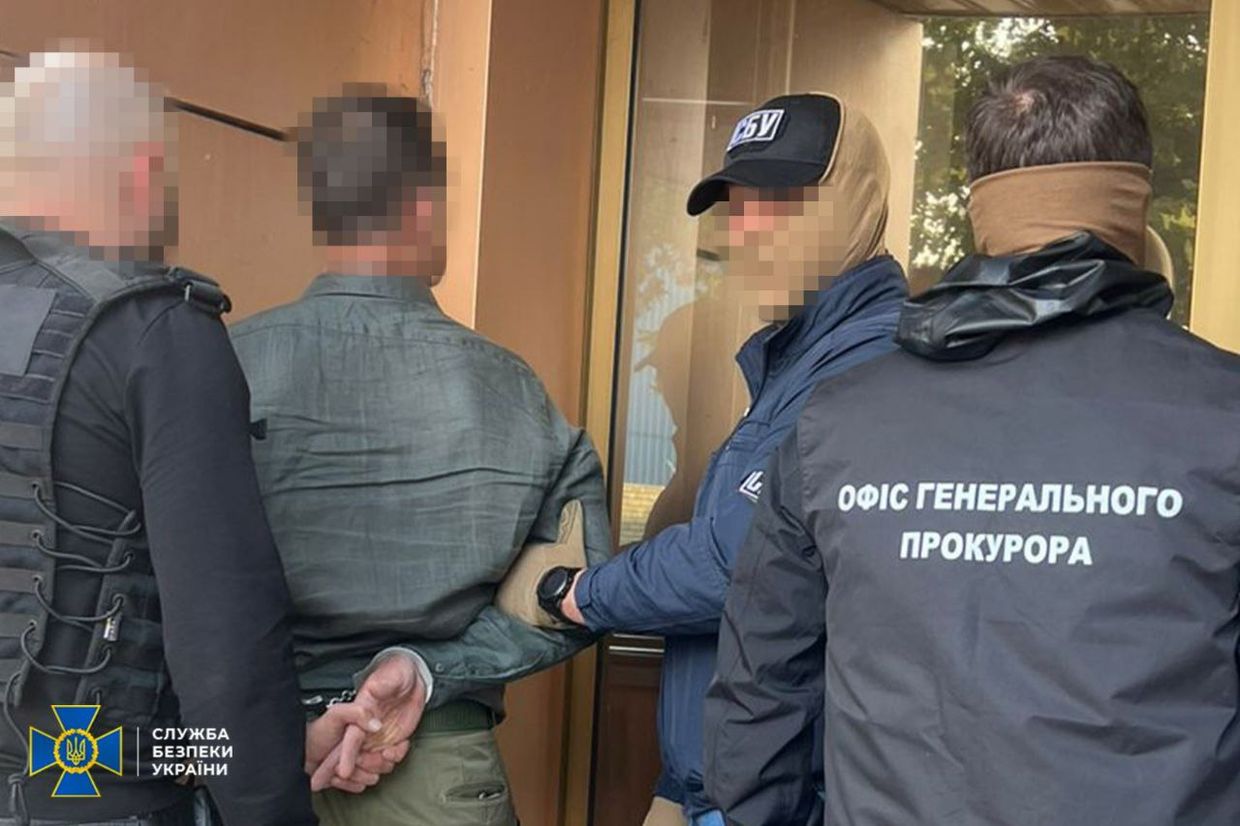
The Security Service of Ukraine (SBU) has arrested two individuals in Kyiv accused of attempting to extort $200,000 from a European defense company, potentially jeopardizing the delivery of electronic warfare (EW) systems to Ukraine's military, the SBU reported on June 14.
The suspects allegedly demanded the payment in exchange for facilitating the successful testing and adoption of five radio electronic warfare systems provided to Ukraine at no cost, according to statements released by the SBU and the Prosecutor General's Office.
The devices, supplied by a private foreign manufacturer, were financed by Ukraine's international partners. The producer had already delivered five systems to Ukraine, with additional contracts possible if the equipment performed well in combat conditions, the SBU said.
According to investigators, the suspects falsely claimed to have influence within Ukraine's Defense Ministry and promised to use their connections to ensure positive evaluations of the equipment.
"Under the guise of having contacts within the ministry, the men demanded $200,000 from the company in exchange for ensuring no obstacles during official trials of the equipment," the Prosecutor General's Office said in a statement.
Both men have been formally charged under Ukraine's Criminal Code for alleged obstruction of the Armed Forces and receiving unlawful benefits through influence peddling. The charges carry a possible sentence of up to eight years in prison and asset confiscation.
The arrests were made as part of a broader investigation led by the SBU and conducted under the procedural oversight of the Specialized Defense Prosecutor's Office. Authorities say the investigation is ongoing to identify all individuals involved.
Ukraine continues to rely heavily on international military assistance as it defends against Russia's full-scale invasion, now in its fourth year. Ukraine uses EW systems during Russian attacks on its cities and on the front line.
Kyiv and its Western partners launched an electronic warfare coalition in April, which consists of 11 countries and comes on top of other eight Western coalitions to support Ukraine. Other similar initiatives include an artillery coalition, a fighter jet coalition, and a demining coalition, organized within the framework of the Ramsteinformat.
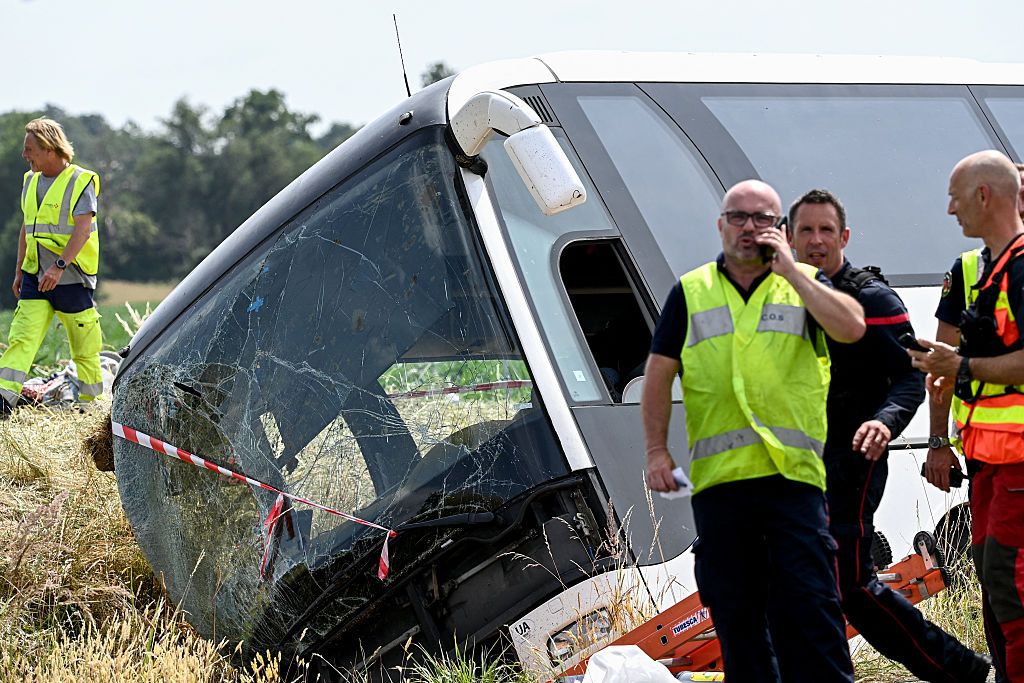
Nine Ukrainian students remain hospitalized following a deadly bus accident in France that killed three Ukrainian nationals and injured dozens more, Ukrainian officials confirmed on June 14.
The group, made up of students and teachers from Chernivtsi Oblast, was returning from an academic exchange when their bus veered off the road in the Sarthe department of France on June 13.
While en route to Paris, the bus veered off the road for reasons still under investigation and flipped into a ditch. In addition to the four fatalities, French media reported nine people were seriously injured and 18 sustained minor injuries.
According to Ruslan Zaparaniuk, governor of Chernivtsi Oblast, nine Ukrainian students remain hospitalized, though their conditions are stable. "All other people have received the necessary support, food, and temporary shelter and are now in safe locations," he wrote on Facebook.
Zaparaniuk noted that Ukraine's Embassy in France is organizing the logistics to help the children return home and is assisting parents wishing to travel to France to visit their hospitalized children.
Ukraine's Embassy in France said that a diplomatic team, led by Ambassador Vadym Omelchenko, traveled to the crash site and remains in Sarthe to support victims and coordinate with French authorities.
According to the embassy, two people injured in the crash remain in critical condition. All other victims are receiving medical treatment and support from Ukrainian and French teams.
President Volodymyr Zelensky expressed condolences in a June 13 statement, calling the accident "terrible news" and thanking French authorities for their solidarity and rapid response.
Kyiv is continuing efforts to bring home its citizens held captive by Russia, marking the fourth prisoner exchange in a week, President Volodymyr Zelensky announced on June 14.
"Today, among those returning to Ukraine, many have been in captivity since 2022," Zelensky said. "These include soldiers from the Armed Forces, National Guard, State Border Guard Service, and the State Special Transport Service."
The exchanges are part of the agreement reached during talks held in Istanbul earlier this month, where both sides agreed to phased prisoner swaps and repatriation of fallen soldiers.
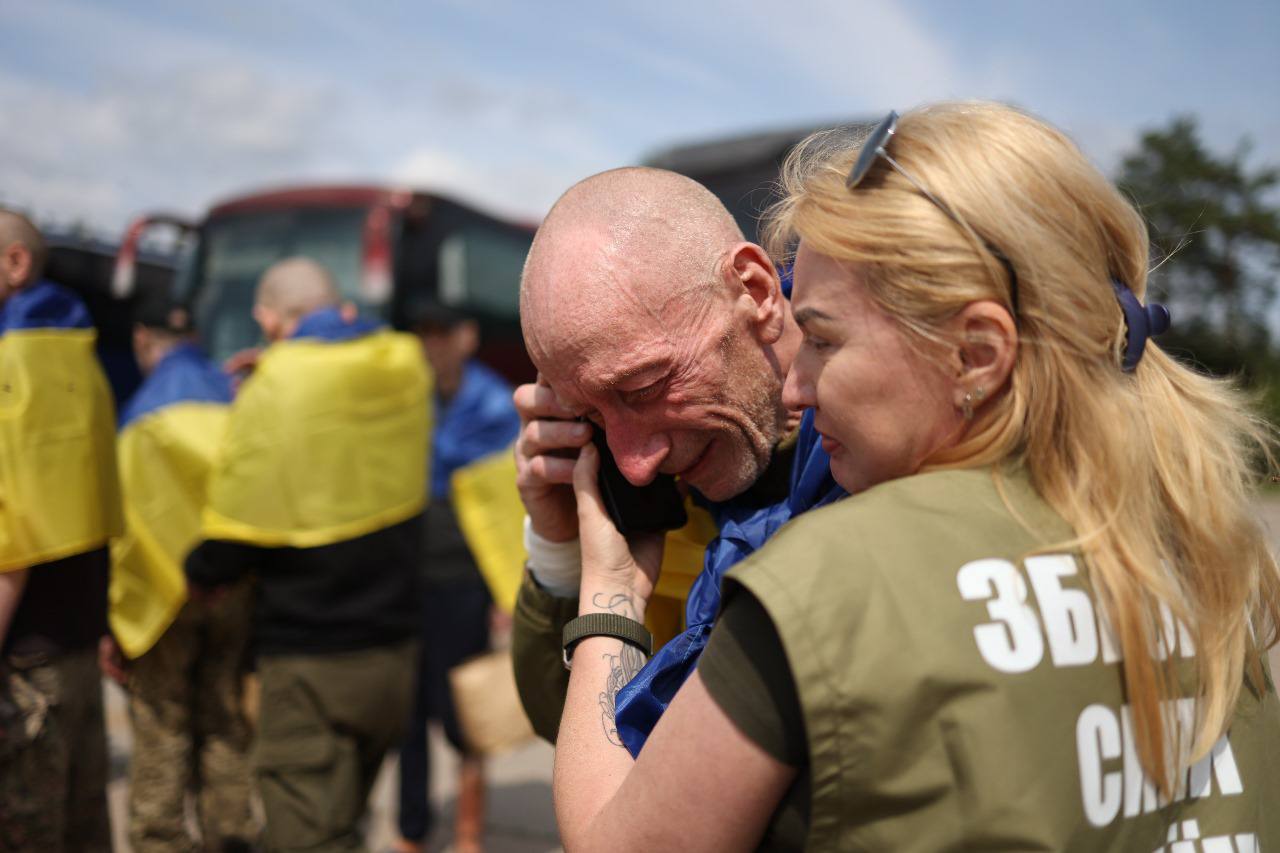
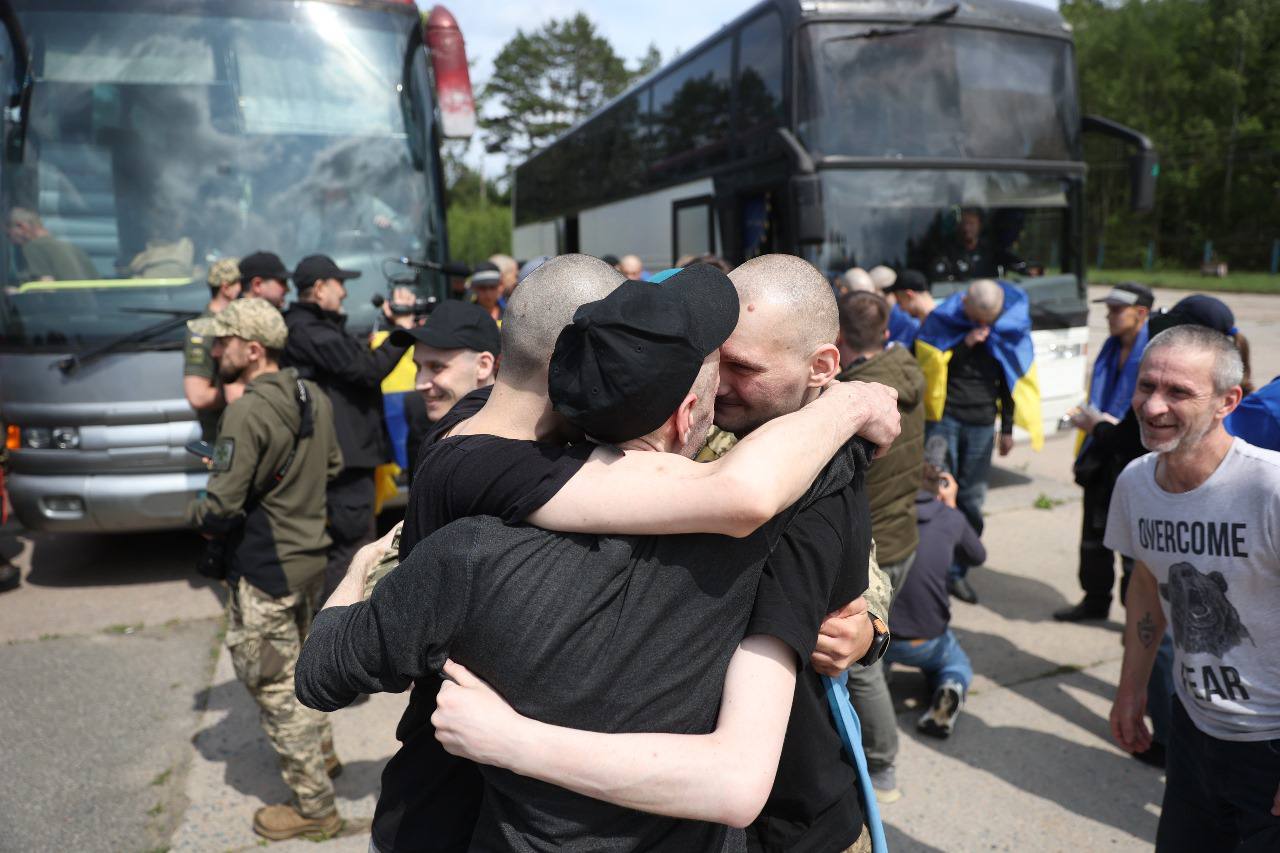
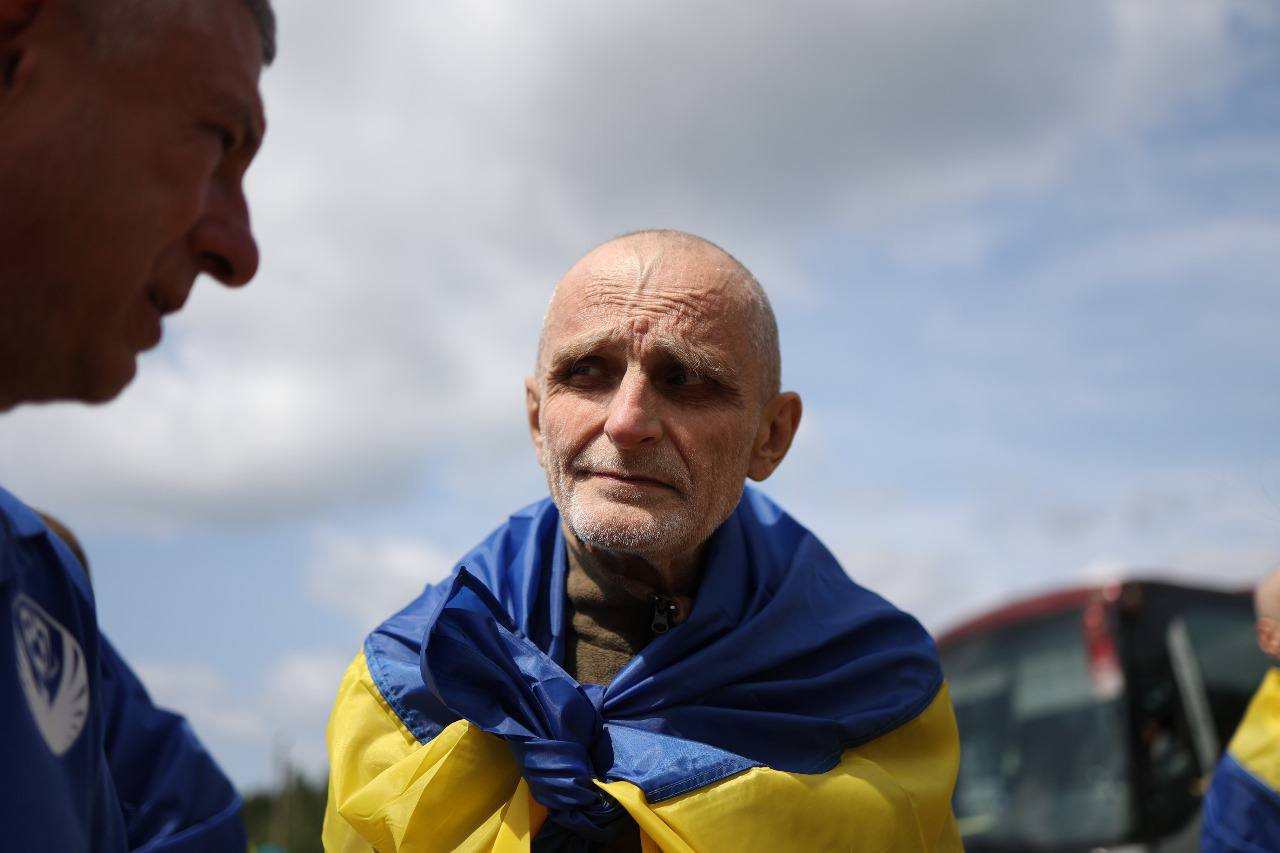
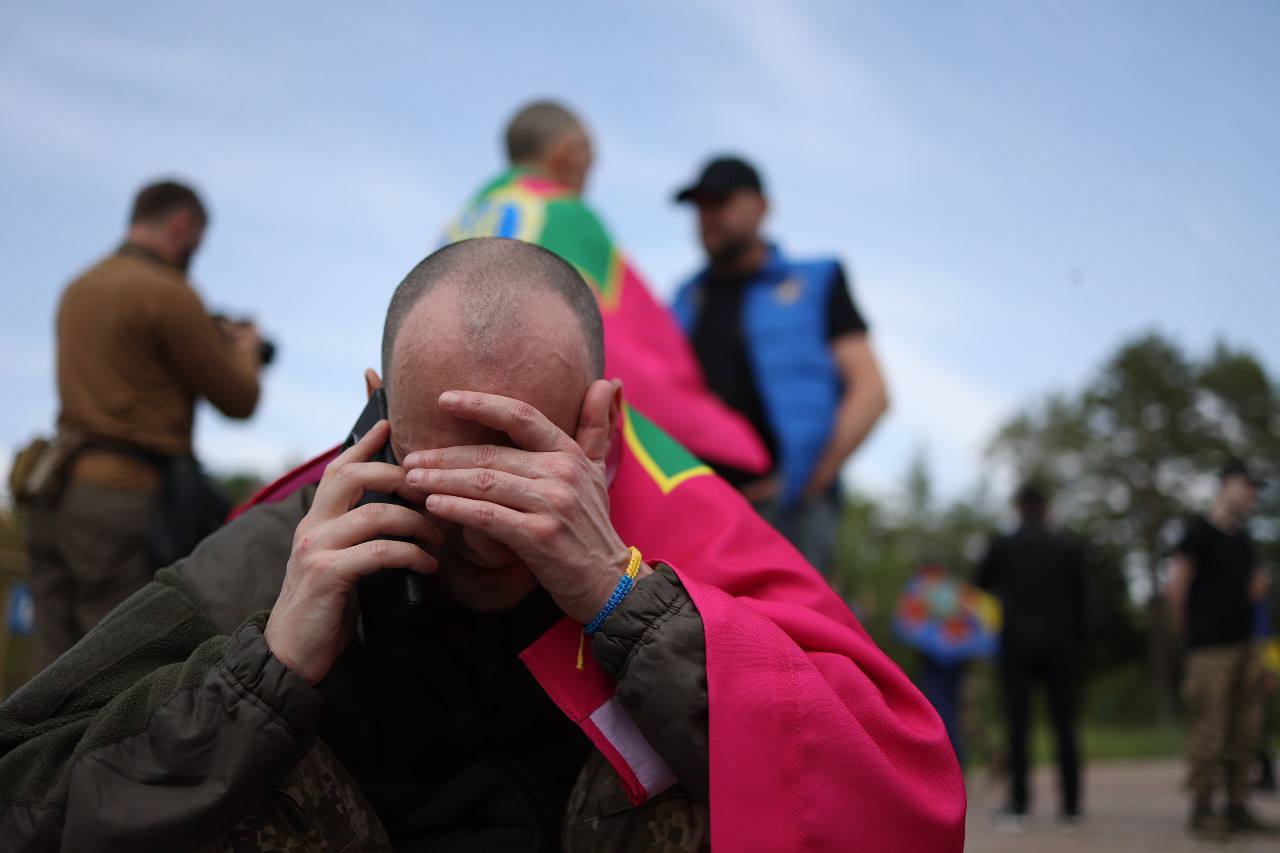
The latest group freed on June 14 mainly consists of severely wounded and seriously ill soldiers, many of whom were captured during the defense of Mariupol in 2022.
Most of the released defenders are officers, with some younger than 25 years old. These Ukrainian defenders served on multiple fronts including Donetsk, Zaporizhzhia, Luhansk, Kherson, Kharkiv, Sumy, and Kursk directions, the Coordination Headquarters for Prisoners of War stated.
Ukraine has earlier brought home service members from Russian captivity on June 12 and 10. Both swaps alsp prioritized severely injured and ill captives. The number of personnel released was not disclosed.
Ukrainian soldiers freed in a prisoner swap with Russia on June 14, 2025. (Volodymyr Zelensky / Telegram)
Ukrainian soldier freed in a prisoner swap with Russia on June 14, 2025. (Volodymyr Zelensky / Telegram)
Ukrainian soldier freed in a prisoner swap with Russia on June 14, 2025. (Volodymyr Zelensky / Telegram)
Ukrainian soldiers freed in a prisoner swap with Russia on June 14, 2025. (Volodymyr Zelensky / Telegram)
Ukrainian soldiers freed in a prisoner swap with Russia on June 14, 2025. (Volodymyr Zelensky / Telegram)
Ukrainian soldier freed in a prisoner swap with Russia on June 14, 2025. (Volodymyr Zelensky / Telegram)
Ukrainian soldier freed in a prisoner swap with Russia on June 14, 2025. (Volodymyr Zelensky / Telegram)
The Istanbul deal was reached during the second round of direct talks between the Ukrainian and Russian delegations on June 2 in Istanbul. While no political breakthrough was achieved, both sides agreed to a phased exchange of prisoners and the repatriation of fallen soldiers' bodies. As part of that agreement, Russia pledged to return the bodies of up to 6,000 Ukrainian service members.
Ukraine brought back the bodies of 2,412 Ukrainian nationals, including fallen service members, on June 13 and June 11, as well as 1,200 on June 14.
Amid the ongoing exchanges, Ukraine continues to push for an "all-for-all" formula to bring every captured Ukrainian soldier home, a proposal Moscow has so far rejected. The Coordination Headquarters said preparations are underway for the next phase of prisoner releases in the coming weeks as Kyiv maintains its commitment to recovering all those held captive.
The freed defenders will undergo medical examinations, receive physical and psychological rehabilitation, and be granted all entitled compensation for their time in captivity, according to the Coordination Headquarters.
In a conversation with journalists, Zelensky expressed hope that the prisoner exchanges would be completed by June 20 or 21.
Editor's note: This story was updated to include new details on the medical repatriation of Russian POWs, citing commentary from Ukraine's I Want to Live project.
Ukraine has recovered the bodies of 1,200 fallen citizens, including military personnel, in the latest round of repatriation efforts coordinated with Russia under agreements reached during talks in Istanbul, Ukrainian officials said on June 14.
This latest repatriation follows the return of 2,412 bodies earlier on June 13 and June 11, reflecting an intensification of efforts after the June 2 Istanbul talks between the two sides.
The Coordination Headquarters for Prisoners of War said the bodies, which Russian authorities claim belong to Ukrainian nationals, were returned as part of an ongoing phased exchange process.
"The remains will now undergo forensic examination and identification procedures conducted by law enforcement investigators in cooperation with expert institutions under the Interior Ministry," the Coordination Headquarters said in a statement.
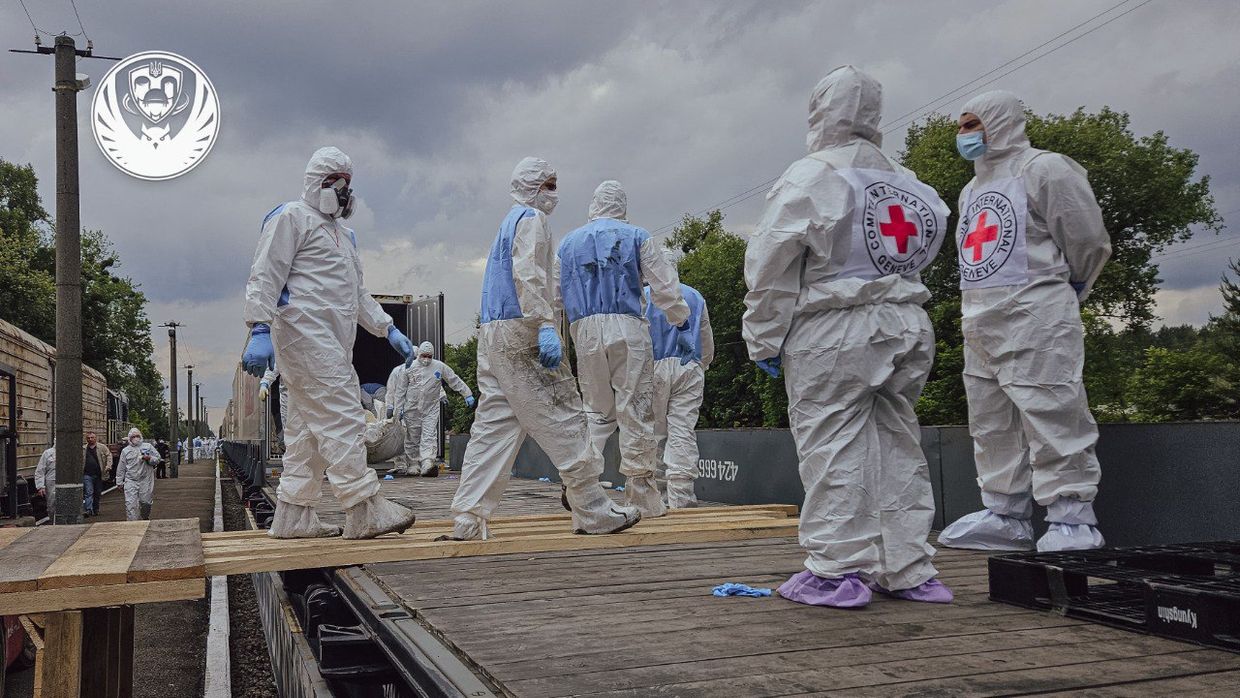
The repatriation operation was coordinated by the Coordination Headquarters for the Treatment of Prisoners of War (POWs) alongside the Security Service of Ukraine (SBU), the Ombudsman’s Office, the Armed Forces, the Interior Ministry, and other government and defense bodies. The International Committee of the Red Cross also provided assistance during the process.
In addition to repatriating bodies, Ukraine has begun implementing what officials described as the first stage of a "permanent humanitarian medical exchange" with Russia, also agreed to in Istanbul.
Under this arrangement, Ukraine has transferred wounded Russian POWs directly from the front lines, according to "I Want to Live," a government-run project that facilitates voluntary surrender by Russian and Belarusian soldiers.
"As part of this exchange, the Russian side received wounded prisoners of war directly from the front line," the project said in a statement.
At the Istanbul meeting on June 2, Ukrainian and Russian delegations agreed on a new prisoner exchange but failed to secure a ceasefire agreement. The previous talks on May 16 led to the largest prisoner swap of the war in late May, when approximately 1,000 captives were exchanged on each side. Since then, exchanges have continued, focusing especially on severely wounded and ill soldiers.
Ukraine has long pushed for an "all-for-all"prisoner exchange to bring home all Ukrainian captives, but Moscow has resisted such a comprehensive deal.
It is not immediately clear whether Ukraine released the bodies of Russian soldiers in return during this latest exchange. During the previous swap on June 11, Moscow announced it had repatriated the bodies of 27 Russian service members.
President Volodymyr Zelensky's office has confirmed plans for a high-stakes meeting with U.S. President Donald Trump at the upcoming G7 summit on June 17, according to the Kyiv Independent journalist who attended a closed-door briefing with Zelensky on June 13.
"Both teams are working to ensure we meet," Zelensky said.
The meeting would mark the third in-person encounter between the two leaders during Trump's second term in the White House. Their most recent meeting took place on April 26 at St. Peter's Basilica in the Vatican, where they spoke privately on the sidelines of Pope Francis' funeral. Both sides described the meeting as productive and constructive, though details remained sparse.
Earlier in February, Zelensky met Trump and Vice President JD Vance in the White House when the infamous tense Oval Office exchange erupted, with Trump criticizing Kyiv's perceived lack of gratitude for U.S. support
Zelensky said his priority is to discuss with Trump sanctions against Russia, peace talks, weapons purchase, and U.S.-Ukraine economic cooperation.
"The United States communicates with the EU on sanctions at the level of senators and congressmen. But I want to raise this issue personally with President Trump," Zelensky said.
"There are steps forward we can take — but we need the political will of the U.S. president, if he wants."
He added that Ukraine has long prepared a "strong" weapons package to purchase from Washington. "Only at the presidential level can we finalize it," Zelensky said ahead of the G7 summit.
Russian offensives in Sumy, Dnipropetrovsk oblasts
Zelensky said that heavy fighting is ongoing along Ukraine's northeastern border. Russian forces have concentrated around 53,000 troops in the Sumy sector, pushing into multiple settlements such as Andriivka, Kindrativka, and Oleksiivka.
According to the open-source monitoring group DeepState, Russian troops have been advancing along the border in Sumy Oblast, with the current front line lying just about 20 kilometers away from the regional capital of Sumy.
According to media reports, Russia exploited a thinning of Ukraine's front-line forces, which were later replaced by newer, under-equipped formations.
Zelensky said that Russia only pushed seven kilometers deep into Sumy, adding that the Russian army "has been stopped there."
Zelensky added that Ukrainian forces had successfully struck Russian positions in the neighboring Russian Kursk Oblast, near Tyotkino, to stall Russian momentum and split their offensive groups.
In Dnipropetrovsk Oblast, Zelensky confirmed that small Russian reconnaissance groups had briefly crossed into Ukrainian territory — likely for propaganda purposes. One six-man unit was reportedly eliminated one kilometer from the administrative border.
"For them (Russia), it's an important story, to take a photo, video," Zelensky said. "That's why they are launching small working groups to do just that."
Earlier, the Kremlin has claimed the operations in Dnipropetrovsk are part of an effort to create a so-called "buffer zone." Ukrainian officials have rejected these claims as disinformation.
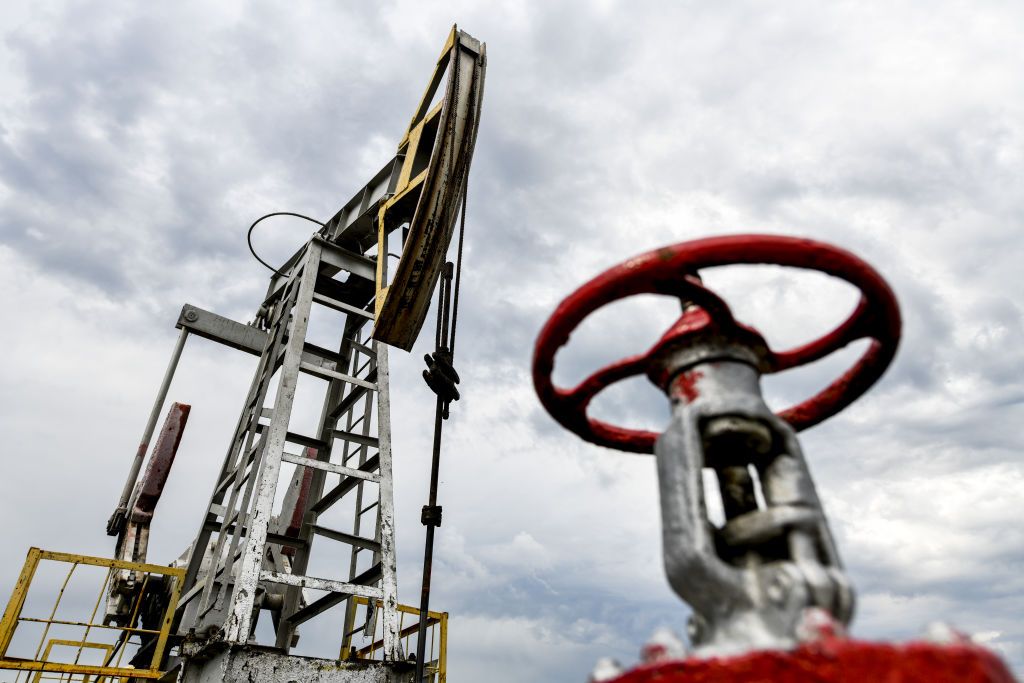
When speaking about the recent escalation between Israel and Iran in the Middle East, Zelensky said that the subsequent regional tension had driven up oil prices, enhancing Russia's war financing through energy exports.
"This factor clearly doesn't help us," he said, adding that Ukraine will urge Washington to implement stricter price caps on Russian oil at the G7.
He further revealed that U.S. weapons previously allocated to Ukraine, including 20,000 air-defense interceptors used to counter Iranian-designed Shahed drones, were redirected to support Israel ahead of its recent strikes on Iran.
"That was a serious blow... We were counting on these missiles," Zelensky said.
Zelensky warned that Ukraine must not become "a bargaining chip" in larger geopolitical negotiations involving the U.S., Russia, and the Middle East. Russia and Iran have deepened their cooperation since 2022, with Iran supplying weapons and technology to boost Moscow's war machine.
"I was constantly afraid that we could become a bargaining chip, just one factor in the negotiations between the United States and the Russians. So, along with the situation with Iran, the situation with Ukraine was also a factor. They are really dependent on each other," he said.
Zelensky voiced concerns about a slowdown in Western diplomatic momentum, particularly around the "coalition of the willing" initiative led by France and the UK.
Earlier, media reported that the "coalition of the willing," aimed at offering post-ceasefire security guarantees to Ukraine, has faced delays due to the absence of U.S. commitment.
"Europe hasn't yet decided what to do if America steps back," he said. "Their energy depended on U.S. resolve. Without it, things slow down."
Still, Zelensky made clear that Ukraine would not accept any ultimatums from Moscow amid the uncertainty of Western support. He described the latest Russian ceasefire proposals as capitulation.
"They pretend to be ready for talks, but all they offer is an ultimatum," Zelensky said. "We won't go along with that. Not now, not ever."
Zelesnky also expressed optimism that the European Union's 18th sanctions package would pass later this month and said he would personally push for closer U.S.-EU coordination at the G7.
Zelensky confirmed that prisoner exchanges with Russia are continuing and that another round of direct peace talks with Moscow may take place soon after.
"We expect that they (prisoner swaps) can be completed on the 20th or 21st (of June)," he said.
Over the week, Ukraine and Russia held a series of exchanges under an agreement reached during peace talks in Istanbul. Most recently, on June 12, Ukraine brought home another group of severely wounded and seriously ill service members.
The June 12 operation followed a similar swap two days earlier, both conducted without immediate disclosure of the number of released prisoners.
The June exchanges are part of a phased prisoner swap arrangement agreed during the second round of direct talks between Ukrainian and Russian delegations in Istanbul on June 2. While no political breakthroughs emerged from the discussions, both sides agreed to continue exchanging POWs and repatriating the remains of fallen soldiers.
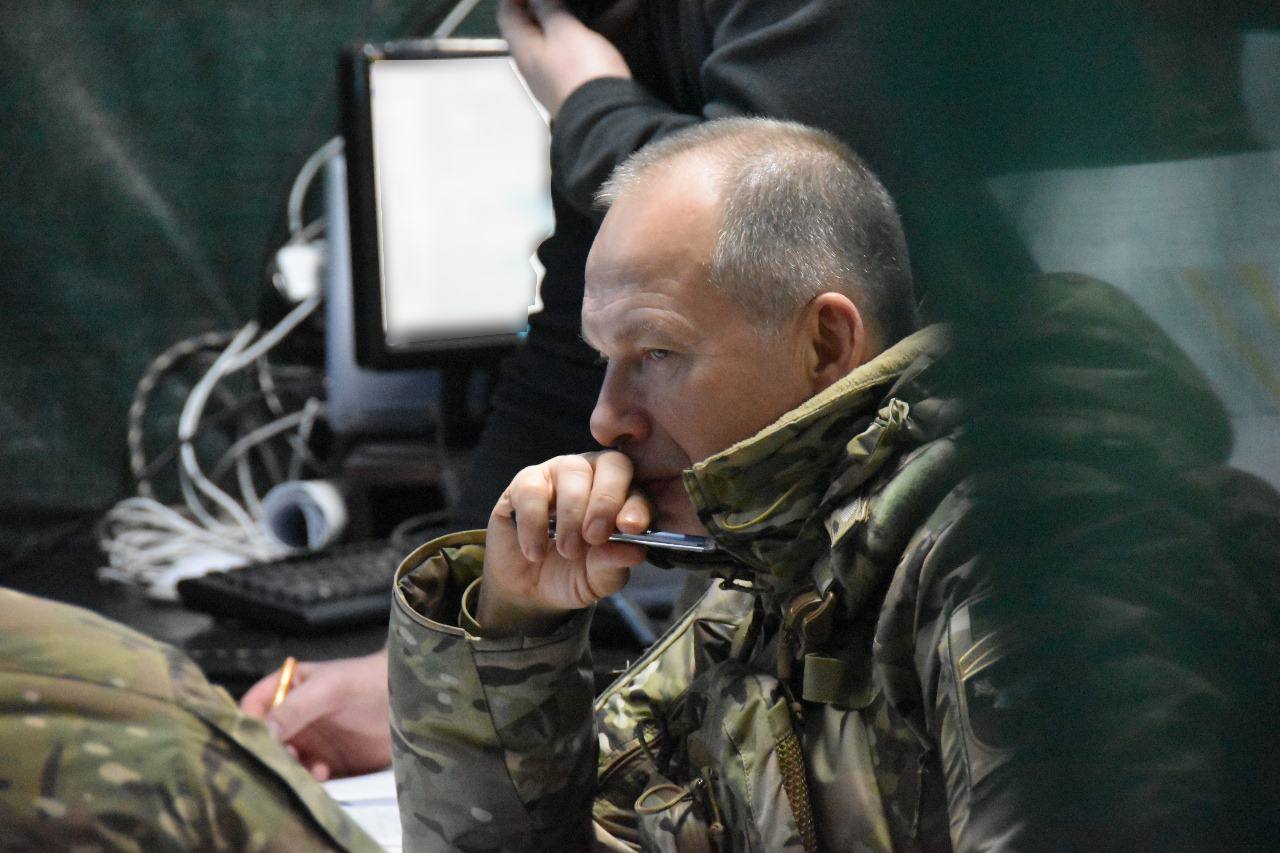
Efforts are underway to rapidly expand Ukraine's ability to counter Russian drone attacks, Commander-in-Chief of Ukraine's Armed Forces, Oleksandr Syrskyi, said on June 14.
In a statement shared on Telegram, Syrskyi said he held a meeting focused on strengthening defenses against Russian strike drones, particularly Iranian-designed Shahed drones used by Russian forces to target Ukrainian cities.
"Task number one is scaling up the systems that already work effectively," Syrskyi said. "First and foremost, that means increasing the number of drone interceptors."
Russia has been escalating drone attacks against Ukraine over the past weeks, launching record 400-500 UAVs (unmanned aerial vehicles) per night.
Syrskyi emphasized the need for a comprehensive approach that incorporates all available capabilities. "(Russia) is constantly modifying the characteristics of its Shaheds and changing their tactics," he said.
Ukrainian officials discussed ways to improve early detection of incoming drones and ensure their timely destruction. Syrskyi said he had set clear priorities and tasked military leaders accordingly.
Russia has repeatedly targeted Ukrainian cities with waves of attack drones, often striking energy infrastructure and residential buildings overnight. Ukraine's defense forces use a mix of electronic warfare, air defense systems, and drone-on-drone interception to repel the assaults.
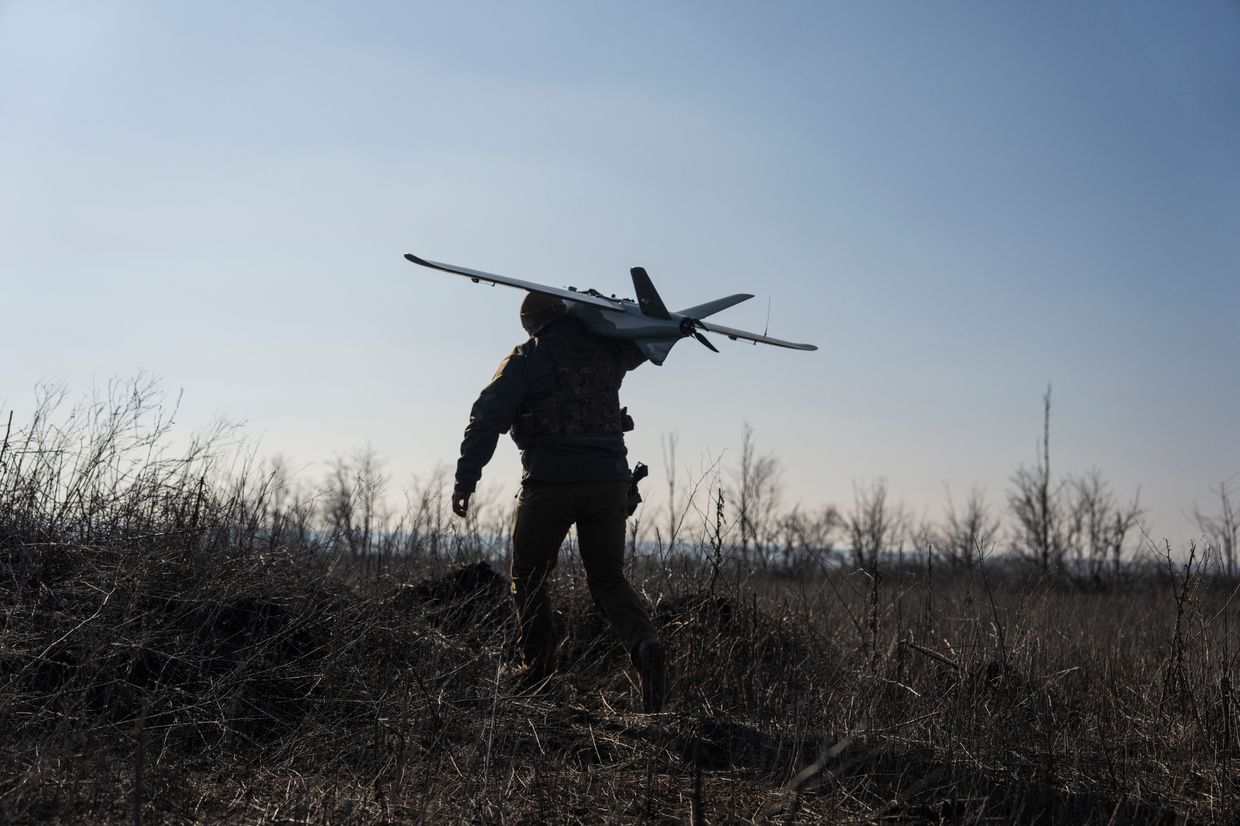
Drones have become one of the defining tools of the full-scale war, used extensively by both Ukraine and Russia for surveillance, long-range strikes, and tactical battlefield advantage. In recent weeks, Russia has intensified its drone and missile attacks on Ukrainian cities and infrastructure.
Earlier on June 9, Ukraine's Air Force said it intercepted 479 drones and missiles during one of the largest attacks since the start of the war. Russia launched 499 weapons overnight, including 479 Shahed-type drones and multiple ballistic and cruise missiles.
Editor's Note: This story was updated to include confirmation from Ukraine's General Staff.
Ukraine's General Staff confirmed on June 14 that overnight drone strikes targeted two major military-industrial facilities in Russia, according to a statement of the military.
"As part of efforts to reduce (Russia's) ability to produce explosives and ammunition, the Ukrainian Armed Forces' drone systems, in coordination with other Defense Forces units, struck critical facilities of Russia's military-industrial complex overnight," Ukraine's General Staff said in a statement.
The strikes reportedly hit the Nevinnomyssk Azot chemical plant in Stavropol Krai and the Novokuybyshevsk Catalyst Plant in Samara Oblast. Both sites are described by Ukrainian officials as key suppliers of raw materials and components for Russia's weapons and fuel production.
Stavropol Governor Vladimir Vladimirov said drone debris fell in the city's industrial zone, confirming the strike was aimed at the Nevinnomyssk Azot plant. He initially reported one person injured, but later clarified there were no casualties. Footage circulating online showed explosions and drones flying over the city.
Nevinnomyssk Azot is among Russia's top producers of ammonia and nitrogen fertilizers, and hosts the country's only production lines for methyl acetate and high-purity acetic acid. It also operates Russia’s first melamine production facility, according to open-source data.
The plant, which produces up to one million tons of ammonia and over one million tons of ammonium nitrate annually, is "a critical element of Russia's military-industrial complex," Andrii Kovalenko, head of Ukraine's Center for Countering Disinformation at the National Security and Defense Council, said.
Kovalenko noted that ammonium nitrate is a key component for explosives and artillery shells. He added that the plant also synthesizes dual-use chemicals such as melamine, acetic acid, methanol, and potassium nitrate, frequently used in the production of grenade launchers, mines, and rocket charges.
Since 2024, the plant has been producing water-soluble fertilizers, which he said have been adapted to serve military chemical needs.
Ukraine's General Staff said the strike caused explosions and a fire at the site.
In Russia's Samara Oblast, a separate drone strike reportedly damaged the NovokuybyshevskCatalyst Plant, the country's largest specialized facility for producing catalysts used in petroleum refining and petrochemicals. The region's governor, Vyacheslav Fedorishchev, confirmed an attempted drone attack overnight on an industrial site in Novokuybyshevsk.
Kovalenko said the plant has a strategic role, stating that without its output, Russia's oil refineries, and by extension, its supply of aviation fuel, diesel for armored vehicles, and rocket propellant, would be severely affected.
Russia's Defense Ministry claimed it intercepted a total of 66 drones overnight across several regions, including 30 over Voronezh Oblast, 10 over Belgorod Oblast, 8 over Stavropol Krai, 6 over occupied Crimea, 1 over Samara Oblast, and 11 over the Azov Sea.
Editor's note: This story has been updated to include the latest injury figures confirmed by Zaporizhzhia Governor Ivan Fedorov.
At least three people were killed and 11 injured in Russian attacks across Ukraine over the past day, Ukrainian officials said on June 14.
According to Ukraine's Air Force, Russia launched 58 attack drones, primarily Shahed-type UAVs, and decoys from multiple directions. Air defenses destroyed 43 of the drones.
In Donetsk Oblast, one civilian was killed and two others were injured in Russian shelling of Yablunivka, Governor Vadym Filashkin said. Russian forces attacked settlements in the region 27 times over the past day.
In Kherson Oblast, five people were injured as Russia struck 23 settlements with drones, artillery, and airstrikes, Governor Oleksandr Prokudin reported. Residential buildings in Kherson city, Antonivka, and other towns were damaged, including a multi-story apartment block, six houses, a gas station, and some vehicles.
In Zaporizhzhia Oblast, at least one person was killed and four others injured in attacks targeting Zaporizhzhia and Polohy districts, Governor Ivan Fedorov said. Russian forces launched 438 strikes on 16 settlements, including 11 airstrikes and 266 drone attacks, mainly using FPV (first-person view) drones.
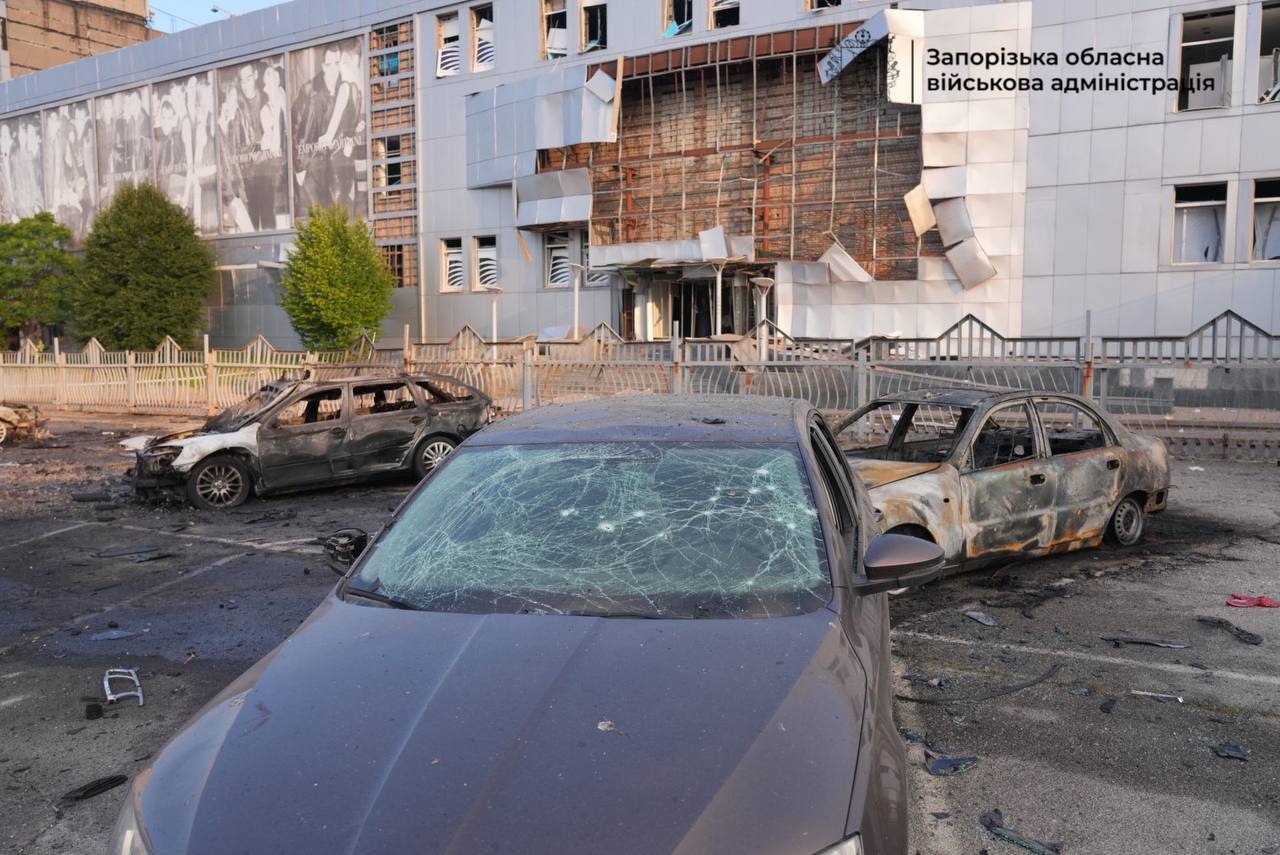
In a morning strike on Zaporizhzhia, more than 10 cars were burned at a parking lot, and at least 15 buildings were damaged. One person was injured.
According to Radio Free Europe/Radio Liberty, the Russian attack also destroyed a humanitarian aid warehouse in Zaporizhzhia. Over 100 metric tons of humanitarian supplies reportedly burned in the fire. The aid had recently arrived in five trucks and was intended for displaced people and residents of front-line areas. The damage is estimated at around $3 million.
Russia has lost 1,002,690 troops in Ukraine since the beginning of its full-scale invasion on Feb. 24, 2022, the General Staff of Ukraine's Armed Forces reported on June 14.
The number includes 1,130 casualties that Russian forces suffered just over the past day.
According to the report, Russia has also lost 10,937 tanks, 22,798 armored fighting vehicles, 51,928 vehicles and fuel tanks, 29,157 artillery systems, 1,417 multiple launch rocket systems, 1,185 air defense systems, 416 airplanes, 337 helicopters, 40,586 drones, 3,337 cruise missiles, 28 ships and boats, and one submarine.
The United States is opposing a proposal by other Group of Seven nations to lower the price cap on Russian oil, Bloomberg reported on June 13.
Citing unnamed sources, Bloomberg said the U.S. remains opposed to reducing the cap from $60 to $45 per barrel – a position it first took earlier this year when Treasury Secretary Scott Bessent declined to support a similar effort.
The price cap, introduced in December 2022 as a measure to limit the Kremlin's ability to finance its war against Ukraine, prohibits Western companies from shipping, insuring, or otherwise servicing Russian oil sold above $60 per barrel.
One source told Bloomberg that the EU and U.K. could explore lowering the cap without the U.S., as most of Russia's oil is transported in European waters. However, a unified G7 agreement would carry greater impact if it could be enforced by the U.S.
The price cap debate has become more urgent as oil prices, which had fallen below the $60 cap in recent months, surged following Israel's strikes against Iran in the past 24 hours.
G7 leaders will revisit the price cap discussion during the upcoming summit, hosted by Canada from June 15-17 in Kananaskis County, Alberta.
The summit agenda will also include topics such as support for Ukraine in the Russian war, global economic stability, digital transformation, and climate change.
The G7 currently includes Canada, France, Germany, Italy, Japan, the United Kingdom, and the United States. The European Union is also represented in the group.

 Connexion
 The Kyiv IndependentElena Kalinichenko