❌

Vue lecture

  •  

These Republicans Bet Big on Trump. It Didn’t Pay Off.

The president’s approval was essential to winning Republican Senate primaries. It became lethal in competitive general-election races.

© Doug Mills/The New York Times

President Trump with Darline Graham during a rally last month.
  •  

How Kansas Democrats Laid the Groundwork for Adam Hamilton’s Senate Upset

A two-term Democratic governor and a suburban revolt against President Trump laid the groundwork for Adam Hamilton’s victory.

© Jim Vondruska/Getty Images

Senator-elect Adam Hamilton embraced his wife at his election night watch party in Overland Park, Kan.
  •  

Alaska and Mississippi Senate Races: What We Know About Vote Counts and Result Timing

Democrats are clinging to small leads in both states, and it may take quite a while until the winners are known.

© Christopher Miller for The New York Times

In Alaska, the votes reported on Election Day gave Mary Peltola a small advantage over Senator Daniel S. Sullivan, the Republican incumbent.
  •  

Abdul El-Sayed’s Senate Win Is Big to Muslim Americans, but Not Because of Faith

Abdul El-Sayed’s election to the Senate is significant not because he shares their religion, Muslim Americans said, but because he prioritizes issues that many voters care about.

© Todd Heisler/The New York Times

Abdul El-Sayed won Michigan’s Senate race, defying a crush of anti-Muslim attacks and becoming the nation’s first Muslim senator.
  •  

‘It Is Never Enough’: Susan Collins Couldn’t Outrun Trump

The Maine Republican survived tough cycles in the past even as the political ground shifted beneath her. But the anti-Trump fever in her state doomed her this time.

© Lexi Parra/The New York Times

Senator Susan Collins, Republican of Maine, speaking on Tuesday night at her watch party at the Hilton Garden Inn in Bangor, Maine. She has served five terms in the Senate.
  •  

The Democratic Wave Swept State Houses Across the Country

Democrats won control of state governments in Wisconsin, Michigan, Minnesota, Pennsylvania, Nevada, and won chambers in Texas, Georgia and North Carolina.

© Jamie Kelter Davis for The New York Times

Statehouses that once seemed out of reach, like the Wisconsin Capitol in Madison, above, were swept up in Tuesday’s Democratic wave.
  •  

Mississippi’s Senate Race Is Close. The State Has No Vote Recount Law.

The race for U.S. Senate is close in Mississippi, which does not allow for vote recounts in statewide elections.

© Edmund D. Fountain for The New York Times

A Senate race in Mississippi is very close, but the state has no legal provision for recounts in statewide elections.
  •  

How the Audacious Trump Redistricting Push Backfired for Republicans in the Midterms

Republicans tried to redraw congressional maps to tilt more seats in their favor. Democrats captured many of the new districts instead.

© Maddie McGarvey for The New York Times

An Ohio map designed to shift two seats to Republicans may have handed two more to Democrats.
  •  

For Israelis, U.S. Midterms Show How Far Their Star Has Fallen in America

Israel once had bipartisan support in the United States, but a strong showing for Democrats, some of whom are deeply critical of the war in Gaza, has left the country with fewer friends in Congress.

© Todd Heisler/The New York Times

The Detroit election night party of the Democratic Senate candidate Abdul El-Sayed of Michigan. Mr. El-Sayed won his race.
  •  

Democrats took Congress overnight, but Ukraine isn’t their top-three priority: What midterm win really means for Kyiv

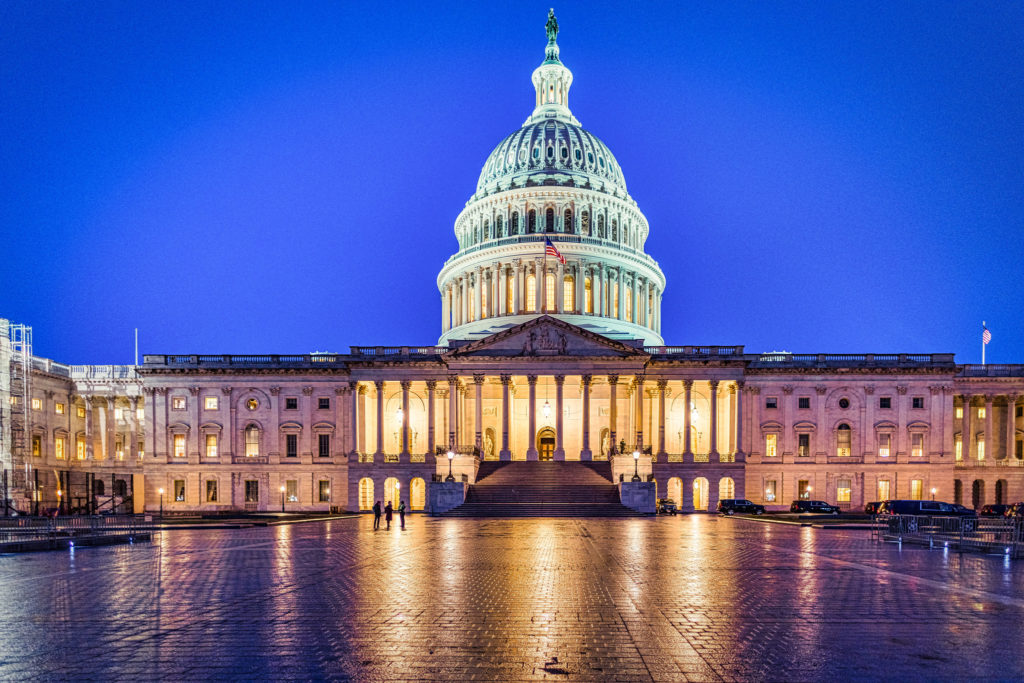
The East Front of the US Capitol in Washington.

Democrats won control of both the House and the Senate in the 3 November midterms, taking 54 Senate seats to the Republicans' 44, with races in Alaska and Mississippi still uncalled, NBC News projected on 4 November.

The result gives Ukraine's backers in Congress a chance to revive legislation that the Republican-led Senate left stalled, including a Ukraine aid and sanctions bill with $8 billion in military loans, and to challenge the administration's approach to Russia. But the change in congressional control does not automatically translate into new assistance.

The main misreading in Ukrainian media and among Ukrainians, Oleksandr Kraiev, North America Program Director at Ukrainian Prism, told Euromaidan Press, is that "we still believe that the Democrats are the quote-unquote pro-Ukrainian party."

"We should only speak about some particular pro-Ukrainian politicians, pro-Ukrainian members of the Congress," Kraiev said.

Congress gets the floor and something to trade

Under Republican leaders, Ukraine bills had to be forced to a vote. On 4 June, the House passed the Ukraine Support Act 226–195 only after a discharge petition, and the Senate has left it on its calendar since 20 July, according to the congressional record. From January, Democrats will set the agenda in both chambers, so bills like this will no longer need a workaround to reach the floor, though most Senate bills will still need 60 votes.

Democrats already have candidates. On 16 October, Gregory Meeks, the top Democrat on the House Foreign Affairs Committee, introduced a bipartisan bill to block Trump's Russian diesel deal and require sanctions on Russian energy, his office said.

Much of that leverage is bargaining, said Vladyslav Faraponov, President at the Institute of American Studies. Congress can propose a larger defense budget or aid packages and trade with the administration—for example, a sum for Ukraine in exchange for leaving Trump's diesel sanctions relief alone, he told Euromaidan Press.

On Ukraine, Congress is likely to reach for two levers first, Ivo Daalder, former US ambassador to NATO, told Euromaidan Press: military support and "a new Russia sanctions bill that mandates sanctions rather than allows the president to waive them (revising the Graham bill)."

The main levers stay with the White House

Trump keeps his veto. He also showed how much room the law left him. The Graham Act, which he signed on 18 September, required him within 30 days to impose 100% tariffs on all goods from the five biggest buyers of Russian oil, sanction a range of Russian entities, and impose 500% tariffs on Russian energy imports. But Section 115 let him waive those measures by certifying to Congress that doing so served US interests, and on 16 October he waived many of them.

Overriding a veto will still "require support from Republicans: 30+ in the House; 11 or so in the Senate," Daalder said. "Won't be easy," he added.

"The main levers are still with the administration," Faraponov said, because in foreign policy the US acts as the central mediator.

A lame duck until 3 January, then a speaker, committees and a budget

Until 3 January, the outgoing Republican Congress sits. It must fund the government by 11 December, when the current stopgap expires, according to the Congressional Research Service, and any bill it leaves unpassed, including the Ukraine Support Act, dies with it. Faraponov expects no surprises before then, since Republicans will not want to look unconstructive over the budget.

"Nothing will change in the lame-duck session. [Democrats] will wait till they're in control," Daalder said.

After that, Kraiev said, the new majority will have to elect a speaker, set up committees and work on a budget that was due on 1 October. Ukraine is "not even in the first three issues of the agenda," which Kraiev said will be led by Iran, migration and the economy. Daalder put the affordability crisis at the top of Democrats' agenda, with tariffs and Iran next. Kraiev does not expect movement on Ukraine "before the start of March, or at least before the middle of February."

Trump set out his own timeline before the vote. If Democrats send him bills, he said on the New York Post's Pod Force One podcast, he will veto them until, "after a month or two of getting all vetoed," lawmakers "come over, and you make a deal," Newsweek reported.

For Ukraine, "a working result" whose effects show in 2028

Faraponov's horizon is longer. Kyiv should not overestimate the result, he said, because it is "only a catalyst for changes that will become visible in 2028, or during the 2028 campaign."

"This result can benefit only Americans, one party or the other. For Ukraine, this is a working result, and nothing out of the ordinary happened. It is the expected result when the party in power loses a midterm," Faraponov added.

  •  

Here are the Midterm Races in the House and Senate That Have Not Been Called

Par : John Yoon
Democrats clinched control of Congress, but the full scale of the party’s landslide, and Republicans’ losses, remained unknown.

© Alex Kent/The New York Times

The full size of the Democratic majority in Congress has yet to be determined.
  •  

How Troy Jackson Defeated Susan Collins in Maine, Ending Her 30 Year Senate Career

Troy Jackson, a former Democratic state lawmaker, upset Senator Susan Collins, a Republican who had served the state for 30 years.

© John Tully for The New York Times

Troy Jackson entered the race for Senate late in the season but managed to defeat a longtime incumbent.
  •  

What’s Left? Here Are the Midterm Races That Have Not Been Called.

Par : John Yoon
Democrats clinched control of Congress, but the full scale of the party’s landslide, and Republicans’ losses, remained unknown.

© Alex Kent/The New York Times

The full size of the Democratic majority in Congress has yet to be determined.
  •  

Helen Zille Is Running for Mayor of Johannesburg and Needling the ANC

As South Africans head to the polls on Wednesday, Helen Zille, 75, is betting voters care less about race and more about public services in her bid to become mayor of Johannesburg.

© Joao Silva/The New York Times

Helen Zille, the Democratic Alliance’s mayoral candidate for Johannesburg, voting on Wednesday.
  •  

Democrats Retake Governor’s Office in Nevada, a Critical Swing State

Aaron Ford, the state’s attorney general, will be Nevada’s first Black governor.

© Mark Abramson for The New York Times

Attorney General Aaron Ford of Nevada outside a polling site during early voting in Las Vegas last month.
  •  

El-Sayed Celebrates Win for ‘the Unlikeliest of Candidates’

In Michigan, Adbul El-Sayed outlasted former Representative Mike Rogers in a Senate campaign marred by ugly attacks.

© Todd Heisler/The New York Times

Abdul El-Sayed at an election night party in Detroit.

  •  

Israel’s President Could Play Key Role in Breaking Post-Election Deadlock

President Isaac Herzog has tried to avoid controversy and heal rifts in his largely ceremonial role. But his skills as a savvy mediator could be instrumental after an inconclusive election.

© Bernadett Szabo/Reuters

President Isaac Herzog may push for a broad, unity government after the fractious election, analysts say.
  •  

Tina Kotek, Endangered Democratic Governor in Oregon, Wins Re-election

Gov. Tina Kotek was one of the few embattled incumbents in her party, but she prevailed in her Democratic state.

© Jordan Gale for The New York Times

Gov. Tina Kotek at the Oregon State Capitol Library in Salem in 2024.
  •  

8 Midterm Election Takeaways: A Democratic Landslide Punishes Trump’s Party

Democrats won shocking victories all over the map and flipped the Senate and House with ease, leaving the president weakened. “There was a mood in the air, I guess,” he said.

© Haiyun Jiang/The New York Times

James Talarico’s watch party on Tuesday in Austin. He won the Texas Senate race in an enormous victory for Democrats.
  •  

US Congress turns blue, Trump keeps the veto—and Ukraine’s balance sheet in Washington gets both wins and losses

united states capitol building home bicameral us congress consisting lower body house representatives upper senate

Democrats won control of both chambers of the US Congress in the 3 November midterm elections, NBC News projected, and will take over when the new Congress meets in January. The result ends Trump's Republican majority but leaves him the veto. For Ukraine, voters removed some of Kyiv's critics and several of its staunchest Republican allies.

Hours before Americans voted, Russia fired 59 cruise missiles at Ukraine's power grid. For two years, a Republican Congress left Ukraine policy largely to the White House, which struck a diesel deal with Moscow that senators of both parties said clashes with a 2022 jaban. Congress writes the budget and sanctions laws and can investigate the administration. That puts real levers over US help for Ukraine back in lawmakers' hands.

Texas and Kansas elect Democratic senators for the first time in decades

As of publication, Democrats hold 54 Senate seats to the Republicans' 43, with races in Alaska, Mississippi, and Nebraska still uncalled. They flipped seven, including Texas and Kansas. Kansas last sent a Democrat to the Senate in 1932, Le Monde noted. In the House, NBC News has called 231 races for Democrats and 144 for Republicans, and expects about 258 to 177 once counting ends.

Democratic leader Hakeem Jeffries is poised to become Speaker when Democrats take control in January, NPR reported, ending Mike Johnson's speakership. Johnson kept the Ukraine Support Act, introduced in April 2025, off the House floor for more than a year. Lawmakers finally forced a vote with a discharge petition, and the bill passed in June with $8 billion in military loans.

hill senators chose break leaving russia sanctions russia sanctions power trump’s hands congress lawmakers walked away sweeping bill trump decide how confront moscow month ukraine news ukrainian reports
Explore further

US midterms could restore Ukraine’s American aid and curb Trump’s Russia deals, if Democrats win Congress

Trump answers with a "VETO" cap

Overnight, Trump posted a red cap reading "VETO" on Truth Social. Days earlier, he laid out the plan on the New York Post's Pod Force One podcast: “They'll be sending stuff up. You veto it. And eventually, after a month or two of getting all vetoed—they're just wasting time—they come over, and you make a deal,” Newsweek reported.

Majorities of 51 senators and 218 representatives let Democrats set the agenda, chair committees, and pass bills. They are not enough to beat a veto, which takes two-thirds of the members voting in each chamber to override, the Congressional Research Service says. With every seat filled and voting, that is 290 House votes and 67 in the Senate, so Democrats would still need about 32 House Republicans and 13 senators. Most Senate bills also need 60 votes to get past a filibuster.

ep
US midterm results as projected by NBC News on the morning of 4 November 2026. As of 15:00 Kyiv time, NBC also called Nebraska’s Senate race for the Republicans, making the Senate count 54 Democrats to 44 Republicans, with Alaska and Mississippi still uncalled. The House count was unchanged. Chart: Euromaidan Press

Ukraine's critics and allies both lost seats

Ukrainian-born Victoria Spartz, who urged Ukraine to cede territory, lost Indiana's 5th District to Democrat J.D. Ford, Mirror Indy reported. Hardline Republican Scott Perry also lost. Republican Anna Paulina Luna, who backs closer dialogue with Moscow, narrowly kept her Florida seat. Russian state news agency RIA Novosti reported her win, noting she met Putin's envoy Kirill Dmitriev and hosted Russian Duma deputies.

Ukraine's Republican friends fell too. Brian Fitzpatrick, a co-chair of the Congressional Ukraine Caucus, lost to Bob Harvie. Mike Lawler conceded. Both were among 18 Republicans who voted for the Ukraine Support Act. Senator Susan Collins lost Maine. In South Carolina, Annie Andrews beat Darline Graham, appointed after her brother Lindsey, author of a major Russia sanctions bill, died in July.

Moscow's window with Trump narrows, and Musk's money backed losers

Before the vote, Trump waived sanctions on Russian officials and banks and pursued deals with Moscow such as the diesel one. Richard Fontaine of the Center for a New American Security said the Kremlin was racing the calendar: “I think they see an opportunity here, one that may be relatively fleeting because the midterms are not too far away,” he told NPR.

Elon Musk, who backed Trump against Zelenskyy, spent at least $445.6 million on Republicans, Newsweek found. More than $200 million went to Texas, where his candidate lost.

musk tells ukraine’s president go zelenskyy says won’t resign never accept ukrainian land russian · post volodymyr during interview piers morgan recorded visit britain 14 2026 video uncensored / ukraine
Explore further

After Trump, Musk tells Ukraine’s president to go. Zelenskyy says he won’t resign and will never accept Ukrainian land as Russian

What the new Congress can push on Ukraine

The Ukrainian Congress Committee of America named oversight of Trump's Russia sanctions waiver and diesel deal, more security aid, and extended protected status for Ukrainian refugees as its priorities, RFE/RL reported. Two senior Republican Senate aides told the outlet that pressure for Russia sanctions could grow.

  •  

A Night of Seismic Triumph for Democrats

The Democratic Party wrested control of Congress from Republicans in a wave of midterm victories as voters delivered a scathing rebuke to President Trump.

© Haiyun Jiang/The New York Times

  •  

These Wins Could Mint a New Generation of Democratic Stars

Voters from South Carolina to Ohio to Texas have elevated a new class of Democrats who could not be more different from one another.

© Nicole Craine for The New York Times

The crowd reacts on Tuesday in Atlanta, as Keisha Lance Bottoms wins her bid for governor of Georgia, becoming the first Black woman ever elected to the position in the country.
  •  

Jocelyn Benson Holds Michigan Governor’s Office for Democrats

Ms. Benson, the secretary of state, defeated Representative John James in a swing state that often plays a critical role in presidential elections.

© Paul Sancya/Associated Press

Secretary of State Jocelyn Benson of Michigan at a televised debate in Grand Rapids, Mich., last month.
  •  

How Ken Paxton Went From Republican Survivor to Republican Liability

For years, Ken Paxton turned scandal into a test of Republican loyalty, but his Senate defeat exposed the limits of a political strategy that helped reshape Texas.

© Haiyun Jiang/The New York Times

Attorney General Ken Paxton of Texas at a campaign stop in Abilene, Texas, last month.
  •  

Susan Collins Loses to Troy Jackson in Maine, Ending Three Decades in the Senate

Senator Susan Collins, the sole Republican representing New England in Congress, lost her seat on a landslide night for Democrats.

© John Tully for The New York Times

Troy Jackson questioned the influence of Senator Susan Collins and portrayed her as an enabler of President Trump.
  •  

Winning the Senate, Democrats Secure a Platform to Check Trump

In a stunning string of victories in Iowa, Texas, and North and South Carolina, Democrats delivered a midterm thrashing repudiating President Trump.

© Travis Dove for The New York Times

Roy Cooper, the former Democratic governor of North Carolina, was elected to the Senate on Tuesday.
  •  

David Crowley, a Democrat, Will Be Wisconsin’s First Black Governor

Democrats will retain control of the governor’s mansion after voters elected David Crowley, the Milwaukee County executive.

© Jamie Kelter Davis for The New York Times

David Crowley will become the first Black governor of Wisconsin after defeating Tom Tiffany.
  •  

Rob Sand Defeats Zach Lahn in Iowa Governor’s Race, Ending Republicans’ Hold on the Seat

A hunter and former prosecutor, Mr. Sand avoided traditional Democratic labels and cast himself as dedicated to Iowans first.

© KC McGinnis for The New York Times

Rob Sand won the race for governor of Iowa on Tuesday.
  •  

How Will the Midterms Play Out? These Races May Provide Early Clues.

Par : John Yoon
Election results in states where voting ends early could indicate how each party will fare in House and Senate races elsewhere in the country.

© Demetrius Freeman for The New York Times

Analysts said the House race in Virginia this year was a tossup.
  •  

A Test for Israeli Democracy: Should Jews Ask Arabs to Join the Government?

Arab lawmakers give opponents of Benjamin Netanyahu a clear majority in the Parliament. But many Jewish lawmakers are trying to avoid relying on them.

© David Goldman/Associated Press

A volunteer with the Joint List, one of two main Arab factions, reading election results in Lod, Israel, on Friday.
  •  

Why Orban and Vucic Broke With Trump on Election Denial

Rejecting President Trump’s election denial playbook, nationalist leaders in Serbia and Hungary opted for an orderly retreat.

© Pedja Milosavljevic/Agence France-Presse — Getty Images

Aleksandar Vucic conceded defeat in the Serbian parliamentary elections in Belgrade on Oct. 25.
  •  

Voting in 2026 Is Getting an AI Slop 'I Voted' Sticker

Voting in 2026 Is Getting an AI Slop 'I Voted' Sticker

It’s a small pleasure, but receiving an “I Voted” sticker after casting my ballot is one of my favorite parts of the whole voting process. I slap the sticker on my chest and spend the rest of the day feeling like I accomplished a little something. I participated in democracy and everyone who sees me will know it. Artificial intelligence robbed me of that small joy this year and replaced it with a small horror. My “I Voted” sticker is AI-generated slop. 

Getting a little sticker when you vote has been a tradition in the US since the 1980s. It’s a symbol of the election cycle. People take selfies and post them or share them with friends. It’s a celebration of democracy and a small way to pressure people into going to the ballot box. 

The voting sticker has been subject to every kind of discourse imaginable. Are “I Voted” stickers worth the cost? Wondered Marketplace in 2020. A cemetery in New York has spent time and money tending to the grave of Susan B Anthony because voters coat it in stickers during voting season. In 2008, companies like Starbucks and Ben and Jerry’s ran afoul of election laws for offering free treats to people who showed their “I Voted” stickers.

It’s appropriate but depressing that I got an AI slop “I Voted” sticker in 2026, the year it feels like the mainstream began to reckon with AI.

My sticker is ugly. It’s a busy circular nightmare. “I Voted” is spelled out in small bronze text at the top of the ring. Bronze laurels encircle a bronze bald eagle that stretches atop the American flag. Below this is more text: “250 YEARS ANNIVERSARY” and "SEMIQUENCENTENNIAL.” Below that, another line reads — as best I can tell — “CEKEVPATIVG EDELDOA.” I assume this was meant to say “CELEBRATING FREEDOM," but whoever churned out this slop wasn’t using the latest models and the fine detail is lost.

I put the sticker on reluctantly, but I was not proud. I sent a photo of the offending sticker to journalist friends with my face cropped out. They immediately noticed it was AI-generated. I did not post my sticker online. I shared it with no one else. My democratic joy turned to shame.

A few hours later, a friend sent me a selfie. He’d just left the voting booth. His sticker was beautiful, tasteful, a testament to the subtle art of the “I Voted” sticker. A red ring enclosed a blue field. The crescent and palmetto (symbols of South Carolina) sat elegantly behind a bold white “I VOTED.”

His sticker catches the eye. Passers-by will know exactly what the sticker says. They know he voted. Anyone looking at my sticker will wonder how I spilled some bronze paint on my chest. I trembled with indignation. One town over from me they’re giving out the good stickers and I’m stuck with slop. First my town of 12,000 installs 33 Flock cameras and now this? 

I spent some time scrolling through social media to see other “I Voted” stickers. So many are so beautiful. Michigan runs a contest where students can submit their own idea for a sticker and the state will print up the winners. Kentucky, Albany, and several other places around the country do the same. Louisiana commissions local artists to produce gorgeous stickers. My mouth hung up in a jealous scowl as I stared at pictures of New Orleanians bedecked with a sticker showing a hand drawn trumpet blasting out “I Voted” alongside Mardi Gras beads.

Only Denton, Texas (another place I’ve lived, weirdly) seems to also have AI-generated slop stickers. Denton’s sticker is, at least, personalized. The city’s court house is in the corner looking more or less correct. The “I Voted” is large and centered in the sticker itself. Like mine, the image is too busy. Too much text, too many fireworks, and the inclusion of the Liberty Bell clutters the whole thing up. The central message — “I Voted” — is bright white. It doesn’t sink into a busy bronze soup like on my sticker.

Complaining about AI-slop “I Voted” stickers may seem trivial in a world where AIs are choosing targets in warzones and vibecoders are reverse-engineering every piece of software ever written. But these little things are important. These small annoyances pile up until things like ChatGPT flyers are so ubiquitous that you don’t notice them anymore. The AI drive-thru works well enough and one day you stop worrying about it so much. You get an ugly AI slop “I Voted” sticker and you slap it on or toss it out. Enough of these build up until you don’t notice that AI all around you. And then, one day, it’s all normal.

Right now we’re figuring out where our AI lines are. Society is negotiating what the future will look like. We’re fighting data centers, figuring out how to burn tokens to keep our bosses happy, and learning what we will and won’t abide.

Me? I draw the line at AI-generated “I Voted” stickers.

  •  

Netanyahu and Eisenkot Seek Shot to Be Israel’s Premier

Party leaders will make competing cases to the Israeli president for either Benjamin Netanyahu or Gadi Eisenkot to get the first chance to build a governing coalition.

© David Goldman/Associated Press

Benjamin Netanyahu and Gadi Eisenkot on a billboard in Tel Aviv last month.
  •  

Netanyahu’s Bid to Stay in Power Will Test His Political Savvy

After losing ground in Israel’s election, Prime Minister Benjamin Netanyahu must draw on decades of political capital and reckon with old foes if he is to build a governing coalition.

© Chris McGrath/Getty Images

Prime Minister Benjamin Netanyahu of Israel addressing supporters last week in Jerusalem after polls closed in a closely fought election.
  •  

Where Do Israel’s Arab Parties Stand?

Having won a record 19 seats in Israel’s Parliament, the two Arab-led parties say they want to work with opposition factions to take down the Netanyahu government.

© Ahmad Gharabli/Agence France-Presse — Getty Images

An electoral billboard for the Arab-led Joint List political alliance in Israel’s northern city of Nazareth in October.
  •  

India’s Congress Party Holds Mass Protest in New Delhi

Tens of thousands gathered in India’s capital in a clamor of banging drums, chants and billowing flags, with participants from across the country.

© Bhawika Chhabra/Reuters

Demonstrators at a protest in New Delhi on Sunday against a revision to voter rolls that has so far expunged many millions of names.
  •  

Poland Deploys Riot Police in Standoff Over Country’s Top Court

After years of legal wrangling, judges backed by the current government suspended the chief justice, as a feud escalated with the right-wing party that last held power.

© Rafal Niedzielski/Associated Press

Police officers guarding the entrance to the Polish Constitutional Tribunal in Warsaw on Saturday.
  •  

Train Disaster Is Blow to Spain’s Leader, Already Election Underdog

Prime Minister Pedro Sánchez wanted to campaign on inequality and housing, but the second major rail accident this year has put his government’s competence on trial.

© Violeta Santos Moura/Reuters

Prime Minister Pedro Sánchez of Spain speaking on Wednesday after a deadly crash involving two high-speed trains near Toledo.
  •  

Fire Point says its drones hit a Russian refinery’s diesel unit hours after WSJ reported Ukraine had paused such strikes under Trump’s pressure

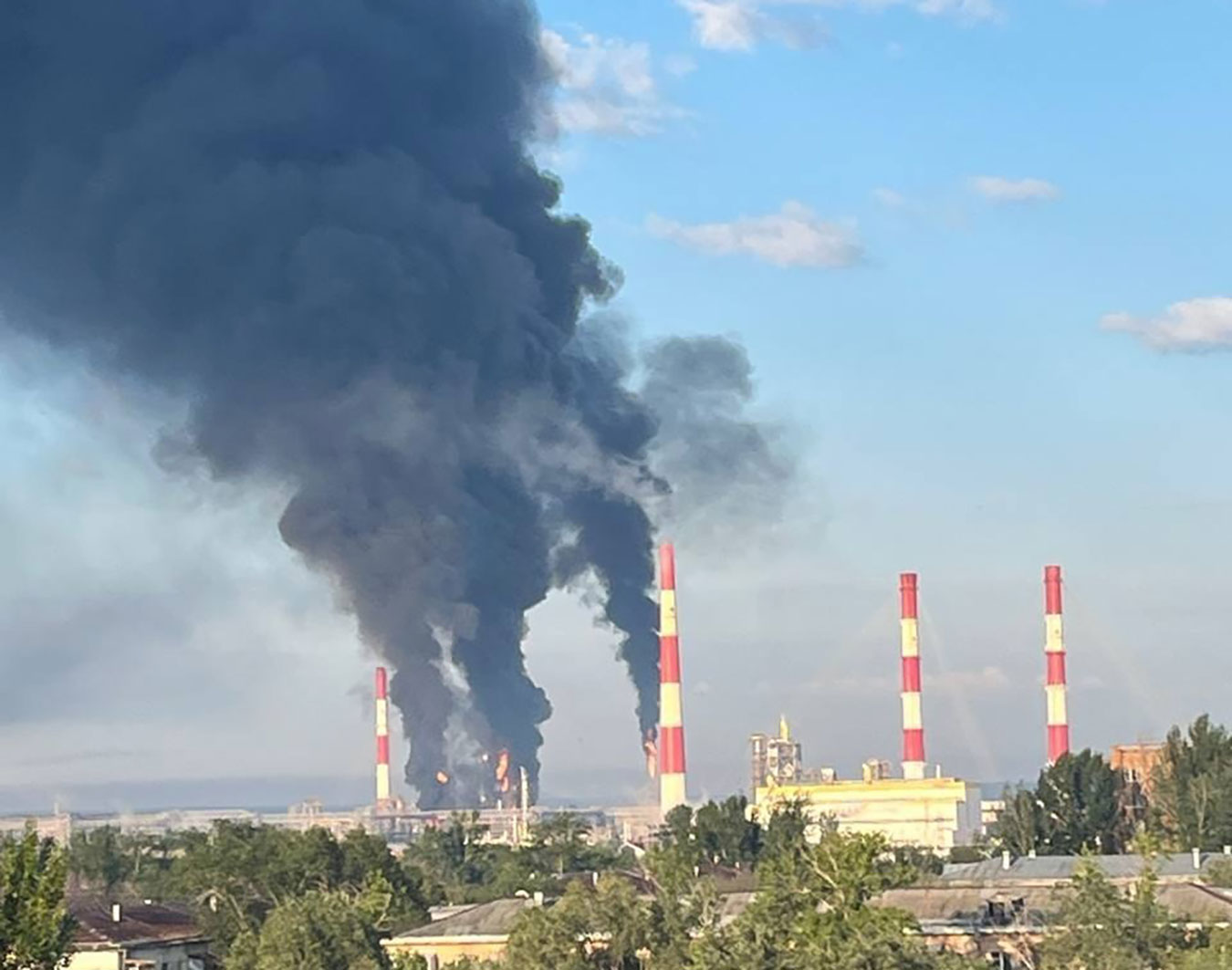
Smoke rising from the Novokuibyshevsk oil refinery in Samara Oblast, Russia, 30 October 2026

Ukraine's Defense Forces hit the Novokuibyshevsk oil refinery in Russia's Samara Oblast with FP-1 drones early on 30 October, Ukrainian drone maker Fire Point said, adding that one of the units hit hydrotreats diesel fuel. The strike came hours after WSJ reported that Ukraine had paused strikes on Russian refineries under pressure from US President Donald Trump until after the US midterm elections on 3 November.

Russia is pounding Ukraine's power grid and cities ahead of winter, with a mounting civilian toll, including 14 people killed on a Dnipro railway platform on 29 October. Ukraine's long-range drone strikes on Russian refineries, one of its most effective operations against Moscow, target the oil money that pays for that war. Trump has pressed Kyiv for weeks to stop them, blaming them for high global fuel prices, and Ukraine went quiet without saying so and without getting what it asked for in return, WSJ reported. The Samara strike is the first on Russian oil since then. Kyiv has not said whether the pause is over.

Fires spread across a refinery that makes jet fuel for Russia's military

Residents of Novokuibyshevsk reported drones, explosions, and a fire before dawn. Ukrainian Telegram channel Exilenova+ posted the first photos on Telegram at 05:24 Kyiv time, and Russian Telegram channel Astra geolocated the fire to the refinery, citing its open-source analysis of residents' photos.

Novokuybyshevsk, Samara region: locals report an attack and a fire. pic.twitter.com/9UEgqmkAOU

— Exilenova+ (@Exilenova_plus) October 30, 2026

By morning, Exilenova+ counted at least 11 separate fires at the refinery. Samara Governor Vyacheslav Fedorishchev said air defense and mobile fire groups were repelling an attack, Astra reported. The region had declared a drone alert and closed its airport.

Smoke rising from the Novokuibyshevsk oil refinery in Samara Oblast, Russia, 30 October 2026
Smoke rising from the Novokuibyshevsk oil refinery in Samara Oblast, Russia, 30 October 2026. Photo: Exilenova+

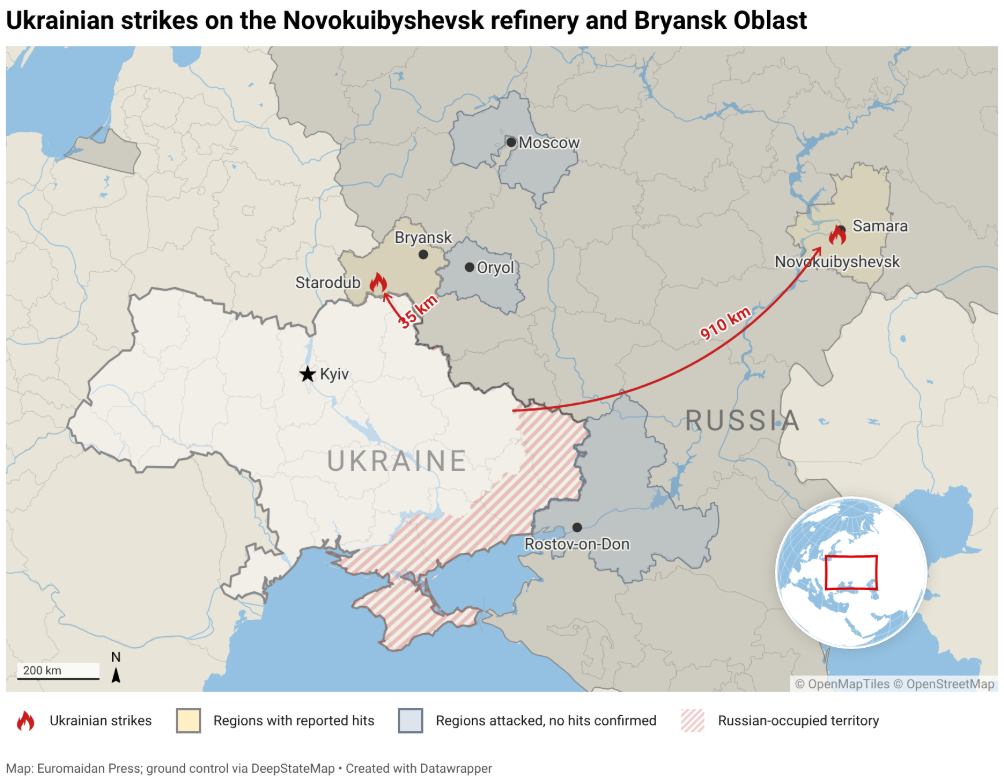
Fire Point said its FP-1 drones scored numerous hits on the refinery grounds, and that one of the units hit hydrotreats diesel fuel. The footage published so far shows several smoke columns over the plant but does not show which units burned. The Rosneft-owned refinery has a design capacity of 8.8 million tons of oil a year and is one of the main producers of jet fuel, according to its website. Astra says it supplies jet fuel to Russia's military. The plant lies about 910 km from the front line. Ukraine's General Staff has not commented.

pic.twitter.com/Ku6KRCKJ6v

— Exilenova+ (@Exilenova_plus) October 30, 2026

Ukrainian drones have hit the plant before. Ukraine's military said its forces hit it in August and caused a fire.

Map showing the Novokuibyshevsk refinery in Samara Oblast, about 910 km from the front line, and Starodub in Bryansk Oblast

It is the first fire at a Russian refinery since 15 October, when Ryazan's governor reported one at the city's refinery. It is also the first reported strike on Russia's oil industry since 20 October, when Ukrainian drones hit a Druzhba pipeline pumping station in Tambov Oblast. WSJ called that strike the last before the pause.

rosneft's kuibyshev refinery joins syzran novokuibyshevsk offline after ukrainian drone strike yesterday · post fires raging kuybyshevsky oil samara russia 10 2026 fires-rage-at-samara-kuybyshevsky-oil-refinery ukraine news reports
Explore further

All three Rosneft Samara refineries now offline or reduced as drones halt Kuibyshevsky operations yesterday

WSJ claims: Ukraine paused refinery strikes until after the US midterms

Ukraine's military paused its strikes on Russian refineries after weeks of pressure from Trump shook Kyiv's confidence in US support, people with knowledge of the operations told WSJ. The unofficial pause began early last week and is expected to last until after the midterms, and possibly deeper into November. Units carrying out long-range strikes were told in mid-October that the refinery campaign was effectively on hold once missions already under way were completed, two military officials said. Hours after the report, the Novokuibyshevsk strike called that account into question.

Smoke columns rise over residential buildings in Novokuibyshevsk, Samara Oblast, Russia, at dawn on 30 October 2026
Smoke columns rise over residential buildings in Novokuibyshevsk, Samara Oblast, Russia, at dawn on 30 October 2026. Photo: Astra

Ukraine's government has not announced a pause. Zelenskyy told reporters in Kyiv on 27 October that “our guys tried to be a little more careful during these days. But they do not have an order” not to hit refineries, according to WSJ. He said drone units were hitting other kinds of targets in Russia.

Trump's envoy Jared Kushner repeated the demand to stop the strikes at a meeting with Zelenskyy in Oslo on 20 October, two US officials told WSJ. One of them called the conversation “very tough.” Kushner, who joined remotely, said he and envoy Steve Witkoff were spending a lot of time, energy, and jet fuel on mediating with Moscow, and that a 30-day pause on refineries would be a way for Ukraine to show gratitude, the official said.

again trump presses zelenskyy stop russian refinery strikes · post ukrainian president volodymyr meets donald ankara türkiye 8 2026 presidentgovua ukraine news reports
Explore further

Energy truce with strings attached: Kyiv reportedly told to spare Russian refineries or lose US intelligence and arms

Zelenskyy had asked for something in return, WSJ reported: a mutual energy ceasefire with Russia, Patriot missiles for Ukraine's grid, or permission to use Starlink inside Russia so drones could destroy Russian missile launchers. None of those ideas got far. Some of Kyiv's European backers also nudged Zelenskyy to pause until after the midterms, a senior European official said.

The pause showed in Russia's oil industry. Russian refinery utilization at the end of October was 25% higher than at the start of the month as drone attacks subsided, Reuters reported, according to The Moscow Times.

Russia claims over 1,000 drones for a second night as Moscow's airports close again

Russia's Defense Ministry said it downed 1,043 Ukrainian drones overnight over 19 regions, including Samara Oblast, the Moscow region, and Tatarstan. The night before, it claimed 1,214.

Moscow Mayor Sergei Sobyanin stated that 862 drones flew toward the Moscow region between 20:30 on 29 October and 07:30 on 30 October, that most were downed on the far approaches, and that 170 were downed on approach to the capital. Russia's aviation agency restricted flights at all four Moscow airports, Astra reported. A day earlier, more than 460 flights were delayed or canceled at Moscow and St. Petersburg airports, Astra counted.

A building on fire at night in Starodub, Bryansk Oblast, Russia, 30 October 2026
A building on fire at night in Starodub, Bryansk Oblast, Russia, 30 October 2026. Readers who sent the footage to Astra identified it as the Konservsushprod food plant. Photo: Astra

In Starodub, in Russia's Bryansk Oblast, about 35 km from the Ukrainian border, a building of the Konservsushprod plant, which makes canned food for the Russian army, appeared to be on fire in readers' photos and videos, Astra reported, saying the plant was presumably attacked and that its open-source analyst had not verified the footage. The Atesh partisan movement reported a blast in Aleksandrovka in Rostov Oblast, and air defense fire and an explosion in Orel.

  •  

Another Toll of the Violent Unrest in France: The Political Center

Support for Édouard Philippe, the leading candidate from the centrist bloc, has eroded, while his far-right and far-left rivals benefit.

© Sebastien Salom-Gomis/Agence France-Presse — Getty Images

Édouard Philippe, the leading centrist candidate in France’s presidential race, has struggled in the polls since widespread protests broke out across the country last month.
  •  

An Arab Town in Israel Celebrates the Election but Wonders What Will Change

Gains for Arab-led parties have electrified Taibe, in central Israel, even as voters elsewhere in Israel say they have no place in any future government.

© Ammar Awad/Reuters

Ahmad Tibi, a leader of the Joint List party, with supporters on Tuesday outside a polling station in Taibe, Israel, a predominantly Arab town. “We’re ready to swallow frogs to take down Netanyahu’s government,” he said.
  •  

What Israeli Election Results Reveal About the Electorate

Some groups stood by Prime Minister Benjamin Netanyahu’s party, but support fell off among others. Turnout was also a striking factor in the election.

© Erik Marmor/Getty Images

Election campaign posters for Prime Minister Benjamin Netanyahu’s Likud party in Adora, an Israeli settlement in the occupied West Bank, on Tuesday.
  •  
❌