A fuel deal with Vladimir Putin, and sanctions against the legal institution, ram home the president’s belief that might is right
On Friday, Donald Trump drove home his belief that might is right and the rule of law is an obstacle rather than an essential foundation stone of international order. First came the escalated assault on the international criminal court (ICC), sanctioning the body itself. Then he announced a deal with Russia to buy diesel.
The US has long chafed at the notion of being bound by the rule of law that it espoused publicly. That hypocrisy now appears as a lesser vice. The president has declared that “my own morality” is all that constrains him. His brazen flouting of the law, embrace of dictators and rhetorical attacks all undermine global standards.
Do you have an opinion on the issues raised in this article? If you would like to submit a response of up to 300 words by email to be considered for publication in our letters section, please click here.
The choice drew condemnation from Israel over Ms. Pillay’s role leading a U.N. commission that said the country had committed genocide against Palestinians.
Navi Pillay received the news that she had been awarded the 2026 Nobel Peace Prize on Friday while atttending an annual conference of human rights lawyers and judges in Nuremberg, Germany.
Trump administration says US ‘doesn’t need’ ICC after accusing court of unfairly targeting Americans for war crime charges
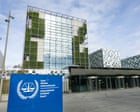
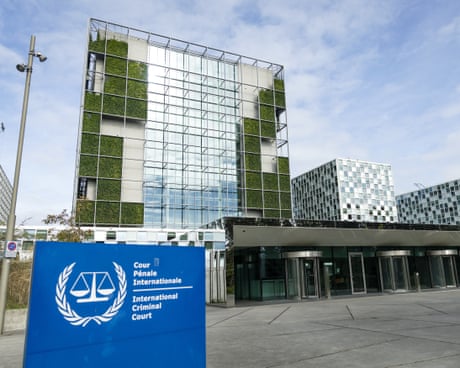
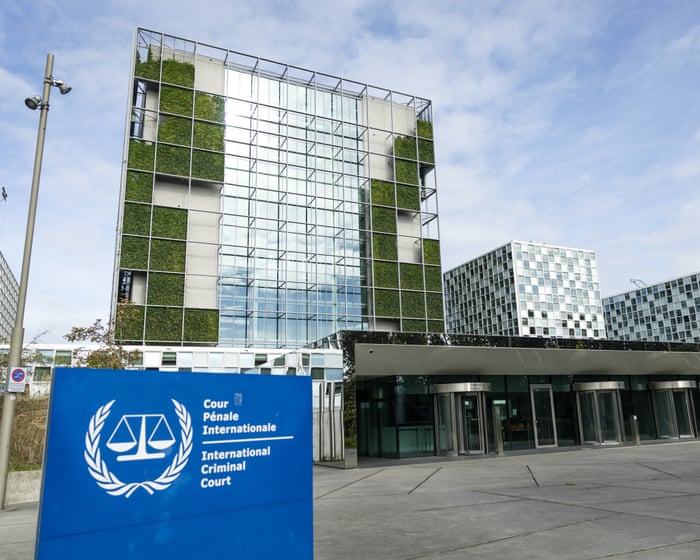
The United States was accused of launching “an assault” on the world’s legal order after imposing more sanctions on the international criminal court (ICC).
Unveiling the Trump administration’s latest escalation against the court, which it has accused of politicization and unfairly targeting Americans for war crime charges, Marco Rubio, the US secretary of state, declared: “Either the ICC will end its threats, or we will end the ICC.”
The Trump administration has repeatedly attacked the international legal order and the International Criminal Court in The Hague, where the Peace Prize winner, Navi Pillay, served as a judge.
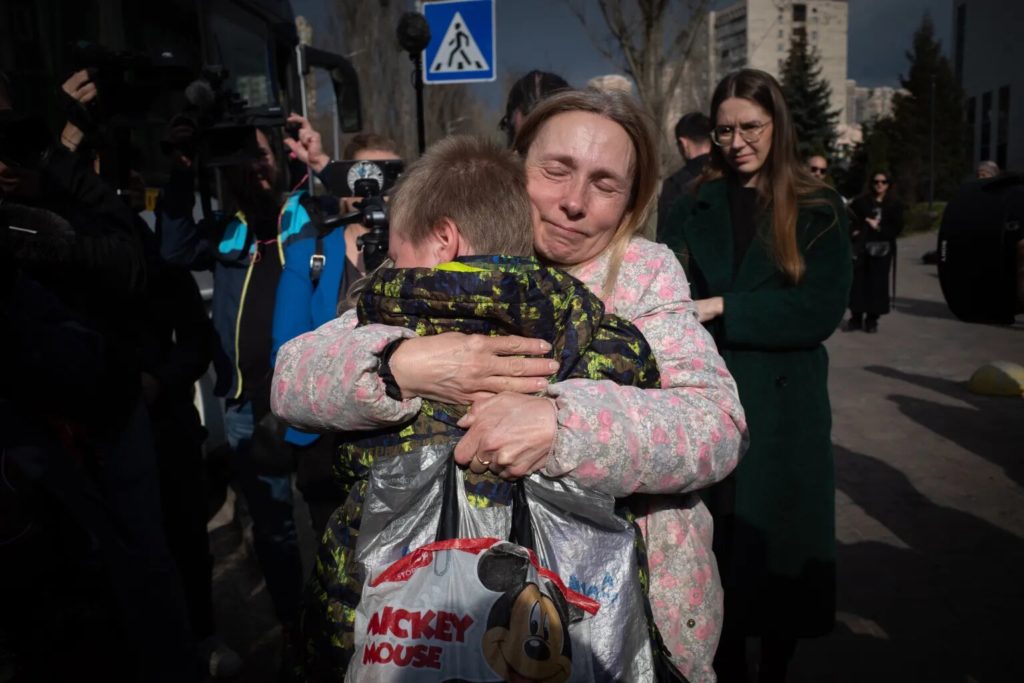
Fourteen more Ukrainian children have crossed from Russian-occupied Kherson Oblast back onto Ukrainian-held ground, the oblast's military administration said on 29 September. They join a years-long effort to recover children from land Russia seized in 2022, with thousands more still deported or unaccounted for.
Ukrainian authorities say Russia has deported nearly 20,000 children since its 2022 full-scale invasion, and Zelenskyy insists the true figure is far higher. Those taken to Russia are placed in institutions or Russian families and pushed through Russian "re-education" aimed at erasing their Ukrainian identity.
These 14 add to roughly 2,000 children Ukraine has brought back since 2022—a recovery effort still dwarfed by the numbers Russia holds and keeps adding to.
Who made it out
The 14 are four boys and 10 girls, aged 6 to 17, said Oleksandr Prokudin, who heads the administration. Rescuers also brought back one young adult who had been deprived of parental care.
Each case shows what pushed the children toward the return. One 16-year-old boy was being forced onto Russia's military registration rolls under occupation, part of a pipeline that moves teenagers from a Russian passport toward conscription at 18. A 17-year-old girl had sought a Ukrainian education despite the risks and Russian control, Prokudin said. A 10-year-old girl, he added, had longed to come home and did all she could to reach safety.
The running tally
The children left through Bring Kids Back UA, the repatriation program President Volodymyr Zelenskyy launched in 2023, working with the Ukrainian charity Save Ukraine. That brings to 204 the number of children returned from occupied Kherson Oblast since the start of 2026, regional authorities said.
The wider deportation campaign
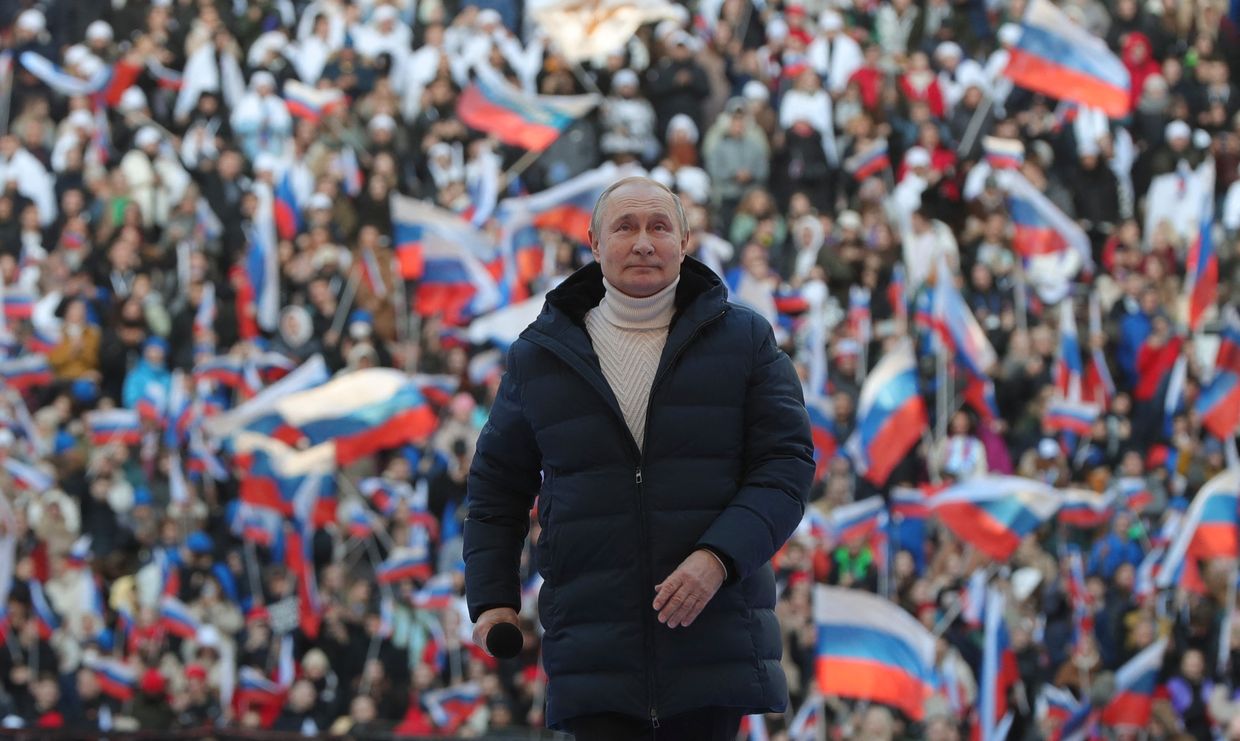
In 2023, the International Criminal Court in The Hague issued arrest warrants for Russian leader Vladimir Putin and his children's rights commissioner, Maria Lvova-Belova, over the illegal deportation of children from occupied Ukraine to Russia.
The International Criminal Court (ICC) said on July 8 that it had issued arrest warrants for two senior Taliban leaders, accusing them of crimes against humanity and gender-based persecution following the group's takeover of Afghanistan in 2021.
The move follows Russia's recognition of the Taliban as Afghanistan's legitimate government on July 3. Russia, which had previously designated the Taliban as a banned terrorist group, became the first country in the world to recognize it.
In a statement, the ICC named Taliban supreme leader Haibatullah Akhundzada and Afghanistan's top judge Abdul Hakim Haqqani as suspects in a campaign of systematic oppression targeting women, girls, and others who do not conform to the group's rigid gender ideology.
The court said the alleged crimes took place across Afghanistan from the Taliban's return to power on August 15, 2021, and continued at least until Jan. 20, 2025. The suspects are believed to have played key roles in the enforcement of Taliban policies that led to "murder, imprisonment, torture, rape and enforced disappearance."
The persecution was not limited to women and girls, according to the ICC. The court said that men perceived as allies of women or opponents of Taliban ideology were also targeted.
The ICC emphasized that the Taliban implemented a state-led policy of repression that violated fundamental human rights and freedoms across the country.
Most of the international community has refused to formally recognize the Taliban regime due to its human rights abuses and failure to meet international standards.
Meanwhile, since Moscow's full-scale invasion of Ukraine in 2022 the Kremlin has deepened relationships with authoritarian regimes, including North Korea, Iran, and now the Taliban. Russia has expanded trade with Afghanistan and allowed Taliban officials to participate in Russian forums.
In December 2024, the Russian State Duma passed a law allowing certain groups, including the Taliban, to be removed from the country's list of banned terrorist organizations. The move paved the way for official recognition.
Putin has referred to the Taliban as "allies," and Lavrov has called them "sane people," despite the group's ongoing enforcement of strict Islamic law, including gender apartheid, public executions, and bans on women's education.
Russian President Vladimir Putin has received an official invitation to attend the G20 summit in South Africa, Russian Ambassador-at-Large Marat Berdyev said in an interview with state-owned media outlet RIA Novosti on June 19.
South Africa is a member of the International Criminal Court (ICC) and a signatory to the Rome Statute, meaning it is obliged to arrest Putin if he enters the country.
The ICC issued a warrant for the Russian leader's arrest in March 2023 over the illegal deportation of Ukrainian children during Russia's full-scale invasion of Ukraine.
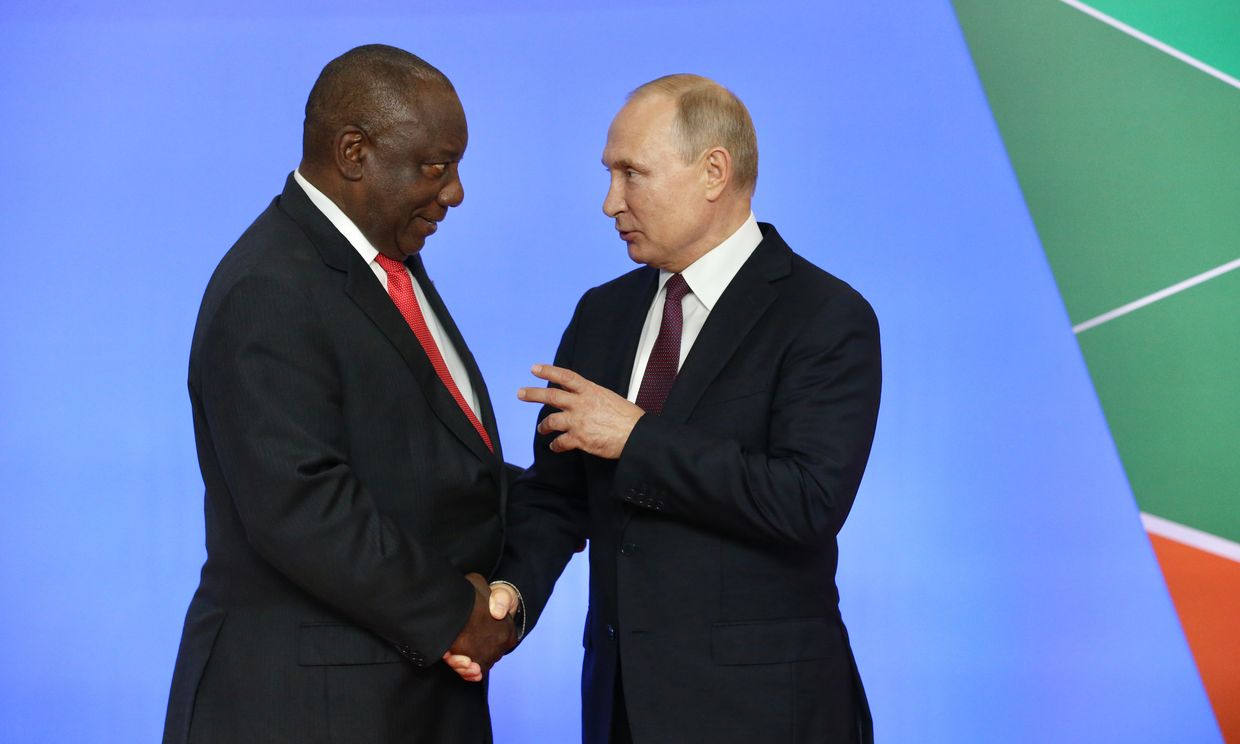
"Last week, we received an official invitation. This is an appeal from the head of state, the president of South Africa (Cyril Ramaphosa), to his colleagues," Berdyev said.
The summit is scheduled to take place in Johannesburg from Nov. 22 to 23. Berdyev noted that Russia's final decision on Putin's participation will be made closer to the date. In recent years, Russia has been represented at G20 summits by Foreign Minister Sergey Lavrov.
Despite the warrant, South Africa continues to deepen political and military ties with Moscow. In 2023, the country conducted joint naval drills with Russia and China, and maintains its membership in the BRICS bloc alongside both nations.
In November 2024, Putin skipped the G20 summit in Brazil, another ICC member state, and sent Lavrov instead. Russia's G20 participation has continued uninterrupted despite its war against Ukraine.
In September 2024, Putin made a rare visit to Mongolia, which is also a signatory of the ICC, prompting criticism over the non-enforcement of the warrant.

 Connexion