Vue lecture

Ukraine's 2026 budget could face $19B shortfall as Europe weighs how to fill the gap, FT reports
Ukraine's 2026 budget could face $19B shortfall as Europe weighs how to fill the gap, FT reports

The European Commission is discussing with EU member states various options to cover Ukraine's budget deficit for next year, which could range from $8 billion to $19 billion, the Financial Times reported on July 8.

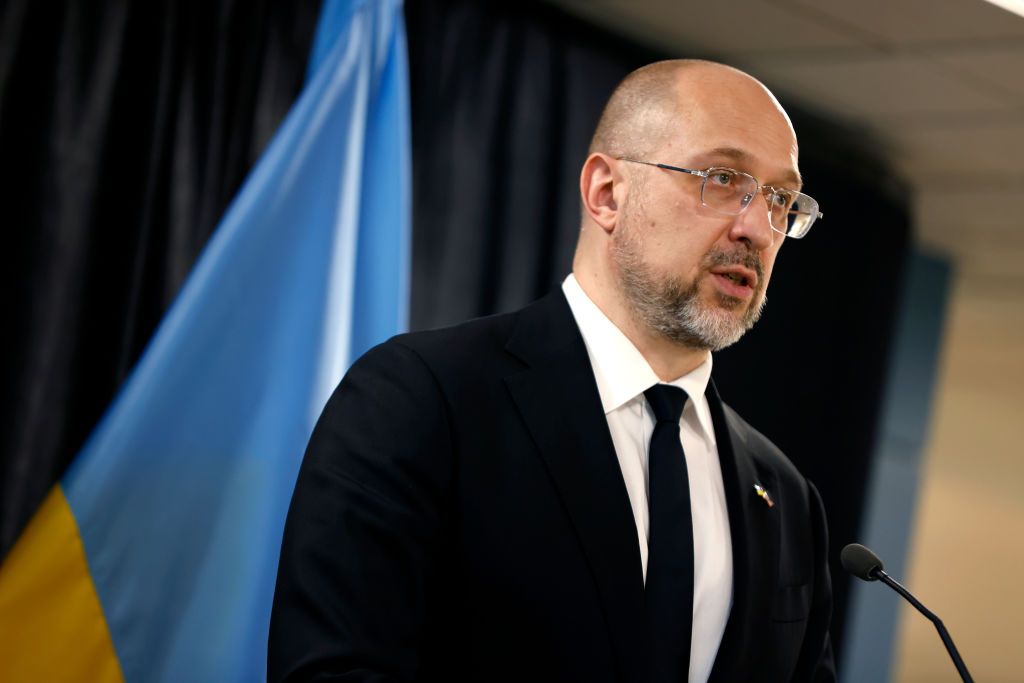
International partners have provided Ukraine with over $39 billion for its wartime economy so far this year, Prime Minister Denys Shmyhal announced.

The financial hole in Ukraine's budget is linked to reduced U.S. support and the lack of prospects for a swift ceasefire with Russia that Europe had hoped for, the Financial Times reported.

A senior EU official told the publication that many of Ukraine's partners had previously counted on a peace deal in 2025, but are now forced to revise their funding plans.

This includes the European Commission, which has already adjusted spending from Ukraine-related funding streams.

Without support from Western partners, Kyiv would face a budget deficit of $19 billion in 2026, according to the Financial Times. However, even if additional international financing for the wartime economy can be secured, a gap of at least $8 billion would remain.

To support Ukraine's budget, Europe is considering providing military aid in the form of off-budget grants that would be recorded separately as external transfers but would count toward NATO member countries' national defense spending targets.

One EU diplomat told the Financial Times that military support for Ukraine is viewed as a contribution to the defense of all of Europe.

In a document for G7 countries reviewed by Financial Times, Kyiv proposed that European allies co-finance Ukrainian forces, framing this as a service to strengthen continental security.

Other support options under discussion include potentially accelerating payments from the existing $50 billion G7 loan program and reinvesting frozen Russian assets in higher-yield financial instruments that the EU allocated to help service the debt.

According to the Financial Times, two sources confirmed that the commission planned to discuss these options with EU finance ministers on July 8.

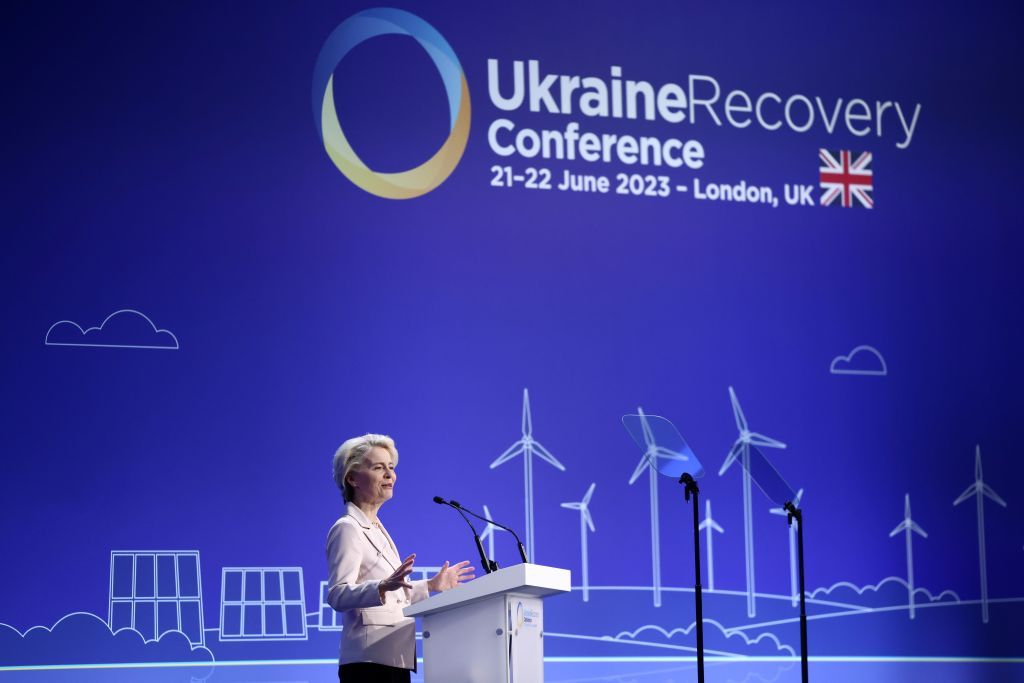
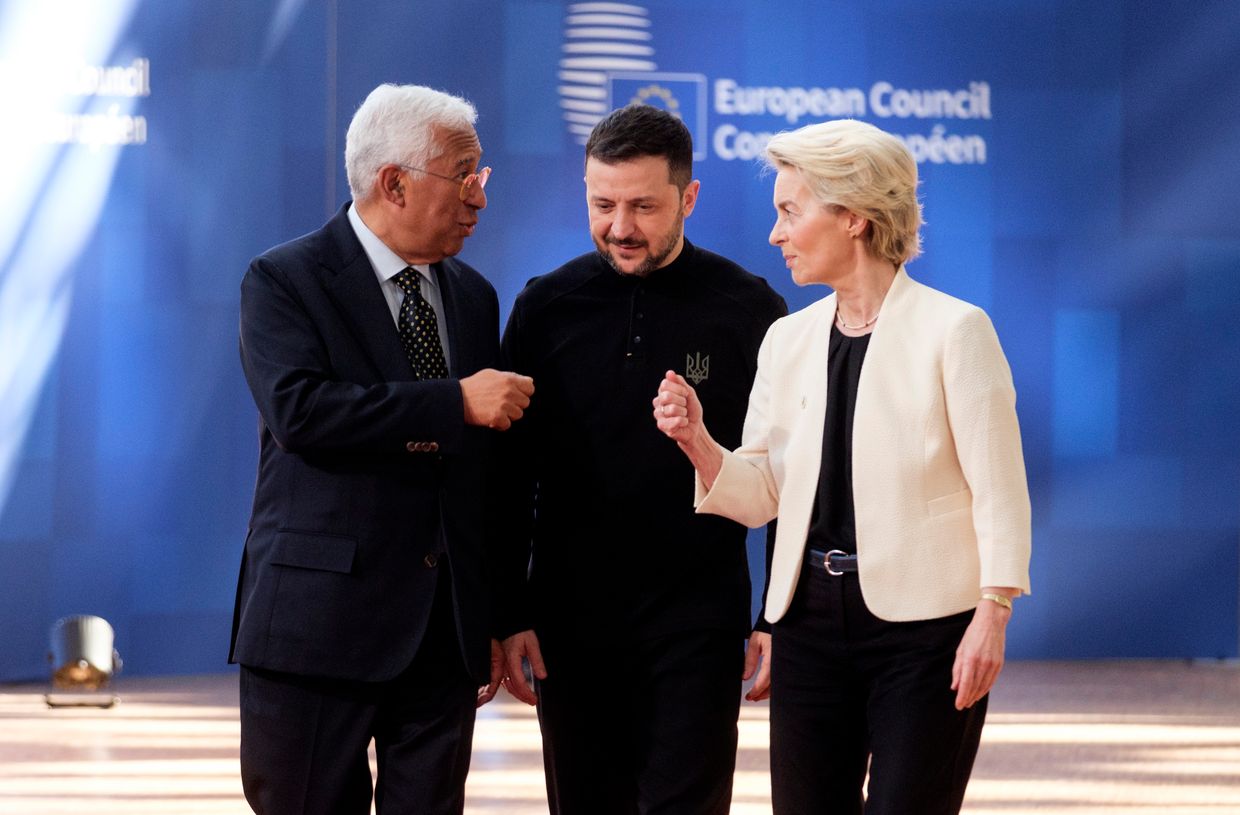
The funding issue will also be raised at the Ukraine Recovery Conference in Rome on July 10-11, dedicated to Ukraine's reconstruction needs. European Commission President Ursula von der Leyen will attend the event.
  •  

UK to buy Ukraine weapons with frozen Russian asset proceeds

UK to buy Ukraine weapons with frozen Russian asset proceeds

The U.K. has used interest generated from frozen Russian assets to purchase weapons for Ukraine, buying 350 air defense missiles worth £70 million ($87 million), The Guardian reported on June 25.

The move represents the U.K.'s first direct use of Russia-linked funds to buy weaponry for Kyiv.

The weapons purchase was funded through Britain's Extraordinary Revenue Acceleration (ERA) scheme, which captures interest from frozen Russian central bank assets.

According to The Guardian, the missiles, originally designed as air-to-air weapons, were converted by RAF engineers and MBDA UK in just three months to fire from ground-based systems.

Five additional Raven launcher systems will accompany the missiles to Ukraine, bringing the total to 13.

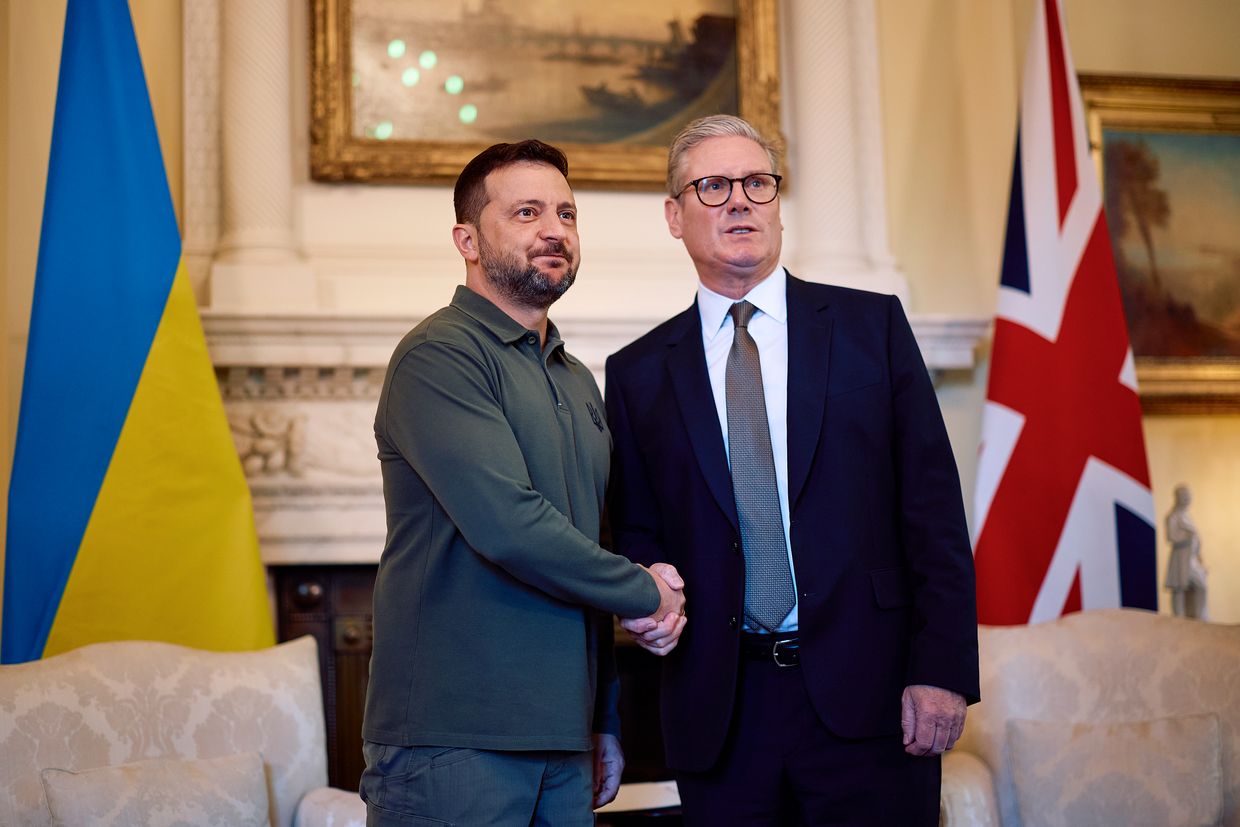
U.K. Prime Minister Keir Starmer announced the package ahead of NATO's annual summit.

"Russia, not Ukraine, should pay the price for Putin's barbaric and illegal war," he said.

The package is part of Britain's largest-ever annual military commitment to Ukraine of £4.5 billion ($5.6 billion), the Guardian reports.

It follows a £1.6 billion ($2.0 billion) deal in March for over 5,000 air defense missiles and a separate £350 million ($436 million) investment to increase drone deliveries tenfold.

The announcement comes as Starmer and President Volodymyr Zelensky agreed to work closely on military production between the UK and Ukraine. On June 24, Ukraine's Defense Minister Rustem Umerov announced that Britain will finance Ukrainian-designed drones manufactured in the UK.

European countries cannot fully confiscate the frozen Russian assets due to concerns about international law and financial stability. The European Central Bank warned that such a move could undermine confidence in the euro as a reserve currency, since most of the assets are euro-denominated.

Instead, only the interest generated from these funds is currently being used to back a $50 billion loan package for Ukraine, while the principal amount of 300 billion euros ($348 billion) remains frozen but not seized.

In June, Ukraine received another 1 billion euros ($1.1 billion) from the EU as part of the G7 loan program backed by frozen Russian assets, Prime Minister Denys Shmyhal announced.

  •  

EU reportedly eyes riskier investments for frozen Russian assets to boost Ukraine aid

EU reportedly eyes riskier investments for frozen Russian assets to boost Ukraine aid

The European Union is developing a plan to generate more revenue for Ukraine by shifting nearly 200 billion euros ($215 billion) in frozen Russian assets into higher-yield, riskier investments, Politico reported on June 19, citing unnamed sources.

The assets, largely held by Belgium-based clearinghouse Euroclear, have been immobilized since 2022 under EU sanctions imposed following Russia's full-scale invasion of Ukraine.

Under the current framework, the funds are invested conservatively with the Belgian central bank, generating low but steady returns. In 2024, this approach yielded around 4 billion euros ($4.3 billion) in windfall profits, which the EU allocated to help service a G7-backed 45-billion-euro loan for Ukraine (around $50 billion).

Now, with that loan largely disbursed and concerns mounting over future financing, especially amid signals from U.S. President Donald Trump that American support could be scaled back, EU officials are under pressure to find new funding streams.

According to Politico, the proposed plan would redirect the frozen Russian assets into a special investment fund under EU control, allowing for higher returns without confiscating the assets — a move designed to sidestep legal and political opposition.

As part of the current G7-led funding framework, Ukraine has already received 7 billion euros ($8 billion) from the EU under the Extraordinary Revenue Acceleration (ERA) initiative, which uses profits from frozen Russian sovereign assets to fund loans.

Prime Minister Denys Shmyhal confirmed on June 13 that a fifth tranche of 1 billion euros ($1.1 billion) had been disbursed to support Ukraine's state budget. The ERA mechanism, part of the broader $50 billion G7 program, aims to ensure stable financing for Kyiv while making Russia shoulder the cost of its aggression.

According to Politico, finance ministers from all 27 EU countries are expected to debate the idea during an informal dinner in Luxembourg on June 19.

Poland, which currently holds the Council of the EU's rotating presidency, emphasized the urgency of the discussions, writing in an invitation letter seen by Politico that "further steps regarding the sanctions regime" and the potential use of frozen Russian assets "must be addressed."

The European Commission has also been holding informal consultations with a group of member states, including France, Germany, Italy, and Estonia, to explore legal options for keeping the Russian assets frozen in case Hungary exercises its veto power during the semiannual sanctions renewal process. So far, no workaround has been finalized.

Hungarian Prime Minister Viktor Orban has repeatedly threatened to block sanctions extensions as a gesture of goodwill toward Moscow, raising concerns the assets could be unfrozen and returned to Russia by default.

By now, much of the EU's 50-billion-euro ($57 billion) Ukraine Facility, agreed in 2023 and intended to last through 2027, has already been spent. The bloc's broader 1.2-trillion-euro ($1.37 billion) budget is stretched thin, and any additional top-ups would also require unanimous support.

Russia just accidentally admitted to its staggering troop losses in Ukraine
A senior Russian official on June 19 inadvertently confirmed the staggering troop losses incurred by Moscow’s forces during its full-scale invasion of Ukraine. In an interview with CNN, Russian Ambassador to the U.K. Andrey Kelin was asked about Moscow’s maximalist intentions in Ukraine and its ability to recruit enough
EU reportedly eyes riskier investments for frozen Russian assets to boost Ukraine aidThe Kyiv IndependentChris York
EU reportedly eyes riskier investments for frozen Russian assets to boost Ukraine aid
  •  

Ukraine receives 5th tranche of EU aid from frozen Russian assets, PM confirms

Ukraine receives 5th tranche of EU aid from frozen Russian assets, PM confirms

Ukraine has received another 1 billion euros ($1.1 billion) in macro-financial assistance from the European Union as part of a G7 loan, Prime Minister Denys Shmyhal announced on June 13.

"This is the fifth tranche of macro-financial assistance from the EU under the ERA Extraordinary Revenue Acceleration) initiative," Shmyhal wrote on social media. "The funds will be directed toward key expenditures of the state budget."

Shmyhal thanked Ukraine's partners for their "consistent and reliable support," adding, "Together, we will make (Russia) pay for all the damage caused to Ukraine."

According to Shmyhal, Ukraine has received a total of 7 billion euros ($8 billion) from the European Union under the ERA initiative, which is funded by the windfall profits generated from immobilized Russian sovereign assets.

The ERA mechanism, launched by the G7 and backed by the EU and the United States, is a $50 billion program designed to support Ukraine through loans repaid using future income from frozen Russian assets. Since Russia's full-scale invasion in 2022, G7 countries have frozen around $300 billion in Russian sovereign assets.

Ukraine received the previous 1-billion-euro tranche on May 8 as part of the fourth installment of EU aid under ERA.

EU provides Ukraine with $1 billion tranche under G7 loan covered by Russian assets
This is the fourth such tranche from the bloc, which is secured by proceeds from frozen Russian assets.
Ukraine receives 5th tranche of EU aid from frozen Russian assets, PM confirmsThe Kyiv IndependentKateryna Hodunova
Ukraine receives 5th tranche of EU aid from frozen Russian assets, PM confirms
  •  
❌