❌

Vue lecture

Ukraine receives $500 million in IMF funding, maintaining growth forecasts
Ukraine receives $500 million in IMF funding, maintaining growth forecasts

Ukraine received approximately $500 million from the International Monetary Fund (IMF), marking the ninth tranche under the Extended Fund Facility program, the Finance Ministry announced in a press release on July 1.

The EFF Program has allocated $15.5 billion to Ukraine in budget support over a four-year period. The program has now delivered $10.6 billion to Ukraine since it began in 2023.

"In total, during the full-scale war, $13.3 billion in financial assistance from the Fund has been received by the state budget," Finance Minister Serhii Marchenko said in a press release.

According to the IMF, Ukraine successfully met all quantitative performance criteria through March 2025, including the prior action to submit a detailed reform plan for the State Customs Service (SCS).

The IMF extended deadlines for several Ukrainian reforms, including appointing a new customs chief.

First Deputy Managing Director of the IMF, Gita Gopinath, said that Ukraine must continue anti-corruption reforms, including appointing a new head of the Economic Security Bureau and strengthening money laundering rules.

The IMF kept its 2025 growth forecast for Ukraine at 2-3%, as improved electricity supply is balanced by reduced gas output and weaker agricultural exports.

The international body expects inflation to reach 9% by year-end and recommended that Ukraine's central bank maintain tight monetary policy, warning it should "stand ready for further tightening" if inflationary expectations worsen.

"The economy has remained resilient, but the war is weighing on the outlook, with growth tempered by labor market strains and damage to energy infrastructure," Gopinath said in a statement.

The next program review is scheduled for mid-September 2025, with an IMF mission expected to visit Ukraine in August to assess progress on reform commitments.

‘With surgical precision’ — Ukrainian drones strike Russian plant 1,300 km away, SBU source says
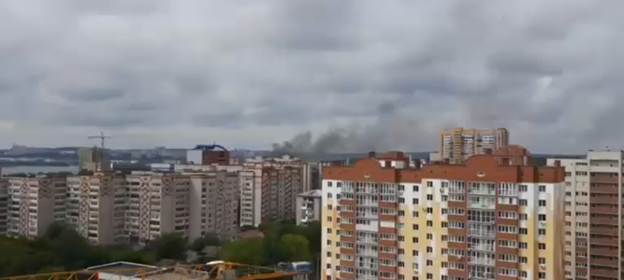
The SBU said its long-range drones targeted the Kupol plant in Russia’s Udmurt Republic on the morning of July 1, resulting in at least two confirmed strikes and a fire at the site.
Ukraine receives $500 million in IMF funding, maintaining growth forecastsThe Kyiv IndependentAnna Fratsyvir
Ukraine receives $500 million in IMF funding, maintaining growth forecasts
  •  

Russia reviving efforts to expand LNG exports after US sanctions, Bloomberg reports

Russia reviving efforts to expand LNG exports after US sanctions, Bloomberg reports

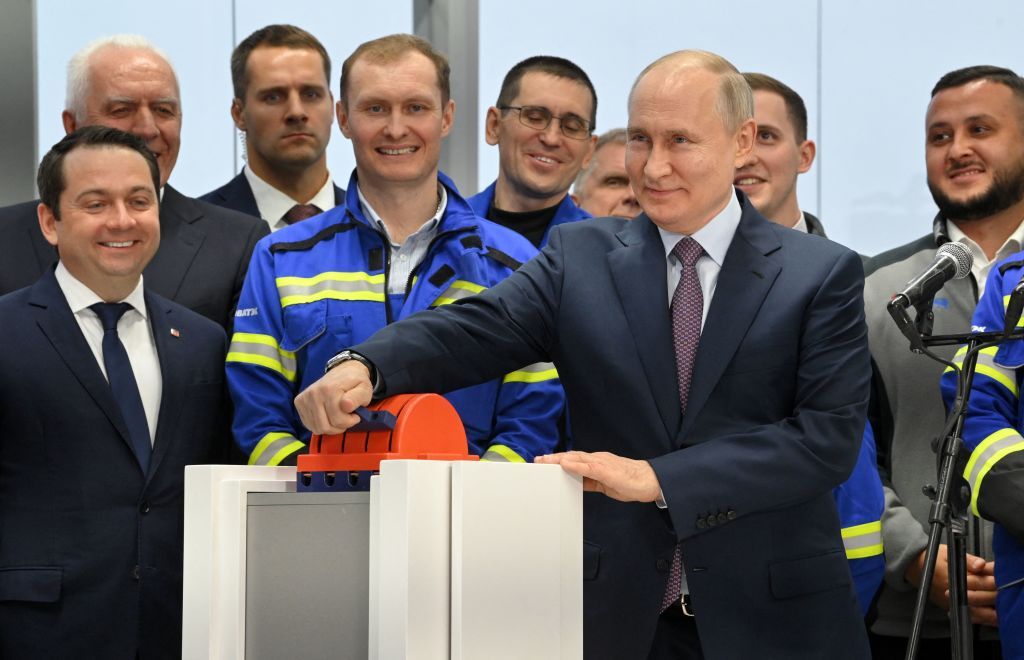
Russia is making another attempt to expand its exports of liquefied natural gas (LNG) after U.S. sanctions disrupted production at its flagship Arctic LNG 2 plant, Bloomberg reported on June 28.

Arctic LNG 2, owned by the Russian company Novatek, was envisaged as Russia's largest LNG plant and aimed to produce almost 20 million metric tons of LNG per year. The U.S. State Department targeted the Arctic LNG 2 project with sanctions in 2024.

An LNG vessel has reportedly docked at the Arctic LNG 2 facility for the first time since October, according to ship-tracking data and satellite images analyzed by Bloomberg. Data suggests that at least 13 vessels of Russia's "shadow fleet" have been assembled to potentially serve Arctic LNG 2.

These include four ice-class vessels, including the one currently docked at Arctic LNG 2. Three others are idling in the Barents Sea, along with three traditional LNG vessels. Two more vessels are being repaired in China and another two are idled in the Gulf of Finland. One ship is located near a floating storage facility in Russia's Far East.

While pipeline shipments of Russian gas to Europe have declined sharply since the full-scale invasion of Ukraine, Russia's shadow fleet — a group of aging oil tankers used to circumvent global sanctions — continues to grow.

Moscow now has more vessels at its disposal than it did last year, according to Malte Humpert, founder of the Arctic Institute think tank.

"If (Russia) can find buyers, this small fleet should be sufficient to lift cargoes," Humpert told Bloomberg.

Finding buyers may present a difficulty, due to wariness about sanctions violations. Former U.S. President Joe Biden sanctioned ships and companies connected with exports from Arctic LNG 2 in 2024, thought it is not yet clear if U.S. President Donald Trump will enforce sanctions as strictly.

Representatives of Arctic LNG 2 have continued to search for buyers in China and India, but have not yet made any sales, traders familiar with the matter told Bloomberg.

Arctic LNG 2 cut production from its gas fields to almost zero in November 2024, after halting liquefaction the previous month due to Western sanctions. The U.S. sanctioned two vessels and two entities connected to Arctic LNG 2 in September 2024, after previously targeting the project in a sweeping round of sanctions late August.

The August sanctions likely forced Novatek to scale back its operations at the facility. Novatek itself was sanctioned after the outbreak of the full-scale war in 2022.

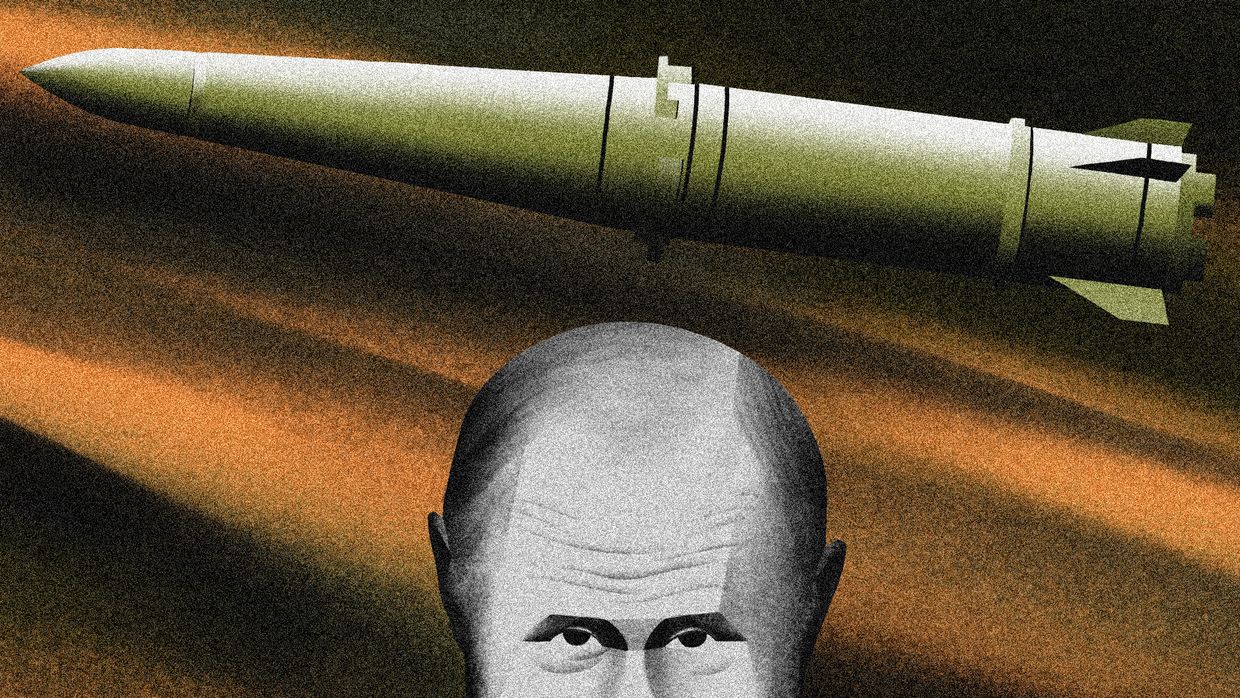
Despite escalating war plans, Putin claims Russia will cut military spending starting in 2026
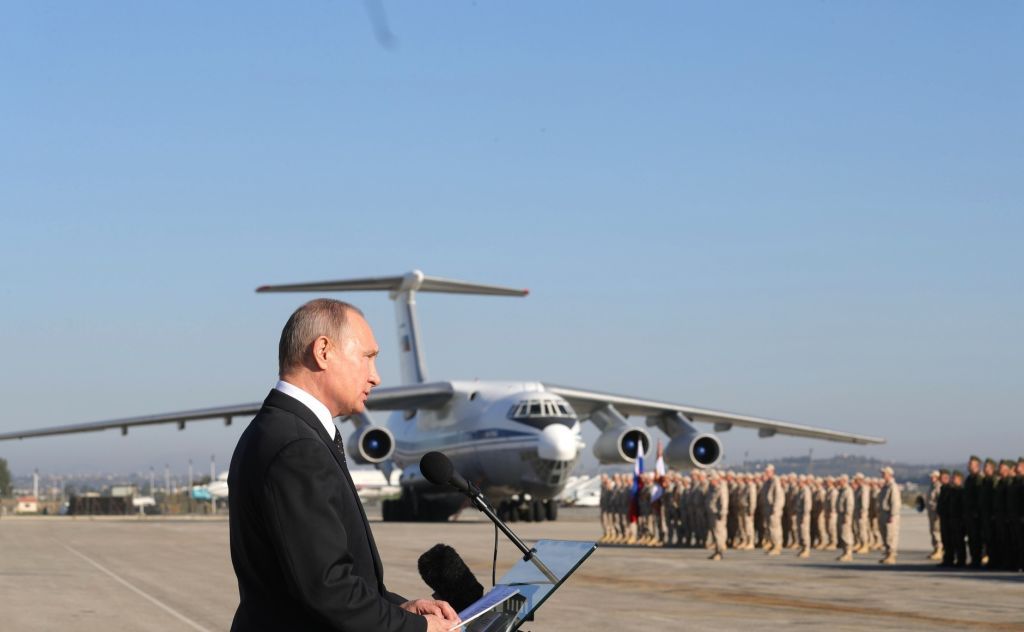
Russian President Vladimir Putin claimed on June 27 that Moscow plans to cut its military expenditure beginning next year, in a rebuke of NATO members’ plans to increase defense spending to 5% of GDP.
Russia reviving efforts to expand LNG exports after US sanctions, Bloomberg reportsThe Kyiv IndependentDmytro Basmat
Russia reviving efforts to expand LNG exports after US sanctions, Bloomberg reports

  •  

Italy commits $1.6 million to boost Ukraine’s battle against landmines

Italy commits $1.6 million to boost Ukraine’s battle against landmines

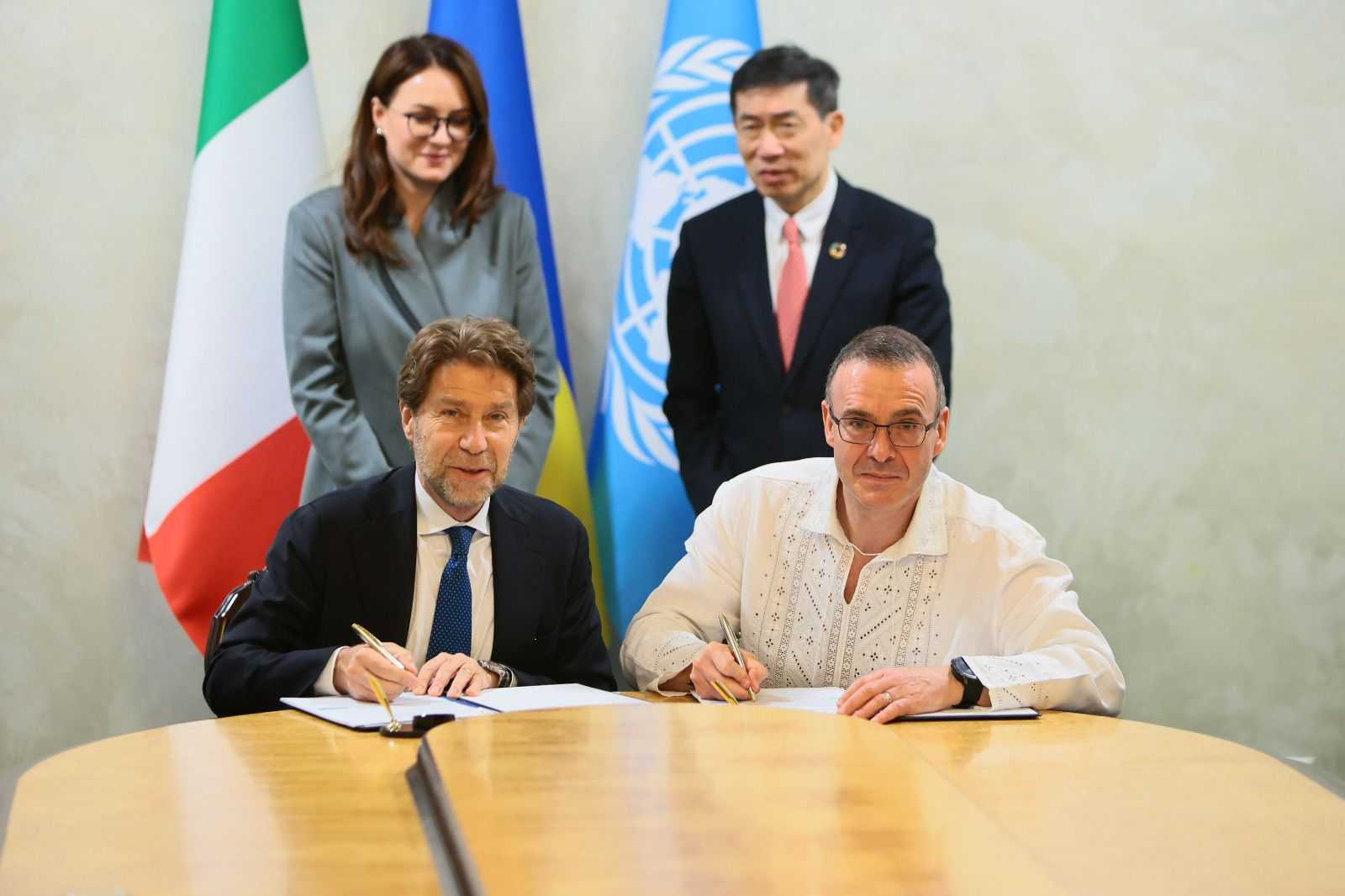
Italy has pledged 1.5 million euros (approximately $1.6 million) to support humanitarian demining efforts in Ukraine, deepening its partnership with the United Nations Development Programme (UNDP) and the Ukrainian government.

The agreement was formalized during a high-level ceremony in Kyiv on June 23 attended by Italian Ambassador Carlo Formosa, UN Assistant Secretary-General and new UNDP Administrator Haoliang Xu, Jaco Cilliers, Resident Representative of the UNDP in Ukraine, and Ukraine’s First Deputy Prime Minister and Economy Minister Yuliia Svyrydenko.

"Demining is not just a technical operation; it is a deeply humanitarian act that combines cooperation and innovation to restore hope in Ukraine," Ambassador Formosa said. "This project is not only a response to the emergency — it’s a step toward recovery. It’s about returning land to farmers, playgrounds to children, and safe roads to families."

The funding will support UNDP’s mine action program, which focuses on clearing land contaminated by mines and explosive remnants of war, ensuring the safe return of land to Ukrainian communities.

The initiative comes as Ukraine continues to grapple with one of the world’s largest demining challenges. According to the State Emergency Service, the total area of potentially mined land has been reduced by over 20% since late 2022. However, approximately 137,000 square kilometers (52,900 square miles) — much of it farmland — remain contaminated. Demining operations are carried out by the emergency service personnel, National Police, Ministry of Defense, and non-governmental organizations.

Currently, 112 certified demining operators, including eight international groups, are active in Ukraine, the State Emergency Service reported on June 24. Their combined capacity includes more than 9,000 personnel, 278 specialized vehicles, and over 13,000 metal detectors.

While significant progress has been made, Ukrainian officials stress that continued international support and funding are critical to accelerating clearance efforts.

Investigation: How Russia prepares its strategic missile plant for ‘eternal war’
Key findings: * Despite international sanctions, Russia’s strategic missile plant was able to import complex machinery to dramatically increase missile production. * The Kyiv Independent has identified the equipment supplied to the plant, as well as the supply chains, mostly from China. * We located the plant’s new premises, built to house the
Italy commits $1.6 million to boost Ukraine’s battle against landminesThe Kyiv IndependentAlisa Yurchenko
Italy commits $1.6 million to boost Ukraine’s battle against landmines

  •  

Putin, Xi to agree to meet in China as they sneer at G7 summit fractures

Putin, Xi to agree to meet in China as they sneer at G7 summit fractures

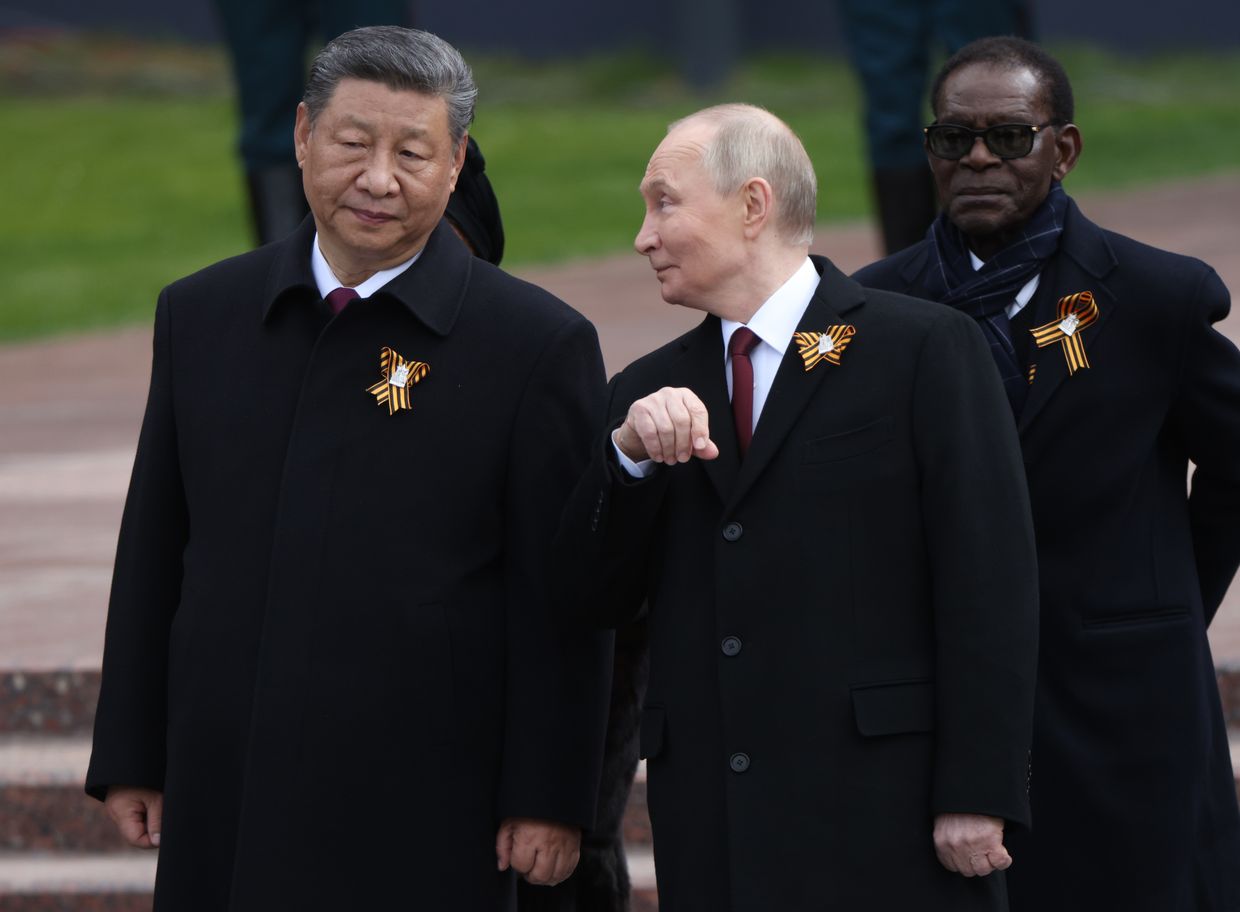
Russian President Vladimir Putin and Chinese President Xi Jinping agreed to meet in August and September and noted the supposed "rough edges" that emerged among G7 leaders during their summit, said Putin's aide, Yuri Ushakov, on June 19.

In a phone call, the two leaders agreed to meet at the Shanghai Cooperation Organization summit in Tianjin, China, between Aug. 31 and Sept. 1, and hold bilateral talks on Sept. 2, Ushakov said, according to the state news agency TASS.

China has been a key ally to Russia during its full-scale war, helping Moscow evade Western sanctions and becoming the leading source of dual-use goods fueling the Russian defense industry. Xi and Putin previously met during the Victory Day celebrations in Moscow in May.

While their phone call focused on the escalating security situation in the Middle East, the leaders also touched upon the G7 summit, noting "the well-known rough edges that emerged among the participants of this meeting," Ushakov said.

Putin and Xi also reportedly made mocking comments toward President Volodymyr Zelensky, saying it was not his "most successful trip abroad."

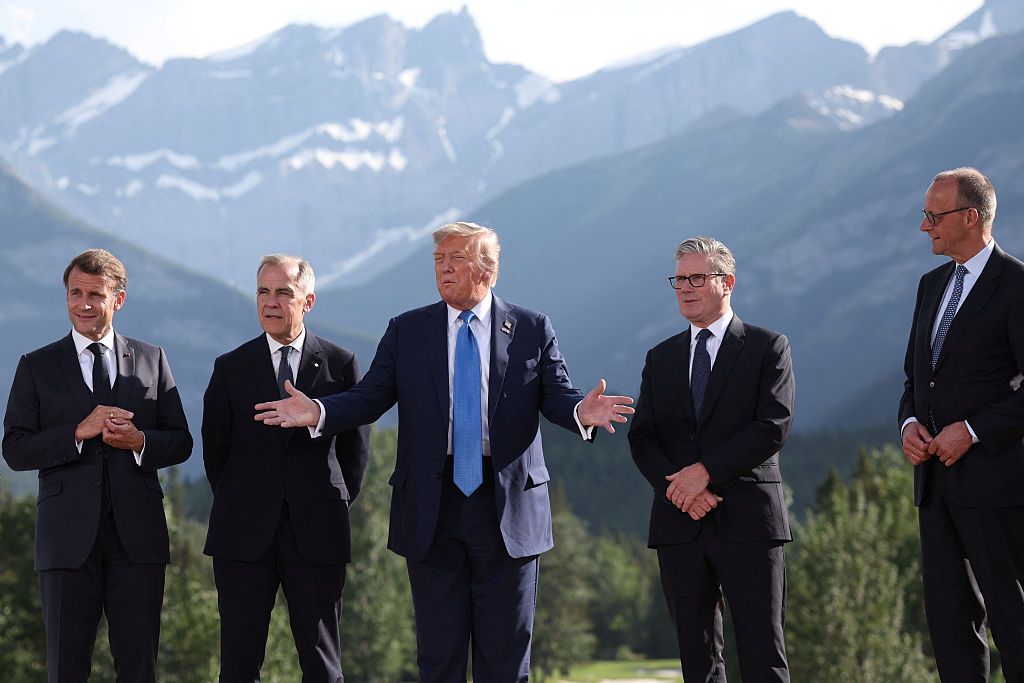
Zelensky was expected to meet U.S. President Donald Trump at the G7 summit in Canada, held from June 15 to 17, to discuss ways to increase pressure on Russia to end the war. Before Zelensky even arrived, Trump left the summit to address the escalating crisis in the Middle East, snubbing the meeting with the Ukrainian leader.

The G7 leaders were also unable to agree on a joint statement as the U.S. pushed for watered-down language on Russia. Instead, Canadian Prime Minister Mark Carney issued a summary saying that "G7 leaders expressed support for President Trump’s efforts to achieve a just and lasting peace in Ukraine."

"They recognized that Ukraine has committed to an unconditional ceasefire, and they agreed that Russia must do the same. G7 leaders are resolute in exploring all options to maximize pressure on Russia, including financial sanctions," the statement read.

While initially pledging to broker a swift peace deal between Kyiv and Moscow, Trump has become increasingly disengaged with the effort and resisted calls to increase pressure on Russia via additional sanctions.

Despite Trump's departure and disagreements with the U.S., Zelensky left the G7 summit with additional pledges of military support from Canada and new sanctions imposed against Russia's energy sector.

"Today, we have concrete decisions on increased military support, new tranches of aid funded by frozen Russian assets, and additional sanctions targeting what fuels Russia’s war," Zelensky said after the summit.

Zelensky also told the G7 leaders that "diplomacy is now in a state of crisis" and urged allies to press Trump "to use his real influence" to force an end to the war.

Diplomacy in crisis: G7 letdowns reveal limits to Western solidarity on Ukraine
KANANASKIS, Canada — The Group of Seven (G7) Leaders’ Summit ended on June 17 with no joint statement in support of Ukraine, no commitments to provide desperately needed U.S. weapons, and no meeting between President Volodymyr Zelensky and U.S. President Donald Trump. The Ukrainian delegation headed into the summit,
Putin, Xi to agree to meet in China as they sneer at G7 summit fracturesThe Kyiv IndependentDmytro Basmat
Putin, Xi to agree to meet in China as they sneer at G7 summit fractures
  •  
❌