Vue lecture

Russia reviving efforts to expand LNG exports after US sanctions, Bloomberg reports
Russia reviving efforts to expand LNG exports after US sanctions, Bloomberg reports

Russia is making another attempt to expand its exports of liquefied natural gas (LNG) after U.S. sanctions disrupted production at its flagship Arctic LNG 2 plant, Bloomberg reported on June 28.

Arctic LNG 2, owned by the Russian company Novatek, was envisaged as Russia's largest LNG plant and aimed to produce almost 20 million metric tons of LNG per year. The U.S. State Department targeted the Arctic LNG 2 project with sanctions in 2024.

An LNG vessel has reportedly docked at the Arctic LNG 2 facility for the first time since October, according to ship-tracking data and satellite images analyzed by Bloomberg. Data suggests that at least 13 vessels of Russia's "shadow fleet" have been assembled to potentially serve Arctic LNG 2.

These include four ice-class vessels, including the one currently docked at Arctic LNG 2. Three others are idling in the Barents Sea, along with three traditional LNG vessels. Two more vessels are being repaired in China and another two are idled in the Gulf of Finland. One ship is located near a floating storage facility in Russia's Far East.

While pipeline shipments of Russian gas to Europe have declined sharply since the full-scale invasion of Ukraine, Russia's shadow fleet — a group of aging oil tankers used to circumvent global sanctions — continues to grow.

Moscow now has more vessels at its disposal than it did last year, according to Malte Humpert, founder of the Arctic Institute think tank.

"If (Russia) can find buyers, this small fleet should be sufficient to lift cargoes," Humpert told Bloomberg.

Finding buyers may present a difficulty, due to wariness about sanctions violations. Former U.S. President Joe Biden sanctioned ships and companies connected with exports from Arctic LNG 2 in 2024, thought it is not yet clear if U.S. President Donald Trump will enforce sanctions as strictly.

Representatives of Arctic LNG 2 have continued to search for buyers in China and India, but have not yet made any sales, traders familiar with the matter told Bloomberg.

Arctic LNG 2 cut production from its gas fields to almost zero in November 2024, after halting liquefaction the previous month due to Western sanctions. The U.S. sanctioned two vessels and two entities connected to Arctic LNG 2 in September 2024, after previously targeting the project in a sweeping round of sanctions late August.

The August sanctions likely forced Novatek to scale back its operations at the facility. Novatek itself was sanctioned after the outbreak of the full-scale war in 2022.

Despite escalating war plans, Putin claims Russia will cut military spending starting in 2026
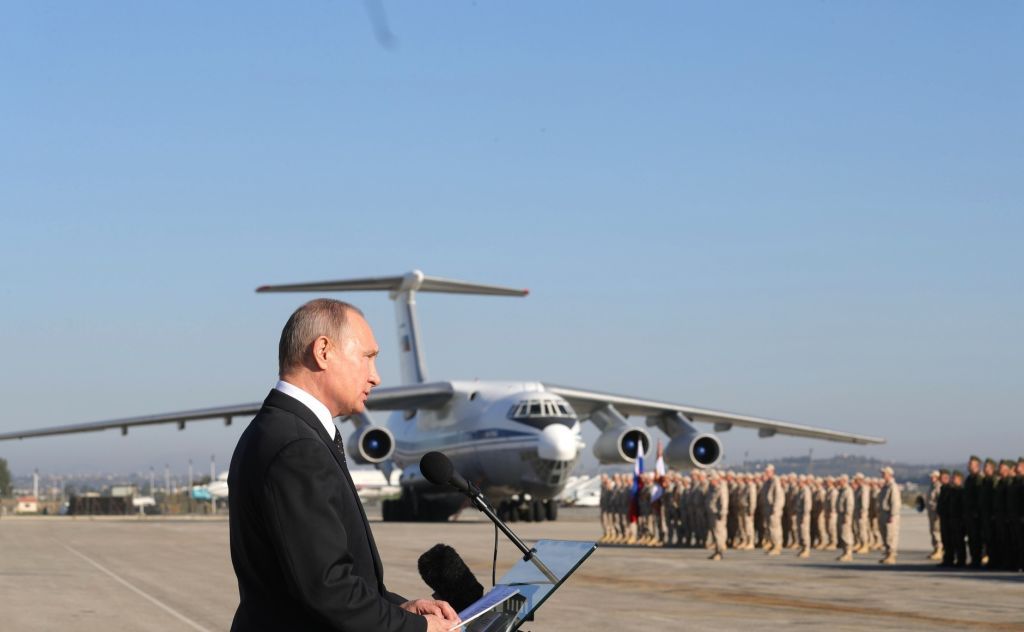
Russian President Vladimir Putin claimed on June 27 that Moscow plans to cut its military expenditure beginning next year, in a rebuke of NATO members’ plans to increase defense spending to 5% of GDP.
Russia reviving efforts to expand LNG exports after US sanctions, Bloomberg reportsThe Kyiv IndependentDmytro Basmat
Russia reviving efforts to expand LNG exports after US sanctions, Bloomberg reports

  •  

Half of Americans support sanctions on countries that buy Russian oil and gas, poll finds

Half of Americans support sanctions on countries that buy Russian oil and gas, poll finds

Around 50% of Americans support sanctions against countries that purchase Russian oil and gas, according to the results of a YouGov poll published on June 27.

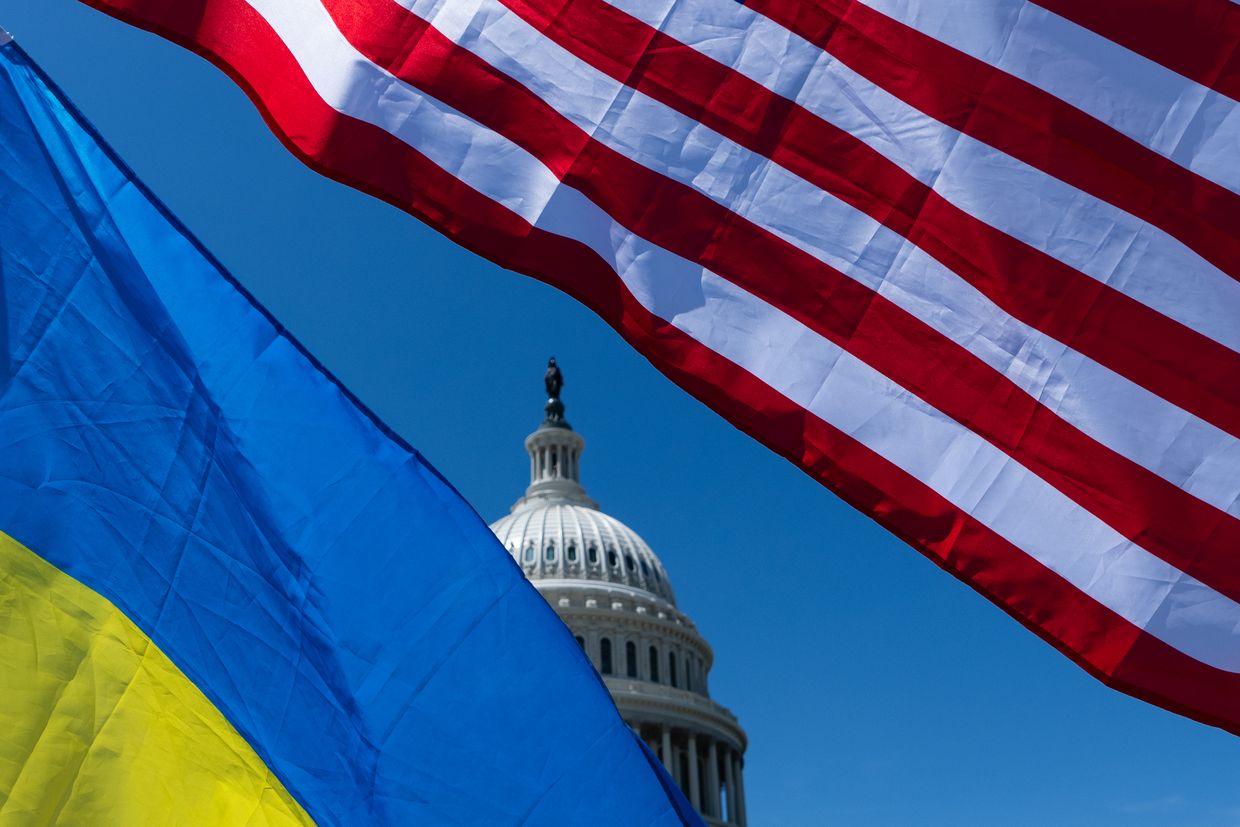
A bipartisan sanctions bill in the U.S. Senate aims to slap 500% tariffs on imports from countries that continue to purchase Russian energy products. U.S. President Donald Trump has not backed the measure and a vote on the bill has reportedly been postponed.

In a YouGov survey of adult U.S. citizens conducted June 12-16, 24% said they "strongly support" sanctioning Russian energy buyers while 25% said they "somewhat support" secondary sanctions against these countries.

Like the Senate bill, support for secondary sanctions among respondents was bipartisan. Of "strong supporters," 26% indentified as Democrats while 27% were Republicans.

More Republicans than Democrats said they favored the specific 500% tariff penalty proposed by legislators. While 29% of respondents who "strongly supported" the measure were Democrats, 41% were Republicans. Only 32% of survey respondents overall said they supported the 500% tariff.

The 500% tariff has been championed by Republican Senator Lindsey Graham, a Trump ally and co-author of the sanctions bill alongside Democrat Richard Blumenthal. Along with tariffs on countries purchasing Russian oil, the bill would also slap "bone-crushing" new sanctions against Russia, according to Graham.

A majority of Americans support increasing or maintaining U.S. sanctions against Russia, the survey found. Here the division along party lines is stark, with 59% of those in favor of increasing sanctions on Moscow identifying as Democrats and only 37% identifying as Republicans.

The poll also showed that about 50% of Americans oppose cutting military aid to Ukraine. According to YouGov, 26% of U.S. adults are in favor of increasing military aid while 23% believe Washington should maintain its current levels of support.

The results illustrate the contrast between the prevailing views of the American public and the policies of the Trump administration. Trump has repeatedly undercut the Senate sanctions bill, requesting delays to the vote and calling on lawmakers to weaken the proposed measures.

While Trump has at times threatened to impose new sanctions on Russia, he has never followed through on any of those threats and consistently shoots down domestic and international appeals to get tough on Moscow. At the recent G7 Summit in Canada, Trump reportedly insisted that sanctions would be at odds with U.S. business interests.  

U.S. Defense Secretary Pete Hegseth also announced earlier this month that Washington will cut military aid to Ukraine in its upcoming defense budget.

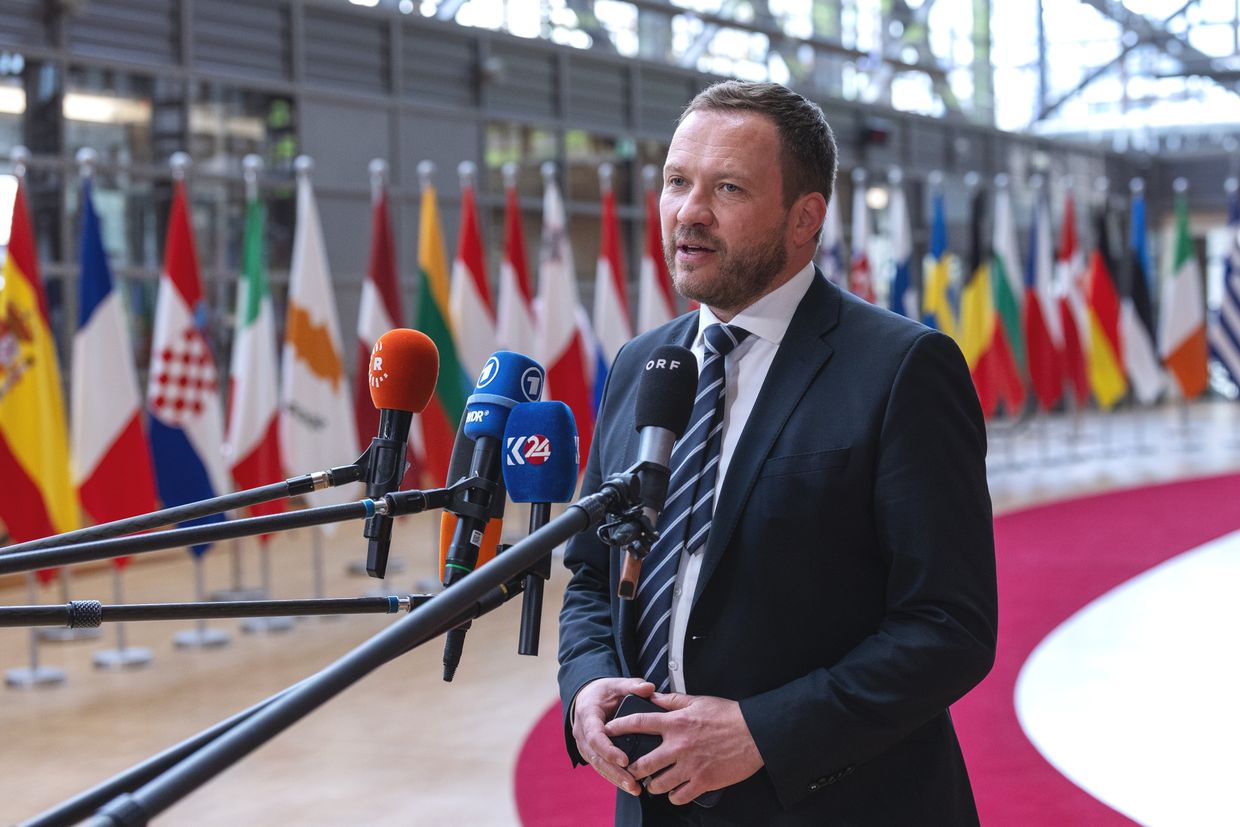
‘Putin cannot stop’ – Estonian foreign minister says war in Ukraine existential for Russian president
As Russia continues to intensify its onslaught on Ukraine more than three years into the full-scale invasion, Kyiv faces a new challenge – keeping its Western allies, namely the new U.S. administration, engaged in the struggle. This became clear during the NATO summit in The Hague on June 24-25, where
Half of Americans support sanctions on countries that buy Russian oil and gas, poll findsThe Kyiv IndependentMartin Fornusek
Half of Americans support sanctions on countries that buy Russian oil and gas, poll finds
  •  

Israel strike reportedly hits Iran’s gas sector, halting production at world’s largest field

Israel strike reportedly hits Iran’s gas sector, halting production at world’s largest field

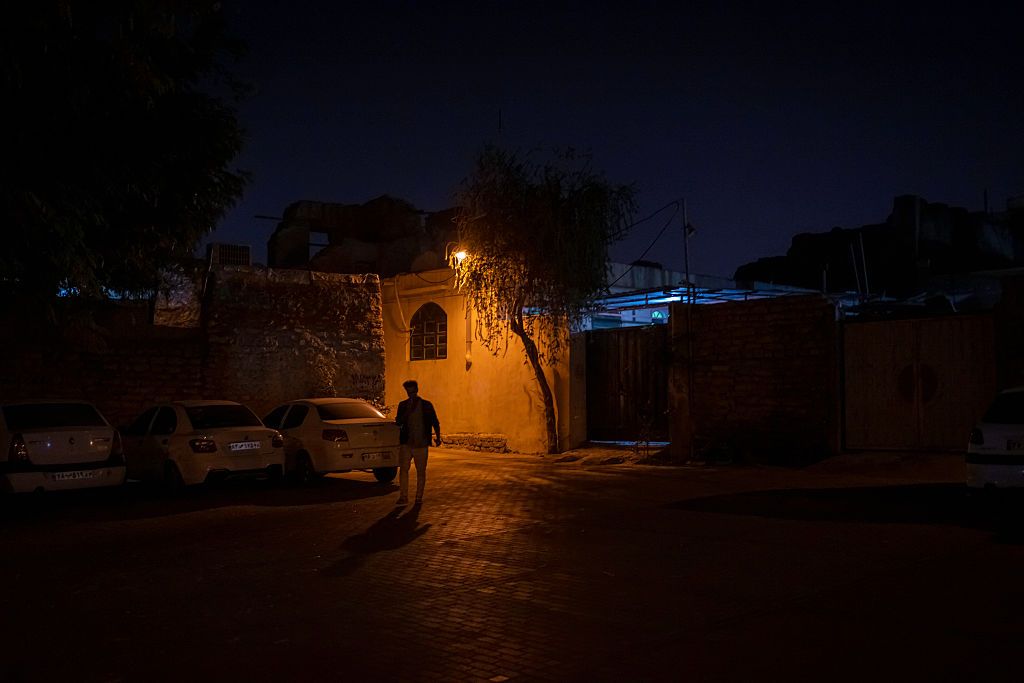
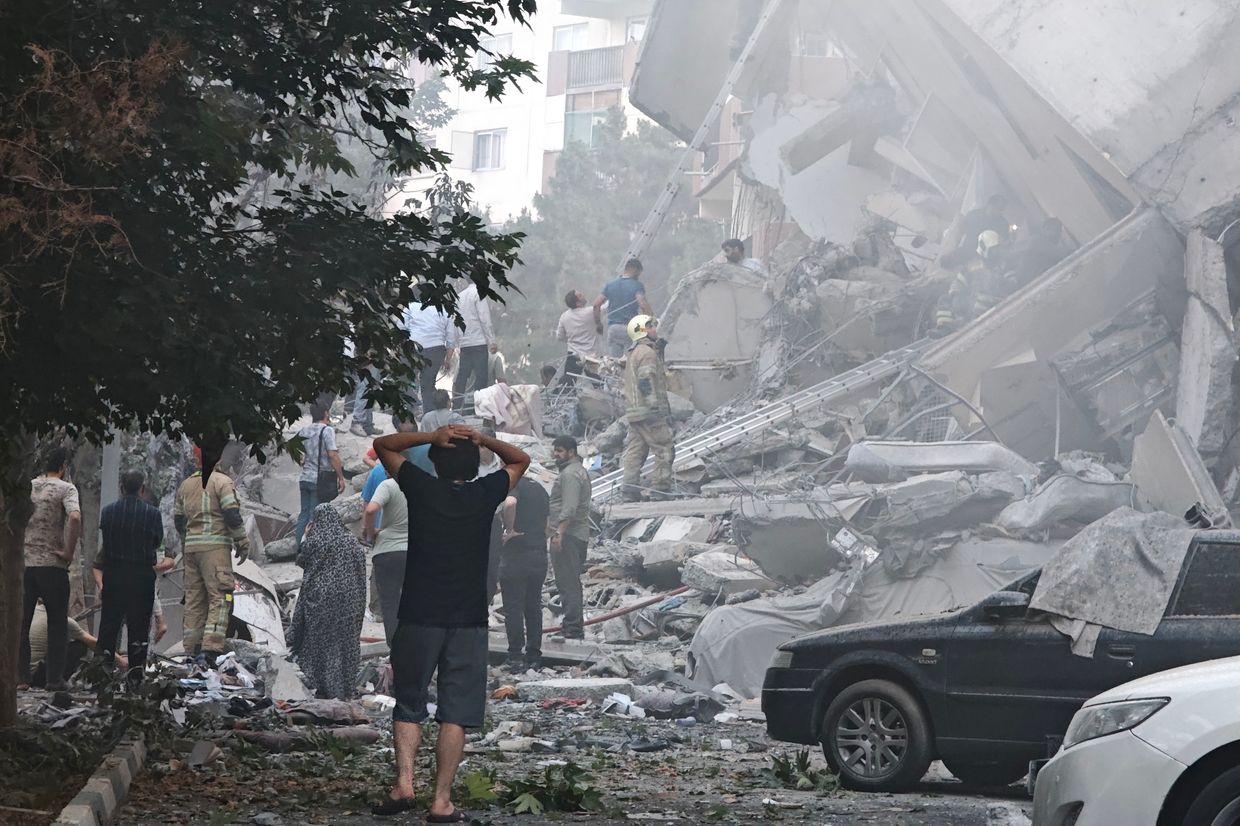
Iran has partially suspended production at the South Pars gas field — the world’s largest — after an Israeli airstrike triggered a fire at the site, the semi-official Tasnim news agency reported on June 14, according to Reuters. If confirmed, it would mark the first Israeli strike targeting Iran’s vital oil and gas infrastructure.

The South Pars field, located offshore in southern Bushehr province, is responsible for the bulk of Iran’s gas output. Tehran shares the field with Qatar, which refers to its portion as the North Field. A strike on South Pars represents a significant escalation, coming after oil prices surged 9% on June 13 following Israel’s initial wave of attacks, which had not targeted energy infrastructure, Reuters reports.

Israel launched its air offensive against Iran on June 13, killing commanders and scientists and bombing nuclear sites, in what it described as an effort to prevent Tehran from developing nuclear weapons.

The Iranian oil ministry said the fire caused by the strike has been extinguished. According to Tasnim, the fire broke out in one of four units of Phase 14 at South Pars, halting the production of 12 million cubic meters of gas.

Iran, the world’s third-largest gas producer after the United States and Russia, produces around 275 billion cubic meters of gas per year, about 6.5% of global output.

Due to international sanctions, the country consumes most of this domestically. Qatar, which operates the majority of the shared field with support from global firms such as Exxon and Shell, produces 77 million tonnes of liquefied natural gas annually, supplying both European and Asian markets.

Israel-Iran war could provide economic boost Russia needs to continue fight against Ukraine
Israel’s “preemptive” strikes against Iran targeting the country’s nuclear program and killing top military officials could have far-reaching implications for Ukraine and could boost Russia’s ability to continue its full-scale invasion, experts have told the Kyiv Independent. Iran has been one of Russia’s staunchest allies throughout the war, providing thousands
Israel strike reportedly hits Iran’s gas sector, halting production at world’s largest fieldThe Kyiv IndependentChris York
Israel strike reportedly hits Iran’s gas sector, halting production at world’s largest field
  •  
❌