The Democratic nominee for Senate in Texas spent nine days off the trail with what he and his campaign said was a bad case of the flu. His opponents fueled rumors, including one that spread widely before it was debunked.
The Democratic nominee for Senate in Texas spent nine days off the trail with what he and his campaign said was a bad case of the flu. His opponents fueled rumors, including one that spread widely before it was debunked.
James Talarico, the Democratic nominee for Senate in Texas, is trying to defeat Ken Paxton, the state’s Republican attorney general, in one of this year’s top races.
UK Prime Minister Andy Burnham said Russia interfered in the 2016 referendum that took Britain out of the European Union, in podcast excerpts released on 11 October, the Associated Press reported. His remarks are believed to be the first time a British prime minister has publicly acknowledged such meddling.
Russia’s information war keeps running through Europe’s ballots. German security sources said in August that Moscow was escalating disinformation before state elections, and Ukraine’
UK Prime Minister Andy Burnham said Russia interfered in the 2016 referendum that took Britain out of the European Union, in podcast excerpts released on 11 October, the Associated Press reported. His remarks are believed to be the first time a British prime minister has publicly acknowledged such meddling.
Russia’s information war keeps running through Europe’s ballots. German security sources said in August that Moscow was escalating disinformation before state elections, and Ukraine’s Center for Countering Disinformation found more than 200 Russian fake news sites aimed at France last year.
One question, one clear answer
Burnham told The Rest Is Politics podcast that he asked his advisers whether Russia had interfered in the 2016 vote. He asked after taking office in July.
“I’ve had the clear answer that yes, there was,” he said.
He argued that such things must now be put clearly on the record. He did not say how Russia interfered or offer evidence, and Moscow has long denied interfering in foreign votes.
Burnham said he had discussed Russian interference with German Chancellor Friedrich Merz in Berlin the previous week. “You know he was saying to me that the AfD are clearly linked to Russia, funded I believe,” Burnham said, referring to Germany’s far-right Alternative for Germany party. Putting such interference on the record would help “voters in Germany and France understand that some of this politics is instigated via our enemies, namely Russia,” he added.
Years of silence
In 2020, Parliament’s Intelligence and Security Committee found that the government had actively avoided investigating whether Russia meddled in the referendum. The report noted open-source signs of Russian attempts to sway the Brexit campaign. The government, it said, had never looked for hard evidence.
The government rejected the committee’s call for a review.
“We have seen no evidence of successful interference in the EU Referendum,” it said.
That same year, London said Russian actors had almost certainly tried to interfere in the 2019 general election. The government said they did it by amplifying leaked UK-US trade documents online.
From 2019 to 2016
Three weeks ago, Burnham stopped short of this. At the UN General Assembly on 22 September, he said the Kremlin spends around £1.3 billion each year on manipulating information. That is roughly $1.7 billion at recent exchange rates. He cited evidence that Russian agencies tried to interfere in the 2019 general election, but he did not mention 2016.
In the same speech, he said Britain had already helped Moldova protect its elections from Russian interference.
Ukraine’s drone strikes on Russian tech giant Yandex thinned out social media bots, Ukrainian President Volodymyr Zelenskyy said on 12 October. Network data do show Yandex’s automated traffic collapsing after the strikes. Disinformation researchers say that traffic is search crawling, not trolls. A Ukrainian social media monitor told Euromaidan Press its own data show no clear drop in bot activity either.
Russian influence operations are a live threat to European votes. In August, the M
Ukraine’s drone strikes on Russian tech giant Yandex thinned out social media bots, Ukrainian President Volodymyr Zelenskyy said on 12 October. Network data do show Yandex’s automated traffic collapsing after the strikes. Disinformation researchers say that traffic is search crawling, not trolls. A Ukrainian social media monitor told Euromaidan Press its own data show no clear drop in bot activity either.
Russian influence operations are a live threat to European votes. In August, the Matryoshka network fabricated news clips aimed at Sweden’s general election. German and French authorities flagged the same network targeting Germany’s local votes and French presidential hopeful Gabriel Attal. A way to switch such networks off would hand allies a new tool, which is why the claim needs testing.
The president’s claim
Addressing the Warsaw Security Forum by video link, Zelenskyy said that once Ukraine began answering Russia’s operation against Ukrainian data centers and its strikes reached Yandex, many social media platforms suddenly became a little easier to breathe on.
Many people noticed less hatred, discord, and provocation because there were fewer bots, he said. It was quite clear where those bots came from, he noted. Their disappearance once Yandex went down proves again that Europe is not the source of the problems, he added.
Lithuanian Prime Minister Mindaugas Sinkevičius said at the same forum that allies should ask Zelenskyy to strike more data centers in Russia, answering a question on how to protect their elections from interference.
Three data centers in four days
Drones first hit Yandex’s data center in Sasovo, Ryazan Oblast, on 8 October. Yandex said it shut the site down completely. The next day, a strike on its Kaluga site completely disabled several modules, the company said. Yandex calls Kaluga its largest data center, Russian science outlet T-Invariant noted.
Ukrainian drone maker Fire Point said its FP-1 long-range drones carried out that strike.
After the first strike, on Sasovo, a source at Yandex summed up the mood for The Bell: “Things are rotten. We keep working.”
Overnight on 11 October, drones hit the third site, in Vladimir. Yandex said it fully halted that data center too. Vladimir Oblast Governor Aleksandr Avdeev acknowledged an attack on “infrastructure” near the city. It started a fire and cut power to two substations serving 5,000 residents, he claimed.
Automated web requests from Yandex’s network fell to 0.4% of their two-week peak after the third strike, Cloudflare Radar data showed, Cybernews reported. That chart counts automated requests to websites, mostly from Yandex’s own search crawlers. It does not count social media posts.
The chart “has nothing to do with social media,” the Russian opposition analysis group Antibot4navalny wrote.
To those implying that Kremlin-controlled social media bot/troll farms became silent after Ukraine hit a Yandex data center, posting this CloudFare chart ( radar.cloudflare.com/bots/as13238 ):Hate to disappoint you all
Russia’s overall bot traffic last week looked much like any other week. Yandex’s own figure began recovering on Sunday. Covert troll farms usually hide behind residential proxies, hacked devices, virtual private networks (VPNs), and Western cloud providers, the outlet added.
What Ukrainian social media shows so far
Yevhen Luzan tracks Ukrainian social media sentiment as an analyst at the Ukrainian nonprofit CAT-UA. Its daily reviews sample about 500 random posts. On 11 October, that sample showed an unusually small share of posts criticizing Ukraine’s authorities, he told Euromaidan Press. Accounts showing signs of bot activity made up only a few tenths of a percent of that criticism. That is within the margin of error.
The same day, though, US President Donald Trump’s deal for Russian diesel supplies dominated Ukrainian feeds. Luzan said a rally-around-the-flag effect could explain the shift, as outrage at Washington crowded out domestic stories.
“To state it definitively and draw a cause-and-effect link from this correlation would be too bold,” he said.
Across the wider pool of about 10,000 daily mentions, CAT-UA sees no significant drop in posting activity in recent days. The curve shows only the usual rises and dips around the start and end of the week, Luzan said.
“For now, even a hypothetical drop in bot farm activity dissolves entirely in the natural fluctuations of the information space,” he said.
How a crawler chart became a bot story
The claim that Russian social media bots fell by half is unproven and built on a misread chart, disinformation analyst Joohn Choe concluded in a fact-check. It traces back to an 8 October post by security researcher Jeremiah Fowler. That post said Russian bot traffic had dropped to 49%. On 11 October, radio reporter Jamie Dupree spread it on X. Tom’s Hardware then ran it under a headline calling the crawler traffic “Russian disinformation bot traffic,” wording it has since changed.
According to Cloudflare Data Explorer the amount of russian bot traffic has dropped to 49% after Ukraine struck a yandex data center. Could this disrupt the midterm elections in the US? pic.twitter.com/SRtMyjaV22
— Jeremiah Fowler Security Researcher (@yoda69) October 8, 2026
Ukrainian military analyst Tatarigami claimed that Texas separatist accounts with identical “Veteran, Christian, Father, MAGA” bios had gone quiet. He said Quebec separatists and Polish anti-EU accounts went quiet alongside them.
Polish military analyst Jarosław Wolski claimed that AfD’s online support fell 56%, posting a chart without naming its source. Another X user said “Polish” bots had vanished.
Zderusyfikowany internet (ukraińskie trafienia w centra Yandexa) nagle objawia cuda w socjalach: poparcie dla AfD w socjalmediach spadło o 56%. Mniej "polskich" kont szczujących na Ukraińców, mniej "ukraińskich" szczujących na Polaków, poparcie w sieci dla MAGA gwałtownie spadło… pic.twitter.com/zi4rwqNR9I
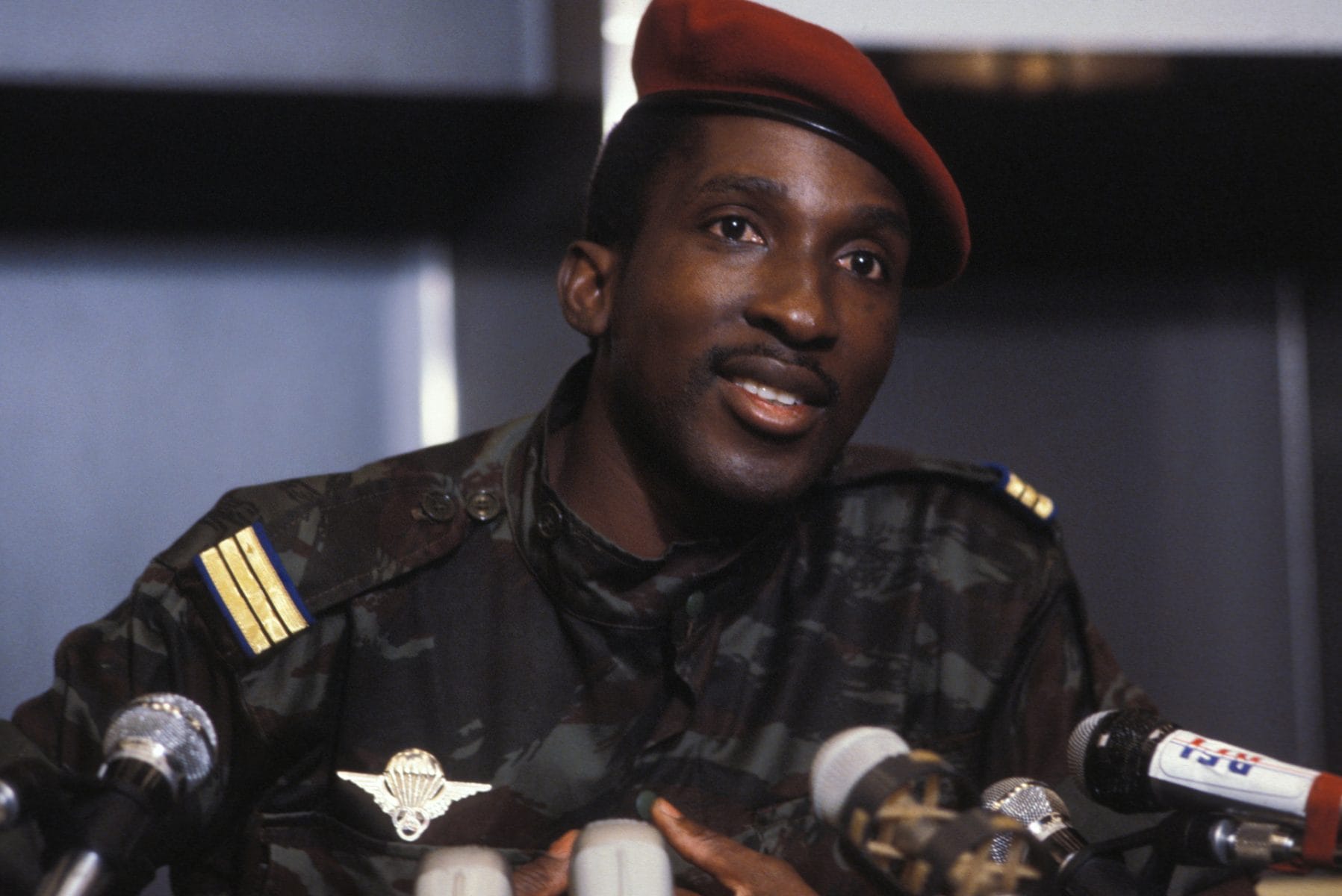
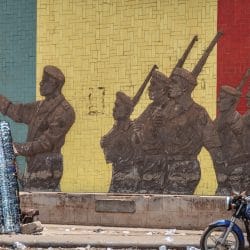
Thomas Sankara had a signature look: a natty red beret, worn with military fatigues. A striking figure, Sankara was a military officer and the radical, anti-imperialist prime minister of the Republic of Upper Volta. His arrest in 1983 led to demonstrations, followed by a coup, after which Sankara was released and installed as president. By the following year Sankara had given the country he now led its new name — Burkina Faso. He fashioned a Burkinabè identity in his own anti-imperialist image,
Thomas Sankara had a signature look: a natty red beret, worn with military fatigues. A striking figure, Sankara was a military officer and the radical, anti-imperialist prime minister of the Republic of Upper Volta. His arrest in 1983 led to demonstrations, followed by a coup, after which Sankara was released and installed as president. By the following year Sankara had given the country he now led its new name — Burkina Faso. He fashioned a Burkinabè identity in his own anti-imperialist image, eschewing French for local languages, promoting economic self-reliance and national pride.
In 1986, he famously took the then French president François Mitterrand to task in a fiery speech broadcast both in Burkina Faso and France. Sankara’s dashing uniform played an outsized role in how his words were interpreted. Here was Africa’s own Che Guevara. But by October 1987, Sankara was dead, killed during a military coup led by his former friend and ally Blaise Compaoré.
France, the old colonial power, backed Compaoré. Soon after the coup, French officials once again flocked to Ouagadougou, helping to prop up Compaoré for decades.
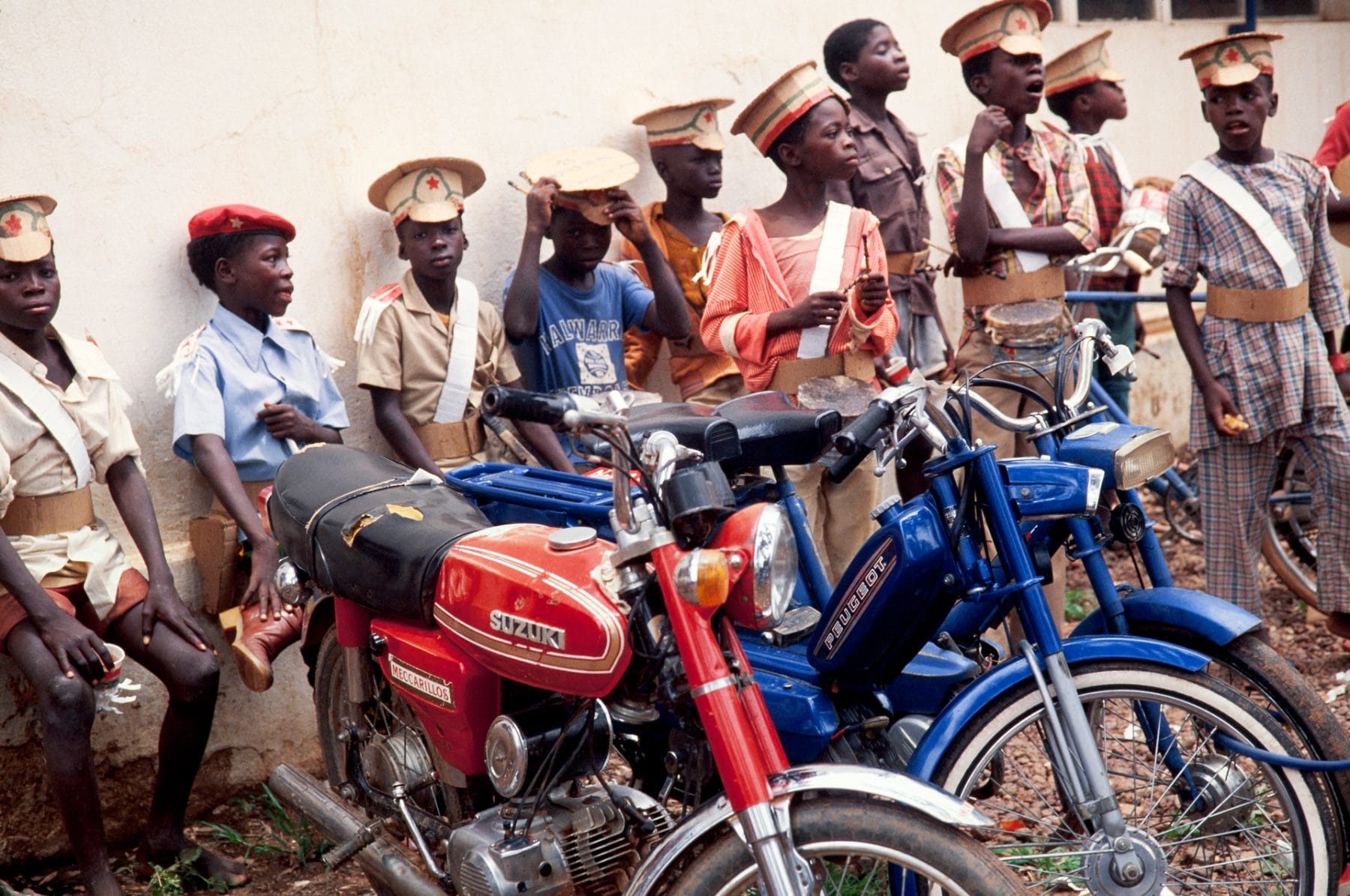
Burkinabè children wearing false kepis during the military parade in Ouagadougou to commemorate the second anniversary of the revolution of the Burkina Faso. August 4, 1985. Daniel LAINE / AFP via Getty Images.
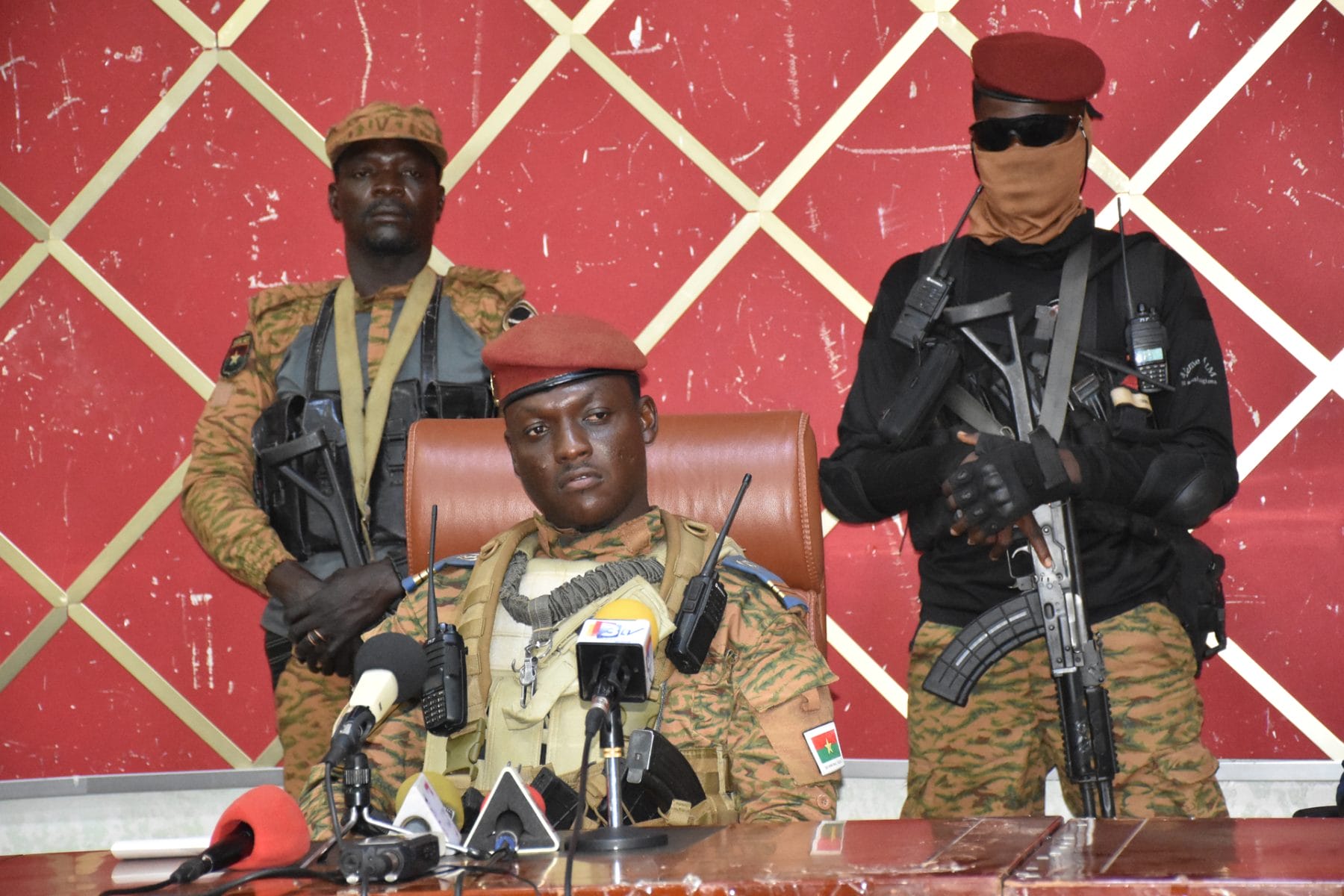
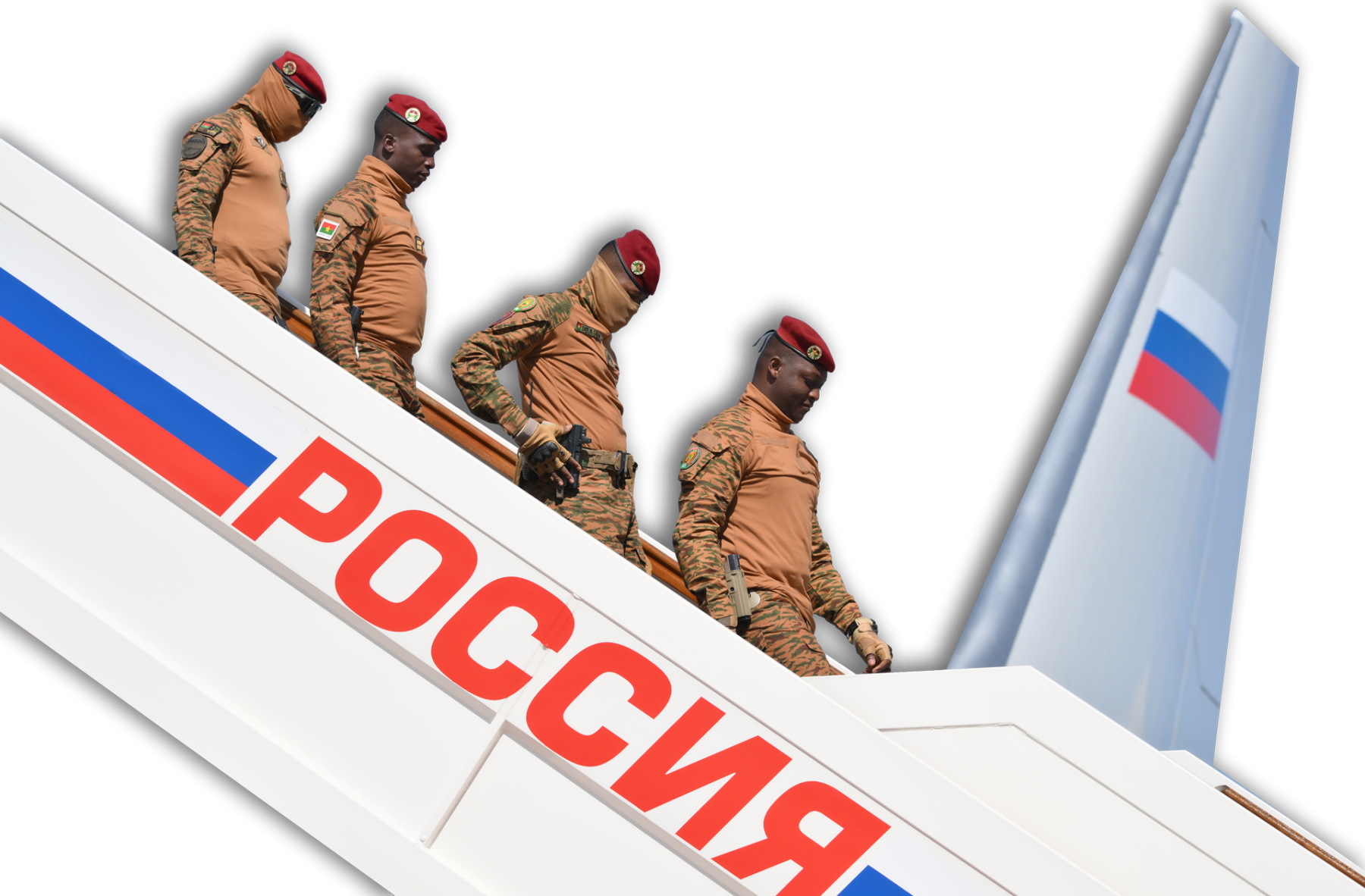
This potted history is important to understanding the phenomenon of Ibrahim Traoré, Burkina Faso’s current president, an authoritarian head of state who in his charisma and self-presentation so deliberately echoes Sankara.
On September 30, thousands of Burkinabè gathered in Ouagadougou’s Place de la Révolution to hail Traoré on the fourth anniversary of the coup that brought him to power. As the second coming of Sankara, Traoré — whatever their entirely different political ideologies – is arguably the face of contemporary African anti-imperialism. It is a meticulously cultivated image that has almost nothing to do with Traoré’s actual record, or his achievements in Burkina Faso.
Traoré is a pan-African leader for a digital age, an autocrat who has suspended his country’s constitution, dismantled its admittedly fledgling democratic institutions and been accused of crimes against humanity, but who has used artificial intelligence, particularly deepfakes, to bury that record beneath a highly effective cyber cult of personality.
How do Burkinabè reconcile the man with the persona? And is Traoré a triumph of the algorithm, the kind of politician increasingly familiar from Ouagadougou to Delhi, Berlin, Buenos Aires, and of course Washington, DC?
Left: Burkina Faso President Thomas Sankara during a speech on October 5, 1983, in Paris, France. Alain MINGAM/Gamma-Rapho via Getty Images. Right: New coup leader Captain Ibrahim Traoré at a news conference on October 2, 2022 in Ouagadougou, Burkina Faso. Stringer/Anadolu Agency via Getty Images.
The man, the myth, the algorithm
Ibrahim Traoré came to power in September 2022. In his own telling, while Sankara was installed as president, Traoré led the putsch himself. By January 2023, Burkina Faso terminated its military accord with France, giving French special forces one month to leave the country. In June this year, Burkina Faso ended all diplomatic relations with France.
As Traoré turned away from France, he strengthened relations with Moscow. It’s in keeping with the pattern across the countries of the Sahel — Burkina Faso and its neighbours Mali and Niger — as the region’s colonial history with France has been swept clean by a broom held first by the mercenaries of the Wagner Group and latterly the Russian state itself, represented by the Africa Corps.
But in April and May 2026, Africa Corps forces were dealt a humiliating defeat in northern Mali by a combination of Tuareg separatists and allegedly Al-Qaeda linked Islamists. The Malian defence minister was assassinated in a suicide bombing at his home near the capital Bamako. With Russia so involved militarily in the Sahel countries, Ukraine has admitted to assisting rebel forces. Both Mali and Niger have cut diplomatic ties with Kyiv. And Burkina Faso has described Kyiv as a destabilising force in the region, making the Sahel effectively a front in Russia’s war with Ukraine. As recently as September, Traoré named Ukraine as a part of Burkina Faso’s “map of enemies” for which, he added menacingly, “we need to prepare.”
Russia, as Coda Story has reportedforyears, has used everything from weapons sales to mercenaries to paying African influencers to both spread Russian narratives and hold Moscow up as the alternative to continuing to rely on exploitative economic relationships with the West, particularly erstwhile European colonialists.
Despite the extent of Russian attempts to influence the Sahel, it’s not Moscow that is signing the most consequential deals with the military juntas it helps prop up. It’s Beijing. And the deals being signed with China to mine the region’s extensive mineral wealth — the lithium, gold, copper, zinc, bauxite and uranium — have served as a reminder to the United States that it too should resume stalled relationships in the Sahel. Early in 2026, Burkina Faso signed a near $150 million healthcare deal with the U.S. in exchange, it appeared, for favourable access to minerals. Both Zambia and Zimbabwe backed away from similar deals, expressing concern about U.S. demands for data and minerals that amounted to an infringement of sovereignty.
Burkina Faso's President Ibrahim Traoré arrives in Moscow, Russia on May 8, 2025. Grigory Sysoev / RIA Novosti/Anadolu via Getty Images.
The deals with China and the United States are being negotiated alongside a drive to reduce reliance on foreign loans and grants and ramp up domestic production, particularly of gold. Traoré claims his economic policies emphasise nationalisation and self-reliance. His government has taken over major mining operations and increased state stakes in other industries. In early 2024, his administration suspended export permits for small-scale gold production to crack down on smuggling and keep mineral wealth inside the country. Last month, he inaugurated Burkina Faso’s first gold refinery.
Some of this has had positive economic effects. The World Bank, in a June 2026 update, said the country had an estimated 5.3% growth in 2025, up from 4.8% in 2024, and its fiscal deficit narrowed from 5.8% of GDP to 1.8%. Inflation was also negative, 0.5%, compared to 4.2% in 2024. Reports by the World Bank and IMF have ascribed these growth to external factors such as the gold rally, climate-driven increase in agricultural outputs, and reduction in energy prices.
Economic growth, though, is part of a larger story that includes a crackdown on the press, particularly critical coverage of alleged human rights violations. Human Rights Watch documented 1,840 civilian deaths between January 2023 and April 2025, over 1,200 of which were directly attributed to government forces. Even as the report acknowledged widespread violations by Islamist groups, the actions of the Burkina Faso military, it said, “amounted to war crimes and crimes against humanity.” At the same time, Traoré has clamped down on Burkinabè civil society, banning over 100 human rights organizations and dissolving all political parties.
None of it appears to have affected his carefully-honed image in certain online spaces.
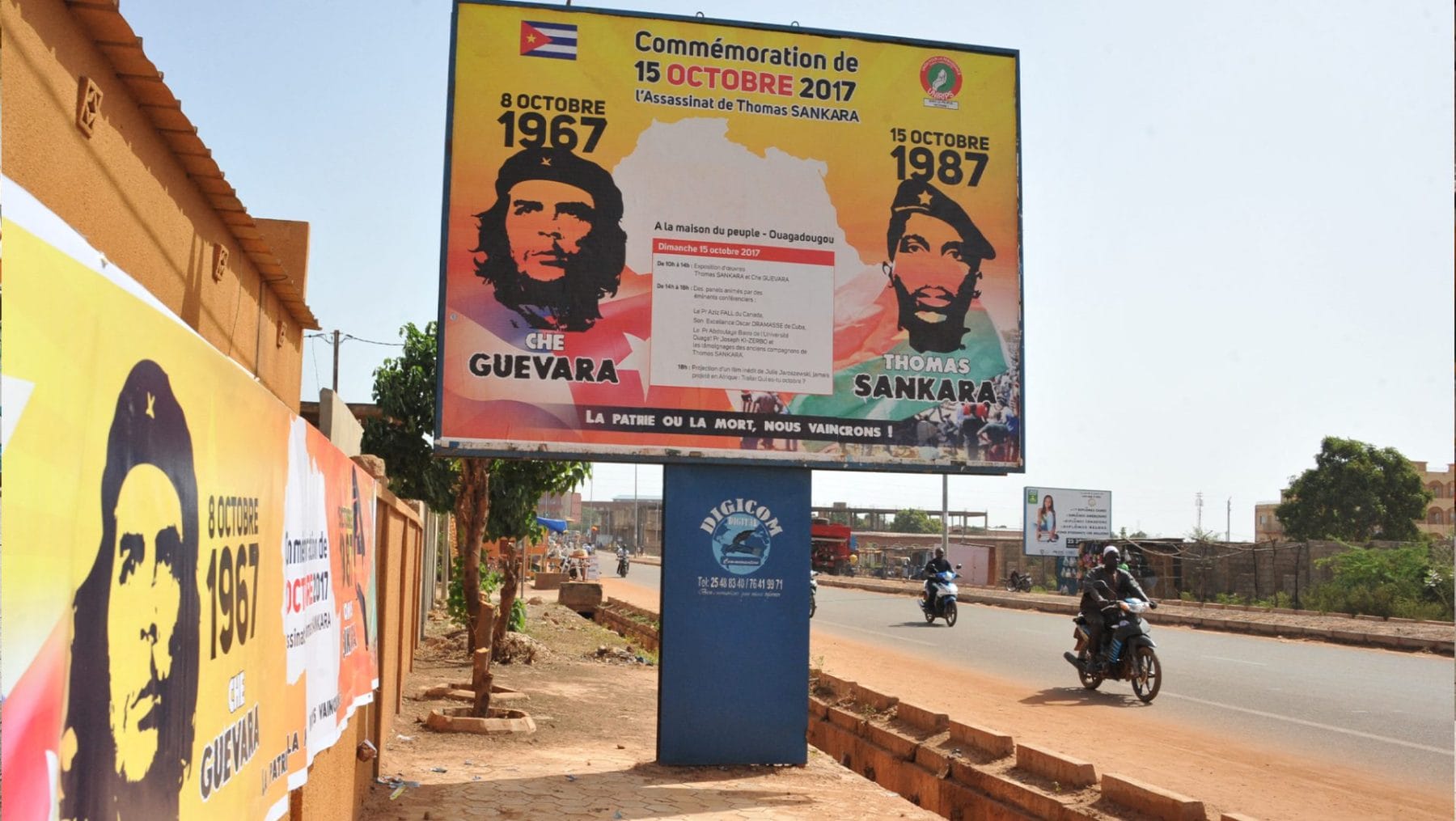
Street of Ouagadougou shows a poster celebrating former President Thomas Sankara, known as "Africa's Che Guevara" and the portrait of the Argentine-born guerrilla leader Ernesto Che Guevara. Ahmed Ouobaa/AFP via Getty Images.
Streets of Accra, Ghana, May 9, 2026. Olatunji Olaigbe.
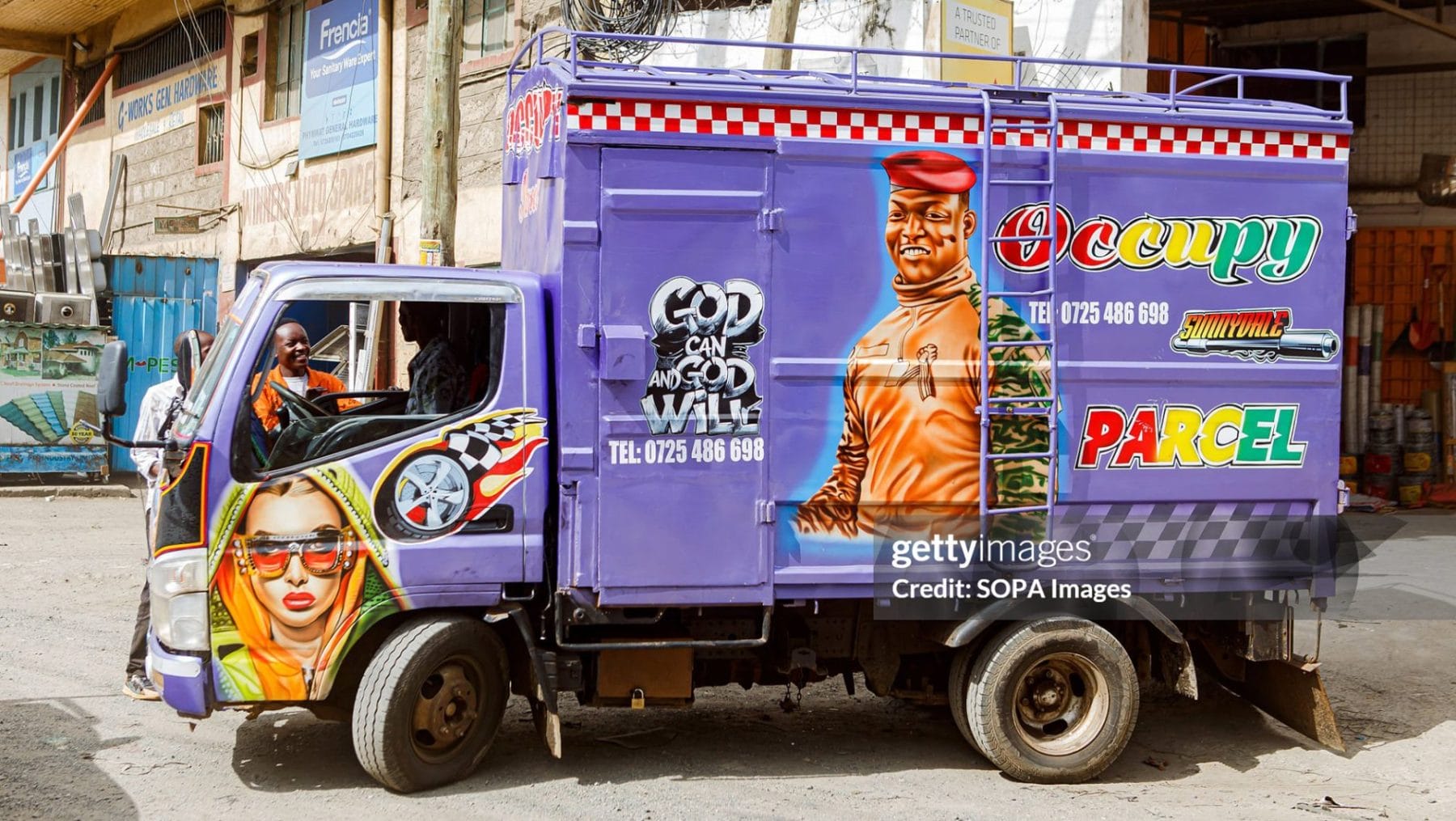
A graffiti portrait of the president of Burkina Faso Ibrahim Traoré. Boniface Muthoni/SOPA Images/LightRocket via Getty Images.
A pan-African hero
Traoré is everywhere. In Accra, the capital of Ghana, his image is pasted onto buses and in parks. In January 2025, at the swearing-in of the Ghanaian president John Mahama, it was Traoré who the crowd responded to, cheering for a rockstar rather than a head of state. Even Mahama joked that Traoré had stolen the show. Artwork celebrating Traoré is frequently posted online. The commentary that accompanies the art is gushing. “Through this artwork,” reads one Facebook tribute, “I celebrate the spirit of a man who stands for sovereignty, truth, and the rise of a self-determined Africa.”
Meanwhile, the Ivory Coast government has granted refugee status to at least 69,000 Burkinabè fleeing Burkina Faso.
In May, when I travelled to Ghana and Ivory Coast to talk to people displaced from Burkina Faso, at least five sources decided they no longer wanted to speak. Guaranteeing anonymity didn’t seem to matter. A Burkinabè journalist who was helping me find people to speak to, stopped responding to my messages the day after I arrived in Accra. Those who did speak to me refused to be quoted for fear that harm would come to family and friends left behind in Burkina Faso.
Reporters have been intimidated into silence. “Today, any journalist living in the country is forced to practice self-censorship to avoid being arrested,” says Harouna Simbo Drabo, disinformation analyst and Director of Programs & Partnerships of Faso Check. “Burkinabé journalists have two options,” he told me, “either practice self-censorship or go into exile.” After threats to his life, Drabo has left Burkina Faso.
He’s one of the luckier journalists. Since 2022, at least seven Burkinabè reporters have been forcibly conscripted into the army after criticizing the Traoré junta's crackdown on the press. Guezouma Sanogo, Boukari Ouoba, and Luc Pagbelguem were abducted days after their union denounced state media as "instruments of propaganda." Atiana Serge Oulon, editor-in-chief of L'Événement, is among the disappeared. Many, like Drabo, have either left Burkina Faso or quit their jobs.
As conditions deteriorate, what information is becoming available is government propaganda amplified by social media linked to Russian misinformation. In the absence of accurate, verified information, there is inevitably only disinformation. For instance, one of the most persistent pieces of disinformation is the story that Traoré — a supposedly avowed anti-imperialist despite his kowtowing to Moscow, Beijing and Washington — rejected billions of dollars in International Monetary Fund handouts because he believes, à la Thomas Sankara, in economic self-reliance. It is a story that has been debunked but was repeatedly told to me by Traoré supporters, including at least one journalist.
The claim was cited more than 700 times in a single three-day window in January 2025 alone, racking up millions of views across Facebook, X, and TikTok. Dubawa fact-checked the story and found that rather than rejecting money from the IMF, the Burkina Faso government had negotiated a 48-month IMF loan program in September 2023 and drew on World Bank financing in 2024.
By mid-2025. Code for Africa's analysis found social media in sub-Saharan Africa flooded with AI-generated videos casting Traoré alongside Beyoncé, Rihanna, and, in one particularly unhinged iteration, Pope Leo XIV, all of whom supposedly endorsed him as a Pan-African hero holding the line against the West. After US AFRICOM commander Michael Langley criticized Traoré's handling of Burkina Faso’s gold reserves in a Senate hearing, a network of 165 Facebook accounts began posting identical language claiming Putin had deployed special forces to protect Traoré from an American assasination plot. In ten days it pulled 10.9 million views.
In Accra, I caught a bus with a picture of Traoré emblazoned on the side. The driver, who only identified himself as Kofi, insisted that before we spoke I should tell him what I thought of Traoré. I say I am not Burkinabè, that I have not visited Burkina Faso but that I have spoken to many people whose lives have been upended by Traoré’s strongman politics. I told him about Burkinabè journalists in exile, forced to join the army, or even disappeared. I told him that when asked about a transition to democracy, Traoré said it was important for Burkinabè to “forget” about democracy. “We have to tell the truth,” Traoré said, “democracy isn’t for us.” I told him about the Burkinabè refugees I met in Treichville, a district in Abidjan, the Ivory Coast capital.
Kofi listened and then told me that “good things take sacrifice,” including the death of a free press. When I asked what he meant by good things, he showed me AI-generated videos of a smart city Traoré had supposedly built.
African identity is tightly wound around the belief that the continent has more potential than it has achieved. The deficit can be attributed to a lot of issues, but chiefly to Western exploitation and the complicity of African leaders. “African countries have also fallen into autocratic democracy,” Sanusi Sanusi, Research Analyst at the Digital Tech, AI & Information Disorder Analysis Centre, DAIDAC, tells me. “There is an election every couple of years but it isn't free or fair.”
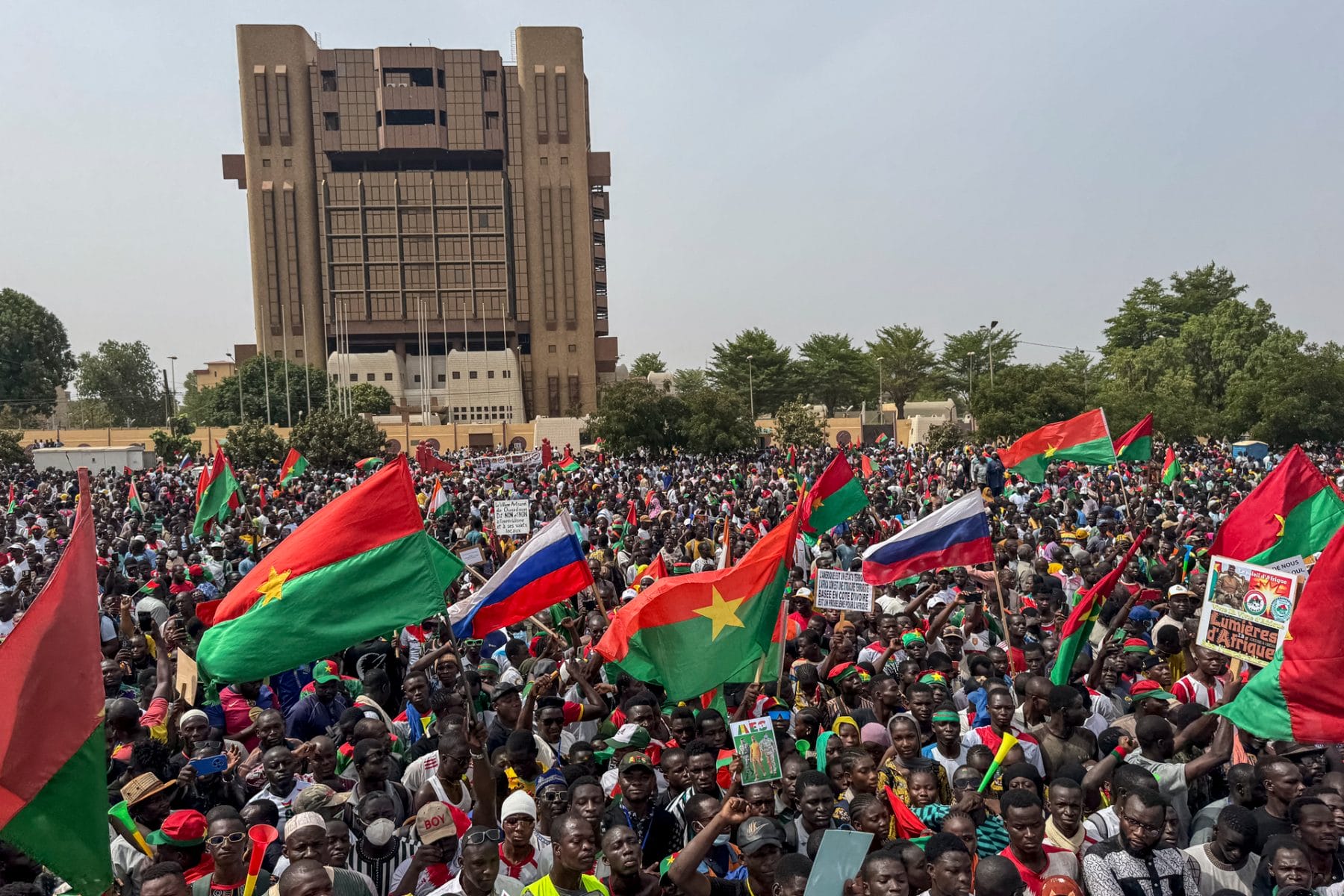
Supporters of Traoré wave Burkina Faso and Russian flags during a rally at Place de la Nation Ouagadougou on April 30, 2025. AFP via Getty Images.
Neil Postman, in Amusing Ourselves to Death, writes that “disinformation does not mean false information. It means misleading information — misplaced, irrelevant, fragmented or superficial information — information that creates the illusion of knowing something but which in fact leads one away from knowing.”
Many Traoré supporters I spoke with, most of whom were men, were convinced they knew things I did not. They told me to educate myself more on Western hypocrisy in Africa. They said they did not have faith in those who appointed themselves arbiters of what was fact and what was disinformation. In Lagos I met Lemi Ghariokwu, who designed album covers for the iconic Nigerian musician Fela Kuti, a revolutionary figure. Ghariokwu, who has a portrait of Ibrahim Traoré hanging in his studio, told me that “Western education and propaganda has made our elite class toothless bulldogs.” Listening to them, it seemed as if a successful Africa needed strongmen, needed autocrats.
In Abidjan, the last person I spoke to about Traoré was Oumar, a Burkinabè taxi driver who had moved to the Ivorian capital in 2021. He told me he “supports Traoré with all my heart.” But as we talked, he admitted he had not been back home because “things are only getting worse.” Three Burkinabè refugees I spoke to told me they thought I might be a government agent planted among them to find out what they really thought about Traoré and that I would then report those thoughts back to Ouagadougou.
Many of the Traoré supporters I spoke with thought I was brainwashed by Western media or, worse, too docile to participate in an African revolution. For my part, I thought they were ill-informed and unable or, worse, unwilling to see through propaganda.
The fundamental curse of the age of information and connection is that we rarely confront how the mediums meant to unite us have fractured us. An unprecedented flood of data has shattered shared reality into millions of customized, mutually hostile subcultures.
With the help of AI and social media, Traoré has managed to decouple national and anti-imperial pride from government performance. By the middle of next year, Burkina Faso will no longer be part of the International Criminal Court, denounced by Traoré as an “instrument of neocolonial oppression”, and thus no longer accountable in any international forum. His government has said it is “decolonizing” the school curriculum. Cheered on by social media, Traoré has used anti-imperial grievances and resentments to argue that authoritarian military rule is the only safeguard for sovereignty.
As some Burkinabè exiles told me ironically, they thought both I, so sceptical of Traoré, and the Traoré die-hards in the African diaspora could use a few months living in Burkina Faso. We should, they said, experience the country Traoré has made IRL. See past the carefully curated myth of the man himself, the largely online fantasy of the pan-African, anti-imperial revolutionary who needs to break a few eggs to make the omelet, and assess the country he runs unchallenged.

 Connexion