Vue normale

Germany blames Moscow for Leipzig drone attack, closes consulate and cultural center among sweeping diplomatic measures
1 septembre 2026 à 14:43

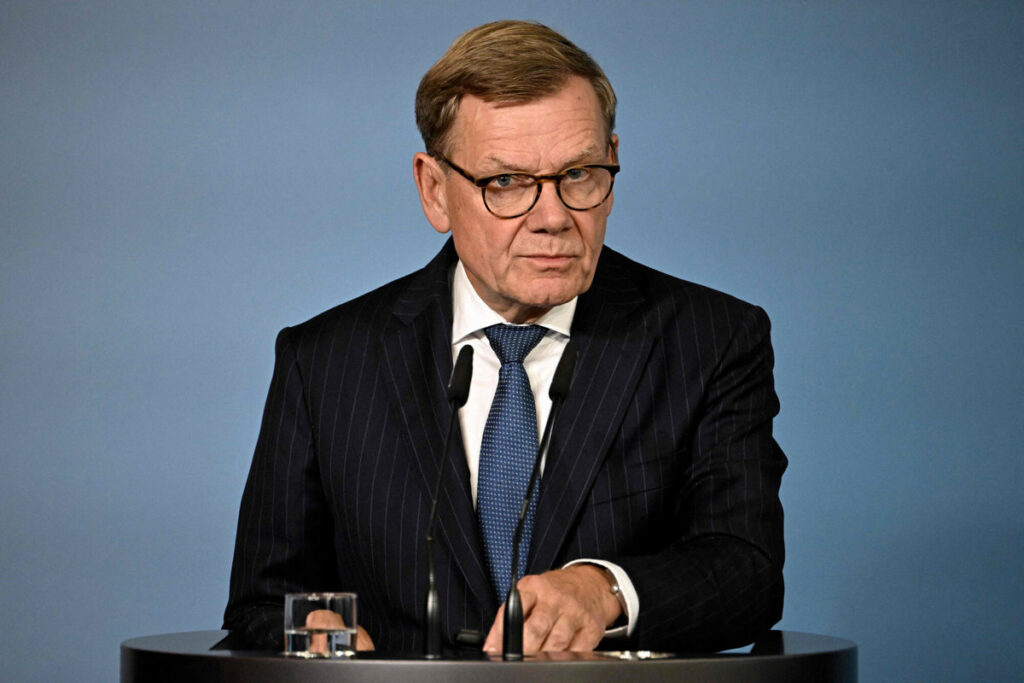
German Foreign Minister Johann Wadephul stands behind a lectern during a press conference.

An explosives-laden drone aimed at a Ukrainian cargo aircraft at Leipzig/Halle Airport was part of a Russian state operation, Interior Minister Alexander Dobrindt said on 1 September.

Germany has moved from suspecting foreign sabotage to formally blaming Russia for the Leipzig attack. The finding has prompted diplomatic and security measures against Moscow while the criminal investigation continues.

Police investigations, the attack pattern, and intelligence findings established Russian responsibility, Dobrindt said. The drones' configuration, components, explosives, and detonation systems resembled those used in other Russian hybrid operations—covert sabotage and disruption below the threshold of open war—and in Russia's war against Ukraine, Foreign Minister Johann Wadephul said.

The first drone, carrying explosives, was found near a Ukrainian cargo aircraft on the evening of 4 August and defused. Investigators believe a DHL freighter may have collided with a second drone while aborting its landing after the airport closed; that drone was never recovered. A third drone was found on 14 August in a field at Kabelsketal, where investigators subsequently discovered roughly 50 grams of suspected military explosive.

Leipzig/Halle is an international freight hub used by Ukrainian Antonov aircraft and NATO's strategic airlift program, through which allies charter heavy transport aircraft to move oversized military cargo.

Berlin will close the Bonn consulate on 18 September, end the operating agreement for the Russian House, a Moscow-backed cultural center, tighten entry controls for Russian nationals, seek to add more targets to EU sanctions lists, and pressure Russia's shadow fleet—opaquely owned tankers used to move Russian oil outside Western restrictions. Wadephul also summoned the Russian ambassador. Russia's Berlin embassy will remain open.

Russian Foreign Ministry spokesperson Maria Zakharova told Interfax that Moscow would respond to Germany's “anti-Russian action,” without specifying how.

NATO Secretary General Mark Rutte said the alliance stood in full solidarity with Germany, and European Commission President Ursula von der Leyen described Berlin's measures as a strong response.

Dobrindt said Germany expects further Russian hybrid attacks. The Leipzig incident follows a widening campaign of suspected Russian sabotage across Europe, including a 2024 incendiary-device attack at the same airport that Western security officials suspected Russian intelligence organized.

How the Leipzig attack unfolded

Euromaidan Press reported on 12 August, citing Die Zeit, that footage showed an explosives-laden quadcopter striking the wing of a parked Ukrainian Antonov An-124 before falling without detonating. The article also noted that a US Defense Department official told CNN that Washington assessed the drone belonged to Russian intelligence.

On 25 August, EP reported, citing Tagesschau’s NDR/WDR/SZ investigation, that investigators had expanded the case to three drones and found the third with suspected military explosive nearby in Kabelsketal, 10 days after the original attempt.
  • ✇Euromaidan Press
  • German politician wants to send Taurus missiles to Ukraine after Russian drone attack in Leipzig airport
    Wolfgang Kubicki, chair of Germany’s pro-business liberal Free Democratic Party (FDP), proposed that Berlin summon Russia’s ambassador and use the prospect of Taurus missiles for Ukraine as leverage against further hybrid attacks during an appearance on German broadcaster ntv. Kubicki’s proposal does not change German policy. The FDP has no seats in the Bundestag, Germany’s federal parliament, while Chancellor Friedrich Merz has ruled out supplying the missiles. However
     

German politician wants to send Taurus missiles to Ukraine after Russian drone attack in Leipzig airport

1 septembre 2026 à 14:01

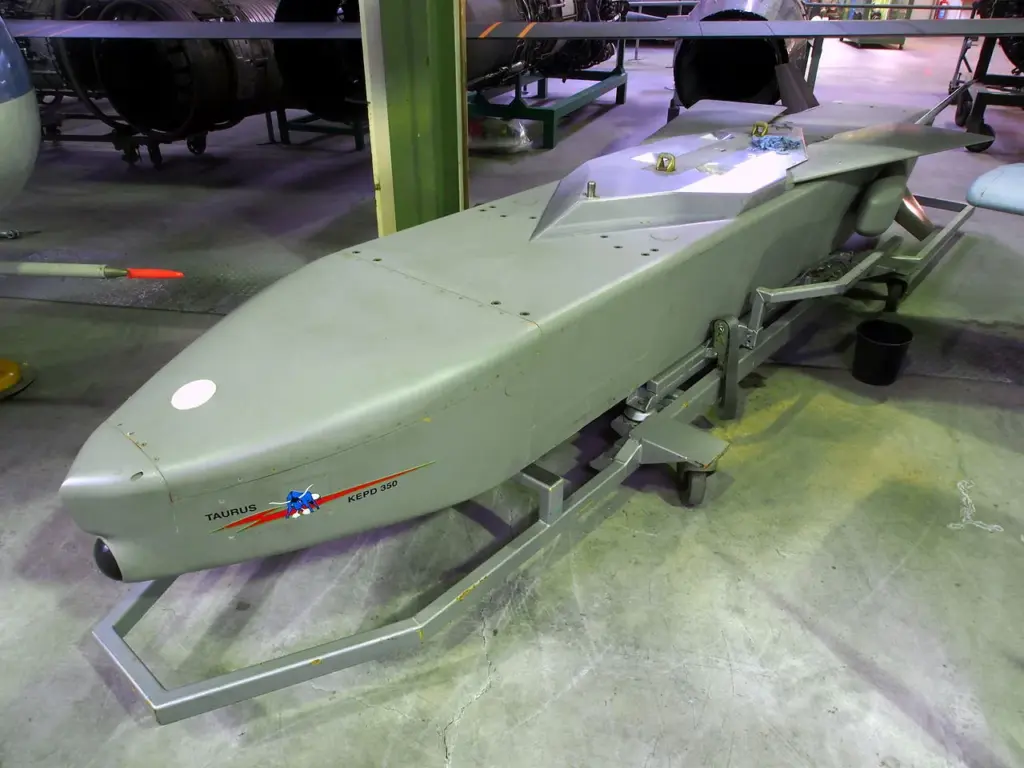
A gray Taurus KEPD 350 cruise missile displayed on a wheeled stand inside an exhibition hall.

Wolfgang Kubicki, chair of Germany’s pro-business liberal Free Democratic Party (FDP), proposed that Berlin summon Russia’s ambassador and use the prospect of Taurus missiles for Ukraine as leverage against further hybrid attacks during an appearance on German broadcaster ntv.

Kubicki’s proposal does not change German policy. The FDP has no seats in the Bundestag, Germany’s federal parliament, while Chancellor Friedrich Merz has ruled out supplying the missiles. However, it recasts military aid to Ukraine as a potential cost Moscow would face for hybrid attacks inside Germany. Berlin has since formally blamed Russia for the Leipzig/Halle operation that prompted his remarks.

Kubicki said “a reasonable person” would tell the ambassador that Germany had so far withheld Taurus missiles. If the hybrid threat continued, Berlin should do everything possible to ensure Ukraine received the weapons it needed to defend itself against Russia, he added.

Taurus, the weapon Kubicki spoke about, is a German-Swedish cruise missile launched from military aircraft, with a range exceeding 500 kilometers. Ukraine has sought it for years to strike military targets far behind Russian lines.

Germany refused to supply Taurus missiles in 2025 while funding hundreds of Ukrainian-made long-range systems. Merz again ruled out a transfer in March, arguing that Ukrainian weapons were more effective.

Leipzig sharpens Germany’s hybrid-war debate

Germany formally blamed Russia on 1 September for the attempted drone attack at Leipzig/Halle Airport and said it would close the Russian consulate in Bonn and terminate the agreement under which the Russian House cultural center operates in Berlin, DW reported. Interior Minister Alexander Dobrindt cited evidence from German and allied intelligence services, as well as investigations across Europe. Russia has denied involvement.

The operation that prompted Kubicki’s warning involved an explosives-laden drone that struck the wing of a Ukrainian Antonov An-124 heavy cargo aircraft on the evening of 4 August but failed to detonate, Die Zeit reported. The airport handles civilian freight and NATO logistics, while Ukraine’s Antonov Airlines uses it as a base.

Investigators later found evidence that three drones were involved and discovered about 50 grams of suspected military explosive near the runways.

❌