Vue normale

  • ✇Journal Le Soir
  • Marché public de Rimouski : les exposants sont nombreux
    Les récoltes sont en abondance dans les kiosques au Marché public de Rimouski. On croule sous les végétaux de toutes sortes: tomates, maïs, fleurs, bleuets, concombres, carottes. Présentez-vous ce samedi 22 août de 10h et 14h, au parc de la Gare de Rimouski, pour rencontrer tous nos exposants : Diwan pizza Pommes de terre Bérubé Les Cornus de l’Est La Sage Camomille La Cabottine – Saveurs Indigènes Florent charcuteries artisanales Érablière de la Picard Gaïa épicerie
     

Marché public de Rimouski : les exposants sont nombreux

21 août 2026 à 16:00
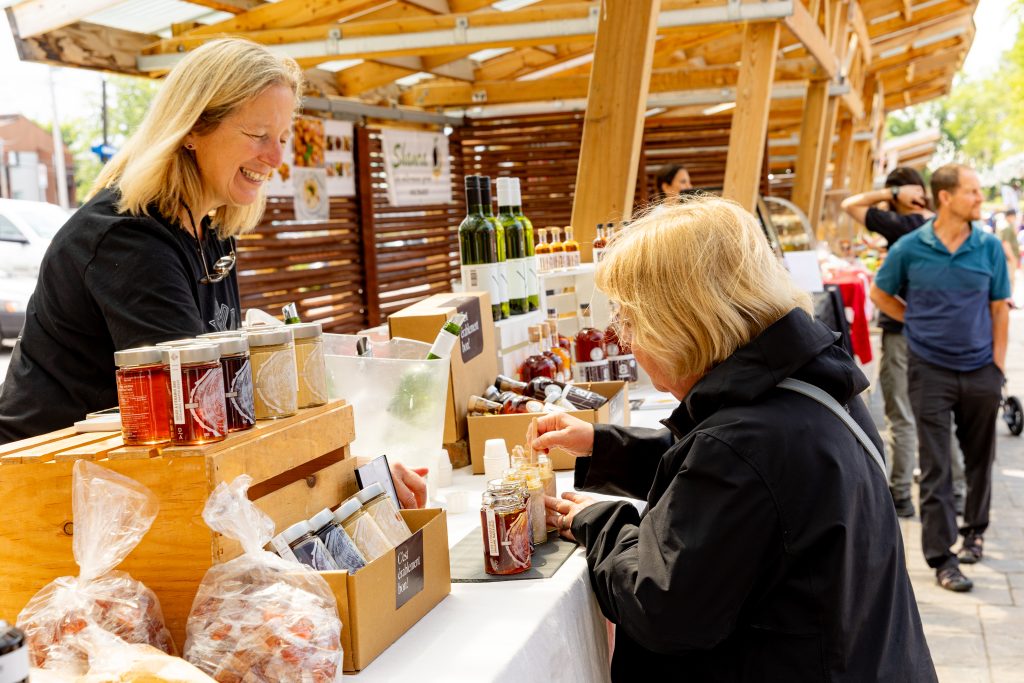
Les récoltes sont en abondance dans les kiosques au Marché public de Rimouski. On croule sous les végétaux de toutes sortes: tomates, maïs, fleurs, bleuets, concombres, carottes.

Présentez-vous ce samedi 22 août de 10h et 14h, au parc de la Gare de Rimouski, pour rencontrer tous nos exposants :

Dans le cadre du Festival interculturel de Rimouski, qui se tient du 21 au 23 août, le groupe Astral Coyote offrira une prestation

Question d’apporter son ambiance magique jusqu’à nous, le groupe Astral Coyote viendra envoûter notre marché avec leur musique de type électro-cumbia.

On se voit au marché !

  • ✇Euromaidan Press
  • Latvia resumes naming firms trading with Russia or Belarus after nearly three years
    Latvia has resumed publishing monthly lists of locally registered companies trading goods with Russia or Belarus after a nearly three-year pause, public broadcaster LSM reported on 20 August 2026. Prime Minister Andris Kulbergs has pledged to sever its remaining economic ties with Russia and Belarus, but substantial trade remains legal because EU sanctions are not a full embargo. The monthly register makes that commerce visible by identifying the companies involved.
     

Latvia resumes naming firms trading with Russia or Belarus after nearly three years

21 août 2026 à 11:28

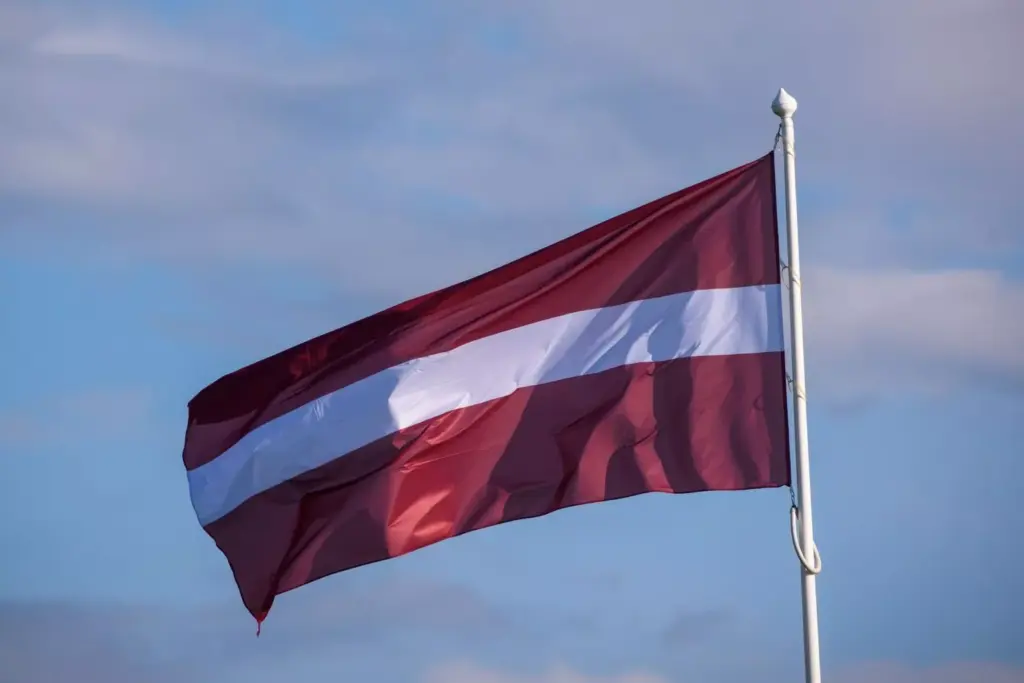
Latvian flag flying from a white flagpole against a blue, lightly clouded sky.

Latvia has resumed publishing monthly lists of locally registered companies trading goods with Russia or Belarus after a nearly three-year pause, public broadcaster LSM reported on 20 August 2026.

Prime Minister Andris Kulbergs has pledged to sever its remaining economic ties with Russia and Belarus, but substantial trade remains legal because EU sanctions are not a full embargo. The monthly register makes that commerce visible by identifying the companies involved.

The Central Statistical Bureau, Latvia's national statistics agency, published the names of 171 companies for July. A subsequent analysis by Latvian news agency LETA found that more than two-thirds operated in logistics, food and agriculture, or medicine.

The disclosure is, in effect, a form of naming and shaming. Yet the statistics bureau stopped publishing a similar list in autumn 2023 because names without transaction details could not support objective conclusions. The register is not a sanctions blacklist, and inclusion does not indicate a sanctions violation.

Under an amendment adopted on 18 June 2026, Latvia’s tax authority must send the data to the statistics bureau each month. The change also lifted tax-confidentiality rules that had kept company names private, LSM reported.

The explanatory note accompanying the law said disclosure was intended to support Ukraine. The amendment's authors argued that Latvian companies should not contribute to Russian and Belarusian state revenues while Russia’s invasion continues, according to LSM.

Latvia seeks to cut its remaining trade

The Prime Minister said in June that Latvia must sever its remaining economic ties with Russia and Belarus. However, he indicated that pharmaceutical exporters would likely be exempted on national-security grounds.

Latvia’s exports to Russia and Belarus each fell only about 7% in 2025, while imports from Russia plunged by more than two-thirds, according to official data cited by Euromaidan Press.

EU sanctions do not prohibit all trade

The EU renewed its economic sanctions on Russia through July 2027, preserving restrictions on trade, finance, and energy, as well as on goods and technology with both civilian and military uses, Euromaidan Press reported in June.

The Council of the EU says its trade restrictions exclude health, pharmaceutical, food, and agricultural products to avoid harming Russian civilians. Those exclusions allow EU companies to continue lawful trade with Russia even while other parts of its economy remain under sanctions over the invasion of Ukraine.

❌