Le plan secret de Poutine pour gagner l'élection présidentielle française
— Permalien


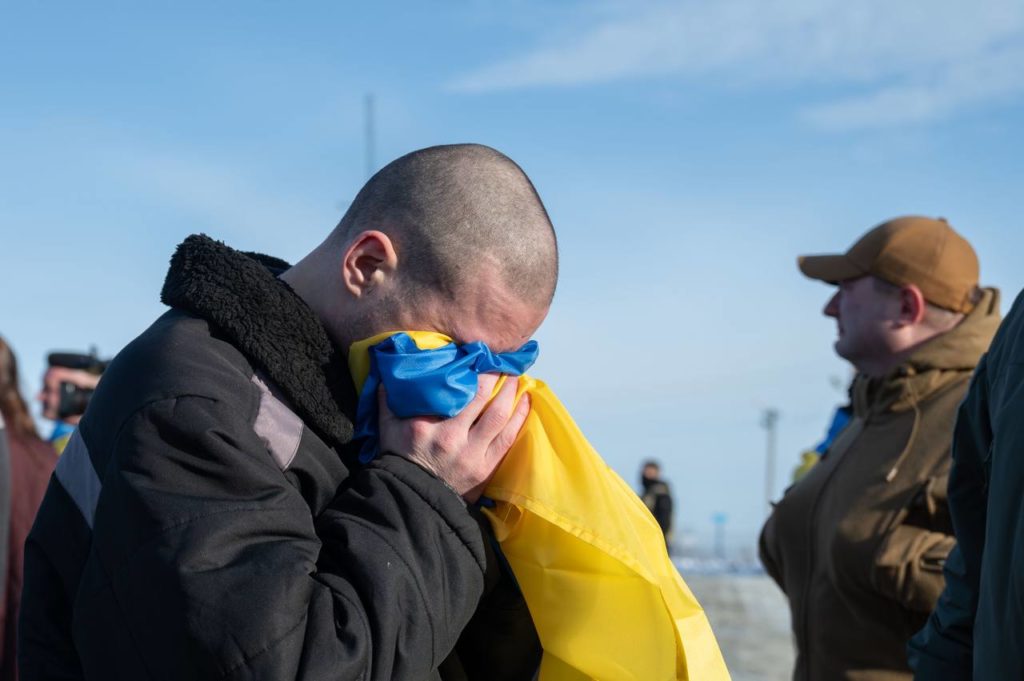
Russia is forcing Ukrainian prisoners into its own army and starving others while "fattening" a few for show, Andrii Pasternak of the SBU's Joint Center for coordinating the search and release of prisoners says. Ukrainian intelligence also has information about Moscow creating battalions from Ukrainian prisoners of war (POWs), UkrInform reports.
As of May 2026, approximately 7,000 Ukrainian service members were held in Russian captivity, while the number of civilian detainees is estimated at between 10,000 and 20,000, according to Vice Speaker of the Ukrainian Parliament Olena Kondratiuk.
Pasternak described the POW battalions as confirmed and monitored.
"We know about such battalions. Together with our colleagues from foreign intelligence and military intelligence, we track and record this. Such facts exist," he stated.
Forcing prisoners of war to serve in the captor's forces is itself a war crime. The Geneva Conventions prohibit compelling a POW to fight against their own country, and turning captured Ukrainian soldiers into Russian units, if confirmed at scale, would be a grave violation on top of the coercion required to make men fight the country they were defending.
The coordinator also pointed to a practice of staging appearances before exchanges. Knowing whom it will hand over, Russia brings those prisoners, including civilians, into "normal form" through a process he called "fattening," drawing on testimony from released Ukrainian defenders and returned civilians.
The starvation behind it is deliberate and selective. Pasternak characterized it as an element of torture: some prisoners are deliberately not fed, while others are fed up so they look more or less normal for the swap. Ukraine's negotiators note at every meeting that the two sides' prisoners differ starkly, he added. The returning Ukrainians are almost all very thin, with only a few in decent condition, while the Russian POWs Ukraine hands back are genuinely well-fed.


Russian forces have executed at least 345 Ukrainian soldiers who surrendered since the start of the full-scale war, Ukrainian Ombudsperson Dmytro Lubinets said at a press conference at Ukrinform.
The figure is the latest point on a documented and rising curve of a systematic war crime. Ukraine's prosecutors and international monitors have tracked these killings from 268 confirmed by July 2025 to over 330 by March 2026. Financial Times investigation found the executions appear to be systematic military policy directed from Russian command, with intercepted orders to "shoot prisoners on the spot."
Lubinets described people killed after they had given up.
"It means that they laid down their weapons, came out with raised hands, lay on the ground, and showed they were no longer fighting," he said, and Russian soldiers examined them and confirmed they were unarmed.
Then the soldiers killed them.
"We have recorded cases where they fully demand that the clothes be removed. And after that, they force them to lie on the ground the same way, and shoot the Ukrainian soldiers at point-blank range," Lubinets added.
Lubinets stressed the legal character of the act. The killing of soldiers who have surrendered is a distinct war crime, he said.
The prohibition is absolute. Under the Geneva Conventions, a soldier who lays down arms and surrenders is protected, and killing a prisoner of war is a grave breach of international law. Common Article 3 of the Third Geneva Convention prohibits "violence to life and person, in particular murder of all kinds" against those who have laid down their arms, with no battlefield circumstance that permits it, per the ICRC.
Ukraine documents each case for eventual prosecution, but most perpetrators are in Russia, beyond reach, and Russian courts and media have glorified the killings rather than punished them.


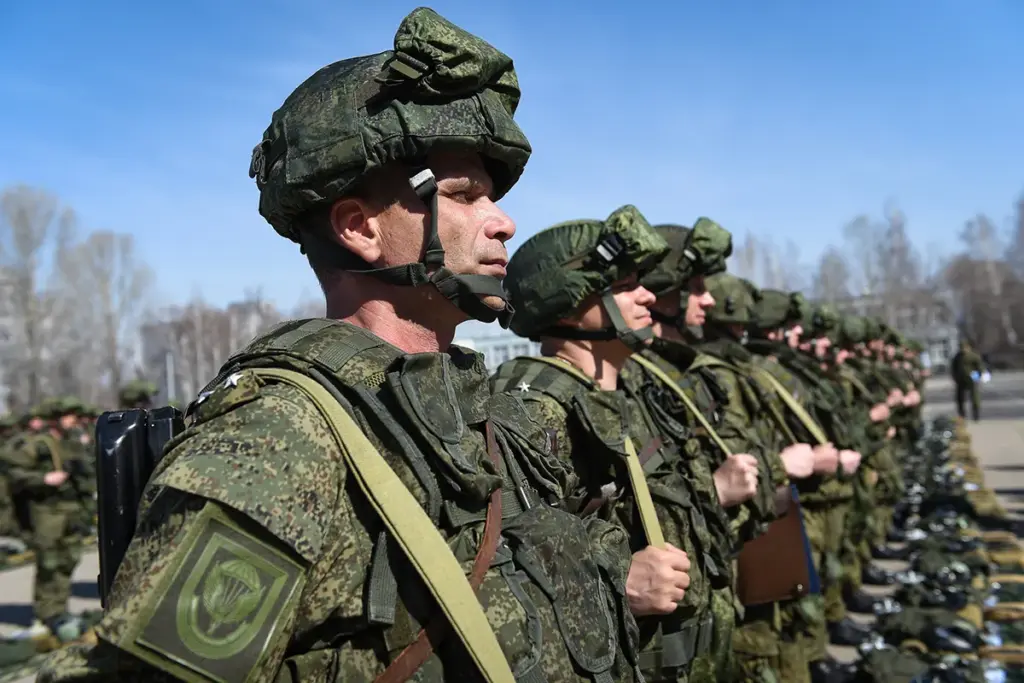
In an 11 August 2026 address, Ukrainian President Volodymyr Zelenskyy stated Russia is preparing a new mass mobilization drive after its parliamentary elections this fall, citing an assessment by Ukrainian military intelligence.
Moscow plans to mobilize several hundred thousand people by the end of 2026 and roughly the same number by the end of 2027, he said. The mobilization would come on top of continuing contract recruitment.
Moscow has relied on contract soldiers and foreign troops to avoid the political cost of another compulsory draft. But Russia has struggled to recruit soldiers as quickly as it loses them. A mass call-up could replace losses and maintain offensive operations, although Ukrainian officials say it may initially do little more than offset battlefield losses.
Zelenskyy said internal Russian documents support the intelligence assessment. The documents have not been published.
According to Zelenskyy, Putin plans to wait until after Russia’s parliamentary elections, then use the result to claim the Russians support continuing the war. He described the vote as an “imitation,” claiming every party allowed to compete opposes peace. Russia’s Supreme Court barred Yabloko, the country’s only officially registered party opposing the war, from contesting the election, Reuters reported.
The Kremlin has largely avoided another compulsory call-up since its September 2022 mobilization triggered mass protests and an exodus of Russians. Instead, Moscow has used financial incentives and recruited prisoners and foreigners to replenish its forces in Ukraine.
In March 2026, then-Commander-in-Chief Oleksandr Syrskyi said Russia aimed to recruit 409,000 troops during 2026 and form at least 11 divisions. Ukrainian intelligence then warned in July that Moscow could mobilize 500,000 people that fall.
Russia has struggled to meet those targets while covering battlefield losses. Ukraine said Moscow had failed to replace its losses for five consecutive months by April. By mid-July, Russia had signed 195,000 military contracts against a target of 204,500, while Ukraine’s Foreign Intelligence Service estimated its 2026 personnel losses at 196,700.
In his 11 August 2026 address, Zelenskyy claimed Russia is losing at least 30,000 personnel monthly, 60% of them killed, and that its force in Ukraine is gradually shrinking. The figures could not be independently verified.
Zelenskyy also said Putin expects the recruits and North Korean troops to prolong the war and expand Russian offensive capacity. The president stated that he had ordered Ukraine’s intelligence agencies and special services to make Moscow’s plans harder to carry out, but gave no details.


Ukraine's first-person-view (FPV) drones are not being displaced by newer unmanned systems, a Ukrainian officer told Ukrinform. They remain a central tool for precision strikes, while Ukrainian forces claim a separate advantage in larger bomber drones.
Unmanned systems have become a defining weapon of Russia's war against Ukraine, and both sides race to out-innovate each other, a contest in which a cheap UAV can down a platform costing dozens of times more.
"Since FPVs appeared in service, they have become a leading means of precision engagement. This trend will continue," said Captain Anton Bobrovskyi, who commands a company training unmanned-systems specialists at the 199th Training Center of the Air Assault Forces.
Bobrovskyi conceded that Russia also uses drones effectively and that Ukraine learns from it, but said Ukraine keeps a lead in one category: bomber drones.
Russian forces fear Ukrainian bomber drones, according to Bobrovskyi. He said Ukraine outmatches Russia many times over in such systems, and that Russian troops who encounter one often do not know what to do with it.
The distinction matters because bomber drones work differently from single-use FPVs. Rather than flying into a target and exploding, larger bomber drones carry and release munitions, then fly on. Euromaidan Press has documented the growing role of these systems, including reusable platforms capable of returning to base after dropping their payloads. Developers have also adapted them to fly through Russian electronic warfare, with upgraded Vampire drones built to resist jamming.
Bobrovskyi said Ukraine's advantage does not mean Russia lacks comparable technology. Instead, he argued that Ukrainian forces and society initiated many of the current battlefield drone trends and have kept the initiative in using them.
Each new drone class draws a countermeasure, so the side that keeps iterating fastest holds the battlefield initiative. How long Ukraine's bomber-drone edge lasts will depend on its ability to keep protecting and upgrading those platforms.