Ukrainian drones struck the Saratovorgsintez oil refinery in Russia's Saratov Oblast, causing damage to the facility, Ukraine's General Staff reported on July 1. "An important facility has been hit," the General Staff said via its official Telegram channel. The Saratovorgsintez refinery and chemical plant, owned by Russian energy giant Lukoil, is located nearly 1,500 kilometers (930 miles) from Ukraine's border in the city of Saratov. The city hosts multiple strategic military and industrial sit
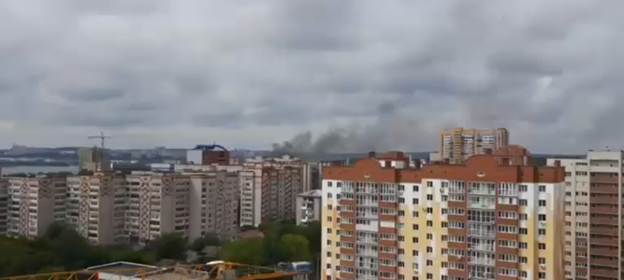
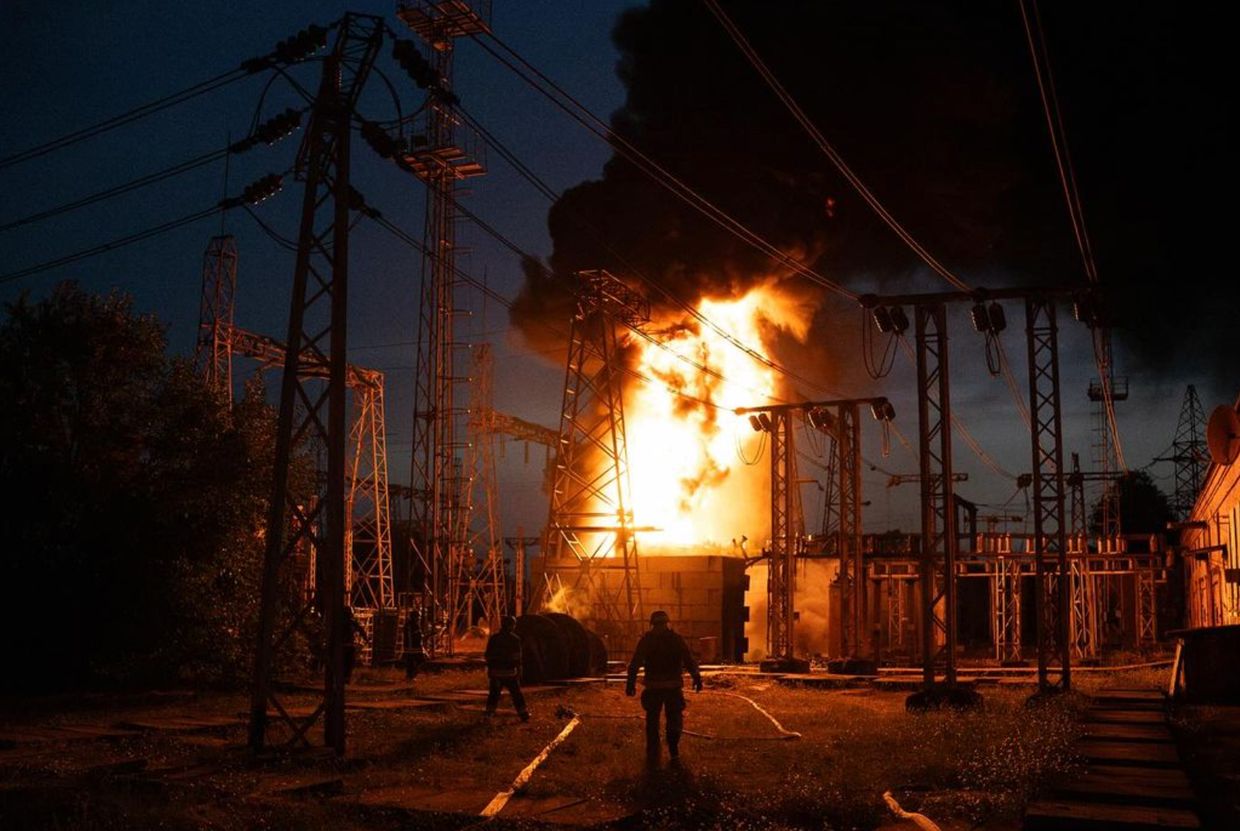
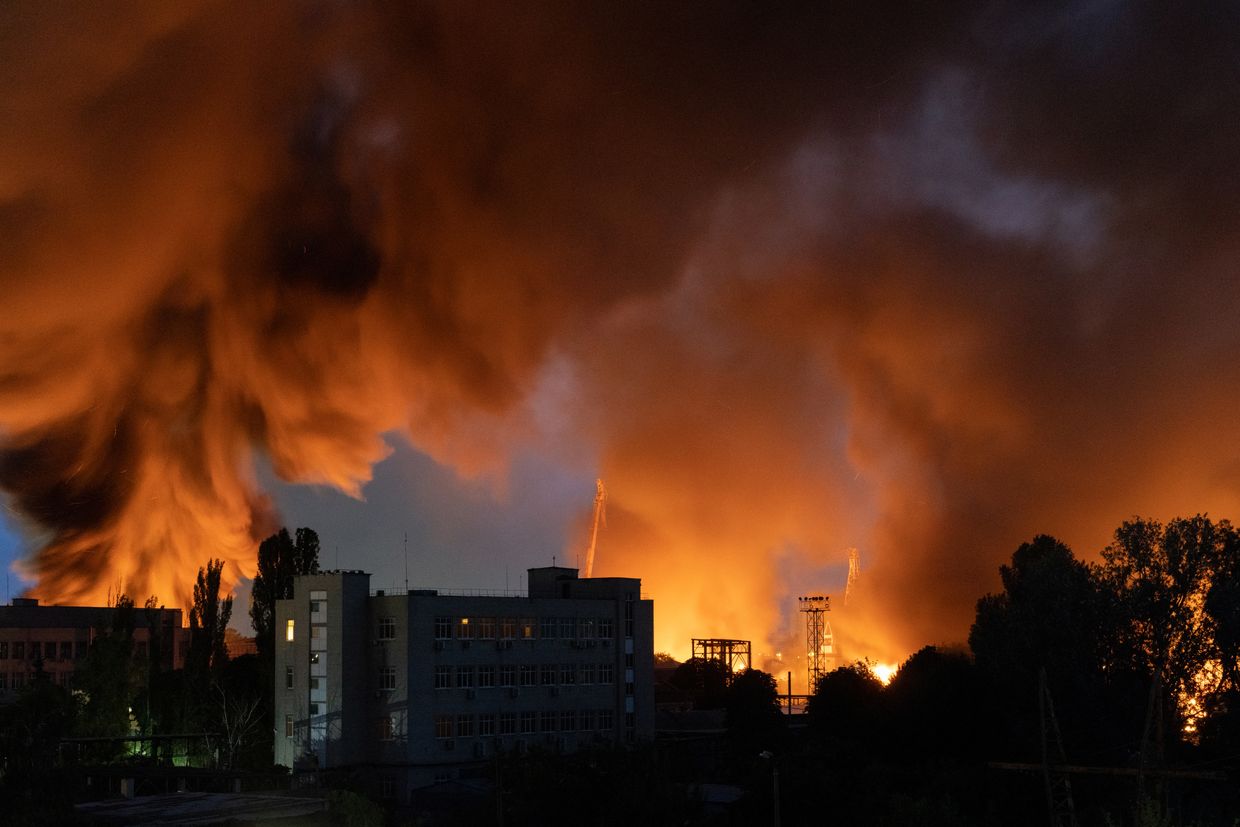
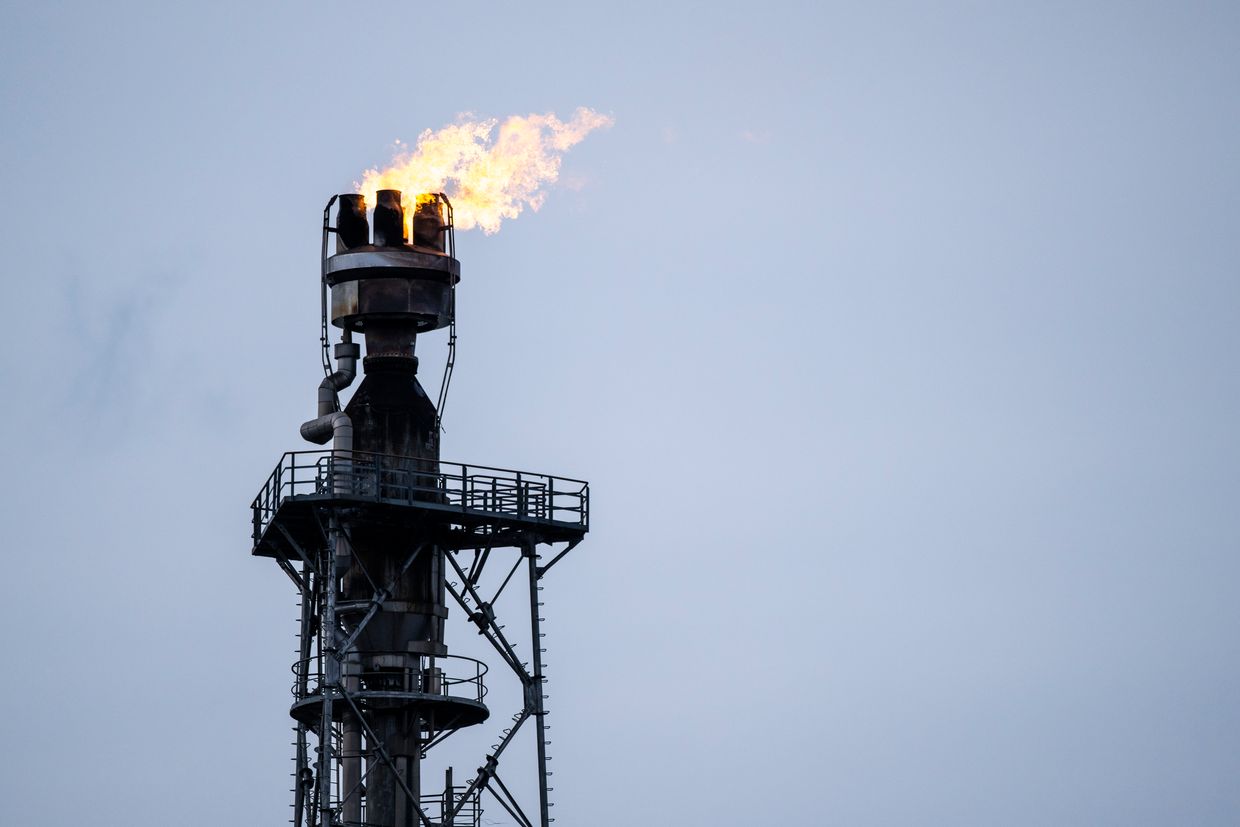
Ukrainian drones struck the Saratovorgsintez oil refinery in Russia's Saratov Oblast, causing damage to the facility, Ukraine's General Staff reported on July 1.
"An important facility has been hit," the General Staff said via its official Telegram channel.
The Saratovorgsintez refinery and chemical plant, owned by Russian energy giant Lukoil, is located nearly 1,500 kilometers (930 miles) from Ukraine's border in the city of Saratov. The city hosts multiple strategic military and industrial sites.
The refinery was targeted to "reduce the enemy's offensive capabilities," the General Staff wrote.
"The occupiers use the capacity of this refinery to supply fuel and lubricants to Russian military units involved in the armed aggression against Ukraine."
The attack was a joint operation carried out by Ukraine's military intelligence agency (HUR) and other military units, the General Staff said. A fire broke out at the site of the attack and damage to the refinery's technological installations has been confirmed. The full consequences of the strike are still being investigated.
The Kyiv Independent could not verify these claims.
The report is the latest in a series of announcements on July 1 about successful Ukrainian strikes on Russian targets. Earlier in the day, HUR released footage of Ukraine's UJ-26 drones, commonly known as Bober (Beavers), targeting high-value Russian air defenses and a fighter jet in occupied Crimea.
A source in the Security Service of Ukraine (SBU) told the Kyiv Independent that Ukrainian drones struck a major Russian military plant in the city of Izhevsk, over 1,300 kilometers (800 miles) from the front lines.
Ukraine also hit a Russian command post in occupied Donetsk Oblast, according to the General Staff.
A Russian missile attack killed the commander of the 110th Separate Mechanized Brigade, Serhii Zakharevych, and injured 30 people in Huliaipole in Dnipropetrovsk Oblast on July 1, President Volodymyr Zelensky said in his evening address.The Russian army struck the Kamianske district, where the village of Huliaipole is located, in the morning on July 1, Governor Serhii Lysak reported.Huliaipole, with a pre-war population of around 1,200, lies in the western part of Dnipropetrovsk Oblast, roughly
A Russian missile attack killed the commander of the 110th Separate Mechanized Brigade, Serhii Zakharevych, and injured 30 people in Huliaipole in Dnipropetrovsk Oblast on July 1, President Volodymyr Zelensky said in his evening address.
The Russian army struck the Kamianske district, where the village of Huliaipole is located, in the morning on July 1, Governor Serhii Lysak reported.
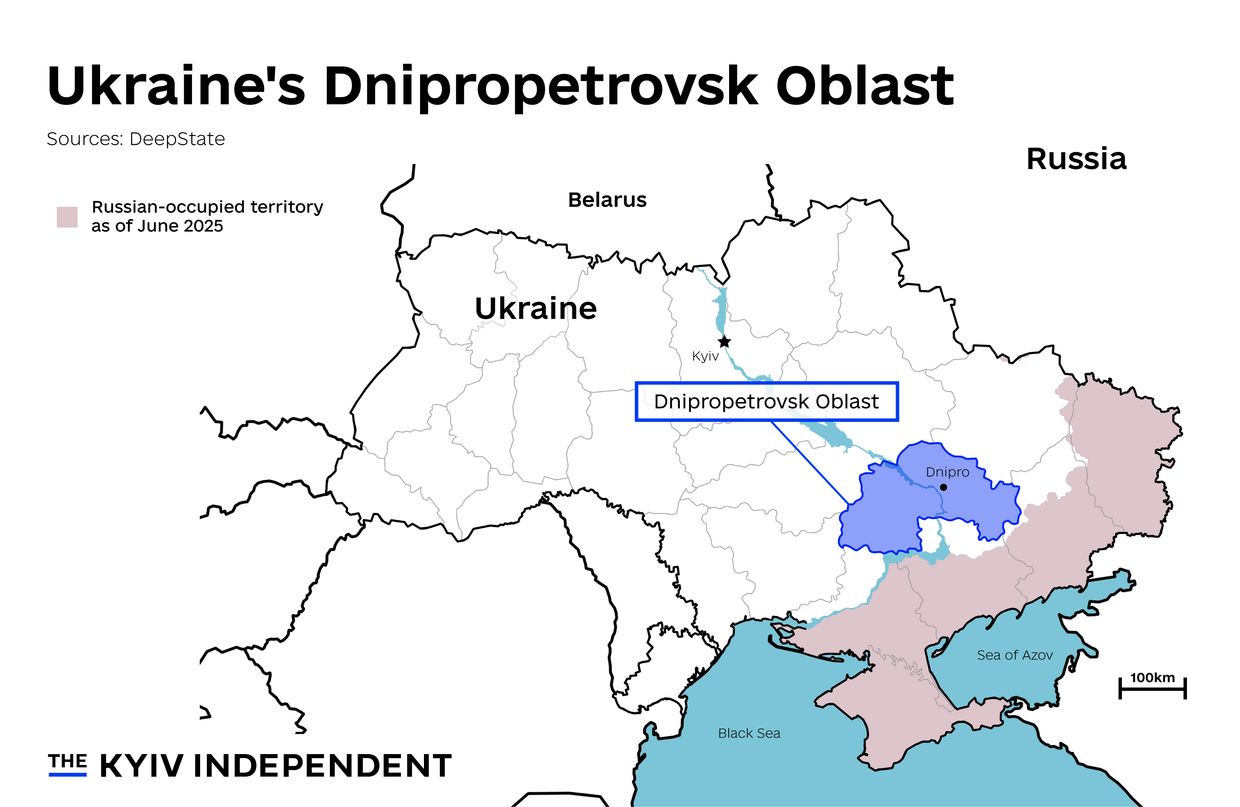
Huliaipole, with a pre-war population of around 1,200, lies in the western part of Dnipropetrovsk Oblast, roughly 70 kilometers (40 miles) from the front line.
Ukraine's Dnipropetrovsk Oblast (Nizar al-Rifai/The Kyiv Independent)
"We will definitely respond to the Russians for this attack," Zelensky said, adding that the investigation into the Russian attack is currently underway and he is waiting for a report from the military command.
Zakharevych graduated from the Odesa Institute of the Ground Forces. After graduation, he led a platoon in a reconnaissance company of the 30th Separate Mechanized Brigade and the 1st Tank Brigade.
In February 2025, he was appointed commander of the 110th Separate Mechanized Brigade. Prior to that, he served as deputy commander of the 33rd Mechanized Brigade.
Zakharevych was involved in preparing three qualification courses for the Ukrainian Special Forces and headed the 47th Special Forces detachment. He participated in multiple combat missions at the front.
"Our army has lost another representative of a new generation of Ukrainian officers who grew up in combat and became models of courage and proactive military leadership," the General Staff's statement read.
Ukraine struck a command post of the 8th Combined Arms Army of the Russian Armed Forces in the Russian-occupied part of Donetsk Oblast, Ukraine's General Staff reported on July 1, a day after the attack.On the evening of June 30, explosions were heard in the Russian-occupied Donetsk, the Russian Telegram channel Shot reported. According to residents, several fires were spotted in different parts of the city.The attack has significantly hampered Russia's ability to plan and conduct operations in
Ukraine struck a command post of the 8th Combined Arms Army of the Russian Armed Forces in the Russian-occupied part of Donetsk Oblast, Ukraine's General Staff reported on July 1, a day after the attack.
On the evening of June 30, explosions were heard in the Russian-occupied Donetsk, the Russian Telegram channel Shot reported. According to residents, several fires were spotted in different parts of the city.
The attack has significantly hampered Russia's ability to plan and conduct operations in the Pokrovsk and Toretsk areas of the front line, the General Staff's statement read.
Russian losses are still being determined.
Ukraine's military regularly strikes military targets in Russian-occupied territories and deep within Russia in an attempt to diminish Moscow's fighting power as it continues its war against Ukraine.
Russia has for months focused its offensive efforts on the embattled town of Pokrovsk in Donetsk Oblast and has recently been escalating attempts to break through to neighboring Dnipropetrovsk Oblast, a region that has not yet seen combat.
Ukraine denied reports that Russian forces breached the regional border in May and June.
Editor's note: The story was updated as the President's Office confirmed that following the call with Vladimir Putin, Emmanuel Macron also called Volodymyr Zelensky.French President Emmanuel Macron and his Russian counterpart Vladimir Putin held a call on July 1 for the first time since 2022, discussing Russia's war against Ukraine and the conflict in the Middle East, the Kremlin's press service reported.The conversation between the two leaders took place as the Russian army continues to advance
Editor's note: The story was updated as the President's Office confirmed that following the call with Vladimir Putin, Emmanuel Macron also called Volodymyr Zelensky.
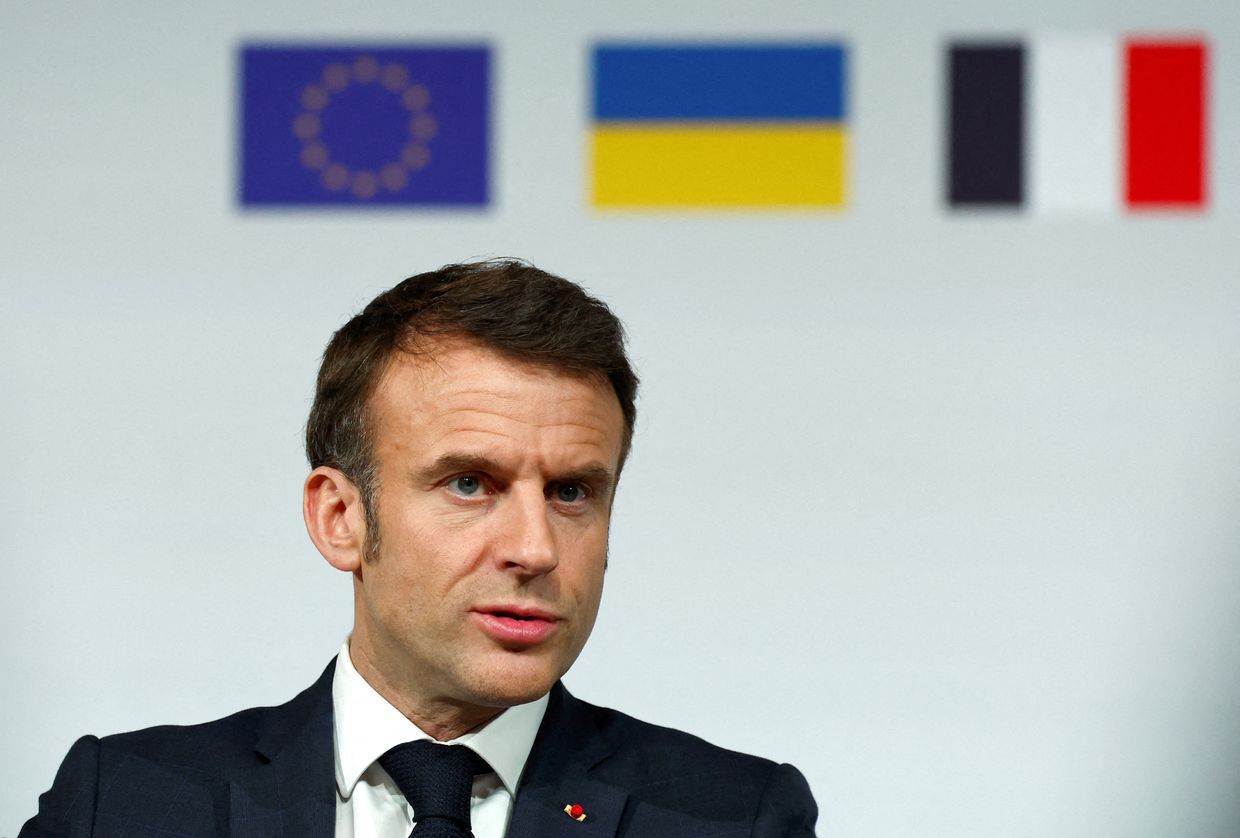
French President Emmanuel Macron and his Russian counterpart Vladimir Putin held a call on July 1 for the first time since 2022, discussing Russia's war against Ukraine and the conflict in the Middle East, the Kremlin's press service reported.
The conversation between the two leaders took place as the Russian army continues to advance along the front line, trying to gain a foothold in Sumy Oblast and enter Dnipropetrovsk Oblast.
Moscow has repeatedly rejected the U.S.-backed ceasefire proposal, stalling peace talks with Ukraine.
Following the call with Putin, Macron also called Zelensky to discuss his conversation with the Russian president, a source in the President's Office told the Kyiv Independent.
The call between Zelensky and Macron was "constructive," the source added. Putin's position remained unchanged: he does not show any willingness to end the war in Ukraine, according to the source.
The call between Putin and Macron lasted over two hours, BFM TV reported, citing the Elysee Palace.
During the conversation with Macron, Putin called Russian war "a direct consequence of the policy of Western powers" that "ignored Russia's security interests, created an anti-Russian bridgehead in Ukraine," the Kremlin said.
Macron, in turn, noted France's unwavering support for Ukraine's sovereignty and territorial integrity, Suspilne reported, citing the Elysee Palace.
The French president also called for "a ceasefire to be established as soon as possible and for negotiations to begin."
The leaders will continue to discuss Russia's war in Ukraine, according to the Elysee Palace.
The presidents also discussed the situation in the Middle East regarding the Iranian-Israeli conflict and the U.S. strikes on Iranian nuclear facilities.
Macron frequently called Putin in the first year of Russia's full-scale invasion of Ukraine. Their previous call took place in September 2022.
Ukraine boosted electricity exports by 150% in June 2025 compared to the previous month, reaching over 237,000 megawatt-hours (MWh), according to consulting firm ExPro Electricity.Current export volumes have returned to autumn 2022 levels, before Russia launched systematic attacks against Ukraine's energy infrastructure that caused massive blackouts across the country.This marks Ukraine's return to exporting more electricity than it imports for the first time since October 2023, ExPro analysis r
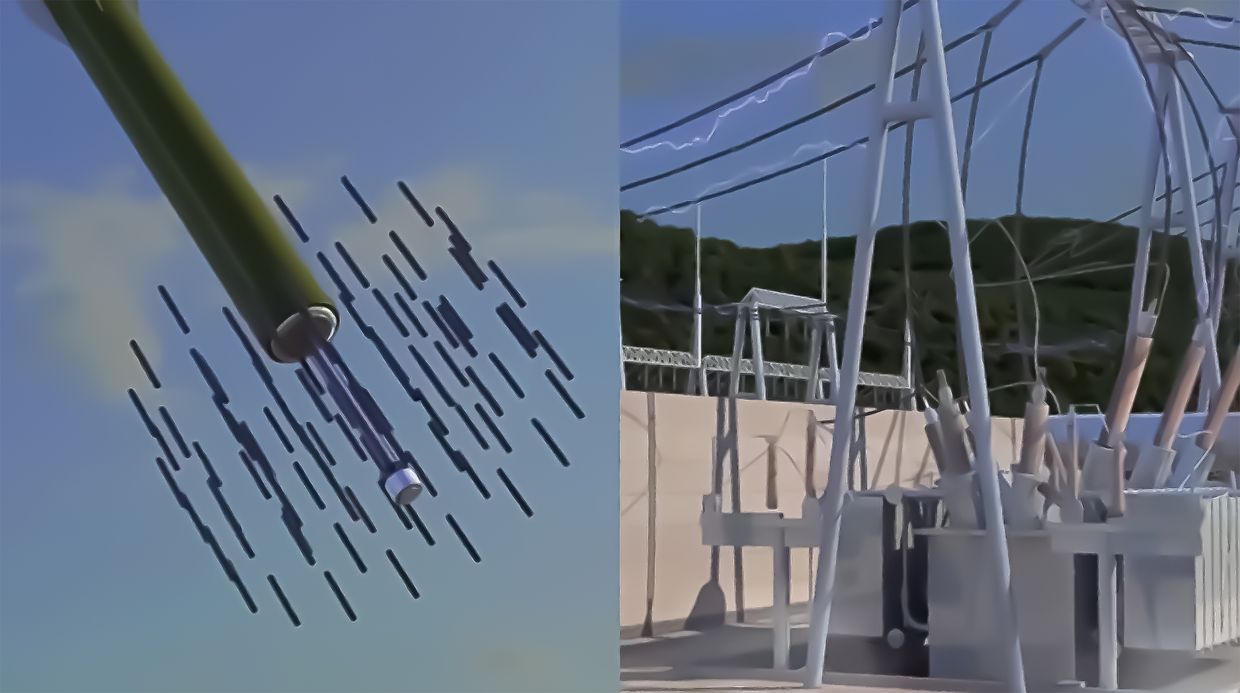
Ukraine boosted electricity exports by 150% in June 2025 compared to the previous month, reaching over 237,000 megawatt-hours (MWh), according to consulting firm ExPro Electricity.
This marks Ukraine's return to exporting more electricity than it imports for the first time since October 2023, ExPro analysis reports.
Electricity cannot be stored in large volumes for long periods, so it can be exported during certain hours when there is surplus in Ukraine’s energy system, and imported during deficit hours.
Hungary imported the majority of Ukrainian exports, with shipments jumping from 34,000 to 122,000 MWh in a single month.
The recovery represents a dramatic turnaround from June 2024, when Ukraine had no exports at all and imported 858,000 MWh, four times more than in June 2025.
Russia continues to target Ukraine's energy infrastructure, with the latest strike hitting a critical energy facility in Kherson Oblast on June 27 that caused widespread blackouts across multiple communities.
Governor Oleksandr Prokudin warned residents to prepare for prolonged outages as power engineers work to restore electricity, saying "Russia decided to plunge Kherson Oblast into darkness."
In February 2025, Emergency energy power shutdowns were introduced in eight Ukrainian oblasts due to Russian attacks on the country's energy system.
The Russian army attacked an evacuation vehicle carrying three wounded civilians, which resulted in the death of one of them, Ukraine's National Police reported on July 1.Russia has for months focused its offensive efforts on the embattled town of Pokrovsk in Donetsk Oblast and has recently been escalating attempts to break through to neighboring Dnipropetrovsk Oblast, a region that has not yet seen combat.According to the police, Russian forces attacked the evacuation vehicles provided by chapl
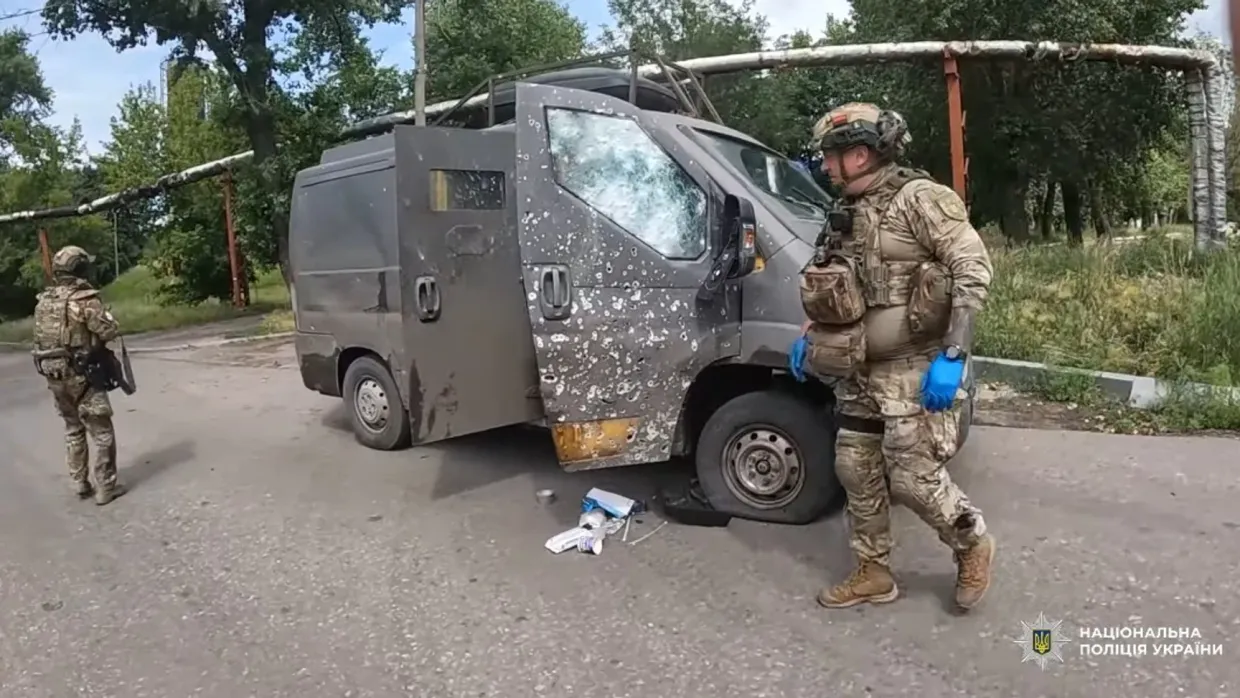
The Russian army attacked an evacuation vehicle carrying three wounded civilians, which resulted in the death of one of them, Ukraine's National Police reported on July 1.
Russia has for months focused its offensive efforts on the embattled town of Pokrovsk in Donetsk Oblast and has recently been escalating attempts to break through to neighboring Dnipropetrovsk Oblast, a region that has not yet seen combat.
According to the police, Russian forces attacked the evacuation vehicles provided by chaplains three times: at the entrance to the city, in the city center, and during the evacuation of civilians from Pokrovsk. The police called Russia's actions "targeted hunting."
The police picked up one injured person in the city, and the other two — on the way to the hospital. In the meantime, the Russian army hit the car with a Molniya drone. As a result of the attack, one of the police officers was injured.
As the evacuation vehicle came under fire, one of the injured could not be brought to the hospital in time and died of blood loss.
"We called for reinforcements and sent the injured civilian with them, hoping for a miracle. But it did not happen, Russia took another life," Hennadii Yudin, head of the "White Angel" police unit, said.
Another injured man, who was evacuated with a shrapnel wound, is undergoing treatment, the police said.
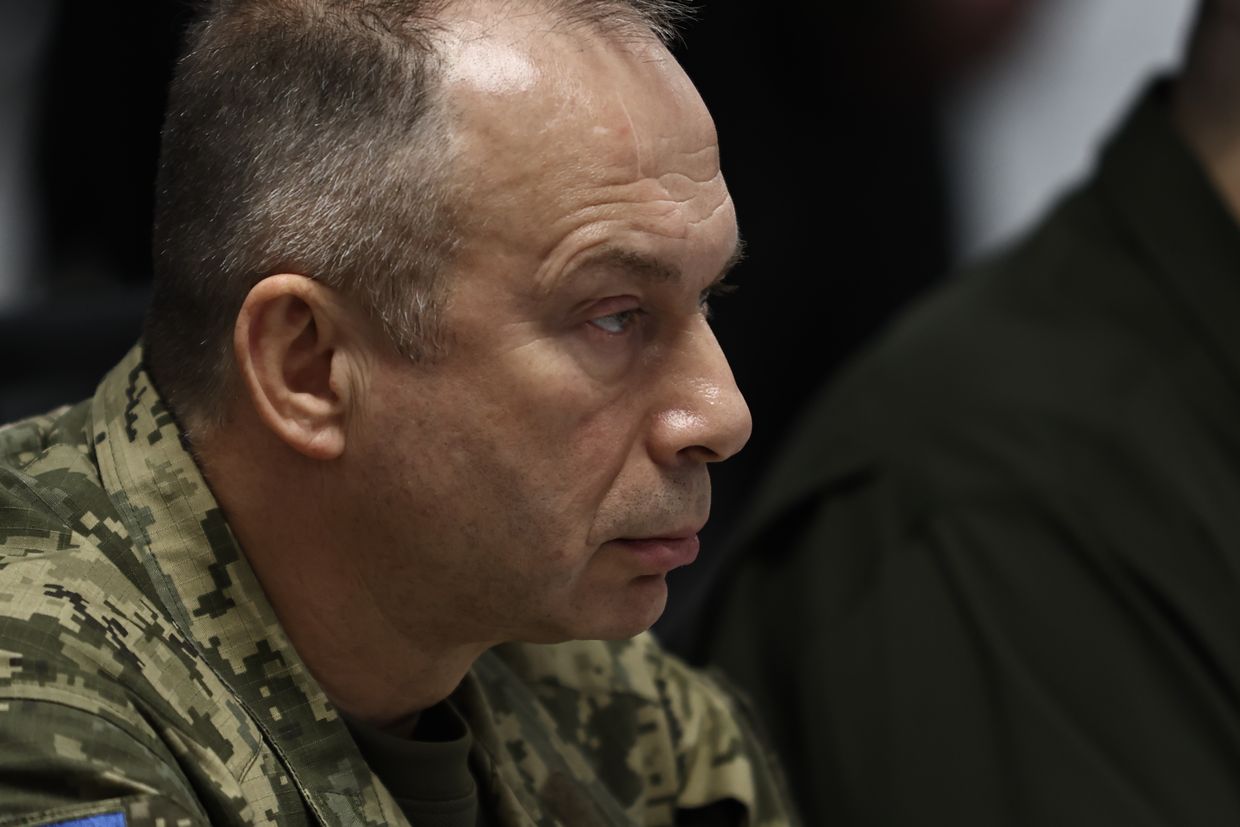
Commander-in-Chief Oleksandr Syrskyi reported on June 27 that Russia has amassed "about 111,000 personnel" in the Pokrovsk sector, but Ukrainian forces are holding the line.
Russia's so-called "peace memorandum" demands that Ukraine recognize Russia's annexation of Crimea, as well as Kherson, Donetsk, Zaporizhzhia, and Luhansk oblasts — none of which are fully under Moscow's control.
Editor's note: The story was updated with information about the death of one of the pilots who was operating the plane.A Russian Air Force Su-34 fighter jet crashed during a training exercise in Nizhny Novgorod Oblast, Russian state media Ria Novosti reported on July 1, citing Russia's Defense Ministry.One of the pilots died due to sustained injuries, Russian media outlet Mash reported later in the day. After ejecting, he landed on a tree. Medics could not save him, according to Mash.One of the
Editor's note: The story was updated with information about the death of one of the pilots who was operating the plane.
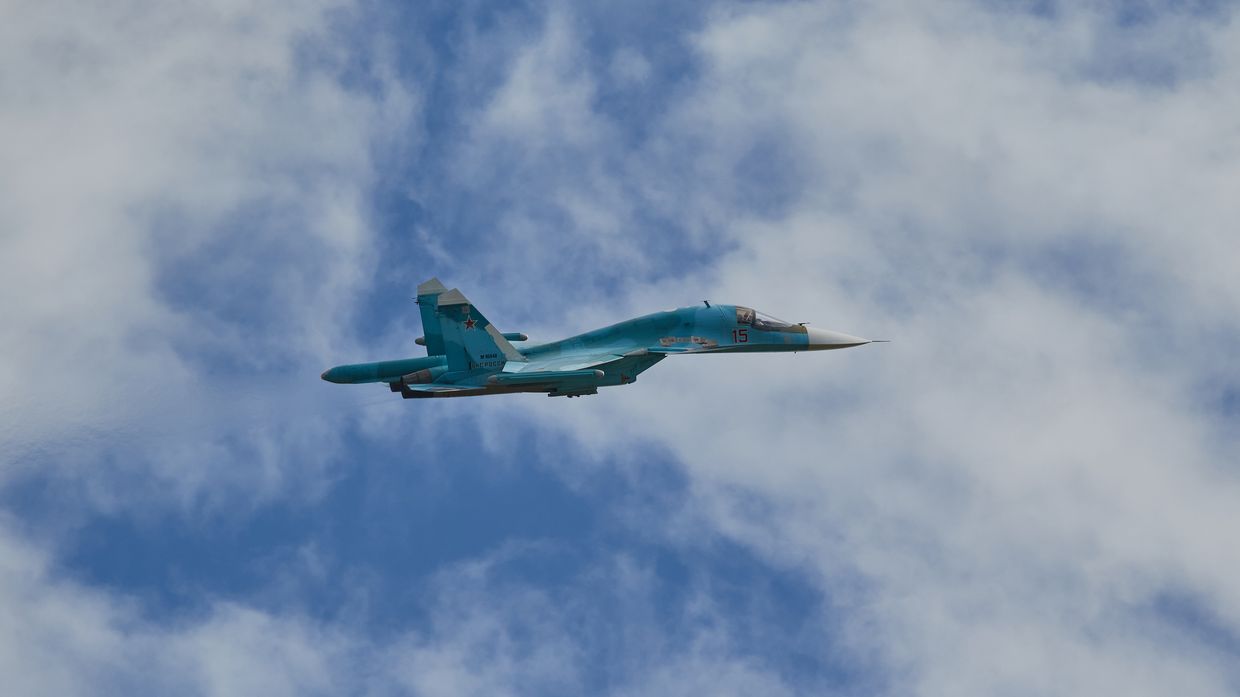
A Russian Air Force Su-34 fighter jet crashed during a training exercise in Nizhny Novgorod Oblast, Russian state media Ria Novosti reported on July 1, citing Russia's Defense Ministry.
One of the pilots died due to sustained injuries, Russian media outlet Mash reported later in the day. After ejecting, he landed on a tree. Medics could not save him, according to Mash.
One of the landing gear struts was not released during landing. The crew made several attempts to fix the malfunction in flight, but it did not help.
The crew successfully ejected from the plane, and there were no casualties, according to the ministry.
The Russian Su-34 is a Soviet-era medium-range fighter-bomber.
Plane and helicopter crashes have become more commonplace in Russia since the beginning of the full-scale invasion of Ukraine and the subsequent imposition of Western sanctions.
According to the U.K. intelligence, Russia has lost over 30 Su-34 aircraft since the start of the full-scale invasion in 2022.
Moscow does not comment on its losses it faces inn its war against Ukraine.
President Volodymyr Zelensky said on July 1 that he had signed the ratification documents establishing the Special Tribunal for the Crime of Aggression against Ukraine, marking a major step toward prosecuting Russia's leadership.Ukraine and the Council of Europe signed the agreement establishing the Special Tribunal on June 25 during a ceremony in Strasbourg. Zelensky and Council of Europe Secretary General Alain Berset signed it after more than three years of advocacy and diplomacy."The agreeme
President Volodymyr Zelensky said on July 1 that he had signed the ratification documents establishing the Special Tribunal for the Crime of Aggression against Ukraine, marking a major step toward prosecuting Russia's leadership.
Ukraine and the Council of Europe signed the agreement establishing the Special Tribunal on June 25 during a ceremony in Strasbourg. Zelensky and Council of Europe Secretary General Alain Berset signed it after more than three years of advocacy and diplomacy.
"The agreement must now be swiftly ratified so that the process of creating the tribunal can begin," Zelensky said in a statement. He also instructed Ukraine's government to urgently submit necessary legislative changes to parliament to ensure Kyiv's full implementation of the agreement.
"I ask members of parliament to treat this as an immediate priority," Zelensky added, urging lawmakers to pass the needed legislation without delay.
The tribunal, once established, would specifically target Russia's top political and military leadership for the crime of aggression, defined as the illegal use of force by one state against another, which existing international bodies, like the International Criminal Court (ICC), are not able to prosecute due to jurisdictional limitations.
Zelensky also called on the Foreign Ministry and the Presidential Office to finalize a roadmap with international partners for the tribunal's launch.
"Already this year, Russia must begin to feel that accountability for the crime of aggression is inevitable," he said. "Aggression is a crime, and Russia's truly inevitable punishment for this crime is in the global interest of everyone in the world who wants their people to live in peace."
Speaking at the Parliamentary Assembly of the Council of Europe (PACE) on June 25, Zelensky thanked the body for championing the idea from its inception and pushing forward international accountability for Russia's invasion.
"It was here in this assembly, that the first call for such a tribunal was made," Zelensky said. "The idea was born here – and now it’s gaining real support from partner countries in Europe and beyond."
The tribunal is designed to close a legal gap that currently prevents the ICC from prosecuting Russia for the crime of aggression, although the court has issued arrest warrants for Russian President Vladimir Putin and Russian children's rights commissioner Maria Lvova-Belova in connection with the deportation of Ukrainian children.
Alongside the tribunal, the Council of Europe has also helped establish the Register of Damage, which has received over 34,000 claims from Ukrainians documenting losses and harms caused by the war.
Zelensky has repeatedly stressed the need for full justice and has called for the prosecution of all Russian officials responsible for planning and executing the war.
Ukraine's military intelligence agency (HUR) released on July 1 video footage showing domestically produced drones striking multiple Russian air defense assets and a fighter jet in occupied Crimea in what it described as a successful special operation.The undated footage shows the combat use of UJ-26 drones, commonly known as Bober (Beavers), targeting high-value Russian military systems."These reliable weapons in the hands of HUR special forces are turning critically important Russian targets i
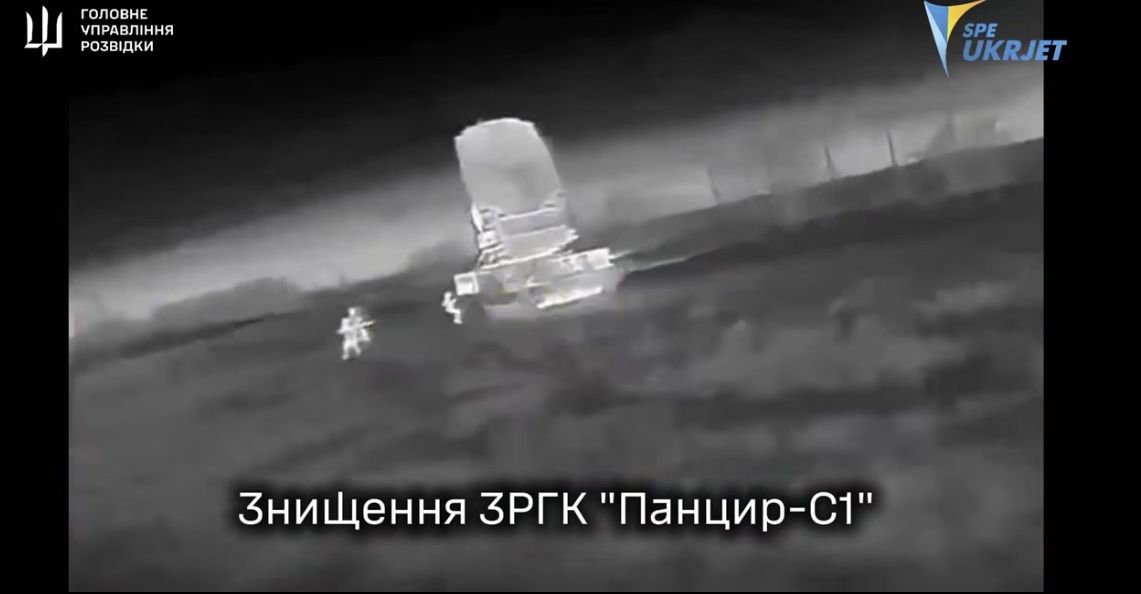
Ukraine's military intelligence agency (HUR) released on July 1 video footage showing domestically produced drones striking multiple Russian air defense assets and a fighter jet in occupied Crimea in what it described as a successful special operation.
The undated footage shows the combat use of UJ-26 drones, commonly known as Bober (Beavers), targeting high-value Russian military systems.
"These reliable weapons in the hands of HUR special forces are turning critically important Russian targets into useless scrap," the agency said in a statement.
HUR added that the Bober drones are effectively "gnawing through" Russia's expensive air defense systems "like barberries."
0:00
/
A Ukrainian drone targets and destroys Russian military assets in occupied Crimea, according to Ukraine's military intelligence agency. (HUR / Telegram).
The released footage shows that the strikes destroyed or severely damaged several Russian military assets, including a Pantsir-S1 air defense system and its crew, a Niobium-SV radar, a Pechora-3 coastal radar, a Protivnik-GE radar, and a Su-30 fighter jet stationed at the Saky airfield in occupied Crimea.
The Kyiv Independent could not verify HUR's claims.
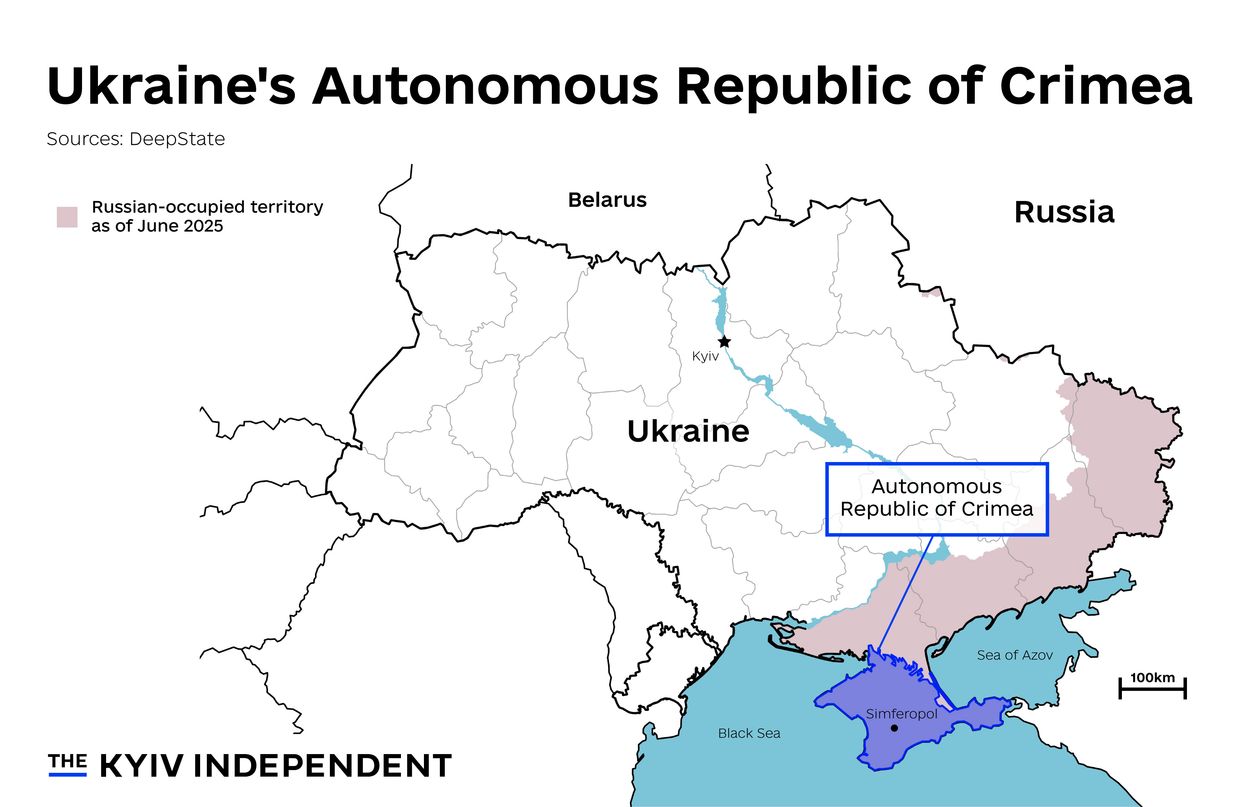
The strikes are part of Ukraine's ongoing efforts to degrade Russian military capabilities in Crimea, which has been under Russian occupation since 2014. Moscow reported Ukrainian drone strikes against the peninsula earlier on July 1, with the Crimean Wind Telegram channel reporting attacks in the vicinity of S-300/S-400 air defense systems.
Ukraine has increasingly deployed new drone systems to target Russian military assets on the front line and deep inside the Russian rear.
Ukraine's Autonomous Republic of Crimea. (Nizar al-Rifai/The Kyiv Independent)
Commander-in-Chief Oleksandr Syrskyi said on July 1 that he had ordered a ban on the concentration of troops and equipment at training facilities to better protect against Russian missile attacks."My categorical order is to ensure and increase the safety of service members at training centers and training grounds," Syrskyi said on social media after listening to reports on the implementation of safety measures."The concentration of personnel and military equipment, as well as the placement of se
Commander-in-Chief Oleksandr Syrskyi said on July 1 that he had ordered a ban on the concentration of troops and equipment at training facilities to better protect against Russian missile attacks.
"My categorical order is to ensure and increase the safety of service members at training centers and training grounds," Syrskyi said on social media after listening to reports on the implementation of safety measures.
"The concentration of personnel and military equipment, as well as the placement of service members in tent camps, is prohibited!"
The command follows a string of Russian missile attacks against Ukrainian military training facilities that have resulted in a number of killed and injured service members.
Deadly strikes deep inside the Ukrainian rear have sparked a public backlash and increased scrutiny aimed at the military command.
Former Ground Forces Commander Mykhailo Drapatyi promised to address the issue, but resigned after another attack against a shooting range in Sumy Oblast on May 20, which killed six soldiers and injured a dozen more.
Syrskyi said that new shelters and protective structures are being constructed at training facilities.
"I emphasized the mandatory compliance with shelter requirements at training centers and ranges, as well as the proper and timely notification of air raid alerts."
In a most recently reported case, a Russian missile attack killed three soldiers and injured 14 at the training ground of a Ukrainian mechanized brigade on June 22.
North Korean leader Kim Jong Un has publicly honored his country's soldiers killed while fighting in Russia's war against Ukraine, in a rare acknowledgment by Pyongyang of its battlefield losses, the Guardian reported on July 1.South Korea estimates that North Korea has sent around 15,000 troops to support Russia, suffering approximately 4,700 casualties, including 600 deaths. More deployments are expected as early as July or August, South Korea's National Intelligence Service (NIS) said.Photogr
North Korean leader Kim Jong Un has publicly honored his country's soldiers killed while fighting in Russia's war against Ukraine, in a rare acknowledgment by Pyongyang of its battlefield losses, the Guardian reported on July 1.
South Korea estimates that North Korea has sent around 15,000 troops to support Russia, suffering approximately 4,700 casualties, including 600 deaths. More deployments are expected as early as July or August, South Korea's National Intelligence Service (NIS) said.
Photographs of Kim resting his hands on flag-draped coffins were displayed during a gala concert in Pyongyang on June 30 to commemorate the first anniversary of a military treaty signed between North Korea and Russia.
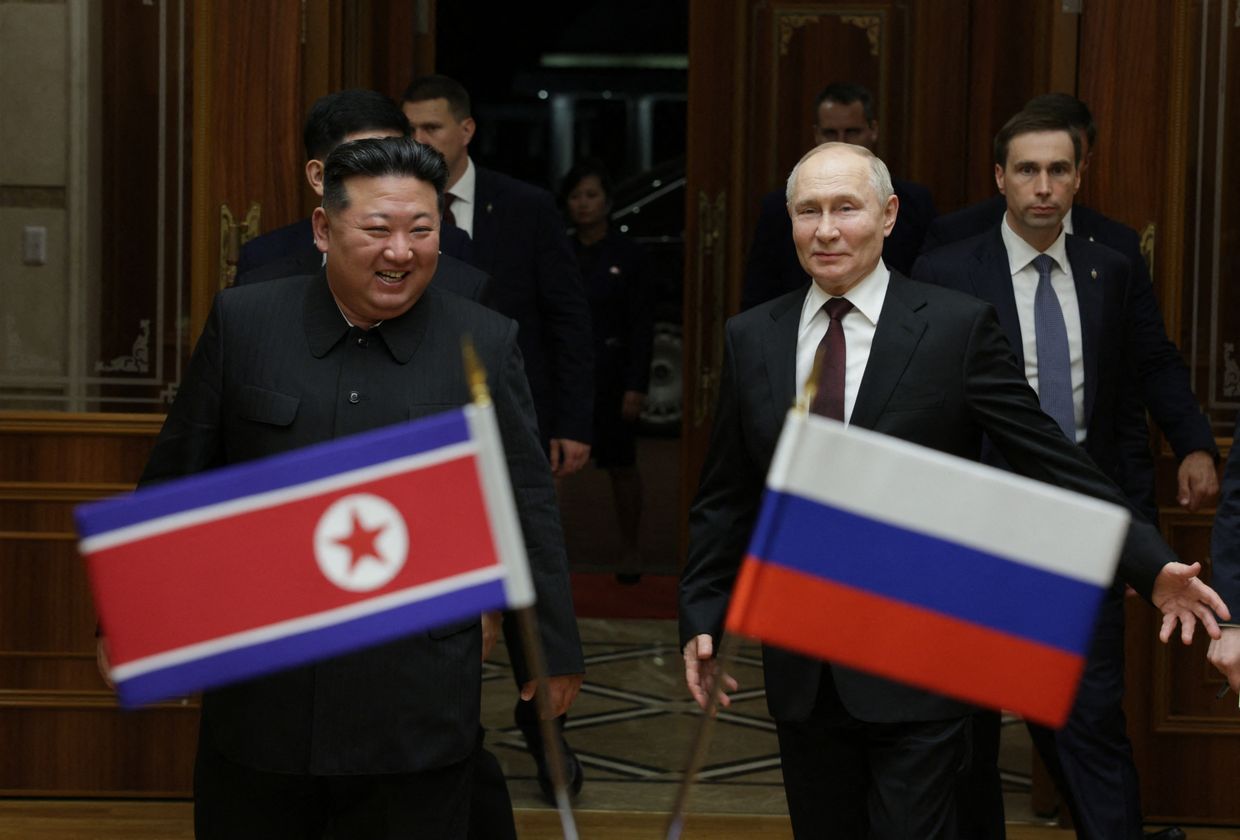
Russian President Vladimir Putin and Kim signed the Comprehensive Strategic Partnership Agreement in Pyongyang in June 2024. Under the treaty, the two countries pledged to provide aid to one another if either is attacked.
The images of the concert showed at least six coffins and emotional scenes of Kim alongside top officials, including his sister Kim Yo Jong and Foreign Minister Choe Son Hui, all dressed in winter clothing, suggesting the repatriation may have taken place months ago.
The event at East Pyongyang Grand Theatre included performances by North Korean and visiting Russian artists and displayed images celebrating the alliance, including scenes of soldiers from both countries waving flags and purported pages from a blood-stained notebook said to belong to a North Korean soldier killed in Russia's Kursk Oblast.
The Guardian reported that the ceremony was the first time North Korean state media had shown footage and photos of fallen troops in a way accessible to the North Korean public.
Footage broadcast on state-run KRT showed Kim appearing emotional at times while seated next to Russian Culture Minister Olga Lyubimova and his daughter, Kim Ju Ae. Audience members were seen wiping away tears.
Kim met with Lyubimova in Pyongyang on June 29 to discuss expanding bilateral cooperation in culture and the arts.
North Korea held a farewell ceremony for soldiers killed in Russia’s Kursk region. State TV aired footage of Kim Jong Un tearfully standing by a coffin — including hired state actors who were forced to cry. A concert in East Pyongyang also featured Russian songs. https://t.co/xV0TkminHspic.twitter.com/WVWSSM5P1Y
North Korea initially denied sending combat troops to Ukraine, but Kim's tribute follows official confirmations of Pyongyang's direct military involvement in the Russia-Ukraine war. In April, both Kim and Putin described North Korean troops deployed to Ukraine as "heroes."
Kim also announced plans to build a monument in Pyongyang to honor the fallen and lay flowers at their tombstones.
Pyongyang has reportedly begun recruiting additional soldiers for future deployments. The move would add to what Seoul describes as significant military support from North Korea, including more than 10 million artillery shells and multiple ballistic missile transfers in exchange for economic and technical assistance from Moscow.
North Korea may also send up to 25,000 laborers to Russia to support drone production, including Shahed-type loitering munitions at the Alabuga Special Economic Zone in Tatarstan.
Russian Security Council Secretary Sergei Shoigu visited North Korea on June 17 under a special directive from Putin and announced a deal for Pyongyang to send 1,000 sappers and 5,000 military engineers to Russia's Kursk Oblast.
Thousands of North Korean troops reportedly participated in front-line operations there, helping Russia repel a Ukrainian cross-border offensive that began in August 2024. Ukrainian forces briefly held 1,300 square kilometers (500 square miles) in Kursk Oblast before losing most of the territory during a Russian counteroffensive in March 2025, reportedly supported by North Korean units.
U.K. defense intelligence places North Korean casualties from that operation at more than 6,000.
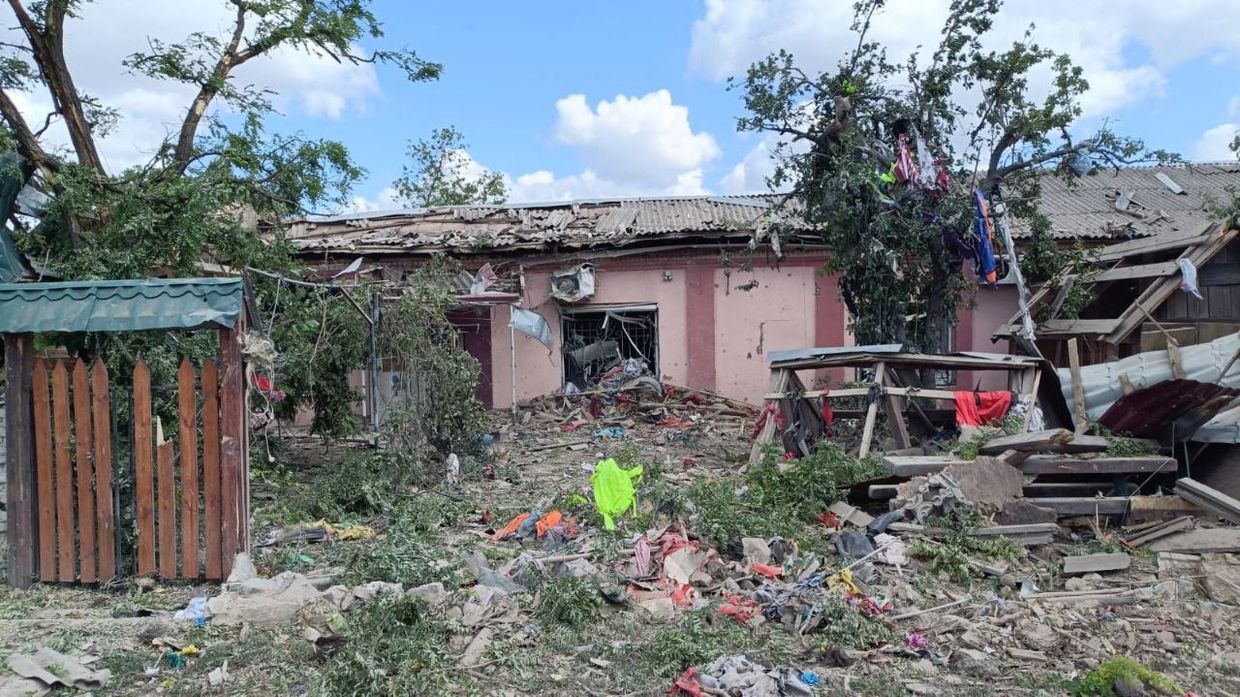
Editor's note: This is a developing story and is being updated. The article contains graphic footage.A Russian missile attack against the village of Huliaipole in Dnipropetrovsk Oblast on July 1 resulted in deaths and injuries, the Southern Defense Forces reported."As a result of the strike, a cultural center, two shops, and several private homes were destroyed or damaged," the statement read.Russia launched two ballistic missiles, likely Iskander-M, against the village at 9:15 a.m. local time,
Editor's note: This is a developing story and is being updated. The article contains graphic footage.
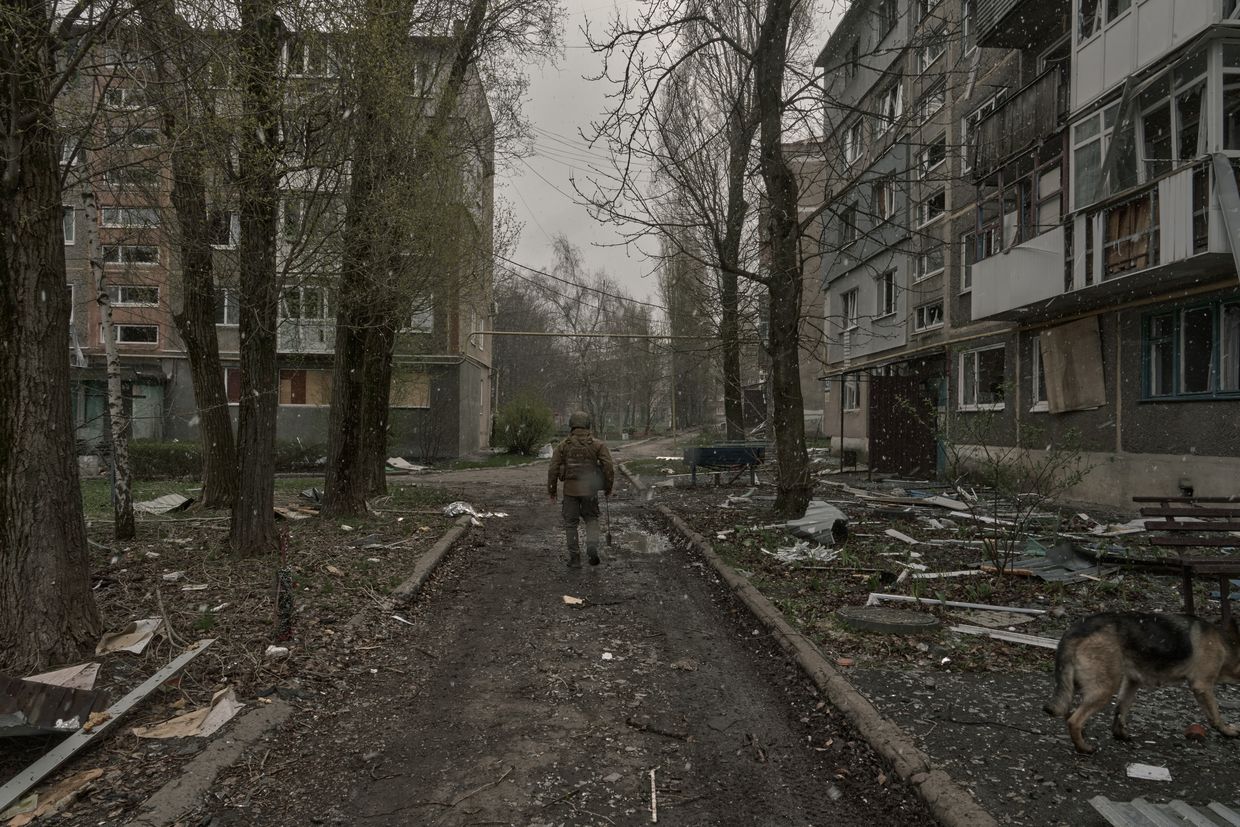
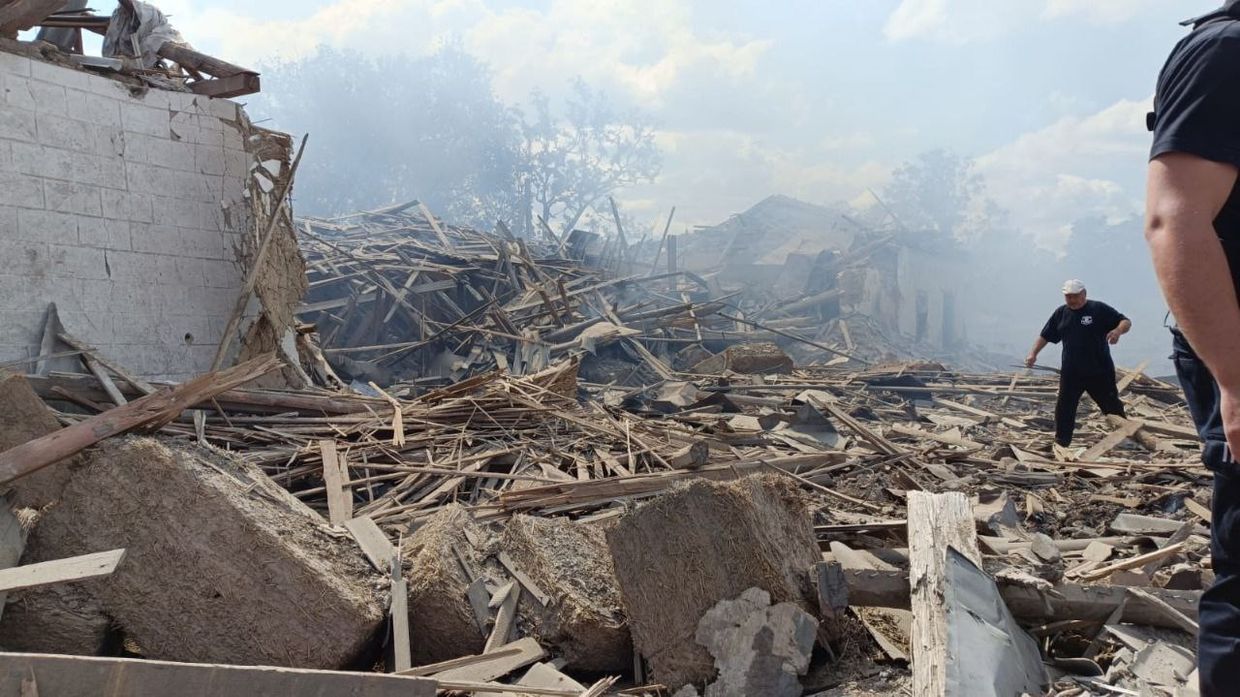
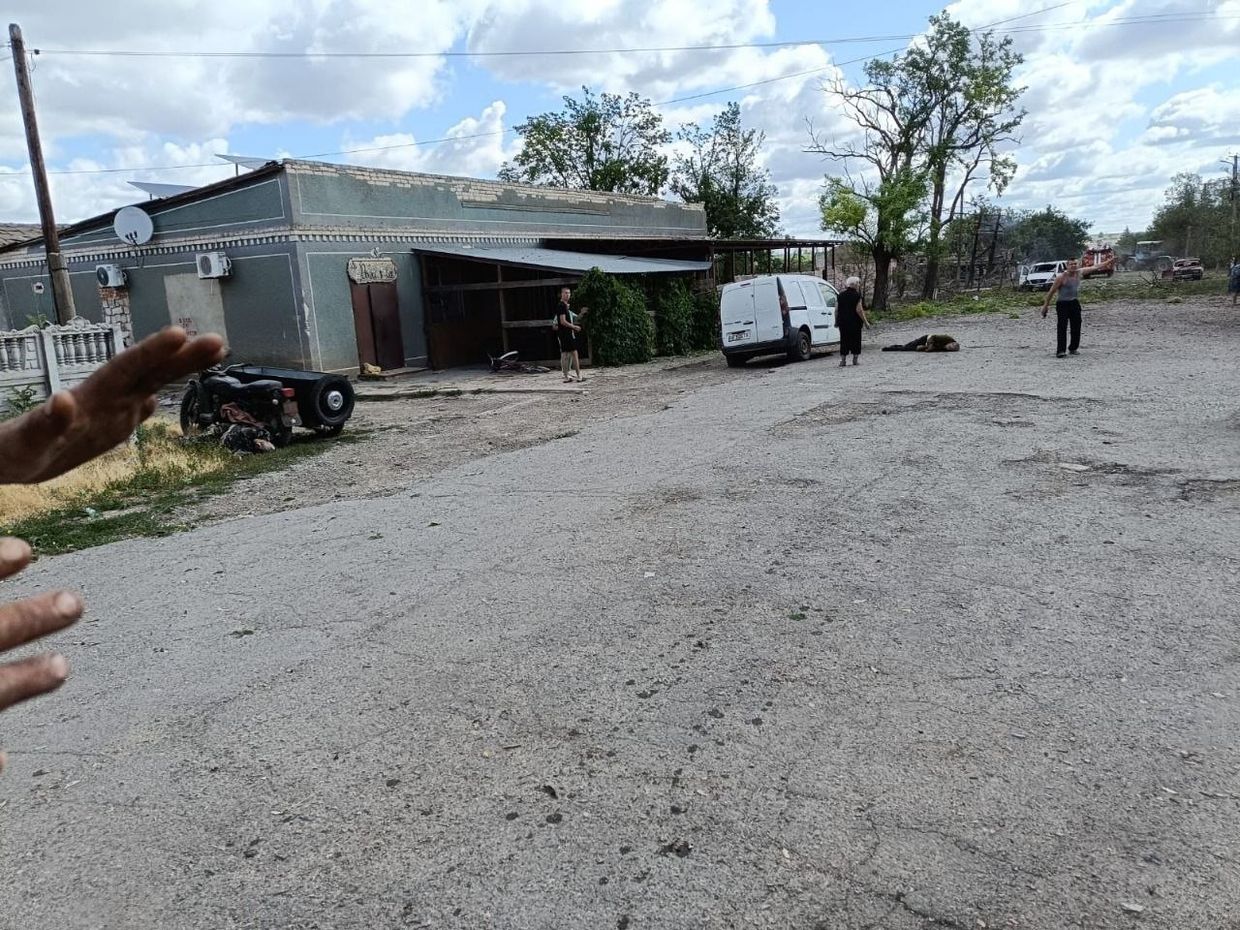
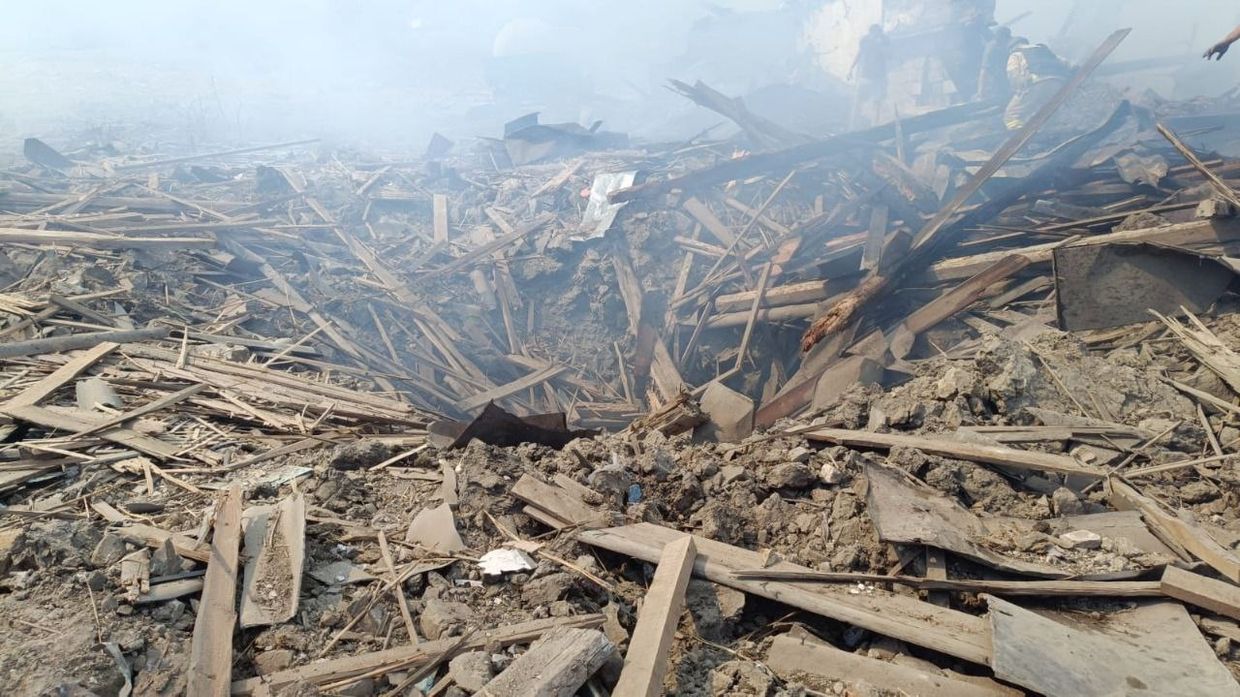
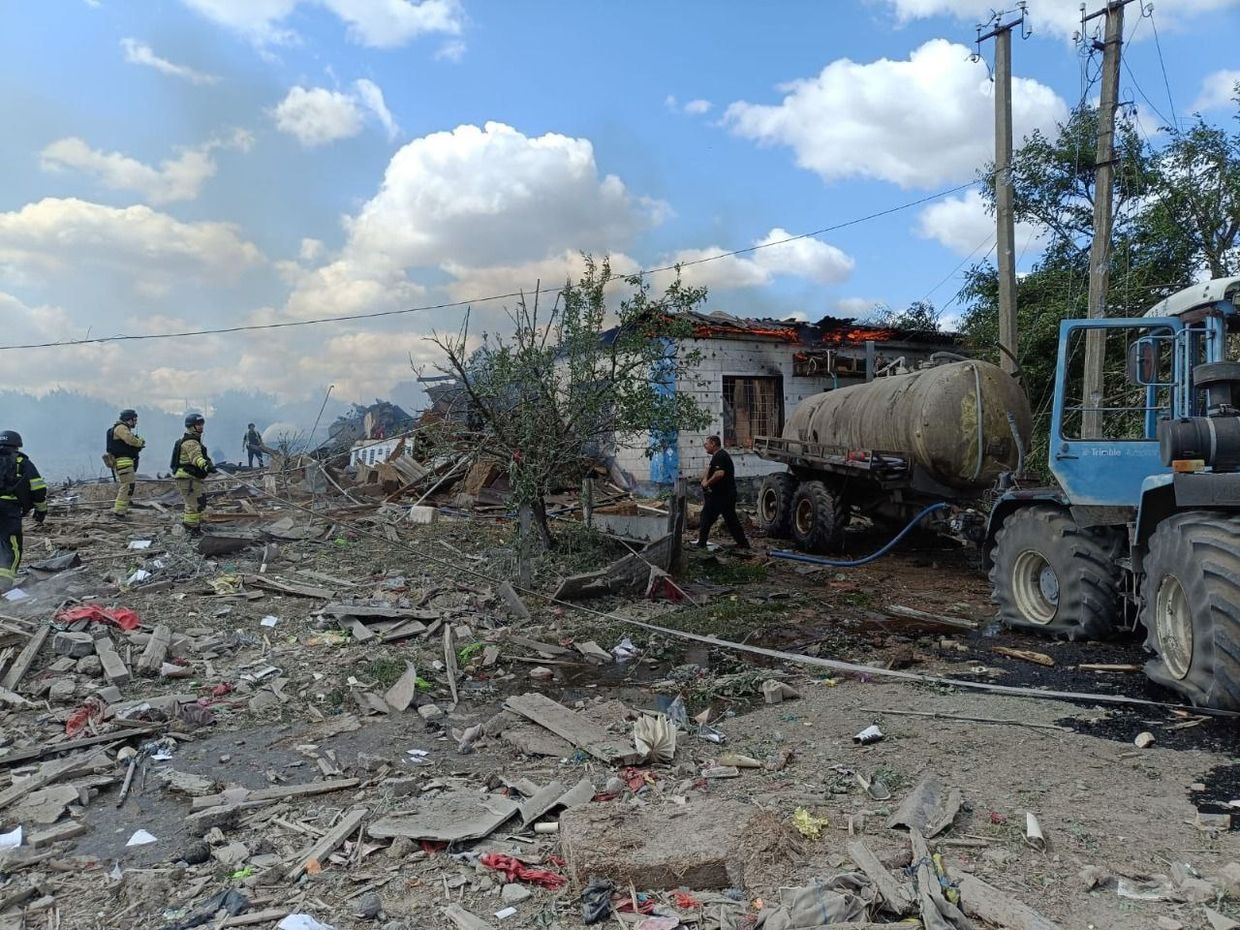
A Russian missile attack against the village of Huliaipole in Dnipropetrovsk Oblast on July 1 resulted in deaths and injuries, the Southern Defense Forces reported.
"As a result of the strike, a cultural center, two shops, and several private homes were destroyed or damaged," the statement read.
Russia launched two ballistic missiles, likely Iskander-M, against the village at 9:15 a.m. local time, the military reported.
The strike was reported earlier on July 1 by Serhii Lysak, the regional governor. No exact casualty figures have been provided so far, and officials promised detailed information at a later date.
The aftermath of a Russian missile attack against Huliaipole, Dnipropetrovsk Oblast, Ukraine, on July 1, 2025. (Southern Defense Forces/Telegram)
The aftermath of a Russian missile attack against Huliaipole, Dnipropetrovsk Oblast, Ukraine, on July 1, 2025. (Southern Defense Forces/Telegram)
The aftermath of a Russian missile attack against Huliaipole, Dnipropetrovsk Oblast, Ukraine, on July 1, 2025. (Southern Defense Forces/Telegram)
The aftermath of a Russian missile attack against Huliaipole, Dnipropetrovsk Oblast, Ukraine, on July 1, 2025. (Southern Defense Forces/Telegram)
The aftermath of a Russian missile attack against Huliaipole, Dnipropetrovsk Oblast, Ukraine, on July 1, 2025. (Southern Defense Forces/Telegram)
Huliaipole, with a pre-war population of around 1,200, lies in the western part of eastern Dnipropetrovsk Oblast, roughly 70 kilometers (40 miles) from the front line.
"Russia once again confirms its status as a terrorist state. It kills innocent civilians," the military said in a statement.
Dnipropetrovsk Oblast is regularly targeted by Russian drone and missile attacks. Moscow's ground troops have also been attempting to break into the region, though Kyiv has denied Russian claims that they had been successful.
Ukraine's Dnipropetrovsk Oblast (Nizar al-Rifai/The Kyiv Independent)
Russian strikes across Ukrainian regions killed at least four civilians and injured at least 15 over the past day, regional authorities reported on July 1.Russia launched 47 Shahed-type attack drones and decoys against Ukraine overnight, the Air Force reported. Ukrainian air defenses shot down 14 drones, while 33 were intercepted by electronic warfare or disappeared from radars, according to the statement. Russian attacks injured three civilians in Donetsk Oblast, Governor Vadym Filashkin repor
Russian strikes across Ukrainian regions killed at least four civilians and injured at least 15 over the past day, regional authorities reported on July 1.
Russia launched 47 Shahed-type attack drones and decoys against Ukraine overnight, the Air Force reported. Ukrainian air defenses shot down 14 drones, while 33 were intercepted by electronic warfare or disappeared from radars, according to the statement.
Russian attacks injured three civilians in Donetsk Oblast, Governor Vadym Filashkin reported.
In Kharkiv Oblast, two women aged 60 and 81 were injured during a Russian attack on the Tsykruny village, Governor Oleh Syniehubov reported.
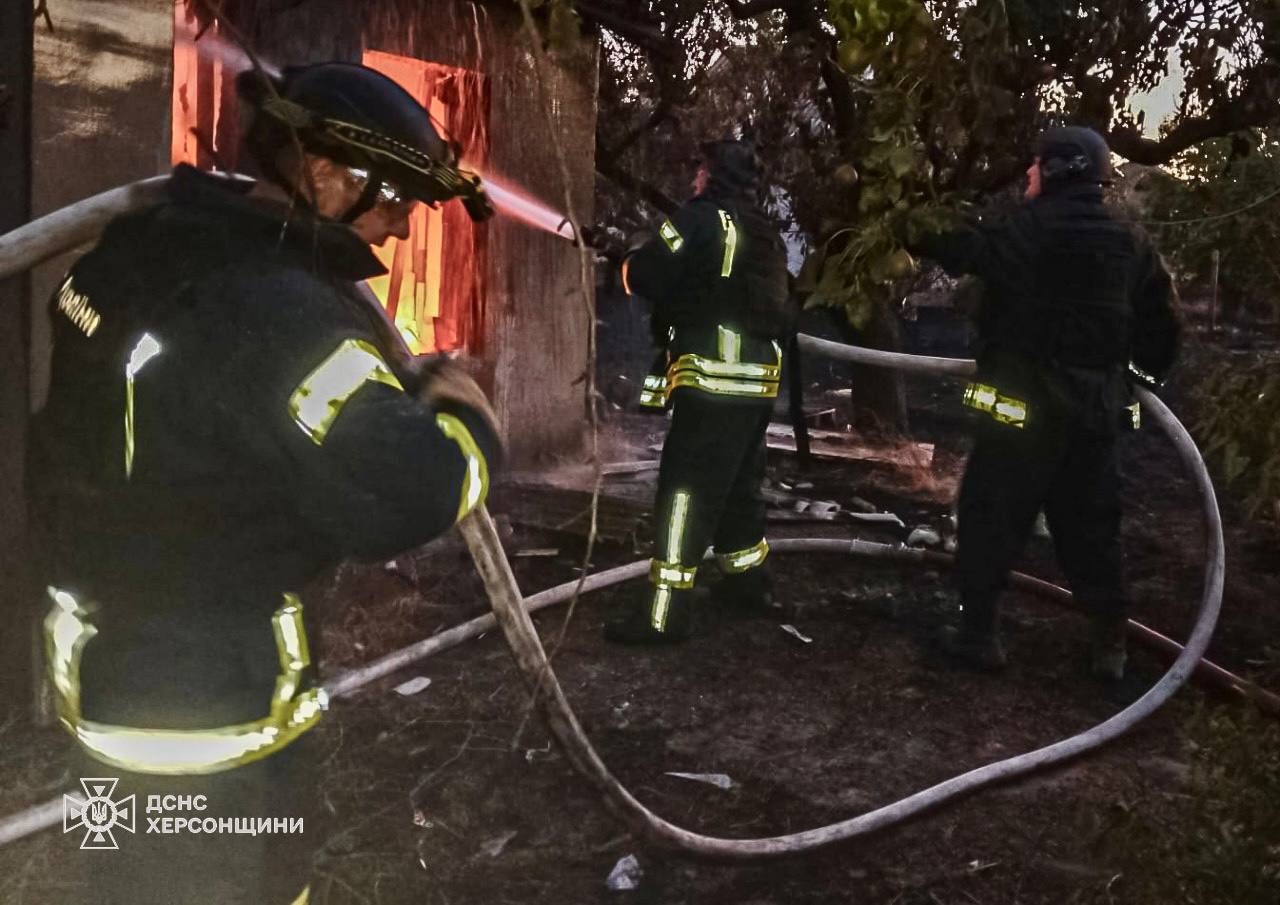
Russian attacks across Kherson Oblast killed two people and injured five, said the regional governor, Oleksandr Prokudin. Three high-rise buildings and eight houses were damaged.
In Mykolaiv Oblast, a 45-year-old man was killed and a 37-year-old woman was injured during Russian shelling of the Kutsurub community on June 30, Governor Vitalii Kim reported. Houses, two schools, and a shop were damaged, and a fire erupted because of the attack.
A 75-year-old man was killed and his 76-year-old wife was injured during another artillery attack against the community on the morning of July 1, Kim said.
Editor's note: This story was updated with information shared by an SBU source.Ukrainian drones struck a major Russian military plant in the city of Izhevsk, over 1,300 kilometers (800 miles) from the front in Ukraine, a source in the Security Service of Ukraine (SBU) told the Kyiv Independent on July 1.The SBU source said the agency's long-range drones targeted the Kupol plant in Russia's Udmurt Republic on the morning of July 1. At least two confirmed strikes struck production and storage faci
Editor's note: This story was updated with information shared by an SBU source.
Ukrainian drones struck a major Russian military plant in the city of Izhevsk, over 1,300 kilometers (800 miles) from the front in Ukraine, a source in the Security Service of Ukraine (SBU) told the Kyiv Independent on July 1.
The SBU source said the agency's long-range drones targeted the Kupol plant in Russia's Udmurt Republic on the morning of July 1. At least two confirmed strikes struck production and storage facilities, starting a fire at the site, according to the source.
The facility produces Tor and Osa air defense systems, as well as Harpy attack drones for the Russian military, and is under international sanctions as part of Russia's defense-industrial complex.
"With surgical precision, the SBU continues to carry out strikes against Russia's military-industrial enterprises contributing to the war effort against Ukraine," the source said.
"Each such operation weakens (Russia's) offensive potential, disrupts weapons production chains, and proves that no part of Russia is a safe zone for its military infrastructure."
Residents of Izhevsk reported explosions early on July 1, while local authorities confirmed a drone strike on a facility in the city. Alexander Brechalov, head of Russia's Udmurt Republic, said emergency services had responded to the attack and that further information would be provided as it became available.
One of the facilities in Izhevsk was targeted by Ukrainian drones — local authorities
“All emergency services have arrived at the scene. I’ll share more details as they come in,” wrote Udmurt Republic head Alexander Brechalov on his Telegram channel.
Brechalov later reported casualties, citing deaths and serious injuries, but did not provide specific figures.
Russia's aviation agency temporarily suspended flights in and out of the city's airport following the incident.
Russian Telegram channels reported that no air raid siren was sounded before the drone attack on the Kupol plant. According to Astra, Izhevsk residents also could not access warnings via Telegram due to mobile internet outages, which locals say have persisted for nearly two weeks.
The city was previously targeted on Nov. 17, 2024, when a drone strike damaged a factory known for producing air defense systems, including Tor missile systems and radar components used by the Russian military. That strike marked the first known Ukrainian drone attack on the region during the full-scale war.
Russia's Defense Ministry said its air defenses shot down 60 Ukrainian drones overnight across several regions, including 17 over occupied Crimea, 16 over the Rostov Oblast, and 11 over the Sea of Azov. Others were reportedly downed over the Kursk, Saratov, Belgorod, Voronezh, and Oryol oblasts, as well as the Black Sea.
In occupied Crimea, local Telegram channels reported explosions near the town of Kurortne on the Kerch Peninsula, where Russian S-300/S-400 surface-to-air missile systems and radar stations are allegedly located. A monitoring group cited NASA satellite data showing a large fire in the area overnight, though there was no official confirmation of any damage to the air defense assets.
Local residents reported explosions between 0:20 a.m. and 0:50 a.m. in the cities of Kerch and Feodosia.
The Kyiv Independent could not independently verify the claims.
Ukraine's defense technology cluster Brave1 has launched the development of anti-drone rifle rounds, significantly increasing the chances of hitting fast-moving aerial targets, the group said in a statement on June 30.According to Brave1, the ammunition appears similar to standard rounds used in automatic rifles but features a specially designed warhead that increases the likelihood of shooting down FPV (first-person-view) drones or commercial quadcopters such as the DJI Mavic before they strike
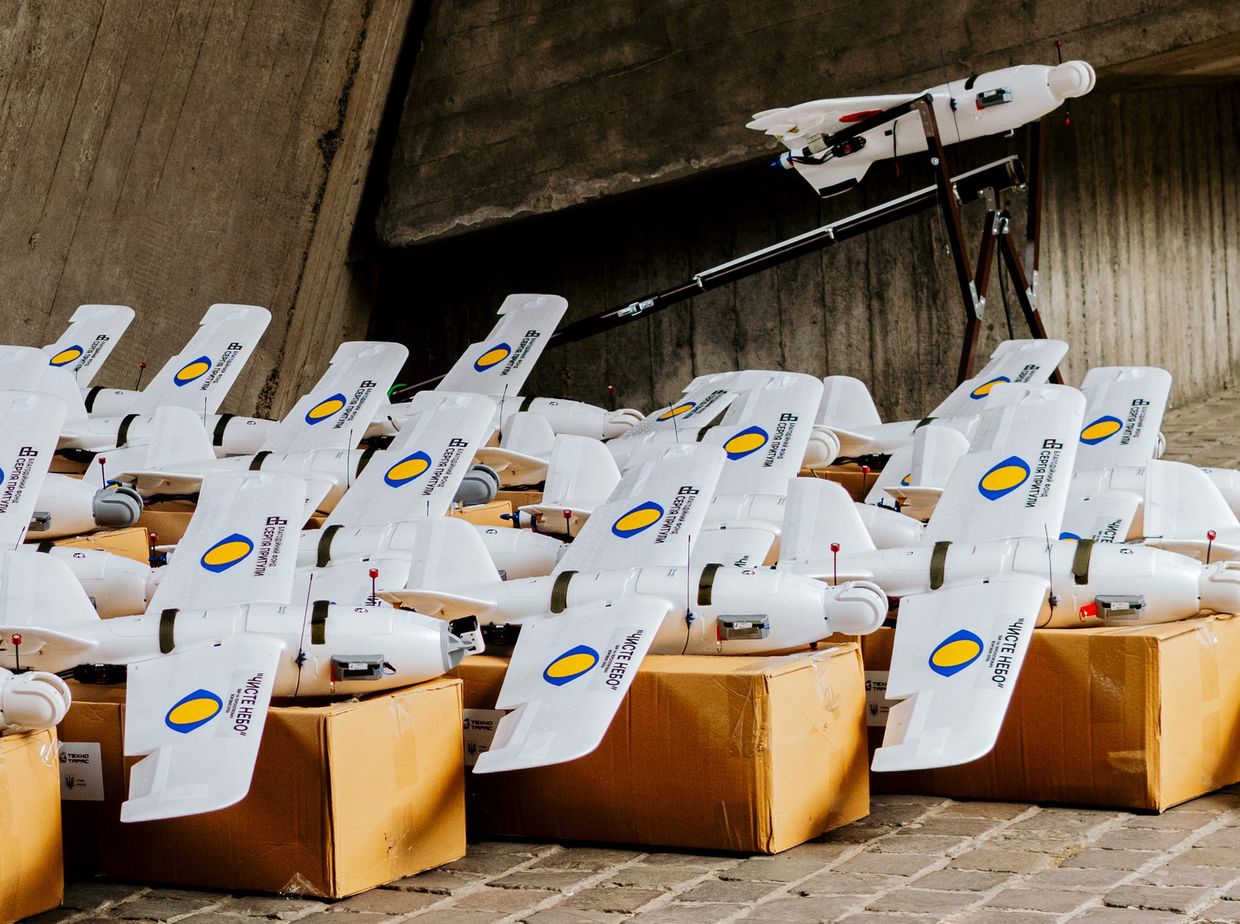
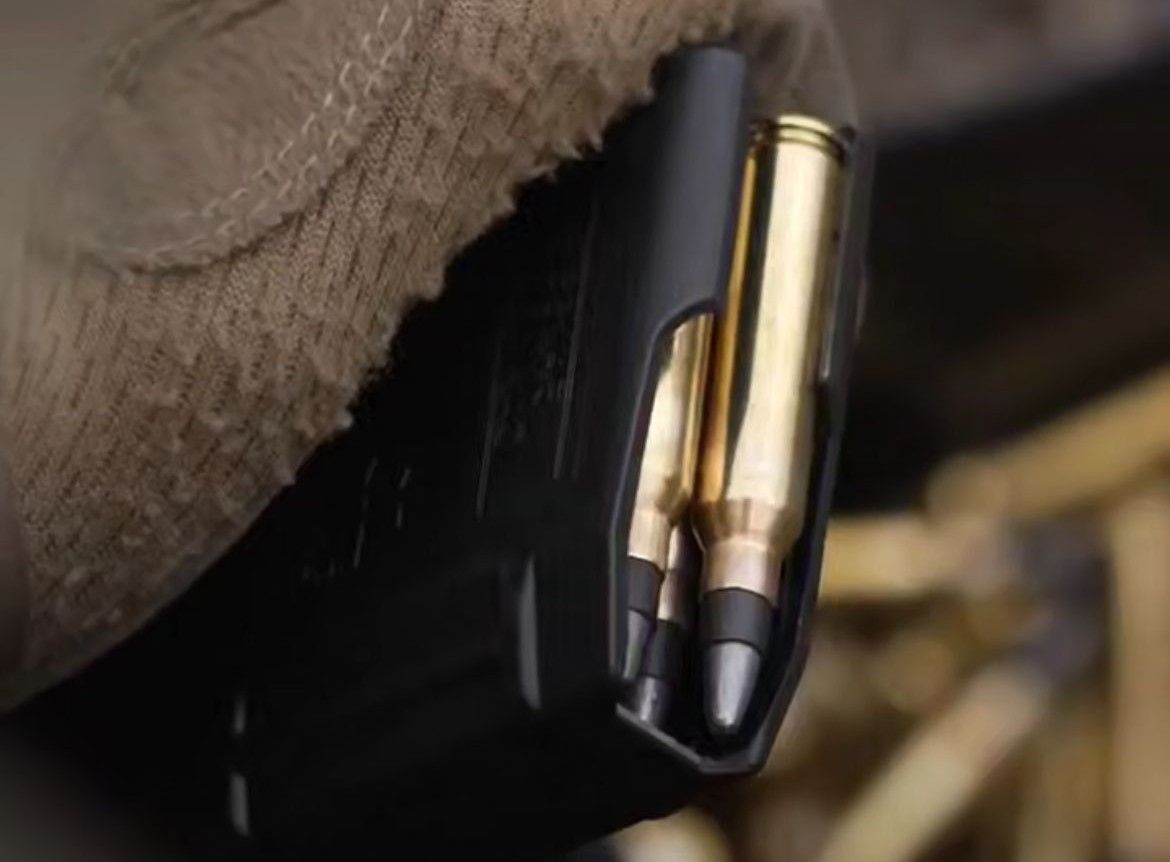
Ukraine's defense technology cluster Brave1 has launched the development of anti-drone rifle rounds, significantly increasing the chances of hitting fast-moving aerial targets, the group said in a statement on June 30.
According to Brave1, the ammunition appears similar to standard rounds used in automatic rifles but features a specially designed warhead that increases the likelihood of shooting down FPV (first-person-view) drones or commercial quadcopters such as the DJI Mavic before they strike.
These types of drones are being used extensively on the battlefield by both Ukrainian and Russian forces. The cost-effective FPV drones have proven highly effective in destroying expensive military equipment.
The manufacturer has already codified the new rounds according to NATO standards, Brave1 said. The goal is to supply every infantry soldier with a magazine of specialized ammunition for use in case of aerial threats.
"These rounds that significantly improve the chances of hitting a moving target are a new development by Brave1," Digital Transformation Minister Mykhailo Fedorov said.
"Our common goal is to ensure that every infantryman has a magazine of such ammunition and can equip his rifle with it in case of an air threat."
Ukraine continues to scale up its drone warfare capabilities. The Defense Ministry said on March 10 that it plans to purchase 4.5 million FPV drones in 2025 at a cost exceeding Hr 110 billion ($2.6 billion), with most of the funds allocated through the Defense Procurement Agency.
President Volodymyr Zelensky has set a goal of producing at least 30,000 long-range drones in 2025.
Russia has lost 1,020,980 troops in Ukraine since the beginning of its full-scale invasion on Feb. 24, 2022, the General Staff of Ukraine's Armed Forces reported on July 1.The number includes 970 casualties that Russian forces suffered just over the past day.According to the report, Russia has also lost 10,983 tanks, 22,928 armored fighting vehicles, 53,696 vehicles and fuel tanks, 29,754 artillery systems, 1,427 multiple launch rocket systems, 1,190 air defense systems, 420 airplanes, 340 helic
Russia has lost 1,020,980 troops in Ukraine since the beginning of its full-scale invasion on Feb. 24, 2022, the General Staff of Ukraine's Armed Forces reported on July 1.
The number includes 970 casualties that Russian forces suffered just over the past day.
According to the report, Russia has also lost 10,983 tanks, 22,928 armored fighting vehicles, 53,696 vehicles and fuel tanks, 29,754 artillery systems, 1,427 multiple launch rocket systems, 1,190 air defense systems, 420 airplanes, 340 helicopters, 42,940 drones, 3,436 cruise missiles, 28 ships and boats, and one submarine.

 Connexion
 The Kyiv IndependentThe Kyiv Independent news desk