Vue normale

  • ✇The Kyiv Independent
  • EU fails to adopt new Russia sanctions due to Hungarian, Slovak opposition, source says
    Editor's note: The story was updated with Slovak Prime Minister Robert Fico's statement voiced during the EU summit. EU ambassadors have failed to approve the 18th package of sanctions against Russia due to opposition from Hungary and Slovakia, an unnamed EU official told the Kyiv Independent on June 27.After the 17th package of sanctions against Russia took effect on May 20, Ukraine's allies announced the following day that another round of restrictions was already in the works. Meanwhile, offi
     

EU fails to adopt new Russia sanctions due to Hungarian, Slovak opposition, source says

27 juin 2025 à 14:18
EU fails to adopt new Russia sanctions due to Hungarian, Slovak opposition, source says

Editor's note: The story was updated with Slovak Prime Minister Robert Fico's statement voiced during the EU summit.

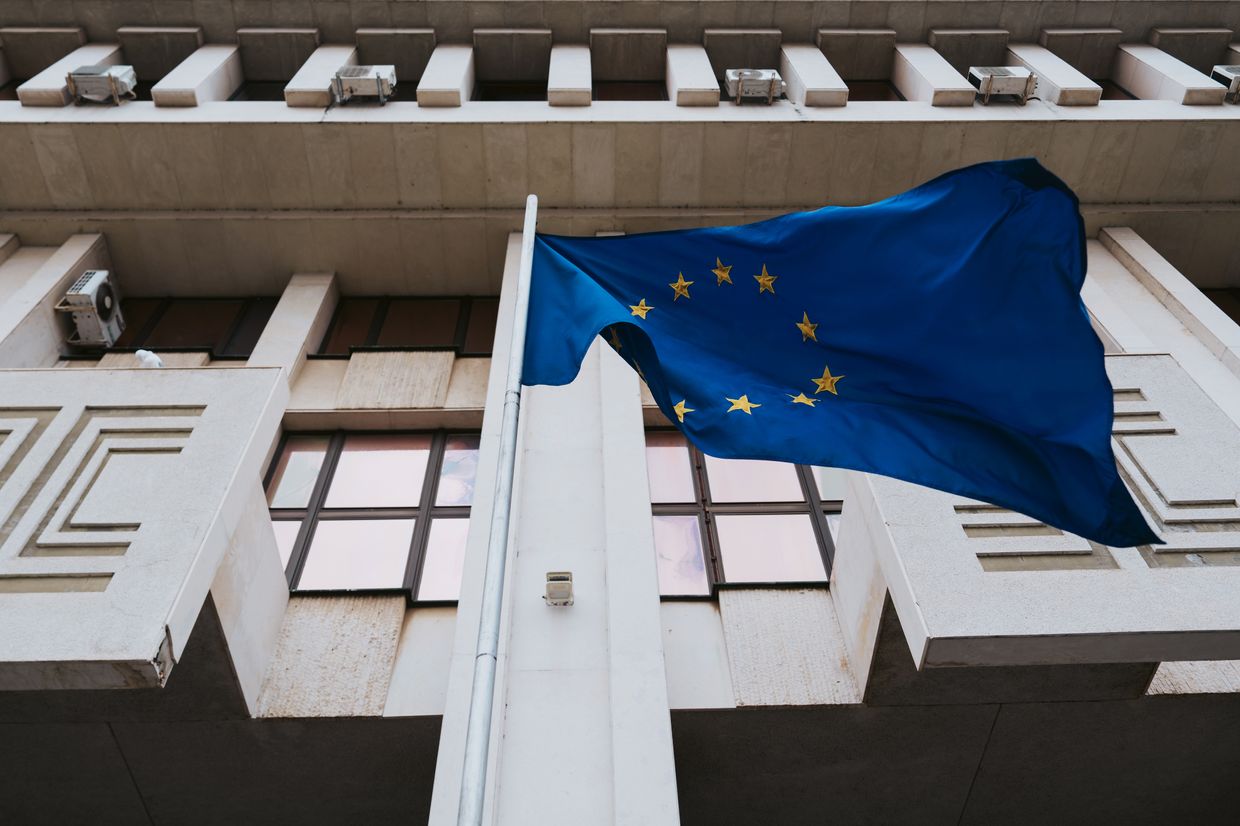
EU ambassadors have failed to approve the 18th package of sanctions against Russia due to opposition from Hungary and Slovakia, an unnamed EU official told the Kyiv Independent on June 27.

After the 17th package of sanctions against Russia took effect on May 20, Ukraine's allies announced the following day that another round of restrictions was already in the works. Meanwhile, officials in Hungary and Slovakia protested against the approval of new restrictions against Russia.

Unlike Hungarian Prime Minister Viktor Orban, who has consistently opposed sanctions against Russia, Slovakia has not previously attempted to block EU sanctions.

"No agreement was reached. Ambassadors will return to this issue after two reservations are removed," the source told Suspilne in a reference to the position of Slovakia and Hungary.

Slovakia has requested that the adoption of the 18th package of EU sanctions against Russia be postponed until a decision is made on the consequences for the member states from RePowerEU, the European Commission's initiative to end dependence on Russian fossil fuels by 2030 in response to Russia's invasion of Ukraine.

Slovak Prime Minister Robert Fico voiced this proposal during the EU summit, the Slovak Foreign Ministry told Suspilne.

The ambassadors also agreed to extend sectoral sanctions against Russia for six months. These sanctions encompass a broad array of economic areas, including restrictions on trade, finance, technology and dual-use goods, industry, transport, and luxury goods.

In June, the European Commission presented the 18th package of sanctions, which includes new restrictions against the Russian energy and banking sectors and transactions related to the Nord Stream gas pipeline project.

Ukraine's European allies are tightening sanctions against Russia as Moscow refuses to accept a ceasefire. Despite Russia's refusal, no new U.S. sanctions have been imposed so far.

Warfare in Ukraine has changed… again
The Kyiv Independent’s Francis Farrell explains a new modification of the standard first-person view (FPV) drone that already once transformed the way war is fought. Fiber optic cable now used to connect drone operators to FPVs ensures a perfect image and control experience all the way to the target — and cannot be spotted by enemy drone detectors.
EU fails to adopt new Russia sanctions due to Hungarian, Slovak opposition, source saysThe Kyiv IndependentFrancis Farrell
EU fails to adopt new Russia sanctions due to Hungarian, Slovak opposition, source says
  • ✇The Kyiv Independent
  • Zelensky signs decree to synchronize Russia sanctions with EU, G7
    President Volodymyr Zelensky signed a decree on June 27 to coordinate sanctions against Russia with international partners, particularly the European Union and the Group of Seven (G7), the President's Office said on its website.A day earlier, EU member states' leaders gave their political consent to extend the sanctions previously imposed on Russia for its war against Ukraine. The EU Committee of Permanent Representatives (CORPER) also extended sectoral sanctions against Russia for another six m
     

Zelensky signs decree to synchronize Russia sanctions with EU, G7

27 juin 2025 à 10:23
Zelensky signs decree to synchronize Russia sanctions with EU, G7

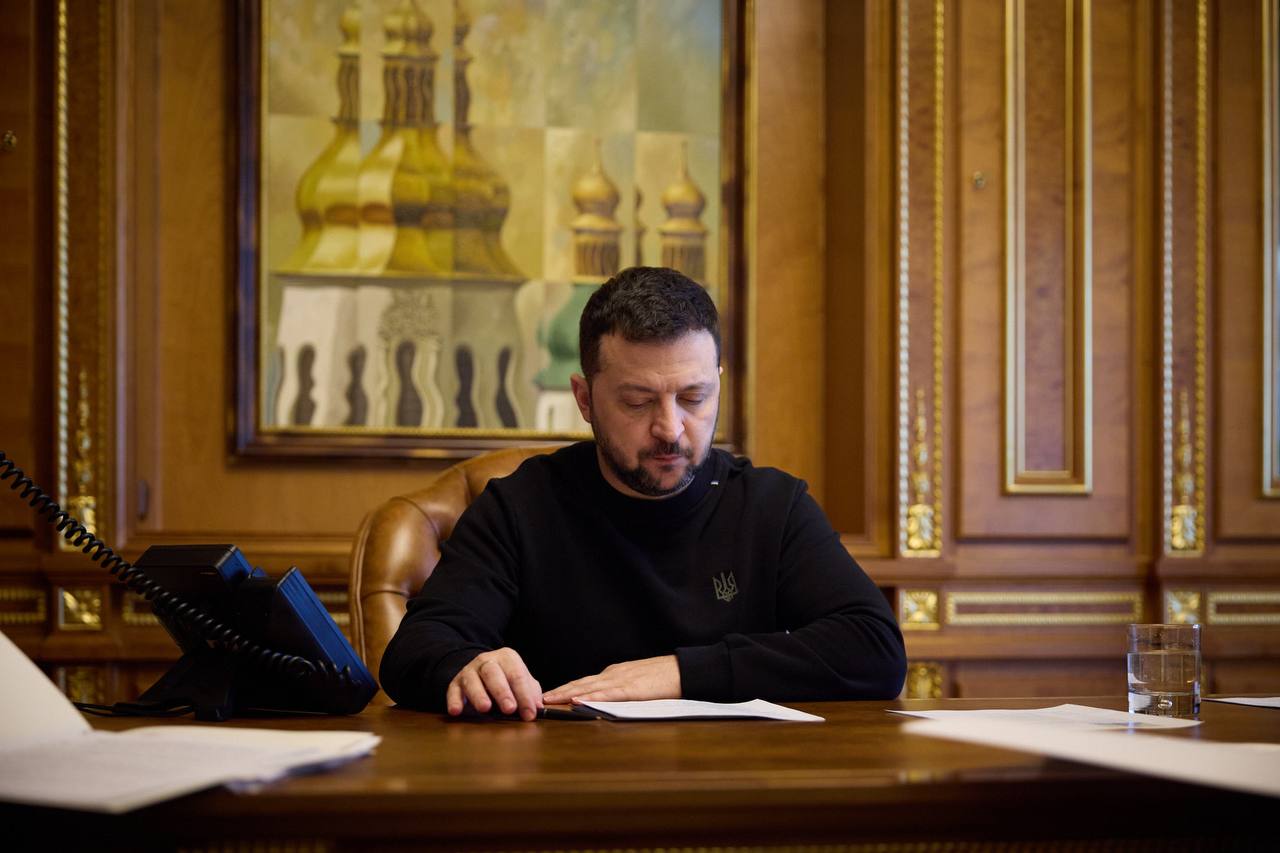
President Volodymyr Zelensky signed a decree on June 27 to coordinate sanctions against Russia with international partners, particularly the European Union and the Group of Seven (G7), the President's Office said on its website.

A day earlier, EU member states' leaders gave their political consent to extend the sanctions previously imposed on Russia for its war against Ukraine.

The EU Committee of Permanent Representatives (CORPER) also extended sectoral sanctions against Russia for another six months on June 26, European Pravda reported, citing a diplomatic source. The sanctions include restrictions against entire sectors or industries of the Russian economy or areas of operation of Russian businesses.

Meanwhile, the participants did not approve the new 18th package of sanctions, which targeted Russia's energy and banking sectors, due to Slovakia's veto.

Zelensky's June 27 decree implements a decision by Ukraine's National Security and Defense Council's (NSDC) to synchronize the sanctions against Russia with the EU and G7.

According to the document, sanctions approved by partner states must be submitted to the NSDC for consideration and approval no later than the 15th day after the partner state's decision comes into force.

The Cabinet of Ministers, the Security Service of Ukraine (SBU), and the National Bank of Ukraine must also ensure the implementation of sanctions approved by international partners in Ukraine.

After the 17th package of sanctions against Russia took effect on May 20, Ukraine's allies announced the following day that another round of restrictions was already in the works.

The push for tighter sanctions comes as Russia continues to reject ceasefire proposals and presses forward with military operations.

Russia pulls its scientists out of Iranian nuclear plant, as Israeli strikes threaten decades of collaboration
Israel’s strikes on Iranian nuclear facilities have alarmed none more than Russia, the country that first brought nuclear power to Iran in defiance of Western objections. We’re “millimeters from catastrophe,” said Kremlin spokeswoman Maria Zakharova on June 18 in response to a bombing campaign that Israel launched against Iran on June 13. Decades of conflict with the West have united Iran and Russia, despite a cultural gulf between the two nations that dwarfs the Caspian Sea that physically di
Zelensky signs decree to synchronize Russia sanctions with EU, G7The Kyiv IndependentKollen Post
Zelensky signs decree to synchronize Russia sanctions with EU, G7
❌