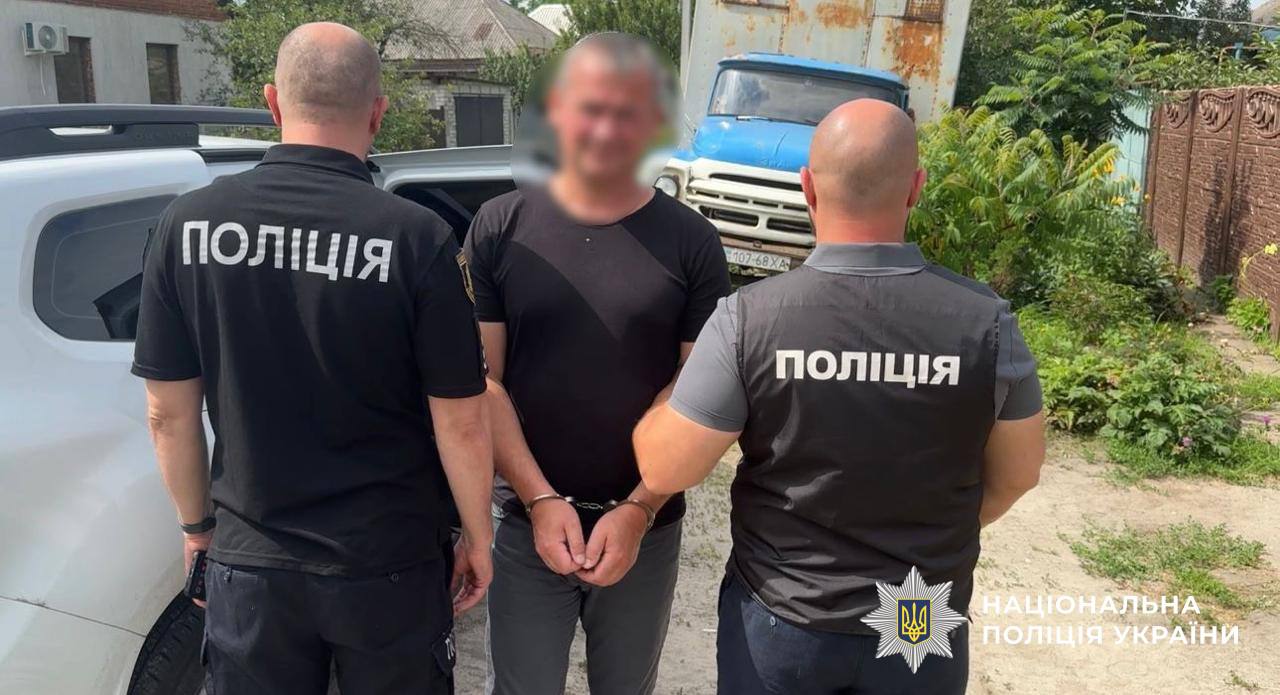
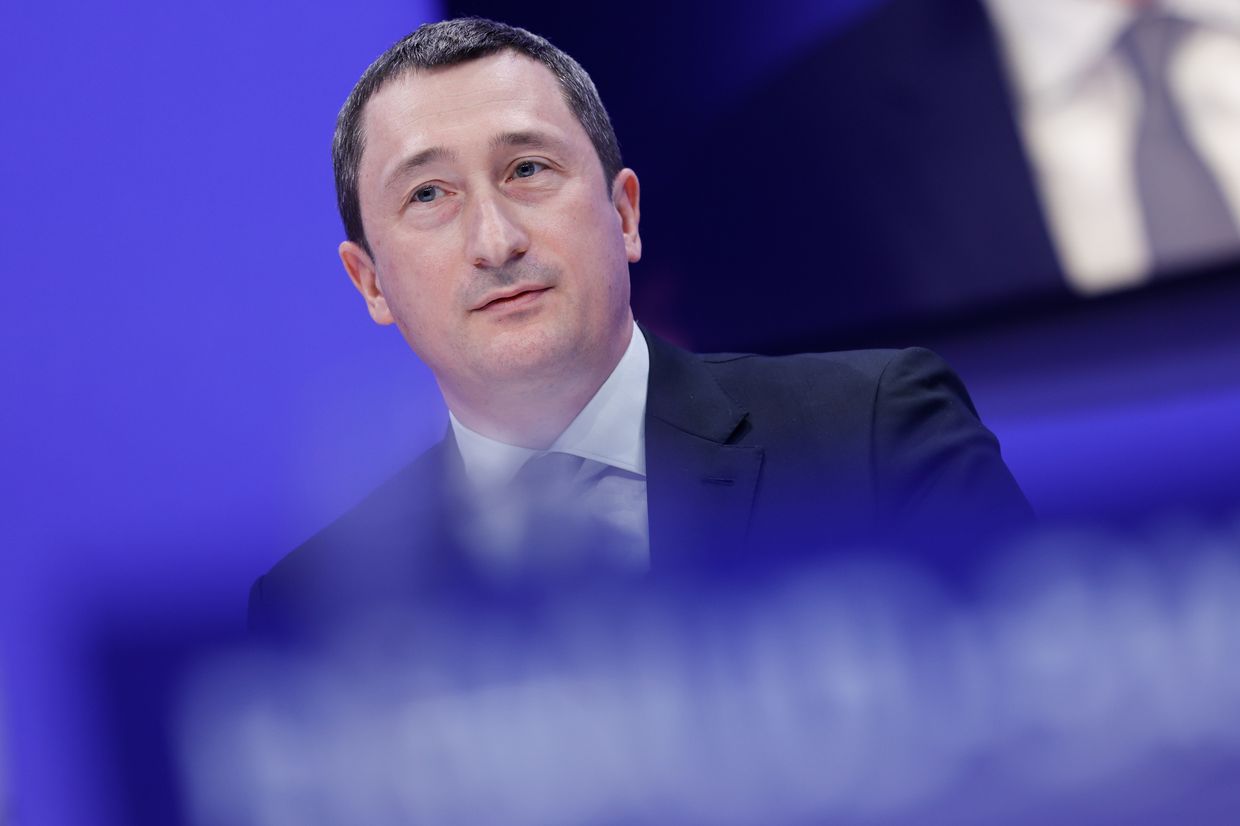
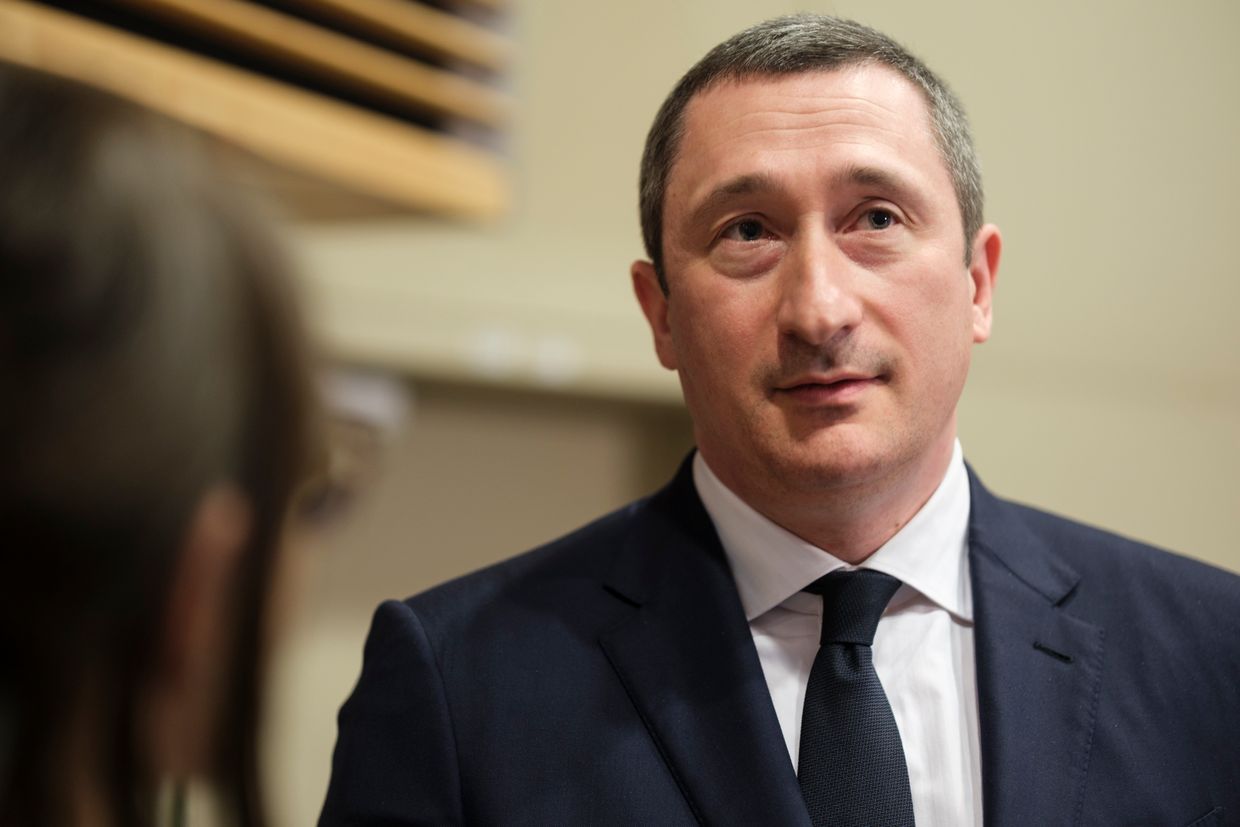
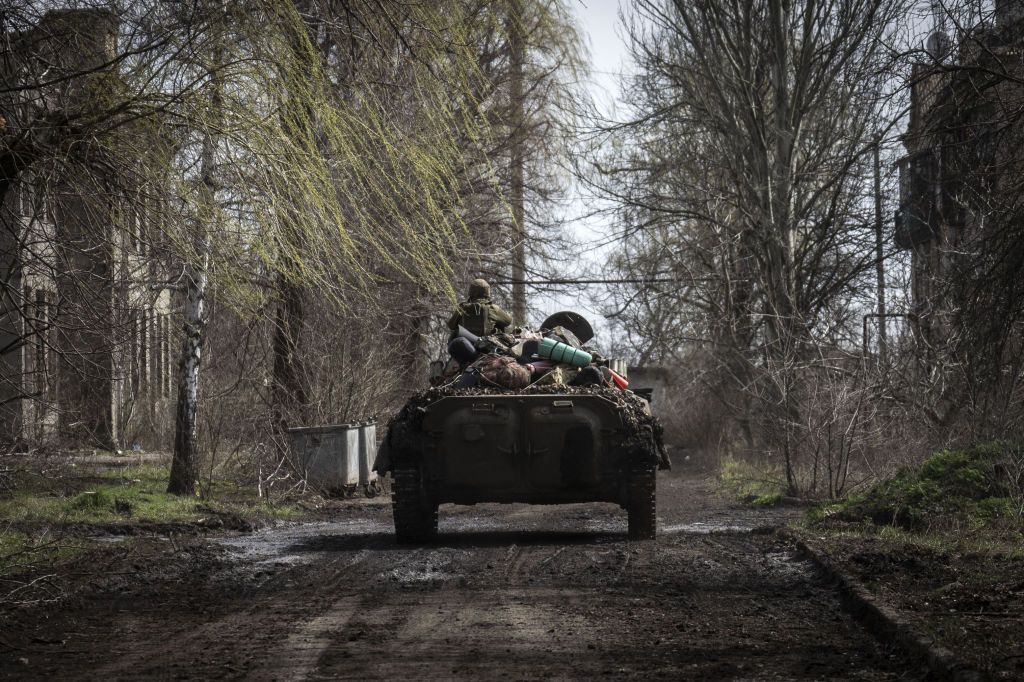
Ukraine’s anti-corruption agencies just clawed back millions for the state budget. The National Anti-Corruption Bureau (NABU), the Specialized Anti-Corruption Prosecutor’s Office (SAPO) and the State Property Fund have returned about $5.1 million to the state budget, the bureau says.
NABU and SAPO were created in 2015 after the Euromaidan revolution as independent bodies to fight high-level corruption, and their independence is a core condition for Ukraine's path to the EU. This recover
Ukraine’s anti-corruption agencies just clawed back millions for the state budget. The National Anti-Corruption Bureau (NABU), the Specialized Anti-Corruption Prosecutor’s Office (SAPO) and the State Property Fund have returned about $5.1 million to the state budget, the bureau says.
NABU and SAPO were created in 2015 after the Euromaidan revolution as independent bodies to fight high-level corruption, and their independence is a core condition for Ukraine's path to the EU. This recovery is the kind of concrete payoff that EU-backed reform was meant to produce.
Investigating one case, detectives and prosecutors found that the leadership of a regional branch of the State Property Fund had failed to act. Because of that inaction, the state risked losing millions of dollars.
To head off the loss, NABU and SAPO alerted the fund’s central leadership and gave it access to part of the investigation materials.
How the agencies turned a case into cash
The fix came from sharing what the investigation had uncovered. After working through the data, the State Property Fund took the necessary steps and secured the full budget amount, the bureau says.
NABU and SAPO continue to cooperate with other state bodies to protect the country’s economic interests and prevent corruption crimes, the bureau adds. The agencies framed the case as proof that enforcement, beyond investigation alone, can return money the state would otherwise lose.
Why these agencies matter beyond one case
The recovery lands at a fraught moment for the two institutions. Their independence has been under sustained pressure, and in July 2026 parliament briefly stripped it before mass protests and EU warnings forced a reversal.
In 2025, Brussels tied as much as 50 billion euros in aid and the pace of accession talks to the agencies’ autonomy, treating NABU and SAPO as pillars of the rule-of-law reforms Ukraine promised on its way into the bloc.
At 2:30 in the morning of 14 September, one week after he first claimed his innocence and then resigned, Ukraine's prosecutor general Ruslan Kravchenko crossed the border and left the country. Hours before he went, he used his office to sign a criminal suspicion against the chief of the anti-corruption bureau investigating him. His wife had crossed a day earlier.
Such was the unglorious fate of President Zelenskyy's man, the prosecutor general who in July 2025 nearly leashed Ukraine's i
At 2:30 in the morning of 14 September, one week after he first claimed his innocence and then resigned, Ukraine's prosecutor general Ruslan Kravchenko crossed the border and left the country. Hours before he went, he used his office to sign a criminal suspicion against the chief of the anti-corruption bureau investigating him. His wife had crossed a day earlier.
Such was the unglorious fate of President Zelenskyy's man, the prosecutor general who in July 2025 nearly leashed Ukraine's independent anti-corruption agencies. Saved by mass street protests, the anti-graft institutions built after the Euromaidan revolution rebounded, and went first after President Zelenskyy's friend Tymur Mindich, then after his right hand Andriy Yermak.
And now they had reached the prosecutor general himself: in Ukraine, the one official who can veto any anti-corruption case against a member of parliament.
"For the first time in Ukraine, after a suspicion was announced, it was the prosecutor who fled abroad, not the suspect," anti-corruption campaigner Daria Kaleniuk wrote as it happened.
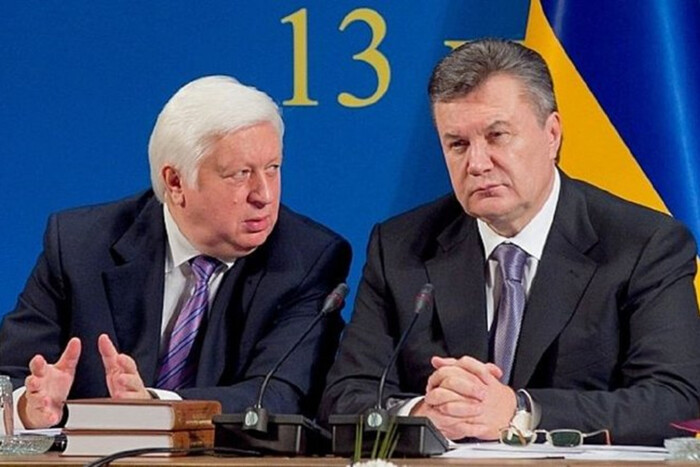
Victor Pshonka, the prosecutor general who helped Yanukovych consolidate authoritarian power (left) and ex-President Viktor Yanukovych. Photo from open sources
Things are, of course, far better than in 2014, when then Prosecutor General Pshonka criminalized the Euromaidan revolution and pursued the political rivals of then President Yanukovych, before both fled to Russia. Papers later found in Pshonka's abandoned mansion, published by Ukrainska Pravda, showed his office drawing up plans to arrest MPs and open thousands of criminal cases against Maidan activists, using prosecution, in the office's own notes, as a political instrument.
But things are still not as good as in 2019, the one time the office worked the other way. That year Ukraine's new chief prosecutor, Ruslan Riaboshapka, named fresh suspects in the PrivatBank case, which ran into Ihor Kolomoisky, the oligarch whose television channel had helped put Zelenskyy in office. He also refused to sign charges against Zelenskyy's political opponent Petro Poroshenko, calling them groundless.
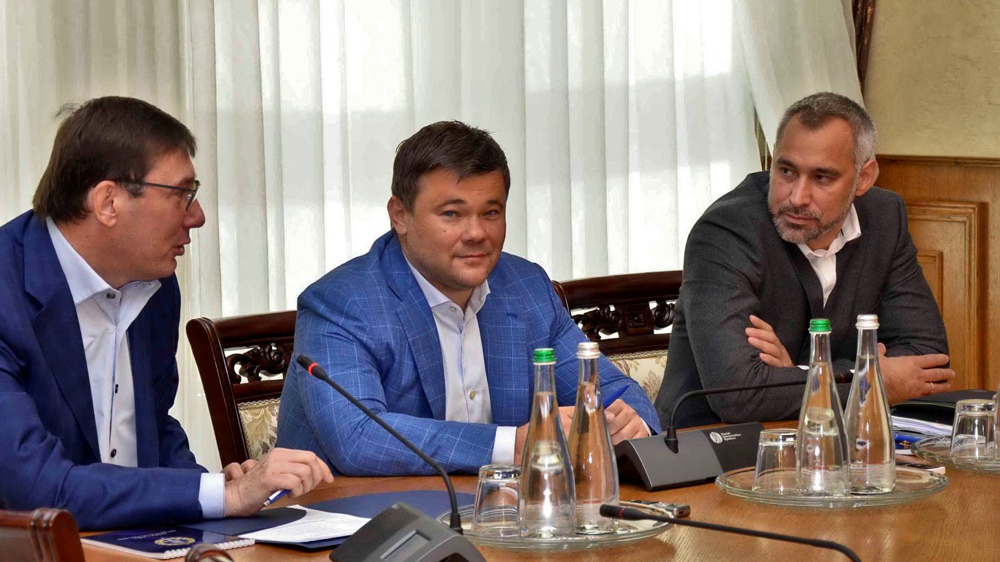
Head of president's office Andriy Bohdan (C) presents Ruslan Riaiboshapka (R) as a new Prosecutor General together with previous PG Yuriy Lutsenko. Kyiv, 30 August 2019. Photo: gp.gov.ua
Signature-gathering for Riaboshapka's dismissal began the next day. Parliament removed him in March 2020, and his successor rolled back the reforms he had tried to launch. David Arakhamia, the head of Zelenskyy's parliamentary faction, later named the refusal to charge Poroshenko as the last drop.
It keeps repeating. The official whose job is to hold the powerful to account ends up serving them instead.
Of the prosecutors general who followed Riaboshapka, two left under a cloud.
Andriy Kostin resigned in 2024 after investigators exposed a nationwide market in fake disability certificates used to dodge mobilization, a scheme that reached prosecutors inside his own service. And now Kravchenko, whom Ukraine's anti-corruption agencies had begun investigating over the alleged protection of an international network of fraudulent call centers.
2023: Ukrainian Prosecutor General Andrii Kostin during a meeting with Ukrainian representatives of law enforcement agencies in Kherson Oblast.
It keeps repeating. The official whose job is to hold the powerful to account ends up serving them instead. The problem is structural, and so is the fix: the same mechanism behind Ukraine's working post-Euromaidan reforms. A bill to have independent experts vet candidates for the Prosecutor General exists; it has sat in parliament since June, untouched.
Whether Zelenskyy's Servant of the People party, which holds the Rada majority, will let it move is unclear. What hangs on the answer is whether Ukraine finishes becoming a state of law, or stays a state of protection.
Unlimited power, total political control
Iryna Korzhenkova, parliamentary analyst at Chesno
For the office meant to guarantee that everyone, including those in power, is equal before the law, real powers are necessary. The problem in Ukraine, said Iryna Korzhenkova, a parliamentary analyst at the Chesno movement for political transparency, is that those powers come bundled with total political control.
The president appoints the prosecutor general with the Rada's consent, under a procedure that provides neither transparent selection nor any assessment of competence. He can be dismissed by a simple 226-vote majority. No prosecutor general has served a full term, and the average tenure is under two years.
"The position that is supposed to keep politicians in check works as their insurance policy instead," Korzhenkova told Euromaidan Press.
Capturing the office is a tempting political prize. Under Article 482-2 of the Criminal Procedure Code, only the prosecutor general can register a criminal case against a sitting MP, and only he can approve a search, a wiretap, or a detention against one.
Since MPs lost their formal immunity in 2020, in the same reform that handed the prosecutor general sole power to open cases against them, this has becomea kind of modified immunity: one politically appointed person can decline to open a case, and no court can challenge the refusal. This was the case in 2020, when then Prosecutor General Iryna Venediktovarejected a draft suspicion against an MP handed to her by NABU, reversing only under public pressure.
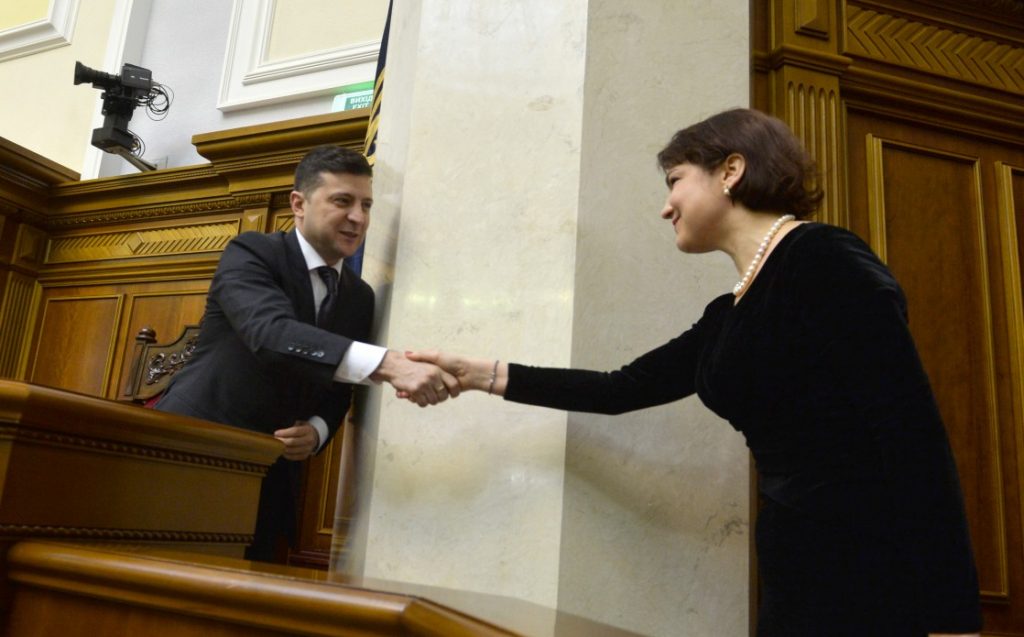
March 2020: President Zelenskyy shakes hands with Iryna Venediktova, newly appointed Prosecutor General. Photo: president.gov.ua
So valuable is the office that in 2016 parliament stripped out the need for a law degree altogether, to fit the president's man, Poroshenko ally Yuriy Lutsenko; the press called it "the personal law of Lutsenko."
His appointment came as the old guard crushed a reform born on the wings of Euromaidan: a team of reformist prosecutors who had just exposed the "diamond prosecutors," senior officials caught with bags of cash and gems linked to the sitting prosecutor general, was purged, and the case died.
Explore further
How Ukraine’s old guard killed the prosecution reform
A demand the EU has made since 2014
Depoliticizing this chair has been an EU condition for Ukraine's membership path since 2014, and a live one since negotiations on the Fundamentals cluster, the first stage of accession talks and the one covering rule of law, opened in June.
This is why the day that Kravchenko fled, the EU issued a reminder that Ukraine promised to reform the Prosecutor General's Office and introduce a contest for the chair.
"The prosecutor general is the gateway to the criminal justice system for everyone in power," Korzhenkova explained.
Today, that gateway is held by the political majority: appointed by Zelenskyy, dismissable by his Servant of the People party, which controls parliament. Any case against that majority has to pass a filter the majority appoints.
Ukrainian President Volodymyr Zelenskyy, European Commission President Ursula von der Leyen, and European Council President António Costa meet during the informal EU summit in Cyprus, 23 April 2026. Credit: President.gov.ua
The EU's interest in prying the office loose is twofold, she said.
Brussels sends Ukraine money and must be sure that money stolen gets prosecuted;
and it has watched the reform reverse in Poland and Bulgaria, which is why it now wants the guarantees written in before the fact.
The internal price is steeper still: war raises the cost of a dependent prosecution, with defense procurement, mobilization, and aid flows all resting on it.
Europe's own standard, set out by the Council of Europe in its 2014 charter on prosecutors, prescribes no single model. Governments may have a hand in choosing the prosecutor general, so long as the method earns public confidence and the term is stable enough to make the office "independent of political changes."
On dismissal it is blunter: protection from "arbitrary or politically motivated dismissal" is "particularly relevant" for prosecutors general, and the law "should clearly define the conditions of their pre-term dismissal."
Ukraine fails at both ends, and, as Korzhenkova puts it, no version that leaves the president's discretion untouched can meet that standard.
The international expert lifehack
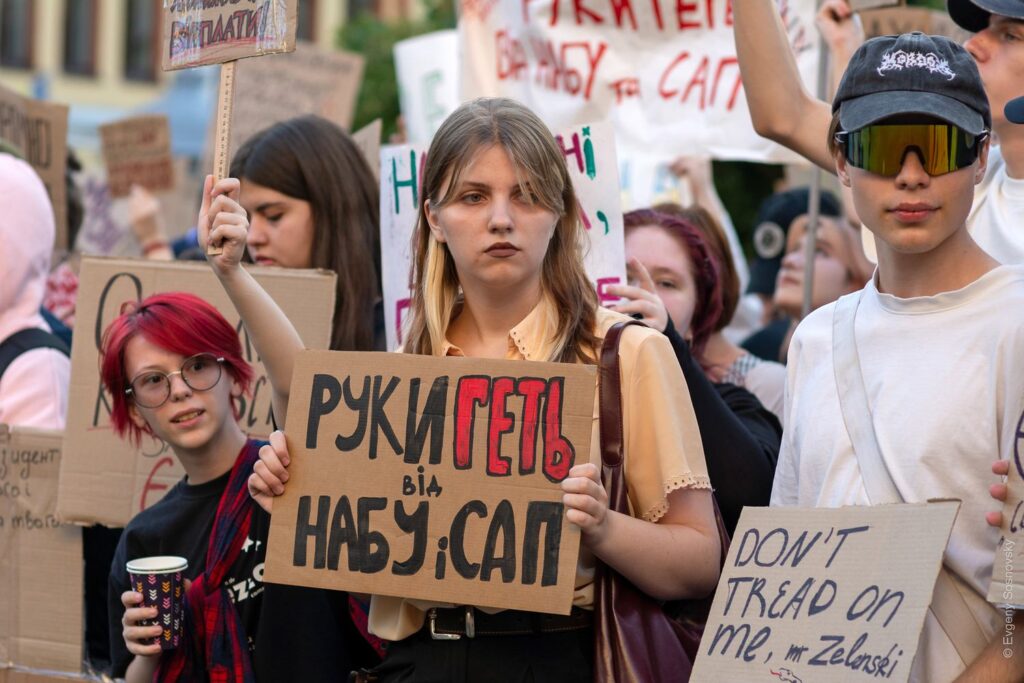
"Hands off NABU and SAPO," says a cardboard poster of a young woman at protests against a law to curb the independence of Ukraine's anti-corruption agencies in Kyiv, late July 2025. Photo: Evgeny Sosnovsky
But how do you clean an office when cronyism runs through the class that appoints it? Ukraine has a partial answer, from the part of its post-Euromaidan reforms that worked.
The directors of the National Anti-Corruption Bureau (NABU), Special Anti-Corruption Prosecutor's Office (SAPO), and the National Agency on Corruption Prevention are chosen through open competitions in which a panel of independent experts, foreign ones among them with a decisive vote, can veto compromised candidates.
The Ukrainian half of a commission can be captured. The foreigners with a decisive vote are the part no Ukrainian official can phone up and instruct.
The success of those agencies, now breaking up the very rings of cronyism they were built to reach, is why the Venice Commission and Ukraine's Western partners have consistently defended the model.
In a 2021 joint statement, the EU, US, and partner embassies called the international experts' role "temporary but crucial," aimed at resisting "the influence of vested interests." When Zelenskyy's team moved to strip NABU and SAPO of their independence in July 2025, the G7 ambassadors publicly welcomed the reversal that restored it.
Those independently selected agencies produced Operation Midas, the case that reached Mindich and forced out Yermak, and, weeks later, Operation Forrest Gump.
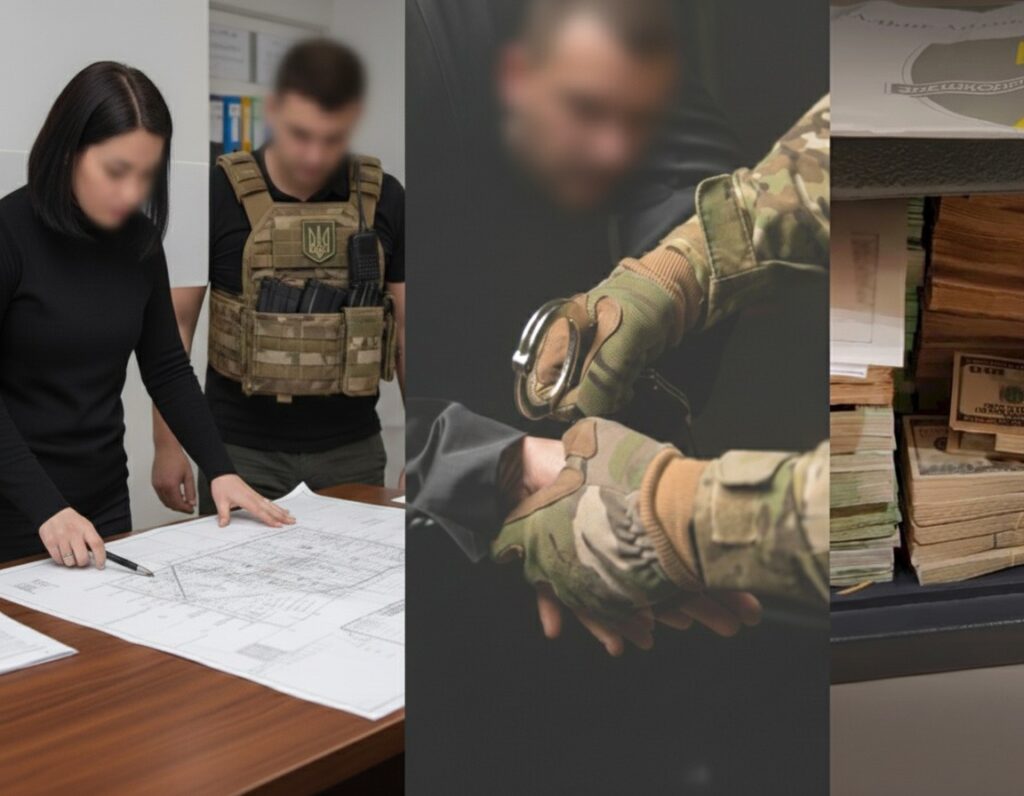
Composite image depicting NABU investigators examining documents, conducting searches, and seizing cash during raids targeting corruption schemes during Operation Midas. November 2025.
The High Anti-Corruption Court (HACC), created in 2018 through the same kind of expert council, reaches officials the courts never could: it convicted the highest-ranking judge in the country, Vsevolod Kniaziev, over part of a $2.7 million bribe. Before it existed, all of Ukraine's general courts together had delivered roughly 40 verdicts in NABU and SAPO cases; in seven years the specialized court has delivered 431, against 601 people, and for the first time a sitting MP drew a real prison term.
Explore further
Ukraine’s Anti-Corruption Court is breaking the cycle of impunity
The foreign vote is not a hypothetical safeguard. At an August hearing for Olha Stefanishyna, the former deputy prime minister for European integration, a SAPO prosecutor read out messages in which, they say, she steered the very commissions that select Ukraine's watchdog agencies. To the head of the 2022 panel choosing the NABU director: "Do what you want, I need numbers 60 and 62 from the list. Postpone the sessions, I shouldn't have to think for you." Her influence reached three commissions at once.
In 2015, the National Anti-Corruption Bureau and the Specialized Anti-Corruption Prosecutor’s Office were established in Ukraine to fight the top-level corruption. In 2019, the High Anti-Corruption Court completed the chain. The NABU agents are in the photo. Photo: nabu.gov.ua
She calls the case a storm in a teacup, and the charges are unproven. But it is the reformers' own argument: the Ukrainian half of a commission can be captured. The foreigners with a decisive vote are the part no Ukrainian official can phone up and instruct.
The model is no panacea, Korzhenkova warns:
"The international experts are not the motor of reform. They are a circuit breaker. They can keep out the worse candidate. They cannot make those in power want to do better."
The anti-corruption court convicts, but whether the guilty serve time is another matter. Of its 398 convictions in seven years, more than half were settled by plea bargain, others ended in fines or suspended sentences, and a stack of cases had simply run out the clock before any verdict. As of the last public tally, in spring 2026, only about 80 of the convicted had actually drawn real jail time.
For years, the court sat short of judges, which Ekonomichna Pravda read as quietly convenient for those in power: an understaffed court slows cases and lets them lapse without the visible fight of dismantling it. Most of the vacancies were only filled in August 2026, when the EU tied the appointments to money Ukraine needed.
What the bill would do, and the perennial objection
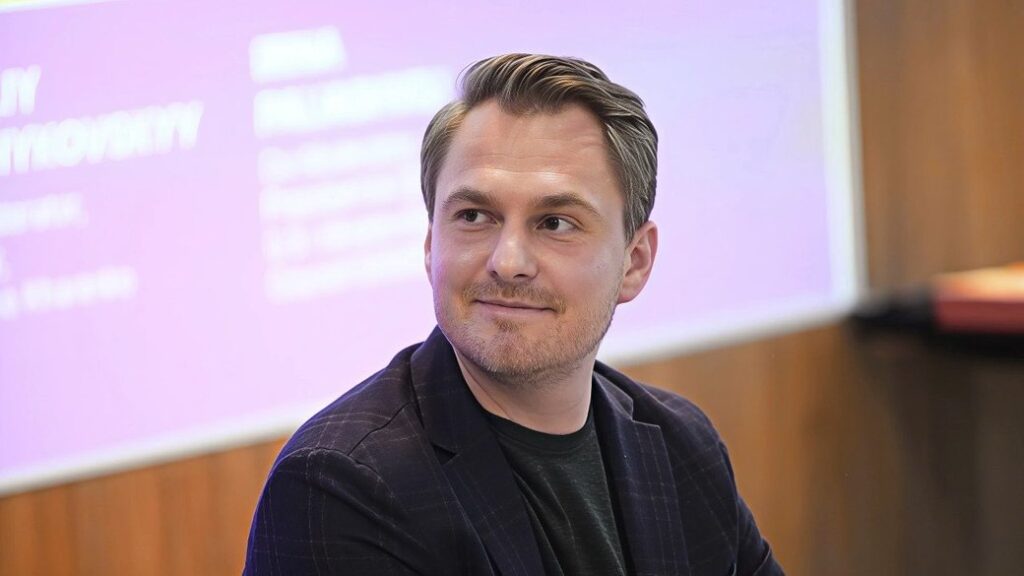
Ukraine's former Prosecutor General Ruslan Kravchenko. Photo: his facebook
Full depoliticization would mean amending the constitution, which martial law rules out, and the EU mandates no specific route. So the reformers' instrument is an ordinary law, bill 15343.
It adds a filter to the current system: the president would pick not freely, as now, but from candidates pre-selected by an open competition run by a six-member commission, three of them vetted by Ukraine's international partners. Four votes choose a candidate, two of them the internationals'.
And it moves the power to discipline and dismiss a sitting prosecutor general to the High Council of Justice, the body that governs Ukraine's judges, itself reformed in 2021 through the same international-expert vetting, and the one disciplinary body not under the prosecutor general's own control.
If the mechanism works, and Ukraine has used it for its anti-corruption prosecution, bureau, and court, the obvious question is why the prosecutor general was left out.
The answer is not constitutional, though a constitutional objection has been raised. A legal analysis on the site Sud.ua argued the model has no analog in most of the EU and breaks the constitution: the president is reduced to a technical executor of the commission's choice, and the judges' council is handed power over the head of the prosecution, which is not the judiciary. Foreign experts with a veto over a constitutional office, one commentator wrote, are a gift to any populist and to Moscow.
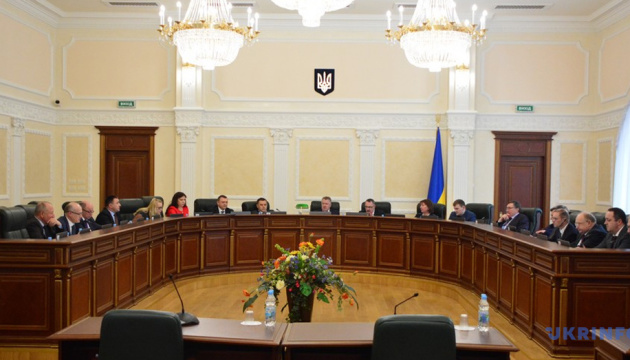
The High Council of Justice, the key body of the judicial government, was considered the main enemy of real reform and was relaunched in 2021. Photo: ukrinform.ua
But this is the argument Ukraine's powerful always reach for when the anti-corruption bodies get close.
In 2020, when NABU accused the judge Pavlo Vovk of running a scheme to seize control of the courts, the same sovereignty-and-separation-of-powers reasoning was deployed to shield him, and EP reported at the time that the prosecutor general's own office was accused of moving to disrupt the case against him. The office meant to prosecute the powerful was protecting them instead, which is the whole reason reformers want it taken out of political hands.
There is no legal reason the reform cannot be done, Korzhenkova says. The same constitutional objections applied to the Constitutional Court and the High Council of Justice, both reformed through international vetting; the filter was added anyway.
"The constitutional argument suddenly appeared only for the prosecutor general," she said.
The real reason for the stall is political: the prosecutor general is the last great lever that decides who gets prosecuted, and the majority that would have to give up control of it is the same majority those prosecutions would reach.
The Rada's own tempo shows it. To save the system from a scandal, it found 317 votes to dismiss Kravchenko in a single day and installed an acting prosecutor general by decree. To limit the system, it has left the bill untouched for three months; in early September the relevant committee declined even to put it on the agenda, and moved only after individual MPs pushed.
At least 50 members of the current parliament, Chesno documents, are themselves under criminal suspicion.
What happens now
Kravchenko's replacement Anton Kovalskyi has worked in prosecution for 15 years. Photo: Khmelnytskyi regional prosecutor's office
The interim answer is Anton Kovalskyi, the Khmelnytskyi Oblast chief prosecutor, appointed acting prosecutor general by decree on 17 September, chosen the old way: hand-picked, from at least four candidates, with no public account of why him.
The Anti-Corruption Action Center laid out the rest in a dossier: property registered to relatives, a wife from Russia whose year-old sole proprietorship reported earnings of over UAH 500,000 ($11k) a month, a deputy whose father-in-law fled to Russia and was convicted in absentia of collaboration.
Asked whether the reform bill would have produced a different result, Korzhenkova declined to guess, and said the guessing is the problem. "I don't know, and neither does anyone else, and that is exactly it."
Under an open competition, his selection would have been vetted by international experts; everyone could have submitted data on the candidates.
The bill would not have guaranteed a good prosecutor general, but it would at least have made the appointed one checkable. This is what the Rada majority is, for now, declining to allow.
The case that finally reached Kravchenko had a name. NABU and SAPO called it Carthage: a scheme, run out of the Prosecutor General's Office itself, to shield a network of fraudulent call centers, with five officials handed suspicions.
Carthage put investigators inside his building, and Carthage he was answering when, on his way out, he turned the office's power to prosecute the man using it against him and signed a suspicion against Semen Kryvonos, the NABU director.
Explore further
Ukraine’s prosecutor general resigns as the watchdogs he was appointed to leash close in
Kryvonos says it never reached him; the office itself later conceded that the suspicion was legally void.
Kravchenko's last act as prosecutor general was a business trip he wrote for himself, five days in Paris for a hearing of the PACE parliamentary network, and he left by car on 13 September. He was due back on the 18th. He did not return, and his former office says it does not know whether he has asked for asylum in the EU.
Ukraine has spent a decade building institutions that reach the powerful. The prosecutor general's office is the one it never got to. The man who ran it signed his own exit papers and was across the border by half past two in the morning.
Ukraine's Cabinet of Ministers rejected a nominee to lead the economic crimes agency, drawing swift criticism from lawmakers and businesses over alleged interference in the selection process.The agency, the Bureau of Economic Security, was created in 2021 to investigate economic crimes. It has since faced accusations of being used to pressure — and in some cases extort — businesses, prompting multiple calls and efforts to overhaul it.Selecting a new director of the agency by the end of July is o
Ukraine's Cabinet of Ministers rejected a nominee to lead the economic crimes agency, drawing swift criticism from lawmakers and businesses over alleged interference in the selection process.
The agency, the Bureau of Economic Security, was created in 2021 to investigate economic crimes. It has since faced accusations of being used to pressure — and in some cases extort — businesses, prompting multiple calls and efforts to overhaul it.
Selecting a new director of the agency by the end of July is one of Ukraine's obligations to the EU and International Monetary Fund as part of international financing packages extended to the war-torn country by the institutions.
As part of a recent attempt to relaunch the bureau, Oleksandr Tsyvinsky on June 30 was officially nominated by the bureau's selection commission that consists of six members — three from the government and three international experts. Tsyvinsky is known for exposing schemes involving illegal land seizures in Kyiv..
But Ukraine's government on July 8 said it had rejected Tsyvinsky following alleged concerns raised by the country's intelligence service of potential Russian connections.
The government unanimously decided to ask the commission to submit two new candidates who meet all security requirements, the government press service wrote on its official Telegram channel, a move it claims aligns with the law.
Following Tsyvinsky's nomination, it was revealed that his father holds a Russian passport. He has said he hasn't spoken to his father, who lives in Russia, in years.
Tsyvinsky holds clearance for state secrets and has passed special vetting, backed by over 20 years in law enforcement, including nearly a decade at the National Anti-Corruption Bureau of Ukraine (NABU).
Opposition lawmaker Yaroslav Zhelizniak, said the government had no grounds to reject a properly nominated candidate, claiming President Volodymyr Zelensky's office is behind the blocking of the nomination.
"The (bureau's) legislation provides no legal grounds for the cabinet to demand a new shortlist or impose additional, undefined requirements such as 'security criteria.' The term itself is absent from any statute and therefore has no legal force," Zhelizniak said.
"The SBU letter in this case is nothing more than an indicator of the winner's disloyalty to the President's Office and a desire to block the appointment," said Olena Shcherban, deputy executive director of the AntAC in a statement following the news.
Major business associations have called on Zelensky, Parliament Speaker Ruslan Stefanchuk, and Prime Minister Denys Shmyhal to reverse the government's decision.
The business groups warned that failing to reform the agency will harm investment decisions, particularly as Ukraine's wartime economy needs to attract capital.
"War is a time for radical changes in the rule of law and business climate, otherwise the economy cannot ensure the country's survival," the businesses wrote in an open letter.
Editor's note: This article was updated to include comments from Ukraine's Deputy Prime Minister Oleksii Chernyshov. Deputy Prime Minister and National Unity Minister Oleksii Chernyshov will keep his position after a decision from the High Anti-Corruption Court on July 2, despite an ongoing corruption investigation.Chernyshov is a suspect in a "large-scale" illegal land grab corruption case. After a court hearing on June 27, he was banned from traveling abroad without permission and slapped with
Editor's note: This article was updated to include comments from Ukraine's Deputy Prime Minister Oleksii Chernyshov.
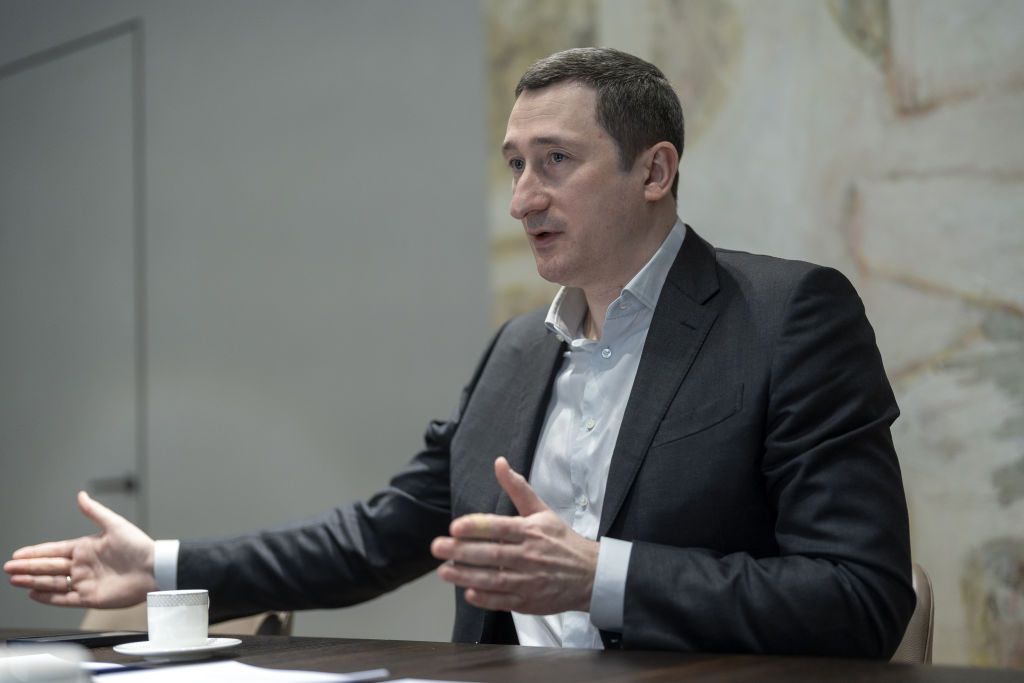
Deputy Prime Minister and National Unity Minister Oleksii Chernyshov will keep his position after a decision from the High Anti-Corruption Court on July 2, despite an ongoing corruption investigation.
Chernyshov is a suspect in a "large-scale" illegal land grab corruption case. After a court hearing on June 27, he was banned from traveling abroad without permission and slapped with a bail set at Hr 120 million ($2.9 million) while awaiting trial.
Despite Cheryshov’s defense appealing the bail, it was paid in full shortly after the July 2 hearing, Olesya Chemerys, spokesperson for the High Anti-Corruption Court, told Ukrainian media Ukrainska Pravda. July 2 was the last day to pay the bail.
Prosecutors filed a motion for his removal on June 27. The day before, he told the Kyiv Independent that he denied the allegations and would not step down from his job.
"I definitely respect the court’s decision. At the same time, I will use all legal means to defend myself in court further and to protect my name and reputation," Chernyshov told the Kyiv Independent after the hearing on July 2.
Chernshov is the highest-ranking official in Ukrainian history to face such charges while in office, attracting a lot of eyes to the case. He is also considered a close ally of President Volodymyr Zelensky, marking a major accusation against the president’s inner circle.
Chernyshov has headed the National Unity Ministry since December, which was previously named the Reintegration of Temporarily Occupied territories Ministry, to strengthen ties with the Ukrainian diaspora. It was initially unclear why the ministry was created and what Chernyshov’s responsibilities were.
Earlier this week, several Ukrainian MPs, including lawmaker Yaroslav Zhelezniak, speculated that the ministry could be dismantled due to Chernyshov’s case. Zhelezniak believes that the ministry is not needed and was created with the political goal of securing a position for Cherynshov, reported Radio Svoboda.
For now, Chernyshov says that the ministry will continue to operate as usual. "We have a lot of important work ahead, and stay dedicated to our values and tasks," he told the Kyiv Independent on July 2.
Speaking to reporters after the court dismissed the motion for his removal, Chernyshov said he had "collected funds" to pay the bail as his personal accounts are blocked.
The court’s decision to keep Cheryshov in place has raised concerns among the Anti-Corruption Action Center, a Kyiv-based watchdog. With Chernyshov still acting as deputy prime minister, he could potentially use his position to influence the court’s decision going forward in the case, said Olena Shcherban, deputy executive director at ANTAC.
"The logic of the court is currently completely unclear to me, as are the motives — but given the high profile of the position and Chernyshov being close to the president's entourage, I do not exclude that the court could be influenced," Shcherban told the Kyiv Independent.
"Whether this will affect the case is not yet known; it all depends on whether Chernyshov will still influence witnesses and use his position to save himself — and I think he will definitely use it," she added.
According to the National Anti-Corruption Bureau (NABU) investigation, during his time as communities and territories minister in 2020-2022, Chernyshov and his associates undervalued land plots to benefit a developer in exchange for kickbacks.
Chernyshov and his accomplices allegedly received "significant" discounts on apartments in existing buildings, totaling over Hr 14.5 million ($346,000), from the developer. The actions cost Ukraine Hr 1 billion ($24 million), according to NABU.
Chernyshov first raised eyebrows after he left the country on a business trip days before law enforcement unveiled the charges and detained two of his close associates. Despite suspicions that he had fled the country to avoid arrest, he returned to Ukraine on June 22 and was summoned to NABU the following day.
During the court hearing, NABU and the Specialized Anti-Corruption Prosecutor's Office (SAPO) requested that Chernyshov be suspended from office and that the court set bail of Hr 120 million ($2.9 million).
The two offices also requested additional measures restricting his movements, including that he hand in his passport and wear an electronic monitoring device.
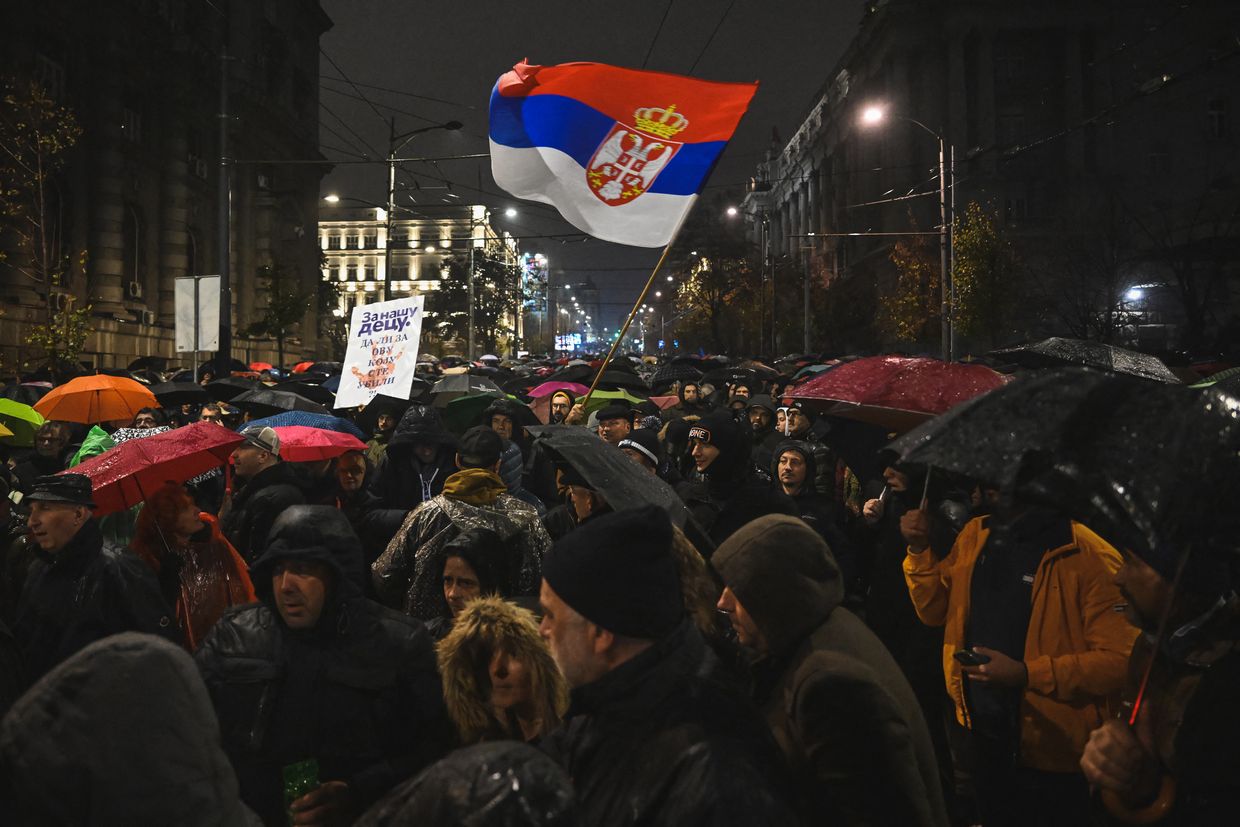
Police aggressively dispersed protestors at an anti-government rally in Belgrade, whereover 100,000 demonstrators gathered on June 28 to demand snap elections. The rally marks the latest mass action in a protest movement that started last fall, with activists calling for an end to corruption and the 12-year rule of Serbian President Aleksandar Vucic.Crowds in Belgrade on June 28 chanted "We want elections!" — a key demand of the movement that Vucic has consistently refused. His term ends in 2027
Police aggressively dispersed protestors at an anti-government rally in Belgrade, whereover 100,000 demonstrators gathered on June 28 to demand snap elections.
The rally marks the latest mass action in a protest movement that started last fall, with activists calling for an end to corruption and the 12-year rule of Serbian President Aleksandar Vucic.
Crowds in Belgrade on June 28 chanted "We want elections!" — a key demand of the movement that Vucic has consistently refused. His term ends in 2027, which is also the date of the next scheduled parliamentary elections.
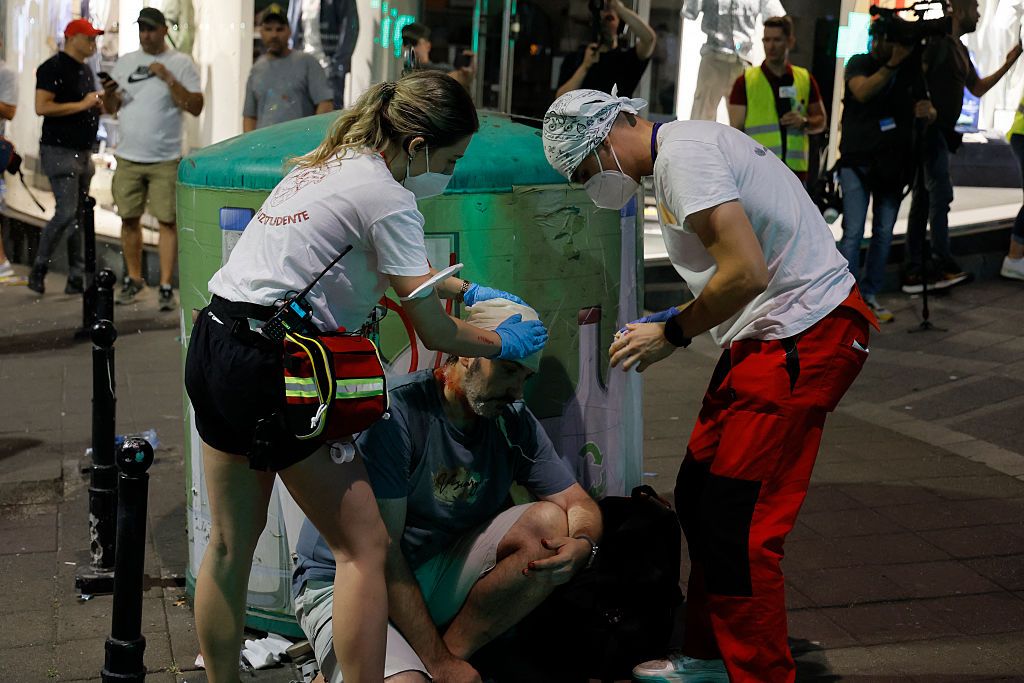
Police officers in riot gear used tear gas, pepper spray, and stun grenades to forcibly dispersed crowds, according to multiple media outlets. Dozens of protestors were detained, though the police did not provide an exat number.
Serbian Interior Minister Ivica Dacic claimed that demonstrators attacked the police.
Protestors reportedly threw eggs, plastic bottles, and other objects at riot officers blocking the crowd from entering a city park where Vucic supporters were staging a counterprotest. Vucic reportedly bused in groups of his own supporters from around the country ahead of the rally.
Vucic, a right-wing populist leader with authoritarian tendencies and warm ties with Russia, has repeatedly accused foreign states of inciting the protests in order to topple his government. He is provided no evidence to support these claims.
The current wave of protests in Serbia began in November, when a train station roof in the town of Novi Sad collapsed, killing 15. The disaster was blamed on government corruption.
While Vucic has alleged that Western powers are trying to trigger a "Ukrainian-style revolution in Serbia," the Serbian protests are not markedly pro-Ukrainian or pro-Russian. Unlike mass demonstrations in Slovakia, where activists explicitly condemned the government's Kremlin-friendly agenda, the Serbian movement is focused on Vucic's corrupt leadership.
Since Russia's full-scale invasion of Ukraine in 2022, Serbia has attempted to navigate a delicate diplomatic path between Moscow and the West. It has positioned itself as neutral in the Russia-Ukraine war and balanced its status as an EU candidate with its longstanding ties to Russia.
Vucic made his first official visit to Ukraine on June 11.
A former deputy mayor for Kharkiv is facing multiple charges related to creating and leading a scheme that allegedly embezzled 5.4 million hryvnias ($130,000) of budget funds allocated for fortifications, law enforcement agencies announced on June 28.Ukraine's military as well as public officials has seen several corruption scandals since the start of Russia's full-scale war, related to illicit enrichment, money laundering, bribery, and misconduct of the command.A total of four people, including
A former deputy mayor for Kharkiv is facing multiple charges related to creating and leading a scheme that allegedly embezzled 5.4 million hryvnias ($130,000) of budget funds allocated for fortifications, law enforcement agencies announced on June 28.
Ukraine's military as well as public officials has seen several corruption scandals since the start of Russia's full-scale war, related to illicit enrichment, money laundering, bribery, and misconduct of the command.
A total of four people, including two company heads and two entrepreneurs, were arrested alongside the former official, the National Police said.
The scheme allegedly involved a shell company procuring purchased materials for fortifications at prices over 30% above market value.
While authoritiesdid not name the former official, Ukrainska Pravda reported, citing law enforcement sources, that the suspect in question is Andrii Rudenko, Kharkiv's Deputy Mayor for Housing and Communal Services between 2015 and 2024.
Authorities did not publicly release the identities of the remaining suspects.
The five suspects are currently facing charges under 17 articles of Ukraine's Criminal Code, with motions filed to impose pre-trial detention without bail.
It was not immediately clear as to the maximum sentence the suspects may receive if found guilty, however, Ukraine's Prosecutor General Ruslan Kravchenko said that he will seek for "stolen budget funds must be fully returned to the state."
Law enforcement agents have previously arrested Kharkiv officials with corruption related charges.
In April, authorities charged a total of eight individuals, including local officials and entrepreneurs, accused of colluding with contractors to supply firewood to the military at prices significantly above market value. Several officials and entrepreneurs of housing and utilities departments in several regions, including Kharkiv, were allegedly implicated.
Ukraine's National Anti-Corruption Bureau (NABU) and the Specialized Anti-Corruption Prosecutor's Office (SAPO) have filed a motion with the High Anti-Corruption Court seeking to impose bail and suspend Deputy Prime Minister Oleksii Chernyshov from office, NABU's press service reported on June 27.Chernyshov was officially named a suspect on June 23 in what NABU called a "large-scale" illegal land grab case. Chernyshov heads the new National Unity Ministry in charge of returning refugees and is a
Ukraine's National Anti-Corruption Bureau (NABU) and the Specialized Anti-Corruption Prosecutor's Office (SAPO) have filed a motion with the High Anti-Corruption Court seeking to impose bail and suspend Deputy Prime Minister Oleksii Chernyshov from office, NABU's press service reported on June 27.
Chernyshov was officially named a suspect on June 23 in what NABU called a "large-scale" illegal land grab case. Chernyshov heads the new National Unity Ministry in charge of returning refugees and is a close ally of President Volodymyr Zelensky. He left Ukraine days before law enforcement revealed a massive corruption scheme and detained two of his former close associates — Maksym Horbatiuk and Vasyl Volodin.
Investigators allege that Chernyshov and his associates undervalued the land fivefold, costing the state Hr 1 billion (about $24 million), and received discounted apartments worth over Hr 14.5 million ($346,000) in return. In a comment to the Kyiv Independent, Chernyshov has denied the allegations and said he has no plans to step down.
The agencies are requesting that Chernyshov be placed under a bail measure of Hr 120 million ($2.8 million) and be formally removed from his current post while the investigation proceeds.
The agencies said the proposed measures reflect the risks identified during the investigation, including concerns about potential obstruction of justice. They emphasized that their motion aligns with the court's precedent in similar high-profile corruption cases.
The motion also requests that Chernyshov be subject to standard obligations, including a travel ban, passport surrender, and mandatory cooperation with law enforcement. SAPO additionally urged that he be prohibited from contacting other suspects or witnesses in the case.
The agency noted that Chernyshov returned to Ukraine voluntarily and responded to their summons.
If the court upholds the request, Chernyshov would be required to pay the bail within five days. Failure to do so or breach of the imposed conditions could result in a more severe pre-trial measure, prosecutors said.
Chernyshov returned to Ukraine on June 22 following growing public pressure and reported to NABU the following day. Despite his claim that he had been on a scheduled business trip, critics accused him of attempting to evade charges.
Chernyshov is considered a close ally of Zelensky and has held several high-profile roles, including CEO of state-owned oil and gas giantNaftogaz.
Ukrainian Deputy Prime Minister Oleksii Chernyshov on June 23 was formally named a suspect in a high-profile illegal land grab case, becoming the highest-ranking official in Ukrainian history to face such charges while in office.After reports and public speculation around Chernyshov's potential involvement, the National Anti-Corruption Bureau (NABU) released a statement announcing that he was the sixth suspect in a “large-scale” corruption scheme led by a property developer from Kyiv who illegal
Ukrainian Deputy Prime Minister Oleksii Chernyshov on June 23 was formally named a suspect in a high-profile illegal land grab case, becoming the highest-ranking official in Ukrainian history to face such charges while in office.
After reports and public speculation around Chernyshov's potential involvement, the National Anti-Corruption Bureau (NABU) released a statement announcing that he was the sixth suspect in a “large-scale” corruption scheme led by a property developer from Kyiv who illegally claimed a land plot to build a residential complex.
In a comment to the Kyiv Independent, Chernyshov denied the accusations against him. "I'm absolutely not involved in that (scheme) — that's clear," he said.
He also said he won't step down from his post. "I will stay in this position," Chernyshov told the Kyiv Independent.
Chernyshov, who heads the new National Unity Ministry in charge of returning refugees, is a close ally of President Volodymyr Zelensky. He raised eyebrows in Ukraine after leaving the country days before law enforcement revealed a massive corruption scheme and detained two of his former close associates — Maksym Horbatiuk and Vasyl Volodin.
According to the anti-corruption agency, during his time as communities and territories minister in 2020-2022, Chernyshov and his associates undervalued land plots by five times to benefit the developer, which Ukrainian media identified as Serhii Kopystyra, allegedly costing the state Hr 1 billion ($24 million).
In exchange, NABU says the developer gave kickbacks to Chernyshov and his accomplices with "significant" discounts on apartments in his existing buildings, totaling over Hr 14.5 million ($346,000). Ukrainian news site Ukrainska Pravda reports this took place between 2021-2022.
NABU and Ukraine's Specialized Anti-Corruption Prosecutor's Office (SAPO) seized the plot to prevent the scheme. Most of the illegally obtained apartments have been seized.
Chernyshov arrived back in the country on June 22 after suspicions mounted in Ukraine that he was on the run and avoiding detention.
"I was definitely on a business trip and I was not escaping out of Ukraine," Chernyshov told the Kyiv Independent. "The rumors of me not returning are nothing but manipulation. I came exactly once my trip was over. I had a very intensive trip in Europe."
Chernyshov claims he was targeted by a "smear campaign" but said he didn't know who could be behind it.
He also said that he came back on his own accord and denied that anyone had asked him to return.
The minister arrived at the NABU offices on June 23, after the agency summoned him to be charged. Upon leaving the bureau, Chernyshov wrote on Facebook that he had a “constructive chat” with detectives and will cooperate with the organization.
An investigation into Chernyshov and two of his associates took place last year after suspicions arose, according to Ukrainska Pravda, with the agency obtaining a warrant to search Chernyshov's home.
But sources in anti-corruption agencies told Ukrainska Pravda that the head of NABU, Semen Kryvonos, blocked police searches due to his close relationship with Chernyshov, who was his boss when Kryvonos headed the State Architecture Inspection, an agency that was subordinated to Chernyshov's former ministry.
Searches allegedly took place a few weeks ago, after a one-year delay, according to Ukrainska Pravda.
Chernyshov said that while he knows Kryvonos in a professional manner, the two are not in contact. He added that the allegations against Horbatiuk and Volodin look "quite serious" but that it was for law enforcement to decide if their detention is justified.
He was appointed head of state-owned energy giant Naftogaz in 2022 after the dissolution of the Communities and Territories Development Ministry. He became the national unity minister in December 2024, a ministry created from scratch.
Chernyshov is widely believed to have a personal friendship with Zelensky. According to a report by Ukrainska Pravda, he was among only a handful of guests invited to celebrate Zelensky's birthday during the Covid-19 pandemic in 2021 — and the only member of the Cabinet of Ministers in attendance.
"The key thing is that today NABU and SAPO have actually reached the immediate circle of the president's 'family,'" Olena Shcherban, deputy executive director at the Anti-Corruption Action Center (ANTAC), a Kyiv-based watchdog, told the Kyiv Independent.
The President's Office feels the threat from NABU and SAPO and will likely attack the two institutions in response to Chernyshov's notice of suspicion, rather than "saving" the minister, Shcherban added.
"I am sure we will see both attempts to make harmful changes to the law and personal attacks on the SAPO head (Oleksandr Klymenko)," she said.
Deputy Prime Minister Oleksii Chernyshov returned to Ukraine on June 22 following his official trip abroad amid media speculations connecting Chernyshov's absence to an ongoing corruption investigation.Chernyshov, who announced his return in a Facebook post, has been the subject of controversy in recent days after law enforcement agencies unveiled a corruption scheme involving two officials from the now-dissolved Communities and Territories Development Ministry, which was headed by Chernyshov.Su
Deputy Prime Minister Oleksii Chernyshov returned to Ukraine on June 22 following his official trip abroad amid media speculations connecting Chernyshov's absence to an ongoing corruption investigation.
Chernyshov, who announced his return in a Facebook post, has been the subject of controversy in recent days after law enforcement agencies unveiled a corruption scheme involving two officials from the now-dissolved Communities and Territories Development Ministry, which was headed by Chernyshov.
Suspicions about Chernyshov, who heads the new National Unity Ministry focused on relations with refugees and the Ukrainian diaspora, arose when the deputy prime minister did not attend a Kyiv forum he himself organized in person but joined online from abroad.
Chernyshov unexpected work trip to Vienna, announced on June 16, came just three days after law enforcement officials revealed the scheme, leaving Prime Minister Denys Shmyhal to answer questions in parliament about Chernyshov's trip. The National Unity Ministry said that foreign trips are a regular part of Chernyshov's work.
Ukrainska Pravda reported, citing its sources, that Chernyshov's son and wife had also Ukraine following Chernyshov's most recent trip. It was not immediately clear whether they had returned to the country.
"Finally home. A difficult but very important business trip (which, thanks to some media outlets, became unexpectedly popular) is now over," Chernyshov said in a Facebook post.
Chernyshov added that he will be returning to work within the Cabinet of Ministers starting on June 23.
"We’ll also break down the smear campaign fact by fact. The truth always prevails," he added, referring to the ongoing police matter.
According to Ukrainska Pravda, Chernyshov and two of his associates came under investigation last year over suspicions that they received kickbacks from Serhii Kopystira, the head of the KSM Group, for illicitly transferring a plot of land for real estate development between 2021 and 2022.
Four sources in anti-corruption agencies told Ukrainska Pravda that despite the investigation, no police searches were conducted at the time, as they were blocked by the head of the National Anti-Corruption Bureau, Semen Kryvonos, who has a long-standing relationship with Chernyshov.
After the dissolution of the Communities and Territories Development Ministry at the end of 2022, Chernyshov was appointed the head of the state-owned energy company Naftogaz. In 2024, the official was tasked with leading the new National Unity Ministry — a position that often involved travel abroad — while also being named deputy prime minister.
The other two people connected to the case — Maksym Horbatiuk and Vasyl Volodin — were reportedly detained last week as the investigation began moving forward.
President Volodymyr Zelensky previously commented on Chernyshov's presence abroad amid questions from media.
"What Shmyhal told me is that he’s on a business trip. He had two tasks from me, from the government, from all of us: the first — to open hubs in different countries, and the second — multiple citizenship. As far as I understand, he is working on both of these," Zelensky was quoted as saying.
The Kyiv Independent could not verify all the claims presented through the media investigation.
Deputy Prime Minister Oleksii Chernyshov's official trip abroad has been approved until the end of the week, Prime Minister Denys Shmyhal said on June 20 amid media speculations connecting Chernyshov's absence to an ongoing corruption investigation.Shmyhal made the comment in response to opposition lawmaker Iryna Herashchenko in parliament.Suspicions about Chernyshov, who heads the new National Unity Ministry focused on relations with refugees and the Ukrainian diaspora, arose earlier this week
Deputy Prime Minister Oleksii Chernyshov's official trip abroad has been approved until the end of the week, Prime Minister Denys Shmyhal said on June 20 amid media speculations connecting Chernyshov's absence to an ongoing corruption investigation.
Shmyhal made the comment in response to opposition lawmaker Iryna Herashchenko in parliament.
Suspicions about Chernyshov, who heads the new National Unity Ministry focused on relations with refugees and the Ukrainian diaspora, arose earlier this week when the deputy prime minister did not attend a Kyiv forum he himself organized in person but joined online from abroad.
The deputy prime minister's unexpected work trip to Vienna, announced on June 16, came three days after law enforcement agencies unveiled a corruption scheme involving two officials from the now-dissolved Communities and Territories Development Ministry, which was headed by Chernyshov.
According to Ukrainska Pravda, Chernyshov and two of his associates came under investigation last year over suspicions that they received kickbacks from Serhii Kopystira, the head of the KSM Group, for illicitly transferring a plot of land for real estate development between 2021 and 2022.
Four sources in anti-corruption agencies told Ukrainska Pravda that despite the investigation, no police searches were conducted at the time, as they were blocked by the head of the National Anti-Corruption Bureau, Semen Kryvonos, who has a long-standing relationship with Chernyshov.
After the dissolution of the Communities and Territories Development Ministry at the end of 2022, Chernyshov was appointed the head of the state-owned energy company Naftogaz. In 2024, the official was tasked with leading the new National Unity Ministry — a position that often involved travel abroad — while also being named deputy prime minister.
The other two people connected to the case — Maksym Horbatiuk and Vasyl Volodin — were reportedly detained last week as the investigation began moving forward.
Chernyshov traveled to Prague on June 10 and 11 for a business trip, and then to Vienna a week later. The subsequent court hearings with the two detainees detailed Chernyshov's role in the corruption scheme, according to Ukrainska Pravda.
The news outlet stressed that there is currently no evidence that Chernyshov's current stay abroad is connected to the investigation. The National Unity Ministry said that foreign trips are a regular part of Chernyshov's work.
The Kyiv Independent could not verify all the claims and has reached out to Chernyshov's team for comment.

 Connexion