❌

Vue normale

A century ago, bright red trousers made soldiers easy targets. Ukraine’s ex-army chief says the West is wearing them again

15 septembre 2026 à 07:16

Zaluzhnyi ambassador Ukraine

Ukraine's former top commander has a warning for anyone betting that new gadgets will win the war, he wrote in a column for Ukrainska Pravda. Valerii Zaluzhnyi, the country's Commander-in-Chief until 2024 and now its ambassador to the UK, argues 2026 is a war of technologies and, no less, of the strategies and doctrines that must keep pace with them. Bolting modern tech onto an old Soviet playbook, he says, drove mobilization into a dead end.

A year ago, Zaluzhnyi warned that Ukraine would need thousands of counter-drone systems and mass drone production to cope with the growing role of UAVs in war. A year later, those capabilities still aren't there at the scale he called for, mobilization has hit the dead end he now describes, and the four measures he proposed have not kept pace with how quickly drones are spreading.

Drones are already cheap, widespread, and shaping the war, and the front has gone static, Zaluzhnyi writes, while Russian strikes keep reaching railways and fuel stations far behind it.

This is no longer a drone war

The drones filling headlines no longer exist on their own, Zaluzhnyi writes. They have evolved into more familiar weapon types, cheaper and more effective—anyone still treating drones as a stand-alone class is about three years behind. Fixating on individual gadgets, he argues, misses the real contest: strategy and doctrine.

He reaches back to World War I for the danger he sees, running the line from Verdun and the Somme to Robotyne and Bakhmut. Before that war, soldiers in one army marched in bright red trousers that were supposed to help against repeating rifles, machine guns, and long-range artillery, and later against tanks and aircraft.

Today's faith in old security guarantees, he warns, is that same proud symbol worn onto a modern battlefield.

"The red trousers taught them nothing," he writes of those still moving tanks and artillery toward the fight by yesterday's logic.

New weapons, old strategy

The war has surrendered itself to marketers and wheeler-dealers, Zaluzhnyi writes—people who, without understanding or strategy, stoke it for quick profit while flaunting the pace of technological progress. Trying to retake land with Soviet methods and new weapons drove mobilization into a dead end, and fewer and fewer people were willing to take the one chance it offered.

"Damn marketing that kills," he adds.

The way out, he argues, is to treat technology as a new weapon, build tactics around it, and only then reshape the force.

That is what he calls doctrine, built through resource and technological alliances into a strategy for victory. Ukraine and Russia, he writes, have become real-time testing grounds.

What he warned a year ago

In September 2025, Zaluzhnyi named the four fights Ukraine had to win to survive mass drone warfare: counter-drone systems at scale, state-level drone production, integrated battlefield networks, and channeling tech talent into defense industries.

The counter-drone systems he put first are still short of the scale he warned Ukraine would need. Mobilization, he writes, has hit a dead end, and marketers—not the doctrine he calls for—are setting the pace.
  • ✇Euromaidan Press
  • Russia built five more halls for the drones it assembles using Chinese parts to hit Ukrainian cities
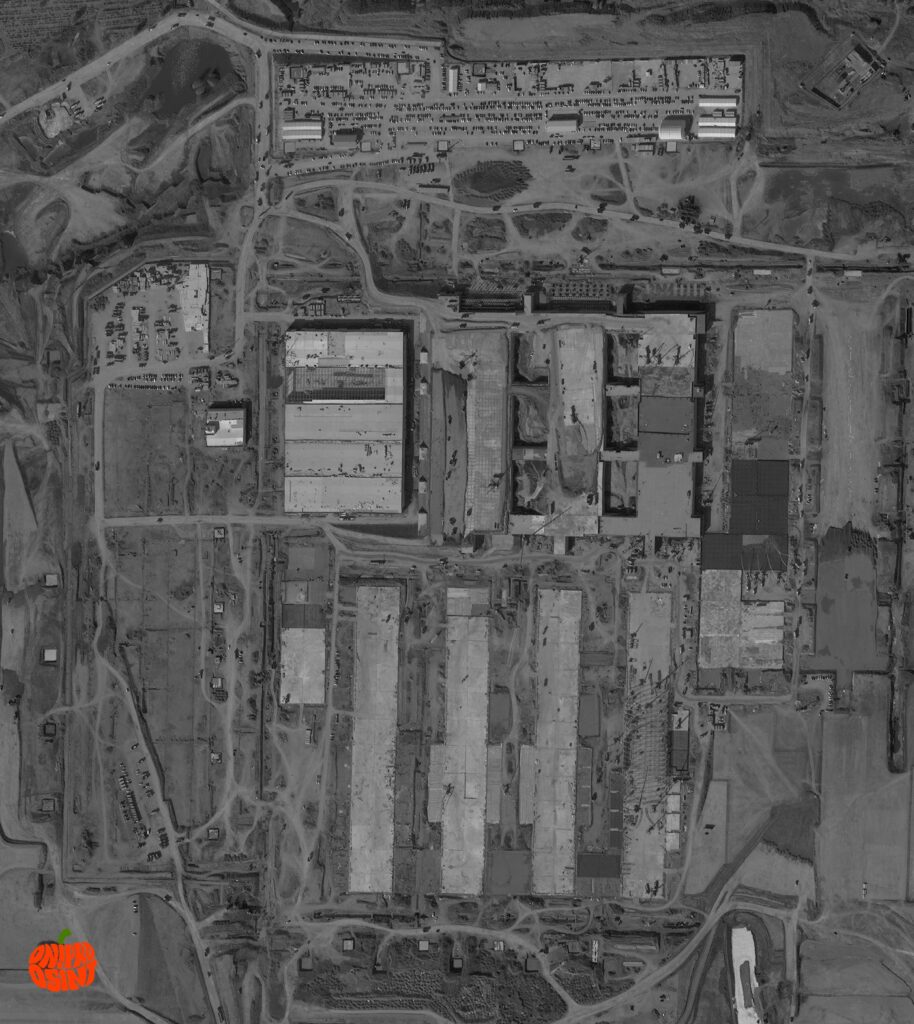
    Russia is building large new production halls at the Tatarstan site where it assembles the Shahed/Geran-type attack drones it fires at Ukrainian cities, the Ukrainian geospatial and satellite intelligence analyst Dnipro Osint reported, publishing satellite images of the work. At least five long buildings stand finished in the southern part of the Alabuga special economic zone, with internal roads and access ways laid around them and further construction under way. What the new halls are
     

Russia built five more halls for the drones it assembles using Chinese parts to hit Ukrainian cities

14 septembre 2026 à 05:30

satellites caught russia expanding its shahed drone plant moscow already holds 6000 drones reserve · post satellite southern part alabuga special economic zone tatarstan newly built production halls published 14

Russia is building large new production halls at the Tatarstan site where it assembles the Shahed/Geran-type attack drones it fires at Ukrainian cities, the Ukrainian geospatial and satellite intelligence analyst Dnipro Osint reported, publishing satellite images of the work. At least five long buildings stand finished in the southern part of the Alabuga special economic zone, with internal roads and access ways laid around them and further construction under way. What the new halls are for is not known yet.

Russia has spent three years enlarging the drone campaign against Ukrainian cities rather than narrowing it, and the cheap Iranian-designed Shahed is the weapon carrying it—fired in nightly waves that now reach the Polish border and paired with the missiles Ukraine intercepts least often. Growth in that campaign starts as floor space in Tatarstan, which makes new assembly halls a forecast of the winter rather than a construction story.

What the images show

Several of the large workshops in the zone's southern section are already complete, and several more sites are in active construction, the analyst said. Laid roadways, and the outlines of additional buildings appear beside the finished rows, and he published the coordinates of the site along with the images.

The plant behind the nightly waves

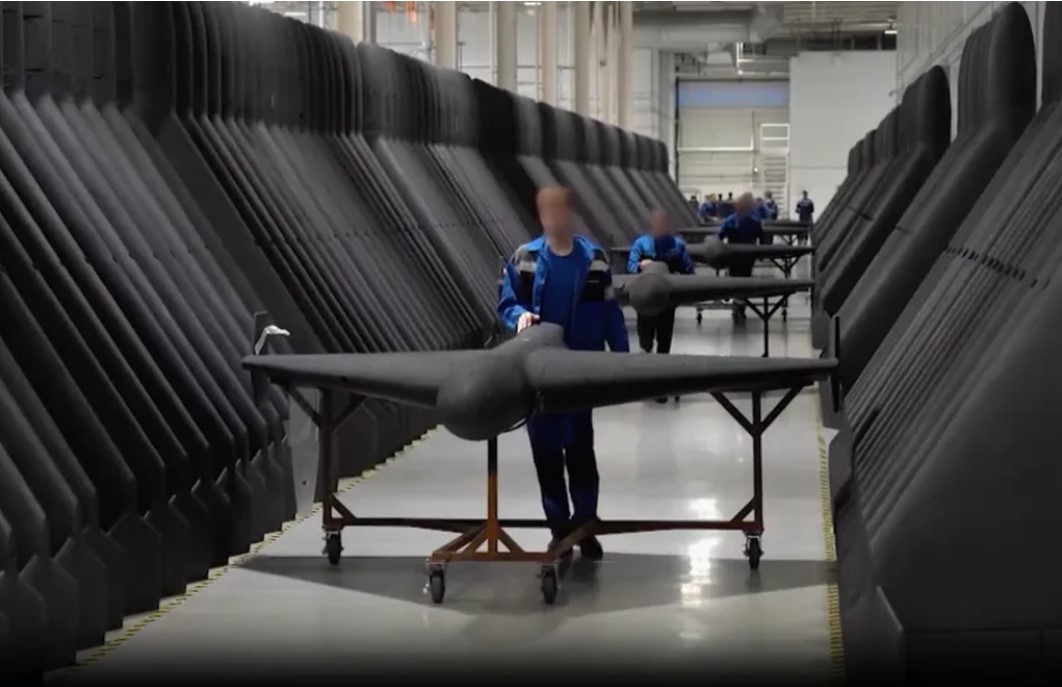
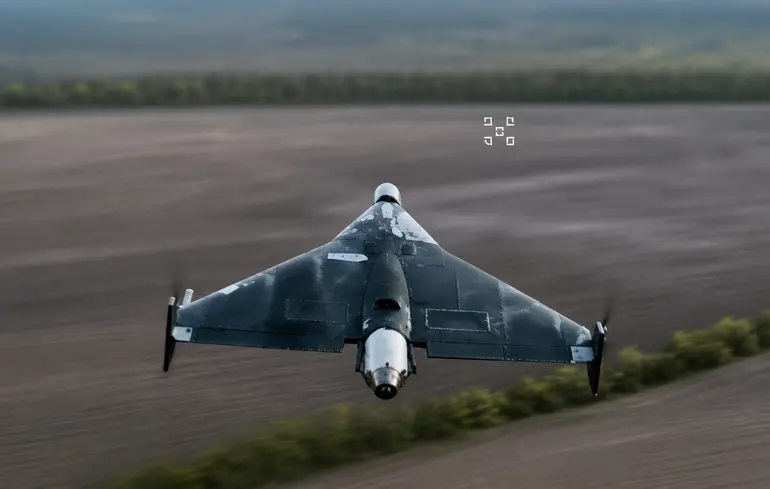
The zone lies near the city of Yelabuga, more than 1,000 kilometers from the Ukrainian border, and has been one of Russia's principal military plants since 2023. It assembles the Shahed-type strike drones Russia calls Gerans, along with the Gerbera decoys flown alongside them, built at a tenth of a Shahed's cost to make Ukrainian air defense spend interceptors on empty airframes.

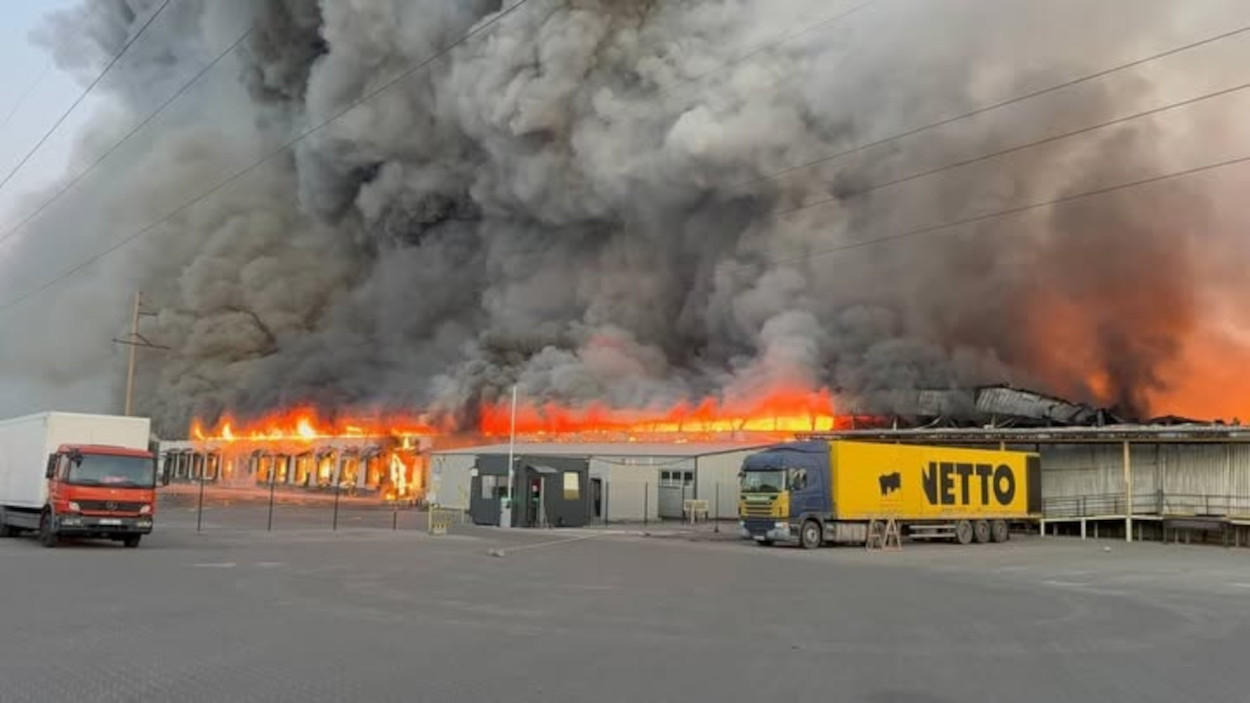
A fire burns at a Nova Poshta fulfillment and sorting center in Sviatopetrivske, Kyiv Oblast, after a Russian drone strike on 28 August 2026. More than 60,000 books were destroyed in the attack. Photo: Readeat
Explore further

800 jet drones in four days: Russia is now firing type Ukraine’s interceptors cannot catch

Output has climbed with the attacks. Russia builds about 3,000 of the jet-powered version a month, by Ukrainian military intelligence's count, and has accumulated a reserve of more than 6,000 Gerans for large-scale attacks. The zone itself expanded by 340 hectares in a year, media reported in May.

axios cuba has acquired over 300 russian iranian military drones · post russia's drone factory tatarstan shahed_plant alabuga video ukraine news ukrainian reports
Russia's drone factory in Tatarstan. Photo: Screenshot from the video

Chinese firms supply the engines, navigation systems, and avionics, with Iran's role reduced to consultations and occasional deliveries, while Moscow claims the drones are fully localized. The workforce includes teenage students from the site's own Alabuga Polytech college and women recruited as labor migrants from African and Central Asian countries, some of whom were later sent to the occupied Zaporizhzhia nuclear plant.

russia steers its long-range drones ground towers—kyiv says hit one occupied crimea · post russia’s new “geran-4 seeker” shahed variant uses machine-vision ai targeting geran 4 ukraine news ukrainian reports
Russia’s new “Geran-4 Seeker” Shahed variant uses machine-vision AI for targeting. Source: Dyki Shershni

Struck repeatedly, expanding anyway

Ukrainian long-range drones have hit the zone's workshops more than once, including a confirmed strike on Shahed storage there. None of them disabled the facility, since Ukrainian long-range drones carry too little explosive to wreck industrial buildings. Russia has also fortified the site, installing more than 20 towers with heavy machine guns on its territory and perimeter.

❌