US president urges Americans to call Tom Cotton to support bill to make daylight saving time permanentDonald Trump on Saturday put pressure on the US senator Tom Cotton of Arkansas to support a bill to make daylight saving time permanent, urging Americans to call what appeared to be the personal cellphone number of his fellow Republican and the chair of the Senate intelligence committee.The Sunshine Protection Act passed the House in July, but it faces roadblocks in the Senate, where some Republ
US president urges Americans to call Tom Cotton to support bill to make daylight saving time permanent
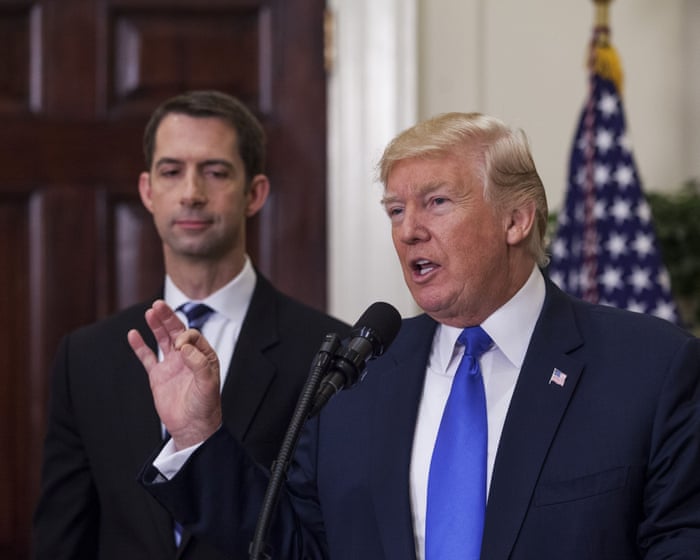
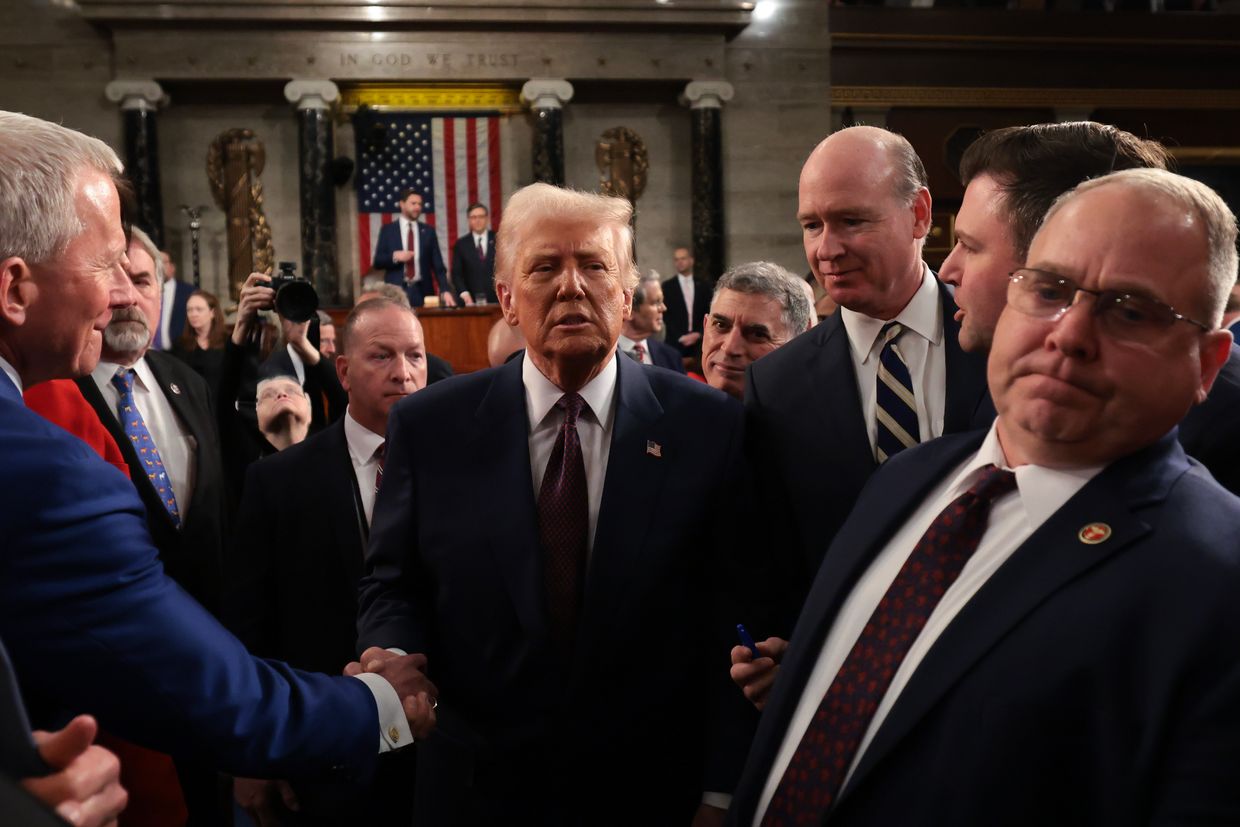
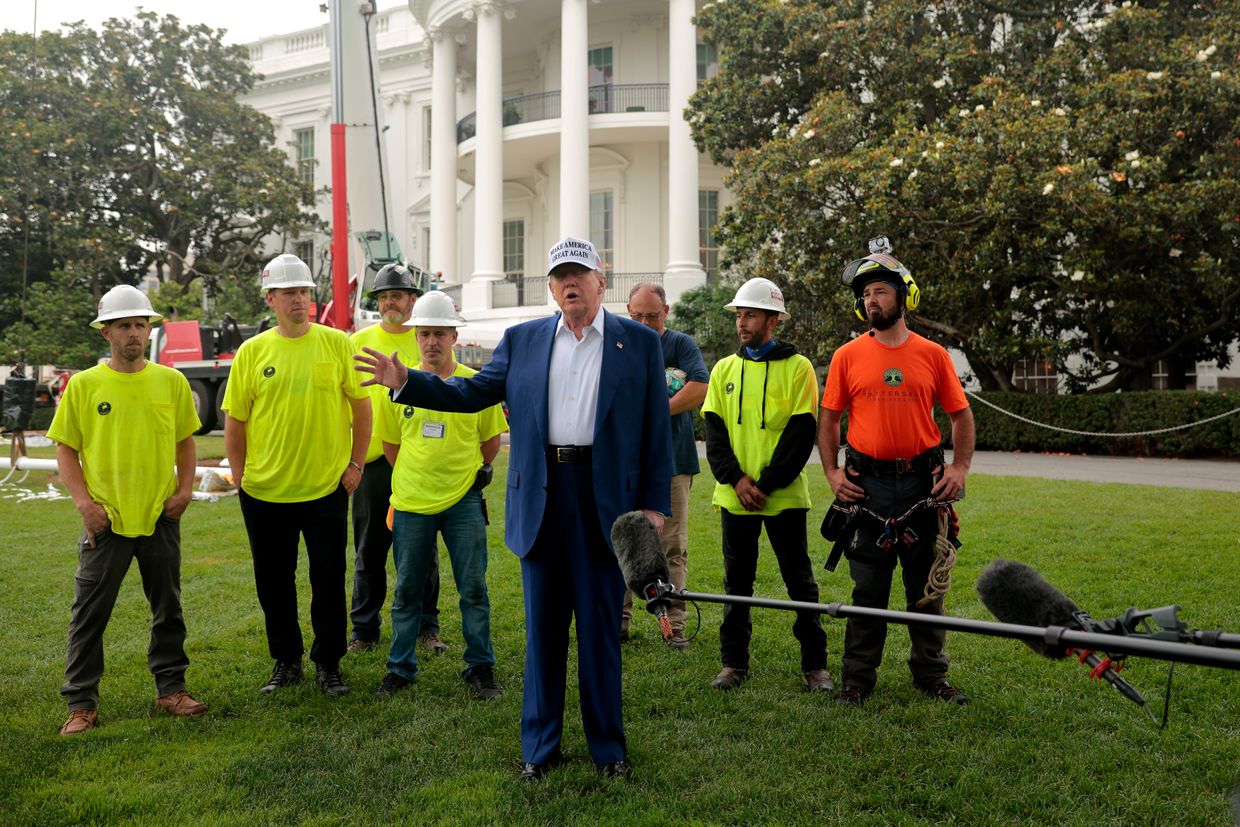
Donald Trump on Saturday put pressure on the US senator Tom Cotton of Arkansas to support a bill to make daylight saving time permanent, urging Americans to call what appeared to be the personal cellphone number of his fellow Republican and the chair of the Senate intelligence committee.
The Sunshine Protection Act passed the House in July, but it faces roadblocks in the Senate, where some Republicans are strongly opposed to it. Proponents, including the president and his administration, argue that the change would provide more daylight during the times that Americans are most active. Detractors say permanent daylight saving time would lead to darker and potentially more hazardous winter mornings when children will be waiting for school buses and parents will be driving to work in darkness.
These graphics explain what the Democrats would need to do to flip the Senate and House of RepresentativesA turning point in Donald Trump’s second term will soon arrive. On 3 November, voters across the US will decide whether to keep the president’s Republican allies in control of Congress, or return Democrats to the majority.Many indicators of voter sentiment suggest the Democrats are favored to take back control of the House of Representatives, and potentially the Senate. Winning either would
These graphics explain what the Democrats would need to do to flip the Senate and House of Representatives
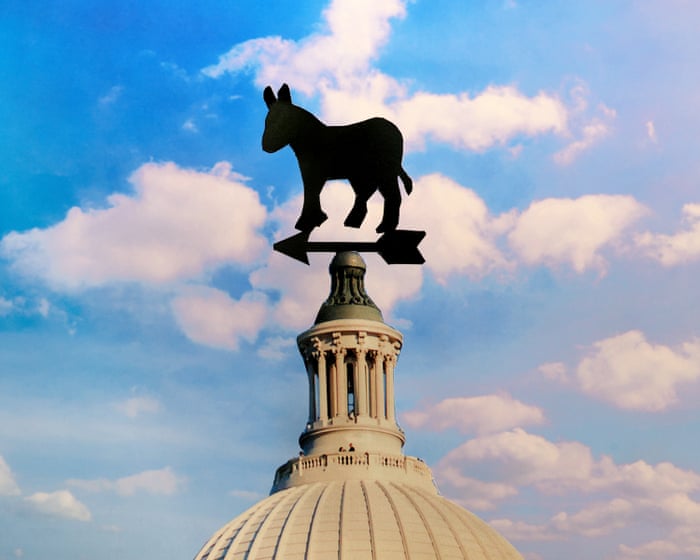
A turning point in Donald Trump’s second term will soon arrive. On 3 November, voters across the US will decide whether to keep the president’s Republican allies in control of Congress, or return Democrats to the majority.
Many indicators of voter sentiment suggest the Democrats are favored to take back control of the House of Representatives, and potentially the Senate. Winning either would be a significant victory for the party and give it the power to block Trump’s legislative agenda and more aggressively investigate his administration.
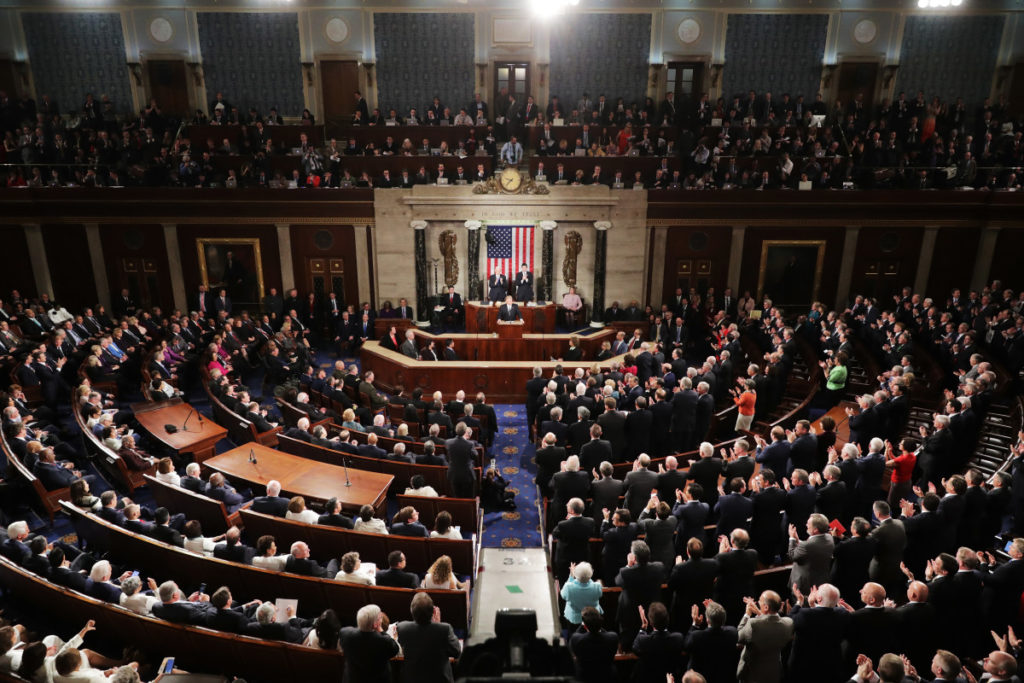
The US House of Representatives has approved sweeping new sanctions on Russia and the countries and companies that help finance its war, sending the measure to the president to sign into law, The Hill reported. The vote breaks a nearly two-year stretch in which Congress passed no major measure to back Ukraine. It also hands Washington fresh power to choke the oil money that keeps Moscow's war running.
For most of the full-scale war, US backing for Kyiv came through emergency spending ba
The US House of Representatives has approved sweeping new sanctions on Russia and the countries and companies that help finance its war, sending the measure to the president to sign into law, The Hill reported. The vote breaks a nearly two-year stretch in which Congress passed no major measure to back Ukraine. It also hands Washington fresh power to choke the oil money that keeps Moscow's war running.
For most of the full-scale war, US backing for Kyiv came through emergency spending battles, not laws built to cut off Moscow's income. Washington's long wager that negotiations would end the fighting kept its sharpest economic tools on the shelf. That bet has now shifted toward squeezing the customers who keep the Kremlin's oil trade alive.
The vote and what comes next
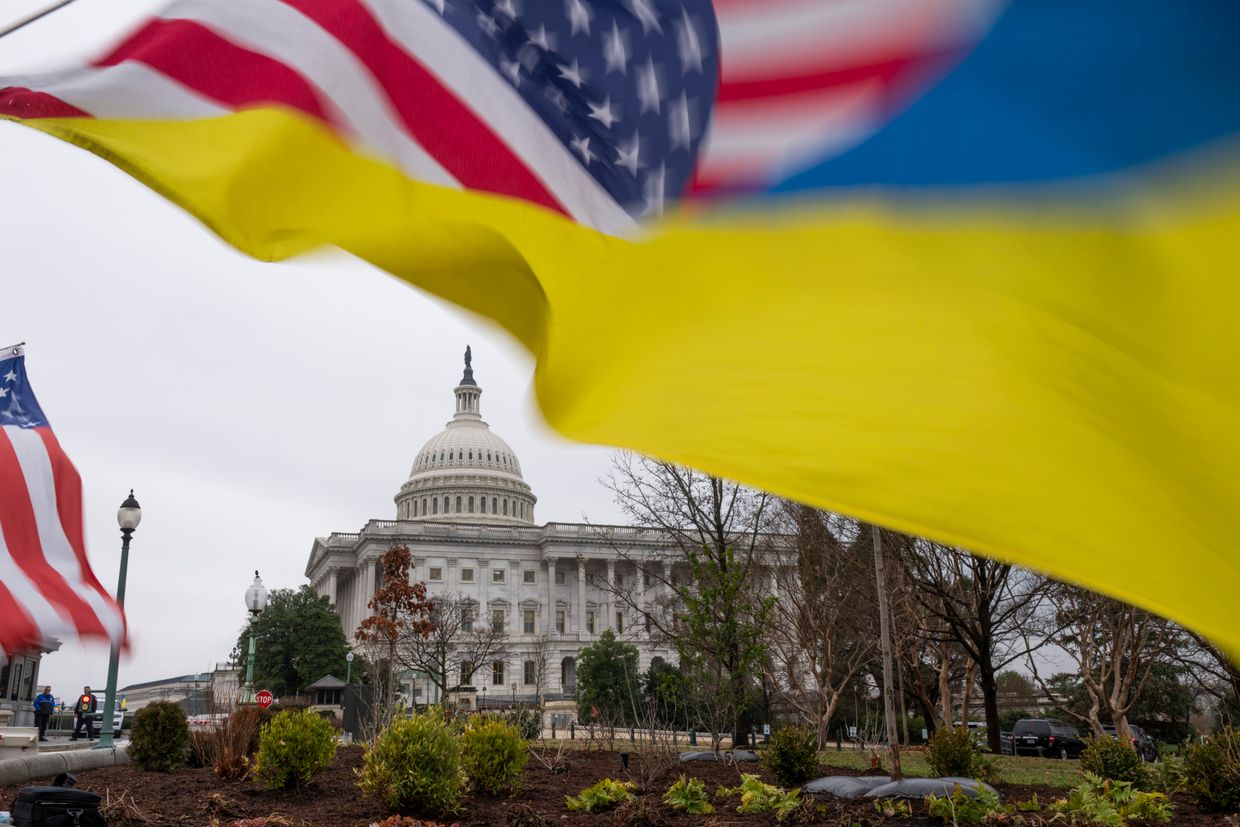
In the House, 58 Democrats broke from their party's leaders on 16 September to join most Republicans. The bill passed 262-159, with 203 Republicans and one independent also voting yes, and seven Republicans joining 152 Democrats against.
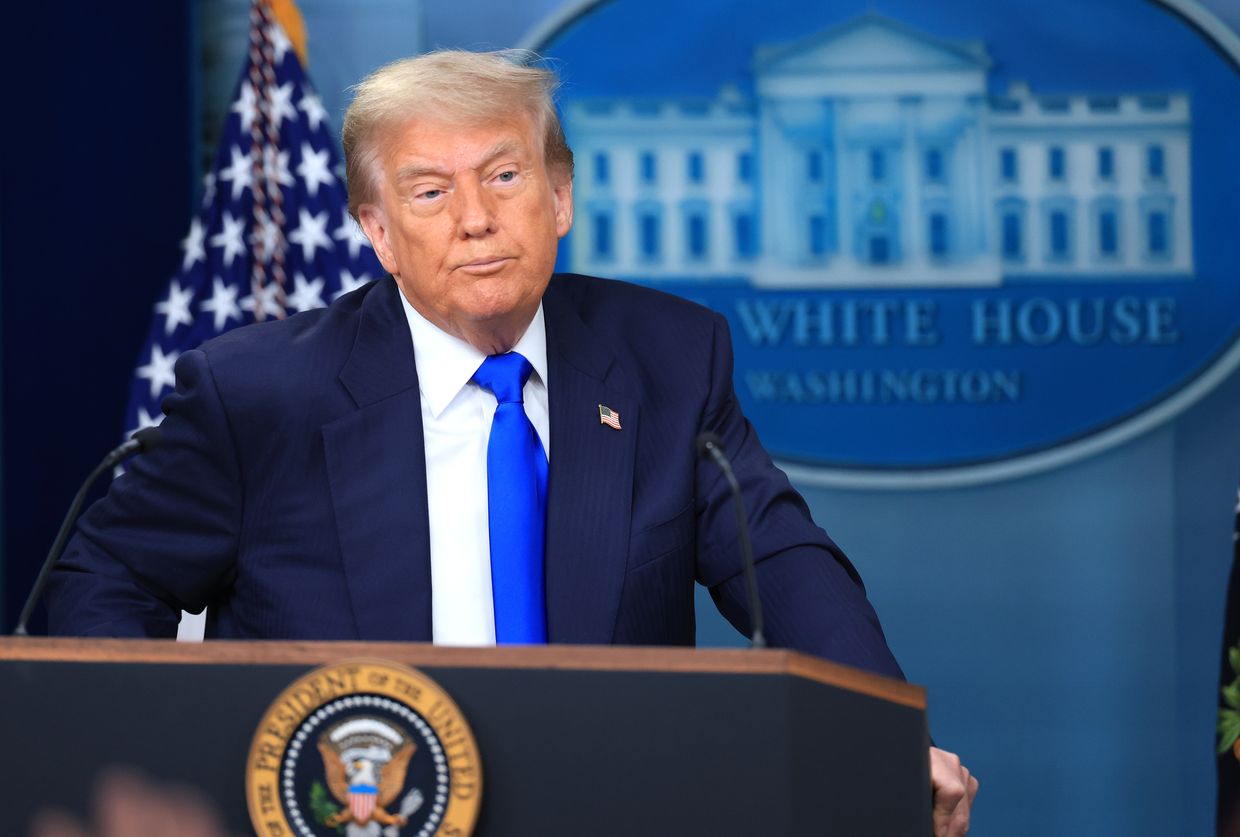
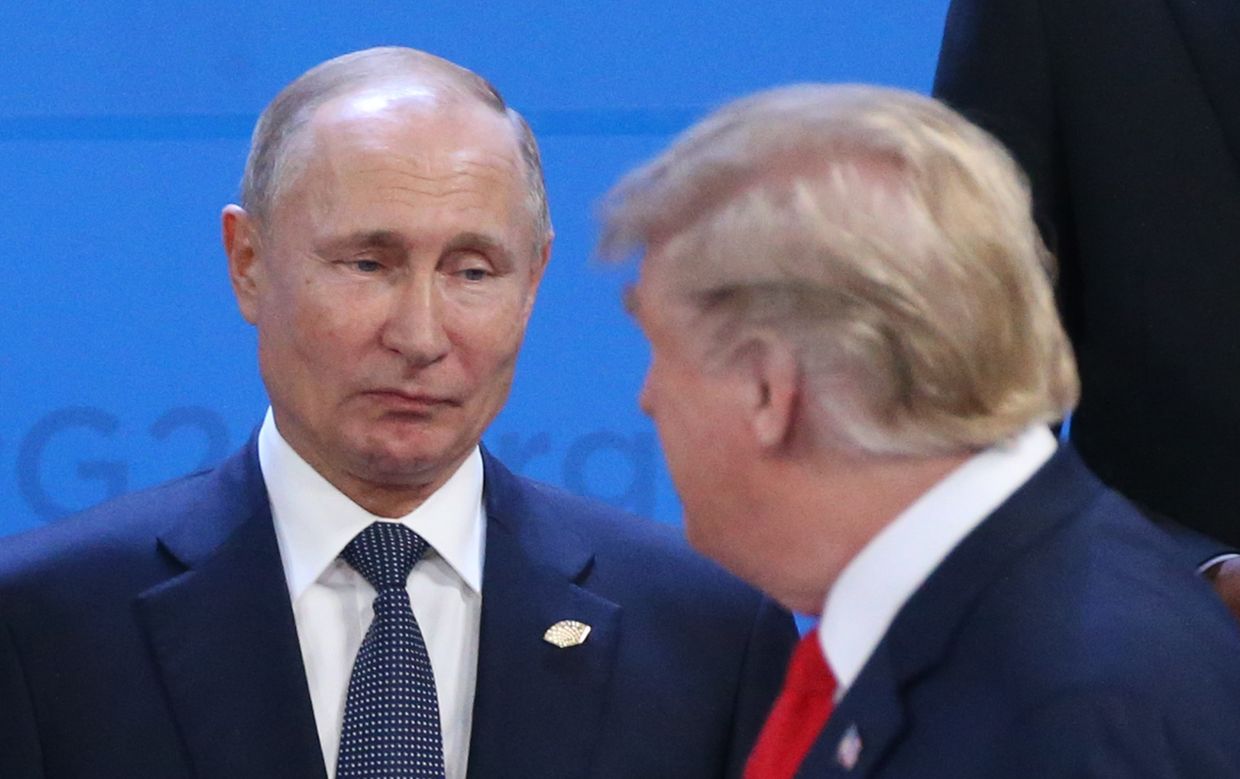
Whether the full weight of the bill lands is now Trump's call. A White House official said he planned to sign it, and the White House had pushed House Republican leaders to move it. The bill directs him to impose the tariffs and mandates sanctions on Putin, senior officials, and Russian banks, though he can waive them by certifying that it serves US national interests, and how far he goes stays uncertain.
His posture on Russia keeps shifting. Days before the vote, he urged Kyiv to stop striking Russian oil refineries. He said the strikes were pushing diesel prices up worldwide. Those same strikes drain the war economy this bill sets out to squeeze.
Explore further
US sanctions relief for Russian oil shipments appears to end with no renewal issued
What the sanctions do
The bill directs Washington to impose tariffs of up to 100% on the five biggest buyers of Russian crude, the five biggest buyers of its gas, and the five countries doing most to help Moscow evade oil sanctions—a target aimed squarely at China and India. Countries whose Russian gas imports are less than 15% of everything Russia exports in gas, and that take significant steps to cut them, would be exempt from the gas-based tariff. There is no such carve-out for crude.
It also blacklists Russian officials, banks, and the aging tankers of Russia's shadow fleet, the vessels that move sanctioned crude around Western restrictions. The measure also extends US sanctions on Iran's energy and weapons sectors, a piece Trump asked for. That is why the bill's full name is the Lindsey O. Graham Sanctioning Russia and Iran Act.
Explore further
US sanctions 13 Iran-Belarus-China entities supplying Iran’s IRGC. That’s three of four “Axis of Upheaval” states
Why a stalled bill finally moved
For more than a year, the package sat frozen. It had a veto-proof majority of co-sponsors, but the White House wanted room to negotiate with Moscow, and the bill never reached a vote. Its author, Senator Lindsey Graham of South Carolina, spent more than a year negotiating the measure before he died in July. Lawmakers in both parties revived and fast-tracked it in his name, and Trump dropped his resistance and signaled he would sign.
Not everyone wanted it. Most House Democrats voted against, saying the bill hands the president broad new tariff powers and lets him waive away the sanctions it claims to impose. Nearly a dozen Republicans privately pressed leaders to strip the new powers out, alarmed they could push up prices at home before the midterm elections. Their leaders moved it through anyway. Ukrainian President Volodymyr Zelenskyy had lobbied for weeks, even watching an early Senate vote from the chamber.
"To Vladimir Putin—we have your number,"said Senator Richard Blumenthal, who co-wrote the bill, after the vote. "And to Ukraine—you are not alone."
Kyiv's response
Ukraine welcomed the vote within hours. Foreign Minister Andrii Sybiha thanked the House for its bipartisan leadership and said Ukraine honors Graham's legacy. Parliament speaker Ruslan Stefanchuk thanked both chambers of Congress and House Speaker Mike Johnson. He singled out Blumenthal for carrying the bill through after Graham's death. What matters for Ukraine, Stefanchuk said, is that pressure on Russia's war funding is turning into concrete decisions.
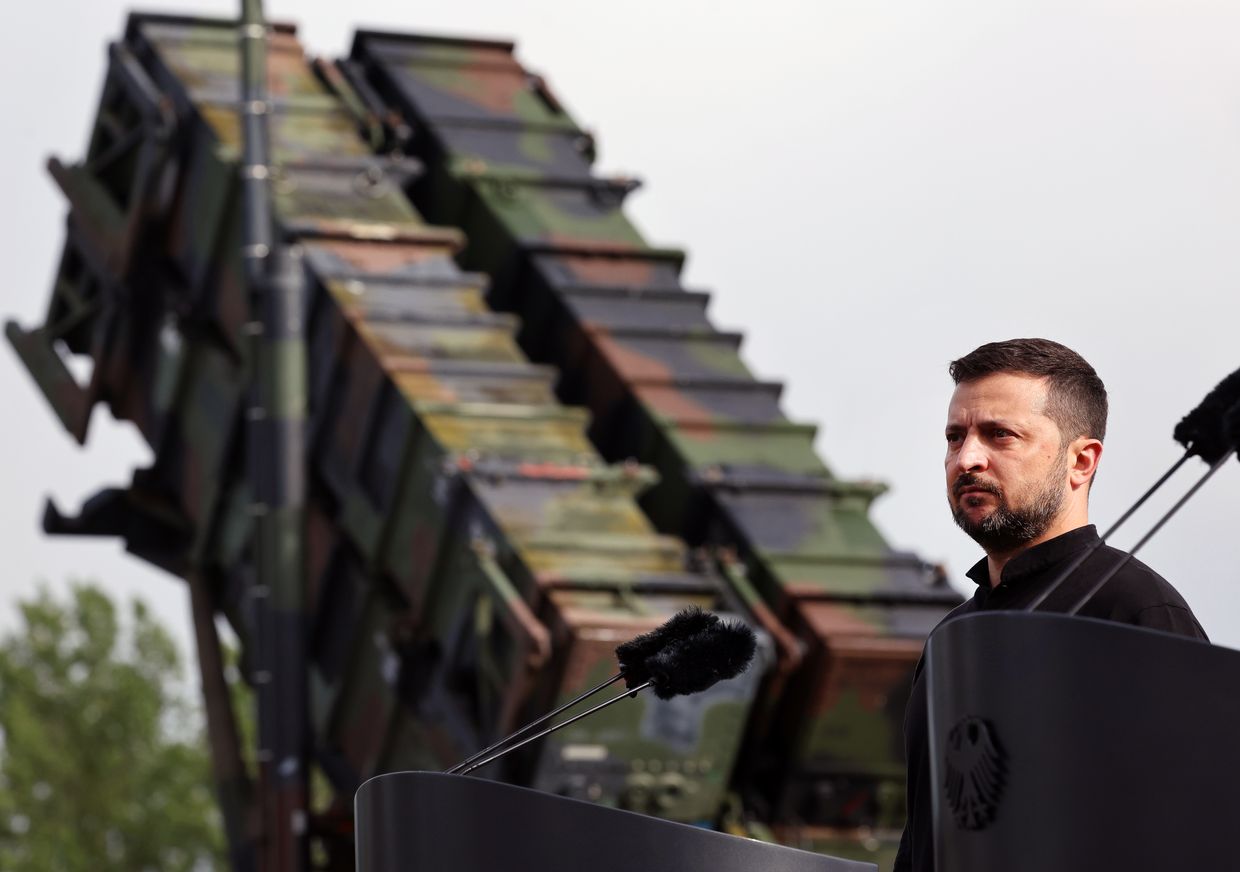
President Zelenskyy called the timing symbolic: the House voted during another Russian missile and drone attack on Ukraine. The bill and other strong sanctions steps are "an extremely powerful instrument capable of stopping this terrorist war," he said.
The EU will introduce the "toughest sanctions... imposed (on Russia) in the last three years" in coordination with U.S. senators, French Foreign Minister Jean-Noel Barrot said in a television interview on July 7."(Russian President Vladimir) Putin is no longer advancing on the front and is now limited to shelling residential areas with drones and missiles. This is leading to numerous casualties among the civilian population. This must stop," Barrot said.U.S. Senator Lindsey Graham said on June 2
The EU will introduce the "toughest sanctions... imposed (on Russia) in the last three years" in coordination with U.S. senators, French Foreign Minister Jean-Noel Barrot said in a television interview on July 7.
"(Russian President Vladimir) Putin is no longer advancing on the front and is now limited to shelling residential areas with drones and missiles. This is leading to numerous casualties among the civilian population. This must stop," Barrot said.
U.S. Senator Lindsey Graham said on June 29 that U.S. President Donald Trump was ready for the Senate to vote on a bill to impose new sanctions on Russia. The Republican senator has repeatedly called for implementing additional sanctions against Moscow.
Barrot noted the EU is planning to impose the strongest sanctions against Russia that the bloc has introduced since 2022.
"This (war) cannot continue; it must stop. To achieve this, in coordination with American senators, Europe is preparing to introduce, based on French proposals, the toughest sanctions we have imposed in the last three years," he said.
"They will directly deplete the resources that allow Vladimir Putin to continue his war," Barrot added.
In the U.S., senators have been working on a sanctions bill, with Graham saying voting on a bill is expected to begin following the end of the July congressional break.
Graham, earlier on July 7, said he expects "the Senate will move the bipartisan Russian sanctions bill that will allow tariffs and sanctions to be placed on countries who prop up Putin’s war machine and do not help Ukraine."
The bill led by Graham has been in the works for several months as the White House has failed attempts to broker a peace deal between Ukraine and Russia.
"Ukraine has said yes to ceasefires and to any and all meeting requests while Putin continues to defy peace efforts. It is now time to put more tools in President Trump’s toolbox in order to end the war," he said.
Russia has relied on its partners, including Belarus, China, and Iran, for trade and to bypass Western sanctions meant to inhibit Moscow's ability to continue its war against Ukraine.
Three Democratic Senators have launched an investigation into U.S. President Donald Trump's refusal to impose new sanctions against Russia, the legislators announced in a joint statement on July 3. Since taking office in January, Trump has passed no new sanctions against Moscow. In some cases, he has even eased restrictions, even as Russia intensifies its full-scale war against Ukraine. Senate Democrats Jeanne Shaheen, Elizabeth Warren, and Chris Coons called on the administration to impose new
Three Democratic Senators have launched an investigation into U.S. President Donald Trump's refusal to impose new sanctions against Russia, the legislators announced in a joint statement on July 3.
Since taking office in January, Trump has passed no new sanctions against Moscow. In some cases, he has even eased restrictions, even as Russia intensifies its full-scale war against Ukraine.
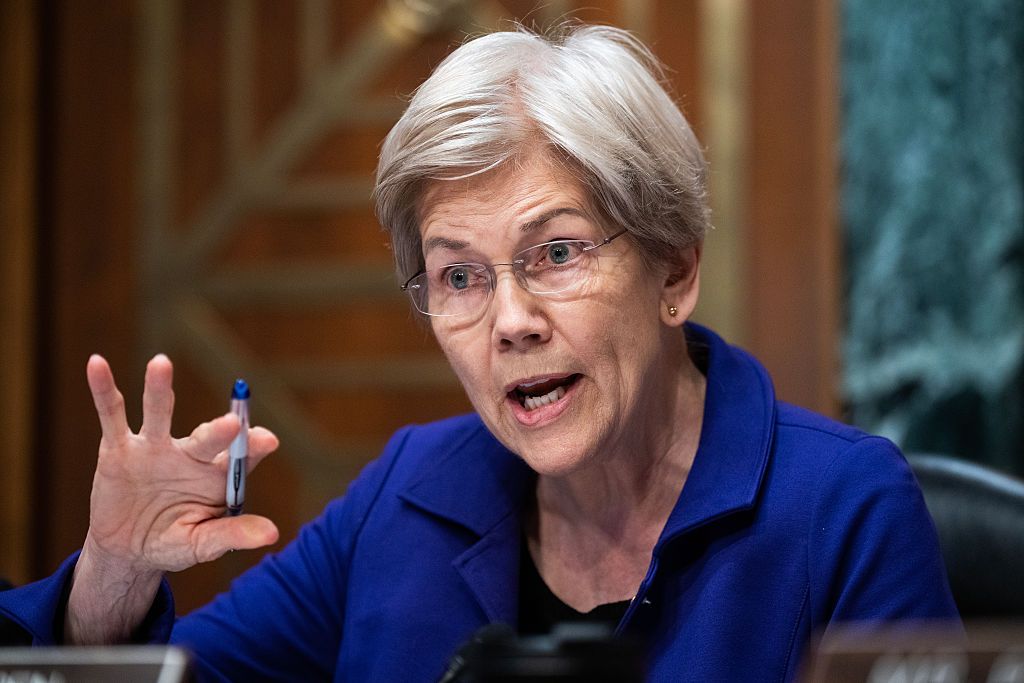
Senate Democrats Jeanne Shaheen, Elizabeth Warren, and Chris Coons called on the administration to impose new penalties on the Kremlin and said they planned to investigate Trump's "five-month pause" on sanctions.
"Americans should be asking why a president who says he wants to end a major war is instead letting the aggressor run rampant," the senators said in a joint statement issued July 3.
The statement followed an analysis by the New York Times (NYT), published July 2, which found that Washington's slowed momentum on sanctions created more opportunities for shell companies to funnel sanctioned goods into Russia.
Former U.S. President Joe Biden imposed an average of 170 new sanctions per month on entities tied to Moscow between 2022-2024, according to the NYT. Overall, the Biden administration slapped 6,200 penalties on individuals, businesses, ships, and aircraft connected to Russia.
Without new sanctions to maintain pressure on Moscow, the effects of the Biden sanctions regime have begun to erode, the NYT reported. An analysis of trade records and other data. showed that over 130 companies in China and Hong Kong are advertising sales of sanctioned computer chips to Russia. Despite this illegal activity, none of the companies have been sanctioned.
"On top of halting key assistance to Ukraine, President Trump has blocked regular updates to our sanctions and export controls for five months and counting—enabling a growing wave of evaders in China and around the world to continue supplying Russia's war machine," Senators Shaheen, Warren, and Coons said in their statement.
The senators called on Trump to "actively enforce the existing sanctions against Russia" and urged the administration to partner with EU and G7 nations to mount pressure on Moscow.
"Instead of taking clearly available steps to pressure the aggressors, President Trump is doing nothing and we will be investigating this missed opportunity to push for an end to this war," they said.
Along with letting U.S. sanctions on the Kremlin go stagnant, the Trump administration has removed sanctions on Karina Rotenberg, the wife of a key ally of Russian President Vladimir Putin, and notably exempted Russia from its sweeping "Liberation Day" tariffs.
reportedly obstructed bipartisan congressional efforts to target the Russian economy. Trump has asked Republican senators to weaken a proposed sanctions bill and has urged delays in a vote on the legislation.
The bipartisansanctions bill, introduced by Republican Senator Lindsey Graham and Senate Democrat Richard Blumenthal, seeks to impose a 500% tariff on imports from countries that continue purchasing Russian oil and raw materials.
A bipartisan group of U.S. lawmakers are voicing their opposition to the Trump administration's decision to halt shipments of some air defense missiles and other weapons previously promised to Kyiv.The U.S. Defense Department (DOD) made the decision to pause the aid deliveries after conducting a review of U.S. munitions stocks, reportedly concerned about dwindling levels of artillery rounds, air defense missiles, and precision munitions.Among the items being held back from Ukraine are over two d
A bipartisan group of U.S. lawmakers are voicing their opposition to the Trump administration's decision to halt shipments of some air defense missiles and other weapons previously promised to Kyiv.
The U.S. Defense Department (DOD) made the decision to pause the aid deliveries after conducting a review of U.S. munitions stocks, reportedly concerned about dwindling levels of artillery rounds, air defense missiles, and precision munitions.
Among the items being held back from Ukraine are over two dozen Patriot air defense missiles, over two dozen Stinger air-defense systems, precision artillery rounds, Hellfire missiles, drones, and more than 90 AIM air-to-air missiles that Ukraine launches from F-16 fighter jets. The Washington Post reported that the weapons were already in Poland being prepped for delivery to Ukraine.
Republican Rep. Brian Fitzpatrick, the co-chair of the Congressional Ukraine Caucus, lambasted the decision in a post on X.
I will be aggressively looking into this matter and will be demanding accountability. We must build up our own Defense Industrial Base here in the U.S. while simultaneously providing the needed assistance to our allies who are defending their freedom from brutal invading… https://t.co/pRTOMCghWh
— Rep. Brian Fitzpatrick 🇺🇸 (@RepBrianFitz) July 2, 2025
Fitzpatrick, a staunch ally of Ukraine who has previously visited the front line, said he "will be aggressively looking into this matter and will be demanding accountability."
"We must build up our own Defense Industrial Base here in the U.S. while simultaneously providing the needed assistance to our allies who are defending their freedom from brutal invading dictators. To not do both is unacceptable," the Congressman added.
In a letter to U.S. President Donald Trump about the reported halt of air defense deliveries, Fitzpartick requested an emergency briefing from the White House and DOD on the shipments.
"Ukraine's courage must continue to be met with action, and the United States must continue to lead with clarity and purpose," Fitzpartick wrote.
Another Republican House member, Rep. Michael McCaul, said he is examining "very intensely" whether the Pentagon’s freeze breaches legislation on aid to Ukraine passed in 2024, Politico reported.
As Trump continues to call for a ceasefire from Moscow, McCaul said that the decision comes "at the wrong time."
"If you want to get (Russian President Vladimir Putin) to the negotiating table in good faith, you have to put leverage and pressure on him, and that would be (Senator) Lindsey Graham’s economic sanctions and the flow of weapons," McCaul said. "If you take the flow of weapons out, yeah, then you’re not, you don’t have the leverage over Putin to negotiate."
Other Republican members of Congress have thus far dismissed concerns over the reported halts, stating that they are waiting to be briefed with additional information before speaking about the reports.
On the other side of the isle, Democratic lawmakers have also lambasted the real world implications of halting military aid for Ukraine.
Senator Richard Blumenthal, a member of the Senate Armed Services Committee, said in an interview that more civilians are "going to lose more lives, more people will be maimed and injured — more homes, hospitals, schools will be destroyed," calling the decision, "fallacious and maybe even disingenuous."
Since his inauguration in January, Trump has not approved any additional military aid packages for Ukraine. Defense Secretary Pete Hegseth also announced recently that the U.S. will reduce the total aid it sends to Ukraine in its upcoming defense budget.
In his evening address on July 2, President Volodymyr Zelensky said Ukrainian and U.S. officials are working through the aid issue at a "working level," including discussions on critical air defense support. Head of the Presidential Office Andriy Yermak held a late night phone call with Rep. Brian Mast, Chair of the House Committee on Foreign Affairs.
Ukraine's Defense Ministry said it has not received any formal notification of delays or cancellations but has requested urgent consultations with U.S. defense officials.
The Foreign Ministry also summoned U.S. Charge d'Affaires John Ginkel, warning that "any hesitation" in military support would encourage further Russian aggression.
The Kremlin welcomed the decision, with spokesperson Dmitry Peskov saying, "The fewer weapons that are supplied to Ukraine, the closer the end of the (war)."
NATO Secretary General Mark Rutte expressed understanding of Washington's desire to safeguard its stockpiles but said, "Ukraine cannot do without all the support it can get."
The U.S. Senate is postponing action on a bipartisan Russia sanctions bill until at least July, as other legislative and foreign policy priorities dominate the agenda, Semafor reported on June 18. Senators Lindsey Graham (R-S.C.) and Richard Blumenthal (D-Conn.) have been working on a revised version of their bill that would impose secondary sanctions on Russian trading partners, while shielding Ukraine’s allies from penalties and making technical adjustments. But momentum has stalled as Republi
The U.S. Senate is postponing action on a bipartisan Russia sanctions bill until at least July, as other legislative and foreign policy priorities dominate the agenda, Semafor reported on June 18.
Senators Lindsey Graham (R-S.C.) and Richard Blumenthal (D-Conn.) have been working on a revised version of their bill that would impose secondary sanctions on Russian trading partners, while shielding Ukraine’s allies from penalties and making technical adjustments. But momentum has stalled as Republicans push President Donald Trump’s sweeping tax and spending bill, and the escalating conflict between Iran and Israel demands urgent attention.
Senate Majority Leader John Thune (R-S.D.) acknowledged on June 18 that a "July timeframe" was now more realistic for the sanctions bill. "We’re very open to moving, we’re trying to work with the administration from a timing standpoint," Thune said, according to Semafor. Graham added that the Senate is "going to have to wait a bit," citing shifting global developments. "Things are changing now with Iran… that doesn’t mean I’ve forgotten about Russia or Ukraine. Not at all. Iran is center stage, but sooner rather than later," he said.
Trump has not yet signaled support for the legislation, which remains a critical obstacle.
While sanctions enjoy broader Republican backing than direct military aid to Ukraine, GOP lawmakers are hesitant to move forward without Trump’s approval. The U.S. president left the G7 summit in Canada early, skipping a planned meeting with President Volodymyr Zelensky, as attention shifted to a potential U.S. response to Iran’s nuclear ambitions. "All the focus is on Israel and Iran right now," said Sen. Tommy Tuberville (R-Ala.), though he noted that he is "all for putting sanctions" on Russia.
Graham and Blumenthal had hoped to secure passage of the bill ahead of the G7 summit after visiting Ukraine earlier this year. Blumenthal said he and Graham were "making tremendous progress" with the administration, but acknowledged that other priorities were pushing the legislation off the floor.
Supporters of the sanctions argue the bill would give Trump more leverage in negotiations with Russian President Vladimir Putin. "We want to strengthen our hand in the negotiation," said Sen. John Hoeven (R-N.D.). "We want to help effectuate an outcome in Ukraine, so we’re trying to use it in a way that actually helps get something done." The legislation would authorize secondary sanctions on countries that continue to purchase Russian energy or conduct other major trade with Moscow.
Despite uncertainty around timing, both Graham and Blumenthal continue to refine the bill to ensure broader support, including a carveout for Ukraine’s allies and changes to accommodate the global banking system. "There is no evidence that Putin is going to slow down," Graham told Semafor. "We need to change the approach. I think the sanctions will give the president leverage."

 Connexion