❌

Vue normale

  • ✇Euromaidan Press
  • Lithuania launches military exercises across 12 municipalities as Russia keeps probing NATO’s eastern border
    Lithuanian troops began military exercises across 12 municipalities in the southern half of the country on 14 September, training to respond to different types of military threats, LRT reported. The exercises will run through 18 September. NATO's eastern flank has faced growing security pressure from Russia's war against Ukraine. Lithuania borders Russia's Kaliningrad Oblast to the southwest and Belarus to the east, while its territory forms part of the land route connecting the Baltic
     

Lithuania launches military exercises across 12 municipalities as Russia keeps probing NATO’s eastern border

14 septembre 2026 à 11:36

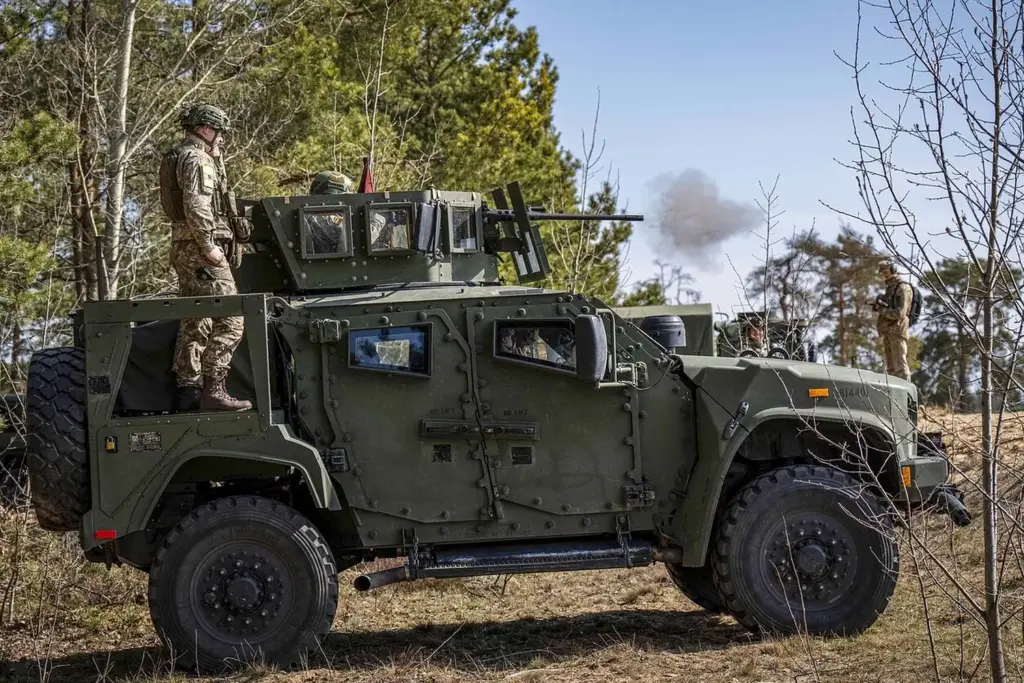
Lithuanian troops during a military exercise.

Lithuanian troops began military exercises across 12 municipalities in the southern half of the country on 14 September, training to respond to different types of military threats, LRT reported. The exercises will run through 18 September.

NATO's eastern flank has faced growing security pressure from Russia's war against Ukraine. Lithuania borders Russia's Kaliningrad Oblast to the southwest and Belarus to the east, while its territory forms part of the land route connecting the Baltic states with Poland and the rest of NATO.

The exercises involve multiple types of drones, boats, weapons, and wheeled military and civilian transport vehicles, with troops moving on foot and by vehicle during the day and at night. No imitation ammunition or pyrotechnics will be used, the army said.

Recent airspace incidents

Vilnius International Airport was closed on 13 September for 38 minutes after radar detected what was initially feared to be a drone. An Italian air force detachment based at Šiauliai as part of NATO's Baltic Air Defense mission scrambled a fighter jet, which identified the contact as a flock of birds.

Vilmantas Vitkauskas, head of Lithuania's National Crisis Management Center, told LRT radio that a large concentration of birds moving in one direction can register on radar as a drone-like object.

Separately, Poland said on 14 September that its military had found a suspected Russian military drone near its Baltic Sea coast. Polish Defense Minister Władysław Kosiniak-Kamysz said a preliminary inspection indicated it was a Russian military drone.

Operational Command spokesman Jacek Goryszewski told TVN24 it was most probably a Russian Gerbera, a cheap long-range drone built from plywood and foam that is often used as a decoy but can carry explosives, and said it had drifted to shore under military observation, with no violation of Polish airspace recorded since late July.

Multinational drills near Belarus

Another multinational exercise, Strong Griffin 2026, is also underway in Lithuania's Švenčionys district near the Belarusian border. Running from 2 to 20 September, it involves about 2,500 troops and 500 pieces of equipment from Lithuania, the United States, Poland, the Netherlands, France, and Portugal, plus partner countries Ukraine and Moldova, according to LRT. Drone work is integrated across it, from reconnaissance to long-range strikes and countering enemy drones.

European intelligence services expect the danger to grow rather than fade. Dutch military intelligence assesses that Russia could mount a regional conflict against NATO within a year of the fighting in Ukraine ending, and reports that preparations for sabotage across Europe have been rising again since mid-2025.
  • ✇Euromaidan Press
  • Russian strikes will cost Ukraine’s economy up to $10 billion this year, ministry says
    Ukraine's Economy Ministry expects losses from Russian strikes to reach up to $10 billion this year and plans to submit a three-part business support package to the Cabinet next week, Economy Minister Oleksandr Kravchenko said on 12 September. Russia has escalated its drone and missile attacks on Ukraine through 2026, striking first at power plants, substations, and residential blocks, then widening the target list to trains, factories, retailer warehouses, and medicine depots. Agricult
     

Russian strikes will cost Ukraine’s economy up to $10 billion this year, ministry says

14 septembre 2026 à 09:07

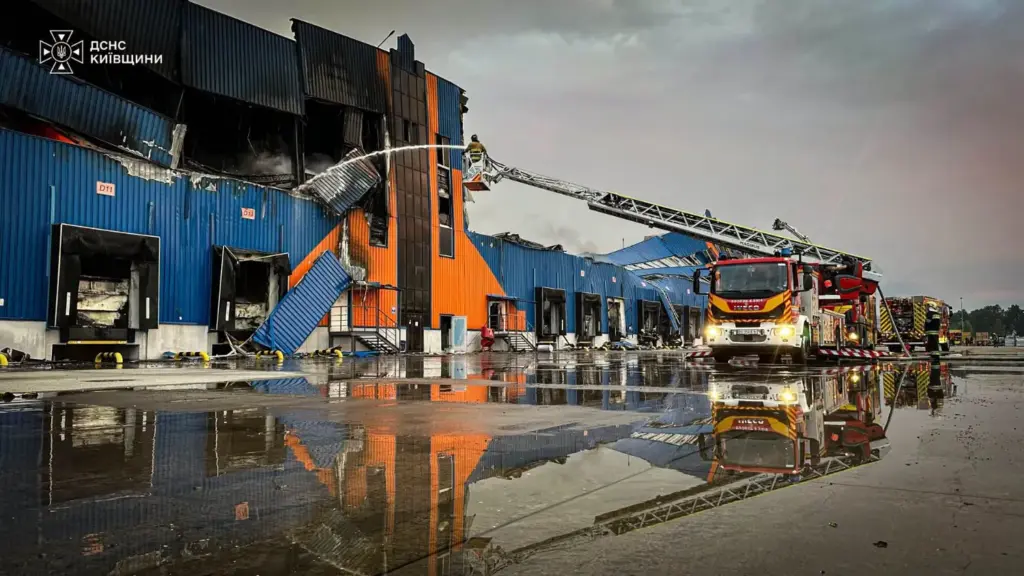
Photo: State Emergency Service of Kyiv Oblast

Ukraine's Economy Ministry expects losses from Russian strikes to reach up to $10 billion this year and plans to submit a three-part business support package to the Cabinet next week, Economy Minister Oleksandr Kravchenko said on 12 September.

Russia has escalated its drone and missile attacks on Ukraine through 2026, striking first at power plants, substations, and residential blocks, then widening the target list to trains, factories, retailer warehouses, and medicine depots. Agriculture Minister Taras Vysotsky said on 28 August that Russia had destroyed about 90% of retail chains' food logistics, but that supply would shift to direct deliveries, with no shortage of basic foods expected.

Kravchenko said business is an absolutely important source of funding for the defense forces, and that it ensures critical goods are supplied and communities can function.

Three-part package aims to support businesses affected by Russian strikes

  • The package has three elements, Kravchenko said. The first would extend the geographic coverage of existing damage compensation programs to include Kyiv and Kyiv Oblast, and simplify the application process so affected companies do not wait months for support.
  • The second would expand subsidized lending for large businesses, with loans of up to about $22 million (UAH 1 billion) and an interest-rate subsidy of about 5 percentage points. The loans could fund investment projects, including fortification and protection, as well as working capital.
  • The third would expand the state's 5-7-9 lending program, which sets the borrower's rate at 5%, 7%, or 9% depending on the purpose of the loan and the size of the business, to suppliers whose large retail clients are losing money to strikes.

He said all three programs had been finalized and hoped businesses would begin receiving substantial support within the coming weeks. The package followed a meeting with President Volodymyr Zelenskyy and discussions with businesses, he said.

Russian strikes have damaged logistics networks and businesses across Ukraine

An overnight strike on Kyiv and Kyiv Oblast on 5 August killed 17 people and destroyed or damaged warehouses and distribution centers belonging to Rozetka, Epicentr, Nova Poshta, Silpo, and other major companies. Co-founder Iryna Chechotkina described Rozetka's warehouse complex in Brovary, valued at $70 million, as beyond repair. The same strike killed six Silpo employees.

Further strikes through early September hit Auchan, Nova Poshta again, Varus, Dnipro-M, and Coca-Cola.

  • ✇Euromaidan Press
  • Ukraine shows its drones in Canada as Ottawa pledges a third of its future output
    Ukrainian President Volodymyr Zelenskyy and Canadian Prime Minister Mark Carney attended a presentation of Ukrainian drones, Ukrainian-Canadian developments, and defense-component manufacturers in Calgary on 10 September, the Ukrainian presidential readout said. The event followed the signing of documents on defense and security cooperation, which Kyiv calls the first step toward a Drone Deal on the American continent. That deal would take cooperation beyond individual
     

Ukraine shows its drones in Canada as Ottawa pledges a third of its future output

11 septembre 2026 à 10:54

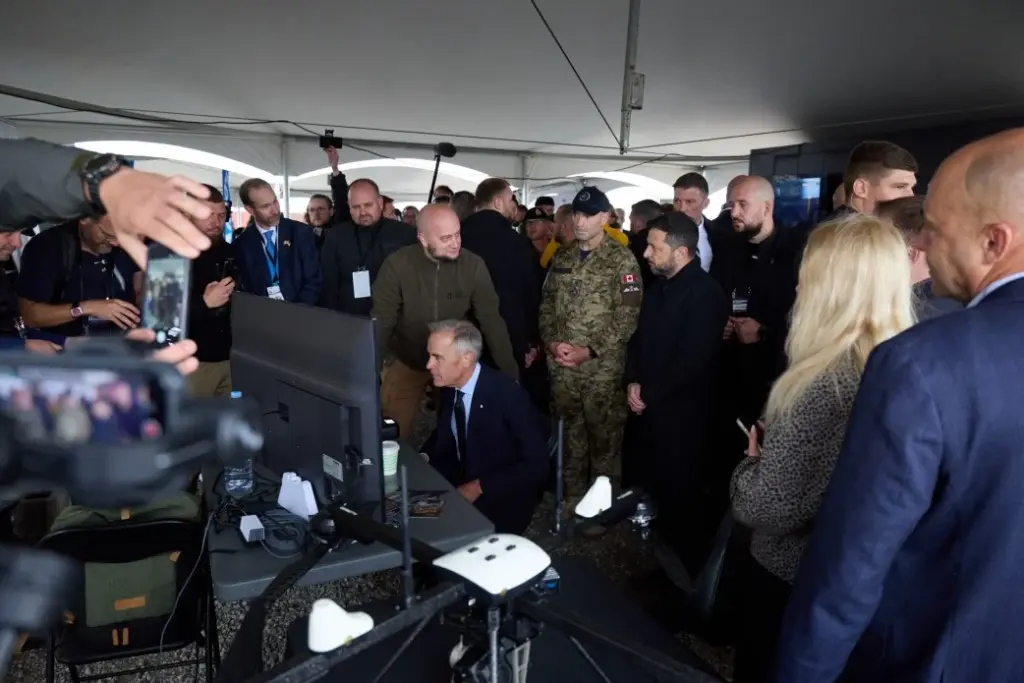
ukrainian drones showcased canada kyiv ottawa broaden defense cooperation · post canadian prime minister mark carney sits drone control station president volodymyr zelenskyy looks during presentation calgary 10 2026 joint

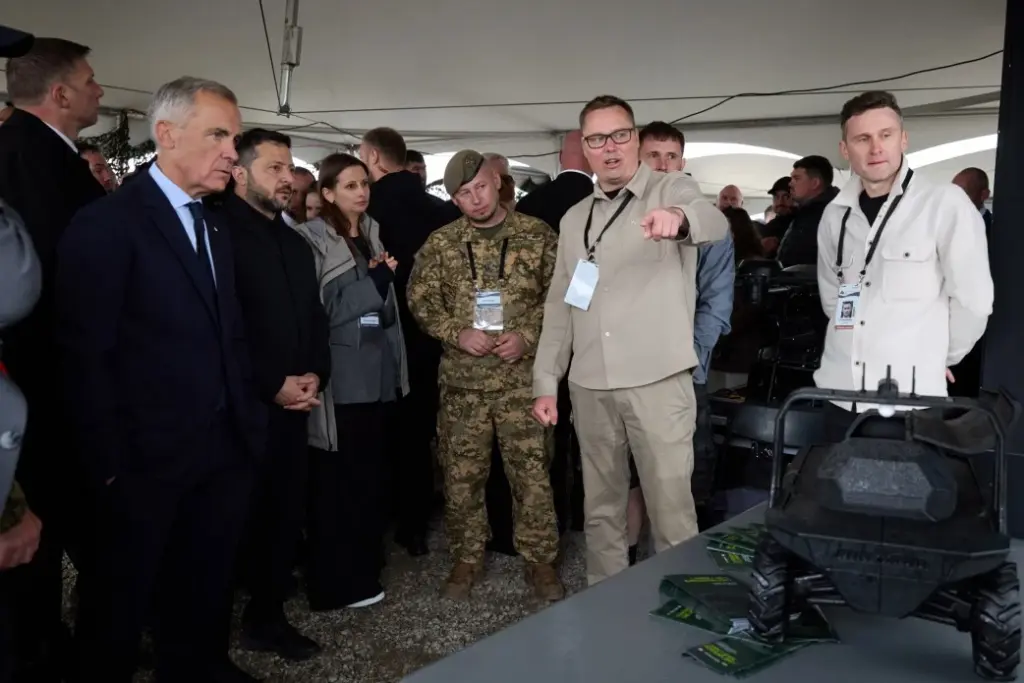
Ukrainian President Volodymyr Zelenskyy and Canadian Prime Minister Mark Carney attended a presentation of Ukrainian drones, Ukrainian-Canadian developments, and defense-component manufacturers in Calgary on 10 September, the Ukrainian presidential readout said.

The event followed the signing of documents on defense and security cooperation, which Kyiv calls the first step toward a Drone Deal on the American continent. That deal would take cooperation beyond individual Ukrainian-Canadian production projects toward a broader industrial model pairing Ukrainian technology with Canadian manufacturing capacity.

The systems shown included the Vampire 4S, a heavy multirotor that drops munitions at night and that Russian troops call Baba Yaga, and SkyFall's P1-SUN interceptor, designed to bring down Shahed-type drones and priced at about $1,000 at this year's World Defence Show. The lineup also included the Shrike FPV drone and the Hor reconnaissance UAV. Companies also presented projects involving drones, ground robotics, and secure communications.

The systems and joint projects

The presentation featured Himera radio sets alongside the four drone systems. Zelenskyy and Carney were also shown the remote operation of the Ratel ground robotic complex and uncrewed maritime systems from UFORCE and Scorpena.

Volodymyr Zelenskyy and Mark Carney at the presentation of Ukrainian drones and joint Ukrainian-Canadian developments during Zelenskyy's visit to Canada, 10 September 2026. Photo: Office of the President of Ukraine
A Ukrainian developer shows a ground robotic system to Mark Carney and Volodymyr Zelenskyy at the presentation of Ukrainian drones and joint Ukrainian-Canadian developments in Calgary, Canada, 10 September 2026. Photo: Office of the President of Ukraine

Airlogix plans to produce the Hor reconnaissance UAV with Canada's Sentinel. Ai Drones UA and Bombardier Recreational Products (BRP) showed a prototype ground robotic complex, while Himera and Quantropi presented secure communications solutions. The announcements at the event covered future cooperation between GTH and General Dynamics Mission Systems–Canada, JK Land Vehicles and General Dynamics Land Systems, and a training program between SkyFall and Calian.

The readout said that 21 Canadian companies took part and that they already integrate their components into Ukrainian systems.

Volodymyr Zelenskyy and Mark Carney talk with Ukrainian developers and Canadian servicemen beside displayed equipment at the presentation in Calgary, Canada, 10 September 2026. Photo: Office of the President of Ukraine

Canada's drone problem

Canada's armed forces hold 2,000 drones today and will need millions, Carney said in Calgary. A new national drone marketplace is meant to build the capacity for those millions inside two years, with Ukrainian firms teaching Canadian ones while Canadian manufacturing and AI expertise flows back the other way.

A third of all the drones Canada builds will go to Ukraine's defense, Carney pledged. The presidential readout puts the share at 30% of the drones the joint program is to produce.

“Sometimes I forget I don’t have a leg”: how two Ukrainian infantry soldiers returned to war behind screens

11 septembre 2026 à 08:13

Bilyi.

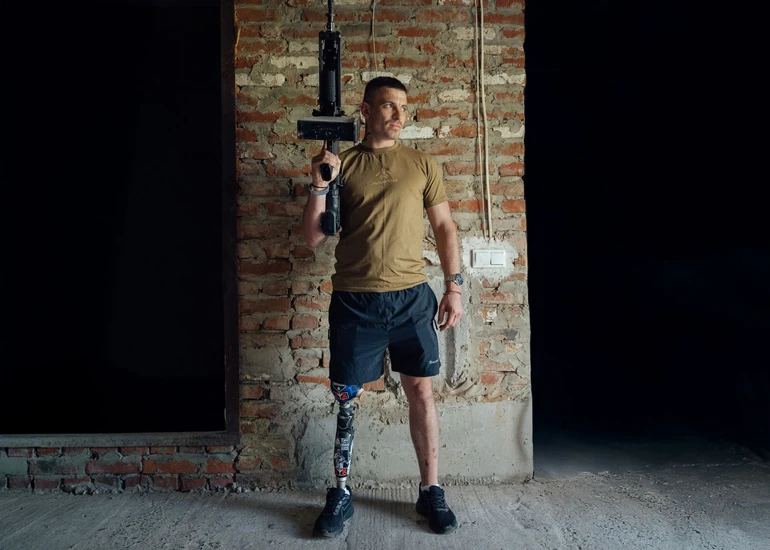
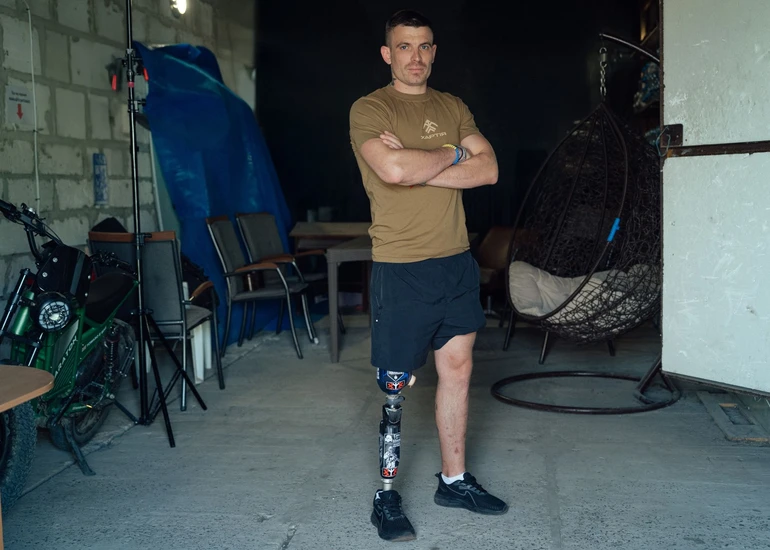
Callsign Bilyi, a former air-assault soldier, stepped on a PMN-2 anti-personnel mine in July 2025 during a combat mission in Kharkiv Oblast. Callsign Terri, a former industrial worker from Kharkiv Oblast, lost part of his lower leg after stepping on a petal mine near a position in the same oblast shortly before. Both underwent amputations, rehabilitation, and prosthetic fitting, then chose to return to Khartiia, the National Guard formation they had served with, according to Ukrainska Pravda.

Over 100,000 amputations have been performed in Ukraine over four years of war, and the fighting has added as many as 390,000 disabilities, according to the World Health Organization. While the figure does not distinguish soldiers from civilians, these two men show one route back into the war for soldiers who cannot return to the ground: the screens of a drone-saturated battlefield, where what they learned on foot still counts.

Both men could have been discharged, they told Ukrainska Pravda, and chose instead to keep serving in ISTAR (intelligence, surveillance, target acquisition, and reconnaissance). The operator watches drone feeds, tracks friendly and enemy positions, and passes targets to strike teams. 

Bilyi's path back to service

Bilyi says the job needs what he already had: "An ISTAR operator should have combat experience, to understand where things are, to know what a position looks like. If you come in without it, they show you a picture. But if you have never felt what that is, it is not the same."

He moved to Khartiia at the end of 2024 and was wounded on his first mission with the unit. His tourniquet remained on his leg for two days before scouts carried him out. Bilyi returned to Khartiia on 12 May 2026, less than a year later, fitted with an electronic Allux prosthesis.

Bilyi
Bilyi. Photo: Vladyslav Klymenko / Khartiia

"I've gotten used to it. Sometimes I forget I don't have a leg," Bilyi said.

Part of why he returned was to set an example for the men in his unit: "He serves on a prosthetic, so why should I be down? You can keep moving forward."

From the trenches to the monitors: Terri's shift in perspective

Terri was wounded on his third frontline mission at the end of June 2025. His tourniquet was on for 25 hours before his amputation, and the next day, he refused when a doctor suggested removing his knee as well. He returned this summer, choosing ISTAR over a posting with ground robots.

Terri
Terri. Photo: Vladyslav Klymenko / Khartiia

Sitting at the screens changed how he understood the war. As a foot soldier, he had felt frustrated with drone crews when resupply failed.

"Back then I thought, why aren't they dropping us water," he said. "But when I sat down at the monitors and saw how it all works, I realized we'd blamed the guys for nothing."

  • ✇Euromaidan Press
  • Kyiv couple marries after Russian strike ruins their home
    A Russian strike hit a warehouse across the street from Liudmyla and Leonid Ryzhak's Kyiv apartment overnight into 8 September, sending a blast wave through their home hours before they were due to get married, the Associated Press reported. Leonid, 43, a soldier on leave from the front, had come back for the wedding. Ukrainians keep marrying and rebuilding through a war that keeps interrupting both. More than 79,000 couples registered their marriages in the first half
     

Kyiv couple marries after Russian strike ruins their home

10 septembre 2026 à 10:01

kyiv couple marries after russian strike ruins home · post liudmyla leonid ryzhak married 8 2026 hours hit warehouse across street blast wave left apartment uninhabitable ap video ukraine news

A Russian strike hit a warehouse across the street from Liudmyla and Leonid Ryzhak's Kyiv apartment overnight into 8 September, sending a blast wave through their home hours before they were due to get married, the Associated Press reported. Leonid, 43, a soldier on leave from the front, had come back for the wedding.

Ukrainians keep marrying and rebuilding through a war that keeps interrupting both. More than 79,000 couples registered their marriages in the first half of 2026, 16% more than in the same period last year, nearly 40% of them online, according to Ukraine's Ministry of Justice figures. In July alone, the UN counted 437 civilians killed across the country, the deadliest month since May 2022.

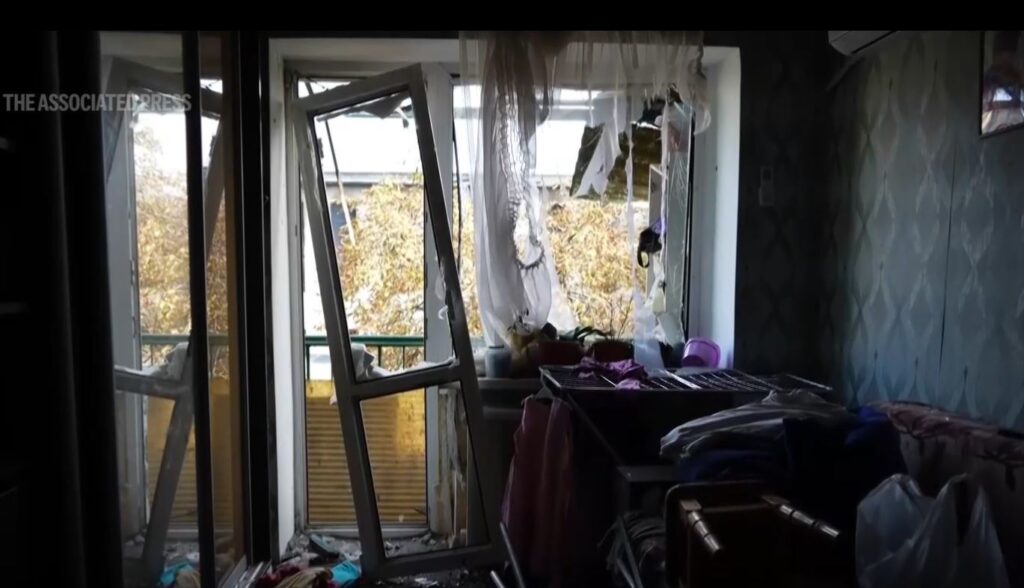
The explosion blew out the windows, scattered furniture, and left the apartment uninhabitable. The couple fled to a shelter with Liudmyla's 6-year-old daughter and two guinea pigs. Their cat hid and could not be found. A second strike hit after they reached the shelter.

Liudmyla and Leonid Ryzhak's Kyiv apartment on 8 September 2026, its windows blown out by the blast wave from a Russian strike on a warehouse across the street. Screenshot from AP video

Neighbors clearing debris stopped to congratulate them.

“We should all be celebrated, that we survived,” Liudmyla replied.

They dug their wedding clothes out of the debris. Liudmyla, 33, shook broken glass from her white tulle skirt, which had small holes. Leonid could not find his dress trousers, so he wore army trousers with his embroidered shirt and sneakers.

kyiv couple marries after russian strike ruins home · post liudmyla leonid ryzhak married 8 2026 hours hit warehouse across street blast wave left apartment uninhabitable ap video bride inside
Liudmyla and Leonid Ryzhak married in Kyiv on 8 September 2026, hours after a Russian strike hit a warehouse across the street and a blast wave left their apartment uninhabitable. Screenshot from AP video

The strike was part of a mass Russian attack on Kyiv that came once US peace envoys left the capital, ending a lull that had held for three days. Russia launched 166 drones and 32 cruise missiles at Ukraine overnight, along with ballistic and anti-ship missiles, and air defenses downed 142 drones, 31 cruise missiles, and two ballistic missiles, the Air Force said. Three people were killed in Kyiv, Kyiv Mayor Vitalii Klitschko said.

The couple arrived at the registry office on time, at 10:40, but another air-raid siren sounded soon after and the office closed. They waited in the courtyard for almost three hours as explosions hit the surrounding districts.

Eventually, the alert ended, and the couple went inside.

"If God gave me a continuation of life, then why should I put it off?" Liudmyla said. "At least for now, I have the right to be happy," she added.

They got married.

He photographed Ukraine, then enlisted and died defending it at 27. Eleven years on, Viktor Hurniak’s story is still being told

10 septembre 2026 à 06:33

Viktor Hurniak. Photo- Victor Hurniak Facebook.

Viktor Hurniak was a Ukrainian photojournalist who worked for UNIAN, a major Ukrainian news outlet, and for Reuters, and co-founded the LUFA photo agency, according to Ukrainska Pravda. He joined the fight in the Russo-Ukrainian war in September 2014. Russia killed him on 19 October that year near the village of Smile in Luhansk Oblast, as he helped evacuate wounded soldiers under mortar fire.

Since the Russo-Ukrainian war began in 2014, Ukrainian media workers have been killed while reporting, as civilians, and after joining the armed forces.

From photographer to volunteer

Hurniak had been photographing since he was 14. He started at the Ternopil newspaper 20 Khvylyn, and UNIAN picked up his work after he happened onto a fire on Crimea’s Ai-Petri in 2007.

By summer 2014, Viktor was raising money and finding helmets, body armor, clothing, and vehicles for Ukrainian troops, often delivering the supplies himself. His network and ability to source equipment earned him the callsign Oligarch among Aidar soldiers.

On one trip to Italy, Viktor, his father Petro, and friends returned with 550 helmets.

Viktor Hurniak
Viktor Hurniak, left, delivering supplies to a Ukrainian position. Photo: Viktor Hurniak's Facebook page

Friends, including Vitalii Derekh, tried to persuade him not to go further. They argued that he was more useful finding equipment than carrying a rifle.

Hurniak answered: “Well, I want to fight.”

In September 2014, he joined Aidar’s 24th territorial defense battalion.

His decision did not make him more distant from his family. Olesia Yedynak-Khoma recalled that after joining the battalion, he contacted them more often, sent photographs, and shared more about what was happening in Donbas. He told his sister Olia that there was “real life” in Donbas and that he had found sincere people and a strong sense of brotherhood there.

Viktor Hurniak
Viktor Hurniak, right, months before he enlisted. Photo: Markiian Lyseiko's Facebook page.

The day Russia killed him

On 19 October 2014, Hurniak was helping evacuate wounded soldiers from checkpoint 32 on the Bakhmutka road near the village of Smile in Luhansk Oblast when mortar fire hit. He was killed by shrapnel.

Viktor was 27. His daughter Yustyna was two.

Seven years later, Ukraine posthumously named Viktor Hurniak a Hero of Ukraine and awarded him the Golden Star.

His photographs were later exhibited in Poland, Estonia, Germany, and the United States, including at the European Parliament in an exhibition titled “Donbas: War and Peace.”

Viktor Hurniak
Viktor Hurniak. Photo: Viktor Hurniak's Facebook page.

His story continues

Writer Iryna Vovk's Viktor Hurniak, published by Folio in its "True Heroes" series, was presented at a memorial festival in his home region in October 2025 and in Ternopil in January 2026, 11 years after his death. The book is built from the recollections of his family and friends.

Olesia Yedynak-Khoma, one of Hurniak’s friends, founded a scholarship in his memory at the Ukrainian Catholic University’s School of Journalism and Communications.

The question Hurniak once asked himself later became a guiding phrase for his sister Olia:

“What have you done for victory?”

He had already given his own answer. Urged to keep sourcing equipment rather than carry a rifle, he said he wanted to fight, and in September 2014 he went.

  • ✇Euromaidan Press
  • Mines and unexploded munitions have harmed 1,688 civilians since Russia’s full-scale invasion, Ukraine says
    As of 1 September, Russian mines and unexploded ordnance (UXO) had harmed 1,688 civilians since the start of the full-scale invasion, Ukraine's Main Directorate of Mine Action, Civil Protection and Environmental Safety said. The figure breaks down into 1,515 adults and 173 children, with farmers the worst-hit occupational group at 296. More than 20% of Ukraine's territory—139,000 km²—was suspected of contamination as of mid-2025, according to the UN Mine Action Service
     

Mines and unexploded munitions have harmed 1,688 civilians since Russia’s full-scale invasion, Ukraine says

9 septembre 2026 à 12:45

mines

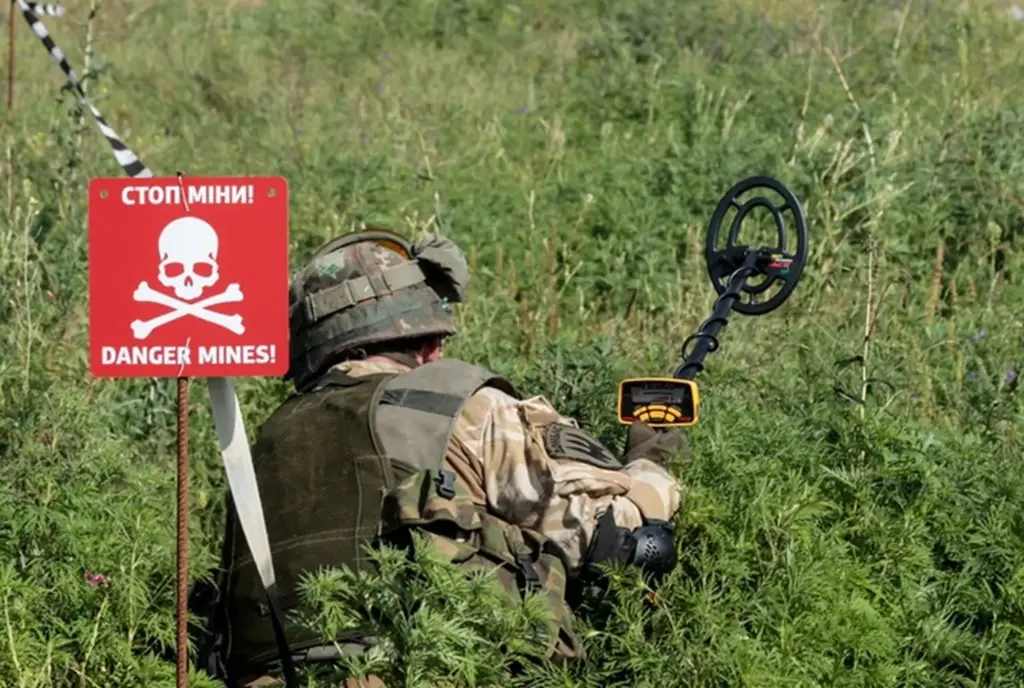
As of 1 September, Russian mines and unexploded ordnance (UXO) had harmed 1,688 civilians since the start of the full-scale invasion, Ukraine's Main Directorate of Mine Action, Civil Protection and Environmental Safety said. The figure breaks down into 1,515 adults and 173 children, with farmers the worst-hit occupational group at 296.

More than 20% of Ukraine's territory—139,000 km²—was suspected of contamination as of mid-2025, according to the UN Mine Action Service (UNMAS). The contamination poses a long-term civilian hazard because mines and unexploded ordnance can remain dangerous long after fighting has moved on. UNMAS has described Ukraine as the most heavily contaminated country since the end of the Second World War.

Ukrainian law enforcement opens criminal proceedings after each civilian detonation on a Russian mine as part of investigations into Russia's violations of the laws and customs of war, the directorate said. The data is collected under Protocols II and V of the Convention on Certain Conventional Weapons, Ukrinform reported.

Beyond farmers, the occupational groups most affected were the unemployed (238), pensioners (166), schoolchildren (165), critical infrastructure workers (164), and drivers (108), the directorate said.

UN human rights monitors recorded 51 civilian casualties from mines and explosive remnants of war in June, including seven killed and 44 injured.

The danger also extends to the people clearing contaminated areas: a Russian strike killed two Norwegian People's Aid deminers and wounded four in Kherson Oblast the same month. Russian forces had hit a clearance team before, killing two Danish Refugee Council workers near Chernihiv in September 2025.

The annual economic losses from contaminated land are estimated at around $11 billion, largely from lost exports and local tax revenue, according to the deputy minister coordinating Ukraine's demining.

“In the best blockbusters you wouldn’t see this”: Ukrainian soldier on fighting off a Russian drone from a moving Humvee

9 septembre 2026 à 07:39

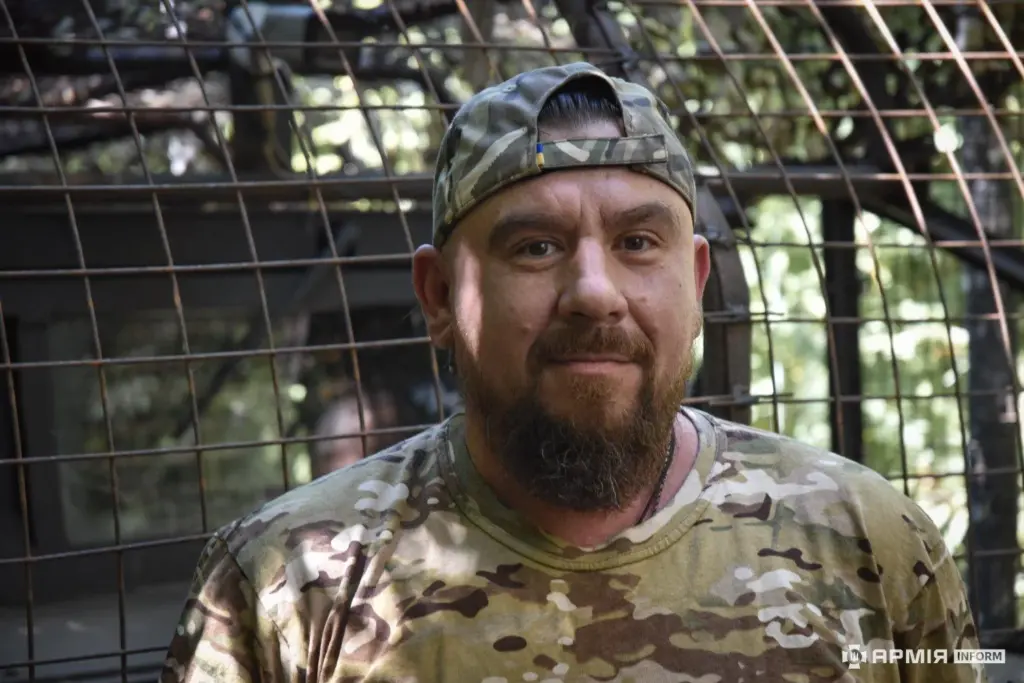
A soldier with the call sign Tatarin.

The soldier, known by the call sign Tatarin, is part of a Ukrainian unit that recovers damaged battlefield vehicles on the Pokrovsk front. The work aims to keep the vehicles out of Russian hands and return them to service, ArmyInform said. Tatarin told ArmyInform that his team has recovered everything from armored personnel carriers to tanks.

Tatarin said he spent more than 20 years working in a mine in Donetsk Oblast. He is from Myrnohrad, lived in the same place his whole life, and stayed there until 2024, when he joined the army.

"I'd like to go back, but there's nothing left there. Everything is smashed," he said, adding that he is now fighting for his own home.

After the training center, he was assigned to the 155th Separate Mechanized Brigade, where he now commands a technical reconnaissance squad. When an order comes down, his team drives out ahead in a US-made HMMWV, known as the Humvee, to see how a damaged vehicle can be hooked and how another vehicle can reach it, then plans the run before the recovery vehicle goes in.

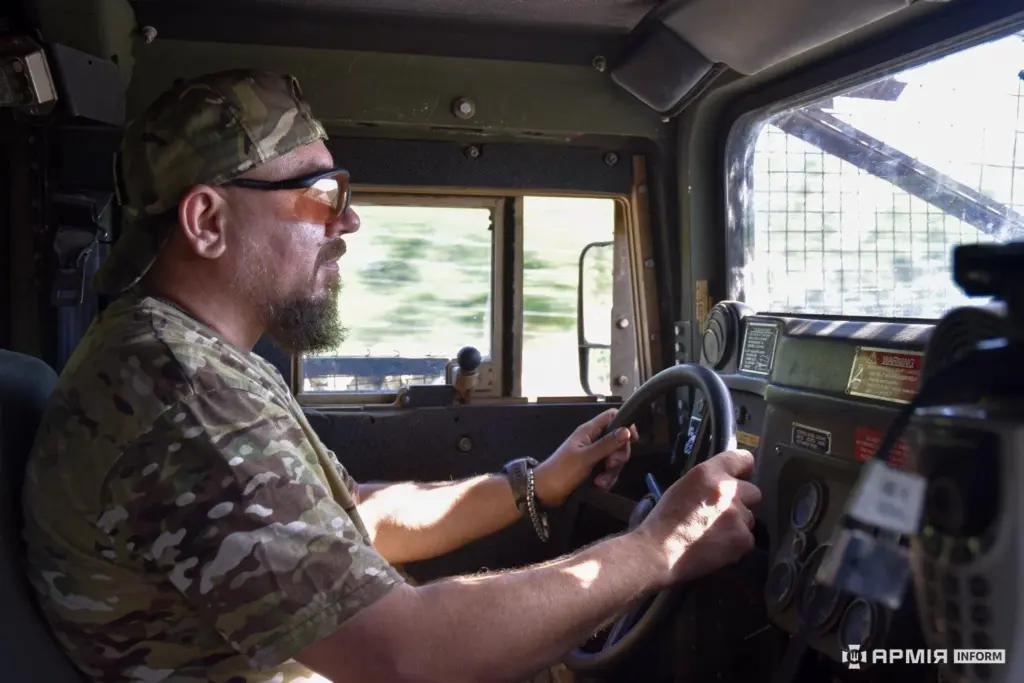
A soldier with the call sign Tatarin at the wheel of an HMMWV.
A soldier with the call sign Tatarin at the wheel of an HMMWV. Photo: Daria Moskalets / ArmyInform.

A mission through the minefields

One of the hardest runs was for a damaged French VAB armored personnel carrier, left in an area Ukrainian units were already withdrawing from. It had to be taken out so Russian forces would not get it. Four men went: Tatarin, Did from Dnipro, Blogger from Zhytomyr, and Patron from Ternopil Oblast.

They reached the VAB, but their Humvee hit a mine nearby, and the men suffered blast concussions and other injuries. A wheel was torn off, and Tatarin drove them to a treeline on the remaining three, he said. Then a Russian first-person-view (FPV) drone found them. They had just jumped out and started moving away when it struck the vehicle, he said. It burned, along with their radios.

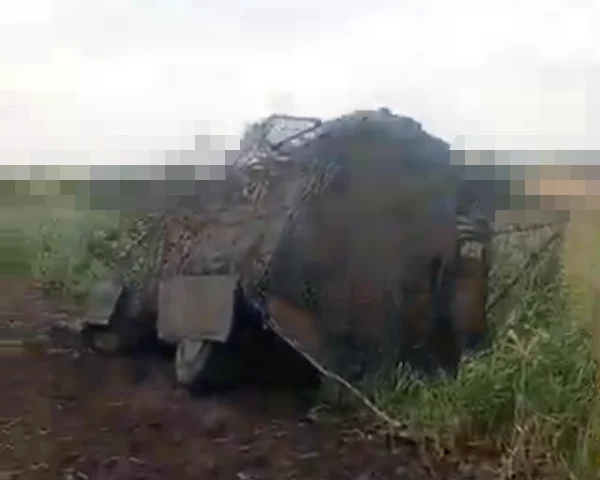
A damaged armored vehicle in a field.
A damaged armored vehicle in a field. Photo: screenshot from 155th Separate Mechanized Brigade video, via ArmyInform.

There were no Ukrainian positions left nearby. Tatarin said they walked more than 10 kilometers to get out, through minefields and tripwires. "We were caught between two fires. We walked blind," he said. With no cover, they ran across the open stretches. The treelines had been destroyed, and the sky was filled with drones, leaving them unable to tell whose was whose.

Eventually, they found a beaten path and heard voices—Ukrainian infantry from a neighboring unit, weapons already charged. Tatarin is from Donetsk Oblast and speaks mostly Russian, and his comrades told him to say nothing so the group would not be taken for the enemy, he said. They called out that they were from the 155th. The infantry then passed their identity back by radio. Their own brigade, it turned out, had already been searching for them, including with drones.

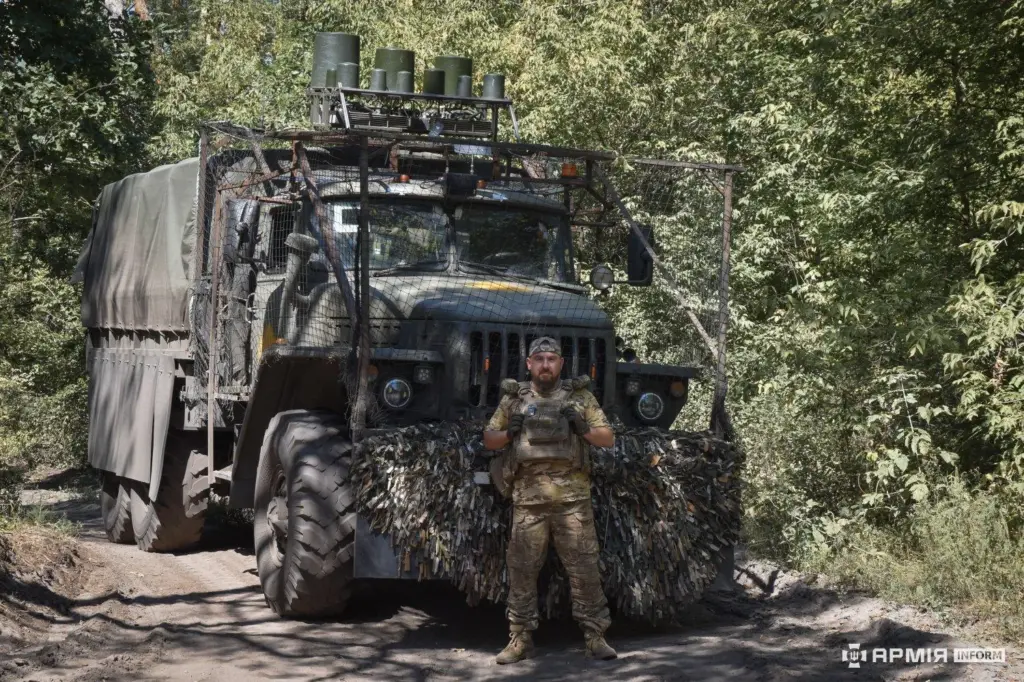
A soldier with the call sign Tatarin in front of a truck fitted with anti-drone netting and camouflage.
A soldier with the call sign Tatarin in front of a truck fitted with anti-drone netting and camouflage. Photo: Daria Moskalets / ArmyInform.

The neighboring unit collected them the next day in another Humvee, and another FPV drone came at that vehicle. Tatarin and a comrade with the call sign Vovchyk fired back from the moving Humvee, Vovchyk with an automatic rifle and Tatarin with a pump-action shotgun. The drone detonated about 30 meters away. "In the best blockbusters you wouldn't see this," he said. "It was hard. War is war." They reached a safer area, where medics were waiting. The main thing is that everyone came out alive, he said.

European NATO members may be the second target of Russia’s winter missile buildup—Ukraine’s foreign intelligence

8 septembre 2026 à 08:12

Ukraine's Foreign Intelligence Service meets national security advisers to European leaders

Russia is accumulating missiles for autumn and winter strikes on Ukraine's critical infrastructure as well as for possible provocations against European NATO members, Ukraine's Foreign Intelligence Service (SZR) reported. Major General Oleh Luhovskyi, the service's first deputy head, gave the assessment to the national security advisors of European leaders, SZR said on 6 September. SZR did not say how they responded.

Russia has repeatedly tested NATO's eastern flank through drone incursions, airspace violations, and military activity, increasing pressure on the alliance's eastern members. But no Russian missile strike on NATO territory has been established as deliberate, so SZR's warning points to a potential new form of escalation rather than an established pattern.

Russia's missile buildup

SZR said Russia has accumulated about 400 hypersonic missiles of various types, without specifying which systems are included, and could produce up to 300 ballistic missiles by the end of 2026.

Russia has also deployed additional launchers in the Bryansk, Kursk, and Voronezh oblasts bordering Ukraine, according to the service.

About 60% of the enterprises involved in missile production are still not under international sanctions, SZR said, presenting that as a gap allowing the Kremlin to sustain production. The service called for urgent sanctions on at least 55 more companies still supplying Russia's military-industrial chain with electronic components and machine tools, or handling its payments.

Ukraine's Defense Intelligence (HUR) has estimated that Russia can produce 60–70 Iskander-M missiles per month. In August, HUR said Kinzhal mass production had been suspended in April and that about 50 Kinzhals remained in reserve. Kinzhal is one hypersonic type among several that SZR's undivided figure of 400 may include.

Pressure on NATO's eastern flank

  • Russia's military aircraft repeatedly approached NATO airspace in July, and allied fighter scrambles along the eastern flank jumped by more than 250% compared with July 2025.
  • Russian drones have also approached Romania's airspace and entered Latvia's.
  • A Russian Kh-101 cruise missile landed in a field in Poland during a strike on Ukraine in July, putting a Russian missile on NATO territory.
  • ✇Euromaidan Press
  • Russia burns occupied Zaporizhzhia nuclear plant’s last-resort generators as everyday power, Ukraine says
    The Russian-occupied Zaporizhzhia Nuclear Power Plant lost the 330-kV Ferosplavna-1 line—which the International Atomic Energy Agency (IAEA) called the plant's only remaining off-site power line—on 20 August and has since run on emergency diesel generators, Ukraine's state nuclear operator Energoatom said on 6 September. A day earlier, the IAEA said the plant's diesel reserves were under increasing strain and warned it could lose all power within days unless external power
     

Russia burns occupied Zaporizhzhia nuclear plant’s last-resort generators as everyday power, Ukraine says

7 septembre 2026 à 16:58

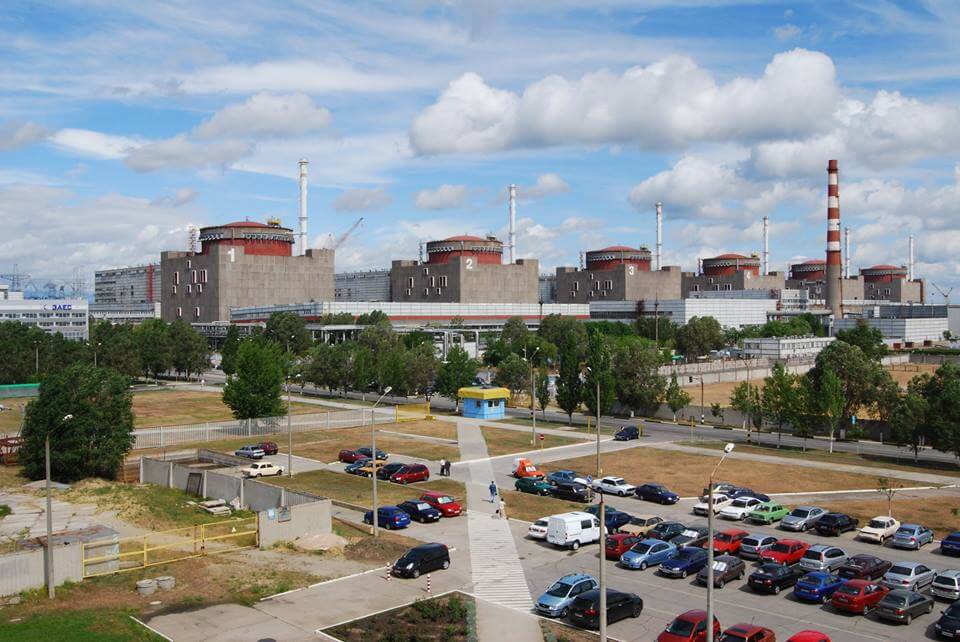
ukraine’s nuclear plants have power — grid damaged russia still can't carry · post zaporizhzhia plant europe’s largest facility has been under russian occupation since 2022 uatomorg russia-znpp-nuclear-weapon-joint-control-kyiv russia's overnight

The Russian-occupied Zaporizhzhia Nuclear Power Plant lost the 330-kV Ferosplavna-1 line—which the International Atomic Energy Agency (IAEA) called the plant's only remaining off-site power line—on 20 August and has since run on emergency diesel generators, Ukraine's state nuclear operator Energoatom said on 6 September. A day earlier, the IAEA said the plant's diesel reserves were under increasing strain and warned it could lose all power within days unless external power was restored or fuel deliveries continued.

The Zaporizhzhia plant has been under Russian control since March 2022, when Russian forces seized the facility during the invasion. The plant stopped generating electricity in September 2022, and all six reactors have been in cold shutdown since April 2024, leaving the plant dependent on external or backup power for cooling and other essential safety systems. Repeated damage to the plant's external power connections has forced it onto emergency diesel generators multiple times, including during a month-long loss of off-site power in 2025.

How much diesel the Zaporizhzhia plant has left

The plant's most recent delivery to its off-site fuel farm took place in March, and the next one, set for May, is still held up by military activity, the IAEA reported on 20 August. At that point, the plant reported having more than 10 days of diesel available for its emergency generators.

By 29 August, the plant was down to about 10 days of diesel—its minimum regulatory reserve—and IAEA Director General Rafael Grossi said that was roughly how long it had left without restored power or more deliveries. Several dozen tons reached the plant on 27 and 28 August, but a week later the agency shortened the warning to within days, with the plant down to two generators and running its cooling pumps on and off to save fuel. No nuclear plant should have to throttle its essential cooling systems to conserve diesel, Grossi said.

How the plant lost its last external power line

Ferosplavna-1 is a backup line from the thermal plant next door, one of 10 the IAEA counted before the war. The main 750-kV Dniprovska line failed on 24 March. Technicians repaired it under a June ceasefire, but it has never been switched back on, because a substation more than 100 kilometers away was badly damaged. Ferosplavna-1 has carried the plant alone since. It went down on 26 April for the 15th time since 2022, by both counts, and cut out repeatedly around a June attack on the thermal plant. It went dead on 20 August—the 27th loss by Energoatom's count, the 26th by the IAEA's.

Ukrainian technicians began repairs on 5 September under a local ceasefire the IAEA brokered, with a few days' work expected. The line was still dead on 7 September, its 19th day without off-site power, the plant's Russian-installed management claimed to Russian media. Fixing it may not bring the power back anyway, Rosatom chief Aleksei Likhachev claimed the same day, blaming Ukrainian inaction for the other line still sitting repaired and unconnected—which the IAEA puts down to the wrecked substation.

Energoatom's assessment of the generator risk and Russian claims

Russian forces run the plant's emergency generators as everyday power, outside the conditions they were built for, Energoatom said on 6 September. Weeks of continuous running raise the risk of several backups failing together, and constant starts under load make the systems that start them likelier to fail. Even in cold shutdown, a blackout would threaten control of the safety systems and the spent fuel pools, and the plant is already in gross violation of its safe-operation limits, it said. Only a Russian pullout, military and civilian, and a handover back to Energoatom would guarantee safe operation, the company said, which also wants both grid lines back.

The plant has enough fuel for its generators but cannot restock while the access roads are shelled, the plant's Russian-installed management claimed to Russia's state news agency TASS on 31 August. TASS blamed Ukrainian forces for the shelling, though the quoted remarks named no one.

If the generators quit, the plant loses the power that keeps cooling going. The reactors have not produced electricity since September 2022, so there is far less heat to remove, and in a total blackout the fuel would take considerably longer to be damaged or melt, the agency said on 5 September. Such a scenario must be prevented all the same, the agency said, and the fix is restored off-site power or continued diesel deliveries.
  • ✇Euromaidan Press
  • Ukraine adopts two-tier air raid alert system as Russia’s mass drone attacks become the new normal
    The Cabinet of Ministers of Ukraine adopted a decision to introduce two levels of air alerts, with yellow for drone attacks and red for a heightened threat of missile or combined strikes, Prime Minister Serhii Koretskyi said on 3 September. Under the yellow level, designated businesses can operate if they meet safety requirements, while a red alert will require work to stop and people to move to shelters. Russia continues to attack Ukrainian cities with drones and other
     

Ukraine adopts two-tier air raid alert system as Russia’s mass drone attacks become the new normal

4 septembre 2026 à 13:53

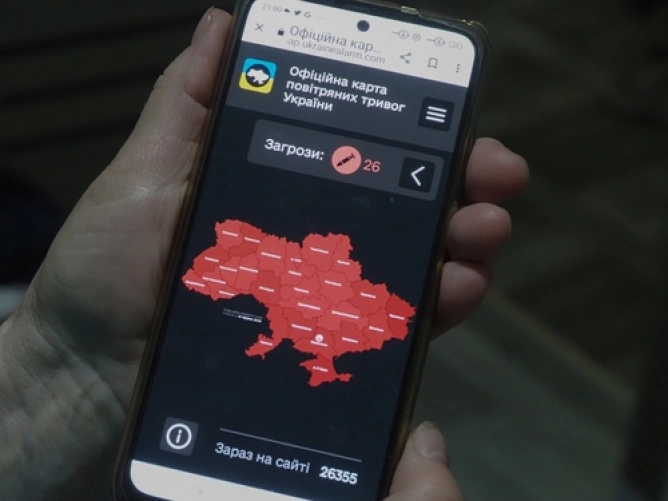
the Official Map of Air Alerts in Ukraine

The Cabinet of Ministers of Ukraine adopted a decision to introduce two levels of air alerts, with yellow for drone attacks and red for a heightened threat of missile or combined strikes, Prime Minister Serhii Koretskyi said on 3 September. Under the yellow level, designated businesses can operate if they meet safety requirements, while a red alert will require work to stop and people to move to shelters.

Russia continues to attack Ukrainian cities with drones and other long-range weapons, repeatedly disrupting civilian and economic activity. Ukrainian President Volodymyr Zelenskyy said Russia is using mass drone attacks to wear down civilian life and economic activity, while the existing system of signaling all aerial threats in the same way no longer fits Russia's tactics.

How it will work

Businesses cleared to operate under a yellow alert must ensure staff and visitors can reach shelters. Where that access is missing, the Cabinet is giving businesses three months to provide it.

The General Staff, the Air Force, the government, the Defense Ministry, the Interior Ministry, and the State Emergency Service will set the specific indicators for declaring each level weekly, Zelenskyy said.

What still has to be worked out

Zelenskyy also directed officials to develop geographic targeting for alerts, so warnings can be limited to areas facing an actual threat. The measure is still being worked out and is not yet part of the new system.

The new approach is intended to allow economic activity to continue during drone threats while preserving stricter measures for more serious attacks. The government has not yet finalized which businesses will qualify to remain open under a yellow alert or all of the criteria for applying the two levels.

  • ✇Euromaidan Press
  • Russia says Armenia’s EU accession law means leaving Moscow-led trade bloc. Yerevan disagrees
    Russian President Vladimir Putin said Armenia's 2025 law launching the EU accession process "amounts to a declaration of withdrawal" from the Russia-led Eurasian Economic Union. Armenian Prime Minister Nikol Pashinyan replied that Armenia had filed no notice to leave and had violated none of the bloc's rules. The leaders met on 1 September in Bishkek, Kyrgyzstan, during a Shanghai Cooperation Organization summit. The exchange turns Armenia's westward shift into an open
     

Russia says Armenia’s EU accession law means leaving Moscow-led trade bloc. Yerevan disagrees

2 septembre 2026 à 10:35

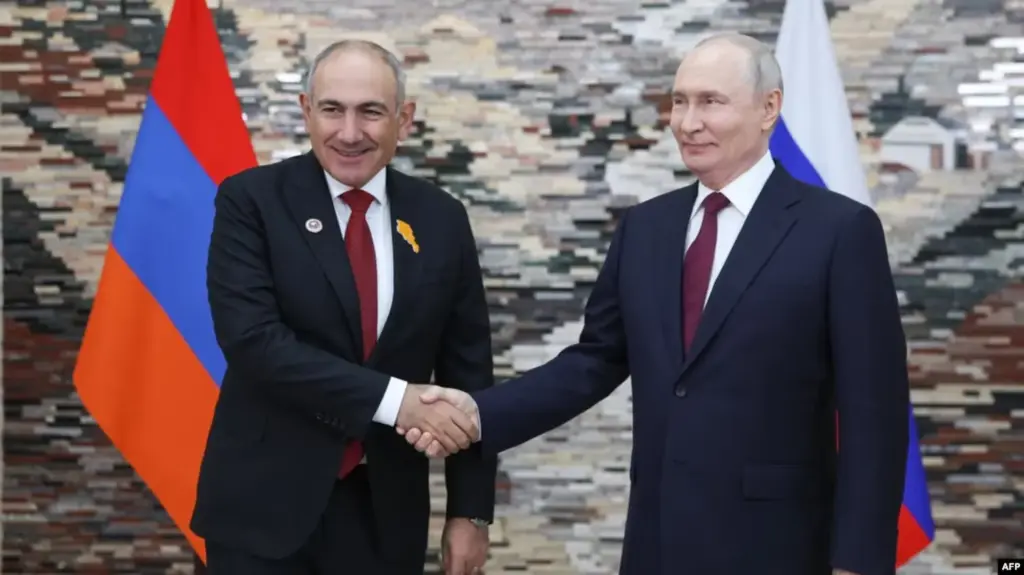
Nikol Pashinyan and Vladimir Putin meet in Bishkek

Russian President Vladimir Putin said Armenia's 2025 law launching the EU accession process "amounts to a declaration of withdrawal" from the Russia-led Eurasian Economic Union. Armenian Prime Minister Nikol Pashinyan replied that Armenia had filed no notice to leave and had violated none of the bloc's rules. The leaders met on 1 September in Bishkek, Kyrgyzstan, during a Shanghai Cooperation Organization summit.

The exchange turns Armenia's westward shift into an open dispute over how far it has already moved from Moscow. Yerevan is preparing an EU application and has frozen participation in Russia's military alliance, but it still belongs to the trade bloc. Russia remains Armenia's largest trade partner, accounting for about 35% of its foreign trade.

The disagreement

In the opening minutes, Putin acknowledged that Armenia's aspiration to join the EU was the country's "legitimate right," but said it "creates difficulties" given Armenia's membership in the bloc that links Russia, Belarus, Kazakhstan, Kyrgyzstan, and Armenia. He told Pashinyan that adopting a law launching the process of joining another organization "amounts to a declaration of withdrawal from ours."

Putin urged Armenia to decide quickly and repeated his call for a referendum on whether Armenia should remain in the trade bloc or pursue EU membership, telling Pashinyan to give the people a choice so the matter could be closed.

Pashinyan pushed back. He noted that the bloc's rules have no mechanism to expel a member state—only a voluntary withdrawal process requiring six months' notice—and that Armenia has filed no such notice. He told Putin the issue had not matured enough for a referendum, arguing that Armenia first needs to submit a formal EU application, receive a response, and agree on an accession roadmap.

How far Armenia has moved

Armenia's parliament passed a law launching the EU accession process in March 2025, though the government has said the law does not amount to a formal membership bid. On 24 August, Pashinyan told lawmakers that the government would begin preparing a formal application "in the near future." Armenia has also dropped the "strategic partner" label for Russia from its new government program and effectively frozen its participation in the Russian-led Collective Security Treaty Organization since early 2024.

Russia's response

Since May 2026, Moscow has imposed a series of bans on Armenian agricultural imports—including fruit, vegetables, and mineral water—citing phytosanitary concerns. The EU called the measures "economic coercion" and announced a support package of more than €50 million for Armenia in June.

Pashinyan says dialogue will continue

After the meeting, Pashinyan posted a video describing the talks as "very good" and saying the two leaders had agreed to continue a "sincere and constructive dialogue" during a future visit to Moscow. He said bilateral relations needed to be "rethought" under new circumstances.

❌