Vue normale

  • ✇Euromaidan Press
  • Ukraine’s Zaporizhstal may idle half its capacity to fit new EU steel quotas
    Ukraine’s Zaporizhstal plant plans to shift much of its output to lower-value pig iron to keep exporting under the European Union’s new steel quotas. The move would idle up to half the plant’s capacity, its parent company, Metinvest, says. Ukraine’s new allowance runs to roughly 1 million metric tons, about 60% below its 2025 shipments to the bloc. The EU says the quotas shield its own producers from a global steel surplus. For Ukraine, whose steel entered duty-free
     

Ukraine’s Zaporizhstal may idle half its capacity to fit new EU steel quotas

14 août 2026 à 10:00

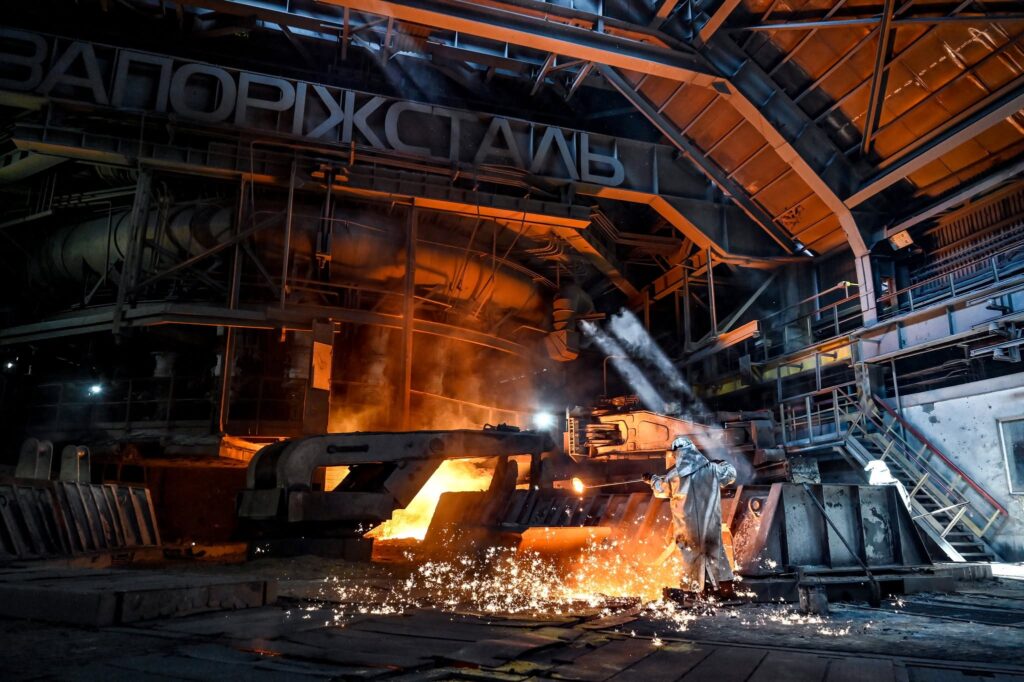
Inside the Zaporizhstal steel plant. Photo: Zaporizhstal on Facebook

Ukraine’s Zaporizhstal plant plans to shift much of its output to lower-value pig iron to keep exporting under the European Union’s new steel quotas. The move would idle up to half the plant’s capacity, its parent company, Metinvest, says.

Ukraine’s new allowance runs to roughly 1 million metric tons, about 60% below its 2025 shipments to the bloc.

The EU says the quotas shield its own producers from a global steel surplus. For Ukraine, whose steel entered duty-free after Brussels lifted tariffs after the 2022 invasion, they land on an industry already hit repeatedly by Russian strikes and cut off from the sea. The tariff-free quota fell by half on 1 July, with a 50% duty on anything above it.

Ukraine’s new allowance runs to roughly 1 million metric tons, about 60% below its 2025 shipments to the bloc, the Kyiv consultancy GMK Center calculates.

Steel makes up about 15% of Ukraine’s exports, and the EU buys close to four-fifths of it. The country’s Federation of Employers estimates the curbs could cost $1.2 billion in foreign earnings and cut GDP by 0.6%.

Falling back on pig iron

Pig iron, a semi-finished product, falls outside the quota, so lifting its share keeps the furnaces earning. But the switch would force the plant to reassign the workers behind those idled lines, Oleksandr Myronenko told Reuters. “Instead of support from the European Union, we face restrictions,” said the Metinvest chief operating officer.

Ukrainian mills cannot easily sell elsewhere: they are less efficient than cheaper Turkish and Chinese suppliers and are undercut in Europe’s own market, Myronenko said.

With the Black Sea route closed, importing coking coal through other European ports now runs $30 to $40 more a metric ton. Rail freight rose 30% this month, and an EU carbon charge has been applied to steel imports since 1 January.
rinat akhmetov
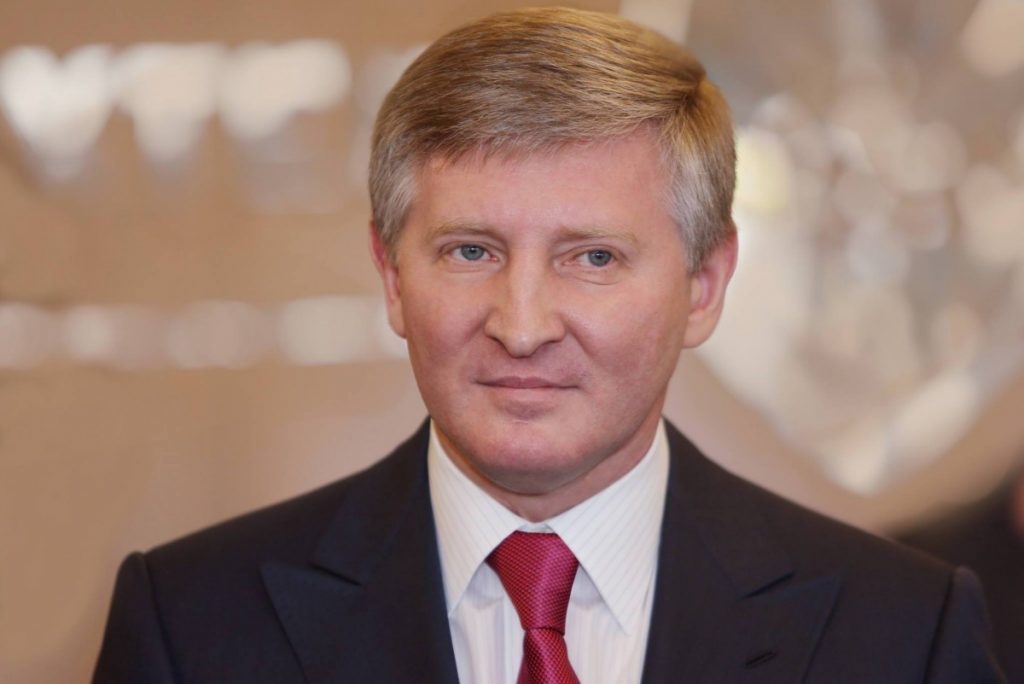
Ukrainian businessman Rinat Akhmetov is the majority owner of Metinvest. Photo: open source

A strike, and a plan in doubt

A Russian ballistic missile killed seven Zaporizhstal workers and shut the plant on 11 August.
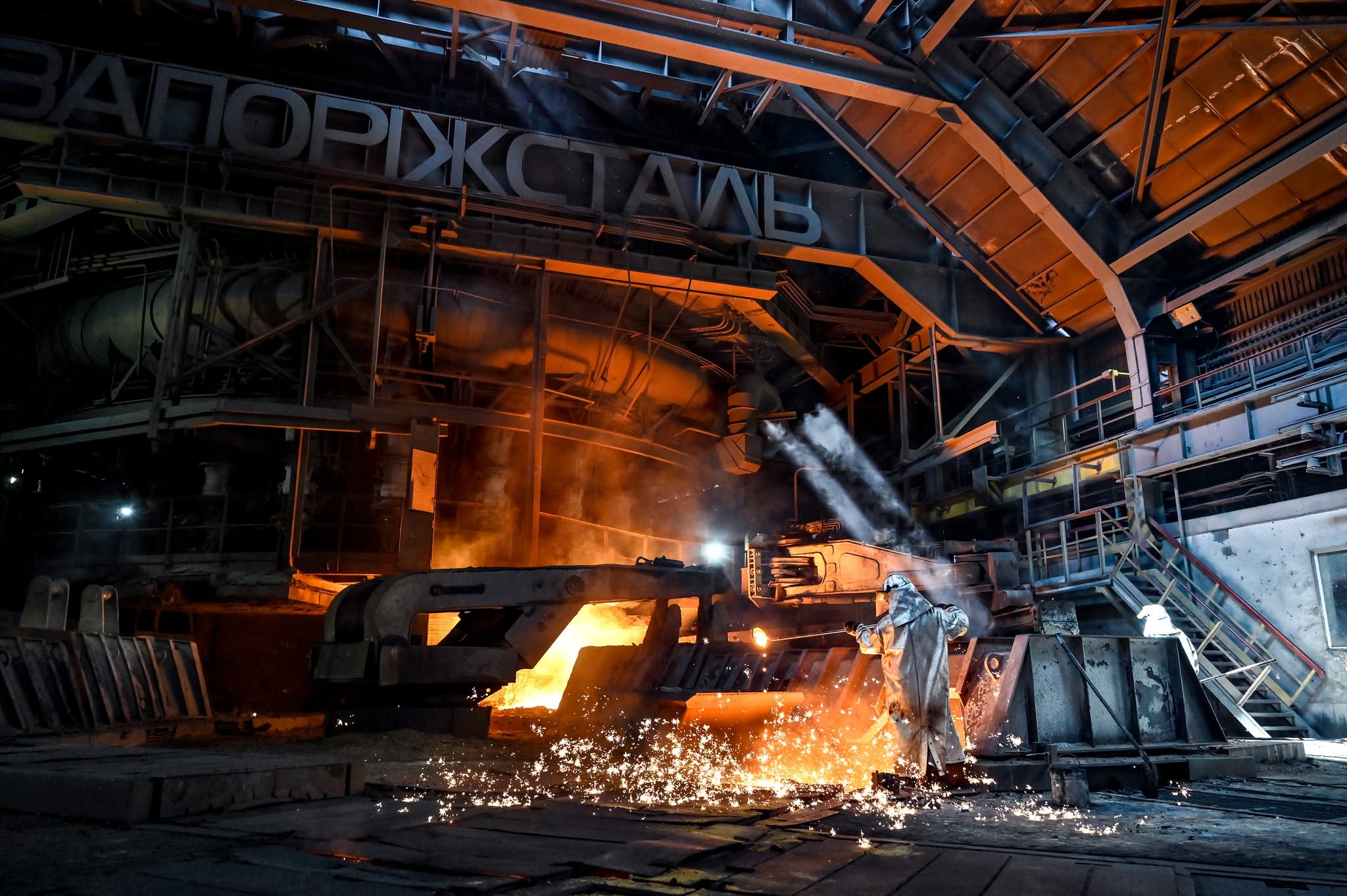
Inside the Zaporizhstal steel plant. Photo: Zaporizhstal on Facebook
Explore further

North Korean ballistic missile kills 7 steelworkers on their way to shelter, shuts down Zaporizhstal plant

The fate of Metinvest’s $8 billion, 15-year plan to convert to cleaner “green steel” is unclear; Myronenko called the modernization unrealistic in wartime. Zaporizhstal is the largest employer in the Zaporizhzhia region and, with the rest of Metinvest, is majority-owned by Rinat Akhmetov, Ukraine’s richest man.

On the plant floor, senior foreman Artem Kalinevych said: “As of today it’s not clear what comes next.”


  • ✇Euromaidan Press
  • Moldova overtakes every EU country as Ukraine’s top dairy buyer
    Moldova has overtaken Poland and Germany to become the largest foreign buyer of Ukrainian dairy products in the first seven months of 2026. It is not the win it sounds like.A country of some 2.5 million people now buys more Ukrainian dairy than any EU member, as falling European prices make EU sales less attractive and cheap imports capture a growing share of Ukraine’s home market. Ukraine now buys about as much dairy from abroad as it sells—unusual for a country used t
     

Moldova overtakes every EU country as Ukraine’s top dairy buyer

13 août 2026 à 08:54

sandu and zelenskyy

Moldova has overtaken Poland and Germany to become the largest foreign buyer of Ukrainian dairy products in the first seven months of 2026. It is not the win it sounds like.

A country of some 2.5 million people now buys more Ukrainian dairy than any EU member, as falling European prices make EU sales less attractive and cheap imports capture a growing share of Ukraine’s home market.

Ukraine now buys about as much dairy from abroad as it sells—unusual for a country used to exporting it.

Why the EU sales stopped paying

Over that period, the Association of Milk Producers reports, dairy exports shrank by almost a fifth in value against last year, while imports rose by more than a third. Ukraine now buys about as much dairy from abroad as it sells—unusual for a country used to exporting it.

What pushed producers toward a small neighbor rather than the EU was price: European wholesale prices for butter and milk powder fell throughout the summer, until selling into the EU stopped paying. The association expects that to reverse only if prices climb again in the autumn.

The pull shows up most in butter, where Moldova is now the largest butter buyer, taking more than four of every ten kilograms Ukraine exports, even as the total shrinks.

Ukrainian grain
Explore further

Ukraine and Moldova discuss rail corridor for grain amid Russian Black Sea attacks

Cheaper cheese from Poland and other EU states now feeds more than half of Ukraine’s cheese market, up from under 40 percent at the start of 2025, and Ukrainian cheesemakers have cut production rather than compete.

According to the association, a large share is declared as humanitarian aid, allowing it to enter without being tested, without Ukrainian labels, and free of duties and VAT. The association estimates that this costs the budget at least 730 million hryvnias ($16 million) a year.

Moldova subsidizes its own dairy farmers for every liter of milk they sell, yet it now buys more Ukrainian dairy products than any other country.

  • ✇Euromaidan Press
  • Russia’s oil money is drying up—so its own people are paying for the war
    Russia’s war budget got a brief respite this spring, when the Iran war pushed oil prices up. By July, it was gone. A single month swung from a rare surplus to an $8.8 billion deficit, leaving the seven-month shortfall already bigger than the entire deficit Russia ran last year, with five months still to run.As oil money drains away, the Kremlin is covering the gap by taxing ordinary Russians harder and eyeing their savings. Moscow will not run out of cash soon, but it i
     

Russia’s oil money is drying up—so its own people are paying for the war

12 août 2026 à 10:57

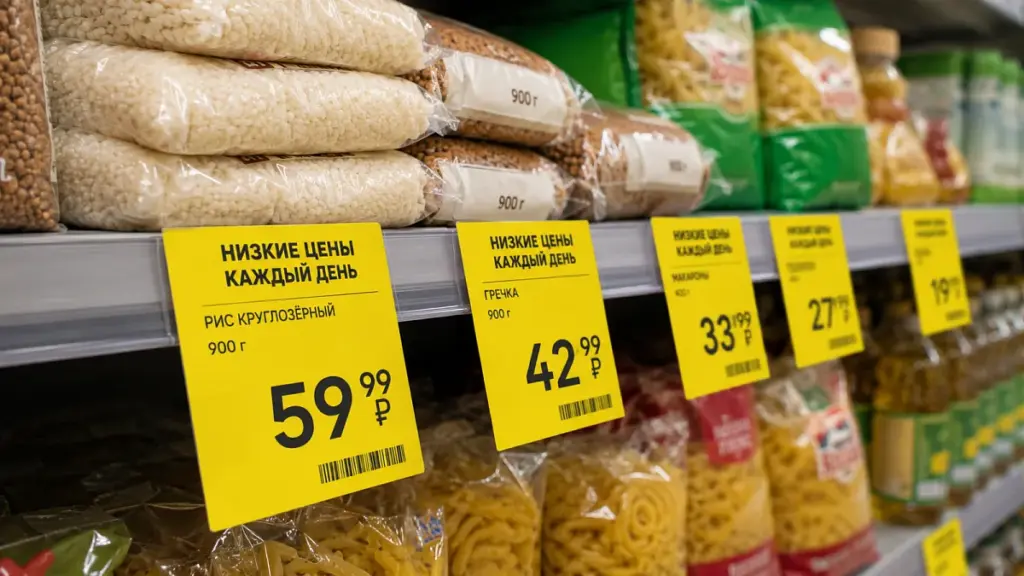
grocery prices in russia, may 2026

Russia’s war budget got a brief respite this spring, when the Iran war pushed oil prices up. By July, it was gone. A single month swung from a rare surplus to an $8.8 billion deficit, leaving the seven-month shortfall already bigger than the entire deficit Russia ran last year, with five months still to run.

As oil money drains away, the Kremlin is covering the gap by taxing ordinary Russians harder and eyeing their savings.

Moscow will not run out of cash soon, but it is running out of politically affordable ways to raise it.

Oil-and-gas income, long the war’s financial engine, fell by about a sixth from a year earlier to 4.6 trillion rubles ($56 billion), Finance Ministry figures show. Spending outpaced revenue, with state procurement up by nearly two-fifths.

The hole was plugged by value-added tax, whose receipts jumped by a quarter after Moscow raised the rate to 22% at the start of the year—a tax levied on ordinary Russians’ spending, not on oil prices or economic growth.

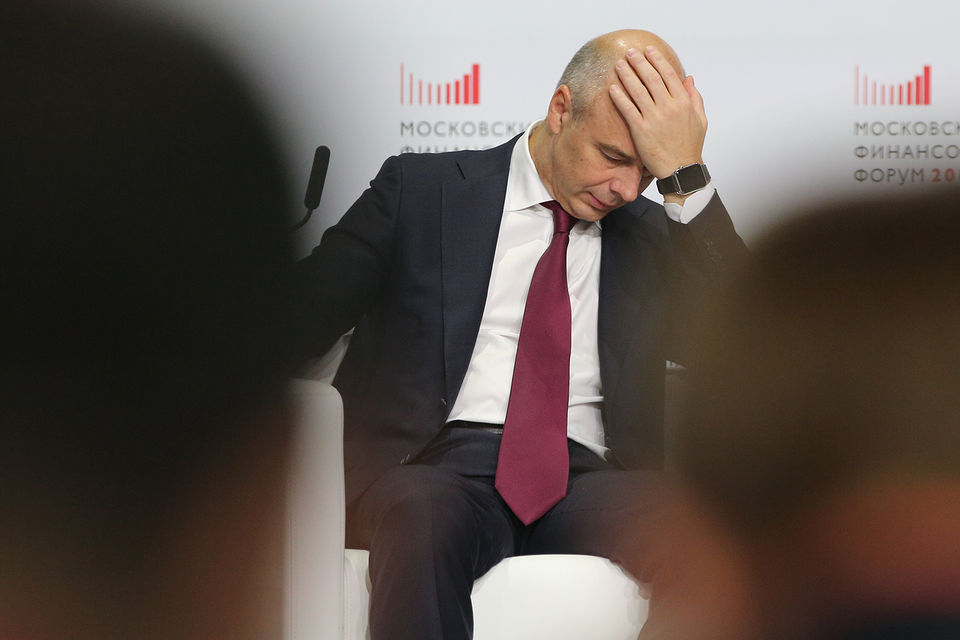
russian finance minister anton siluanov
Anton Siluanov, Russian Finance Minister. Photo: vedomosti.ru

One month of relief, then the gap reopened

The reprieve proved brief. July’s deficit followed June’s surplus even though spring’s higher oil prices should have cushioned the books, Bloomberg calculations showed.

Much of the windfall never reached the budget: it went to subsidizing oil firms whose refineries Ukrainian drones keep hitting, Gaidar Institute economist Ilya Sokolov wrote in a July monitoring paper.

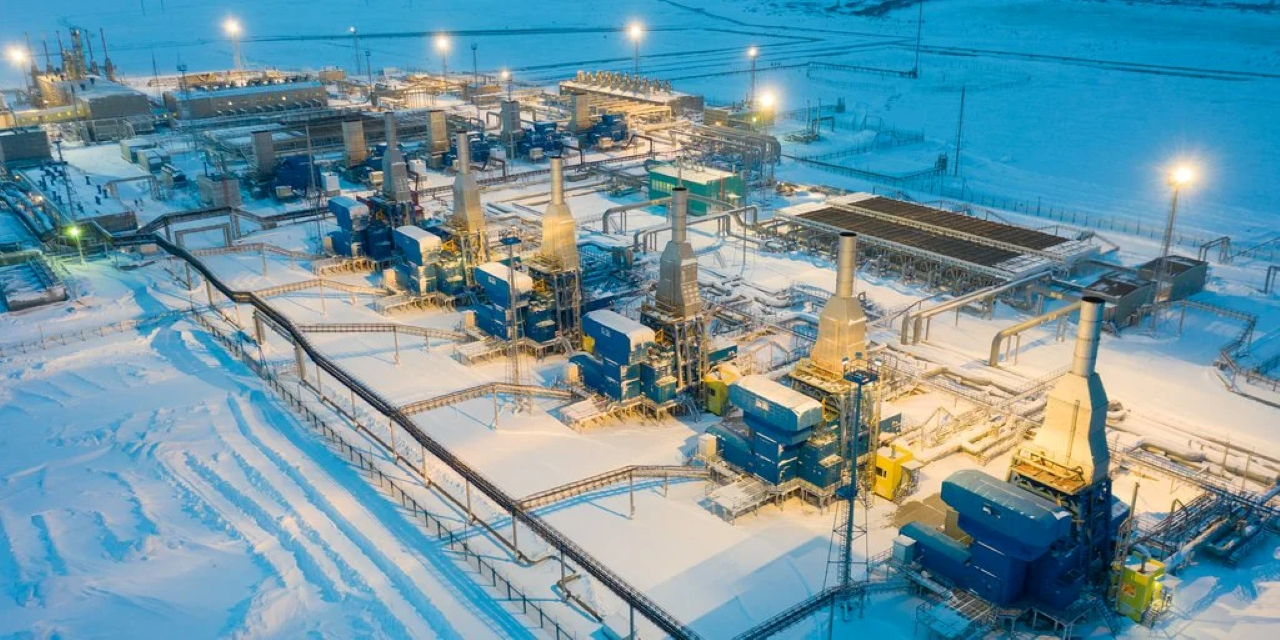
yamburg gas field in the yamalo-nenets ao in russia
Explore further

Russia’s oil revenues collapse 24% as global prices slide further (INFOGRAPHICS)

With the economy barely growing in the first half, a second-half recession could knock out another chunk of tax revenue just as the shortfall widens. Yaroslav Kabakov of the Finam brokerage expects the full-year deficit to approach double last year’s by year-end. Even as revenue shrinks, the military reportedly wants roughly 40% more than planned.

Borrowing, the other fallback, is jamming too. Russia suspended government bond auctions in July after investors balked and it could no longer raise money cheaply at home, even as Finance Minister Anton Siluanov vowed to shield defense and social spending.

Moscow shifts the burden to households

The burden is shifting onto households. The VAT rise alone will raise about $13 billion a year—barely a month of military spending—yet, unlike seizures aimed at billionaires, it reaches nearly every Russian, columnist Agathe Demarais wrote in Foreign Policy.

A draft law would allow the state to move around $40 billion from private pension accounts, and Communist leader Gennady Zyuganov has urged Vladimir Putin to tap the savings Russians hold in banks. Moscow will not run out of cash soon, Demarais argued, but it is “running out of politically affordable ways to raise it.”

Ordinary Russians are already moving their money. Through the first half of 2026, they withdrew cash from the banking system at the fastest pace since the pandemic, and the Central Bank has begun allowing banks to flag and freeze “suspicious” withdrawals, Euromaidan Press reported.

  • ✇Euromaidan Press
  • Crude goes south, gasoline north—Ukraine’s strikes split Russia’s oil trade
    Ukraine’s sustained drone strikes on Russian refineries have reversed the country’s position as a net fuel exporter. Moscow now imports gasoline from as far as India and Morocco while rushing crude oil through the Arctic to reach Asian buyers it can no longer supply with finished fuel. The flows are scaling up—and running on the same sanctioned, EU-listed tankers.The reversal is tightening global fuel markets. Russia runs the world’s third-largest refining industry, and th
     

Crude goes south, gasoline north—Ukraine’s strikes split Russia’s oil trade

12 août 2026 à 07:25

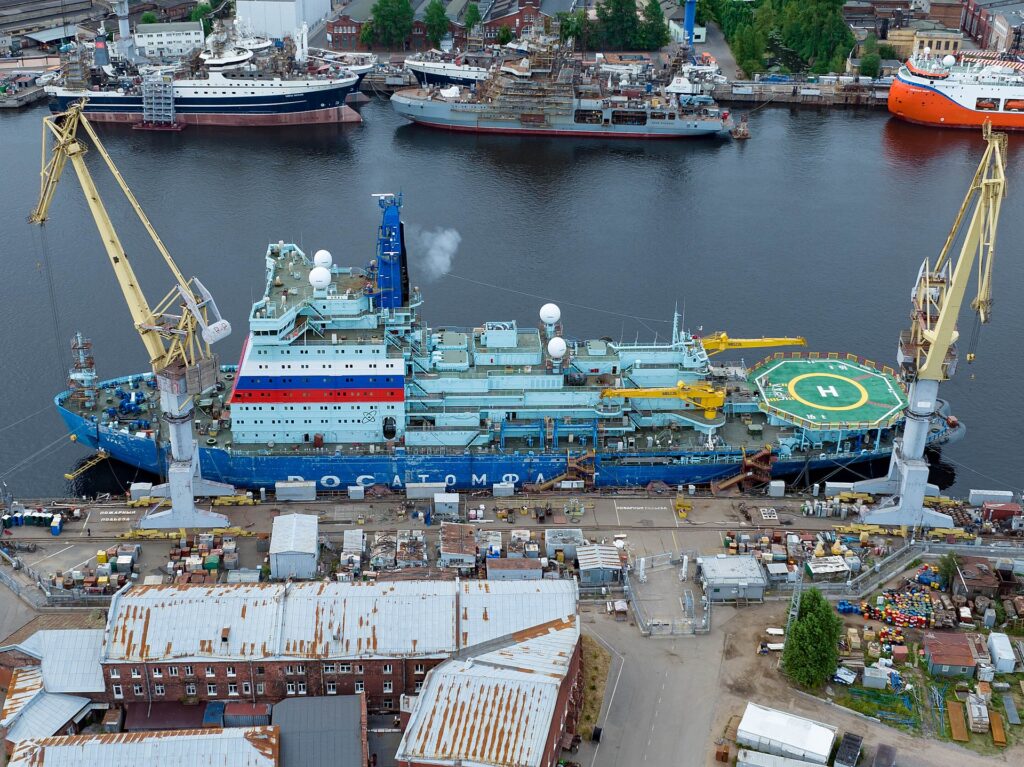
nuclear-powered icebreaker ural at the baltic shipyard in st petersburg

Ukraine’s sustained drone strikes on Russian refineries have reversed the country’s position as a net fuel exporter. Moscow now imports gasoline from as far as India and Morocco while rushing crude oil through the Arctic to reach Asian buyers it can no longer supply with finished fuel. The flows are scaling up—and running on the same sanctioned, EU-listed tankers.

The reversal is tightening global fuel markets. Russia runs the world’s third-largest refining industry, and the combined disruptions have acted to squeeze supply worldwide, with Moscow banning exports of both gasoline and diesel to keep its own pumps supplied.

With refining at a 24-year low, Russia is exporting crude through the Arctic while importing refined fuel from India.

Russian refining falls to its lowest since 2002

Ukrainian drone strikes have driven Russian crude processing to 3.6 million barrels a day in July—its lowest level since 2002 and roughly a third below the seasonal norm, according to EA Analytics data cited by Bloomberg.

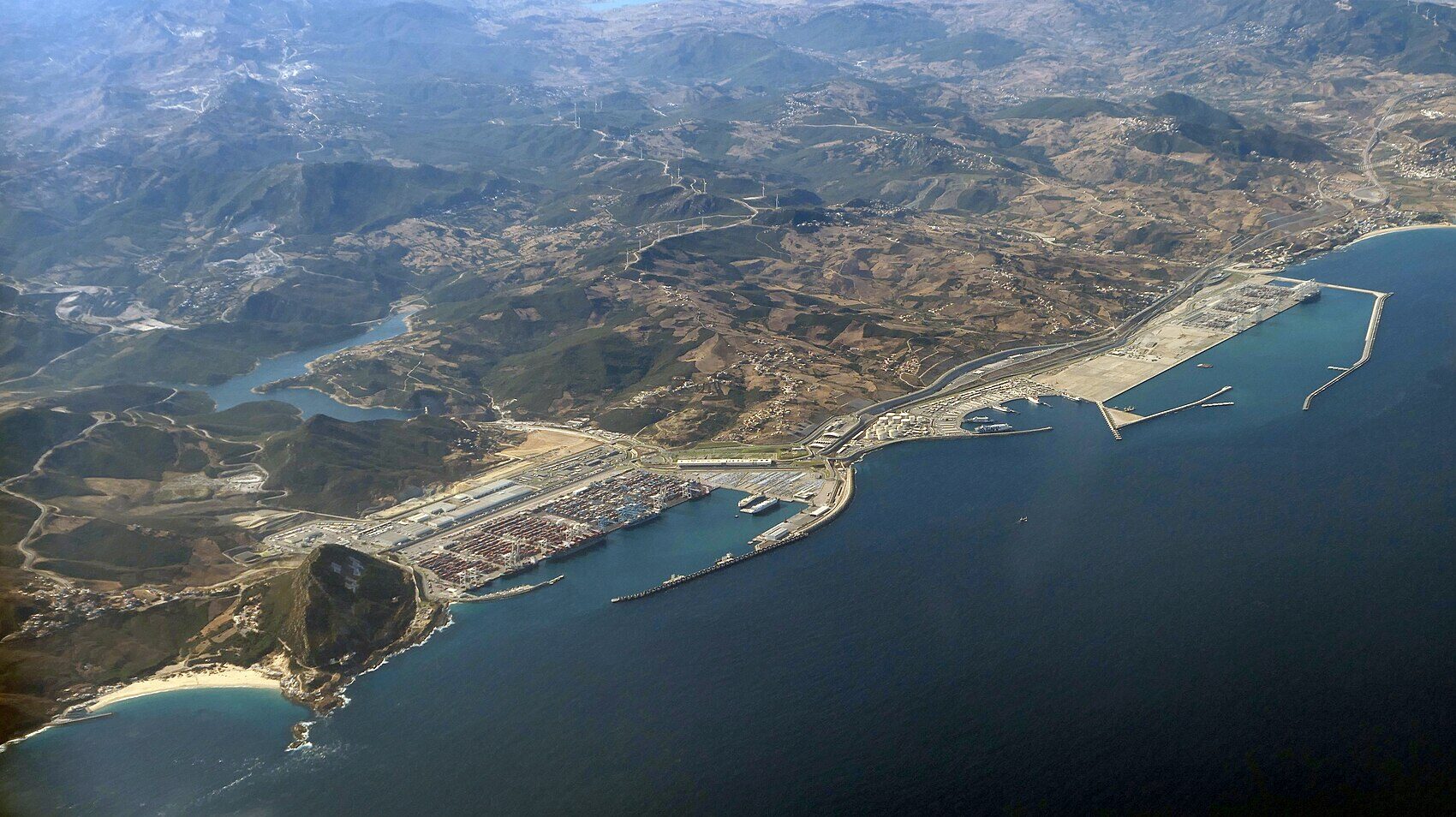
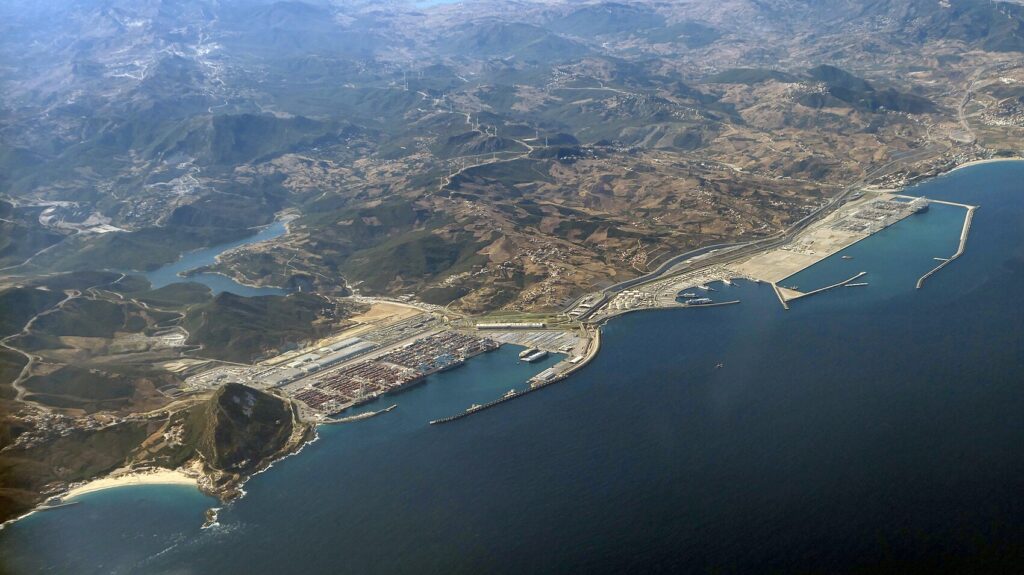
tanger med, the cargo port of tangier in morocco
Explore further

Ukraine’s drones force oil-giant Russia to import gasoline—now from Morocco


Ukraine hit at least 24 of Russia’s 34 largest refineries in some 50 strikes, with five more struck last week and at least two this week. With refining at a 24-year low, Russia is exporting crude through the Arctic while importing refined fuel from India.

Fuel shortages and rationing now affect about 50 million people—a third of Russia’s population. Moscow is subsidizing both the damaged refineries and the imported fuel replacing their output.

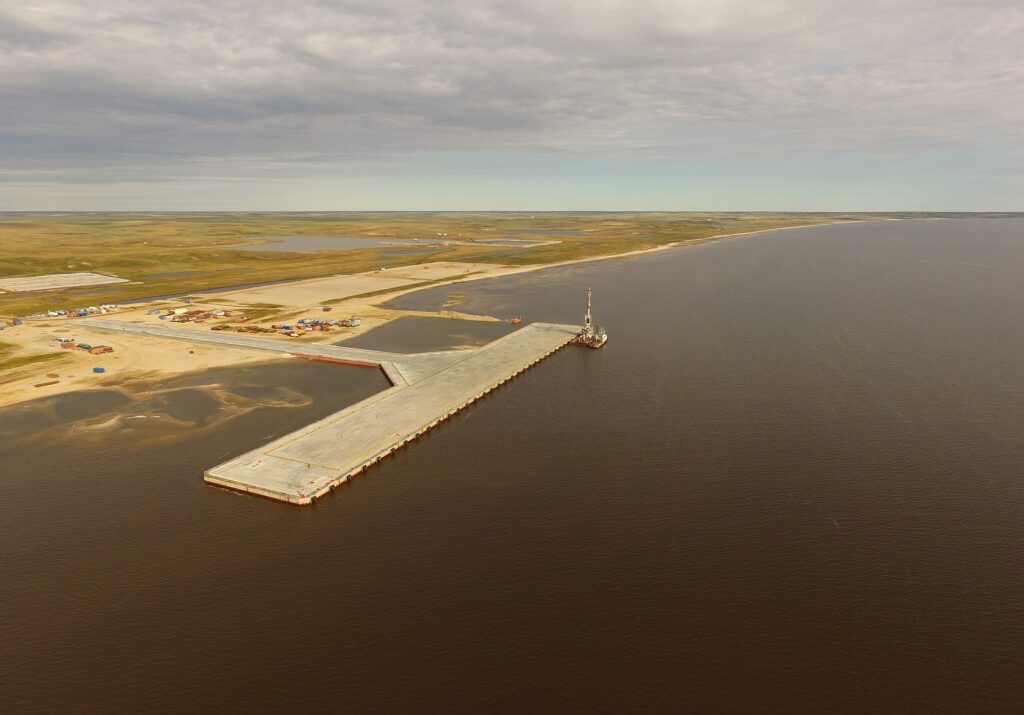
utrenneye or salmanovskoye port on the northern sea route in the far north of russia
A jetty serving the Utrenneye (Salmanovskoye) field extends into Ob Bay in Russia’s Far North. The port is along the Northern Sea Route, which Russia is increasingly using to ship crude to Asia. Photo: SlavaGol/Wikimedia Commons, CC BY-SA 4.0

Sanctioned tankers take crude toward the North Pole

Seven tankers carrying about six million barrels of crude were heading to Asia through the Northern Sea Route as of 11 August. That volume already amounts to nearly half the approximately 13 million barrels the route carried during the entire 2025 season.

The route cuts two weeks off the voyage to China compared with the Suez Canal, and ice conditions are relatively mild this year, one trader told Reuters.

But speed is only part of the surge. Tankers on the Arctic route bypass European waters, where enforcement has led to inspections and detentions of sanctioned vessels, and Ukraine’s strikes on Black Sea shipping and the Iran–US standoff at Hormuz have narrowed the alternatives.

Vessel-tracking data show the convoy following a route north of the Severnaya Zemlya archipelago rather than through the traditional and more southern Vilkitsky Strait—putting sanctioned oil tankers within 500 nautical miles of the North Pole. Maritime experts said commercial traffic at this scale has never operated that far north.

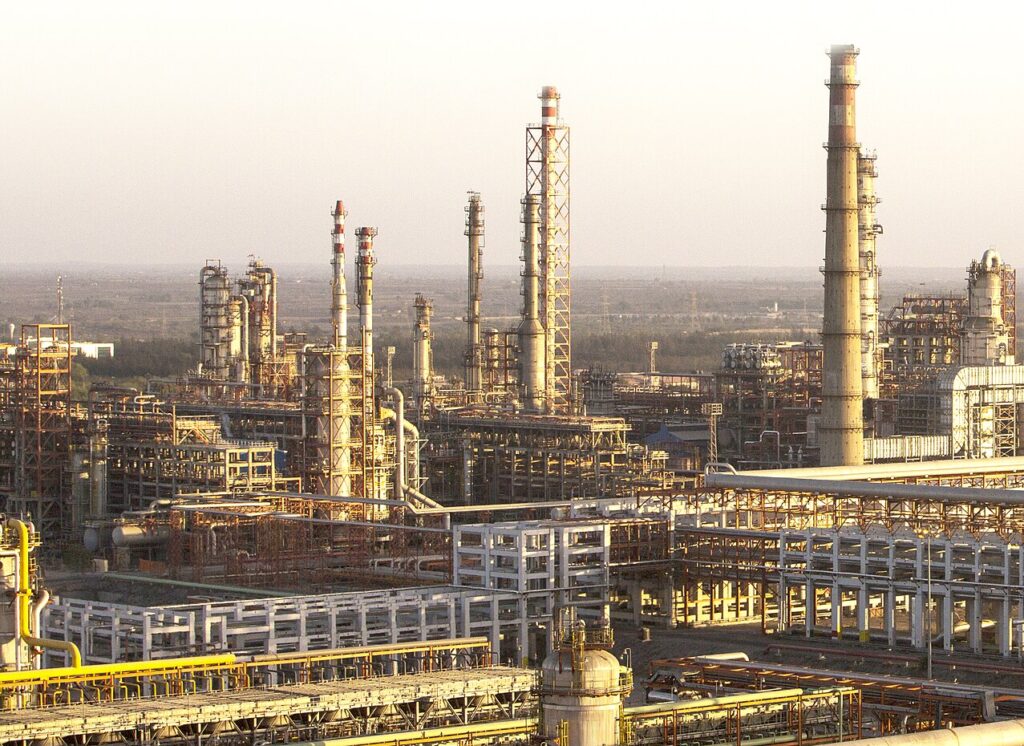
rosneft controlled nayara energy refinery at vadinar, gujarat, india
The Rosneft-controlled Nayara Energy refinery at Vadinar, Gujarat, India. Photo: AgarwalSimran / Wikimedia Commons, CC BY-SA 4.0

Russian crude returns home as Indian gasoline

In the opposite direction, gasoline refined from Russian crude at Nayara Energy’s Vadinar refinery in western India is flowing back to Russia through a chain of ship-to-ship handoffs at Egypt’s Damietta Port. At least three cargoes have cycled through the hub since June. The first reached Russia on 5 August.

Bloomberg’s tracking data show the tanker Cyclone loaded 42,000 tons of gasoline at Vadinar on 18 June, transferred the cargo to the Oman-flagged Garnet off Damietta on 6 July, and the Garnet reached Russia in early August. Two more tankers, Varg and Photon, followed the same route in July, with Photon’s cargo handed to the Russian-flagged Talisman on 28–29 July.

All these vessels are under EU sanctions. Garnet and Talisman are also under US sanctions.

Nayara’s refinery, which processes 400,000 barrels a day, is 49% owned by Rosneft. EU sanctions in July 2025 drove away its non-Russian crude suppliers, so the plant switched to processing only Russian oil and now buys and sells through traders—which is how its gasoline reaches Russia without a direct India-to-Russia sale, as Euromaidan Press reported.

The expected September launch of Rosneft’s Vostok Oil project could push more crude through the Northern Sea Route, traders told Reuters. NSR crude shipments fell 4% in 2025. This year’s opening weeks have already matched half the full-season total.

Ukraine’s drone strike shut Russia’s biggest LPG plant as fuel rationing returned in 16 regions

12 août 2026 à 05:12

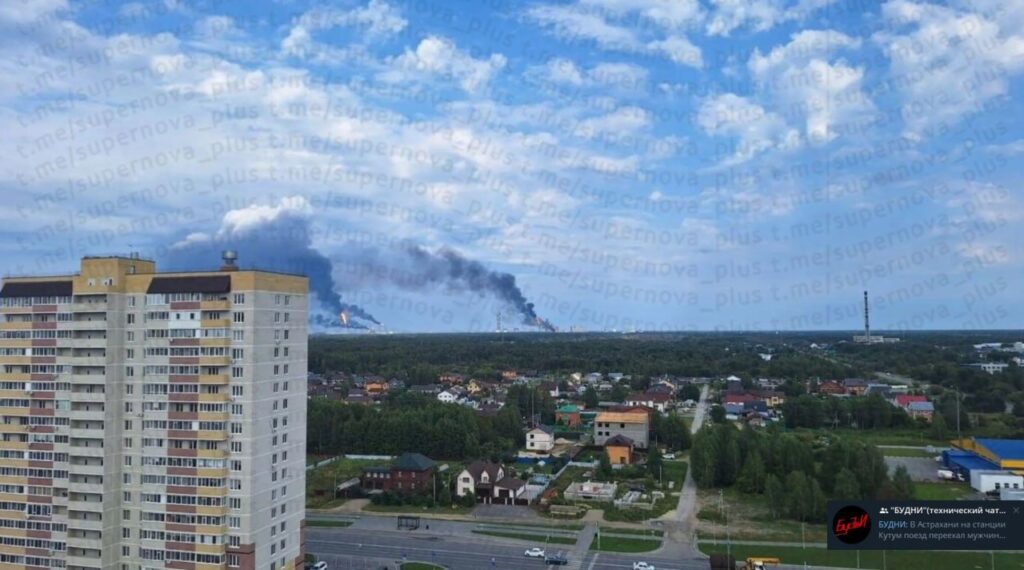
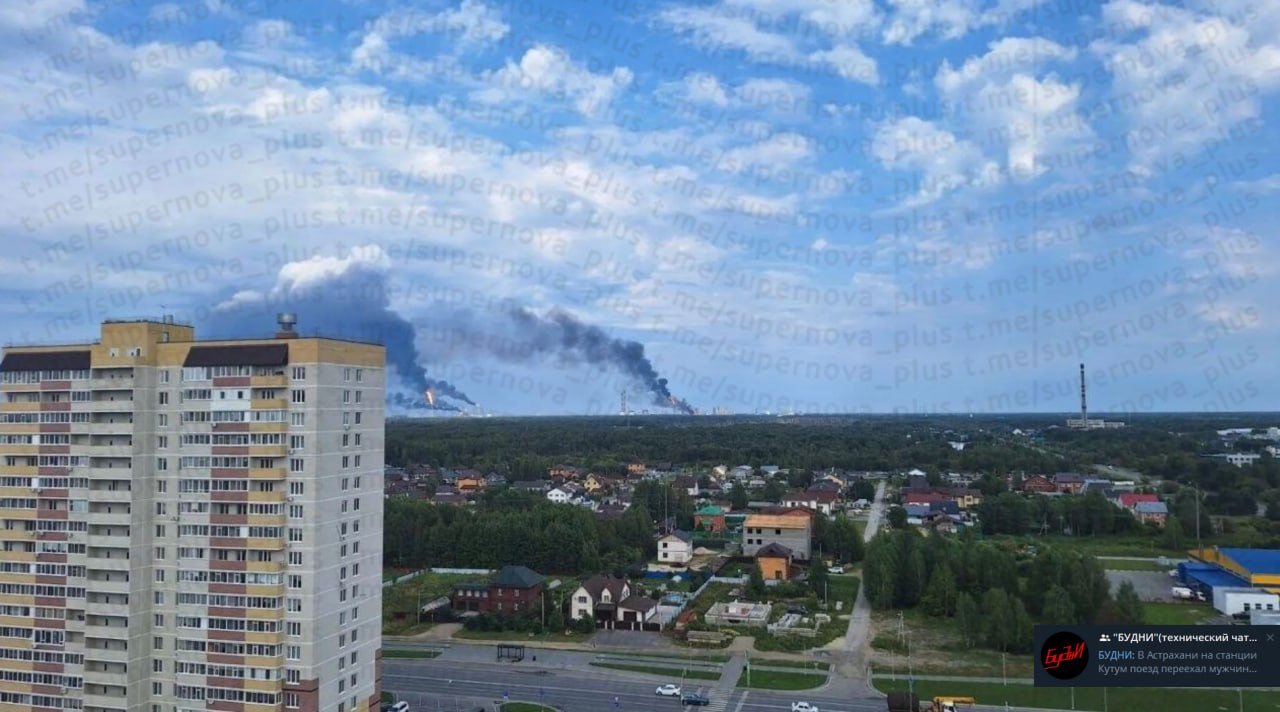
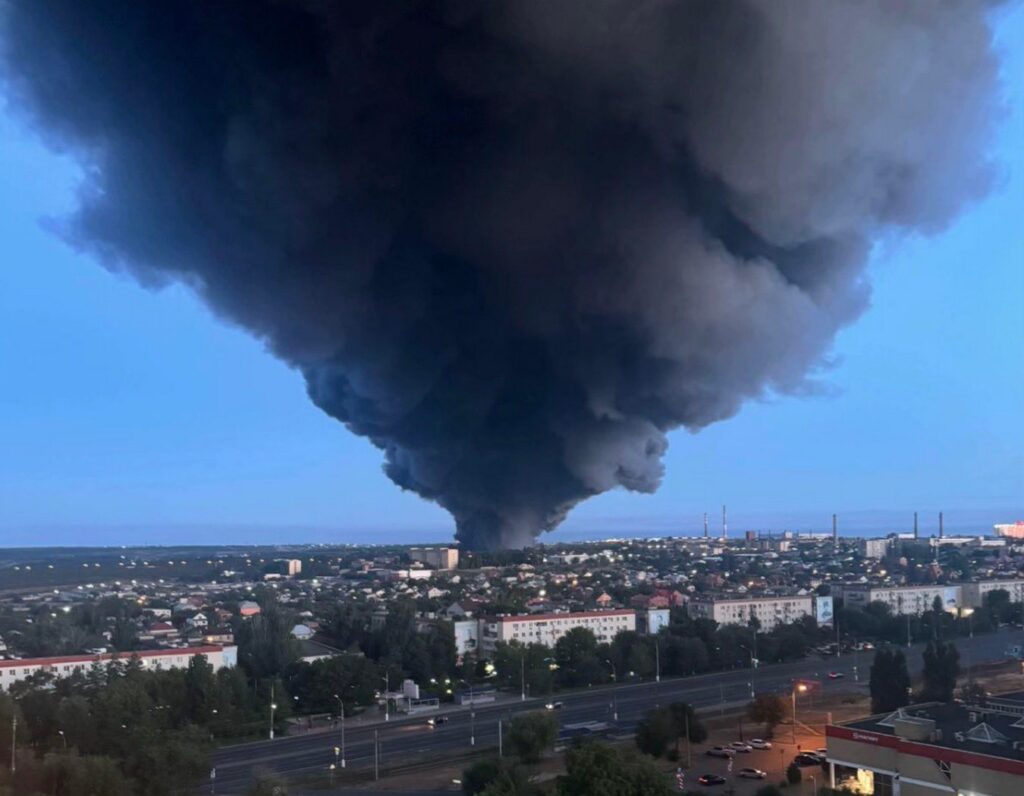
The ZapSibNeftekhim complex in Tobolsk, Tyumen Oblast, is burning. Source: Supernova

A Ukrainian drone strike shut the plant that produces 40% of Russia’s liquefied petroleum gas on 10 August, and the country’s fuel crisis snapped back across at least 16 regions within days.

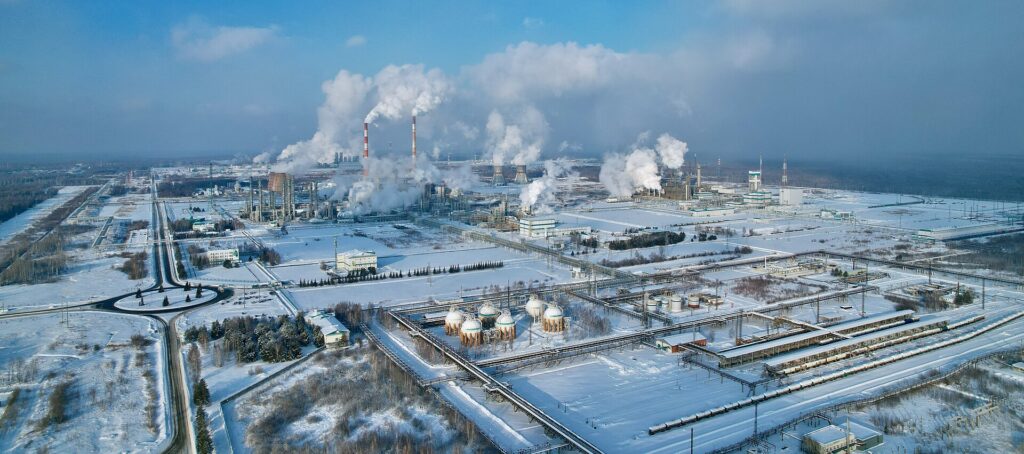
The shutdown of the Sibur ZapSibNefteKhim complex in Tobolsk, western Siberia, removes about six million metric tons of annual LPG capacity from a fuel system that was already under strain.

The ZapSibNeftekhim complex in Tobolsk, Tyumen Oblast, is burning. Source: Supernova
Explore further

“This is money of his accomplices burning”: Russian partisans and Ukraine hit Siberian plant tied to Putin’s inner circle


Gasoline restrictions had begun easing across Russia at the end of July, when Ukrainian drones temporarily shifted to other targets. When the strikes resumed in early August, fuel rationing returned immediately, the independent Russian outlet 7×7 reported.

Three industry sources told Reuters on Tuesday that the complex stopped operations indefinitely “while the extent of the damage and its consequences are being assessed.”

No LPG volumes were offered from the Tobolsk delivery point on Russia’s commodity exchange—a point that earlier this year handled about 4,000 metric tons of propane-butane mix per day. Sibur declined to comment.

The shutdown of the Sibur ZapSibNefteKhim complex in western Siberia, removes six million metric tons of annual LPG capacity from a fuel system already under strain.

zapsibneftekhim and tobolsk-polymer in tobolsk
The ZapSibNefteKhim and Tobolsk-Polymer industrial sites in Tobolsk, western Siberia, seen in February 2023. A Ukrainian drone strike shut ZapSibNefteKhim indefinitely on 10 August 2026, taking 40% of Russia’s LPG production offline. Photo: Vyacheslav Bukharov/Wikimedia Commons, CC BY-SA 4.0.

A strike on one unit stopped the entire plant

Tyumen Oblast Governor Aleksandr Moor confirmed a fire at an industrial site following a drone attack but did not identify the facility.

Ukraine’s Special Operations Forces Deep Strike units, working with the Russian insurgent movement Chornaya Iskra (Black Spark), claimed the strike. The plant sits more than 2,200 kilometers from the front line.

Militarnyi’s OSINT analysis identified the specific target as the complex’s central gas fractionation unit—the plant’s entry point, where raw hydrocarbons are separated into usable products before anything else in the production chain can run. About half of ZapSibNefteKhim’s output feeds Sibur’s own petrochemical complex in Tobolsk; the rest goes to market.

Sibur held contracts to supply feedstock to defense-industry enterprises, including the Kamenskiy Kombinat, which produces solid rocket fuel and motors for the Grad, Smerch, and Uragan rocket systems.

Sibur also supplied the Perm Gunpowder Plant, which makes charges for multiple-launch rocket systems, air-defense complexes, and cruise missile boosters, Militarnyi also reported. The Sverdlov Plant and Biysk Oleum Plant, both explosives manufacturers, were also Sibur clients.

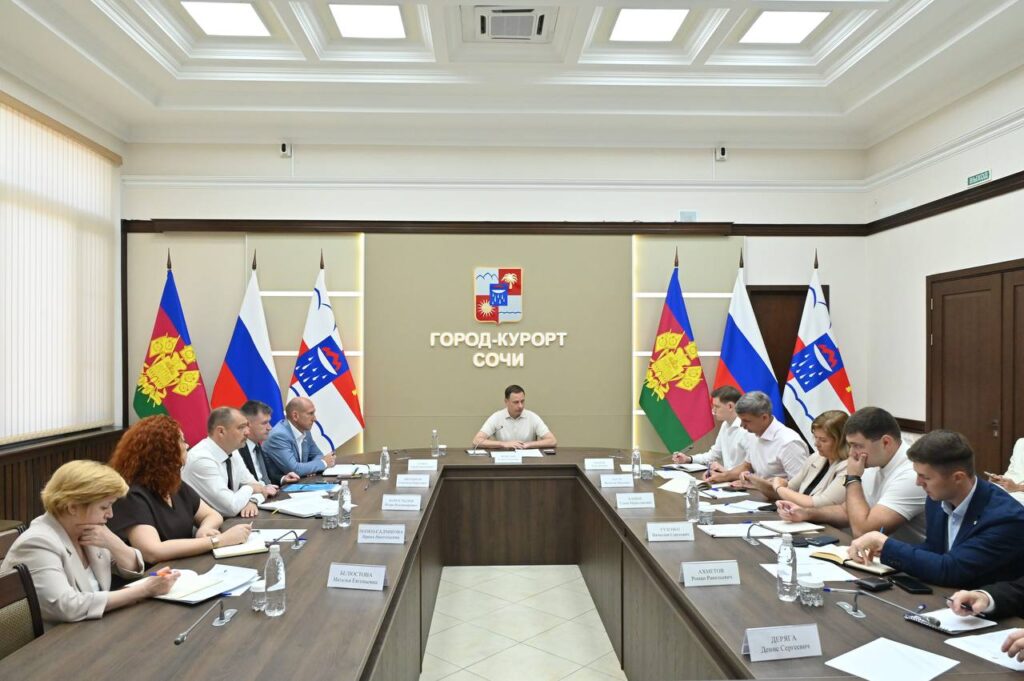
sochi mayor andrei proshuning with city officials
Sochi Mayor Andrei Proshunin meets with city officials as fuel remains available at only 38 of the resort’s 58 gas stations. Photo: Andrei Proshunin/Telegram

Fuel rationing returned within days

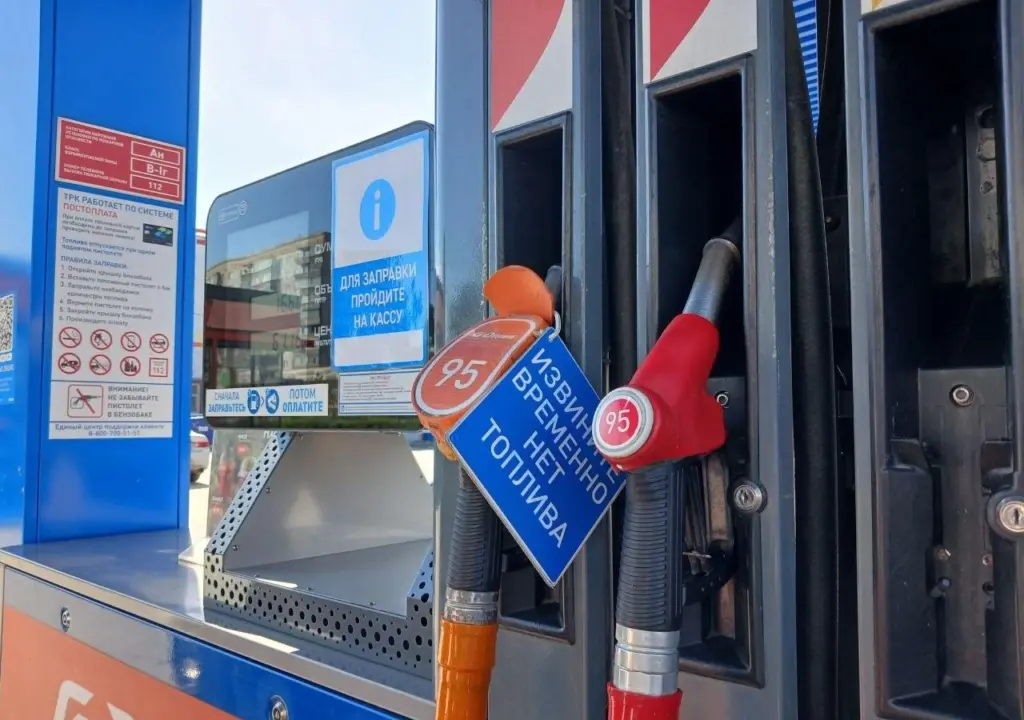
Across at least 16 regions, the fuel restrictions that had briefly eased in July are back, 7×7 reported.

In Sochi—Russia’s most famous beach resort—Mayor Andrei Proshunin said on Telegram that fuel was available at only 38 of the city’s 58 gas stations. Deputy Mayor Vyacheslav Bauer told residents and tourists to use public transport or stop driving, the Moscow Times reported.

In Bashkortostan, authorities banned gasoline sales in canisters, leaving at least one resident unable to fuel his lawnmower—as he complained to regional head Radiy Khabirov during a televised address, a Bashkortostan outlet reported. Production at the Ufa petrochemical complex is unaffected by the drone strikes, Khabirov said.

Still, the shortage persists for a different reason: every time a drone-alert protocol is activated, fuel tankers halt en route to gas stations, regional official Elena Prochakovsky explained at a briefing reported by Prufy. Three districts remain in a fuel “red zone,” and 19 of 26 gas stations in Sterlitamak are operating.

Lipetsk Oblast Governor Igor Artamonov told residents not to expect improvement for one to two weeks, Lipetsk outlet Ploshchad reported. “If you can leave 10 liters unfilled, the person arriving on empty will thank you,” he said.

Russia’s fuel system was already breaking

The Tobolsk shutdown lands on an already fractured system. By mid-July, fuel rationing had spread to more than half of Russia’s regions. Ukraine’s drone campaign had struck Russian refineries 194 times in the first half of 2026 alone—eleven times the previous year’s pace—knocking nearly half the country’s refining capacity offline, Ukraine’s General Staff reported on 4 July.

Repair timelines keep slipping because sanctions block the spare parts Russian plants need. To plug the gap, Russia has banned gasoline exports, permitted lower-grade fuel, and begun importing gasoline from India and Morocco, refined from its own crude—shipping it 14,000 kilometers home because its refineries cannot meet domestic demand.

The Tobolsk shutdown removes more LPG output than any single strike of the war. Russia was already rationing fuel in more than half its regions before this strike.

  • ✇Euromaidan Press
  • Russia is squeezing independent gas stations out of its fuel market
    Russia can’t refine its way out of its fuel crisis, so it is changing who controls the already existing fuel. Months of Ukrainian drone strikes on refineries have driven shortages and rationing across much of the country. The government’s answer isn’t more fuel—it is a different market.Faced with the shortage, the Kremlin had options. In June, analysts urged it to raise the exchange quota to push more fuel onto the open market and toward the regions running dry. The gov
     

Russia is squeezing independent gas stations out of its fuel market

7 août 2026 à 10:01

a dry pump at a russian gas station, july 2026

Russia can’t refine its way out of its fuel crisis, so it is changing who controls the already existing fuel. Months of Ukrainian drone strikes on refineries have driven shortages and rationing across much of the country. The government’s answer isn’t more fuel—it is a different market.

Faced with the shortage, the Kremlin had options. In June, analysts urged it to raise the exchange quota to push more fuel onto the open market and toward the regions running dry.

The government’s answer isn’t more fuel—it is a different market.

It did the opposite. The mandatory share of gasoline that producers must sell on the open exchange was cut from 15% to 10%, with the majors pushing for 2%, and the exchange was closed to anyone but buyers who will use the fuel themselves, shutting out traders who bought to resell.

That choice adds no fuel. It moves distribution off the exchange that set prices for a decade and into direct contracts between the big producers and the buyers they pick—handing the majors the chain from refinery to pump. Part of the package came straight from proposals Rosneft head Igor Sechin sent to President Vladimir Putin.

Winners and losers

The winners are the big, vertically integrated oil companies, which refine up to three-quarters of Russia’s oil. Direct deals let them keep the margin that once went to middlemen and choose who gets supplied; drop the quota to 2%, and about 5 million tonnes of gasoline a year move into their private channels.

The losers are the independent stations—60% to 72% of Russia’s roughly 25,000 gas stations, depending on who’s counting, and now unable to buy at the exchange price.

Alexander Moiseev, who owns the Kostroma Fuel Company, has been hauling gasoline from Surgut, 2,000 kilometers away, at 118 rubles a liter ($1.45) with freight, because the majors won’t sell to him wholesale. He works on a minimal markup. Rosneft, meanwhile, has multiplied sales at its own pumps.

What stabilization there is has been narrow. Prices eased mainly where supply was steered—Moscow, St. Petersburg, the big cities—while regions thick with independent gas stations stayed short, independent analyst Kirill Rodionov told Kommersant.

None of this is hidden. Facing the crunch, the government also let refiners sell banned Euro-2 gasoline again; online marketplaces pulled fuel listings; and Deputy Prime Minister Alexander Novak called the market “challenging but under control.”

In occupied Crimea it goes furthest: this week, the occupation authorities announced fuel sales were stabilizing, even as they capped each car at 20 liters and fixed the price of AI-92, the Crimean Tatar Resource Center reported.

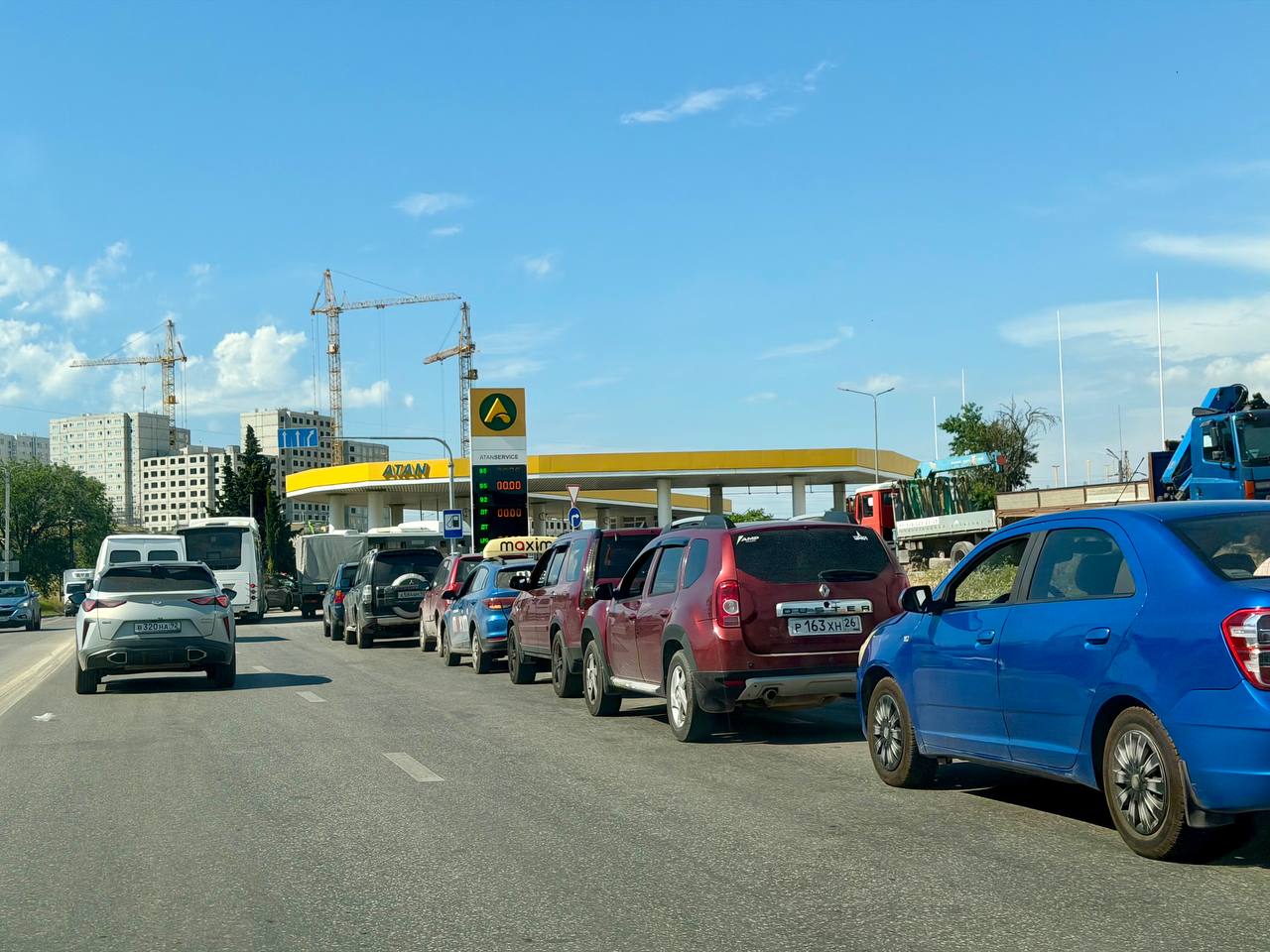
cars queue at an atan fuel station in occupied sevastopol in july 2026
Explore further

Occupied Sevastopol puts fuel back on open sale—then caps every car at 20 liters

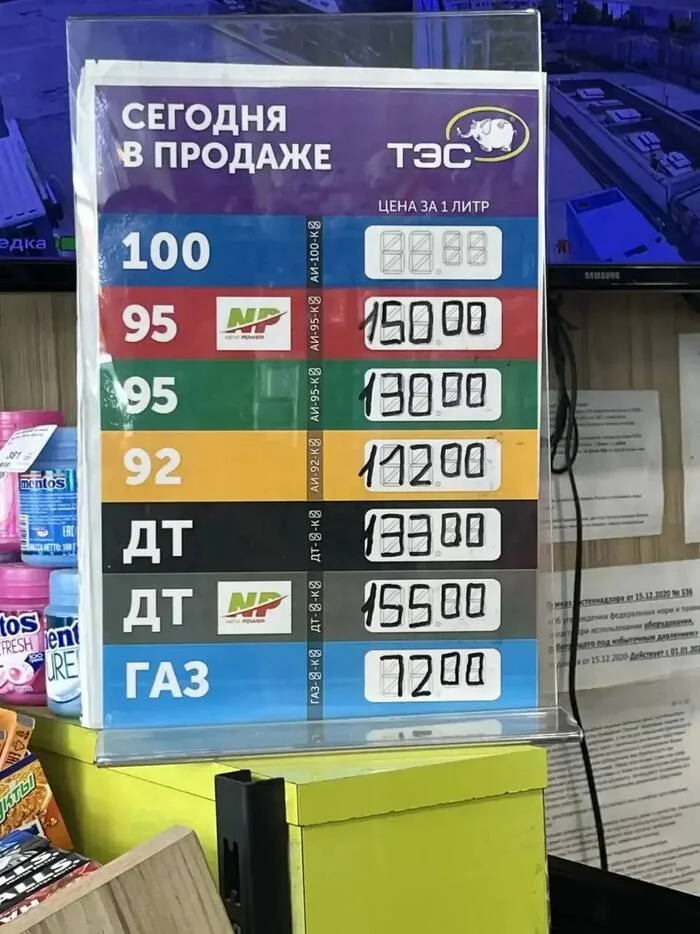
handwritten fuel prices in sevastopol, 27 june 2026
Fuel prices written by hand at a Sevastopol filling station, 27 June 2026—changed manually as often as prices shift. Sales were restricted to holders of QR codes issued the previous day; resellers charged 350 rubles ($4.53) per liter for AI-95 outside. Photo: Nishebrodushka / Pikabu

The market goes dark

As the exchange shrinks, its prices no longer reflect the market, and the state publishes less information on output, stocks, and regional supply. The people who most need to see where Russia’s fuel balance is breaking—regulators at home, and the sanctions monitors and energy analysts abroad who read that data—are left with less to look at, market participants told Kommersant. The market is going dark.

Whether the change sticks is contested. Some read the cuts as a passing emergency. Others expect the market to keep sliding toward closed, bilateral deals—less transparent, harder for newcomers, the independent stations ever more tied to the majors, Viktoria Trifonova, Senior Analyst at Yakov & Partners, told Kommersant. The state has reached for limits, subsidies, and hands-on redistribution ever since the 2018 price crisis.

Keeping the independent gas station chains alive was never the goal, NEFT Research’s Dmitry Prokofiev wrote in Kommersant—it was to keep fuel flowing to the big cities of European Russia and, above all, to the priority government sector.

  • ✇Euromaidan Press
  • Ukraine’s strikes gave Kazakhstan leverage over Russian retail giant Wildberries
    On 4 August, Kazakhstan’s Trade and Integration Minister, Arman Shakkaliyev, confirmed that Russia’s largest online retailer is building 260,000 square meters of warehousing space in Almaty and Astana.In the same appearance, he told Kazakh shoppers to favor domestic marketplaces instead. Take the construction money, steer the customers away: that is Astana’s answer to a war that has driven Wildberries to look abroad for shelter. Take the construction money, steer the cu
     

Ukraine’s strikes gave Kazakhstan leverage over Russian retail giant Wildberries

6 août 2026 à 10:58

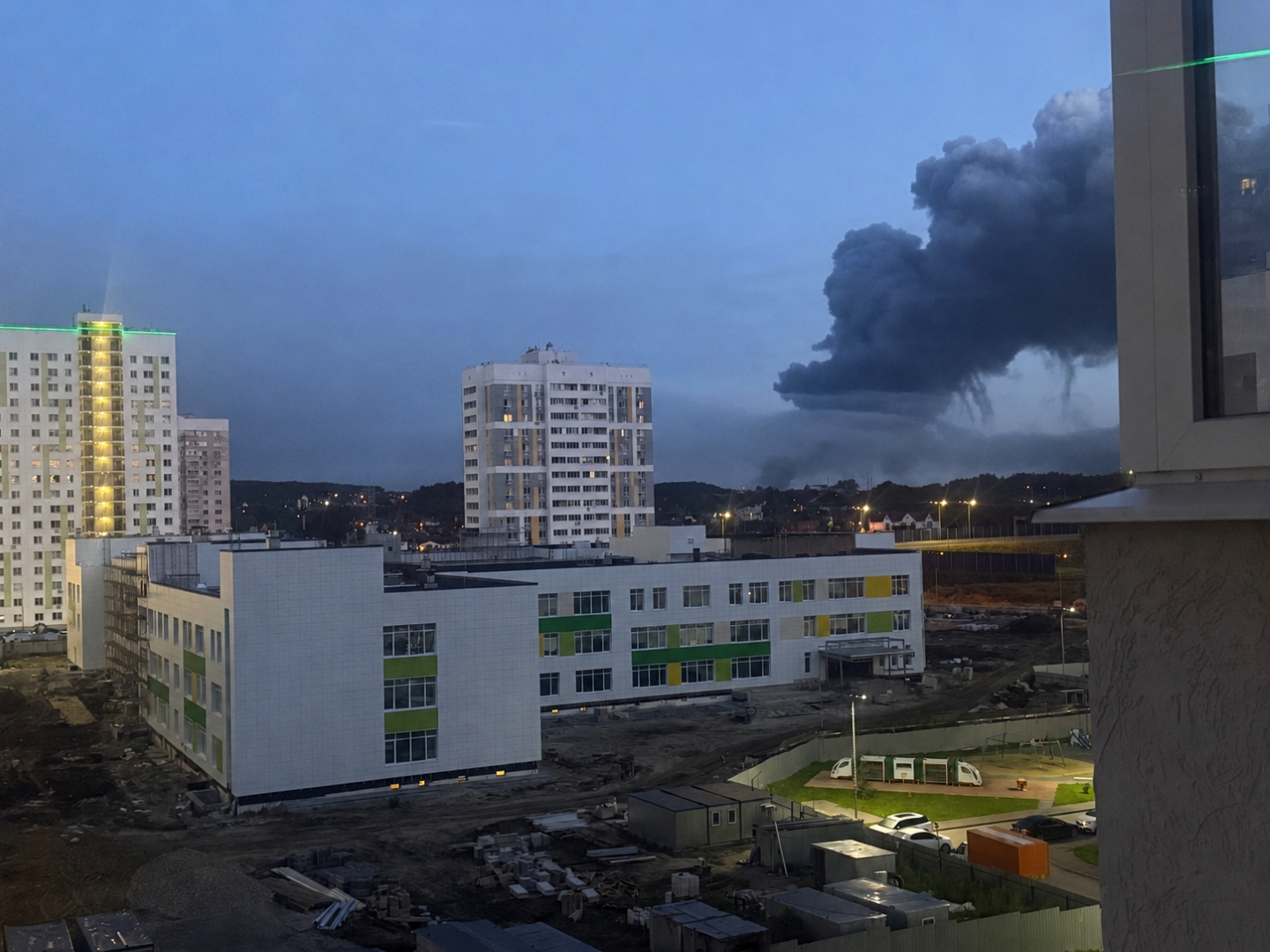
drones hit volgograd kept flying 1100 km tatarstan · post large fire sends up black smoke over russia after ukrainian drone strike wildberries logistics center 31 2026 x/@bayraktar_1love bayraktar_1love hoivgso

On 4 August, Kazakhstan’s Trade and Integration Minister, Arman Shakkaliyev, confirmed that Russia’s largest online retailer is building 260,000 square meters of warehousing space in Almaty and Astana.

In the same appearance, he told Kazakh shoppers to favor domestic marketplaces instead. Take the construction money, steer the customers away: that is Astana’s answer to a war that has driven Wildberries to look abroad for shelter.

Take the construction money, steer the customers away: that contradiction is Astana’s answer.


The warehouses aren’t new—they’ve been under construction for years. And officially, the ministry says, Wildberries hasn’t asked to move its Russian operations to Kazakhstan at all. Astana is drawing a careful line: a Russian company can build here, but it cannot relocate its business here to escape the drones.

The wariness predates the strikes. Kazakhstan already taxes foreign marketplaces at 12% and can block those that fail to register. Of marketplace complaints logged in 2024, 73.7% concerned Wildberries, even as home-grown Kaspi held more than 70% of the market to Wildberries’ 17.2%. Astana was fencing the platform in before the first drone struck.

The bill reaches the neighbors

Kazakh sellers put their losses at roughly 2 billion tenge ($4.2 million) by one count, and the Ecommerce-KZ association estimates more than $2.1 million—neither figure has been confirmed, and the minister has told people not to trust the numbers circulating online.

More than 120,000 Kazakh entrepreneurs were on the platform at the end of 2025, and Wildberries says it is repaying them in stages, working with the ministry and the business chamber Atameken.

Kyrgyzstan is hit harder. Its garment industry leans heavily on Wildberries, and individual producers have lost between 1 million and 100 million soms ($11,400 to $1.14 million) each—enough that Bishkek offered a tax holiday to garment firms through year-end.

What Wildberries wants sheltered is not neutral cargo. Ukraine says it strikes the retailer because the platform is used to trade body armor, drones, and their components that reach Russian forces.

smoke rises from a fire at a wildberries storage in penza, russia, on 30 july 2026
Explore further

Russia can rebuild Wildberries warehouses more easily than it can replace warehouse workers

That leaves Kazakhstan exposed: it has spent the past year tightening dual-use export controls to avoid Western secondary sanctions, and now a company that sells to the Russian military wants to move its logistics onto Kazakh ground.

For now, the shelter barely exists. Wildberries wants to rent about 100,000 square meters—close to every empty warehouse Kazakhstan has—and the complexes it is building will not open until 2027. By then, Astana may have made up its mind about how much of Russia’s retreat it actually wants on its soil.

  • ✇Euromaidan Press
  • Ukraine’s drones force oil-giant Russia to import gasoline—now from Morocco
    Ukrainian drone strikes have forced Russia to import gasoline—shipping cargoes from as far as Morocco to an Arctic port—and to pay for the damage twice over. Moscow now subsidizes both the refineries the drones keep setting on fire and the foreign fuel replacing what those refineries can no longer produce. Ukraine’s drones have forced Moscow to subsidize both the refineries they keep setting on fire and the foreign gasoline. Russia caps fuel prices at home below what
     

Ukraine’s drones force oil-giant Russia to import gasoline—now from Morocco

6 août 2026 à 06:33

tanger med, the cargo port of tangier in morocco

Ukrainian drone strikes have forced Russia to import gasoline—shipping cargoes from as far as Morocco to an Arctic port—and to pay for the damage twice over. Moscow now subsidizes both the refineries the drones keep setting on fire and the foreign fuel replacing what those refineries can no longer produce.

Ukraine’s drones have forced Moscow to subsidize both the refineries they keep setting on fire and the foreign gasoline.

Russia caps fuel prices at home below what refiners could earn abroad, and the budget pays them the difference—so they keep supplying the domestic market rather than exporting everything. The payments, together with related reimbursements, reached 1.221 trillion rubles ($15 billion) from April through July, Finance Ministry data show—close to the full annual budget of Moscow Oblast, the region ringing the capital.

Those monthly payments have roughly halved since spring, to about 190 billion rubles ($2.4 billion) in July, as lower oil prices narrowed the gap the subsidy fills.

gas price comparison in russia summer 2026
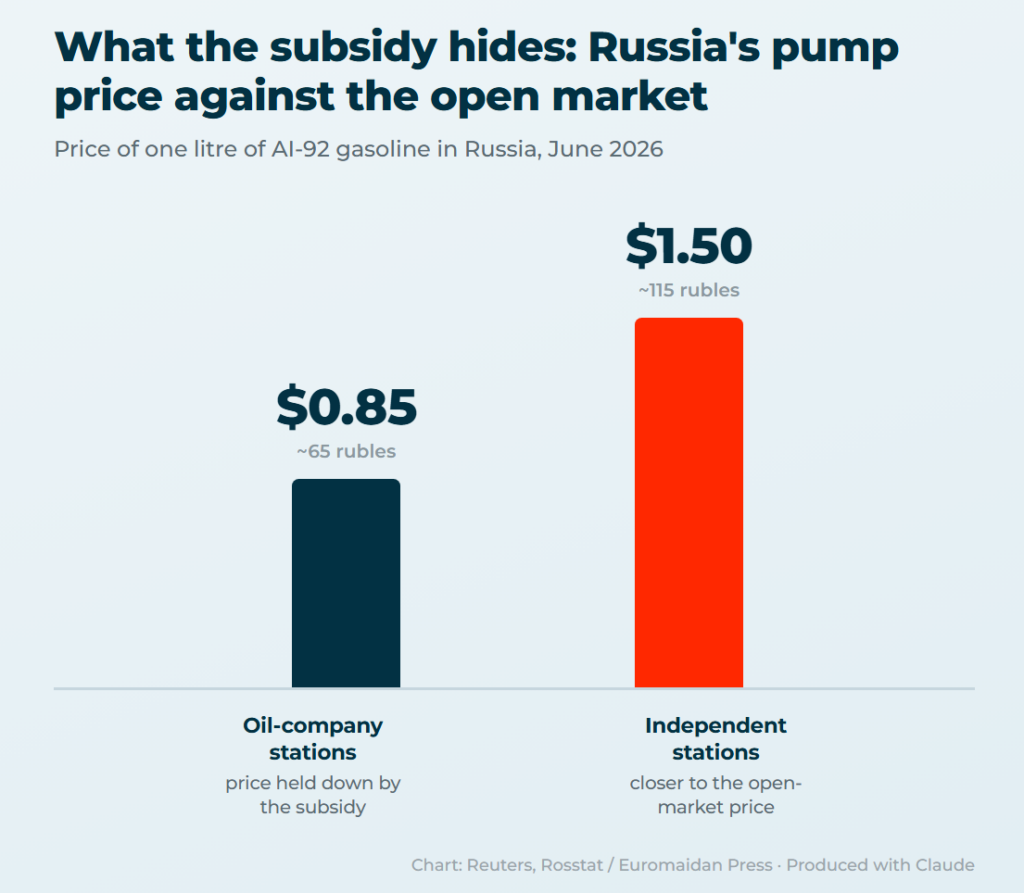
In June 2026, oil-company stations sold a liter of AI-92 gasoline for about 65 rubles ($0.85); independent stations charged upward of 115 rubles ($1.50). The gap is what the subsidy hides. Chart: Reuters, Rosstat / Euromaidan Press

Russia cannot keep its refineries running

Russian crude processing fell to 3.6 million barrels a day in July, its lowest since 2002 and roughly a third below the seasonal norm. Ukraine has hit at least 24 of Russia’s 34 largest refineries in some 50 strikes.

Fuel shortages and rationing now affect 50 million people—about a third of Russia’s population—according to a Financial Times analysis. Russia runs the world’s third-largest oil-refining industry, so the lost output has tightened diesel and gasoline supply beyond its borders. With less capacity to refine at home, Russia has had to export more raw crude and less high-value fuel.

With its refineries down, Moscow is now paying a second subsidy—this time to the importers bringing gasoline in. Gasoline is arriving by rail from Belarus and Kazakhstan and by sea from India and, in mid-July, Morocco: a cargo loaded at the port of Tangier and discharged at Murmansk, on the Arctic coast.

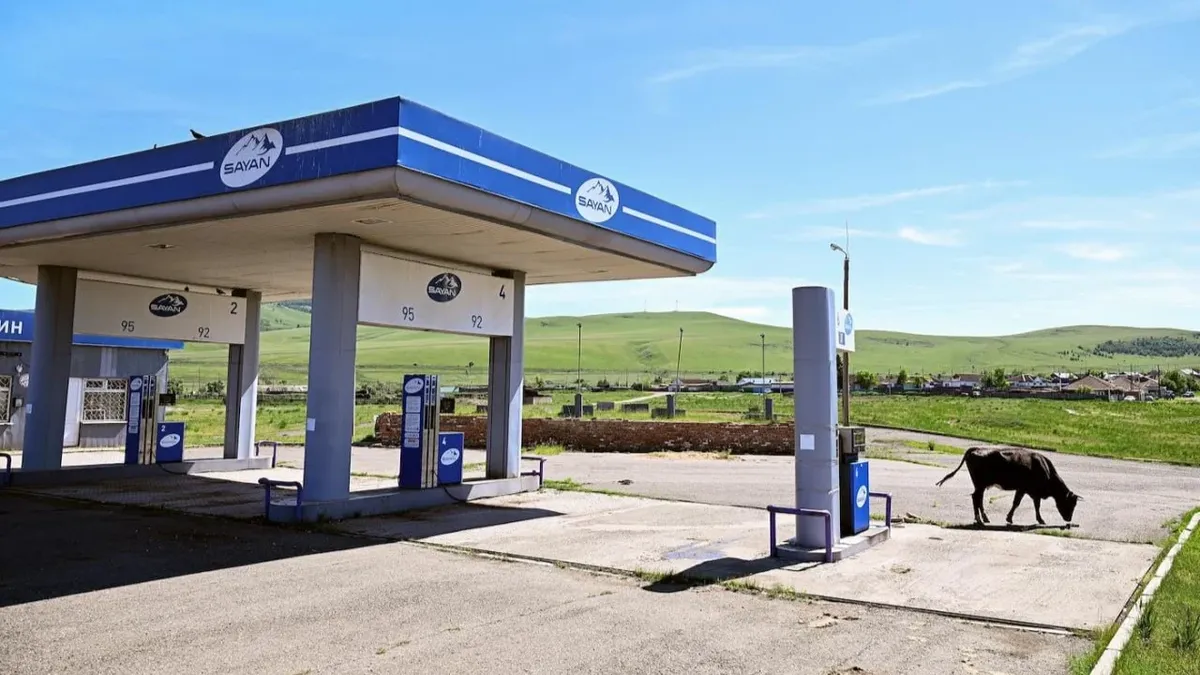
a cow grazes by an idle sayanneft gas station in russia amid nationwide fuel crisis
Explore further

Why Russia is importing gasoline made from its own oil

Ukraine has already named the import route as a target. In early July, presidential sanctions commissioner Vladyslav Vlasiuk called Russia’s new reliance on imported fuel a fresh vulnerability and said Kyiv had raised a response with the European Commission—though the EU’s next sanctions package, now in preparation, is so far built mainly around other measures.

A country that ships crude out of the Arctic is now shipping gasoline in through it.

  • ✇Euromaidan Press
  • Russia wrecked Ukraine’s grid. Dutch turbines with 20 years left are keeping its factories lit
    A Russian drone clipped one of Serhii’s wind turbines; his crew repaired the blade and carried on. He runs an oil-pressing plant in southern Ukraine, where the grid gives him about two hours of power and then 10 without. The turbine is one of six he has bought—Dutch machines, pulled from wind farms in the Netherlands for being too small, and shipped east.In the Netherlands, a turbine like that is barely worth the paperwork. Over a blacked-out Ukrainian factory, it is worth
     

Russia wrecked Ukraine’s grid. Dutch turbines with 20 years left are keeping its factories lit

5 août 2026 à 10:54

netherlands sending its worn-out wind turbines ukraine instead scrapheap · post near weteringbrug rudolphous / nederlands windmolens maken overuren aan de lisserweg bij news ukrainian reports

A Russian drone clipped one of Serhii’s wind turbines; his crew repaired the blade and carried on. He runs an oil-pressing plant in southern Ukraine, where the grid gives him about two hours of power and then 10 without. The turbine is one of six he has bought—Dutch machines, pulled from wind farms in the Netherlands for being too small, and shipped east.

In the Netherlands, a turbine like that is barely worth the paperwork. Over a blacked-out Ukrainian factory, it is worth shipping across a continent. That gap is turning into a market.

There is an active world market for refurbished wind turbines.

Bert van der Lingen

The market has formed largely on its own. Buyers like Serhii got their turbines through what Bert van der Lingen, vice-chairman of the Dutch wind association NedZero, calls “free market conditions”—private deals, one at a time—ahead of the Dutch government program meant to organize the trade, “Renewed Energy for Ukraine,” which began only in December 2025 and is still in start-up.

NedZero wrote to Euromaidan Press to correct an earlier report, drawn from the Dutch daily De Telegraaf, that called the turbines worn out. They are not.

A machine comes down in the Netherlands only because a newer model on the same spot would earn five or six times as much. The old one still works. Stripped, inspected, and fitted with new bearings and a rebuilt gearbox, it has “fifteen to twenty years of technical life remaining.”

“This is a story we want to see grow,” van der Lingen added, “and getting the baseline right helps that.”

russian occupation trapped 1.3gw of ukrainian pre-war wind energy in the occupied territories
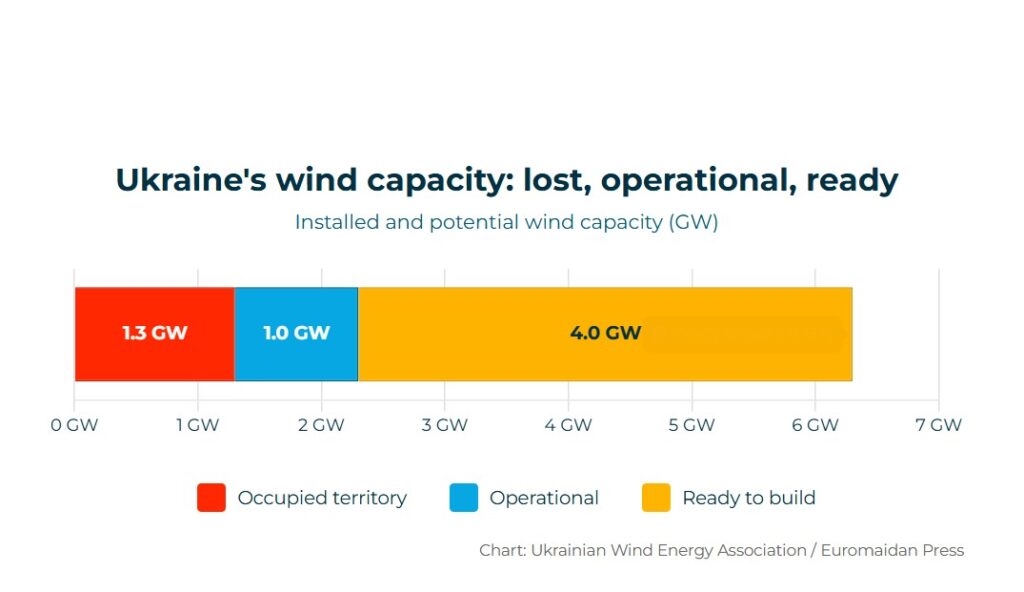
Russian occupation trapped 1.3 GW of Ukraine’s pre-war wind capacity in occupied territory. Just 1.0 GW remains operational. But seven wind farms with a combined capacity of 4 GW have all permits and grid connections in place. The bottleneck is in the market access. Chart: Ukrainian Wind Energy Association / Euromaidan Press

Why blacked-out Ukraine wants Europe’s spares

Ukraine is one buyer in a market that predates the war. “There is an active world market for refurbished wind turbines,” van der Lingen notes: Dutch machines freed up by repowering already spin from Poland and the Baltics to Jordan, Kenya, and Chile, sold with maintenance records and spare parts to match.

The supply is thin, and slow to move. By NedZero’s own survey, 486 Dutch turbines are due to come down over the decade to 2035—a floor, it says, since not every producer answered—and only a portion will be shipped anywhere, fewer still to Ukraine. A market like this gets built one deal at a time.

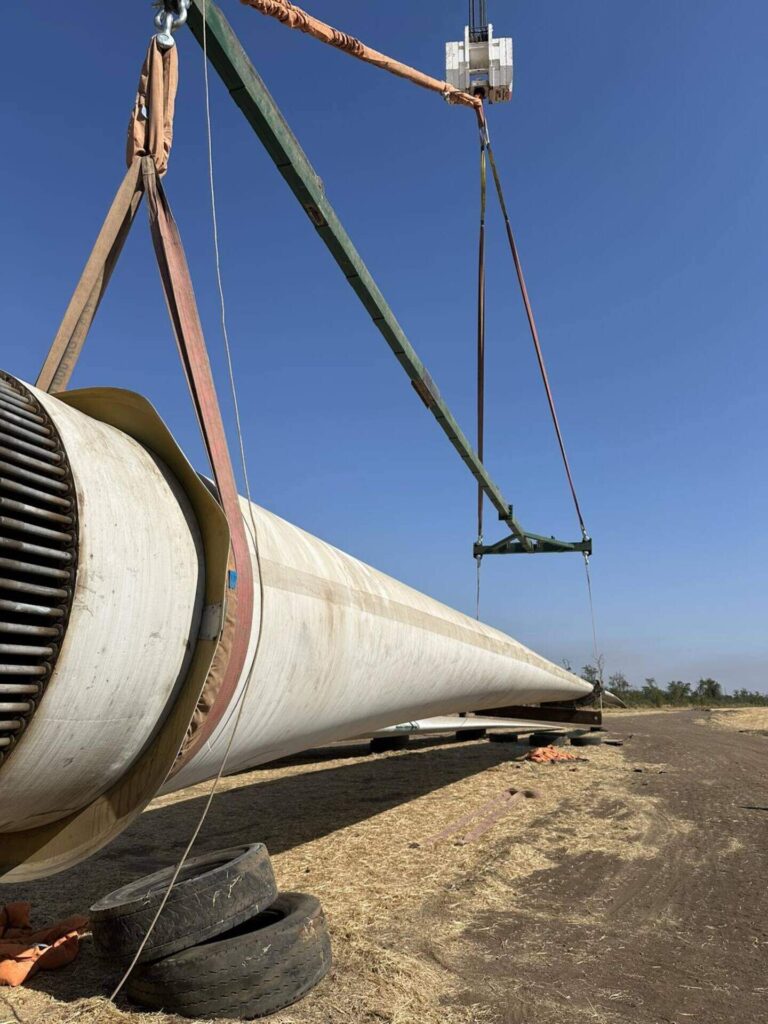
crane lifting a wind turbine into place
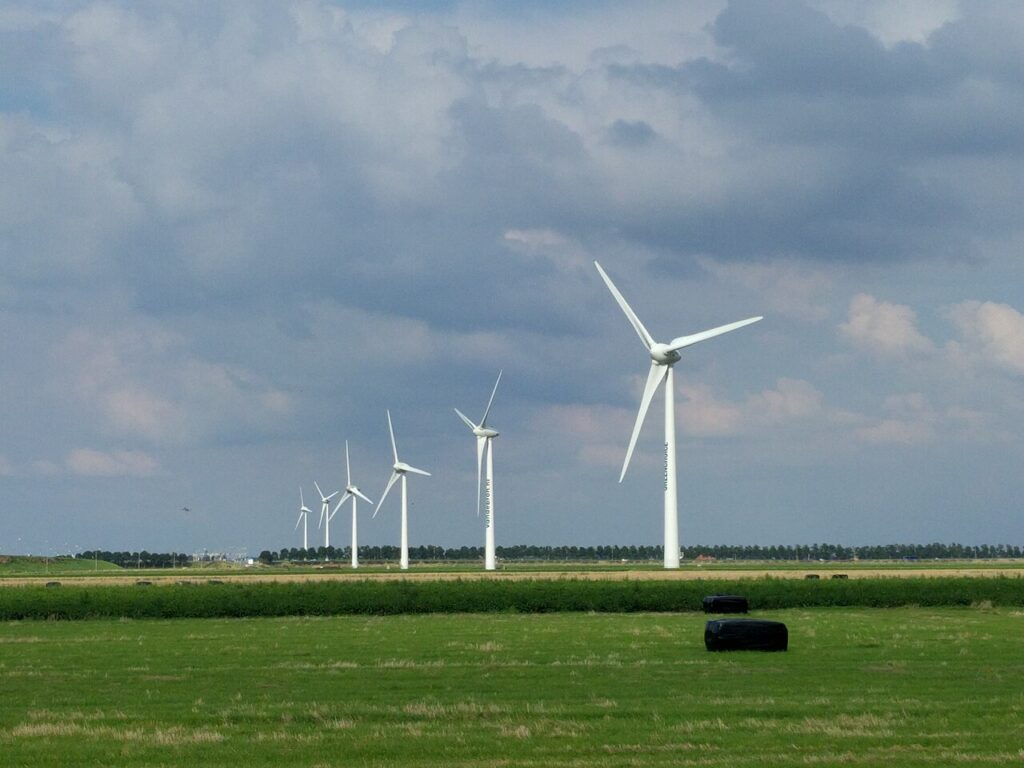
A crane lifts a wind turbine into place. Photo: De Telegraaf

What makes Ukraine the eager buyer is what Russia has done to its lights. Four winters of strikes have destroyed or damaged more than 80% of the country’s power-generating capacity, by the energy ministry’s own count—its big Soviet-built plants are so few and so concentrated that one missile can darken a whole region.

Kyiv’s answer is to scatter generation so widely that no single strike can repeat the trick, an approach the ministry describes as “energy cells.” One refurbished turbine beside one factory is that doctrine at its smallest scale.

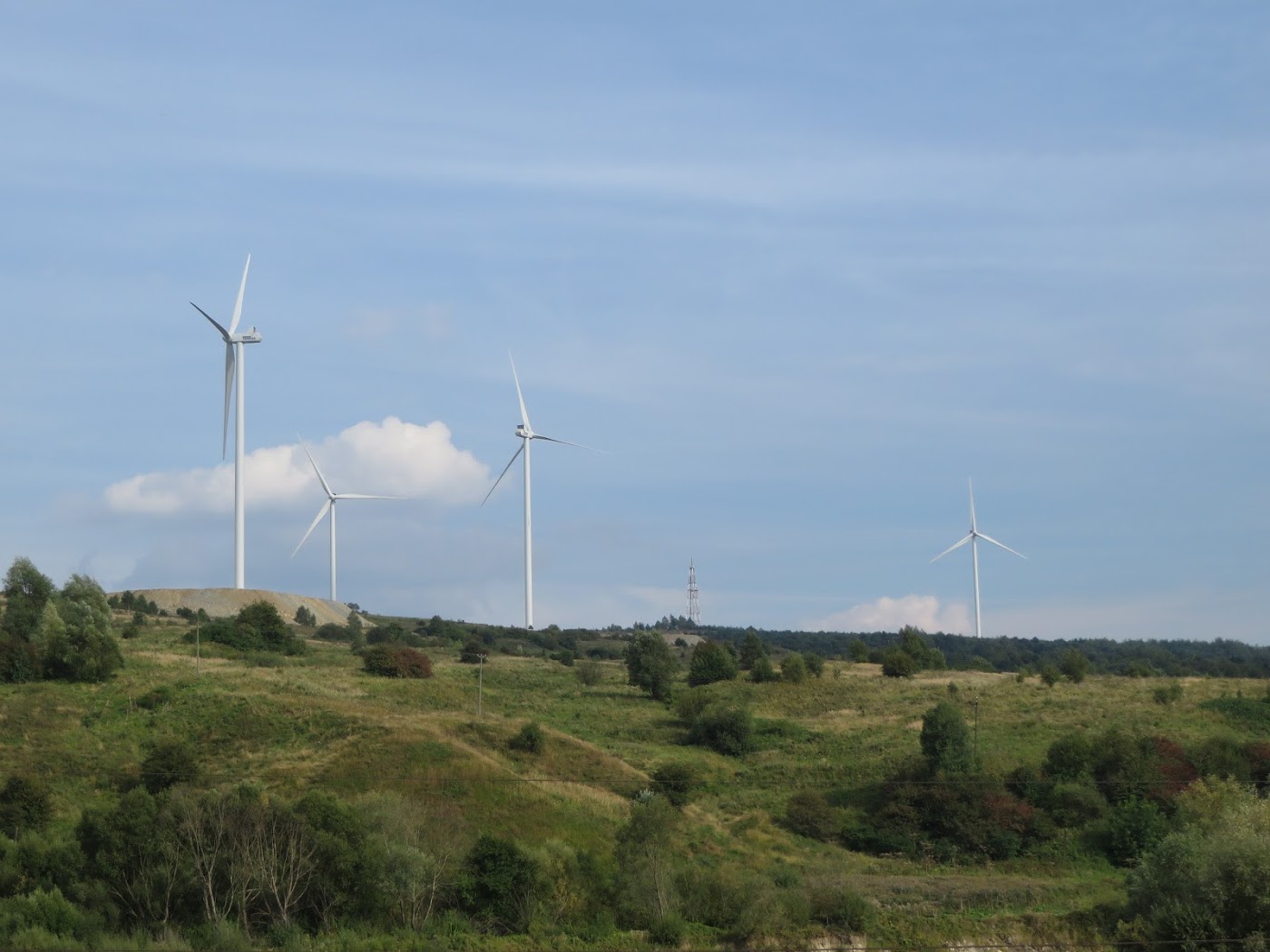
staryi sambir-1 wind farm in lviv oblast
Explore further

Wind farms are harder to destroy—so why won’t Ukraine let them scale? (INFOGRAPHICS)

Small, slow, and off the books

Money is the bottleneck. Development banks lend in amounts far too large for a handful of turbines—support from the big institutions starts at around €10 million ($11 million)—so small orders have to be bundled into projects large enough to finance. How many turbines reach Ukraine, the association says, depends on whether that bundling comes together.

Then there is the wiring. A turbine only makes power when the wind blows, not when the factory needs it. And most are built to shut down automatically when the grid fails, so a blackout silences them too—exactly when the factory needs them most—unless they are rewired, with batteries, to run on their own. That is what the microgrids are for.

NedZero cannot say how many Dutch turbines are already working in Ukraine. It has no consolidated count of what its country’s firms have delivered, nor of the megawatts they have added to the grid, and offers only to go and count them. What is coming free is on the books; what is already turning above a Ukrainian factory, holding its lights while the grid is dark, is not.

Some Ukrainian farmers sell wheat below cost as Black Sea disruption stops ore operations

5 août 2026 à 10:05

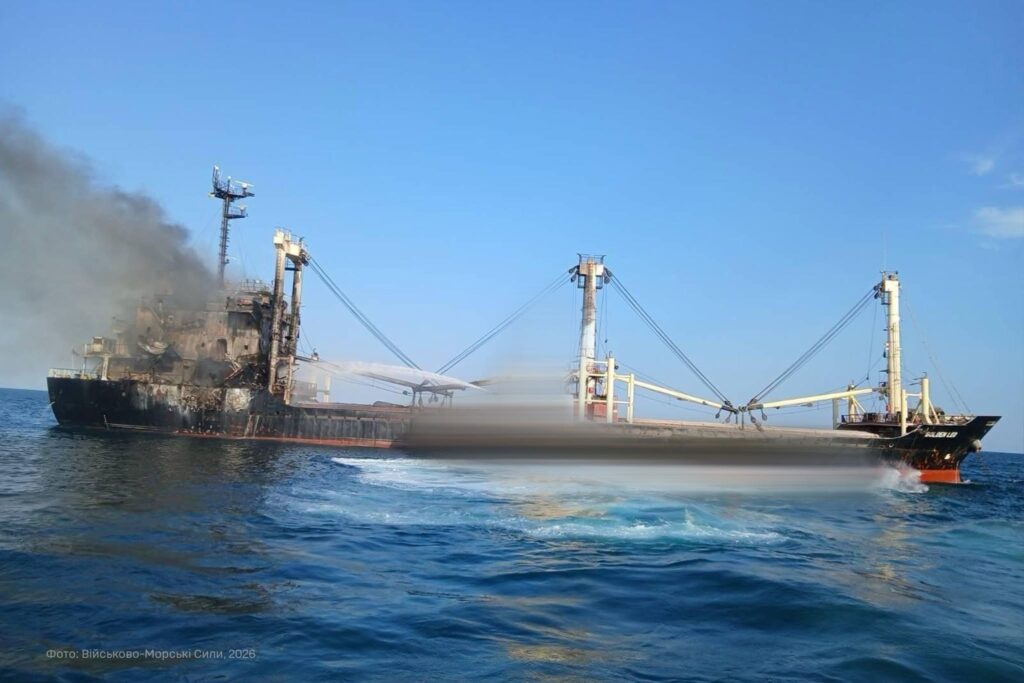
ten dead russia strikes turkish-owned bulk carrier off odesa · post civilian golden leo ablaze after russian missiles hit left cargo corn black sea 19 2026 ukraine's navy struck foreign-flagged

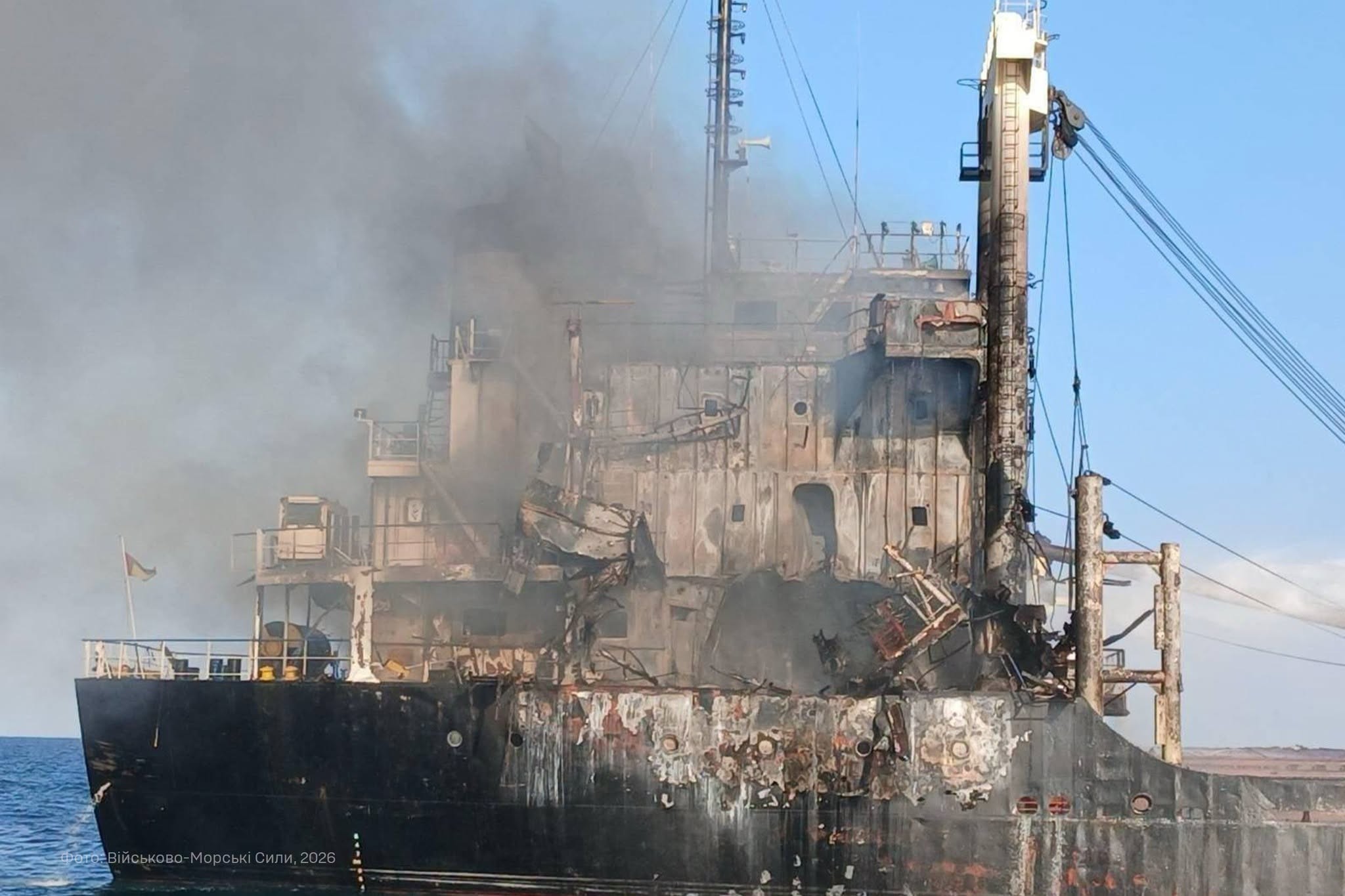
Two weeks ago, Russian strikes drove the ships out of Ukraine’s Black Sea ports, and Euromaidan Press reported that grain was piling up with nowhere to go. Now the bill is coming in.

ten dead russia strikes turkish-owned bulk carrier off odesa · post burned smoking superstructure golden leo after russian missile strike black sea 19 2026 ukraine's navy struck foreign-flagged civilian cruise
Explore further

Russia’s strikes stopped Ukraine’s grain ships. Its farmers are the ones paying

First to the farms. With no ships to load, traders have stopped buying, and the price they offer has dropped so far that Ukrainian farmers are, in places, selling wheat for less than it costs to grow. Port prices fell another 12–15% this week.

Grain buyers pay the world price, and when it suddenly costs far more to move Ukrainian grain out by rail than by sea, they hand that extra cost back to the farmer as a lower offer. That is how the head of Ukraine’s main association of agricultural producers, Oleh Khomenko, explained it.

Ukraine’s central bank has now measured the loss: $2.5 billion in export income gone in the second half of this year.

When the ships stop, the mines stop too

Ukraine mines iron ore and exports it by ship, just as it exports grain. The blockade has now spread into heavy industry. Ferrexpo, one of the country’s large ore producers, has suspended operations at its plant in central Ukraine—no point in digging ore that cannot leave the country.

After a Russian drone hit a vessel carrying its cargo, the company warned it will run out of cash by mid-September without fresh money. Metinvest, the steel group owned by Ukraine’s richest man, Rinat Akhmetov, has idled one of its own mines.

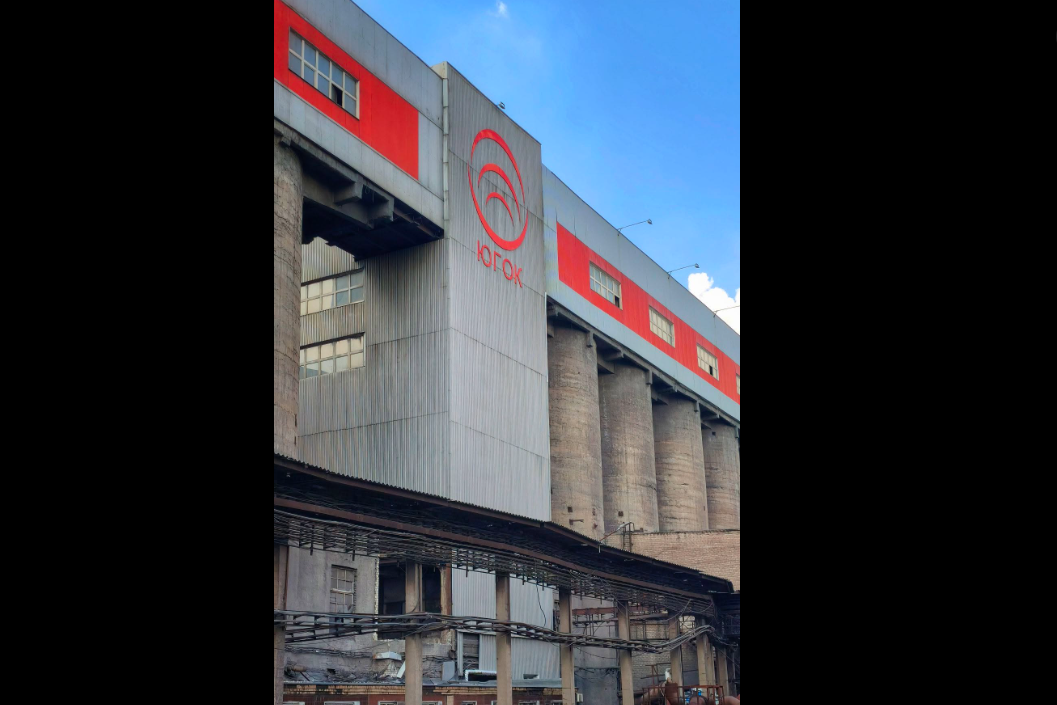
The image shows Pivdennyi Mining and Processing Plant (Pivdennyi GZK), one of Ukraine's largest iron ore producers. Source: UGOK
Explore further

Plant can’t mine because it can’t ship: Russia’s attacks on merchant vessels idle 4,480 workers at Ukrainian iron ore giant

Together, that is a country losing its two biggest foreign-currency earners. Ukraine’s central bank has now measured the loss: $2.5 billion in export income gone in the second half of this year, and almost a full percentage point—0.9%—knocked off the whole economy for 2026.

It could have been worse. An economist at the Kyiv School of Economics who tracked the 2022 blockade found that one cost Ukraine six times as much of its output. The sea lanes are not completely shut this time.

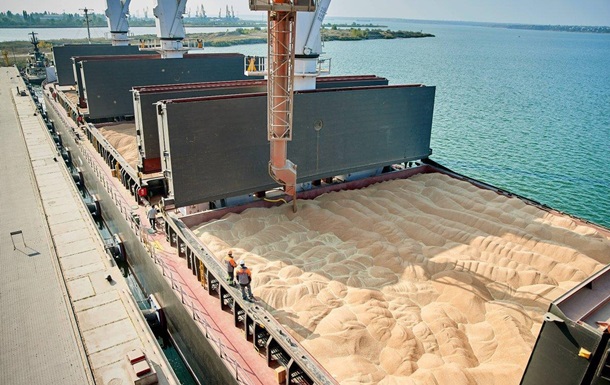
Ukrainian grain being loaded on a ship
Ukrainian grain on the move: Despite a 33% drop in 2025 shipments, Ukraine remains a vital global food supplier as EU integration advances. Photo: Ukrainian Grain Association

Abroad, the price moves the other way

For the rest of the world, the strikes cut the other way. As grain gets cheaper inside Ukraine, it gets dearer everywhere else, because buyers can no longer be sure the wheat will arrive. The UN’s political affairs office told the Security Council that world wheat prices have climbed 20% since the start of July.

Ukraine ships about 7% of the wheat sold across the world’s borders, USDA figures show, most of it bound for the Middle East and North Africa, where buyers have few other places to turn.

The real danger is that everything converges on one month. The corn harvest arrives in mid-September, with nowhere to store it. Ferrexpo’s cash runs out in mid-September. And the Danube—the shallow river route carrying what little the ports cannot—drops too low to help the month after. None of those alternatives replaces a deepwater port.

  • ✇Euromaidan Press
  • Reconstruction holds Ukraine’s economy above water as service sector cracks
    Ukraine’s wartime business optimism has split in two. In July, the construction sector, funded by state money for roads and damaged infrastructure, remained the country’s most confident, even as service firms slid into outright pessimism, and overall confidence in the economy stopped improving.The divide is about money. Rebuilding, paid for by the government and its foreign backers, is thriving. The businesses that earn their own keep—transport, hospitality, professional a
     

Reconstruction holds Ukraine’s economy above water as service sector cracks

4 août 2026 à 10:52

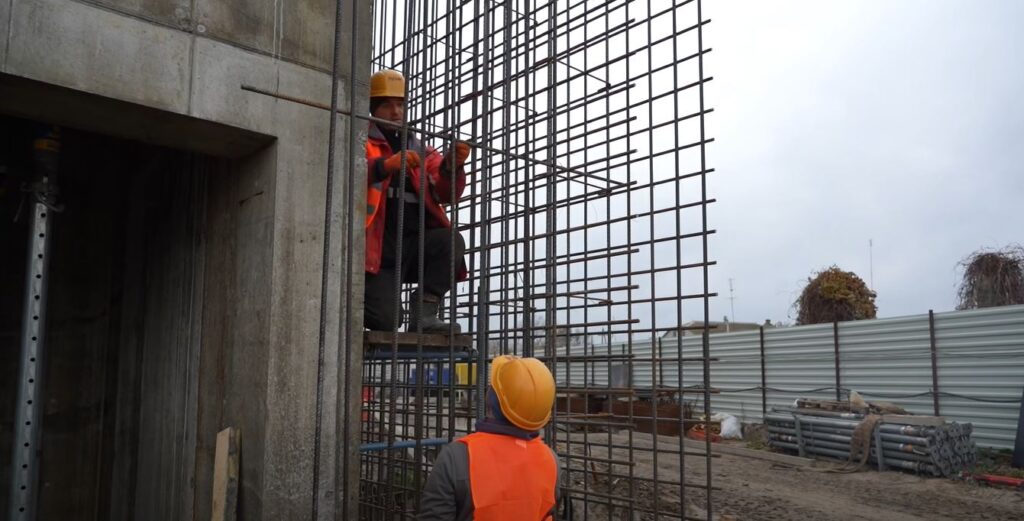
kharkiv digs over 40 underground schools being built russia keeps bombing · post workers reinforce concrete structure construction site school oksen lisovyi video surrounding oblast crews working shifts often without

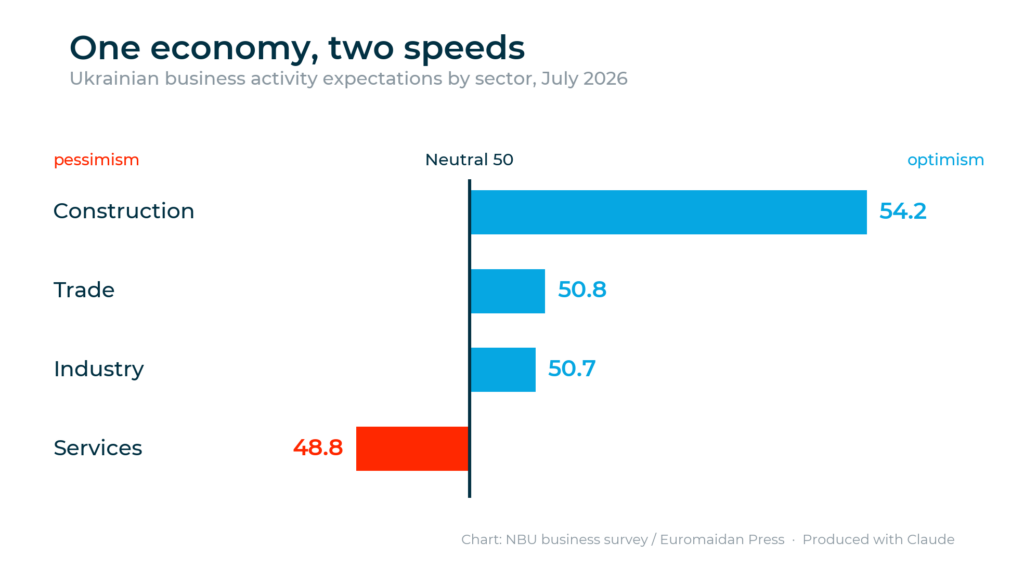
Ukraine’s wartime business optimism has split in two. In July, the construction sector, funded by state money for roads and damaged infrastructure, remained the country’s most confident, even as service firms slid into outright pessimism, and overall confidence in the economy stopped improving.

The divide is about money. Rebuilding, paid for by the government and its foreign backers, is thriving. The businesses that earn their own keep—transport, hospitality, professional and financial firms—are squeezed by rising costs and a shortage of skilled workers.

Only builders expect to hire; industry and services plan to cut.

Each month, the National Bank of Ukraine asks companies whether they expect business to improve or worsen. In July, there was only barely more expected improvement than decline: a reading of 50.1, where 50 is the dividing line, down from 50.4 in June.

A year earlier, more firms were gloomy than hopeful. As 2025 closed, the divide ran along a different line: retail firms stayed confident while industry shrank under Russian strikes, and the overall mood was still a shade negative.

kyiv skyline
Explore further

Ukraine’s economy adapts to war, but hits a ceiling money can’t break (INFOGRAPHICS)

business expecation index july 2026
Ukraine’s war economy split cleanly along its funding line in July: construction, paid for by state and foreign rebuilding funds, remained the most confident sector, while services—left to earn their own way—fell into pessimism, the only sector below the neutral 50 mark. Chart: NBU business survey / Euromaidan Press

Where the rebuilding money goes, confidence follows

Construction was far above the line, at 54.2, lifted by financing for road repair and rebuilding—even as the same survey listed intensifying strikes on critical infrastructure among the factors holding activity back.

Industry and trade stayed barely positive. Services alone fell below the line, into pessimism, squeezed by higher costs and too few skilled workers. Only builders expect to hire; industry and services plan to cut.

For Ukraine’s partners, the survey shows where rebuilding money actually reaches. That spending—part-funded by Western aid, which the bank lists as one reason confidence holds up at all—is a preview of the demand that a full postwar rebuild would bring.

In June 2026, Russian strikes on that same industrial base pushed Ukraine into its sharpest wartime contraction since 2023.

The next survey, covering August, is due on the first working day of September.

❌