Long-range Ukrainian drones struck the Ilsky oil refinery in Russia's Krasnodar Krai on July 7, hitting one of the facility's technological workshops, a source in Ukraine's military intelligence (HUR) told the Kyiv Independent. Located roughly 500 kilometers (311 miles) from Ukrainian-controlled territory, the refinery is among the largest in southern Russia, producing over 6 million tons of fuel annually. It is involved in the reception, storage, and processing of hydrocarbons and distributes r
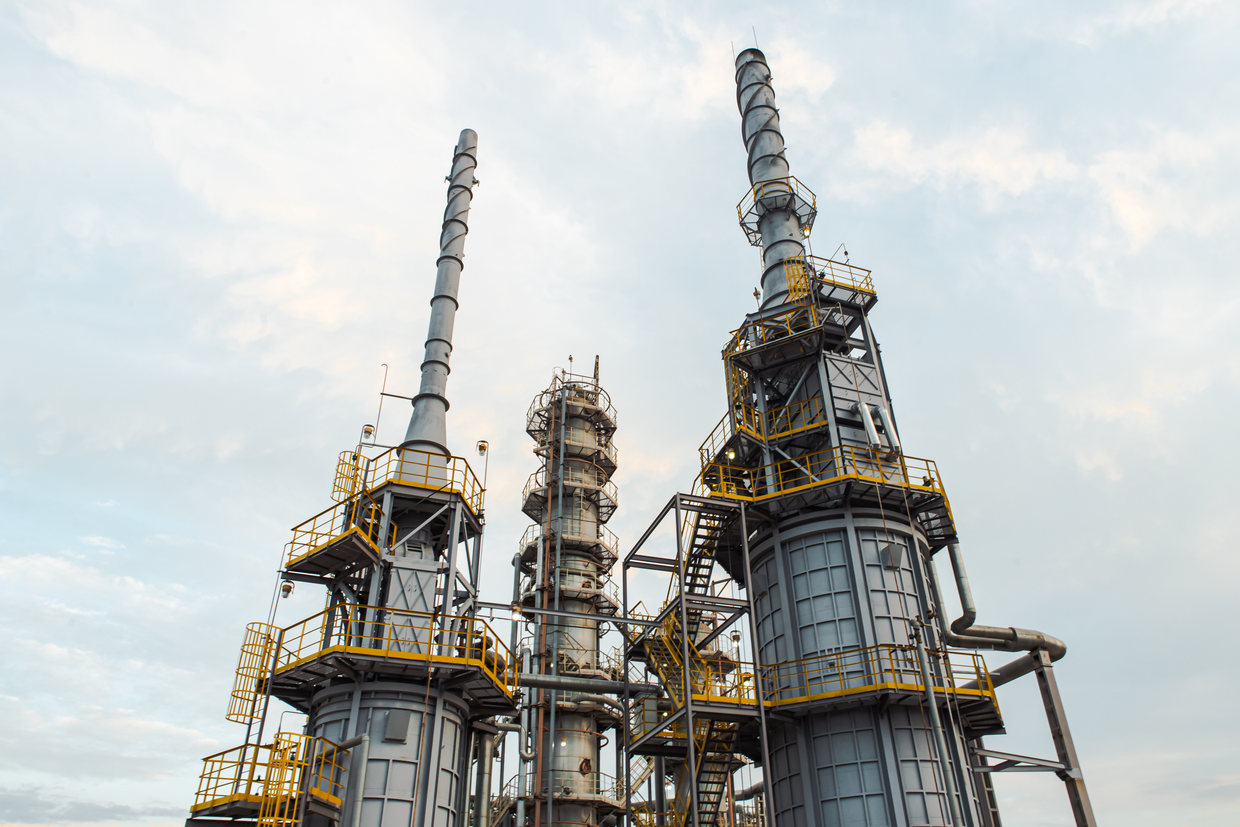
Long-range Ukrainian drones struck the Ilsky oil refinery in Russia's Krasnodar Krai on July 7, hitting one of the facility's technological workshops, a source in Ukraine's military intelligence (HUR) told the Kyiv Independent.
Located roughly 500 kilometers (311 miles) from Ukrainian-controlled territory, the refinery is among the largest in southern Russia, producing over 6 million tons of fuel annually.
It is involved in the reception, storage, and processing of hydrocarbons and distributes refined products via road and rail. The refinery is part of Russia's military-industrial complex and plays a direct role in supporting Moscow's war effort, the source said.
The Russian regional operational headquarters claimed that "drone debris" fell on the oil refinery.
The strike marks a renewed wave of Ukrainian attacks on Russian oil infrastructure, following a months-long pause since March. On July 1, Ukrainian drones struck the Saratovorgsintez oil refinery in Russia's Saratov Oblast.
Kyiv has targeted dozens of refineries, oil depots, and military-industrial sites since the start of Russia's full-scale invasion in 2022. Winter drone attacks forced at least four Russian refineries to temporarily shut down.
This is the second known strike on the Ilsky refinery. Ukrainian drones, operated by the Security Service (SBU) and Special Operations Forces (SSO), previously targeted the facility on Feb. 17, causing a fire.
Krasnodar Krai, a strategic region along Russia's Black Sea coast, has increasingly come under Ukrainian drone attacks as Kyiv extends the range of its strikes deep into Russian territory.
Ukraine's military intelligence (HUR) on July 7 published what it claimed was a Russian army order to increase its military presence at a base in Armenia, two days after HUR's warning of such a move was denied by Yerevan.HUR first made the claim on July 5, saying Russia was increasing its forces at the Gyumri base to exert greater influence in the South Caucasus and "destabilize the global security situation."Armenia's Foreign Ministry denied the claim on the same day.In a post on social media o
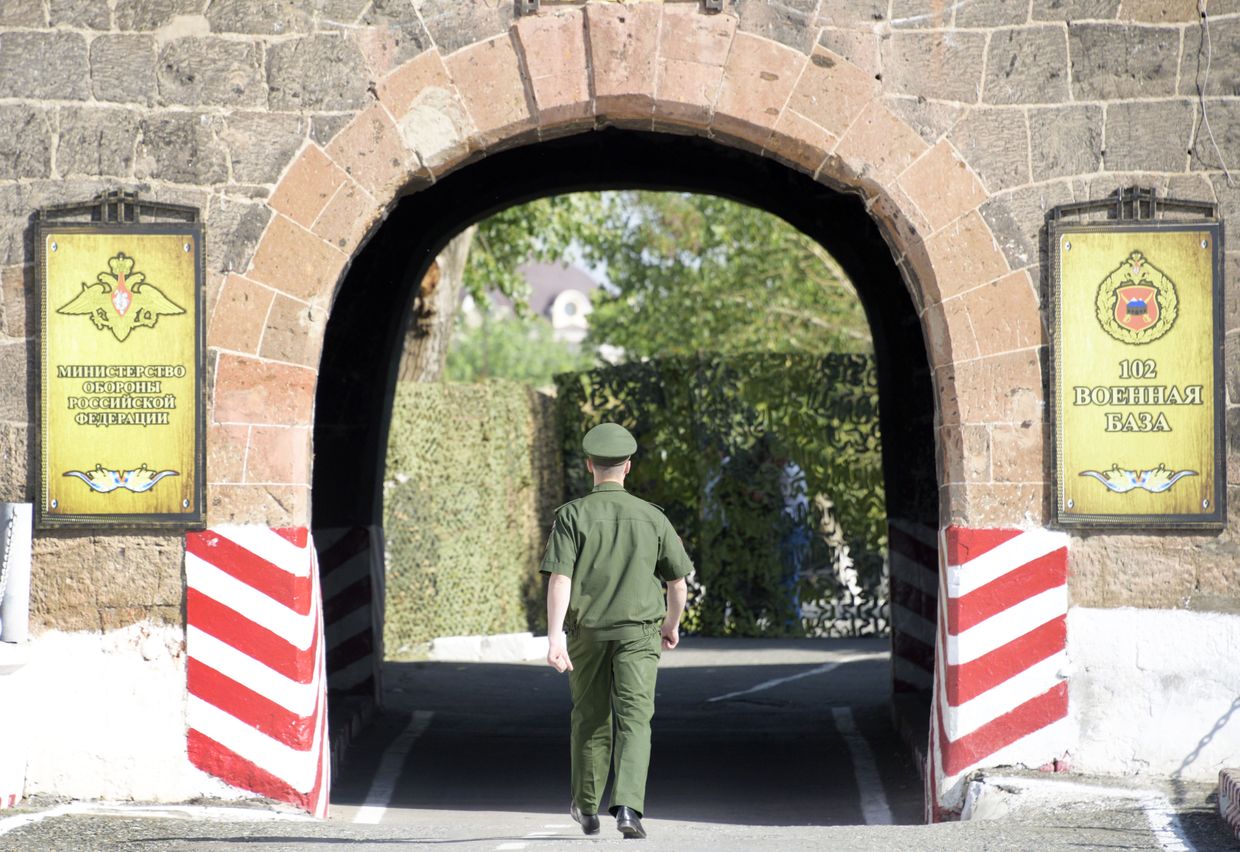
Ukraine's military intelligence (HUR) on July 7 published what it claimed was a Russian army order to increase its military presence at a base in Armenia, two days after HUR's warning of such a move was denied by Yerevan.
HUR first made the claim on July 5, saying Russia was increasing its forces at the Gyumri base to exert greater influence in the South Caucasus and "destabilize the global security situation."
Armenia's Foreign Ministry denied the claim on the same day.
In a post on social media on July 7, HUR published a document which it said was a "order from the commander of the troops of the Southern Military District of the Russian Armed Forces on the 'replenishment' of the Russian military base in Armenia."
"The telegram lists a list of measures for the urgent “replenishment” of the units of the Russian unit by selecting personnel from among the servicemen of the 8th, 18th, 49th and 58th combined arms armies of the Southern Military District of the Russian Armed Forces," HUR said.
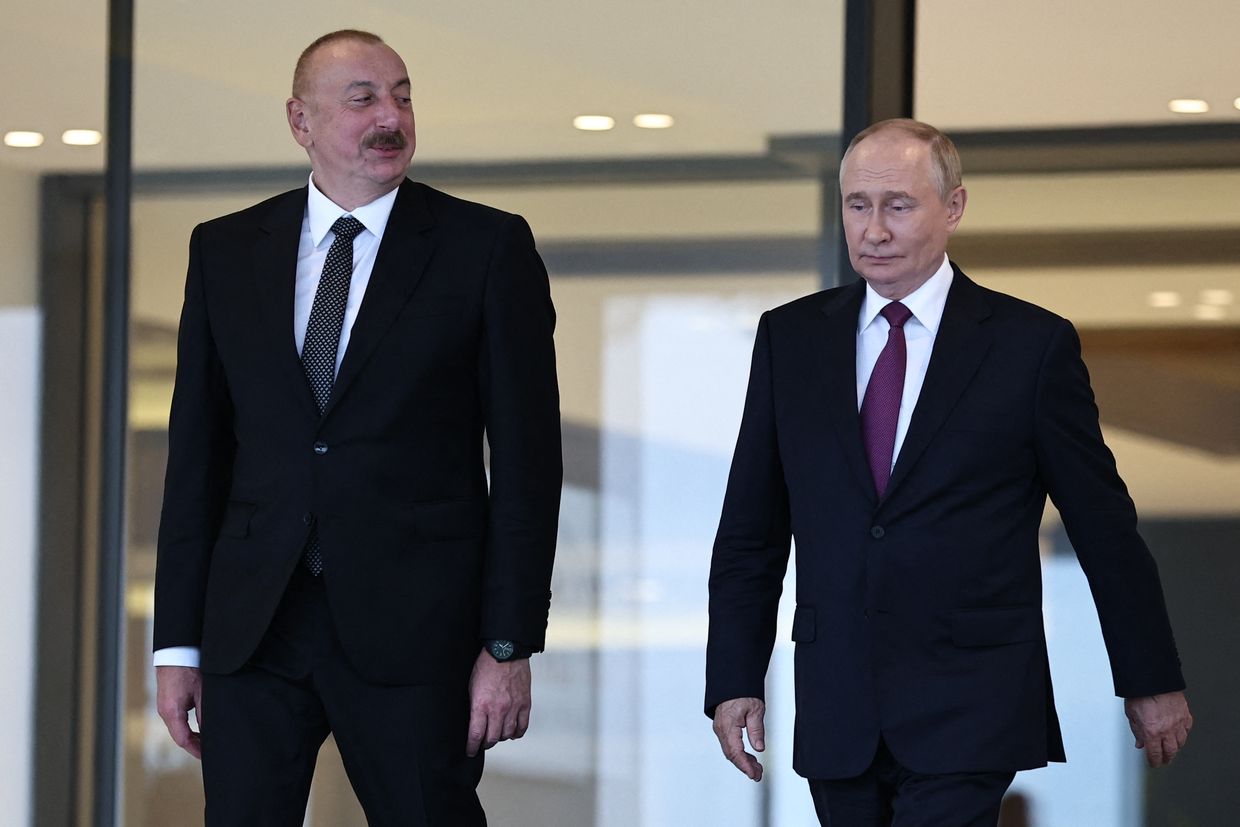
The news comes amid a major deterioration in Russian-Azerbaijani relations after a deadly June 27 operation in Russia's Yekaterinburg, where Russian security forces killed two Azerbaijani nationals and injured several others in a raid linked to a 2001 murder case.
Armenia has had a historically close relationship with Russia but the relations between Yerevan and Moscow have recently deteriorated.
Russia's leverage over both Baku and Yerevan has diminished dramatically since Azerbaijani troops captured Nagorno-Karabakh, an Armenian-controlled region in Azerbaijan, in 2023.
Russian peacekeepers later withdraw from the region, and now Baku and Yerevan are negotiating a permanent peace deal.
Armenia, which has lambasted Moscow for failing to help it during the Nagorno-Karabakh conflict, is drifting closer to the West.
Armenian Prime Minister Nikol Pashinyan has suspended the country's membership in a Russian-led military alliance and announced plans to join the European Union. Recently there has also been a crackdown on the pro-Russian opposition in Armenia.
Russia is seeking to involve Laos in its war against Ukraine under the pretense of humanitarian cooperation, Ukraine's military intelligence (HUR) claimed on July 5.According to the agency, Moscow is organizing the deployment of a combined unit of military engineers from the Lao People's Armed Forces to Russia's Kursk Oblast, allegedly to help with demining operations.Ukraine initially captured 1,300 square kilometers (500 square miles) of Russian territory during a cross-border offensive to Kur
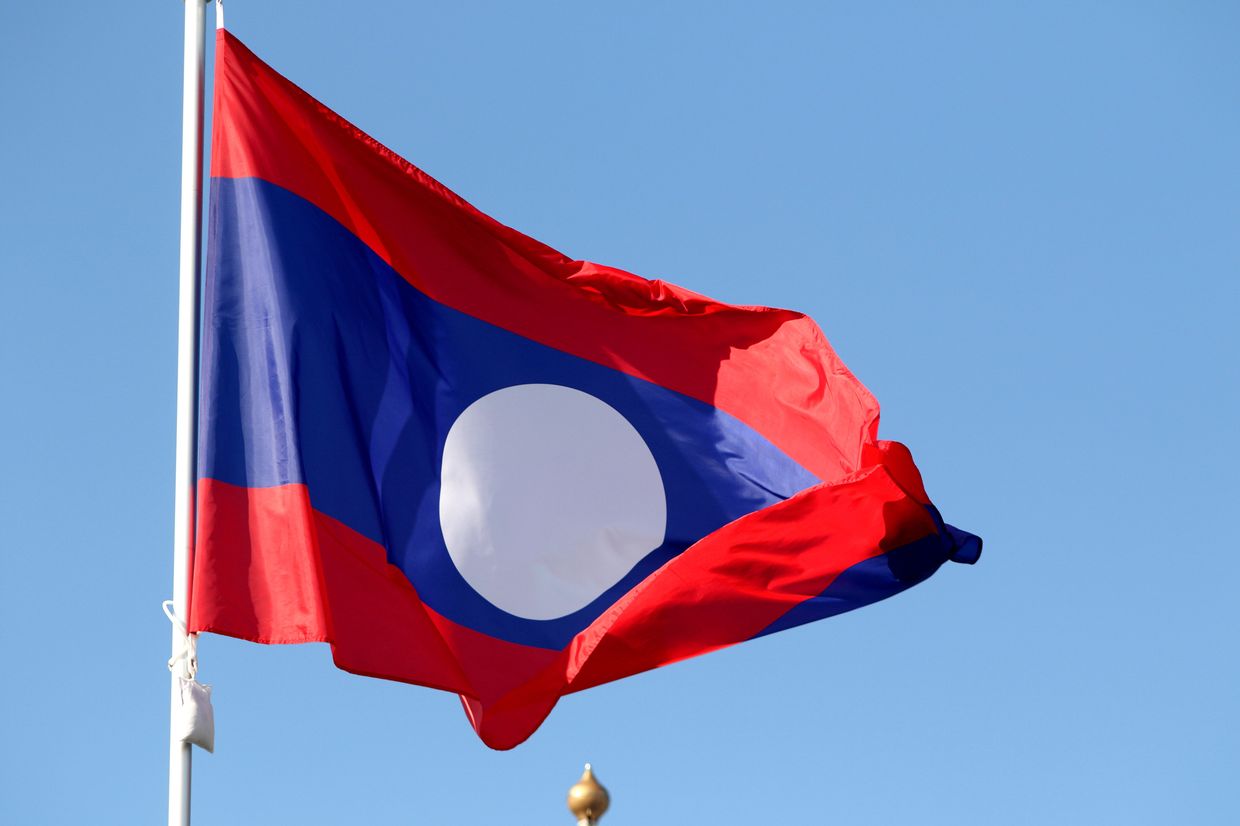
Russia is seeking to involve Laos in its war against Ukraine under the pretense of humanitarian cooperation, Ukraine's military intelligence (HUR) claimed on July 5.
According to the agency, Moscow is organizing the deployment of a combined unit of military engineers from the Lao People's Armed Forces to Russia's Kursk Oblast, allegedly to help with demining operations.
Ukraine initially captured 1,300 square kilometers (500 square miles) of Russian territory during a cross-border offensive to Kursk Oblast but lost most of it during a Russian counteroffensive this year, which was supported by North Korean troops.
Laotian authorities have reportedly agreed to send up to 50 engineers to support Russian efforts. In addition, Laos is said to be offering free rehabilitation services to wounded Russian soldiers.
"Russia, under the guise of humanitarian rhetoric, is trying to legalize the presence of foreign military contingents on its territory, effectively using them to wage war against Ukraine," HUR said.
This comes amid broader efforts by the Kremlin to recruit foreign personnel. Russia has drawn heavily on fighters from Asia and Africa, as well as North Korea.
Ukraine has captured multiple foreigners fighting for Russian forces. an April investigation by Russian independent outlet Important Stories identified more than 1,500 foreign fighters from 48 countries who had joined Russia's war.
Laos, a landlocked Southeast Asian country bordering China, Vietnam, and Thailand, has not commented on HUR's claim. The country maintains close ties with both Moscow and its ally Beijing.
North Korea is already using Russia Pantsir S-1 air defense systems in Pyongyang, Kyrylo Budanov, head of Ukraine's military intelligence (HUR), said in an interview with Hromadske Radio on July 1. The arrival of Pantsir missiles is another sign that North Korea is improving its weapons technology and military might through cooperation with Russia. The two nations signed a defense treaty in June 2024, and North Korea has supplied arms and troops to Moscow in exchange for training and advanced mi
North Korea is already using Russia Pantsir S-1 air defense systems in Pyongyang, Kyrylo Budanov, head of Ukraine's military intelligence (HUR), said in an interview with Hromadske Radio on July 1.
The arrival of Pantsir missiles is another sign that North Korea is improving its weapons technology and military might through cooperation with Russia. The two nations signed a defense treatyin June 2024, and North Korea has supplied arms and troops to Moscow in exchange for training and advanced military technology.
"I can tell you that, for example, the first Pantsir S-1 installations have already appeared in Pyongyang," Budanov told Hromadske Radio.
"They are already on combat duty there, guarding their capital. And the Russians are retraining Korean personnel, and soon the Koreans will be working autonomously on this technology."
The Pansir S-1 is the same air defense system Russia uses to guard its military-industrial facilities. It carries an estimated price tag of around $15 million.
North Korea is "currently significantly increasing its military power" through direct cooperation with Russia, Budanov said. It benefits from Russia's ongoing technology transfers and the "real combat experience" personnel gained by fighting alongside Russian troops against Ukraine.
Budanov also said Ukraine expects "a significant increase" in the number of North Korean citizens in Russia. Some of these citizens will sign up for the Russian military, making it seem less like an official transfer of North Korean personnel and more like voluntary registration from invidivual citizens.
The day before Budanov's comments, North Korean leader Kim Jong Un publicly honored his country's soldiers who were killed fighting in Russia's war against Ukraine. The ceremony coincided with a visit by Russian Culture Minister Olga Lyubimova, illustrating the deepening military alliance between Moscow and Pyongyang continues.
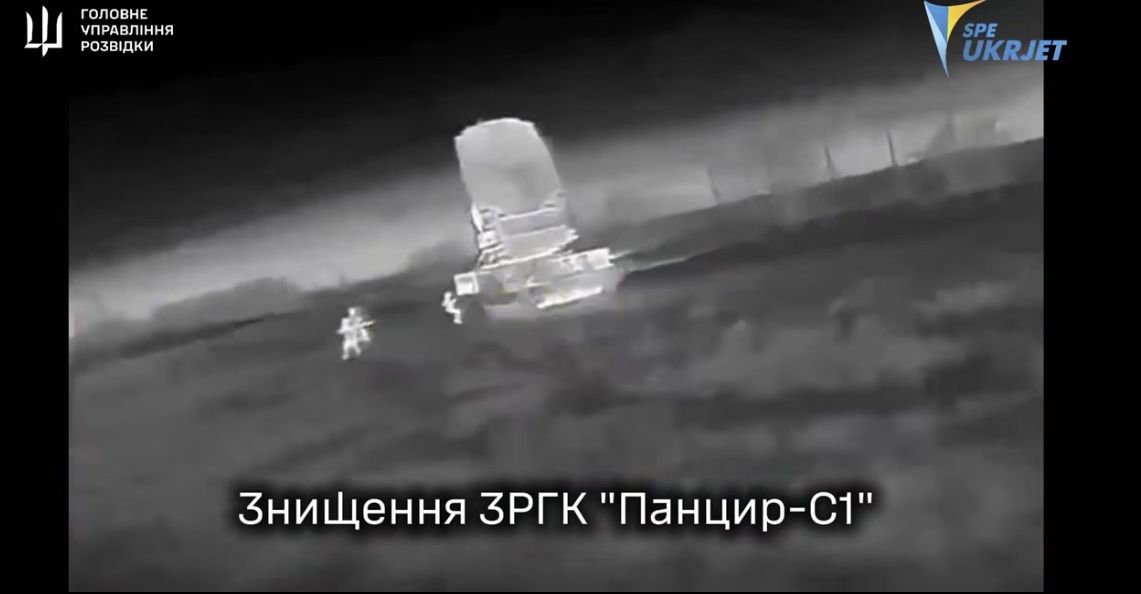
Ukraine's military intelligence agency (HUR) released on July 1 video footage showing domestically produced drones striking multiple Russian air defense assets and a fighter jet in occupied Crimea in what it described as a successful special operation.The undated footage shows the combat use of UJ-26 drones, commonly known as Bober (Beavers), targeting high-value Russian military systems."These reliable weapons in the hands of HUR special forces are turning critically important Russian targets i
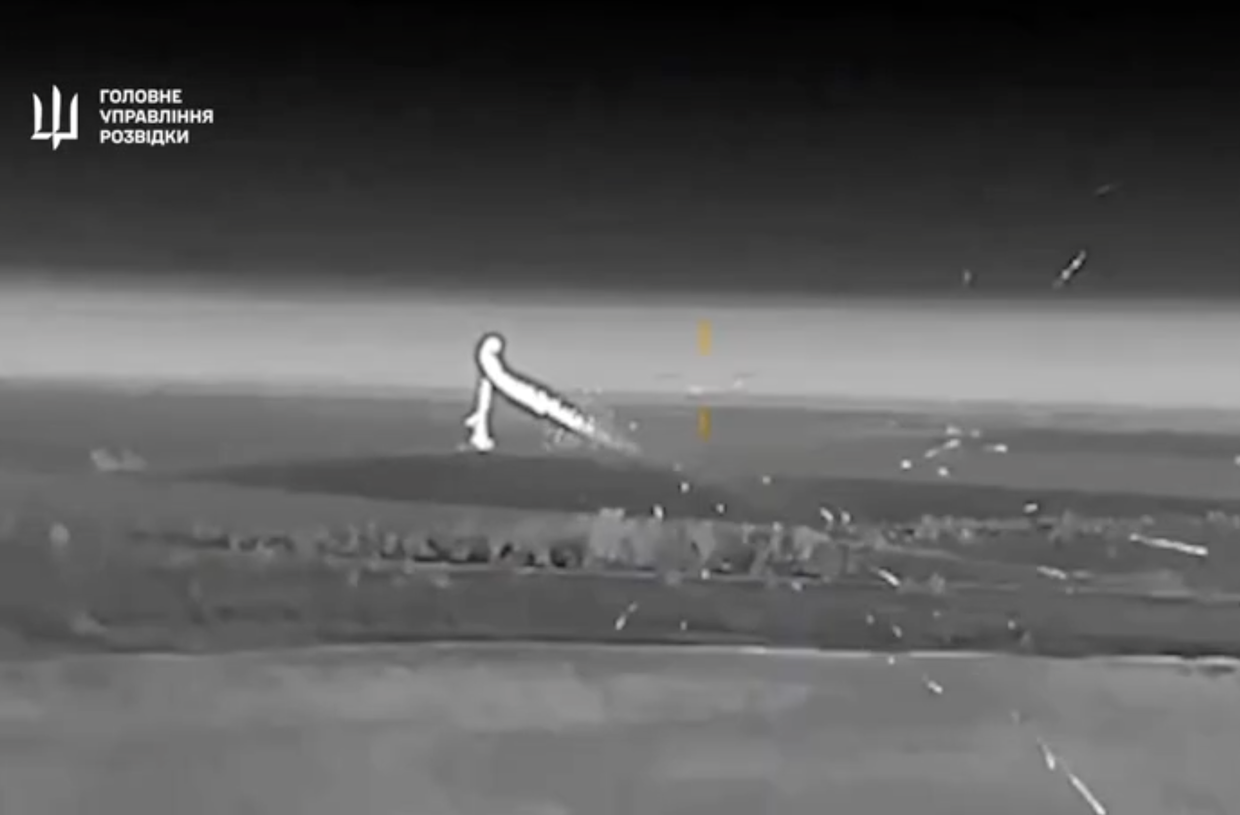
Ukraine's military intelligence agency (HUR) released on July 1 video footage showing domestically produced drones striking multiple Russian air defense assets and a fighter jet in occupied Crimea in what it described as a successful special operation.
The undated footage shows the combat use of UJ-26 drones, commonly known as Bober (Beavers), targeting high-value Russian military systems.
"These reliable weapons in the hands of HUR special forces are turning critically important Russian targets into useless scrap," the agency said in a statement.
HUR added that the Bober drones are effectively "gnawing through" Russia's expensive air defense systems "like barberries."
0:00
/
A Ukrainian drone targets and destroys Russian military assets in occupied Crimea, according to Ukraine's military intelligence agency. (HUR / Telegram).
The released footage shows that the strikes destroyed or severely damaged several Russian military assets, including a Pantsir-S1 air defense system and its crew, a Niobium-SV radar, a Pechora-3 coastal radar, a Protivnik-GE radar, and a Su-30 fighter jet stationed at the Saky airfield in occupied Crimea.
The Kyiv Independent could not verify HUR's claims.
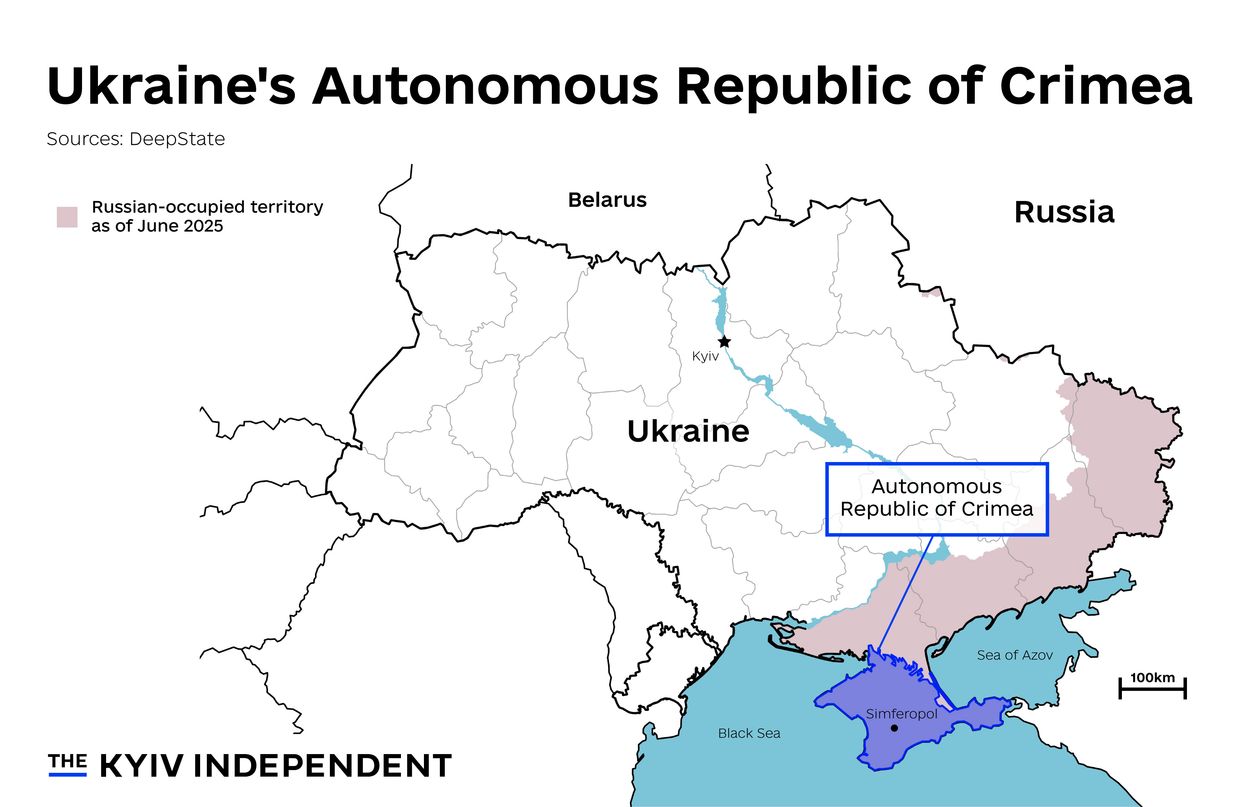
The strikes are part of Ukraine's ongoing efforts to degrade Russian military capabilities in Crimea, which has been under Russian occupation since 2014. Moscow reported Ukrainian drone strikes against the peninsula earlier on July 1, with the Crimean Wind Telegram channel reporting attacks in the vicinity of S-300/S-400 air defense systems.
Ukraine has increasingly deployed new drone systems to target Russian military assets on the front line and deep inside the Russian rear.
Ukraine's Autonomous Republic of Crimea. (Nizar al-Rifai/The Kyiv Independent)
Ukrainian intelligence has proof that Russia is preparing new military operations in Europe, said President Volodymyr Zelensky on June 22 after a report from military intelligence (HUR) chief Kyrylo Budanov."We are observing a continued intellectual decline within the Russian leadership and have evidence that they are preparing new military operations on European territory," Zelensky said on X.Zelensky added that Ukraine will inform foreign partners regarding the information obtained by intellig
Ukrainian intelligence has proof that Russia is preparing new military operations in Europe, said President Volodymyr Zelensky on June 22 after a report from military intelligence (HUR) chief Kyrylo Budanov.
"We are observing a continued intellectual decline within the Russian leadership and have evidence that they are preparing new military operations on European territory," Zelensky said on X.
Zelensky added that Ukraine will inform foreign partners regarding the information obtained by intelligence. The statement follows earlier warnings by Kyiv that Russia may be preparing aggression beyond Ukraine's borders.
The president did not provide further details on the planned Russian operations, their dates, or countries that might be targeted.
"We are preparing joint decisions for defense, in particular with the United Kingdom and the European Union," Zelensky wrote.
Zelensky confirmed that Ukraine will continue its efforts to weaken Russia's army.
"We’re aware of... (Russia's) key vulnerabilities and will strike accordingly to defend our state and people, as well as to significantly reduce Russia’s capacity for aggression," the president said.
Since its full-scale invasion of Ukraine in 2022, Russia has ramped up sabotage operations across Europe, aiming to destabilize the security situation in countries supporting Kyiv against Russian aggression.
Ukrainian foreign intelligence warned in May that Russia would be able to restore its combat capabilities and launch aggression against Europe between two and four years after hostilities in Ukraine ended.
Foreign officials and EU diplomats have increasingly called for the preparation for a potential full-scale conflict between NATO and Russia. On June 2, the United Kingdom announced its largest defense spending increase since the Cold War in the face of "the war in Europe," according to U.K. Prime Minister Keir Starmer.
Russia is systematically recruiting migrant workers from Central Asia to fight in its war against Ukraine as "cannon fodder," Ukraine's military intelligence (HUR) reported on June 21. Citizens of Uzbekistan, Tajikistan, and other countries in the region are increasingly being drawn into Russia's war effort under duress or with misleading promises, HUR said. Many of those recruited are reportedly killed on the front lines.According to HUR, Russia's security services target migrant workers who ar
Russia is systematically recruiting migrant workers from Central Asia to fight in its war against Ukraine as "cannon fodder," Ukraine's military intelligence (HUR) reported on June 21.
Citizens of Uzbekistan, Tajikistan, and other countries in the region are increasingly being drawn into Russia's war effort under duress or with misleading promises, HUR said.
Many of those recruited are reportedly killed on the front lines.
According to HUR, Russia's security services target migrant workers who arrive in the country seeking employment, offering short-term military contracts with promises of fast cash. These individuals often lack legal protections and face coercion, with few realistic alternatives.
Among the identified victims are Uzbek nationals Umarov Syroziddin Sabirjanovich and Kholbuvozoda Muhammad Faizullo, who served in motorized rifle units and died during combat operations in Ukraine.
"Mobilized migrants are formed into separate units, which are mainly used in the most dangerous areas of the front line," HUR said. Survivors may face criminal charges in their home countries for serving in a foreign military, carrying the risk of long prison sentences.
Radio Free Europe/Radio Liberty previously reported that migrant workers are funneled into combat roles for financial reasons, with recruitment networks offering salaries unattainable in civilian life.
Russia has also intensified pressure on its naturalized migrant population.
On May 20, Investigative Committee head Alexander Bastrykin said that 20,000 naturalized migrants had been dispatched to Ukraine for failing to register for military service.
With public memory raw from the unpopular 2022 partial mobilization that prompted over 261,000 Russians to flee, the Kremlin has refrained from another mass draft.
Instead, it is relying on a combination of forced recruitment, enlistment bonuses, and targeted campaigns among vulnerable communities.
A Russian soldier deployed in Ukraine may have been involved in an act of cannibalism, audio intercepted by Ukraine's military intelligence agency (HUR) and released on June 20 suggests. In the recording posted by HUR on Telegram, a Russian commander is heard telling a subordinate that one soldier, referred to by the call sign "Brelok," killed and consumed his fellow service member "Foma" over a two-week period.Ukraine's military intelligence described the alleged incident as further evidence of
A Russian soldier deployed in Ukraine may have been involved in an act of cannibalism, audio intercepted by Ukraine's military intelligence agency (HUR) and released on June 20 suggests.
In the recording posted by HUR on Telegram, a Russian commander is heard telling a subordinate that one soldier, referred to by the call sign "Brelok," killed and consumed his fellow service member "Foma" over a two-week period.
Ukraine's military intelligence described the alleged incident as further evidence of what it called the "moral and psychological collapse" of Russian forces.
"Nobody ran away. 'Brelok' took him out and then ate him for two f*cking weeks," a speaker identified by HUR as a commander of a reconnaissance unit from Russia's 68th Motorized Rifle Division can be heard saying in the intercept.
According to HUR, both soldiers served in the 52nd Separate Reconnaissance Battalion, which is reportedly operating near the villages of Zapadne and Lyman Pershyi in the Kupiansk direction of Kharkiv Oblast.
The intercepted speaker adds that "Brelok" was later found dead himself.
"They say he was a 200 (military slang for a killed soldier), f*ck. Well, he ate his comrade, so that's something to think about," the voice says.
The Kyiv Independent cannot independently verify the authenticity of the leaked recording or confirm the events described in it. No visual or documentary evidence has been presented to support the claims, which are based solely on the intercepted audio provided by HUR.
But Russia's recruitment system for the war in Ukraine has heavily relied on the country's prisons as a source of manpower, leading to its ranks being filled by all manner of criminals, even cannibals.
Moscow has been recruiting convicts for its war since the summer of 2022, first under the auspices of the Wagner Group and later under the Russian Defense Ministry.
Initially, prisoners, even those convicted of violent crimes, were promised a pardon after completing a six-month military contract. Since January 2024, Russian army recruits drawn from prisons no longer receive pardons but are released on parole, and are expected to fight until the war is over.
In May 2024, the Moscow Times reported that Russian cannibal Dmitry Malyshev, who was sentenced to 25 years in prison for murder and several other serious crimes, joined one of Russia’s Storm V penal military units.
Malyshev was reportedly recruited to the army together with serial killer Aleksandr Maslennikov, sentenced to 23 years in prison for the "double murder and dismemberment of women."
Previously, Ukraine said there were cases of mistreatment and breakdown of discipline within Russia's own ranks. A group of Russian soldiers fighting near Kursk Oblast surrendered to Ukrainian paratroopers in May, saying abuse within their own units was "worse than captivity," according to a video posted by Ukraine's Airborne Assault Forces.
The soldiers said they had been subjected to inhumane treatment, psychological pressure, and threats while still inside Russian territory.
Reporting by investigative outlets, the Insider and Foreign Policy, has documented systemic abuse of Russian troops throughout the full-scale invasion.
These include so-called "punishment squads," beatings, confinement pits, and hazing that borrows heavily from Soviet-era gulag practices.
During a targeted operation, Ukraine's military intelligence (HUR) killed Mykhailo Hrytsai, a senior collaborator with Russian occupation authorities in Berdiansk, Zaporizhzhia Oblast, a HUR source told the Kyiv Independent on June 18.According to the source, Hrytsai was directly involved in organizing repressions against the local Ukrainian population and establishing torture chambers for prisoners of war. The collaborator was shot dead in the city using a silenced PM pistol, the source said. H
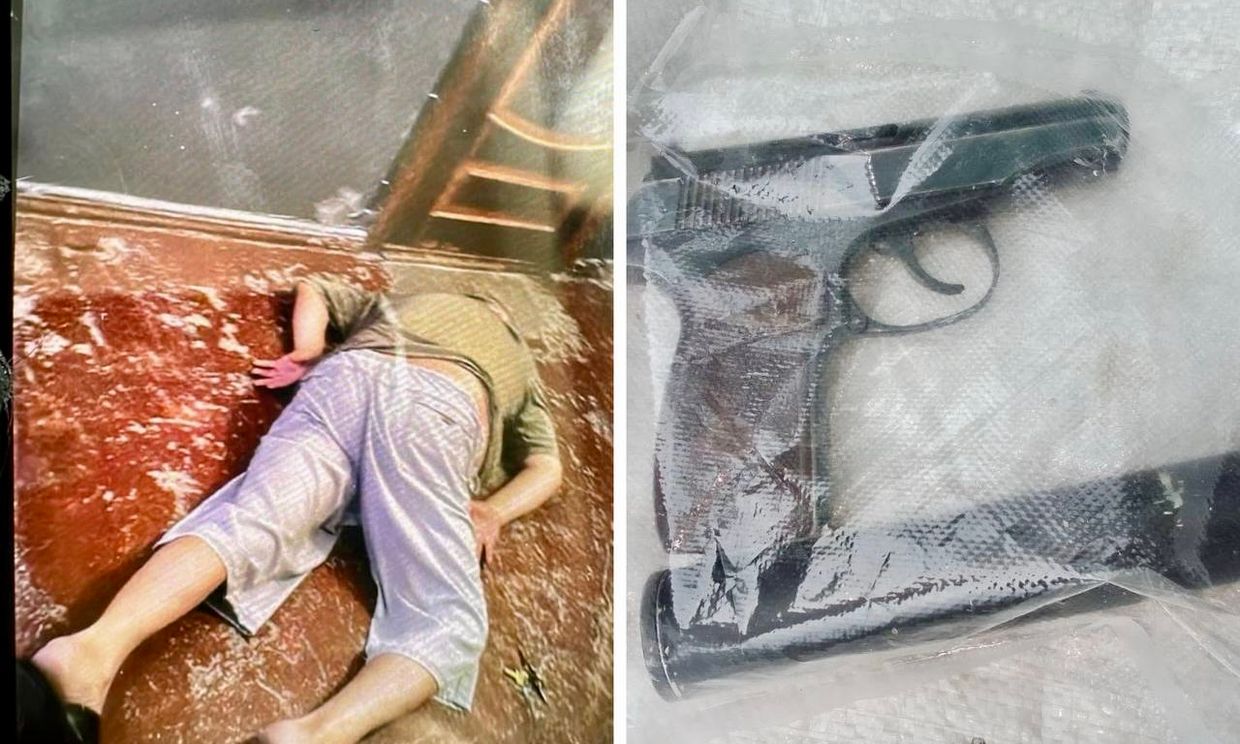
During a targeted operation, Ukraine's military intelligence (HUR) killed Mykhailo Hrytsai, a senior collaborator with Russian occupation authorities in Berdiansk, Zaporizhzhia Oblast, a HUR source told the Kyiv Independent on June 18.
According to the source, Hrytsai was directly involved in organizing repressions against the local Ukrainian population and establishing torture chambers for prisoners of war.
The collaborator was shot dead in the city using a silenced PM pistol, the source said.
Hrytsai served as the Russian-installed deputy mayor responsible for infrastructure, housing, utilities, and the energy sector. The source also said he facilitated the illegal seizure of municipal and state property in Berdiansk.
"There are still plenty of such targets — collaborators, accomplices of the enemy — in the occupied territories of Ukraine," the source said.
"We will definitely get to each and every one of them and put an end to their criminal activities by any means necessary: with or without a silencer, quietly or loudly, but always effectively."
A native of Poltava Oblast, Hrytsai had previously participated in Ukrainian political life. He was an assistant to a member of parliament and headed the Berdiansk branch of the Socialist Ukraine party before siding with Russian occupation forces.
Berdiansk, a port city on the Azov Sea, has been under Russian control since the early days of the full-scale invasion in 2022. It remains a critical logistics hub for Russian forces, facilitating the transport of looted Ukrainian grain and other resources.
On Feb. 20, another targeted strike in Berdiansk killed Yevgeny Bogdanov, the deputy head of the Russian-installed administration, according to Ukrainian military intelligence.
Ukraine’s military intelligence (HUR) ignited an electrical substation during a sabotage operation in the Russian city of Kaliningrad, causing $5 million in damage and cutting electricity to a military production site, a source in HUR told the Kyiv Independent. In the early hours of June 14, Ukrainian agents drained the coolant from the substation’s power transformer before setting the facility on fire. The inferno inflicted major damage on the facility and caused a power cut, impacting nearby R
Ukraine’s military intelligence (HUR) ignited an electrical substation during a sabotage operation in the Russian city of Kaliningrad, causing $5 million in damage and cutting electricity to a military production site, a source in HUR told the Kyiv Independent.
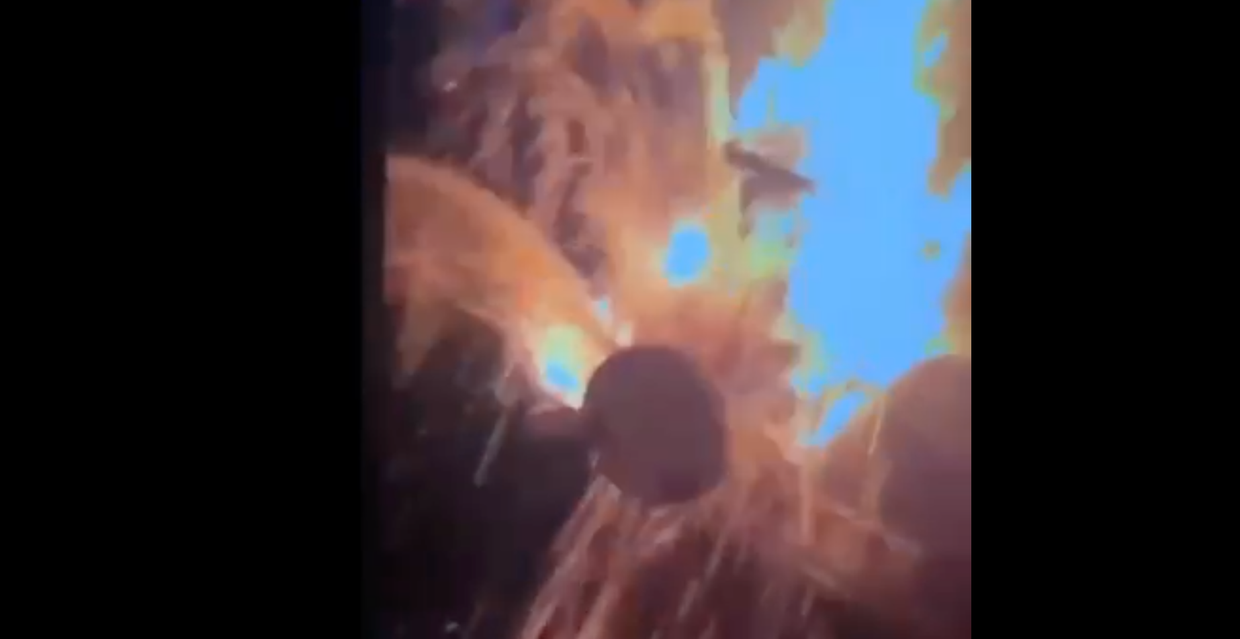
In the early hours of June 14, Ukrainian agents drained the coolant from the substation’s power transformer before setting the facility on fire. The inferno inflicted major damage on the facility and caused a power cut, impacting nearby Russian military sites.
"We once again remind you that Russia no longer has a rear either in the east, in the west, or anywhere else on the planet. Everything Russian involved in the war against Ukraine will burn, sink, and be destroyed regardless of its level of protection or location," the source said.
0:00
/
Ukrainian agents sabotage an electrical substation in Kaliningrad, Russia. June 14, 2025. (HUR)
The attacks involve HUR, Ukraine’s Security Service (SBU) as well as partisan and sabotage groups.
HUR was behind explosions near Desantnaya Bay in Russia's far eastern Vladivostok on May 30, which reportedly damaged military personnel and equipment. The operations took place approximately 6,800 kilometres from the Ukrainian border, making it Ukraine's furthest incursion into Russian territory, if confirmed.
Ukraine's military intelligence (HUR) destroyed three Russian air defense systems using drones in the occupied Zaporizhzhia Oblast on June 14, HUR says."Strike drone masters of the Department of Active Operations of the HUR of the Ukrainian defense ministry discovered and destroyed expensive air defense systems of the Russian invaders in the temporarily occupied territory of the Zaporizhzhia region," HUR reported in a post to Telegram.Ukraine's military regularly strikes military targets in Russ
Ukraine's military intelligence (HUR) destroyed three Russian air defense systems using drones in the occupied Zaporizhzhia Oblast on June 14, HUR says.
"Strike drone masters of the Department of Active Operations of the HUR of the Ukrainian defense ministry discovered and destroyed expensive air defense systems of the Russian invaders in the temporarily occupied territory of the Zaporizhzhia region," HUR reported in a post to Telegram.
Ukraine's military regularly strikes military targets in Russian-occupied territories and deep within Russia in an attempt to diminish Moscow's fighting power as it continues its war against Ukraine.
A Russian Buk-M3, a Pantsyr S1, and a 9S19 Imbir radar from the S-300V air defense system were destroyed in the Ukrainian drone attack.
"The video shows a stunning maneuver of a Ukrainian drone dodging a Muscovite anti-aircraft missile, as well as episodes of successful fire strikes," HUR's statement said.
Kyiv claimed it disabled 34% of Russia's strategic bomber fleet in what is seen as one of the most daring operations during Russia's full-scale war.
Ukraine's military intelligence agency was behind explosions near Desantnaya Bay in Russia's far eastern Vladivostok on May 30, which reportedly damaged military personnel and equipment, a source in HUR told the Kyiv Independent.

 Connexion
 The Kyiv IndependentChris York