Vue normale

  • ✇Euromaidan Press
  • Ukraine draws up a new target list for its long-range drones—and vows to keep firing
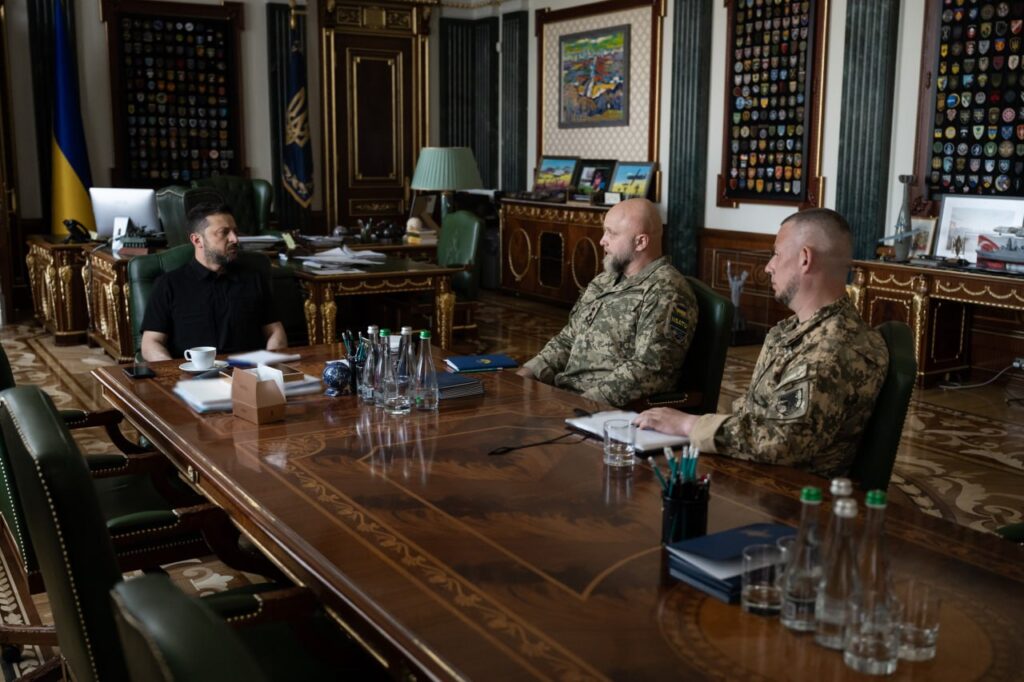
    The parts of Russia that once felt too far away to worry about are now on Ukraine's strike map, President Volodymyr Zelenskyy said after a meeting with his top military commanders on 26 July. Kyiv will press ahead with its long-range campaign and has updated which sites to hit first, he added. The commanders did not reveal the targets themselves. Russia built its war economy behind a rear it assumed no one could touch, and Ukraine's deep-strike campaign has spent ye
     

Ukraine draws up a new target list for its long-range drones—and vows to keep firing

26 juillet 2026 à 15:40

ukraine draws up new target list its long-range drones—and vows keep firing · post president volodymyr zelenskyy chairs meeting military commanders deep strikes russia 26 2026 middle news ukrainian reports

The parts of Russia that once felt too far away to worry about are now on Ukraine's strike map, President Volodymyr Zelenskyy said after a meeting with his top military commanders on 26 July. Kyiv will press ahead with its long-range campaign and has updated which sites to hit first, he added. The commanders did not reveal the targets themselves.

Russia built its war economy behind a rear it assumed no one could touch, and Ukraine's deep-strike campaign has spent years taking that assumption apart, region by region. The further Kyiv's drones travel, the harder it becomes for Moscow to call any refinery or warehouse safe, no matter how remote it is.

Kyiv's commanders sign off on the next phase

Zelenskyy convened Ukraine's military leadership to review the long-range strikes. He left with two decisions—keep the operations going and refresh the priority list. 

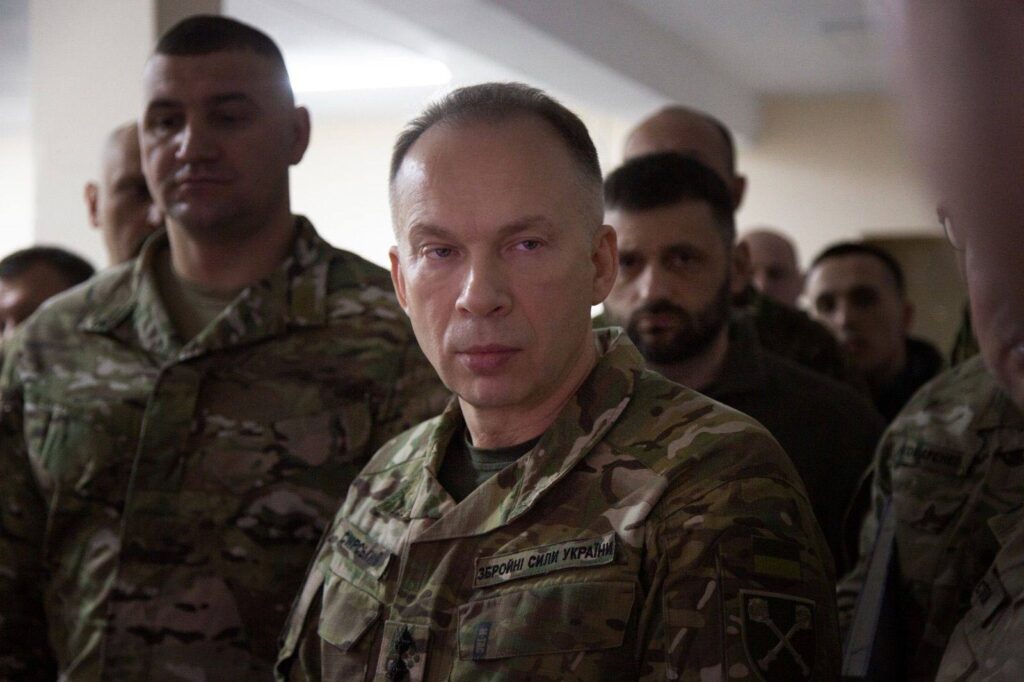
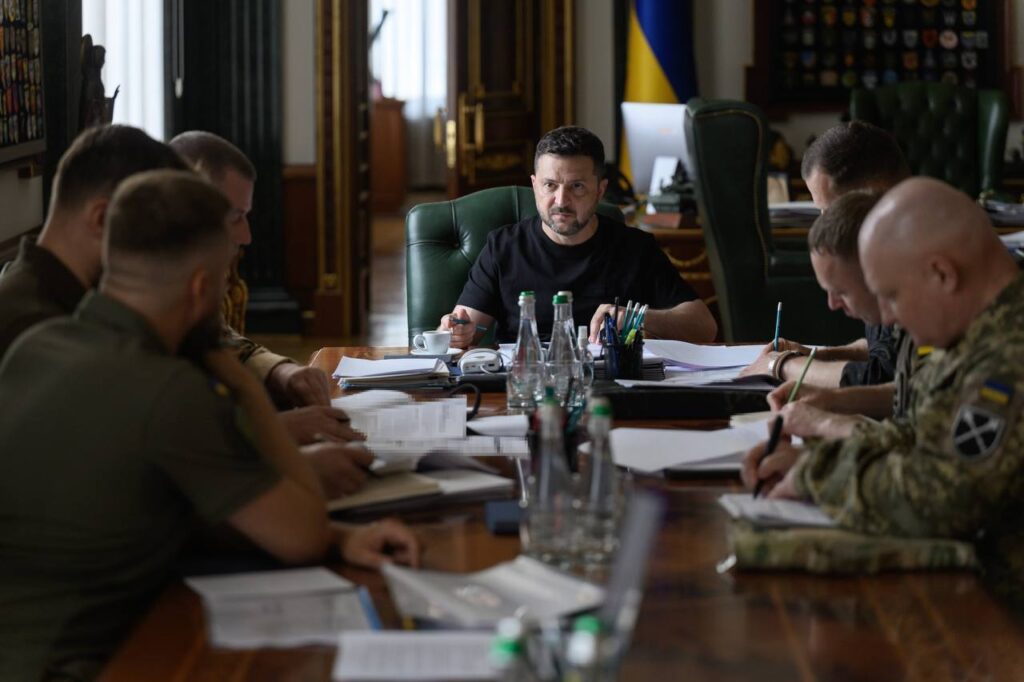
Photos the President posted showed new Commander-in-Chief of the Armed Forces Mykhailo Drapatyi, acting Defense Minister Yevhenii Khmara and Chief of the General Staff Ihor Skybiuk among those at the table. Kyiv chose the new priorities by one measure: how much each site damages Russia's ability to keep waging the war.

ukraine draws up new target list its long-range drones—and vows keep firing · post commander-in-chief armed forces mykhailo drapatyi (center) chief general staff ihor skybiuk (right) meeting 26 2026 right
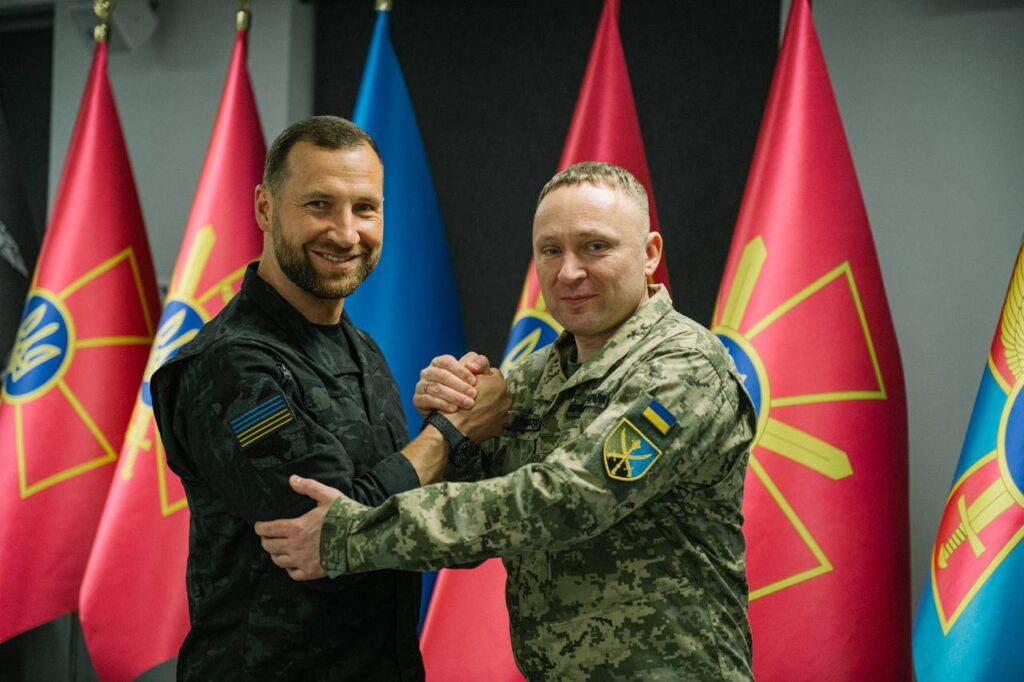
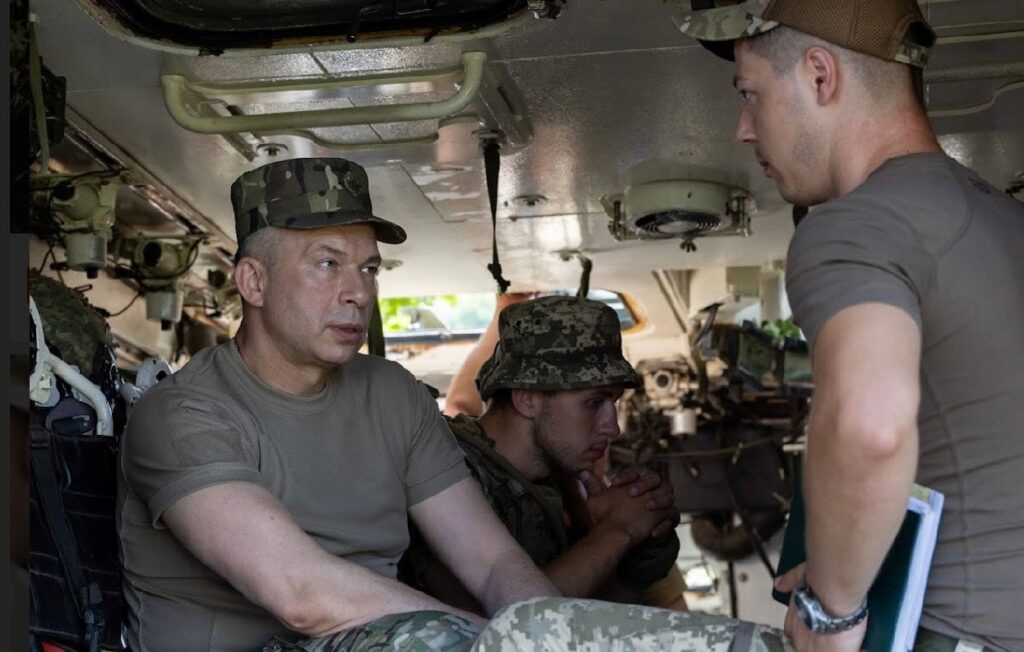
Commander-in-Chief of the Armed Forces Mykhailo Drapatyi (center) and Chief of the General Staff Ihor Skybiuk (right) at the meeting, 26 July 2026. Photo: Zelenskyy/Telegram

Zelenskyy once again called the effort Ukraine's plan of "long-range sanctions," carried out along set priorities.
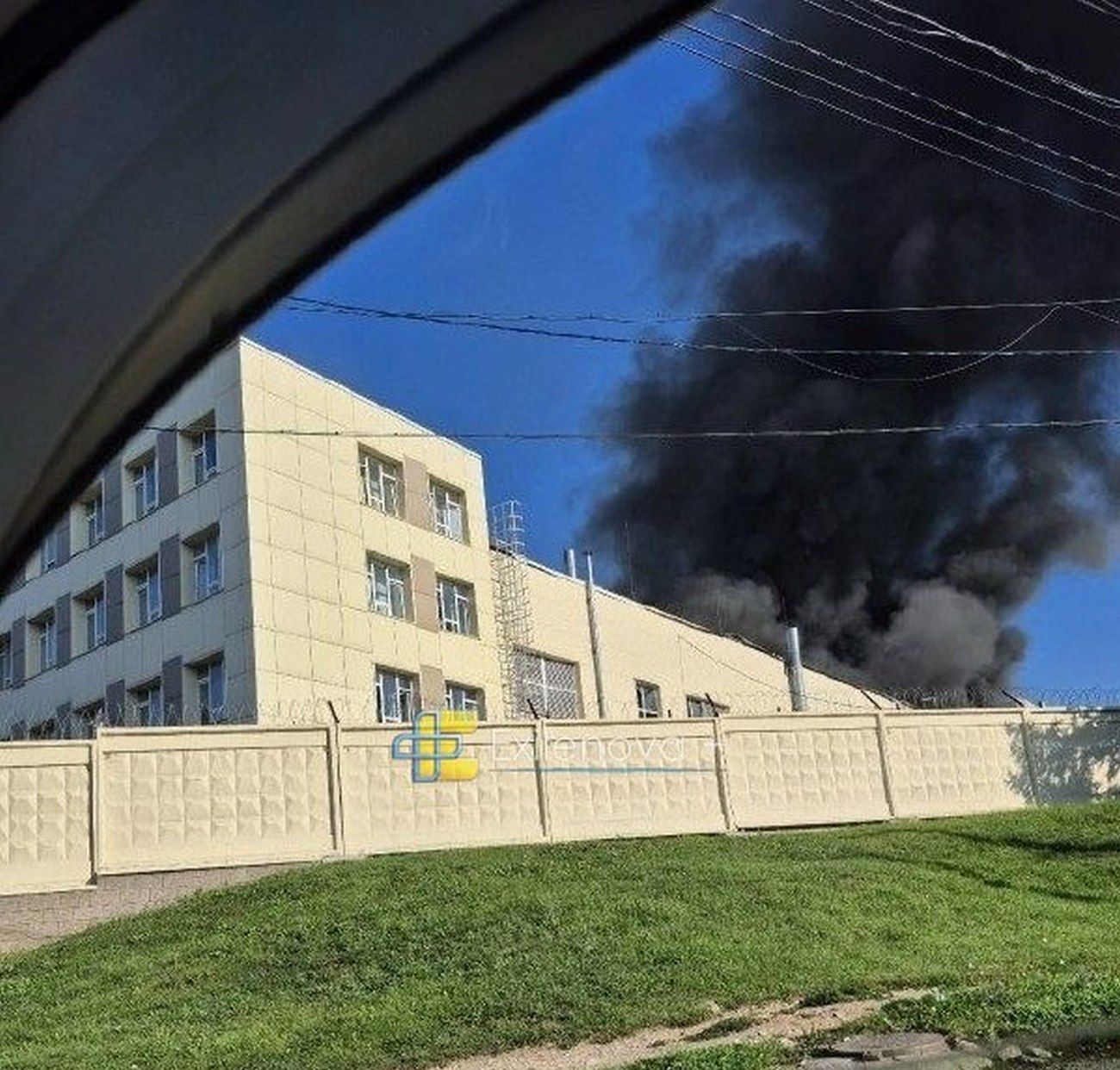
one plant makes seats save russian pilots—ukraine's flamingo missile torched 1200 km home · post column black smoke rises over kirov after ukrainian struck avitek russia 24 2026 лшкщм vyatka
Explore further

One plant makes the seats that save Russian pilots—Ukraine’s Flamingo missile torched it 1,200 km from home

Russia's depth stops being an advantage

Ukrainian strike distances now run past 3,000 km, Zelenskyy noted, saying Kyiv keeps building the range to reach further. For years, Russia's size kept its factories and fuel plants out of harm's way. 

"The strategic depth of the rear, which for a long time was a Russian advantage, is now becoming a particular problem for Russia's political and military leadership," he said. 

Most of Russia's air defense, he noted, sits bunched around Moscow, state residences, the Kerch Strait Bridge and St. Petersburg. Ukrainian drones, he added, have shown they can reach targets in the Urals, in Siberia and in other lands far from the capital.
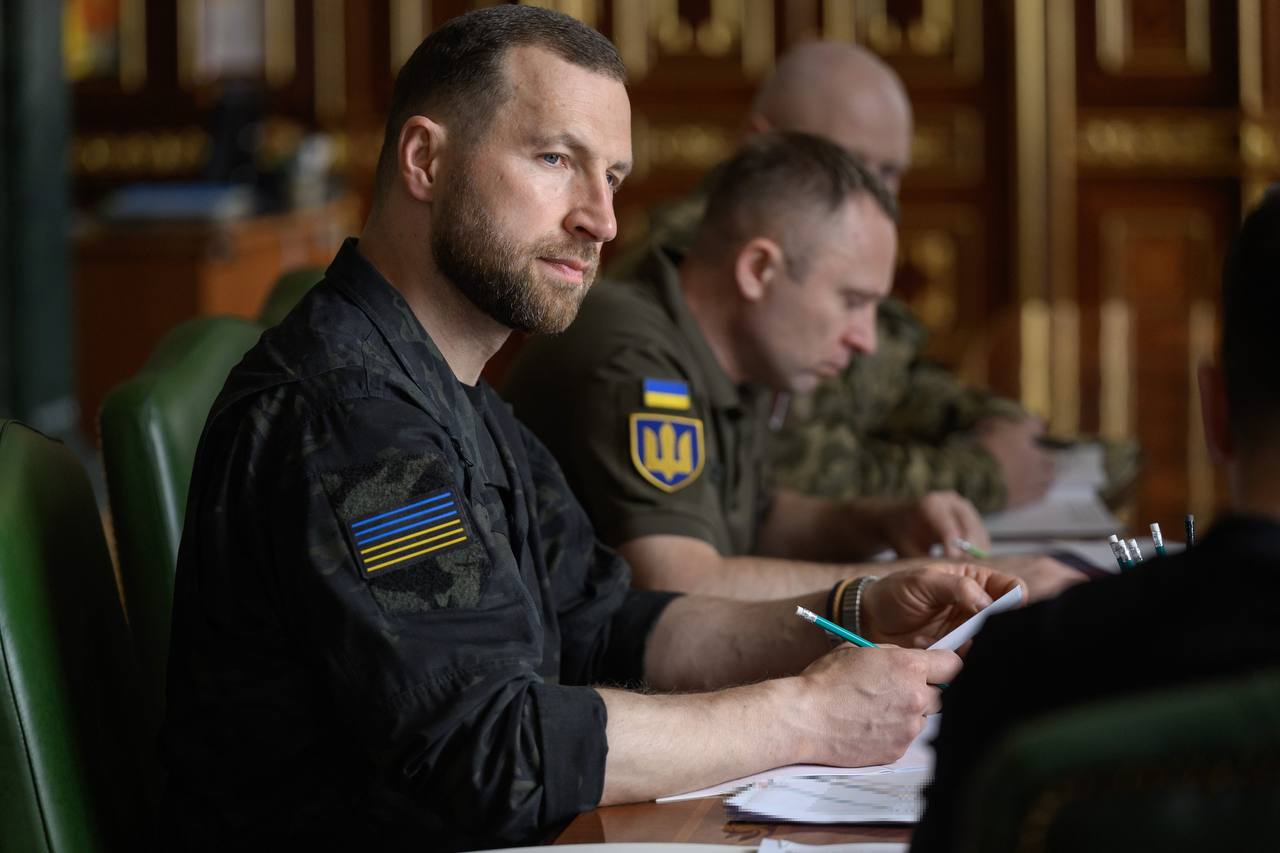
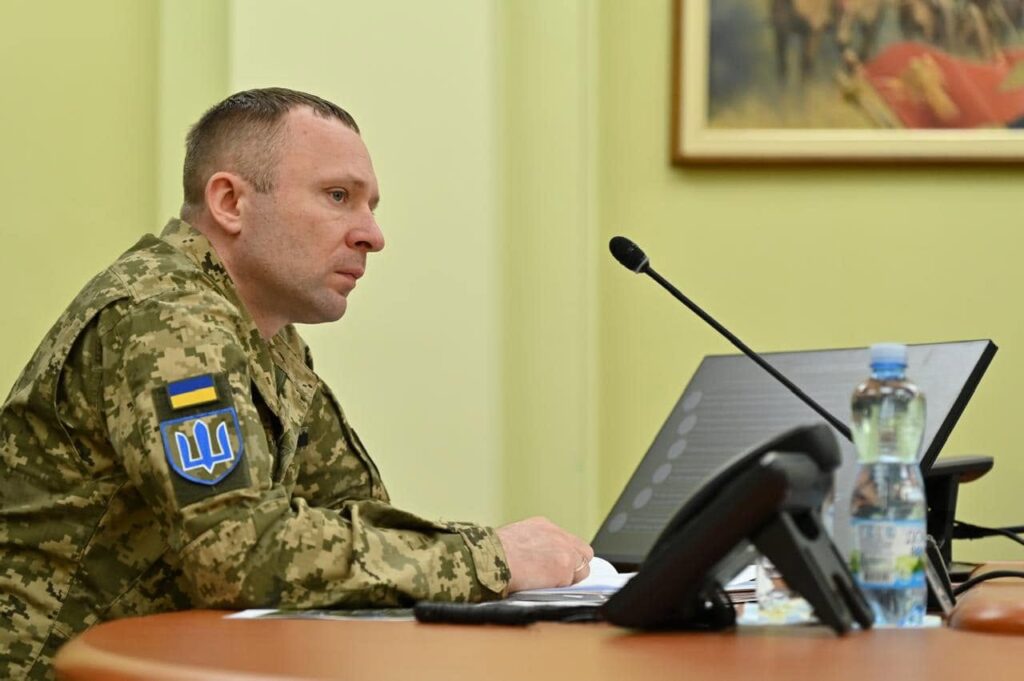
ukraine draws up new target list its long-range drones—and vows keep firing · post acting defense minister yevhenii khmara meeting ukraine's strikes 26 2026 news ukrainian reports
Acting Defense Minister Yevhenii Khmara at a meeting on Ukraine's long-range strikes, 26 July 2026. Photo: Zelenskyy/Telegram

What Ukraine has hit—and what it still targets

Since the plan began this year, Ukraine has run more than a thousand fire missions, striking oil sites, critical military production and key nodes of Russian logistics, Zelenskyy said. Several parallel deep- and mid-range campaigns run at once. They target:

  • oil and fuel sites in Russia and occupied territories
  • military factories
  • ships in the Azov and Black seas
  • the power grid in occupied Crimea
  • air defense, logistics and military bases across the occupied areas
  • Wildberries, a Russian Amazon-style retailer that also moves non-lethal military gear and drone components

Zelenskyy did not name the specific new targets. Neither has he reiterated all the well-known ones.

Footage from yesterday, showing a Ukrainian drone hitting Russia's Tyumen oil facility, roughly 2,000 km from Ukraine’s border

The close strike was filmed at the Antipinsky plant. Flames were rising before the drone reached the site.

📹 Exilenova+ pic.twitter.com/z2TL9Gl7OZ

— Euromaidan Press (@EuromaidanPress) July 26, 2026

The goal is a push toward talks

The point of all this pressure, Zelenskyy said, is to force Russia toward negotiations. He wants the strikes to make weapons components harder to build, pile up oil and economic losses, and, in his words, bring the war back to its "home harbor." Ukraine has handed Russia's leadership everything it needs to end the war on decent terms, he said, and its partners know what that takes. 

"Our precision is working effectively to create conditions for real diplomacy," Zelenskyy said.

Recent long-range hits

Several notable long-range strikes occurred in the days before the meeting. On 24 July, an FP-5 Flamingo cruise missile hit the Avitek military plant in Kirov, about 1,200 km from Ukraine. The next day, drones hit the Tyumen oil refinery some 2,000 km out and set fire to a Wildberries warehouse in Yekaterinburg roughly 1,800 km away.

  • ✇Euromaidan Press
  • First order to Ukraine’s new commanders: modernize force while holding it
    Ukraine's new military command is now complete, and Ukrainian leader Volodymyr Zelenskyy says its first job is to change the army. The new leadership is preparing a modernization of the Defense Forces that must proceed in coordination and without easing pressure on the enemy, the president said in his evening address. Zelenskyy dismissed Oleksandr Syrskyi as commander-in-chief on 21 July after six days of protests and named Mykhailo Drapatyi in his place. On 22 July, he app
     

First order to Ukraine’s new commanders: modernize force while holding it

22 juillet 2026 à 17:27

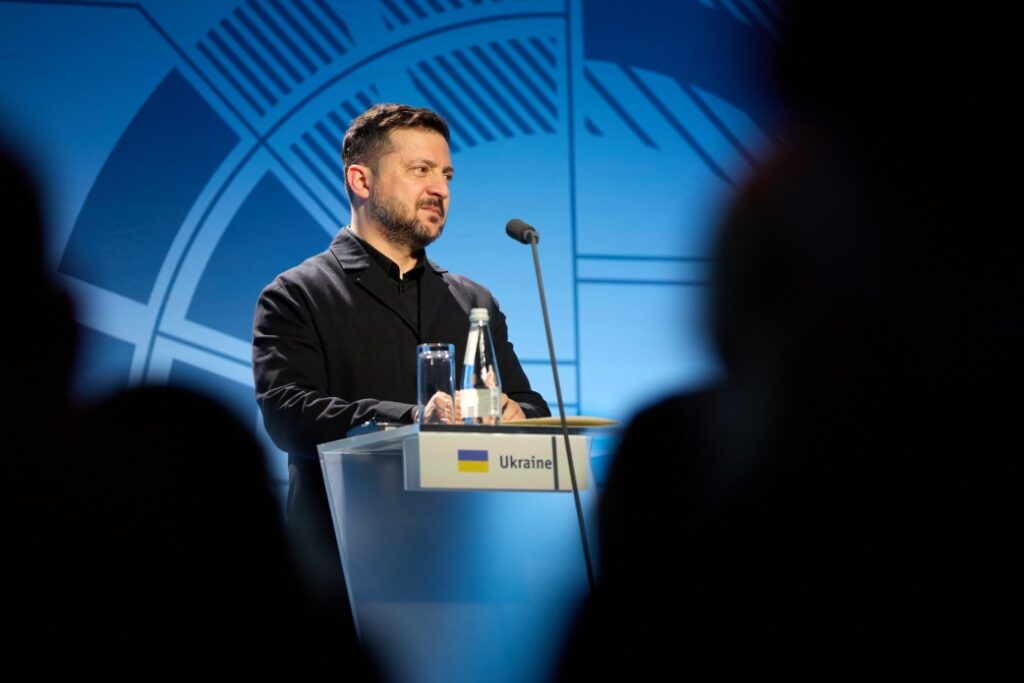
President of Ukraine Volodymyr Zelenskyy on 9 June 2026. Source: President's Office

Ukraine's new military command is now complete, and Ukrainian leader Volodymyr Zelenskyy says its first job is to change the army. The new leadership is preparing a modernization of the Defense Forces that must proceed in coordination and without easing pressure on the enemy, the president said in his evening address.

Zelenskyy dismissed Oleksandr Syrskyi as commander-in-chief on 21 July after six days of protests and named Mykhailo Drapatyi in his place. On 22 July, he appointed Major General Ihor Skybiuk as Chief of the General Staff, replacing Andrii Hnatov, per Interfax Ukraine. 

"The guys are combat-experienced. The troops know them, Drapatyi, Khmara, Skybiuk," Zelenskyy said, naming the new commander-in-chief, Acting Defense Minister Yevhenii Khmara, and the new General Staff chief.

Zelenskyy warns against transition gap

The Ukrainian leader said the next step is to prepare the modernization of the Defense Forces in such a way that denies Russian forces any chance to exploit the transitional period.

"It is important that everything goes absolutely coordinated, and that the Russians get no crack and no opportunity," Zelenskyy said.

Pressure on Russia must only grow, he added, listing long-range strikes, mid-strikes, partners' sanctions, and the strengthening of Ukrainian positions at the front. That list matches the program that Acting Defense Minister Khmara outlined after his meeting with Drapatyi, which is built on deep-strike, middle-strike, and ground robotic systems.

President thanks society and gives tasks to new command

Zelenskyy thanked military personnel and civilians for their trust in the new command and called for them to turn that trust into additional motivation for the Defense Forces.

"It is important that the guys are strong, that they justify the trust society has now demonstrated. We are giving all the tools," he said.

The trust he referenced is measurable and uneven. A Rating Group poll conducted on 20 and 21 July found 55% of Ukrainians backed Syrskyi's removal, while 72% also opposed Defense Minister Mykhailo Fedorov's dismissal and 5% supported it, sparking the protests. The command changes have satisfied the first number. The second remains the open question of the reshuffle, and Zelenskyy has still made no commitment on Fedorov's return.

  • ✇Euromaidan Press
  • Machines over men: Ukraine’s new military leadership adopted fired minister’s program
    Ukraine's new military leadership has named its program: machines over men. Ukraine will bet on long-range strikes, robotic systems, and other technologies to increase pressure on Russia and preserve the lives of Ukrainian soldiers, acting Defense Minister Yevhenii Khmara said after meeting the new Commander-in-Chief, Major General Mykhailo Drapatyi, according to the Ukrainian Defense Ministry.  The direction is the one championed by Mykhailo Fedorov, the reformist defense
     

Machines over men: Ukraine’s new military leadership adopted fired minister’s program

22 juillet 2026 à 10:12

Acting Defense Minister Yevhenii Khmara at the meeting the new Commander-in-Chief, Major General Mykhailo Drapatyi. Source: The Ukrainian Defense Ministry

Ukraine's new military leadership has named its program: machines over men. Ukraine will bet on long-range strikes, robotic systems, and other technologies to increase pressure on Russia and preserve the lives of Ukrainian soldiers, acting Defense Minister Yevhenii Khmara said after meeting the new Commander-in-Chief, Major General Mykhailo Drapatyi, according to the Ukrainian Defense Ministry. 

The direction is the one championed by Mykhailo Fedorov, the reformist defense minister whose dismissal on 15 July set off six days of nationwide protests. Fedorov is the architect of Ukraine's "Army of Drones" but was fired after a clash with then-Commander-in-Chief Oleksandr Syrskyi.

The protests demanded his reinstatement and Syrskyi's removal. Syrskyi is now gone, and Fedorov remains out of government, too.

What is first priority?

The first-priority decisions of the new military leadership, Khmara said, are to strengthen the front, reinforce support from international partners, and, to the maximum extent possible, transfer combat operations onto the aggressor's territory.

"We must scale what we are already effective at: deep strike, middle strike, ground robotic systems, and other solutions that preserve soldiers' lives and inflict maximum damage on the enemy," Khmara claimed.

Ukrainian units will receive more modern strike systems, above all long-range ones, and new technological solutions that let them carry out combat tasks with less risk to personnel.

"Ukraine will continue its strike and technological pressure on Russia by all available means," he said.

The statement is the first joint declaration of intent from the leadership that emerged from a week of protests.

Khmara says he proposed Drapatyi for job

The acting minister disclosed his own role in the appointment. Khmara said he fully trusts Drapatyi, whose candidacy he himself had earlier proposed to President Volodymyr Zelenskyy for the post of commander-in-chief.

"We agreed to be honest with each other, and to resolve all differences exclusively in the interests of Ukrainian soldiers," Khmara stated.

He and Drapatyi see the further development of the Defense Forces in the same way, he said, and Zelenskyy has backed that vision.

What the statement leaves unsaid is the question the protests have not dropped: whether Fedorov himself returns.

Ukraine’s dismissed army chief departs with claim: he’s handing his successor army on offensive, with 700 km² liberated this year

22 juillet 2026 à 07:41

Russian losses hit 421,000 in 2024 - highest of war, Ukraine's top general says

Former Commander-in-Chief Oleksandr Syrskyi said in a statement on the morning of 22 July that he is passing on to his successor an army that not only holds the defense but is also on the offensive. He has seen this war "from its first day in 2014," he wrote, has "lived the front," and knows the price of every liberated kilometer of Ukrainian land.

The statement is Syrskyi's own account of his tenure, published the morning after Zelenskyy replaced him with Mykhailo Drapatyi following six days of protests.

Syrskyi claimed that 700 square kilometers of Ukrainian land were liberated this year under his command, and an army that two years ago fought a hard defense now attacking "with initiative, with structure, with people who know how to strike the enemy."

"I sincerely hope this offensive will be continued. Everything for it is in place," Syrskyi wrote.

"Destruction of most combat-capable part of Russian army"

In February-March 2022, Syrskyi said he had the honor of commanding the defense of Kyiv, and the capital held. That spring, the threat of a full siege of Kharkiv was lifted, too.

Then came the Kharkiv counteroffensive, when Balakliia, Izium, and Kupiansk were liberated in a matter of weeks, and later, in Donetsk Oblast, what he called the destruction of the most combat-capable part of the Russian army, the Wagner private military company, happened.

He took command in February 2024 "at a very difficult time," with Avdiivka's defenders standing half-encircled. One of his first orders was the organized withdrawal from the city.

"It was a hard decision. But I made it, because for me one main priority applied: preserving people's lives," he wrote.

Then, he said, came "a year that changed the course of this war": stopping the Russian offensive in Kharkiv Oblast, preempting the one aimed at Sumy, and conducting the Kursk operation. This was the first transfer of combat operations onto enemy territory in this war. 

The goal was never to occupy foreign land, he stressed, but to derail the prepared Russian offensive on Sumy and Kharkiv, draw off Russia's most capable troops, and replenish the exchange fund to bring Ukrainians home from captivity. All of it, he said, was accomplished.

He lists structural changes alongside battles

Syrskyi claimed the army's transformation as well as its operations.

Ukraine became the first country in the world to create a separate branch of unmanned systems forces, he noted, growing them "from individual units to a system that today makes the enemy feel it has no safe rear."

A new air defense was built: a separate command for unmanned air-defense systems, staffed interceptor-drone crews, and an echeloned shield over the rear.

"What was recently the experiment of enthusiasts today shoots down every night what was considered undownable," he said.

He cited the closure of the Black Sea port of Novorossiysk, the systematic destruction of Russia's shadow fleet, the army's transition to a corps structure, and combat officers arriving on staff, with a new rule that "the path to leadership positions runs through the front."

This year's Dobropillia operation and the offensive on the Oleksandrivka direction, he said, continue. Of some operations, he still has no right to speak: "History will tell of them. I will say only: the enemy remembers them."

Ukraine’s New Military Chief Faces a Monumental Test

22 juillet 2026 à 08:33
Maj. Gen. Mykhailo Drapatyi faces a balancing act between asserting the independence favored by military reformers and accommodating political input on battlefield strategy.

© Ukrainian Presidential Press Service, via Reuters

In a photograph released by the Ukrainian Presidential Press Service, Maj. Gen. Mykhailo Drapatyi attended a meeting with President Volodymyr Zelensky in Kyiv, Ukraine, on Monday.

From “flying BMP” to commander-in-chief: Ukraine’s new army leader stopped Russia at Kryvyi Rih and held Vovchansk

22 juillet 2026 à 05:15

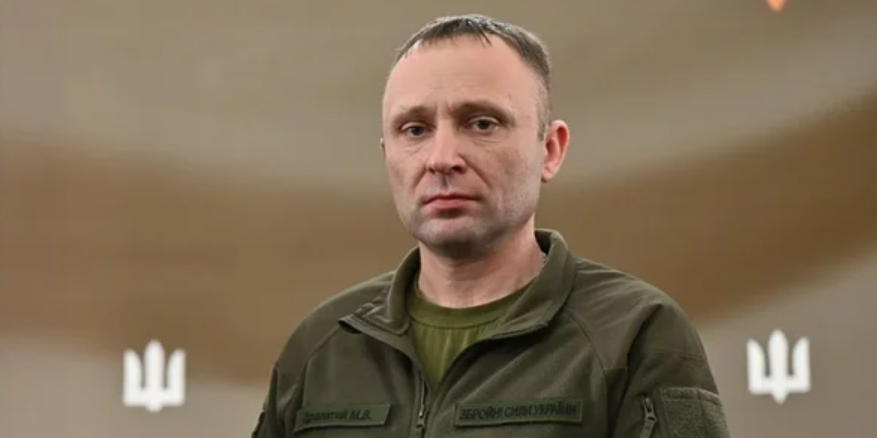
Major General Mykhailo Drapatyi, a new Ukrainian top commander. Source: The Ukrainian Defense Ministry

"Serving Ukraine has always been an honor for me, and during a war for independence, it means absolute responsibility." These words appeared in Major General Mykhailo Drapatyi's first statement after his appointment as Ukraine's new commander-in-chief.  

His appointment came after six days of protests against the resignation of Defense Minister Mykhailo Fedorov and in support of the dismissal of Oleksandr Syrskyi, who has been criticized for his Soviet-rooted command style.

"I thank the President of Ukraine for the trust, the Defense Minister for the support, and the Defense Forces for a new stage of service," Drapatyi wrote.

He also said that he is grateful to Commander-in-Chief of the Armed Forces of Ukraine Oleksandr Syrskyi for his consistent efforts to strengthen the Ukrainian army.

"I grew up in it. I will work responsibly, with focus, and with respect for the people who defend our state today. Glory to the nation. Death to the enemies," he claimed.

Zelenskyy announced the appointment on 21 July, the most significant shake-up of Ukraine's military leadership since the full-scale invasion began. The 43-year-old Drapatyi was the protesters' favored candidate — and his biography explains why.

Drapatyi's full-scale war began inside flying BMP

Drapatyi's path started in the 72nd Separate Mechanized Brigade. In May 2014, at the start of Russia's aggression, he commanded the brigade's 2nd Battalion during the operation to free hostages in Mariupol, per RBC-Ukraine.

The famous "flying BMP" video comes from that fight with an infantry fighting vehicle that rammed a barricade of pro-Russian militants at speed and leaped over it. Drapatyi gave the order for that assault from inside the vehicle.

That summer, his unit was caught in a fire pocket near the border in Luhansk Oblast. Under prolonged artillery fire from Russian territory, Drapatyi took responsibility and led 260 soldiers and more than 30 vehicles out of the "Izvaryne cauldron", covering 160 kilometers under fire.

He later commanded the 58th Separate Motorized Infantry Brigade in Avdiivka and on the Bakhmut highway, and was awarded the British Queen's transferable sword as the best graduate of the National Defense University.

He stopped Russia at Kryvyi Rih and helped free Kherson

In March 2022, he took over the "South" operational grouping, which stopped the Russian advance on Kryvyi Rih. In the fall of 2022, he led the "Kherson" grouping during the successful operation to liberate the right bank of Kherson Oblast.

In May 2024, he took command of the "Kharkiv" operational-tactical group as Russia opened its new offensive and stopped the threat near Vovchansk. Then, Zelenskyy singled him out when appointing him commander of the Land Forces in November 2024.

Under his later Joint Forces command, Ukrainian units, including the Khartiia Brigade, recaptured swathes of territory around Kupiansk.

He once resigned to take responsibility for the killed soldiers. In June 2025, Drapatyi submitted his resignation as Land Forces commander after Russian strikes on Ukrainian training centers hit the defenders. But after a conversation with the president, he moved to command the Joint Forces instead.

Former Ukraine’s commander has words for Ukraine’s new army chief: It will be “much harder than he imagines”

22 juillet 2026 à 03:56

The image shows former Commander-in-Chief of the Armed Forces of Ukraine Oleksandr Syrskyi and former Commander-in-Chief of the Armed Forces of Ukraine Valerii Zaluzhnyi. Source: Zaluzhnyi

Valerii Zaluzhnyi, Ukraine's ambassador to the United Kingdom and former commander-in-chief of the Armed Forces, commented on Telegram on the appointment of Major General Mykhailo Drapatyi as commander-in-chief.

On 21 July, Ukrainian President Volodymyr Zelenskyy announced that Drapatyi will replace Oleksandr Syrskyi, with the General Staff's configuration to be renewed in the most significant shake-up of Ukraine's military leadership since the full-scale war began, following six days of nationwide protests.

A person's calling, Zaluzhnyi wrote, is filled above all with moral principles and values that form honor, "which is dearer than any posts and awards." Those who think and act otherwise, he added, "will always, sooner or later, receive shame."

The words carry the weight of the author's own history. Zaluzhnyi was himself dismissed as commander-in-chief by Zelenskyy in February 2024, at the height of his popularity with no public explanation, and replaced by Syrskyi — the man now removed. He commented on the change from London, where Zelenskyy sent him as ambassador to the UK.

"Much harder than he imagines"

Zaluzhnyi's message to his successor's successor is a warning wrapped in confidence.

"It will be very hard for the new commander-in-chief of the Armed Forces of Ukraine. Much harder than he imagines. But Mykhailo will certainly never be ashamed. A man of honor has no idol, so he has nothing to lose. The only thing he has is duty," Zaluzhnyi wrote.

Honor, he said, "creates ideas and seeks ways to realize them. And it is this that drives one to seek people who will carry their heavy cross with you, with honor."

Drapatyi inherits reformist mandate and strained army

Drapatyi, 43, arrives as the protesters' candidate. Demonstrators, soldiers, and veterans widely viewed the Joint Forces Commander and former Land Forces chief as the leading choice to replace Syrskyi, whose centralized, Soviet-rooted command style drew criticism for micromanagement and, some soldiers said, unjustifiably high losses.

Drapatyi is seen as a general of a new generation.

He had also aligned himself publicly with the reform camp whose defeat triggered the crisis. Drapatyi praised dismissed Defense Minister Mykhailo Fedorov's six months at the ministry as a genuine effort to change long-standing military rules. 

"The military needs change, but without justice, no change will make sense to the people who carry this war on their shoulders every day," he warned.

Zelenskyy thanked Syrskyi for delivering results in the defense of Kyiv, the Kharkiv counteroffensive, and the Kursk operation. The protests that ran from 16 to 21 July had demanded both Fedorov's reinstatement and Syrskyi's removal. Whether the first follows remains the open question of the reshuffle.

Mykhailo Drapatyi: What to Know About Ukraine’s New Top General

21 juillet 2026 à 19:39
Maj. Gen. Mykhailo Drapatyi, a decorated commander, is popular both inside and outside of his country.

© Genya Savilov/Agence France-Presse — Getty Images

Maj. Gen. Mykhailo Drapatyi speaking to journalists in Ukraine last year.
  • ✇Euromaidan Press
  • Breaking: Zelenskyy dismisses Ukraine’s commander-in-chief after week of political turmoil
    Ukrainian President Volodymyr Zelenskyy announced on 21 July that Major General Mykhailo Drapatyi will become Ukraine's next commander-in-chief, replacing Oleksandr Syrskyi in the most significant shake-up of the country's military leadership since the start of Russia's full-scale invasion. Syrskyi's replacement follows a week of upheaval that began with Zelenskyy's dismissal of the popular reformist Defense Minister Mykhailo Fedorov. The move exposed deep divisions ove
     

Breaking: Zelenskyy dismisses Ukraine’s commander-in-chief after week of political turmoil

21 juillet 2026 à 15:44

Commander-in-Chief of the Armed Forces of Ukraine Oleksandr Syrskyi. Source: Syrskyi

Ukrainian President Volodymyr Zelenskyy announced on 21 July that Major General Mykhailo Drapatyi will become Ukraine's next commander-in-chief, replacing Oleksandr Syrskyi in the most significant shake-up of the country's military leadership since the start of Russia's full-scale invasion.

Syrskyi's replacement follows a week of upheaval that began with Zelenskyy's dismissal of the popular reformist Defense Minister Mykhailo Fedorov. The move exposed deep divisions over military reform and battlefield strategy, with Fedorov publicly criticizing Syrskyi's leadership and the decision prompting several days of protests across Ukraine.

Zelenskyy said the decision followed consultations with Drapatyi, SBU special operations commander Yevhen Khmara, and presidential office deputy head Pavlo Palisa on restructuring the General Staff. 

He thanked Syrskyi for leading Ukraine's defense during the Battle of Kyiv, the 2022 Kharkiv counteroffensive, and the Kursk operation, adding that he, Syrskyi, and Chief of the General Staff Andrii Hnatov had also discussed the transition and their future roles.

"Tomorrow we will formalize all the decisions," Zelenskyy said in his evening address. "Ukraine must emerge stronger from this situation, and it must become harder for Russia."

Zelenskyy also said he met with Fedorov today and offered him a new role in government focused on bringing together Ukraine’s technological capabilities and supporting their development. The president did not specify the position.

Drapatyi thanks Zelenskyy and Syrskyi

Drapatyi thanked Zelenskyy for his trust and Ukraine’s Defense Minister for their support, saying that serving Ukraine during the war of independence carries “absolute responsibility.”

He also thanked Syrskyi for his work in strengthening the Armed Forces, saying he had grown professionally under Syrskyi’s leadership.

“I will work responsibly, with focus, and with respect for the people who are defending our state today,” Drapatyi wrote on Facebook.

Ukraine's new Commander-in-Chief of the Armed Forces Mykhailo Drapatyi. Photo: Mykhailo Drapatyi on Facebook

Fedorov welcomes Drapatyi’s appointment

Former Defense Minister Mykhailo Fedorov welcomed Drapatyi’s appointment, calling it “new air and new hope” in Ukraine’s fight for independence and justice.

Fedorov said the new military leadership would need to meet high expectations with a clear vision for ending the war, a strong team, and actions focused on preserving soldiers’ lives, expanding battlefield robotics, carrying out asymmetric strikes, and weakening Russia’s economy.

He also thanked Syrskyi for his role in defending Kyiv Oblast, the Kharkiv counteroffensive, and other major battles, calling them an important part of Ukraine’s history. At the same time, Fedorov said Ukraine needed to move faster and correct past mistakes.

A week of turmoil

Syrskyi's dismissal comes less than a week after Zelenskyy removed Fedorov in the most significant government reshuffle since the start of the full-scale war.

The move quickly evolved into a public confrontation over the future direction of Ukraine's military. Zelenskyy acknowledged that relations between the Defense Ministry and the Armed Forces' leadership had broken down, saying he ultimately had to choose between Fedorov and Syrskyi because the two could no longer work together effectively.

Fedorov accused Syrskyi of blocking reforms

Following his dismissal, Fedorov publicly confirmed he had been in conflict with Syrskyi, accusing the commander-in-chief of obstructing military reform and resisting changes needed to adapt Ukraine's armed forces to modern, drone-centric warfare.

He said initiatives developed by the Defense Ministry were systematically blocked after Zelenskyy decided to keep Syrskyi in command. Fedorov also accused the general of fueling internal divisions rather than focusing on defeating Russia, while stressing that he respected the president's authority as supreme commander.

The former defense minister argued that Ukraine needed fundamental changes to its military leadership to gain an advantage over Russia, framing the dispute as one between reform and the preservation of existing command structures.

At its core, the dispute represented a clash between two visions for Ukraine's military future: a faster transition toward a technology-driven force centered on drones and innovation, and a more traditional command approach focused on established military structures and battlefield experience.

mykhailo fedorov
Then-Defense Minister Mykhailo Fedorov (center) during a visit to the TNO defense research center in the Netherlands, one of the partnership trips he highlighted in his farewell message. Photo: Mykhailo Fedorov / Telegram

Rare wartime protests spread across Ukraine

Fedorov's dismissal sparked the largest public protests seen in Ukraine since Russia's full-scale invasion began.

Demonstrations began in Kyiv before spreading to cities including Lviv, Odesa, Dnipro, and others, with protesters demanding Fedorov's reinstatement and Syrskyi's removal. Many argued that replacing the architect of Ukraine's defense technology reforms risked slowing military innovation at a critical stage of the war.

The protests continued across Ukraine on 21 July, with demonstrators again calling for Fedorov's reinstatement and Syrskyi's dismissal. Protesters carried signs reading "Bring Fedorov back" and "Syrskyi out," accusing the military leadership of resisting reform.

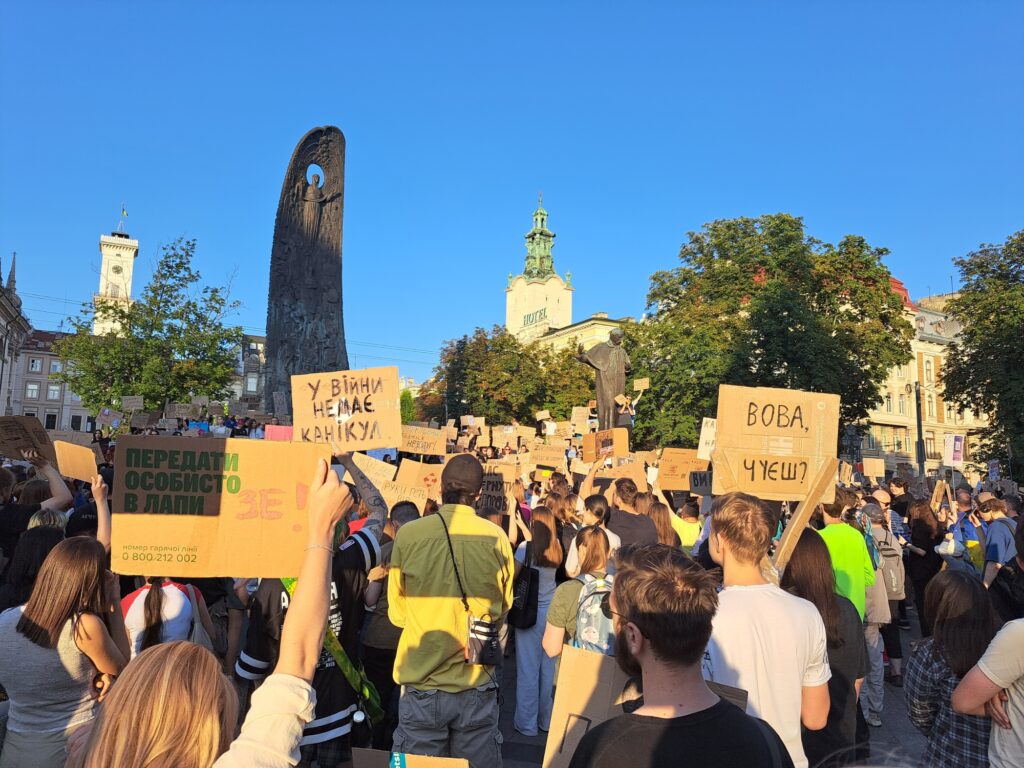
protesters in lviv on 20 july 2026, the fifth day of rallies over the government change
Protesters at the Taras Shevchenko monument in Lviv on 20 July 2026, the fifth straight day of rallies over the government reshuffle. Cardboard signs read “To be handed personally into Ze’s paws!”—mimicking the wording of a hand-delivered letter to President Volodymyr Zelenskyy—alongside “There are no vacations in war,” a jab at lawmakers on summer recess, and “Vova, can you hear?”, using the president’s diminutive. Photo: Euromaidan Press

Zelenskyy consulted military leaders as pressure mounted

As pressure mounted following Fedorov's dismissal, Zelenskyy launched consultations on the future leadership of Ukraine's Armed Forces.

Over the last several days, the president met with senior military commanders, government officials, and representatives of the defense sector, but did not confirm that the consultations were related to changes in the military's command structure. 

He said the discussions focused on improving coordination, accelerating battlefield innovation, and strengthening Ukraine's ability to respond to Russia's evolving tactics.

The consultations came amid growing public debate over the direction of Ukraine's armed forces, with supporters of Fedorov arguing that the military needed to accelerate reforms and expand its use of emerging technologies, particularly drones and autonomous systems, while others stressed the need for continuity in wartime command.

Zelensky Dismisses Ukraine’s Top General After Protests

21 juillet 2026 à 17:39
The move followed the firing of a popular defense minister, who had clashed with the general over how to fight the war.

© Brendan Hoffman for The New York Times

Volodymyr Zelensky and the Ukrainian commander in chief, Oleksandr Syrskyi, in Ukraine’s Donetsk region in March.

As rumors swirl over Syrskyi’s future, Zelenskyy meets commanders and top general warns against political infighting

19 juillet 2026 à 11:38

Ukrainian President Volodymyr Zelenskyy met with senior commanders of Ukraine's Armed Forces on 19 July, 2026. Photo: Zelenskyy

Ukrainian President Volodymyr Zelenskyy said he held another round of meetings with senior Ukrainian military commanders on 19 July, as reports continue to swirl that he is considering replacing Commander-in-Chief Oleksandr Syrskyi.

The meetings come amid growing speculation over the future of Ukraine's military leadership after former Defense Minister Mykhailo Fedorov publicly revealed disagreements with Syrskyi and said he had urged Zelensky to replace him. The reports have emerged alongside political tensions and protests across the country, intensifying scrutiny of the government's wartime leadership.

The discussions come after the Financial Times, citing a source in the Presidential Office, reported that Zelenskyy planned to meet military commanders over the weekend to hear battlefield assessments and interview potential successors to Syrskyi. 

Zelenskyy meets three senior commanders

In a statement, Zelenskyy said he spoke with Joint Forces Commander Mykhailo Drapatyi, Deputy Chief of the General Staff Volodymyr Horbatiuk, and Air Assault Forces Commander Oleh Apostol.

"Each of them is well known in the army," Zelenskyy said. "They reported on the situation in the relevant sectors, and we also discussed the overall course of the war."

According to the president, the commanders briefed him on the situation in Sumy, Kharkiv, Luhansk, and Donetsk oblasts. They also discussed strengthening Ukraine's air defenses, fulfilling contracts for the production of all types of drones, and operations on the Oleksandrivsk direction involving the Air Assault Forces.

"It is important to assess our strategy going forward and Ukraine's proactive steps – how to force Russia to end this war with a dignified peace for Ukraine and guaranteed security," Zelenskyy said. "There are various components to this, and I want to hear how commanders at different levels across Ukraine's Defense and Security Forces see it."

He added that he would hold further "key talks" on 20 July.

Consultations follow reports of possible leadership changes

The latest meetings follow several days of consultations with commanders across Ukraine's military.

On 18 July, Zelenskyy said he spoke with the commanders of six army and Air Assault Forces corps fighting on some of the most active sectors of the front. Earlier, he also held discussions with Unmanned Systems Forces Commander Robert Brovdi, National Guard Azov Corps Commander Denys Prokopenko, National Guard Khartiia Corps Commander Ihor Obolenskyi, Air Assault Forces Deputy Commander Andrii Tkachuk, acting 19th Army Corps Commander Valerii Skred, and Third Army Corps Commander Andrii Biletskyi.

The broad consultations have attracted attention after recent reports suggested Zelenskyy was reviewing Ukraine's senior military leadership.

Former Defense Minister Minister Mykhailo Fedorov recently said he had clashed with Syrskyi over military leadership, claiming he had proposed replacing both the commander-in-chief and Chief of the General Staff Andrii Hnatov.

Ukrainska Pravda, however, cited sources who said the 18 July discussions with frontline commanders did not involve Syrskyi or his possible dismissal.

Neither Zelensky nor the Presidential Office has publicly confirmed that Syrskyi's position is under review.

Air Assault commander defends military leadership

The same day, Air Assault Forces Commander Oleh Apostol, one general with whom Zelenskyy met, published a lengthy statement defending the military chain of command and urging soldiers to stay out of political disputes.

Apostol, a career officer who has fought since 2014, said Ukraine's armed forces "were, are, and will remain outside politics" and stressed that commanders bear personal responsibility for the lives of their troops and the decisions they make on the battlefield.

"Where discipline ends, chaos begins. And chaos always works in the enemy's favor," he wrote.

Without naming anyone directly, Apostol criticized sweeping public attacks on Ukraine's senior military leadership by people who have never commanded troops in combat.

"Criticism can be substantive, professional, and well-founded. But humiliation, baseless accusations, and public insults against the honor and dignity of the highest military command are unacceptable," he wrote, warning that such attacks undermine trust in the armed forces and benefit Russia.

While Apostol did not mention Syrskyi by name, his statement appeared to respond to the growing public debate over the commander-in-chief's future.

Zelensky has publicly framed the meetings as part of broader consultations on battlefield conditions, military strategy, force requirements, and strengthening Ukraine's defense capabilities, rather than discussions about changes in military leadership.

❌