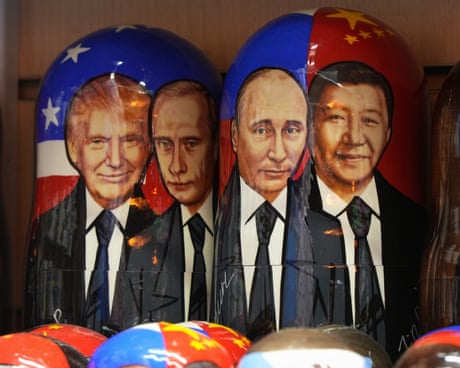
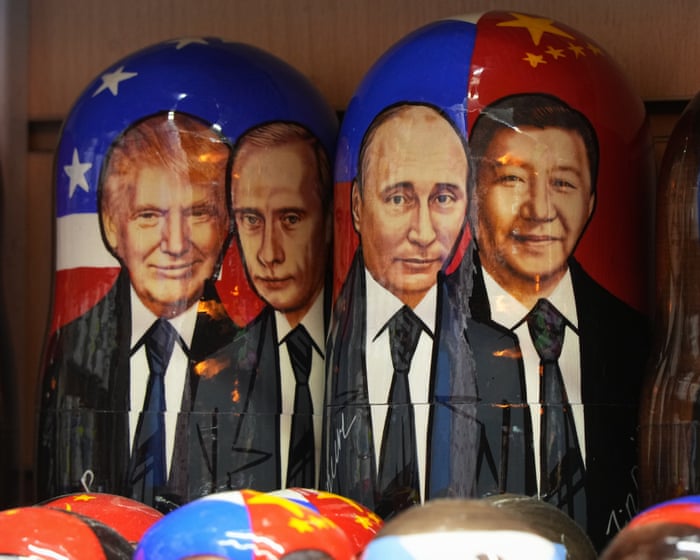
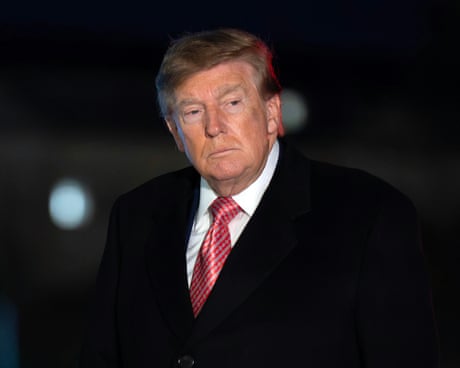
We’ve heard much about the end of the west. At the proposed summit between Trump, Putin and Xi, those fears could crystalliseIn the final two years of a US presidency, when Congress has been lost, approval ratings have sunk like a stone and their party has started to think about who’s coming next, the person occupying the Oval Office can feel their power draining away. Domestic legislation, particularly in an era where bipartisan cooperation is almost nonexistent, grinds to a halt. But as the da
We’ve heard much about the end of the west. At the proposed summit between Trump, Putin and Xi, those fears could crystallise
In the final two years of a US presidency, when Congress has been lost, approval ratings have sunk like a stone and their party has started to think about who’s coming next, the person occupying the Oval Office can feel their power draining away. Domestic legislation, particularly in an era where bipartisan cooperation is almost nonexistent, grinds to a halt. But as the days tick by until the end, and as presidents begin to think about their legacy, there is one part of the job where they still have power: the rest of the world.
In the final weeks of his presidency in 1992 George HW Bush sent 28,000 American troops to Somalia to help end a famine. For Bill Clinton, it was a quixotic attempt to bring peace to the Middle East by ending the Israeli-Palestinian conflict. Barack Obama restored diplomatic ties with Cuba, making a historic visit to Havana, as well as a final, successful push on the Iran nuclear deal.
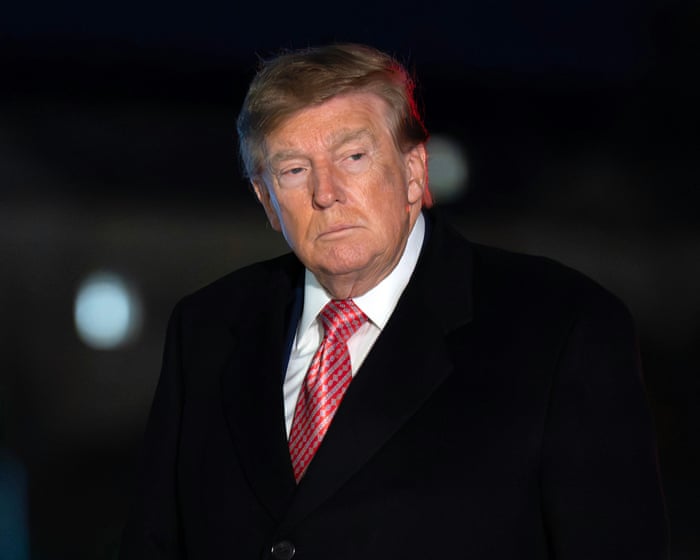
Russia wants America and China to decide Ukraine’s future without Kyiv. Europe must challenge this dangerous return to diplomacy of the strong for the strongDoes Vladimir Putin know exactly how to play Donald Trump? The history of chummy phone calls, high-profile meetings and attempts to bring Russia in from the cold certainly suggests that Moscow’s thuggish ruler has a hold on this American president. If Mr Trump agrees to negotiate Ukraine’s future with Mr Putin and China’s Xi Jinping without
Russia wants America and China to decide Ukraine’s future without Kyiv. Europe must challenge this dangerous return to diplomacy of the strong for the strong
Does Vladimir Putin know exactly how to play Donald Trump? The history of chummy phone calls, high-profile meetings and attempts to bring Russia in from the cold certainly suggests that Moscow’s thuggish ruler has a hold on this American president. If Mr Trump agrees to negotiate Ukraine’s future with Mr Putin and China’s Xi Jinping without Ukraine at the table, he will have handed the Russian leader a victory before talks begin. The message will be that strongmen are ruling the world and determining the fate of weaker nations.
Ukraine has the right to determine its future. That right cannot be waved away by a self-serving Russian proposal, however much it indulges Mr Trump’s belief that world affairs should be settled by powerful men. The scales are falling from European eyes. Trumpian America is raising doubts about whether it will help deter aggression or even honour its Nato commitments. If Washington now rewards Moscow and pressures Ukraine to accept a raw deal, it would be a betrayal. European governments would wonder where America might be in the future when their own security is threatened.
Do you have an opinion on the issues raised in this article? If you would like to submit a response of up to 300 words by email to be considered for publication in our letters section, please click here.
Returning to China after decades away, a correspondent finds bullet trains, dazzling skylines — and a surveillance state more paranoid and pervasive than ever.
Returning to China after decades away, a correspondent finds bullet trains, dazzling skylines — and a surveillance state more paranoid and pervasive than ever.
Andrew Higgins riding a car past Tiananmen Square in January. He was at the square in June 1989 when the military assaulted people who were protesting corruption, inequality and inflation.
If China attacks Taiwan, Beijing may ask Moscow to open a second front against NATO states, NATO Secretary General Mark Rutte said in an interview with The New York Times (NYT) published on July 5.Fears of escalating Chinese military intervention in Taiwan have risen sharply since Russia launched its full-scale invasion of Ukraine in February 2022. The war has served as a possible model of how both Taipei and the international community might respond if Beijing decides to invade."There's an incr
If China attacks Taiwan, Beijing may ask Moscow to open a second front against NATO states, NATO Secretary General Mark Rutte said in an interview with The New York Times (NYT) published on July 5.
Fears of escalating Chinese military intervention in Taiwan have risen sharply since Russia launched its full-scale invasion of Ukraine in February 2022. The war has served as a possible model of how both Taipei and the international community might respond if Beijing decides to invade.
"There's an increasing realization, and let's not be naive about this: If Xi Jinping would attack Taiwan, he would first make sure that he makes a call to his very junior partner in all of this, Vladimir Vladimirovich Putin, residing in Moscow, and telling him, 'Hey, I'm going to do this, and I need you to keep them busy in Europe by attacking NATO territory,'" Rutte said.
"That is most likely the way this will progress. And to deter them, we need to do two things. One is that NATO, collectively, being so strong that the Russians will never do this. And second, working together with the Indo-Pacific — something President (Donald) Trump is very much promoting," Rutte added.
Western officials and analysts point to Russia's surging military expenditures amid its ongoing full-scale invasion of Ukraine.
In 2024, Russia's defense budget reportedly rose 42% in real terms, reaching $462 billion, surpassing the combined spending of all European nations, according to the International Institute for Strategic Studies.
NATO allies have cited Russia's military buildup, sabotage campaigns, and continued aggression against Ukraine as reasons to accelerate defense investments.
Rutte previously warned that Russia could rebuild its military capacity to threaten NATO territory within five years, urging members to act with urgency.
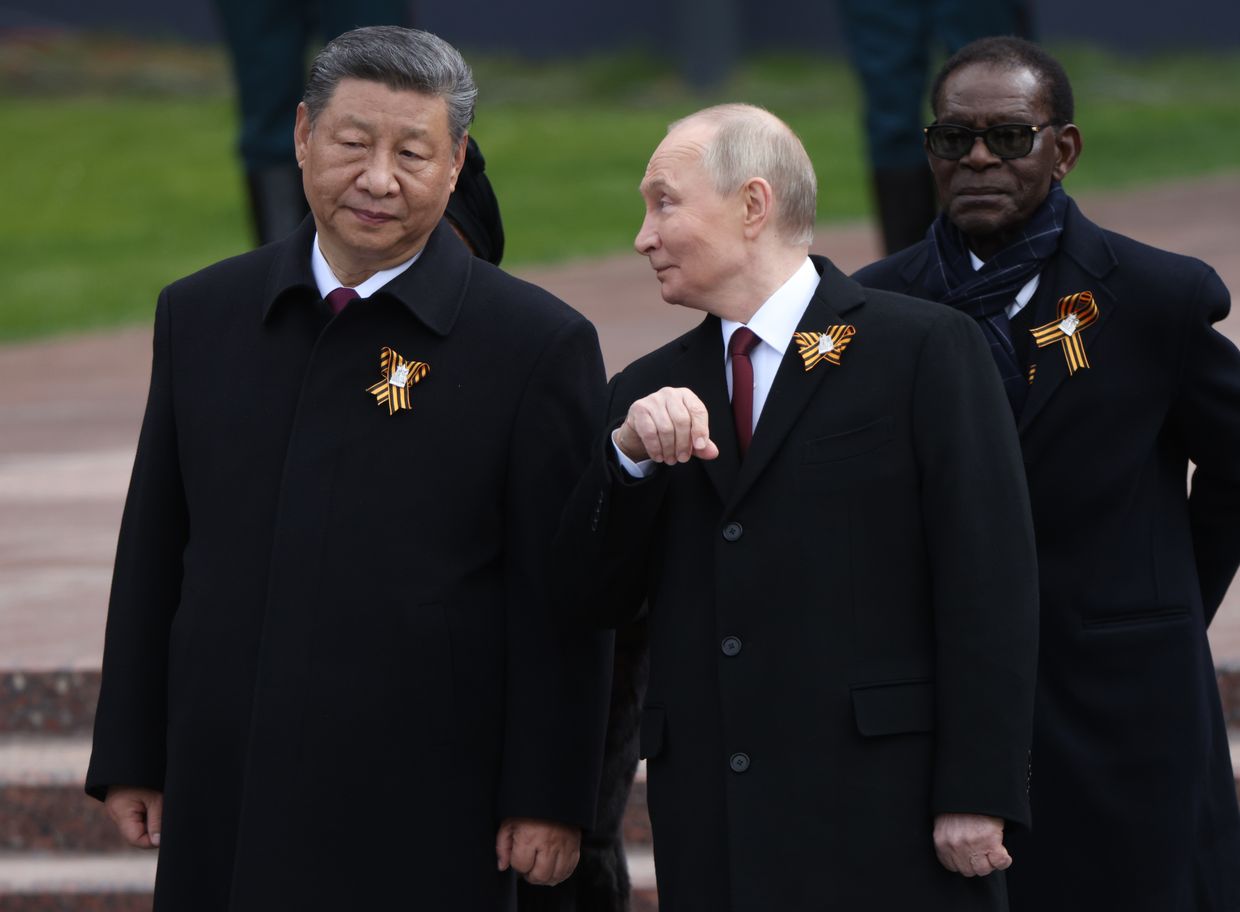
Russian President Vladimir Putin and Chinese President Xi Jinping agreed to meet in August and September and noted the supposed "rough edges" that emerged among G7 leaders during their summit, said Putin's aide, Yuri Ushakov, on June 19.In a phone call, the two leaders agreed to meet at the Shanghai Cooperation Organization summit in Tianjin, China, between Aug. 31 and Sept. 1, and hold bilateral talks on Sept. 2, Ushakov said, according to the state news agency TASS.China has been a key ally to
Russian President Vladimir Putin and Chinese President Xi Jinping agreed to meet in August and September and noted the supposed "rough edges" that emerged among G7 leaders during their summit, said Putin's aide, Yuri Ushakov, on June 19.
In a phone call, the two leaders agreed to meet at the Shanghai Cooperation Organization summit in Tianjin, China, between Aug. 31 and Sept. 1, and hold bilateral talks on Sept. 2, Ushakov said, according to the state news agency TASS.
China has been a key ally to Russia during its full-scale war, helping Moscow evade Western sanctions and becoming the leading source of dual-use goods fueling the Russian defense industry. Xi and Putin previously met during the Victory Day celebrations in Moscow in May.
While their phone call focused on the escalating security situation in the Middle East, the leaders also touched upon the G7 summit, noting "the well-known rough edges that emerged among the participants of this meeting," Ushakov said.
Putin and Xi also reportedly made mocking comments toward President Volodymyr Zelensky, saying it was not his "most successful trip abroad."
Zelensky was expected to meet U.S. President Donald Trump at the G7 summit in Canada, held from June 15 to 17, to discuss ways to increase pressure on Russia to end the war. Before Zelensky even arrived, Trump left the summit to address the escalating crisis in the Middle East, snubbing the meeting with the Ukrainian leader.
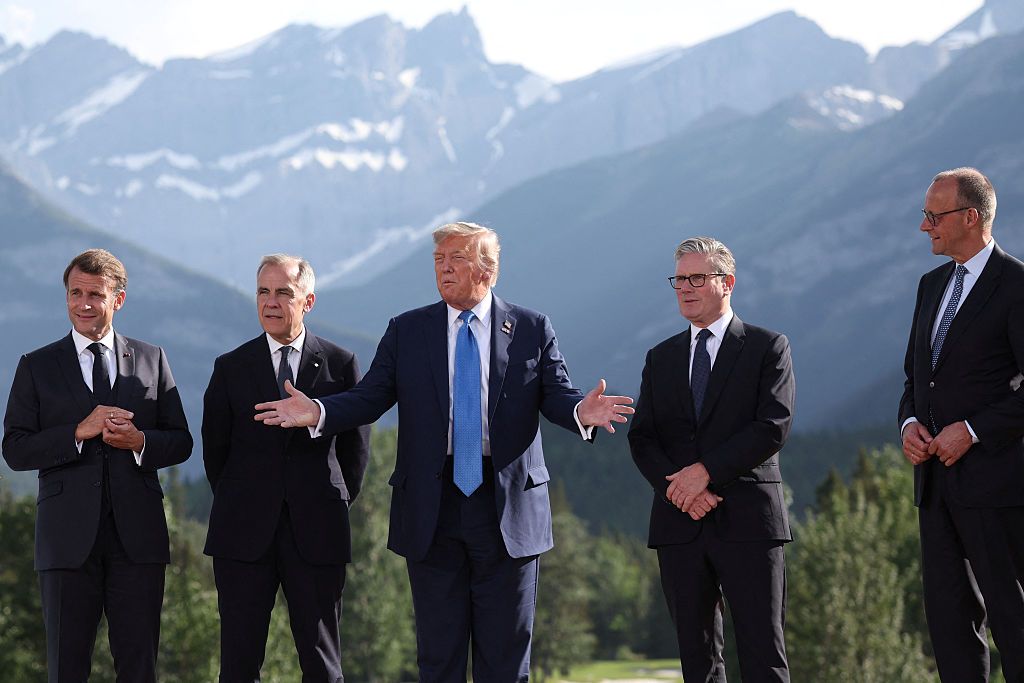
The G7 leaders were also unable to agree on a joint statement as the U.S. pushed for watered-down language on Russia. Instead, Canadian Prime Minister Mark Carney issued a summary saying that "G7 leaders expressed support for President Trump’s efforts to achieve a just and lasting peace in Ukraine."
"They recognized that Ukraine has committed to an unconditional ceasefire, and they agreed that Russia must do the same. G7 leaders are resolute in exploring all options to maximize pressure on Russia, including financial sanctions," the statement read.
While initially pledging to broker a swift peace deal between Kyiv and Moscow, Trump has become increasingly disengaged with the effort and resisted calls to increase pressure on Russia via additional sanctions.
Despite Trump's departure and disagreements with the U.S., Zelensky left the G7 summit with additional pledges of military support from Canada and new sanctions imposed against Russia's energy sector.
"Today, we have concrete decisions on increased military support, new tranches of aid funded by frozen Russian assets, and additional sanctions targeting what fuels Russia’s war," Zelensky said after the summit.
Zelensky also told the G7 leaders that "diplomacy is now in a state of crisis" and urged allies to press Trump "to use his real influence" to force an end to the war.

 Connexion