❌

Vue normale

Russia has kept the Red Cross away from Ukrainian POWs since 2024. Now about 1,500 captives it never confirmed as prisoners face prosecution
23 octobre 2026 à 07:20

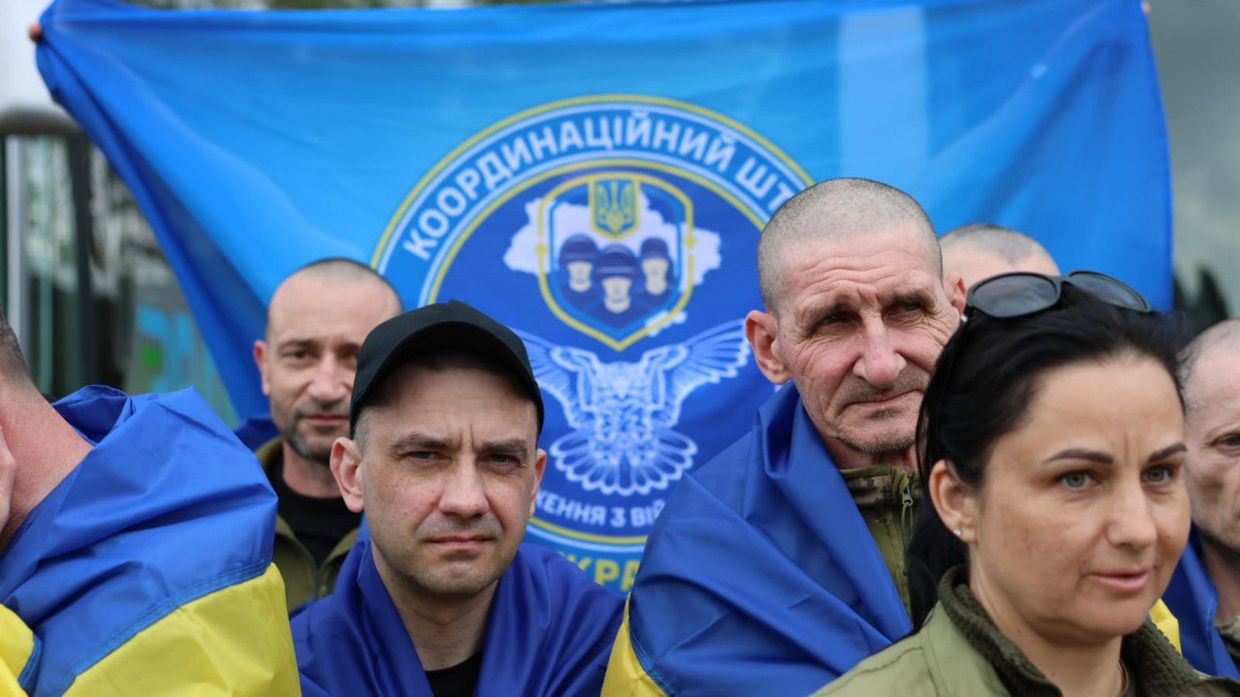
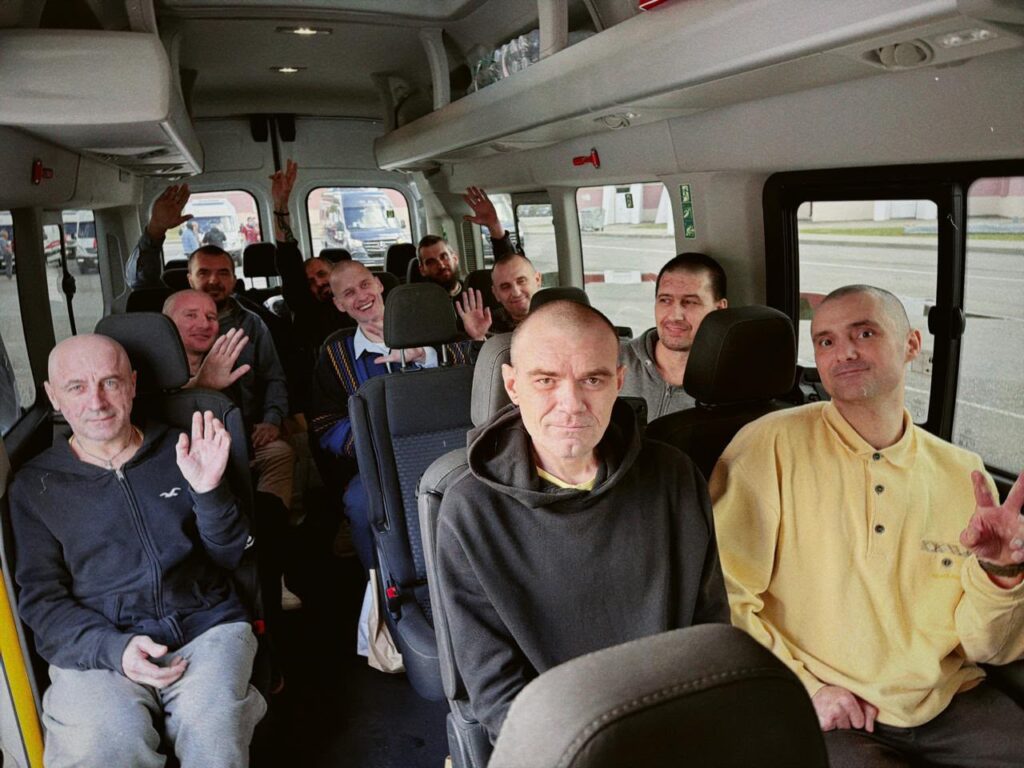
red cross has had access ukrainian pows russia since 2024 around 1500 captives face prosecution without having status confirmed—ukraine’s coordination headquarters · post returned servicemen inside minibus day release 24

About 1,500 Ukrainians held in Russia and occupied Ukraine are facing criminal prosecution even though the International Committee of the Red Cross (ICRC) has never confirmed them as prisoners, Petro Yatsenko, representative of Ukraine's Coordination Headquarters for the Treatment of Prisoners of War, said on 19 October at an event on missing persons at UN headquarters in New York. The event was organized by the permanent missions of Ukraine and Poland to the UN.

Without ICRC confirmation, there is no official record that a person is alive or held, which leaves captives without proper protection, the headquarters said. Amnesty International calls this enforced disappearance, a practice that puts people outside the protection of the law. The ICRC itself has been shut out. Under the Geneva Conventions it is supposed to visit prisoners of war, but on 18 September it told Reuters that Russia has given it no access to Ukrainian POWs since 2024. UN investigators have gathered evidence of systematic torture in the detention centers where they are held. Russia denies torturing or mistreating POWs.

Families lose track of captives as Russia moves them between prisons

Kateryna Nazarii, who coordinates families of the 24th Mechanized Brigade, is the wife of a Ukrainian serviceman held by Russia. The ICRC has not been able to confirm his status as a prisoner of war. Russia does not let the ICRC or other humanitarian organizations into the prisons where Ukrainians are held, and does not hand over complete lists of prisoners, Nazarii said at the event. When families do find out where a relative is held, she said, that person is moved to another prison, and contact is lost again.

Many of those whose captivity Russia has not confirmed are civilians. Among them, Yatsenko said, are about 200 young people born after 2000 and nearly 400 people over 60. None of them has been confirmed through the ICRC, according to the headquarters.

Secrecy and torture in Russian captivity

Most Ukrainian POWs are cut off from the outside world. In a March 2025 report, Amnesty International found that 24 of the 43 families of confirmed POWs it interviewed had received no word at all from their relative. Counting prisoners allowed only one brief call or text at the start of captivity, 72% of those 43 were held incommunicado. The UN monitoring mission found that only 21 of 174 former POWs it interviewed had been able to correspond with their families, Amnesty noted.

Silence is what makes the abuse possible, Amnesty argues. The UN monitoring mission found that 97% of former POWs it interviewed had been tortured or ill-treated, the report notes, and methods include beatings, electric shocks, burns, and sexual violence. A UN commission of inquiry concluded in 2024 that the torture amounted to a "coordinated state policy," the report adds.
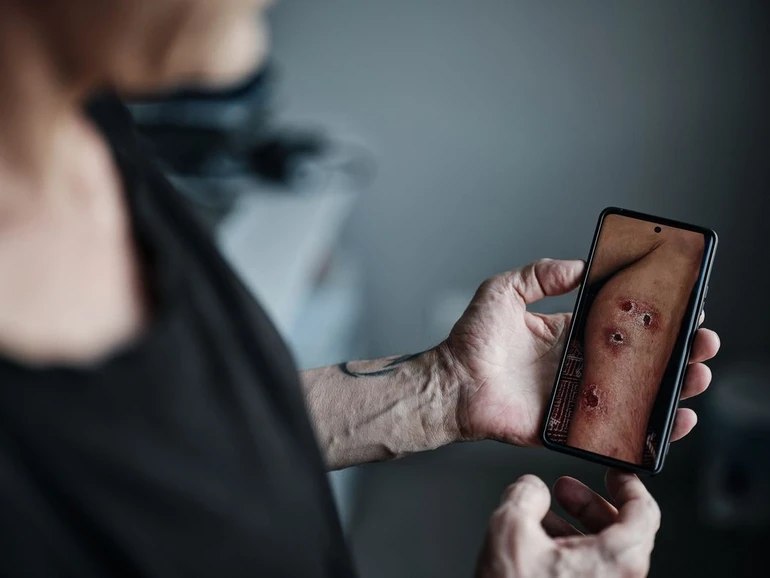
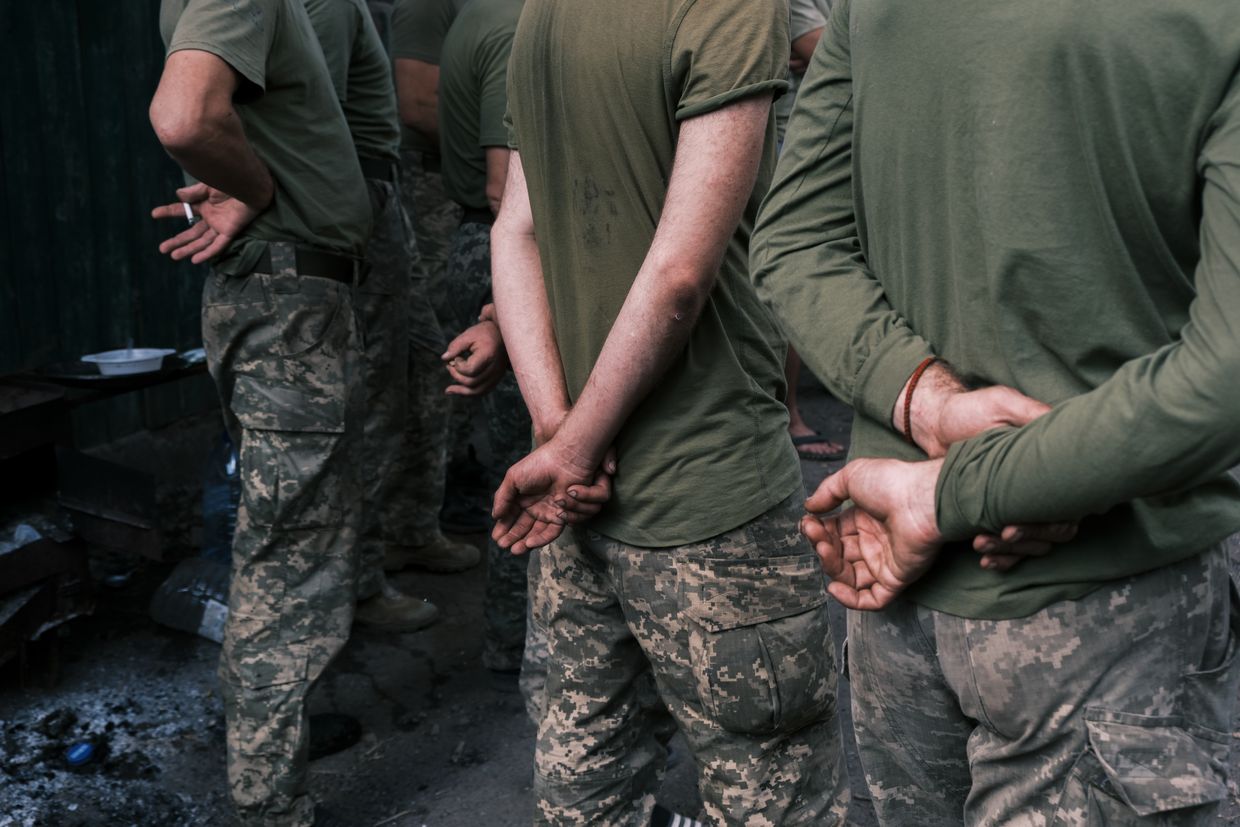
A Ukrainian defender who returned from Russian captivity shows the effects of his detention. June 2023
A Ukrainian defender who returned from Russian captivity shows the effects of his detention. June 2023. Photo: libkos/Instagram

When the Red Cross did get in, it saw what Russia chose to show. An OSCE expert mission reported in September 2025 that, according to former prisoners, Russian staff presented only prisoners in relatively good physical condition during ICRC visits and kept the sick and tortured out of sight. The experts also found that Russia blocked visits to some facilities and gave incomplete prisoner lists.

The unconfirmed are not a small group. A quarter of the 3,767 POWs who returned to Ukraine by November 2024 had never been confirmed by Russia as captives, the Coordination Headquarters said, as cited by Amnesty. Hundreds or possibly thousands more may still be held without Russia notifying the ICRC, Amnesty concluded.

Those who come back describe the conditions. Anatolii Zemlianyi, a soldier of the 2nd Assault Brigade released in the May 2025 exchange, told Frontliner that he spent eight months in a hospital in occupied Donetsk with a grenade wound in his leg and got no proper treatment. In captivity, he said, prisoners drank water from puddles.
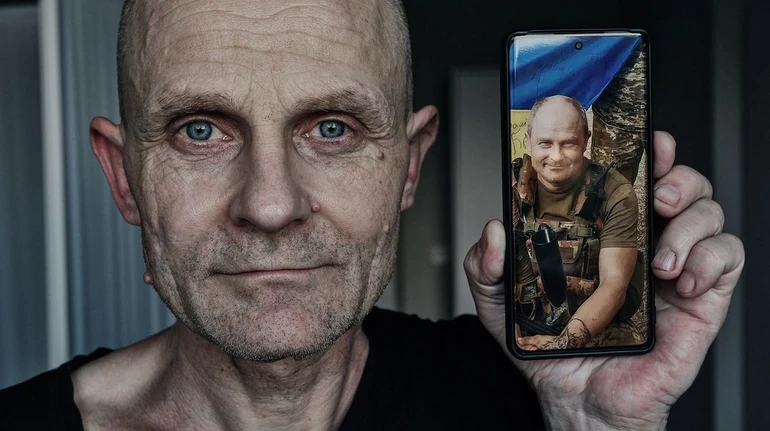
A Ukrainian service member who returned from captivity compares his current appearance with a photo taken before his detention. June 2023
A Ukrainian service member who returned from captivity compares his current appearance with a photo taken before his detention. June 2023. Photo: libkos/Instagram

Russia continues to hold Ukrainian civilians unlawfully

Nobody knows how many Ukrainian civilians Russia holds. "It is not known," the UN human rights office said in a September 2025 report, which cites Ukraine's Prosecutor General's Office as having identified 15,250 civilians detained by Russia between February 2022 and August 2025. Exchanges bring very few of them back: of 5,941 people released from Russian captivity between February 2022 and 14 August 2025, 352 were civilians, Ukraine's human rights commissioner Dmytro Lubinets told The Week.

Under the Fourth Geneva Convention, an occupying power may intern civilians only for imperative reasons of security, and only under a regular procedure with periodic review, the same UN report notes. Russia instead treats detained civilians as criminals, Oleksandr Kononenko, a representative of Ukraine's human rights commissioner, told relatives of civilian hostages in 2023.

"This convention clearly states that civilian hostages should not be detained. They should be released. What is Russia doing? It 'makes all these people criminals' and accuses them of terrorism, opposition to a special military operation, and assistance to the Ukrainian Armed Forces, which is completely absurd from the point of view of an independent state and those people who are patriots of their state," Kononenko said.

Kyiv believes Russia detains civilians partly to trade them. Regular civilian swaps risk signaling to Russia that by detaining more Ukrainians it could get more Russians released, so it may seize more people to replenish its "exchange fund," Lubinets said. Ukraine therefore demands that civilians be released unconditionally. Amnesty sees a second motive. It concluded that Russia has long used arbitrary arrest, torture, and enforced disappearance to intimidate civilians in areas it controls.

'Torture was not just cruel, it was inhuman' — Ukrainian soldier dies weeks after release from Russian captivity

8 juillet 2025 à 08:12
'Torture was not just cruel, it was inhuman' — Ukrainian soldier dies weeks after release from Russian captivity

Less than a month after his release from Russian captivity, 57-year-old soldier Valery Zelensky died of injuries sustained under torture, Ukrainian media outlet Suspilne reported on July 6.

Zelensky had spent 39 months in Russian captivity. He was released as part of the landmark 1,000-for-1,000 prisoner deal on May 25. Just 22 days later, on June 16, his heart stopped.

At the beginning of the full-scale invasion, his unit delivered weapons to Ukrainian forces in Mariupol, his daughter, Valeria Zelenka, said.

"When the offensive began, they were told that volunteers were needed to go on the assault. Out of 40 (people), eight said, 'We're going.' My father was one of them," she added.

The family did not immediately find out that he had been taken prisoner for some time, and he was considered missing in action. During his years in captivity, Zelensky's family received only one letter. He had long appeared on prisoner exchange lists but did not return until this year.

"The torture was not just cruel, it was inhuman. But he endured it," his daughter told Suspilne.

"He told me, 'Daughter, I endured it because of Kyokushin (a style of karate). I have discipline, I'm tough. My body and muscles protected me.'"

Valeria said her father had been overjoyed to come home and meet his grandson for the first time. He also expressed a desire to learn Ukrainian after years of speaking Russian.

Doctors initially treated him for suspected pancreatic issues, but his condition quickly deteriorated. During surgery, they discovered his organs were severely damaged. He died in intensive care days later.

"My father told me, 'Three people died among us from torture. And when I was in a very bad state, I asked God: Please let me see the eyes of my beloved,'" his daughter said.

A medical report listed extensive injuries. He had a non-functioning shoulder and arm and showed signs of multiple organ failures.

"The first feeling is inexhaustible pain that your loved one is no longer here. He was simply tortured," Valeria said. "And there is relief that he no longer feels that torture."

Zelensky's return was part of a wider prisoner exchange agreed during a first round of direct talks between Ukrainian and Russian delegations in Istanbul.

The case is the latest in a number of Ukrainian soldiers' deaths after their return from Russian captivity, highlighting the effects of "widespread and systematic" torture of prisoners of war (POWs) in Russian prisons, reported by the U.N.

Serhii Dobrovolskyi, a Ukrainian soldier who had been in Russian captivity since 2023, died just a month after his release at the end of May as part of a 1000-for-1000 prisoner swap, an official from the soldier's home region announced on June 21.

In 2023, a high-ranking officer from the "Azov" brigade, Oleh Mudrak, died at 35 years old, months after his release from Russian captivity.

As a POW, he survived the Olenivka camp explosion and endured a dramatic weight loss in just 100 days, as seen in the photos published by Stanislav Aseyev, a Ukrainian writer and activist.

Dmytro Shapovalov, a 32-year-old defender of Ukraine who was exchanged in 2023 after over a year in Russian prisons, died on June 9, according to Suspilne.

Ukrainian prisoners of war (POWs) held in Russian captivity often face torture, abuse, and inhumane treatment, according to Ukrainian officials and human rights groups.

Many former POWs have reported beatings, starvation, and psychological pressure.

The exact number of Ukrainians currently held by Russia remains unknown. Kyiv continues to call for a full all-for-all exchange. Moscow has repeatedly rejected the offer.

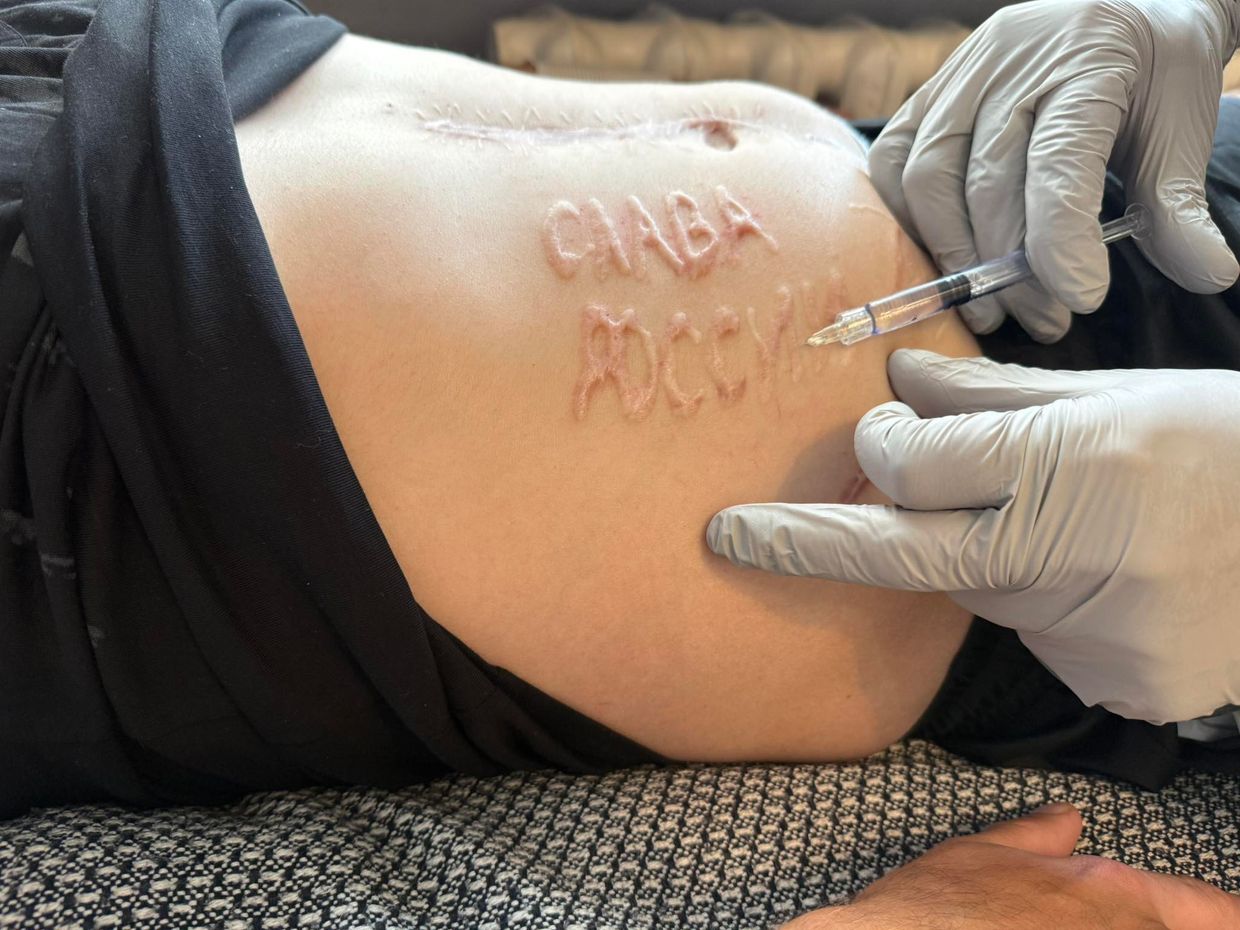
‘Beyond cynical’ – Russian doctor carved ‘Glory to Russia’ scar on POW during operation, Ukraine says
After more than three years of Russia’s full-scale invasion, each new revelation of cruel treatment of Ukrainians in Russian captivity hardly surprises anyone. But when a photo recently emerged online, showing a “Glory to Russia” scar on the body of a Ukrainian prisoner of war (POW), it sent shockwaves
'Torture was not just cruel, it was inhuman' — Ukrainian soldier dies weeks after release from Russian captivityThe Kyiv IndependentDaria Shulzhenko
'Torture was not just cruel, it was inhuman' — Ukrainian soldier dies weeks after release from Russian captivity
  • ✇The Kyiv Independent
  • Russia killed at least 273 Ukrainian POWs during full-scale war, prosecutors say
    Ukrainian prosecutors have documented cases of Russian forces summarily executing 273 Ukrainian prisoners of war (POWs), the Liga.net news outlet reported, citing a statement from the Prosecutor General's Office.Kyiv and the U.N. have raised alarm over the rising number of such cases, saying they point to a systematic policy by Russia to murder Ukrainian captives. Half of the document cases were recorded this year alone.Seventy-seven criminal cases have been launched in connection with the killi
     

Russia killed at least 273 Ukrainian POWs during full-scale war, prosecutors say

2 juillet 2025 à 03:55
Russia killed at least 273 Ukrainian POWs during full-scale war, prosecutors say

Ukrainian prosecutors have documented cases of Russian forces summarily executing 273 Ukrainian prisoners of war (POWs), the Liga.net news outlet reported, citing a statement from the Prosecutor General's Office.

Kyiv and the U.N. have raised alarm over the rising number of such cases, saying they point to a systematic policy by Russia to murder Ukrainian captives. Half of the document cases were recorded this year alone.

Seventy-seven criminal cases have been launched in connection with the killings of POWs, while only two people were convicted, and a trial against a third person is ongoing. The statement did not clarify whether the convictions were issued in absentia.

A total of 188 people have been convicted of various war crimes, including 18 captured Russian soldiers and one civilian, who were convicted in person. The rest were convicted in absentia.

Earlier this week, Ombudsman Dmytro Lubinets reported a case of the likely murder of a Ukrainian POW who was apparently tied to a motorcycle by Russian soldiers and dragged along the road.

Ukraine's military intelligence agency (HUR) said in May that it alone had documented more than 150 cases of Ukrainian soldiers being executed after surrendering to Russian forces. Multiple intelligence reports suggest that Russian soldiers have received explicit orders to kill prisoners of war.

The United Nations Independent International Commission of Inquiry on Ukraine confirmed in March growing numbers of incidents in which Russian forces killed or maimed surrendering Ukrainian troops.

A separate Ukrainian investigation is also underway into the killing of around 50 Ukrainian POWs in the Russian-run Olenivka prison in 2022. Kyiv blamed the killings on Russia, saying Moscow's forces deliberately put Azov fighters in a separate building that was later destroyed.

Russia denied responsibility, claiming the explosion was caused by a Ukrainian HIMARS strike—a version U.N. investigators have rejected.

Although Moscow blocked an independent investigation by denying U.N. monitors access, Lubinets recently said that an internal U.N. analysis concluded Russia was to blame.

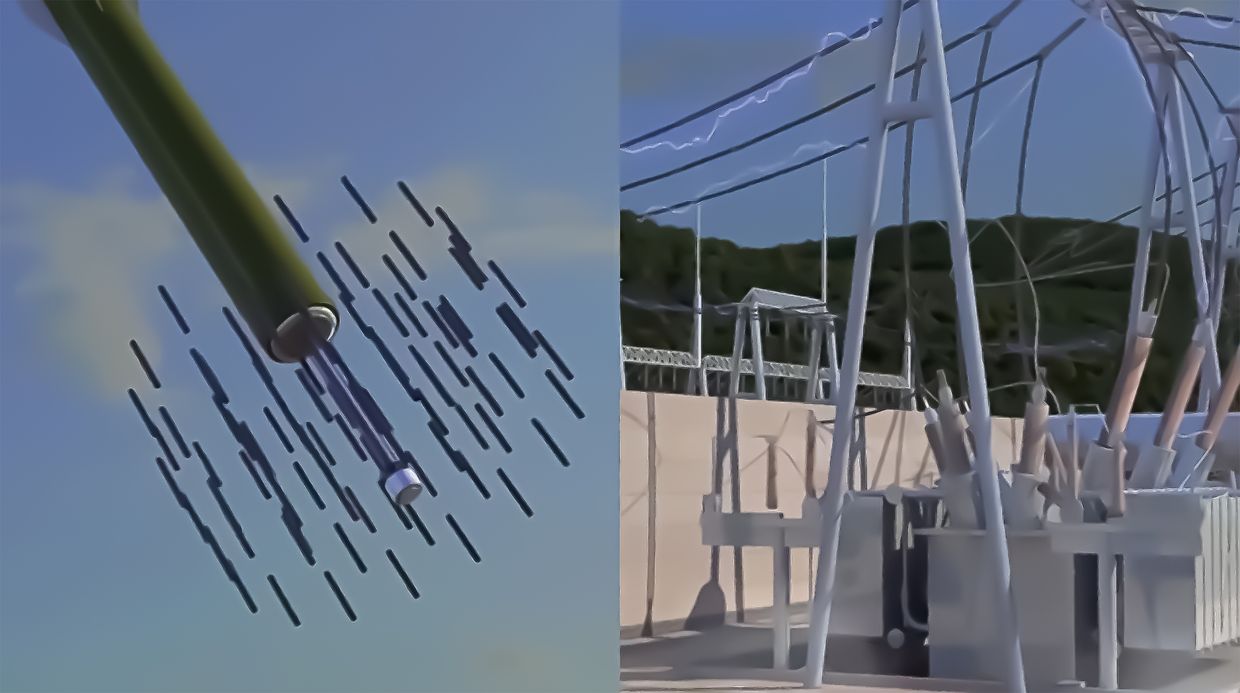
China unveils its new ‘graphite bomb’ — here’s how they work
China’s state TV broadcaster has revealed details of a new “graphite bomb” that can cause a “complete loss of electricity” across an area of 10,000 square meters, or knock out entire power stations, the South China Morning Post reported on June 29. An animated video released by China’s CCTV showed a missile being launched from a ground-based launcher and then flying to a target where it releases 90 small submunitions. They then bounce on the ground before exploding amid a mock-up of an electri
Russia killed at least 273 Ukrainian POWs during full-scale war, prosecutors sayThe Kyiv IndependentChris York
Russia killed at least 273 Ukrainian POWs during full-scale war, prosecutors say
  • ✇The Kyiv Independent
  • Russian court convicts 184 Ukrainian POWs captured in Kursk Oblast of terrorism, Mediazona reports
    A Russian military court has convicted 184 Ukrainian prisoners of war (POWs) captured in Kursk Oblast of acts of terrorism, Mediazona reported on June 25.Ukraine first launched a surprise offensive into Russia's Kursk Oblast in August 2024. Ukrainian officials have said the incursion forced Russia to move resources away from its offensives in Eastern Ukraine.Russia's military prosecutors office convicts Ukrainian POWs captured in Kursk Oblast on a regular basis, independent Russian outlet Mediaz
     

Russian court convicts 184 Ukrainian POWs captured in Kursk Oblast of terrorism, Mediazona reports

26 juin 2025 à 00:03
Russian court convicts 184 Ukrainian POWs captured in Kursk Oblast of terrorism, Mediazona reports

A Russian military court has convicted 184 Ukrainian prisoners of war (POWs) captured in Kursk Oblast of acts of terrorism, Mediazona reported on June 25.

Ukraine first launched a surprise offensive into Russia's Kursk Oblast in August 2024. Ukrainian officials have said the incursion forced Russia to move resources away from its offensives in Eastern Ukraine.

Russia's military prosecutors office convicts Ukrainian POWs captured in Kursk Oblast on a regular basis, independent Russian outlet Mediazona reported.

The POWs captured in Kursk were charged with carrying out a grave terrorist act by a group of individuals, as outlined by the Russian Criminal Code.

Junior Lieutenant Yevhen Hoch was convicted of allegedly carrying out an act of terrorism by taking part in Ukraine's Kursk Oblast incursion.

Russia has waged its war against Ukraine since 2014 and initiated a full-scale invasion in February 2022.

Russian authorities accused Hoch of interfering with civilian evacuations for three weeks amid Ukraine's Kursk offensive and for "intimidating them by openly carrying and using combat weapons."

Russia regularly convicts people of politically motivated charges in an effort to silence opposition to its war against Ukraine.

The Russian 2nd Western District Military Court has carried out the sentences against the 184 Ukrainian POWs since the beginning of the year.

Moscow has gone after journalists in Ukraine's Russian-occupied territories. Ukrainian Journalist Viktoriia Roshchyna disappeared in August 2023 and died after being tortured in Russian captivity. Roschyna's body was returned to Ukraine in February with missing organs.

Putin insists the Russian economy is fine, but Kremlin officials say otherwise
In a rare public sign that all is not well in Russia, two high-ranking Moscow officials last week issued separate warnings about the state of the country’s economy. Russian Central Bank Governor Elvira Nabiullina and Economy Minister Maxim Reshetnikov both highlighted that amid the Kremlin’s full-scale war against Ukraine, the tools Moscow once relied on to maintain wartime growth are nearly exhausted. Almost immediately, Russian President Vladimir Putin on June 20 dismissed the concerns, clai
Russian court convicts 184 Ukrainian POWs captured in Kursk Oblast of terrorism, Mediazona reportsThe Kyiv IndependentTim Zadorozhnyy
Russian court convicts 184 Ukrainian POWs captured in Kursk Oblast of terrorism, Mediazona reports
  • ✇The Kyiv Independent
  • Former Ukrainian POW dies month after being released from Russian captivity
    Serhii Dobrovolskyi, a Ukrainian soldier who had been in Russian captivity since 2023, has died just a month after his release at the end of May as part of a 1000-for-1000 prisoner swap, an official from the soldier's home region announced on June 21.The case is the latest in a chain of Ukrainian soldiers' unexpected deaths after their return from Russian captivity, highlighting the effects of "widespread and systematic" torture of prisoners of war (POWs) in Russian prisons, reported by the U.N.
     

Former Ukrainian POW dies month after being released from Russian captivity

22 juin 2025 à 04:40
Former Ukrainian POW dies month after being released from Russian captivity

Serhii Dobrovolskyi, a Ukrainian soldier who had been in Russian captivity since 2023, has died just a month after his release at the end of May as part of a 1000-for-1000 prisoner swap, an official from the soldier's home region announced on June 21.

The case is the latest in a chain of Ukrainian soldiers' unexpected deaths after their return from Russian captivity, highlighting the effects of "widespread and systematic" torture of prisoners of war (POWs) in Russian prisons, reported by the U.N.

"Serhii Dobrovolskyi was released from captivity at the end of May this year. A few days ago, he was met by his fellow townspeople in his hometown," wrote the head of the soldier's native Zdolbuniv district in Rivne Oblast, Vladyslav Sukhliak, on Facebook. The exact cause of death was not immediately announced.

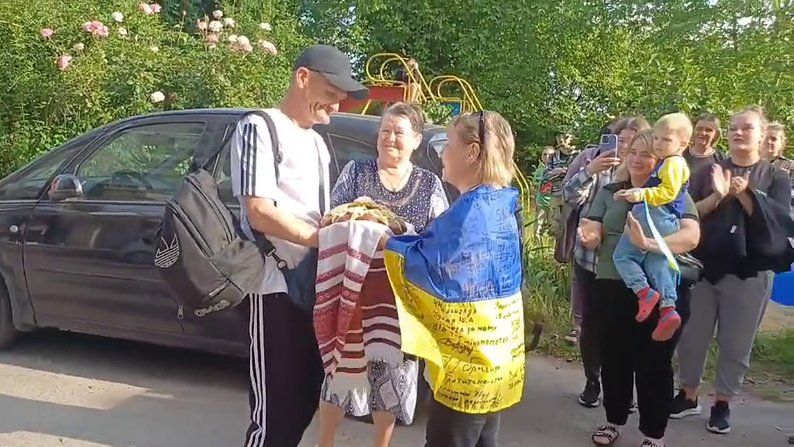
A video posted by the Zdolbuniv city council on June 17 shows Dobrovolskyi being greeted in Zdolbuniv by a crowd chanting the Ukrainian anthem as the soldier is hugging his mother. He was also presented with a korovai, a round bread loaf, as part of the symbolic Ukrainian tradition of welcome with bread and salt.

"Finally, after almost two years, the mother hugged her son," the Zdolbuniv city council commented on the video.

Sukhliak added that Dobrovolskyi was 43 years old at the time of death.  "The war with the damned (Russian) occupiers takes lives and health of the defenders," he wrote.

Earlier in June, another Ukrainian soldier returned from Russian captivity had died unexpectedly.

Dmytro Shapovalov, a 32-year-old defender of Ukraine who was exchanged in 2023 after over a year in Russian prisons, had died on June 9, according to the Ukrainian public broadcaster Suspilne.

His sister Anastasiia said that Shapovalov endured torture, hunger, and psychological pressure in captivity. After his release, Shapovalov returned to military service. He died in his sleep, presumably from heart failure, Suspilne reports.

After his death, a representative of the Coordination Headquarters managing the prisoner swaps, Yuliia Pavliuk, published a video showing Shapovalov eating an apple on the day of his release.

"I had just been dreaming about an apple for a year," Shapovalov says in the video.

In 2023, a high-ranking officer from the "Azov" brigade, Oleh Mudrak, died at 35 years old, months after his release from Russian captivity. As a POW, he survived the Olenivka camp explosion and endured a dramatic weight loss in just 100 days, as seen in the photos published by Stanislav Aseyev, a Ukrainian writer and activist.

Treatment of "Azov" fighters in Russian prisons is notoriously brutal due to their nationalistic values and Russian propaganda that worked for years to smear the unit's reputation both in Russia and internationally.

Some Azov fighters died from torture in Russian captivity or were sentenced to decades in prison for alleged war crimes. Many of them were among the 54 Ukrainian prisoners killed in an explosion in Olenivka penal colony in the Russian-occupied part of Donetsk Oblast on July 28, 2022.

Ukraine accused Russia of orchestrating the explosion, while Russia has been systematically preventing international organizations from conducting an independent investigation on the site of the attack.

The U.N. reported widespread torture of Ukrainian POWs in Russia and brutal conditions of their detention over the past years.

Russia ‘afraid to admit’ scale of losses, trying to hide by dumping soldiers’ bodies on Ukraine, Zelensky says
Ukrainian authorities have confirmed that at least 20 of the bodies Russia returned as Ukrainian were actually Russian soldiers, President Volodymyr Zelensky said.
Former Ukrainian POW dies month after being released from Russian captivityThe Kyiv IndependentTim Zadorozhnyy
Former Ukrainian POW dies month after being released from Russian captivity
  • ✇The Kyiv Independent
  • Ukraine, Russia carry out another POW exchange under Istanbul deal
    Editor's note: The story is being updated.Ukraine has brought home a group of soldiers released from Russian captivity, President Volodymyr Zelensky announced on June 19, marking yet another in a recent series of exchanges with Moscow."These are warriors of the Armed Forces, the National Guard, and the State Border Guard Service. Most of them had been held captive since 2022," Zelensky said, without revealing their numbers.The exchange follows four similar swaps carried out last week in accordan
     

Ukraine, Russia carry out another POW exchange under Istanbul deal

19 juin 2025 à 07:46
Ukraine, Russia carry out another POW exchange under Istanbul deal

Editor's note: The story is being updated.

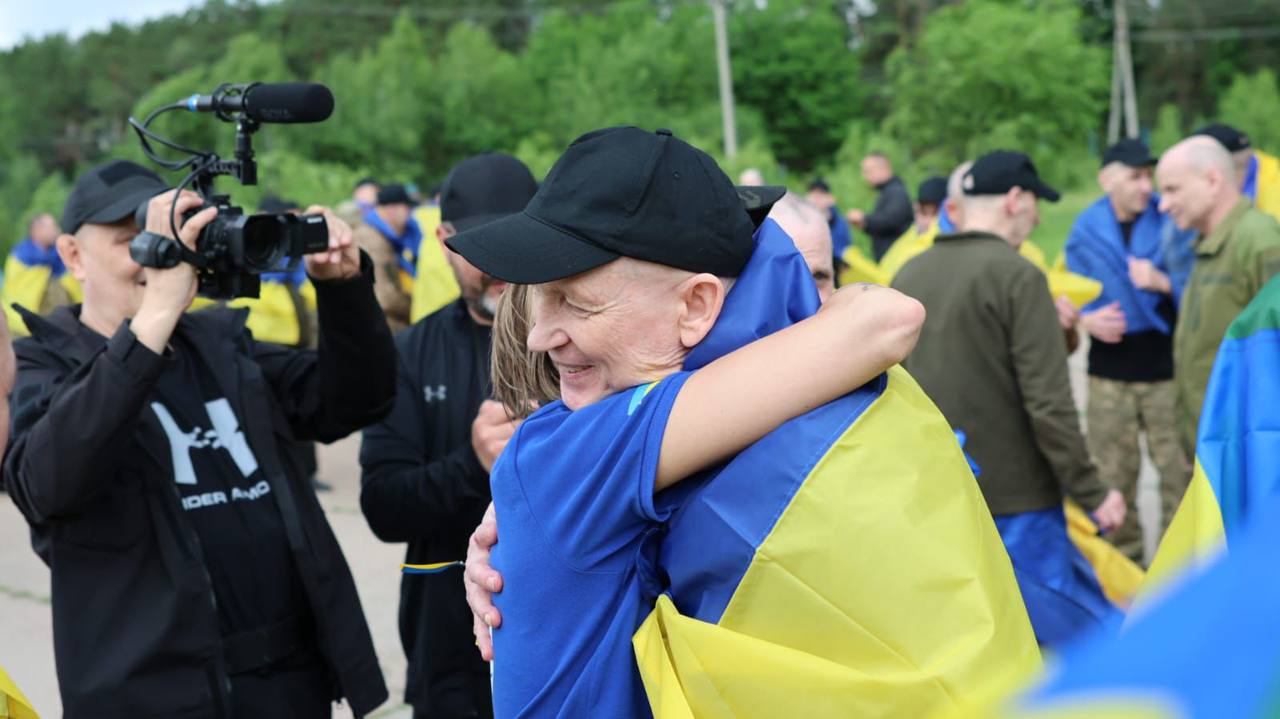
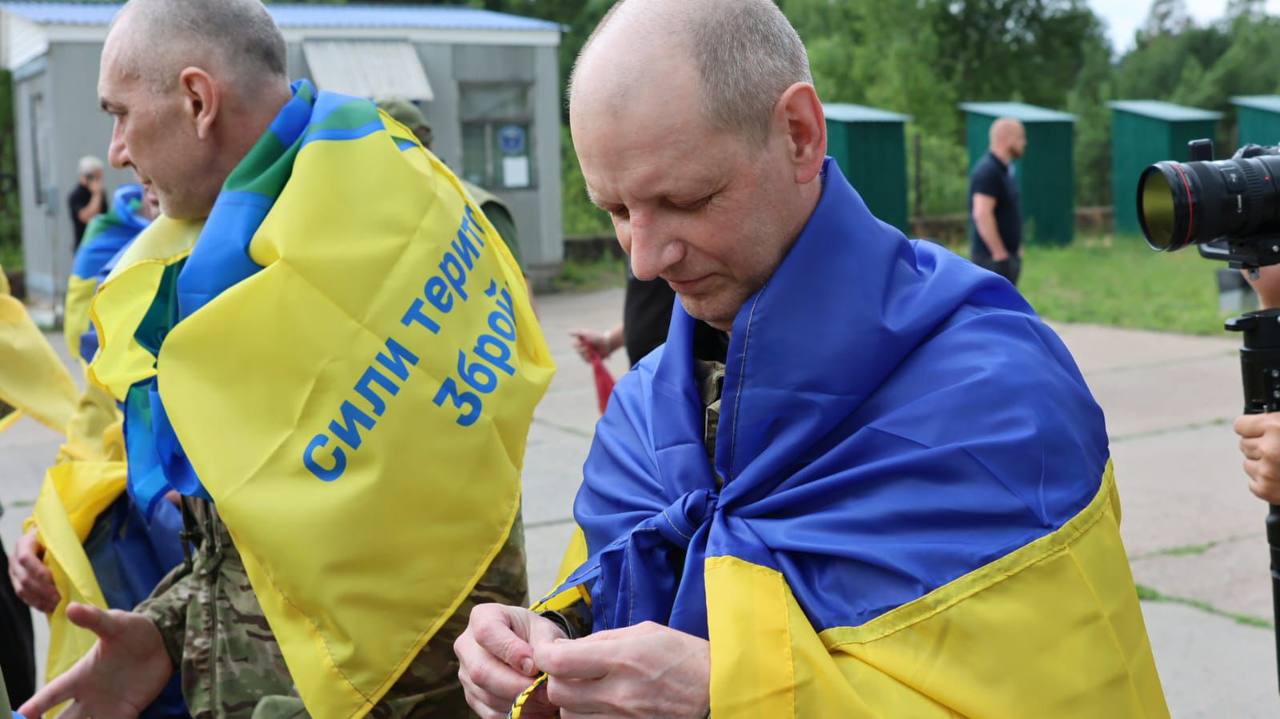
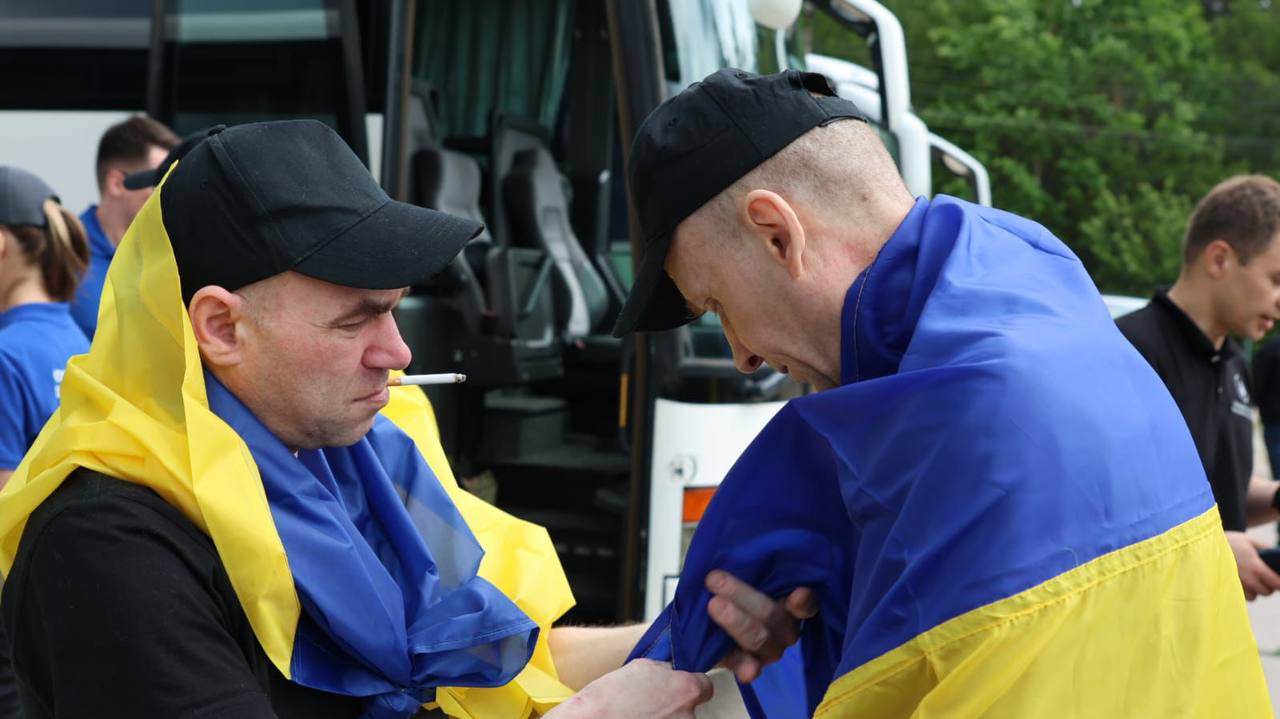
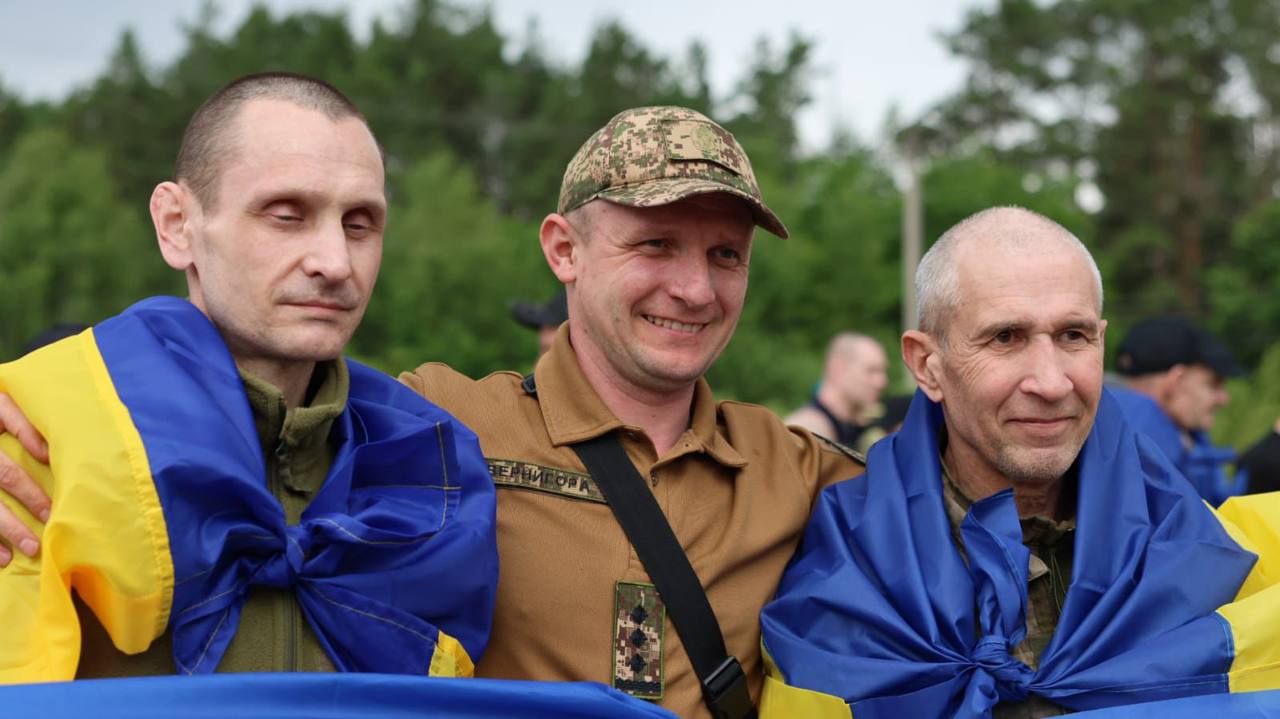
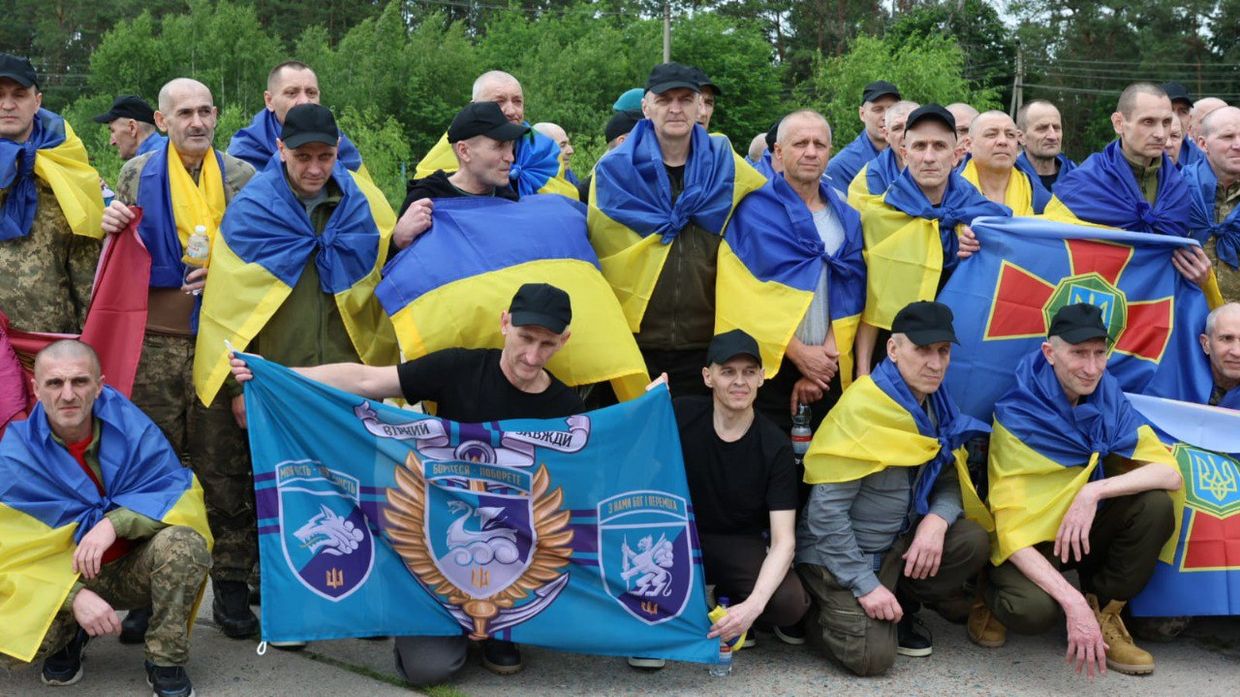
Ukraine has brought home a group of soldiers released from Russian captivity, President Volodymyr Zelensky announced on June 19, marking yet another in a recent series of exchanges with Moscow.

"These are warriors of the Armed Forces, the National Guard, and the State Border Guard Service. Most of them had been held captive since 2022," Zelensky said, without revealing their numbers.

The exchange follows four similar swaps carried out last week in accordance with Ukraine-Russia agreements reached at peace talks in Istanbul on June 2.

0:00
/
Ukrainian service members released from Russian captivity under a prisoner exchange on June 19, 2025. (Ukraine's Coordination Headquarters for the Treatment of the POWs)

As in the other recent cases, the latest swap focused on severely ill and wounded prisoners of war (POWs), Ukraine's Coordination Headquarters for the Treatment of POWs said.

"We are working to bring our people back. I thank everyone who helps make these exchanges possible. Our goal is to free every single one of them," Zelensky said.

Russia's Defense Ministry also announced a prisoner exchange with the Ukrainian side, without specifying the number of soldiers involved.

"Every defender released today has serious medical diagnoses and illnesses resulting from their injuries and captivity," the Coordination Headquarters said.

Ukraine, Russia carry out another POW exchange under Istanbul deal
Ukrainian soldiers after being released from Russian captivity on June 19, 2025. (President Volodymyr Zelensky/Telegram)
Ukraine, Russia carry out another POW exchange under Istanbul deal
Ukrainian soldiers after being released from Russian captivity on June 19, 2025. (President Volodymyr Zelensky/Telegram)
Ukraine, Russia carry out another POW exchange under Istanbul deal
Ukrainian soldiers after being released from Russian captivity on June 19, 2025. (President Volodymyr Zelensky/Telegram)
Ukraine, Russia carry out another POW exchange under Istanbul deal
Ukrainian soldiers after being released from Russian captivity on June 19, 2025. (President Volodymyr Zelensky/Telegram)
Ukraine, Russia carry out another POW exchange under Istanbul deal
Ukrainian soldiers after being released from Russian captivity on June 19, 2025. (President Volodymyr Zelensky/Telegram)

A significant part of the released captives defended Mariupol during the Russian siege in 2022, while others fought elsewhere in the Donetsk, Luhansk, Kherson, Kharkiv, Sumy, Chernihiv, Zaporizhzhia, and Kyiv oblasts. All of them are privates or non-commissioned officers.

The oldest of the released captives was 63 years old, Ombudsman Dmytro Lubinets said, adding that another, a 45-year-old service member, was released on his birthday.

The Istanbul deal was reached during the second round of direct talks between the Ukrainian and Russian delegations in Istanbul at the beginning of the month.

While no political breakthrough was achieved, both sides agreed to a phased exchange of prisoners and the repatriation of fallen soldiers' bodies. As part of that agreement, Russia pledged to return the bodies of up to 6,000 Ukrainian service members and citizens.

Moscow has handed over 6,057 bodies to Ukraine in several stages over the past few days. Kyiv later said these also included fallen Russian soldiers, though it is unclear whether this was done on purpose or by accident.

The June 2 agreements came after the largest-ever POW swap in late May, when 1,000 prisoners were exchanged on each side.

Ukraine repeatedly called for a prisoner exchange in an all-for-all format, but Russia continues to reject the offer.

  • ✇The Kyiv Independent
  • Russia hands over bodies of its own soldiers in recent exchange, Kyiv says
    Russia has handed Kyiv the bodies of its own soldiers mixed in with those of Ukrainian soldiers during recent repatriation of the fallen, Interior Minister Ihor Klymenko said on June 16.Klymenko's statement follows the completion of an exchange between Ukraine and Russia of the remains of soldiers killed in action earlier the same day, under agreements reached during recent peace talks in Istanbul. Kyiv returned a total of 6,057 bodies. Vladimir Medinsky, an aide to Russian President Vladimir Pu
     

Russia hands over bodies of its own soldiers in recent exchange, Kyiv says

16 juin 2025 à 11:57
Russia hands over bodies of its own soldiers in recent exchange, Kyiv says

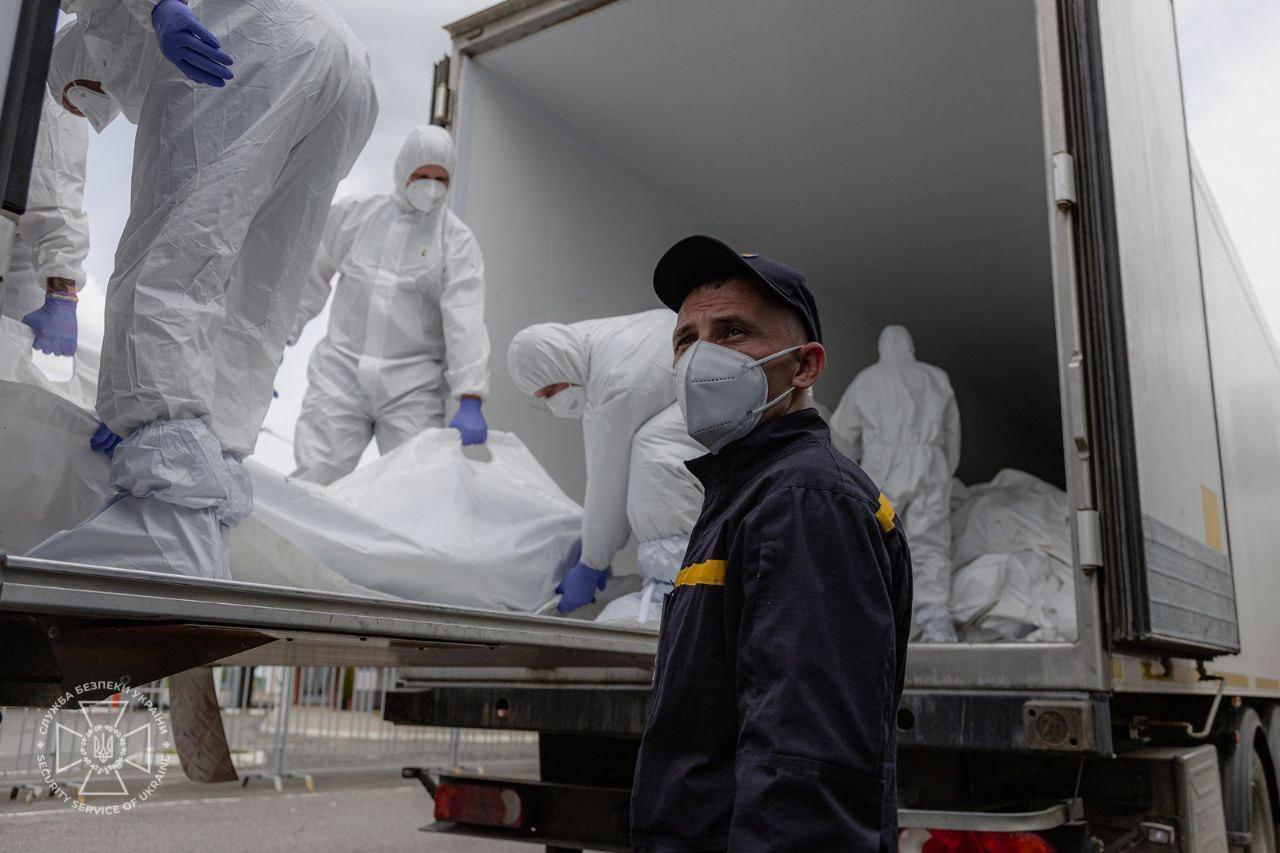
Russia has handed Kyiv the bodies of its own soldiers mixed in with those of Ukrainian soldiers during recent repatriation of the fallen, Interior Minister Ihor Klymenko said on June 16.

Klymenko's statement follows the completion of an exchange between Ukraine and Russia of the remains of soldiers killed in action earlier the same day, under agreements reached during recent peace talks in Istanbul.

Kyiv returned a total of 6,057 bodies. Vladimir Medinsky, an aide to Russian President Vladimir Putin and member of the Russian delegation at the Istanbul talks, claimed that Russia received the bodies of 78 deceased servicemen.

According to Klymenko, the identification process has been significantly complicated by the condition in which Russia returned the bodies.

"Parts of the bodies (of fallen soldiers) are in different bags. There are cases when the remains of one person are returned even during different stages of repatriation," the minister said.

Klymenko said that Russia may have included the bodies of its own soldiers in the transfer to Ukraine either on purpose or by accident.

"This could have been done by the Russians on purpose to increase the number of bodies transferred and to load our (forensic) experts with work, adding to all this cynical information pressure. Or it could be their usual negligent attitude toward their own people. In any case, we also identify these bodies," Klymenko said.

The June 2 negotiations in Istanbul resulted in the most expansive prisoner and body exchange agreement of the full-scale war, although no ceasefire was reached.

The deal followed the largest-ever POW swap in late May, when 1,000 prisoners were exchanged on each side. Additional exchanges last week included severely wounded and sick soldiers.

Russia accused Ukraine on June 7 of rejecting a proposed body return, publishing footage allegedly showing Ukrainian corpses stored in refrigeration units. Kyiv dismissed the claims, saying the footage was filmed inside Russia and not at a designated exchange location.

Ukraine’s Foreign Intelligence Service reported on June 16 that Russia is preparing to escalate a disinformation campaign related to ongoing POW exchanges next week, aiming to provoke public outrage in Ukrainian society.

From buffer zone to new front: Russia pushes deeper into Sumy Oblast
In March 2025, as Ukrainian forces made their final retreat from Sudzha in Russia’s Kursk Oblast, new grey spots began to appear on open-source maps on the other side of the state border, in Ukraine’s Sumy Oblast. For the first time since 2022, when Moscow’s forces retreated
Russia hands over bodies of its own soldiers in recent exchange, Kyiv saysThe Kyiv IndependentFrancis Farrell
Russia hands over bodies of its own soldiers in recent exchange, Kyiv says
❌