Connexion

Most Russian ballistic and hypersonic missiles have gotten through since September, OSINT estimate says, as Patriot interceptors allies are financing sit unapproved
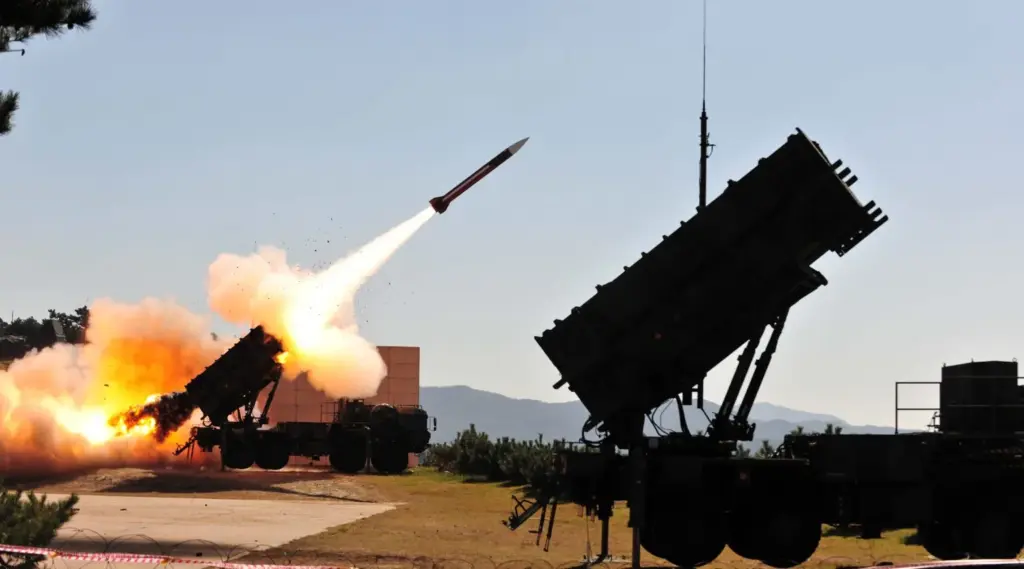
Ukrainian air defenses shot down 26 Russian ballistic and hypersonic missiles from September to late November, Kyiv Post reported on 24 November, citing Ukrainian Air Force counts it reviewed. The tally was eight in September, then 11 in October, and seven in November so far.
Set against an OSINT estimate of Russian launches cited by Kyiv Post, that is roughly eight intercepts in every 100. At the same time, some 60 Patriot interceptors still await approval from US Defense Secretary Pete Hegseth, two Ukrainian officials and a third source told the Financial Times.
Counting Russia's launches
The Ukrainian military does not release total counts of the ballistic and hypersonic missiles it detects, Kyiv Post said. Instead, the outlet cites the OSINT group Frontlinedatalab, which estimates that Russia likely fired 248 ballistic and 83 hypersonic missiles over the same 83 days. By that estimate, about 92% were not stopped.
However, the Air Force did give a rough figure for October. On 2 November, the Air Force Command's head of communications, Colonel Yurii Ihnat, said Russia had launched about 150 ballistic missiles in October and that the situation with them was worse than desired, Ukrainska Pravda reported. He said Ukraine was short of PAC-3 interceptors for Patriot systems.
Agreed, but not shipped
The batch Washington had agreed to send includes about 40 PAC-3s, due from September to December, and about 20 older PAC-2s, the FT reported on 24 November. None of the PAC-3 shipments has cleared the Pentagon, the FT's sources said.
Ukraine's allies are paying for the missiles, the FT reported. The PAC-3s sit in US warehouses or are set to come from European arsenals but remain under US control without shipping orders, Kyiv Post wrote in its account of the FT report. The Pentagon said only that there had been no change to its policy on supporting Ukraine, according to the FT.
The delay dates to September, Kyiv Post wrote, citing the FT. In late October, Ukrainian President Volodymyr Zelenskyy said Kyiv had been waiting almost a month for Hegseth's signature on missiles for Patriot and NASAMS systems. Since then, the NASAMS missiles have been cleared, unnamed sources told the FT.
On 23 November, Zelenskyy repeated the appeal: “Missiles for Patriots are needed here in Ukraine, and we very much expect the necessary decisions from America.” He also warned that intelligence shows Russia is preparing new strikes.
Read also
-
US delays the Patriot missiles Ukraine needs against ballistic strikes but keeps sending older PAC-2s
-
Ukraine can buy 500 Patriot missiles, but they may arrive only in years. One estimate says they’d last about three months
-
Pentagon stalls Ukraine’s license to produce Patriot air defense missiles, undermining efforts to protect cities from Russian missile strikes