Vue normale

Reçu — 15 juillet 2026 Euromaidan Press

A nationwide bomb-shelter overhaul is underway in Belarus as Moscow pushes Minsk toward its war against Ukraine
15 juillet 2026 à 10:11

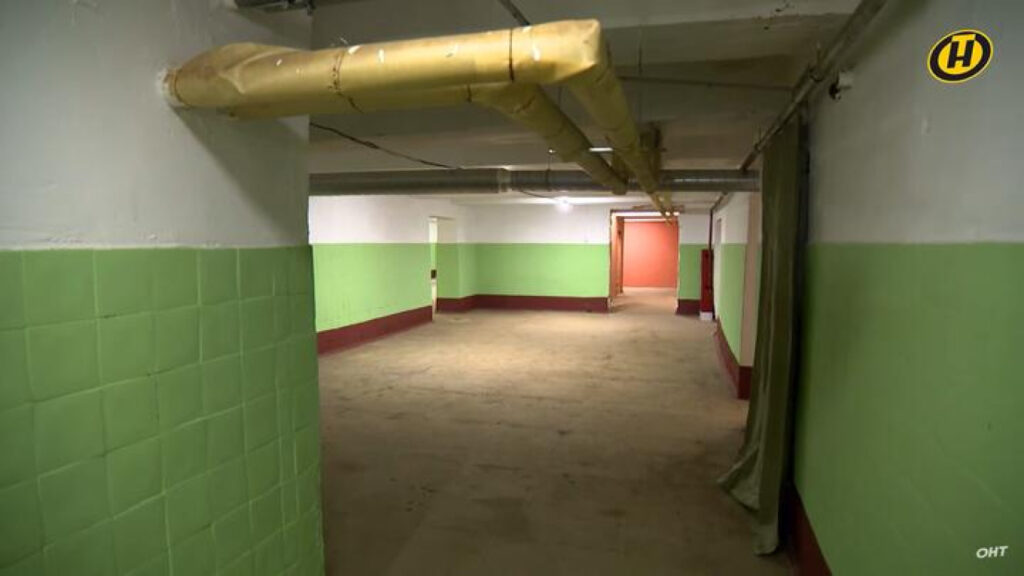
nationwide bomb-shelter overhaul underway belarus moscow pushes minsk toward its war against ukraine · post civil-defense shelter enterprise так выглядит укрытие на одном из минских предприятий скриншот онт news ukrainian

Belarus has spent 2026 repairing and upgrading its civil-defense shelters nationwide, the Belarusian opposition project Belpol reported. The investigators frame the drive as another stage of the regime's militarization, tied to its alignment with Russia. They caution, though, that shelter work alone is no proof of preparing for war.

The drive lands as Russia presses Belarus to enter its war on Ukraine, as Russian President Vladimir Putin wants Belarusian territory for drone strikes on Ukraine and a new front, and has threatened to cut funding if Minsk refuses. Kyiv has repeatedly warned that Moscow is trying to pull Belarus deeper into the war. Rebuilding civil defense is one more sign of a state raising its readiness — even as Belpol stresses the shelters alone prove nothing.

Inspections, fines, and a jump in "unfit" shelters

Belpol shared scans of the underlying documents. For example, Mahilyow Oblast had 276 civil-defense structures as of 2 June. Officials deemed 204 ready, 72 unsatisfactory, and earmarked 38 for restoration and 34 for write-off.

February–April checks produced 66 orders to fix violations and held 11 officials liable. Belpol says the rise in shelters marked unfit most likely reflects a more thorough audit, not shelters decaying in a few months.
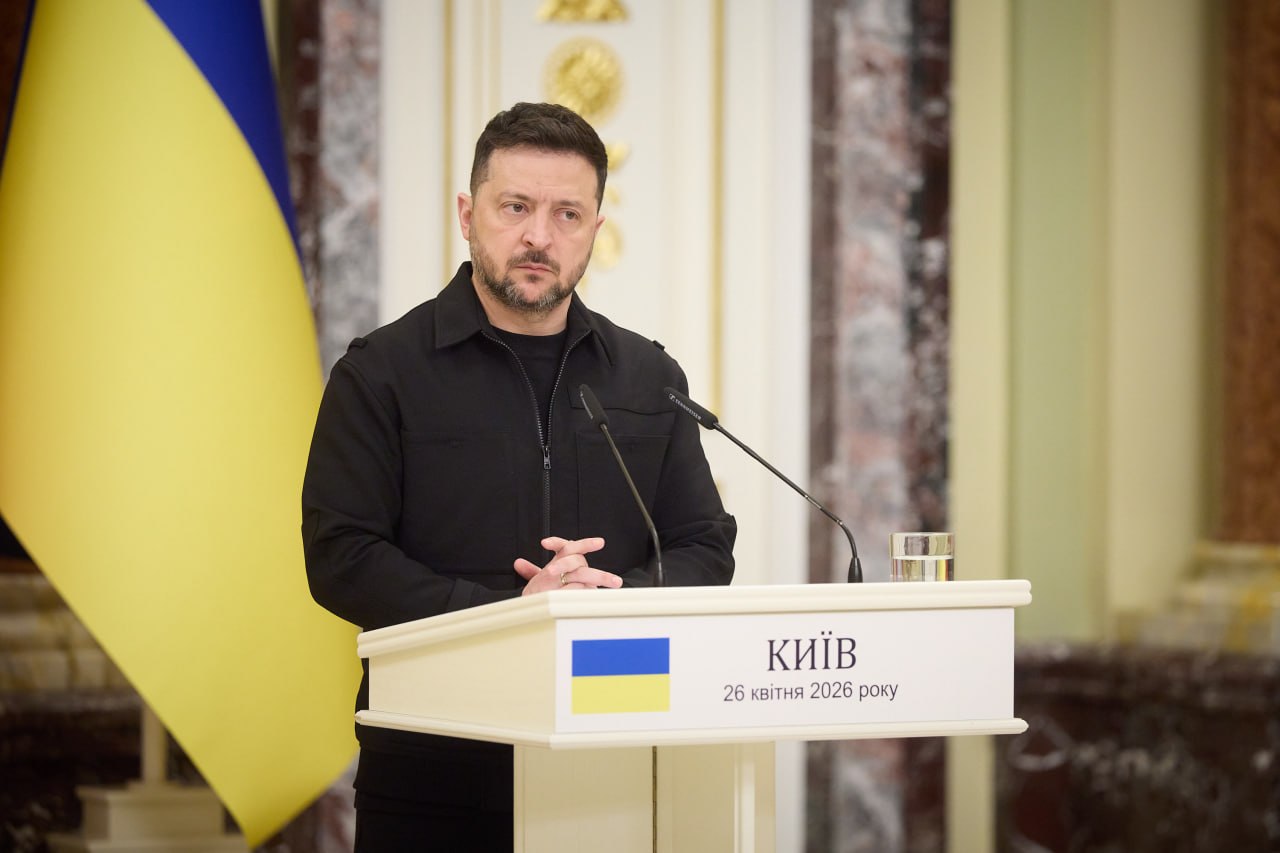
Ukrainian President Volodymyr Zelenskyy, 26 April 2026. Photo: Zelenskyy on Telegram
Explore further

Kyiv gave Belarus ruler week to pull Russia’s drone relays. They went silent in three days, Zelenskyy says

The work spans the whole country

The regional report is only part of the picture. Belpol points to state procurement orders for the same work across Belarus. The state telecom Beltelecom ordered design work to modernize a civil-defense space in Minsk. The National Bank of Belarus is reconstructing protective rooms in its headquarters on Independence Avenue. Brest is upgrading a bomb shelter inside a wastewater treatment complex, while Mahilyow repairs a shelter at the Strommashina plant and inspects others, including the Stroygaz enterprise. The tenders reach government offices, telecoms, industry, utilities, and banks — a centralized program, Belpol says, not scattered repairs.
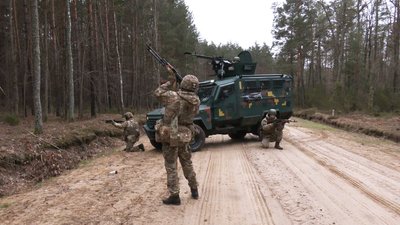
Ukrainian soldiers on the border with Belarus. Photo: Suspilne Lutsk
Explore further

“If he doesn’t, Ukraine will”: Zelenskyy just gave Lukashenka one week to strip Russian repeaters off Belarus’s border towers

Why this fits a pattern

Belpol is careful: modernizing shelters is not by itself evidence of war planning, and many states do it for resilience. Yet since 2022, Minsk has deepened military ties with Russia, hosted joint exercises, militarized its economy, expanded territorial-defense units, and tightened its mobilization system.

Previously, France's Emmanuel Macron warned Alyaksandr Lukashenka against being dragged into the war in a May call, and Volodymyr Zelenskyy has demanded that Minsk dismantle the Russian relay stations on its soil used to guide attack drones.

  • ✇Euromaidan Press
  • Latvia logs 111 straight days of migrants pushed across from Belarus—and blames its support for Ukraine
    Latvia's frontier with Belarus has not gone a single day without an attempted illegal crossing since late March, according to Radio Svaboda, RFE/RL's Belarusian service. The country's border service ties the sustained pressure to a state-run hybrid campaign, and its chief has named Latvia's support for Ukraine among the reasons the country has become the primary target. Russia and its closest ally, Belarus, probe the EU's eastern edge with tools short of open war — migrants
     

Latvia logs 111 straight days of migrants pushed across from Belarus—and blames its support for Ukraine

15 juillet 2026 à 04:34

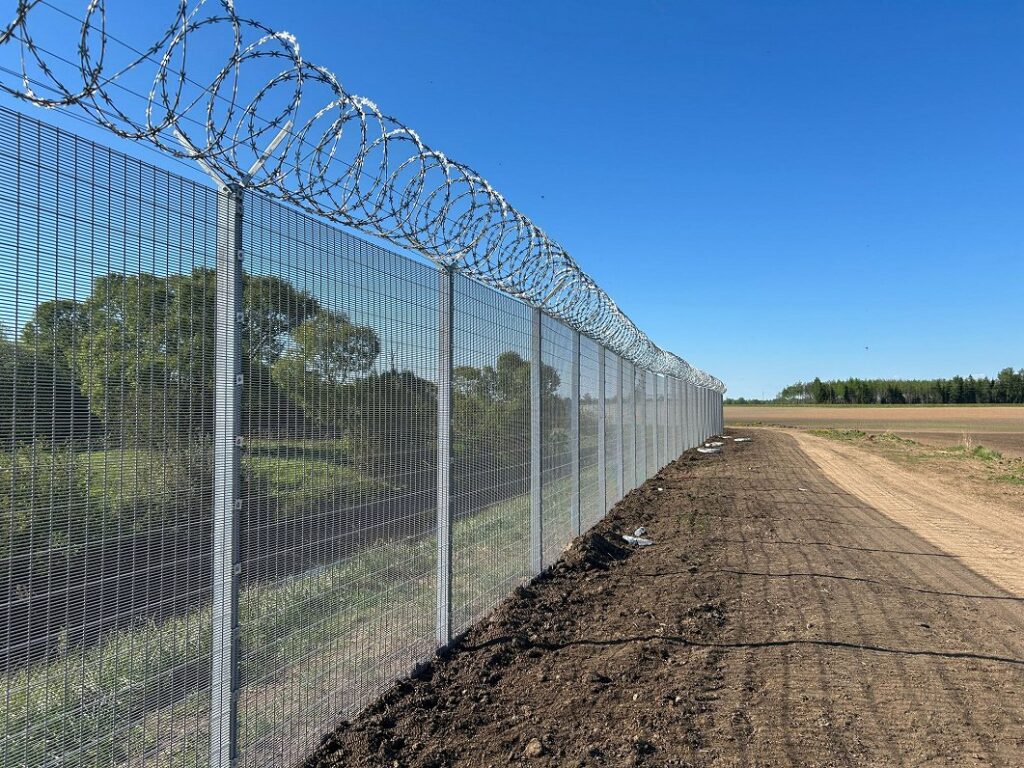
latvia logs 111 straight days migrants pushed across belarus—and blames its support ukraine · post fence along latvia's border belarus vnī lsm žogs uz latvijas robežas news ukrainian reports

Latvia's frontier with Belarus has not gone a single day without an attempted illegal crossing since late March, according to Radio Svaboda, RFE/RL's Belarusian service. The country's border service ties the sustained pressure to a state-run hybrid campaign, and its chief has named Latvia's support for Ukraine among the reasons the country has become the primary target.

Russia and its closest ally, Belarus, probe the EU's eastern edge with tools short of open war — migrants funneled to the fence, balloons drifting into airspace, prompting border closures. The campaign forces the targeted state to spend heavily on fences, troops, and border surveillance.

An unbroken run since March

Latvia's State Border Guard has logged migrant crossing attempts from Belarus for 111 consecutive days, a Pozirk analysis of the agency's operational data found. Radio Svaboda reported the tally on 15 July.

Between 25 March and 13 July, officers recorded 7,791 attempts — an average of 70 a day. In winter the traffic was a fraction of that. From 1 January to 24 March, a span of 83 days, the agency counted just 141 attempts, or 1.7 a day. Pozirk calculated a year-to-date total of 7,932, or about 41 daily, while Latvia's State Border Guard listed 7,933.

On 13 July, the entire EU-Belarus frontier saw 42 attempts, 41 of them on the Latvian line and one on the Polish. The day before brought 41, then 87 on 11 July and 103 on 10 July, with Latvia taking the bulk each time. Lithuania has seen no crossing activity for five days.

Across the bloc's Belarus border, neighboring states logged 9,116 attempts since January. Latvia absorbed 87% of them. Lithuania took 9.9%, or 904, and Poland 3.1%, or 280.

Two migrants with obscured faces pose alongside a Belarusian soldier in camouflage uniform inside a military transport vehicle, all making hand gestures
Explore further

Latvia exposes Belarusian military’s direct role in weaponizing migration

Riga's border chief points to its stance on Ukraine

Latvia is the number-one target in a hybrid war unleashed by the Belarusian authorities, State Border Guard head Guntis Pujāts told Delfi. The situation at the border, he said, presents serious challenges.

Pujāts said the migrant smugglers have grown more aggressive, pushing officers toward harsher detention methods and a need for wider support from the National Armed Forces. Border guards stopped roughly 7,600 people from crossing illegally this year, far more than in the same period of 2025.He said one of the causes of such pressure is Latvia's consistent support for Ukraine and its condemnation of Russian aggression. 

A campaign running since 2021

Neighboring EU states treat the flow as a hybrid attack organized by the regimes in Minsk and Moscow. Lukashenka has repeatedly said Belarusian guards will not stop migrants heading for the bloc through his country.

The crisis began in 2021, when thousands of people from Asian and African countries started crossing from Belarus into Latvia, Lithuania, and Poland in an organized way. It has continued at varying intensity since, and dozens of migrants have died along these borders.

Reçu — 13 juillet 2026 Euromaidan Press
  • ✇Euromaidan Press
  • Russia wants to run grain through its Syrian naval base—one berth for cargo, one for warships
    Russia wants to start moving grain and other cargo through the Syrian naval base it leases, keeping warships at one berth and commercial shipments at the other, Reuters reported. Syrian officials describe the plan as central to Moscow's effort to hold on to Syria through trade after losing its closest Middle Eastern ally. Syria's port authority denies the project exists. Every ton Moscow ships abroad pays for something at home, including its war against Ukraine, and the foo
     

Russia wants to run grain through its Syrian naval base—one berth for cargo, one for warships

13 juillet 2026 à 05:56

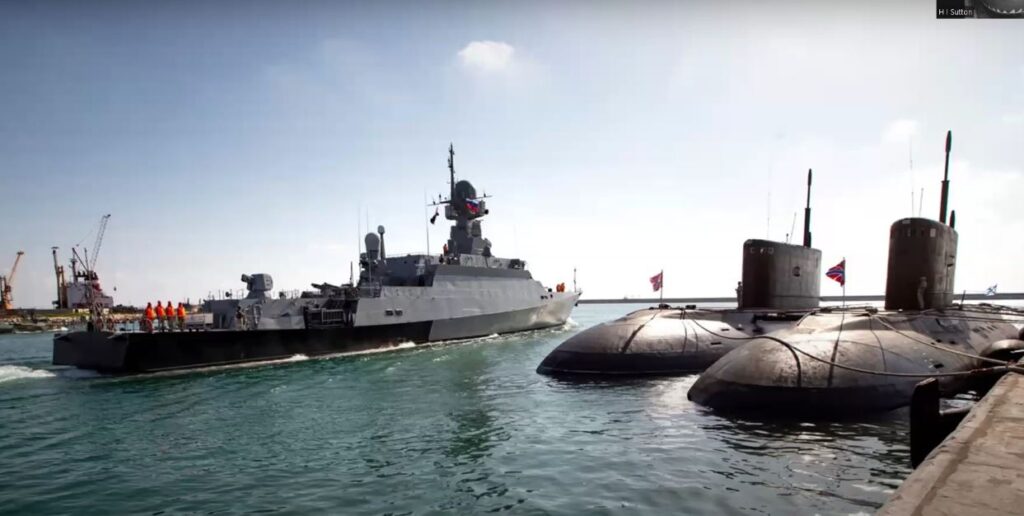
uk intel russia’s mediterranean presence doubt after assad regime collapse russian naval base syria's tartus before fall hisutton's video british defense ministry reported its intelligence update 21 operations eastern have

Russia wants to start moving grain and other cargo through the Syrian naval base it leases, keeping warships at one berth and commercial shipments at the other, Reuters reported. Syrian officials describe the plan as central to Moscow's effort to hold on to Syria through trade after losing its closest Middle Eastern ally. Syria's port authority denies the project exists.

Every ton Moscow ships abroad pays for something at home, including its war against Ukraine, and the food it sells is often taken from the land it occupies. Kyiv has spent four years trying to make that trade costly — tracking the vessels, naming the buyers, pressing sanctions onto the operators.

Wheat at one berth, warships at the other

Russia hopes the logistics hub at Tartus will be working by mid-July, Syrian officials said. The first cargoes, according to Ajaj, run from wheat, grain, and animal feed to vegetable and mineral oils, timber, steel, clinker, coal, rice, and sugar. Organizers are targeting about 250,000 tons of cargo a month. The opening shipment is meant to be 30,000 tons of grain.

Rus Line, a Syrian logistics firm, is developing the hub together with Russian companies that sit under the Russian-Syrian Business Council — a body run by Russia's Industry and Trade Ministry. The council announced an "assembly and distribution center for Russian goods" at the port on 6 June.

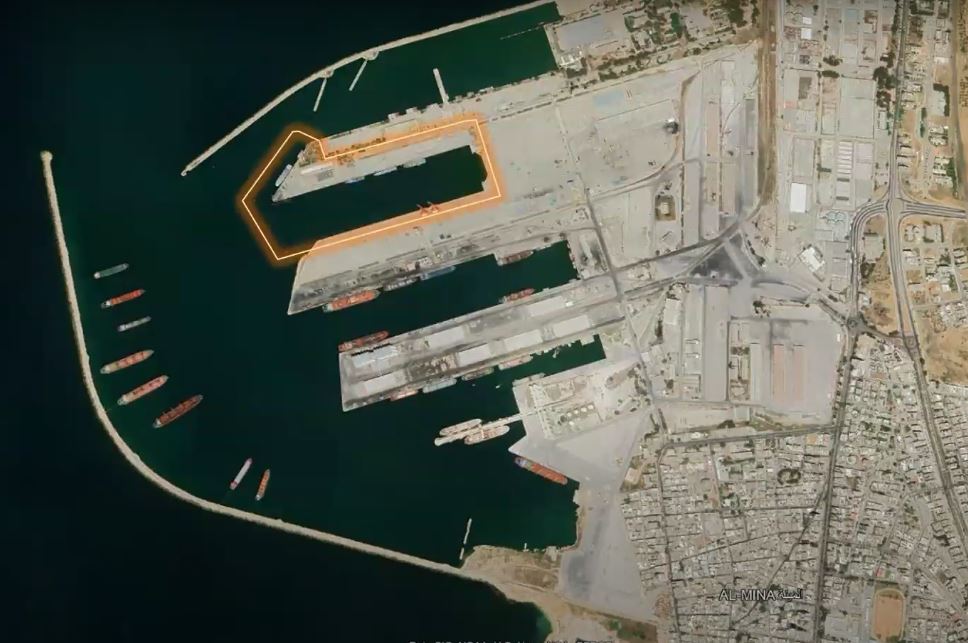
Pier No. 4 is where the cargo will be handled, Rus Line chief executive Jinan Mubadda said. The company's general manager, Ossama Ajaj, called that pier a "restricted zone" of the naval base, and said the site stays under Syrian command: nothing moves without a green light from Syria's General Authority for Ports and Customs. Ajaj also suggested Russia would keep a "reduced military presence."

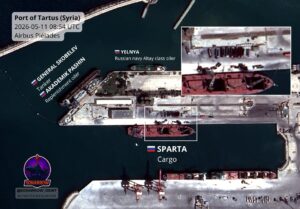
Russian cargo ship SPARTA unloading at Tartus naval base in Syria with Russian escort warships, satellite imagery analyzed by GeoInsider and SONARROW showing renewed Russian deliveries after Assad’s fall.
Explore further

Russia maintains military presence in post-Assad Syria – but Damascus now holds leverage

The port authority rejected the account after publication. Spokesman Mazen Alloush called reports of a Russian commercial hub at Tartus "entirely false" and said any deal over Syrian ports or border crossings would go public only via official state channels.

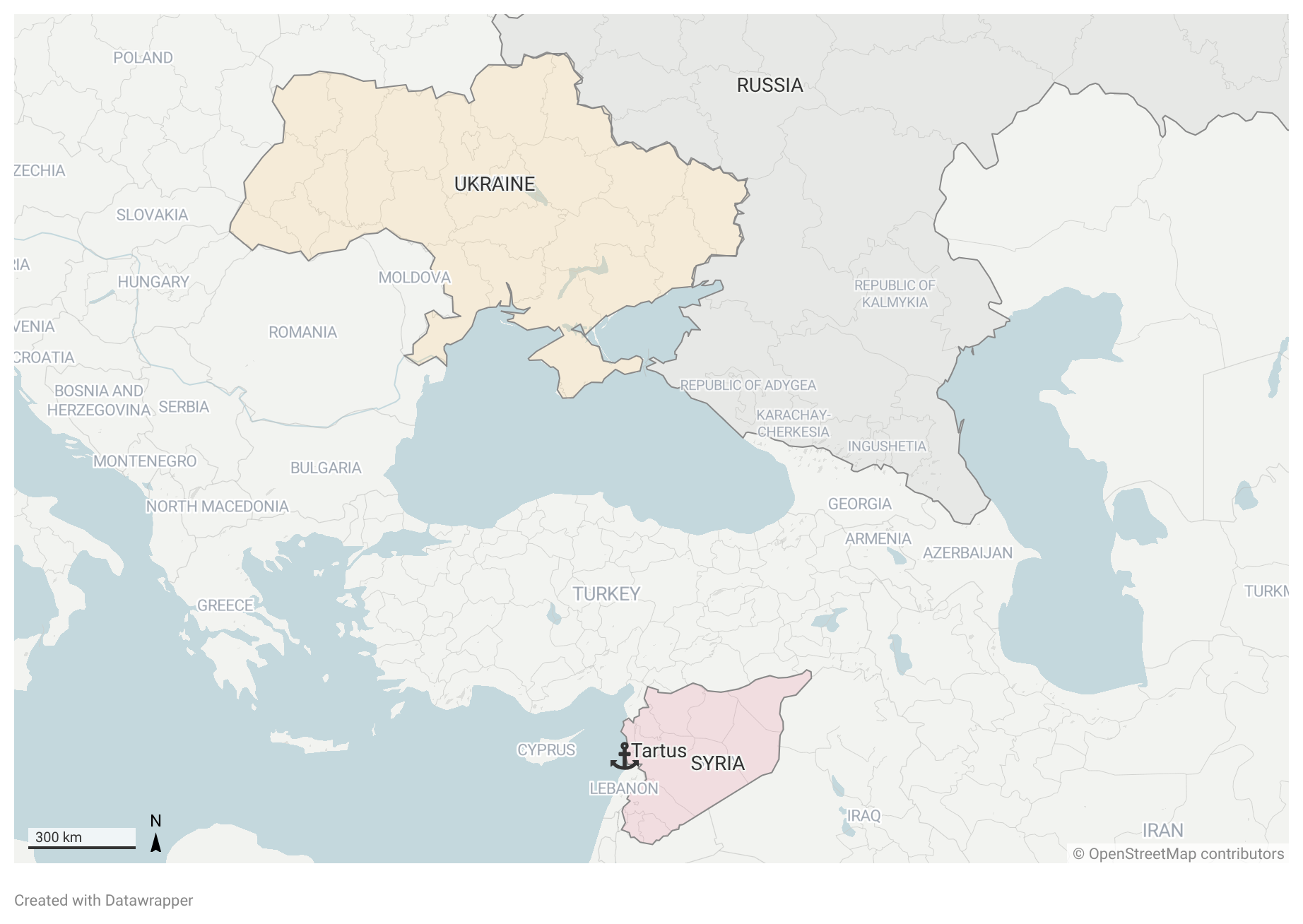
russia's african presence risk potential syria naval base loss expert says location russian tartus port hisutton's video independent analyst hi sutton reports ability maintain its military influence africa faces significant
Location of the Russian naval base in the Tartus port. Screenshot from H.I.Sutton's video

The plan builds a regular shipping line between Novorossiysk—Russia's port on the northeastern Black Sea coast—and Tartus, with goods distributed onward across Syria and its neighbors. Iraq and Jordan come first on Ajaj's list of destinations, with the Gulf — Saudi Arabia, Kuwait, Qatar, Bahrain — next in line.

What Moscow already holds in Syria

The hub would extend an economic grip that survived the collapse of Russia's military position. Russia and Russian-occupied Crimea supply 85% of the wheat Syria imports — 2.9 million tons this 2025-26 season, according to a Syrian customs document. Ukraine's Foreign Intelligence Service has documented that shipments of grain grown on occupied Ukrainian land resumed to Syria in 2025.

Syrian reliance on Russian crude has grown since Assad's fall. The country took about 16.8 million barrels of Russian oil in 2025 and roughly 60,000 barrels a day in early 2026.

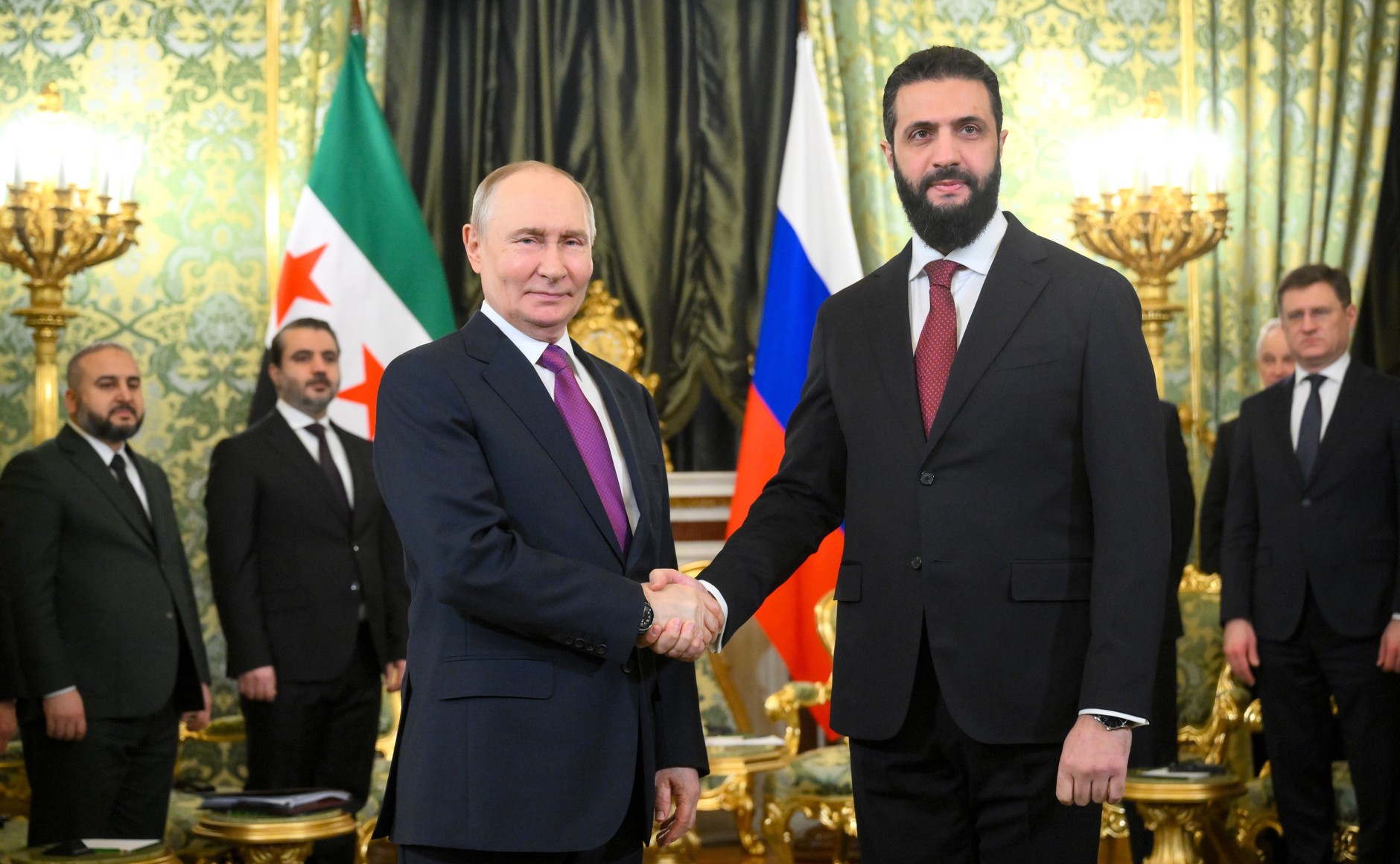
Syrian President Ahmed al-Sharaa and Russian President Vladimir Putin in Moscow, 28 January 2026.
Explore further

Post-Assad Syria still dependent on Russian oil despite shift to the West – Reuters

After Assad fell in 2024, Moscow lost its main Middle Eastern ally, and its Syrian leases became uncertain. In 2025, Syria canceled Stroytransgaz's 49-year contract to develop commercial facilities at Tartus — the very business Russia is now trying to restart.

Russian military flights returned to the Hmeimim airbase in late October 2025. Moscow and Damascus are still negotiating the fate of both installations. Russian Foreign Ministry spokeswoman Maria Zakharova claimed in June that the sides were discussing a possible "reformatting" of Russia's military facilities.

❌