Vue normale

  • ✇Euromaidan Press
  • Ukraine exhumes Volhynia graves from 13 July as Poland’s president seeks a UPA flag ban
    Ukraine wants the search for Volhynia victims to move faster, President Volodymyr Zelenskyy said in an address on 11 July, the day Poland marks its national remembrance of the 1943–1945 killings. Exhumations begin in two days at the sites of the destroyed villages of Ostrivky and Volia Ostrovetska in Volyn Oblast, he said, and Ukraine has an interest in accelerating the work. That is the one concession Warsaw has demanded for a decade, and it is arriving in the worst we
     

Ukraine exhumes Volhynia graves from 13 July as Poland’s president seeks a UPA flag ban

11 juillet 2026 à 14:55

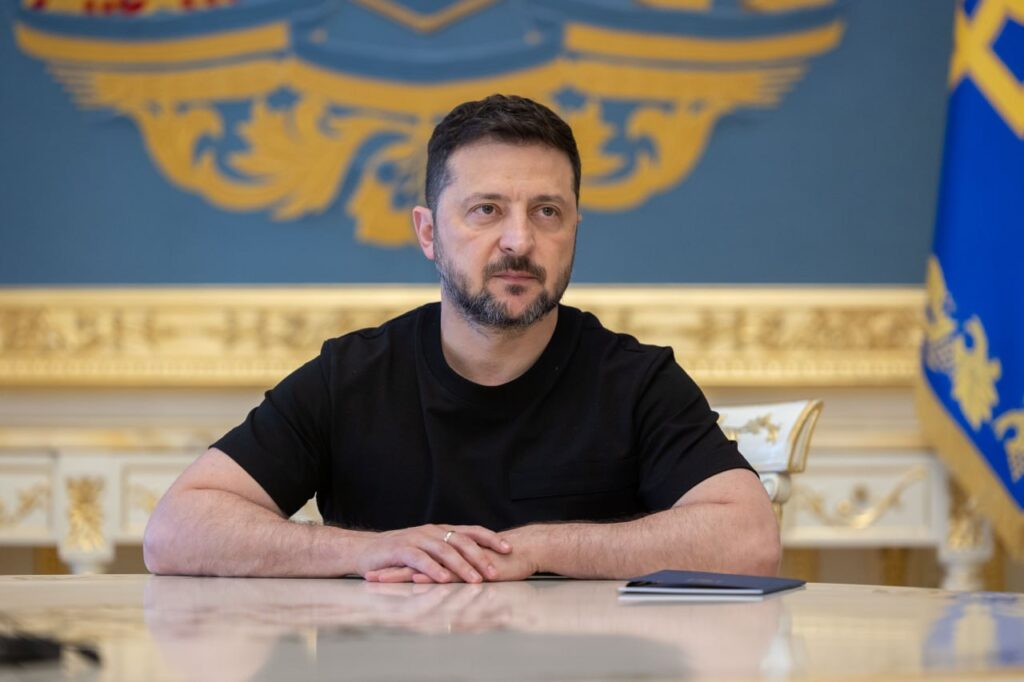
Ukrainian President Volodymyr Zelenskyy, 7 July 2026. Photo: Zelenskyy / Telegram

Ukraine wants the search for Volhynia victims to move faster, President Volodymyr Zelenskyy said in an address on 11 July, the day Poland marks its national remembrance of the 1943–1945 killings. Exhumations begin in two days at the sites of the destroyed villages of Ostrivky and Volia Ostrovetska in Volyn Oblast, he said, and Ukraine has an interest in accelerating the work.

That is the one concession Warsaw has demanded for a decade, and it is arriving in the worst week for it. Ukraine is handing over the bones while Poland's president spends the same day arguing about a flag—and the two governments are no longer saying the same thing to each other.

What starts on 13 July

The work at Ostrivky and Volia Ostrovetska will run from 13 July to 7 August, the Ukrainian Institute of National Remembrance announced on 10 July. Both villages were attacked on the night of 28–29 August 1943; neither exists today.

Search teams worked the same ground from 20 April to 1 May this year, and Polish archaeologists reported finding a previously unknown mass grave near the old Strazhytsia farmstead. They estimated it may hold the remains of about 350 people, RMF24 reported. This week's work turns that survey into exhumation and reburial.

Ukraine imposed a moratorium on Polish search work in 2017 after Ukrainian memorials in Poland were vandalized. It was lifted in 2025. The exhumations are the substantive half of the Polish-Ukrainian memory dispute—and the half that has kept moving while everything above it broke down.

The rest of the day

Zelenskyy framed the anniversary around the present war, saying Ukraine and Poland now face one shared and mortal threat to their independence, and that it is called Russia. Speaking about the past, he said, must not put the future of either nation in doubt. Ukraine's ambassador to Poland, Vasyl Bodnar, knelt at the victims' memorial in Warsaw during a wreath-laying.

Poland's answer came in two registers. Prime Minister Donald Tusk said memory cannot be an instrument of hatred and called for solidarity built on truth, memory, and hope. Defense Minister Władysław Kosiniak-Kamysz, who attended commemorations in the Ukrainian town of Olyka, warned against a "spiral of hatred."

President Karol Nawrocki, speaking in the border village of Radruż, called on parliament to ban the red-and-black UPA flag in Poland by law. He said he blames not Ukrainians but what he called the Bandera ideology, and that turning a blind eye to genocide invites a new one. He also compared the death of a 14-year-old Polish girl at Radruż to the deaths of 14-year-old Ukrainians killed by Russia today.

Ukraine's Foreign Ministry, in its statement for the day, said the two countries share the pain and share the enemy, proposed reviving the Ukrainian-Polish Forum of Historians, and asked that the exhumation work continue without politicization.

Why the flag, why now

The dispute traces to Decree 440/2026 of 26 May, in which Zelenskyy granted the honorary title "Heroes of the UPA" to the Separate Center of Special Operations "Pivnich." Nawrocki stripped him of the Order of the White Eagle on 19 June; Zelenskyy mailed it back; three former Ukrainian presidents renounced their own.

A march is expected in Warsaw on 12 July, organized by Grzegorz Braun's Confederation of the Polish Crown—a party outside the Confederation grouping that sits in the Sejm.

Ukrainian historian Yaroslav Hrytsak, speaking on Suspilne, placed Volhynia inside a chain of violence rather than at its start: the 1938 revindication campaign, Soviet rule, German occupation, the Holocaust. The chain did not end in 1943 either, he said—it ended with Operation Vistula, the Polish communist deportation of Ukrainians from the country's southeast, which historians agree was ethnic cleansing with genocidal motives.

Ukraine's Institute of National Remembrance puts the identified dead at roughly 30,000 Poles and 10,000 Ukrainians. Poland's institute estimates up to 100,000 Poles killed. Warsaw's parliament has declared the killings a genocide; Kyiv has not.
  • ✇Euromaidan Press
  • Two state firms broke law storing ammo in Vyshneve — Zelenskyy
    SBU Deputy Head Major General Oleksandr Poklad has reported to President Volodymyr Zelenskyy on who inside Ukroboronprom allowed weapons and ammunition to be stored in warehouses next to residential buildings in Vyshneve, Kyiv Oblast, Zelenskyy said in his evening address on 11 July. According to the president, the directors of two state enterprises acted in defiance of both the law and a decision of the Supreme Commander-in-Chief's Staff. "There was a direct ban on
     

Two state firms broke law storing ammo in Vyshneve — Zelenskyy

11 juillet 2026 à 14:17

vyshneve

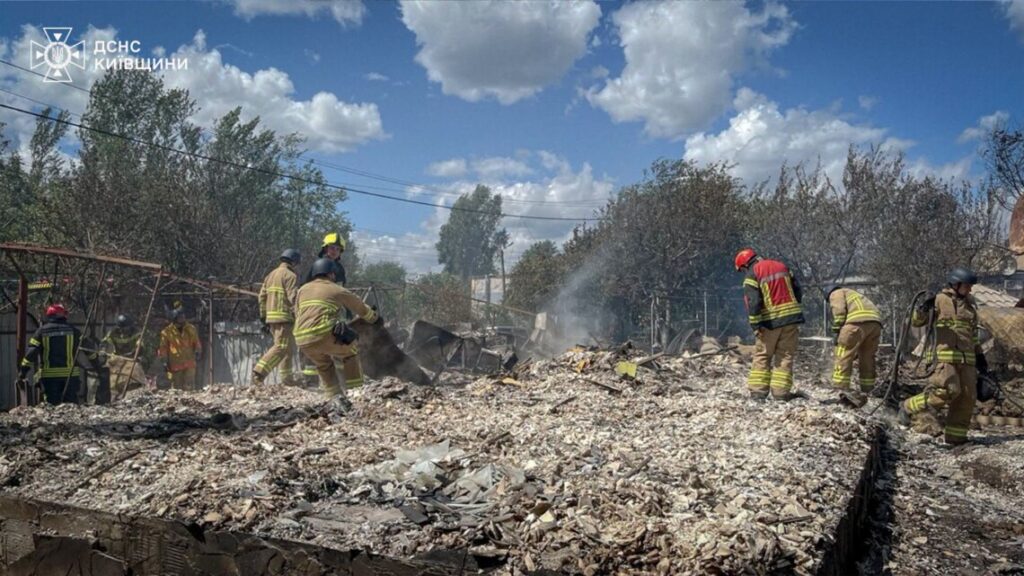
SBU Deputy Head Major General Oleksandr Poklad has reported to President Volodymyr Zelenskyy on who inside Ukroboronprom allowed weapons and ammunition to be stored in warehouses next to residential buildings in Vyshneve, Kyiv Oblast, Zelenskyy said in his evening address on 11 July.

According to the president, the directors of two state enterprises acted in defiance of both the law and a decision of the Supreme Commander-in-Chief's Staff.

"There was a direct ban on this — both under the law and under the Staff's decision — and all of it was violated. The specific officials are known, and the state's position is that each of them must be brought to fair justice. We all understand what wartime means, and every director must feel that people's lives depend on his decisions or his inaction," Zelenskyy said.

Investigators are also examining the conduct of the deputy directors responsible for security, as well as the actions of other officials. The SBU is working jointly with other law enforcement agencies and the Prosecutor General's Office within a criminal case.

"There are proper places in Ukraine to store weapons and ammunition — all of it is defined, so that there are no residential buildings nearby," Zelenskyy added.

The president also called for faster reconstruction of housing destroyed by Russian strikes, not only in Vyshneve. He said there is "something to fix at the government level," and that decisions will follow shortly.

"Today we also spoke in detail about the future of Ukroboronprom. It is a large structure, it includes dozens of enterprises, one of which sited that depot in Vyshneve. Of course, the internal processes within Ukroboronprom for controlling the enterprises and their directors must be stronger," Zelenskyy said.

Background: what happened in Vyshneve

Russia struck Kyiv and Kyiv Oblast with a massive combined barrage overnight on 6 July. Ukraine's Air Force tracked 68 missiles and 351 attack drones, including 23 Iskander-M and S-400 ballistic missiles and six Zircon/Oniks missiles. Air defenses downed or suppressed 363 of 419 targets — but not a single ballistic or Zircon missile was intercepted, and 29 ballistic missiles and 18 drones struck 34 locations.

The failure to stop a single ballistic missile is a direct consequence of Ukraine's exhausted Patriot interceptor stocks, drained further by the global shortage that followed the war on Iran. At the NATO summit in Ankara on 8 July, Donald Trump promised Ukraine a license to build Patriots itself — an offer that cannot stop a missile before 2027, and that Lockheed Martin and RTX had not been told about. Two expert groups advising the UK Defence Ministry were asked whether Ukraine could realistically produce Patriots within a year; both concluded it could not.

In Kyiv itself, the death toll from the overnight barrage climbed to 19 as rescuers kept working through the rubble of damaged high-rises, and eleven of those people died in a basement that the city's own map listed as an official shelter.

In Vyshneve, a town on Kyiv's southwestern edge, the strike triggered a secondary detonation that burned for hours. More than 600 residents were evacuated because of the risk of further explosions. In all, 13 hectares of residential development in the town were damaged. Prime Minister Yuliia Svyrydenko called it the largest destruction of the residential sector in the entire full-scale Russian invasion, and the government is allocating money from the reserve fund to rebuild damaged housing in the community.

General Staff spokesman Dmytro Lykhovii said the facility where the detonation occurred is not subordinate to the Armed Forces and does not fall under their management, noting that the Commander-in-Chief's order banning the siting of ammunition depots near civilian buildings remains in force.

On 9 July, Zelenskyy confirmed that the object hit in Vyshneve was an ammunition depot belonging to one of Ukroboronprom's enterprises, called the situation "absolutely appalling," and promised criminal liability and dismissals. Ukroboronprom, also known as Ukrainian Defense Industry, groups roughly 100 enterprises producing missiles, drones, armored vehicles, and ammunition.

  • ✇Euromaidan Press
  • Drone strike hits four vessels in Russia’s Taganrog Bay, killing one sailor
    Drones attacked four vessels, including a tanker carrying methanol, in Russia's Taganrog Bay on 11 July, killing one sailor aboard a technical vessel, Rostov Oblast governor Yuri Slyusar wrote on Telegram. The strike comes as Ukraine has intensified attacks on Russian tankers elsewhere in the region: over five days, strikes hit 48 Russian vessels near Crimea. The campaign has increasingly targeted tankers, cargo ships, ferries, and other vessels that Ukraine says tra
     

Drone strike hits four vessels in Russia’s Taganrog Bay, killing one sailor

11 juillet 2026 à 03:24

taganrog

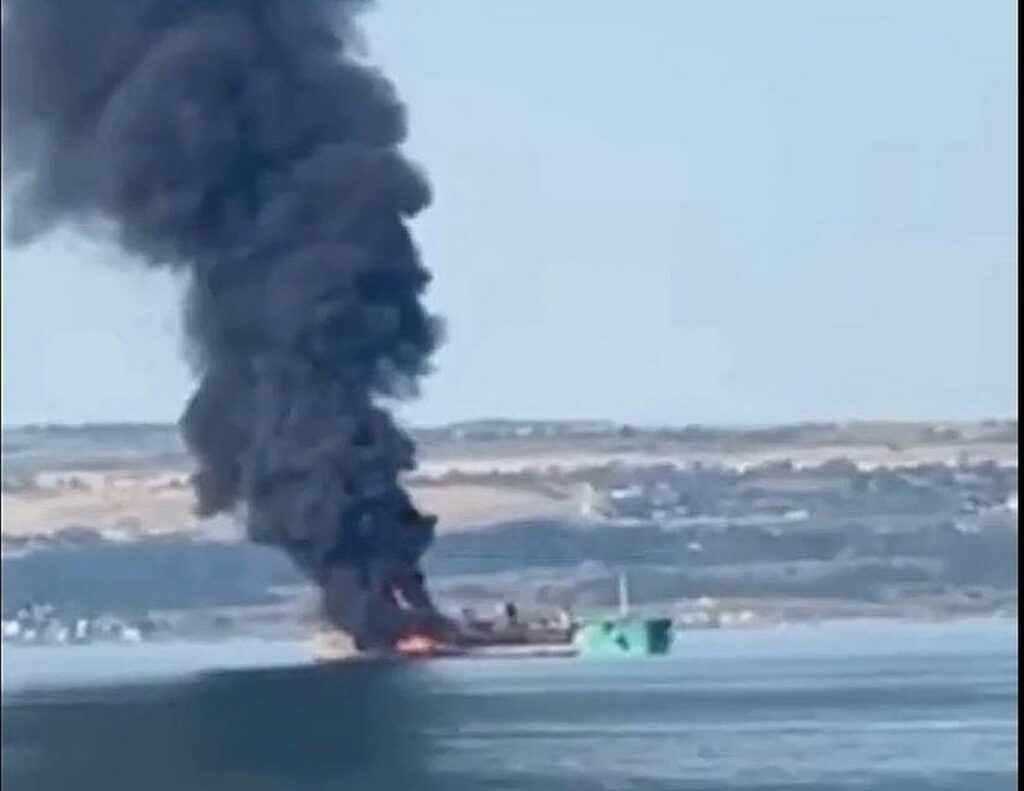
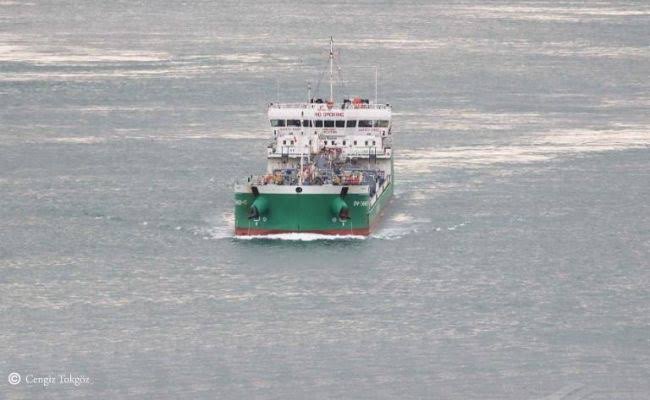
Drones attacked four vessels, including a tanker carrying methanol, in Russia's Taganrog Bay on 11 July, killing one sailor aboard a technical vessel, Rostov Oblast governor Yuri Slyusar wrote on Telegram.

The strike comes as Ukraine has intensified attacks on Russian tankers elsewhere in the region: over five days, strikes hit 48 Russian vessels near Crimea.

The campaign has increasingly targeted tankers, cargo ships, ferries, and other vessels that Ukraine says transport fuel and military supplies sustaining Russian forces after repeated strikes degraded road and rail supply routes to the occupied peninsula.

Casualties and damage

The sailor killed served aboard a technical vessel, Slyusar said. No other injuries were reported.

The four vessels struck were of "various purposes," Slyusar said, and sustained only "minor damage." One of them was a tanker carrying methanol; Slyusar said there was no threat of a leak or spill of the substance.

Air defense response

Air defense units downed more than 15 drones during the attack, according to Slyusar. The strike targeted the city of Taganrog and the Azov and Neklinovsky districts of Rostov Oblast.

Slyusar said drone danger remained active in Rostov Oblast at the time of his post and urged residents to move away from open streets, take shelter indoors, and stay away from windows.

  • ✇Euromaidan Press
  • Russia halts Don-Azov Channel shipping, closes Kerch Strait after Ukrainian tanker strikes
    Russia temporarily stopped shipping through the Don-Azov Channel, a navigable waterway linking the Don River with the Sea of Azov, three grain export industry sources told Reuters on 10 July. Up to one-quarter of wheat exports from Russia, the world's largest exporter of the grain, pass through the Sea of Azov, market analysts said, and Russia's leading grain-producing regions, Rostov and Krasnodar, both lie along its coast. Kerch Strait closure One source said Ru
     

Russia halts Don-Azov Channel shipping, closes Kerch Strait after Ukrainian tanker strikes

11 juillet 2026 à 03:16

isw ukraine has opened new phase crimea's isolation hunting seaborne fuel tankers · post russian tanker burns off sea azov coast after ukrainian drone strike ablaze exilenova+ 1 appears have

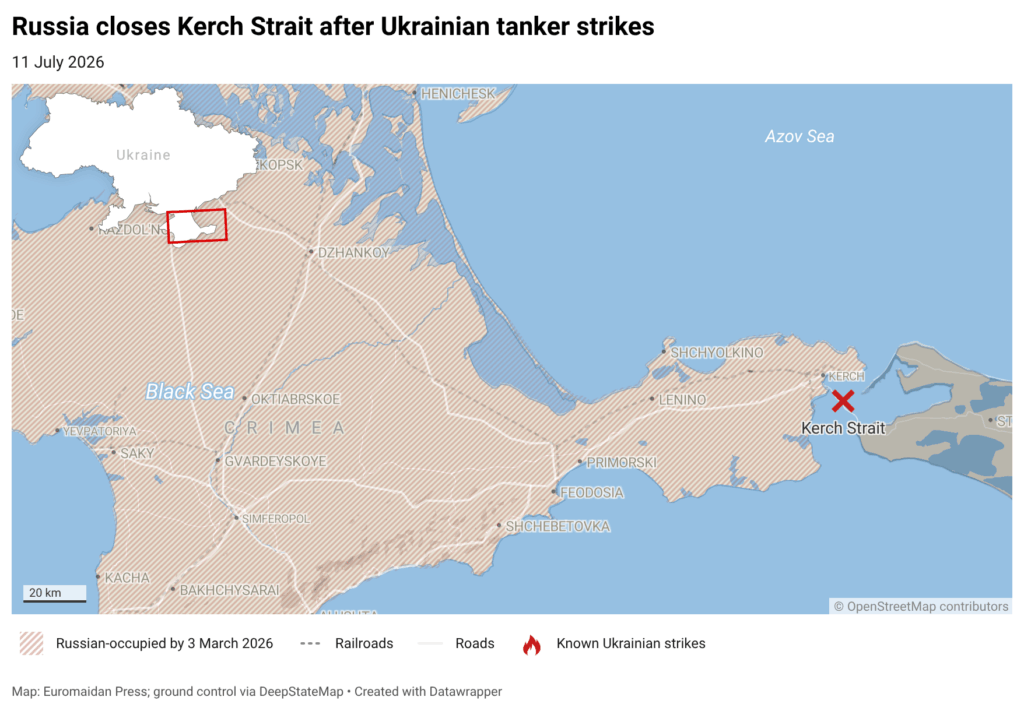
Russia temporarily stopped shipping through the Don-Azov Channel, a navigable waterway linking the Don River with the Sea of Azov, three grain export industry sources told Reuters on 10 July.

Up to one-quarter of wheat exports from Russia, the world's largest exporter of the grain, pass through the Sea of Azov, market analysts said, and Russia's leading grain-producing regions, Rostov and Krasnodar, both lie along its coast.

Kerch Strait closure

One source said Russia's border guards, who report to the FSB security service, notified shipping companies that all requests for passage through the Kerch Strait would not be accepted from 6:10 pm local time on 10 July. The notification did not say when the halt would be lifted, Reuters reported.

The Kerch Strait links the Sea of Azov and the Black Sea. Russia's second-largest port in the Black Sea region is located on the strait.

Russia's agriculture and transport ministries did not respond to a request for comment, according to Reuters.

What preceded the halt

The move followed a Ukrainian attack on 13 Russian vessels in the Sea of Azov on 10 July, including 10 tankers, Reuters reported.

Ukraine has recently intensified attacks on Russian petroleum refineries, triggering fuel shortages across the country, Reuters reported.

Market reaction

Euronext wheat rose as much as 4 percent on 10 July to a six-week high, as talk circulated in the market about a possible closure of shipping through the Sea of Azov.

Analysts and international organizations have warned about risks to global grain trade from the war in Ukraine, because the Black Sea is used by both Ukraine and Russia for grain exports, though there have been no major disruptions to the grain trade over four and a half years of war, according to Reuters.

  • ✇Euromaidan Press
  • Russian hackers accessed doorbell cameras to track Ukraine-bound weapons, Dutch intelligence says
    Russian hackers gained access to internet-connected doorbell cameras to monitor the movement of military equipment being transferred to Ukraine, the Telegraph reported on 10 July 2026, citing the Netherlands' domestic security service and military intelligence service. The intrusions were part of what the Dutch services called a "large-scale Russian operation" aimed at cameras overlooking military transport routes, intended to establish which weapons were being sent to
     

Russian hackers accessed doorbell cameras to track Ukraine-bound weapons, Dutch intelligence says

11 juillet 2026 à 02:54

flat

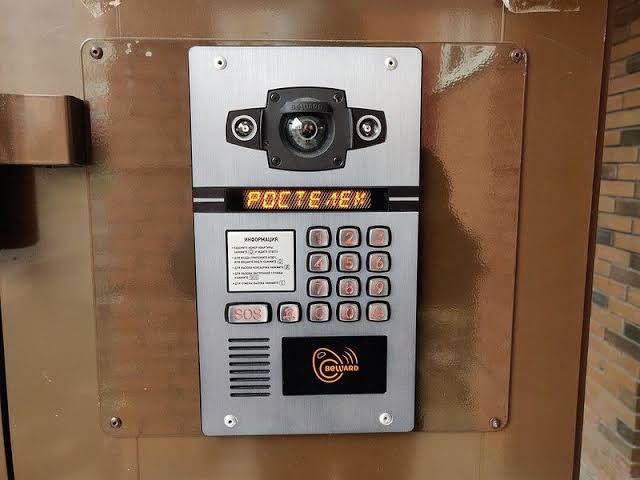
Russian hackers gained access to internet-connected doorbell cameras to monitor the movement of military equipment being transferred to Ukraine, the Telegraph reported on 10 July 2026, citing the Netherlands' domestic security service and military intelligence service.

The intrusions were part of what the Dutch services called a "large-scale Russian operation" aimed at cameras overlooking military transport routes, intended to establish which weapons were being sent to Kyiv. Allies had previously reported similar Russian hacking of internet-connected cameras near Ukraine's borders, close to military facilities, and at railway stations.

Where the intrusions occurred

The services did not disclose the specific locations affected, saying only that the operation concerned "European NATO member states, including the Netherlands, as well as Ukraine."

Organizations operating IP cameras along the affected routes have been notified. "Organizations that have IP cameras (cameras with internet protocol) on these routes have now been warned so that they can take measures," the services said.

How the hackers found their targets

Many of the cameras lacked adequate protection, according to the services. The devices "often used standard passwords, outdated firmware, and typical settings," the services said. Hackers then used readily available apps to scan for devices that might be accessible, the Telegraph reported.

IP cameras have become widespread in recent years because of inexpensive imports and high-speed internet access. The doorbell-mounted systems are commonly used by owners to monitor property through smartphones, and the intelligence agencies did not specify which type of cameras were compromised in this operation.

Allies had previously reported that Russia was hacking internet-connected cameras near Ukraine's borders, close to military facilities, and at railway stations.

  • ✇Euromaidan Press
  • Russian missiles strike four Kyiv districts before air raid siren sounds, injuring 10
    Russian forces struck four Kyiv districts with ballistic missiles overnight on 11 July, injuring at least 10 people, according to Kyiv City Military Administration head Tymur Tkachenko and mayor Vitali Klitschko. The first explosions were heard around 03:38, more than a minute and a half before the city's air raid siren sounded at 03:40. The overnight assault combined ballistic missiles with a large drone swarm, part of a strike pattern that has repeatedly targeted the
     

Russian missiles strike four Kyiv districts before air raid siren sounds, injuring 10

11 juillet 2026 à 02:37

attack on kyiv

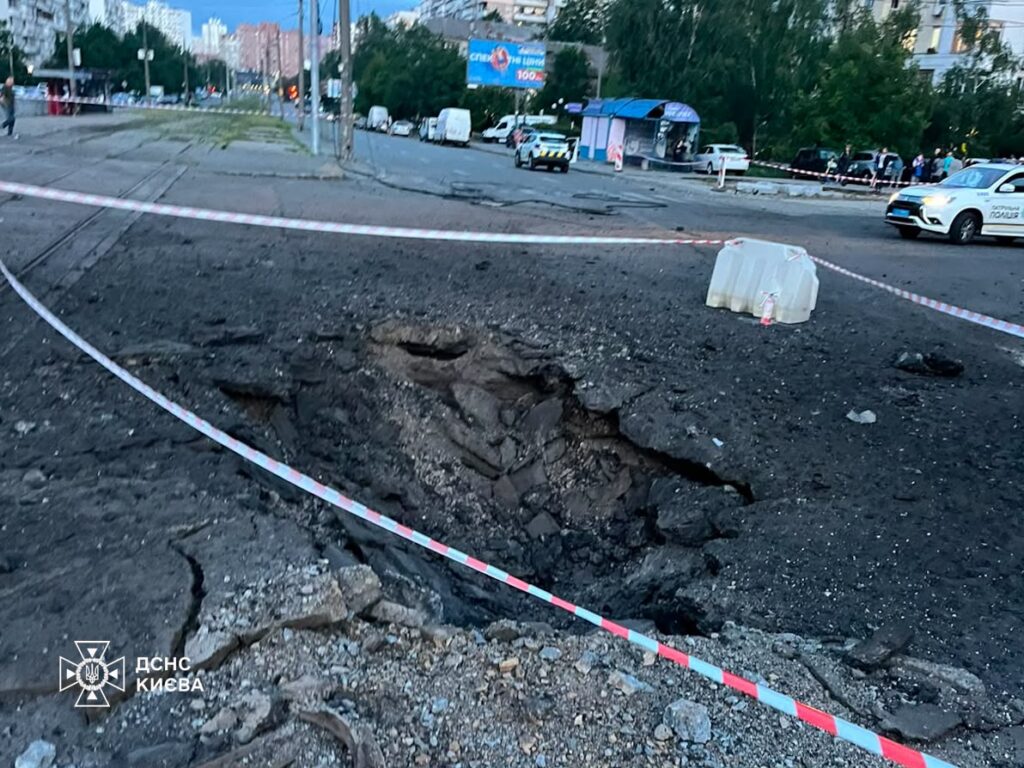
Russian forces struck four Kyiv districts with ballistic missiles overnight on 11 July, injuring at least 10 people, according to Kyiv City Military Administration head Tymur Tkachenko and mayor Vitali Klitschko. The first explosions were heard around 03:38, more than a minute and a half before the city's air raid siren sounded at 03:40.

The overnight assault combined ballistic missiles with a large drone swarm, part of a strike pattern that has repeatedly targeted the capital in recent days—including an air raid alert on the night of 8 July that followed at least four explosions. Ukraine's Air Force said interceptors and electronic warfare stopped roughly 90 percent of the drones launched, while none of the ballistic missiles were shot down.

Blasts preceded the official warning

Tkachenko wrote on Telegram: "The enemy is attacking the capital with missiles. Please stay in safe places!" The regional air raid siren followed the city's alert, activating at 03:54.

Monitoring channels said the weapons used were preliminarily identified as Iskander-M ballistic missiles or S-300/S-400 surface-to-air missiles, launched from Russia's Bryansk region. Klitschko later confirmed that the city had been struck by ballistic missiles.

Air Force reports weapon breakdown and interception rate

According to the Air Force, Russia launched six Iskander-M/S-400 ballistic missiles, four Kh-59/69 guided air missiles, two Kh-31 anti-radar missiles, and 121 drones overnight. Two of the four Kh-59/69 missiles were shot down or suppressed, along with 111 of the 121 drones.

All six ballistic missiles, both intercepted guided air missiles that got through, and seven attack drones hit 11 locations, the Air Force said, while debris fell in three additional locations. The fate of the two anti-radar missiles was not reported.

Damage and casualties across four districts

Klitschko detailed the impact by district: "In Sviatoshynskyi district, preliminarily, a hit on a non-residential building. In Darnytskyi, a transformer substation is on fire. In Solomianskyi, a fire in a three-story office building. In Dniprovskyi, a fire on the territory of non-residential development."

The State Emergency Service said 10 people were injured, including an 11-year-old boy. Klitschko said: "Four of the injured are in city hospitals. Others received medical assistance on site."

❌