Vue normale

  • ✇Euromaidan Press
  • Ukrainian pilots opened the Bastille Day flypast from French fighter jets
    Two French Mirage 2000B fighters opened the Bastille Day flypast over Paris on 14 July, each with a Ukrainian co-pilot in the cockpit, Militarnyi reported. It was the first time Ukrainian pilots had taken part in France's national parade. French pilots flew the aircraft; the Ukrainians served as second pilots. The Mirage 2000-5F that France sends to Ukraine is a single-seat aircraft, so there is no room for a passenger. The two-seat 2000B was flown instead—the trainer versi
     

Ukrainian pilots opened the Bastille Day flypast from French fighter jets

14 juillet 2026 à 11:04

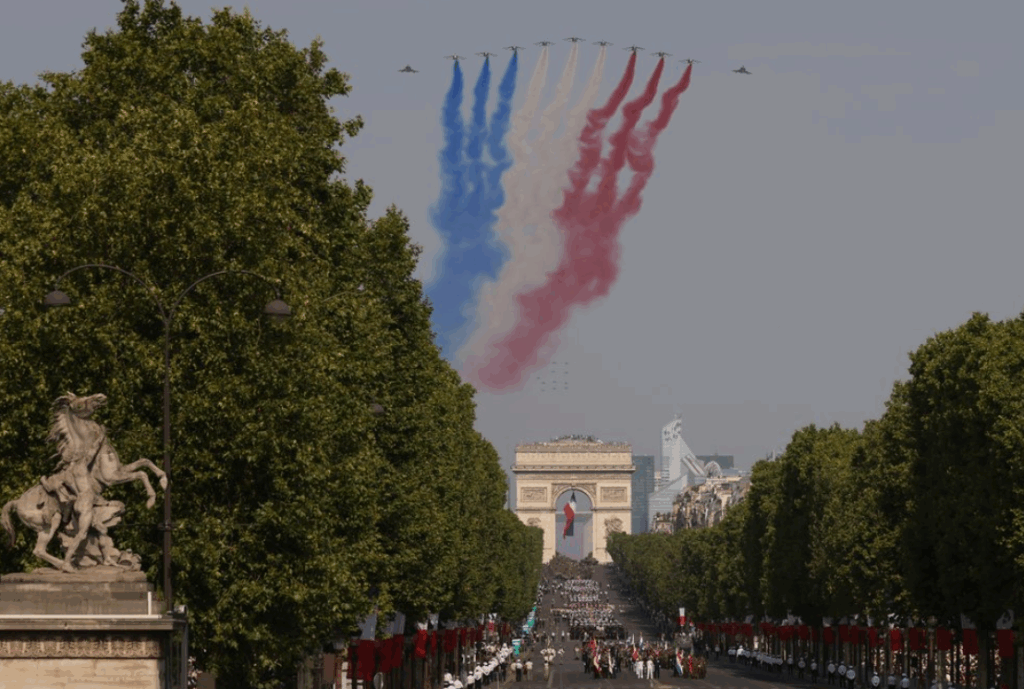
The French Air and Space Force's national aerobatic team performs a flypast during the annual Bastille Day military parade on the Champs-Élysées, with the Arc de Triomphe in the background, Paris, France, 14 July 2026. Photo: AP/Thomas Padilla

Two French Mirage 2000B fighters opened the Bastille Day flypast over Paris on 14 July, each with a Ukrainian co-pilot in the cockpit, Militarnyi reported. It was the first time Ukrainian pilots had taken part in France's national parade. French pilots flew the aircraft; the Ukrainians served as second pilots.

The Mirage 2000-5F that France sends to Ukraine is a single-seat aircraft, so there is no room for a passenger. The two-seat 2000B was flown instead—the trainer version. Ukrainian pilots and aircraft technicians are still training on the type at Luxeuil air base in eastern France, ahead of further Mirage deliveries.

What France put in the air

The flypast began at 10:21 a.m. in Paris, ahead of the ground columns. Ninety-five aircraft crossed the sky over Paris—84 French and 11 from other European countries, along with 32 helicopters.
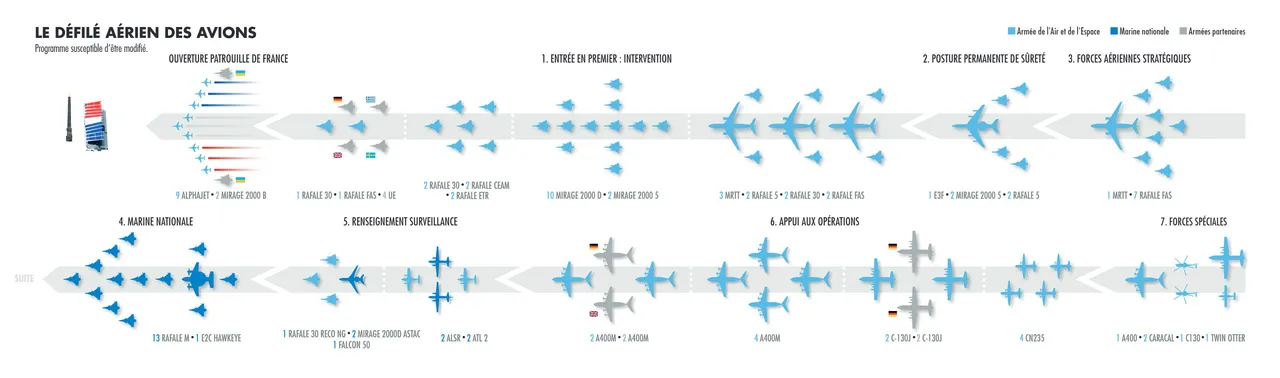
Flight plan for France's Bastille Day air parade on 14 July 2026. Source: Armée de l'Air et de l'Espace
Flight plan for France's Bastille Day air parade on 14 July 2026. Photo: Armée de l'Air et de l'Espace

For the first time at a Bastille Day parade, French fighters flew with weapons mock-ups fixed under their wings, among them the Scalp cruise missile France supplies to Ukraine for strikes on Russian targets, France 24 reported. The Élysée called it an unprecedented demonstration of how France's land and air forces now work together.

It was the largest parade France has staged: 6,686 troops on foot and 315 vehicles, with 98 aircraft and 31 helicopters listed in the official program the day before—a handful fewer flew on the day. Around 500 soldiers from 35 Coalition of the Willing countries opened the march. Twenty-five Ukrainian soldiers followed them.

What leaders said

The parade was French President Emmanuel Macron's tenth and last as commander-in-chief, as he leaves office in 2027. The Élysée gave it a theme: the strategic awakening of Europe.

"The message we send to the world is this: Yes, peace is our goal. Yes, we cherish freedom and the rule of law. And yes, we stand ready to fight to defend them. Always, and at the cost of blood if necessary," Macron said in his address to the armed forces on the eve of the parade.

President of Ukraine Volodymyr Zelenskyy echoed that message and told the French news channel BFMTV that this parade, this idea of inviting Ukraine, of bringing together the coalition of the willing, of staging this demonstration—all of it is a very good signal. 

Then he added that people only realize the war is close, he said, when it comes within 50 km of their border. He thanked the French for understanding—and noted that the problem is not France's alone: if the war is not in your country, not on your land, not in your house, you cannot feel it.

Macron: "Proud to see the Ukrainian military marching alongside our forces." https://t.co/2f44QwAZyN

— Euromaidan Press (@EuromaidanPress) July 14, 2026

What Bastille Day is

France's national holiday marks 14 July 1789, when Parisians stormed the Bastille fortress and prison— the event that started the French Revolution and brought down the monarchy. The military parade on the Champs-Élysées is its centerpiece, and the guest list is always a statement.

The symbolism extended beyond the parade itself. It came a day after Macron hosted the Coalition of the Willing summit in Paris, where European governments discussed a new air-defense initiative built around a Ukrainian interceptor.

  • ✇Euromaidan Press
  • Europe’s answer to the Patriot costs $700,000 a shot—and no foreign government can switch it off
    Ten countries launched a coalition in Paris on 13 July around Freya, a Ukrainian-made interceptor meant to shoot down Russian ballistic missiles at a fraction of a Patriot's cost. President of Ukraine Volodymyr Zelenskyy told the meeting he hopes to see Freya working within a year. Its maker does not expect to intercept a ballistic missile until the end of 2027. Ukraine shoots down four out of ten Russian ballistic missiles. Only the American Patriot reliably kills them, Uk
     

Europe’s answer to the Patriot costs $700,000 a shot—and no foreign government can switch it off

14 juillet 2026 à 06:52

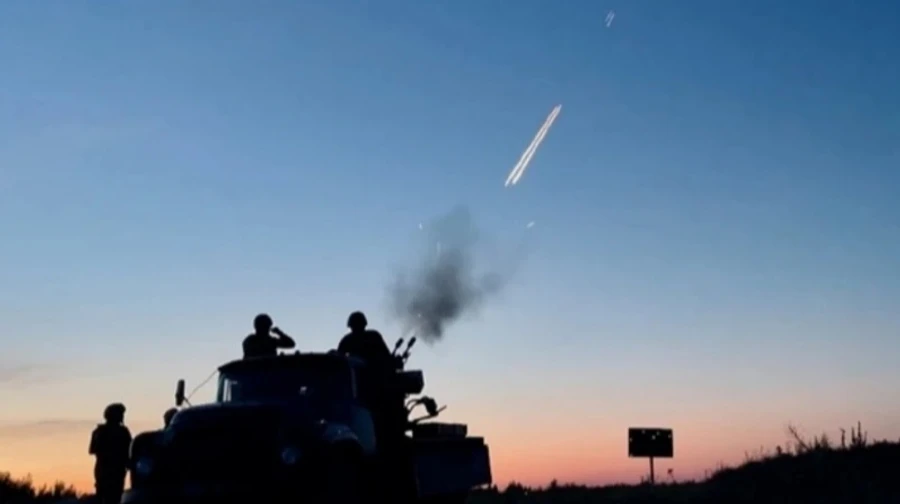
Ukrainian air defense unit. Photo: Western Operational Territorial Command of the National Guard of Ukraine

Ten countries launched a coalition in Paris on 13 July around Freya, a Ukrainian-made interceptor meant to shoot down Russian ballistic missiles at a fraction of a Patriot's cost. President of Ukraine Volodymyr Zelenskyy told the meeting he hopes to see Freya working within a year. Its maker does not expect to intercept a ballistic missile until the end of 2027.

Ukraine shoots down four out of ten Russian ballistic missiles. Only the American Patriot reliably kills them, Ukraine burns through about 60 of those interceptors a month on what its Air Force calls a "starvation ration," and there is one company on Earth that builds them.

What Freya is

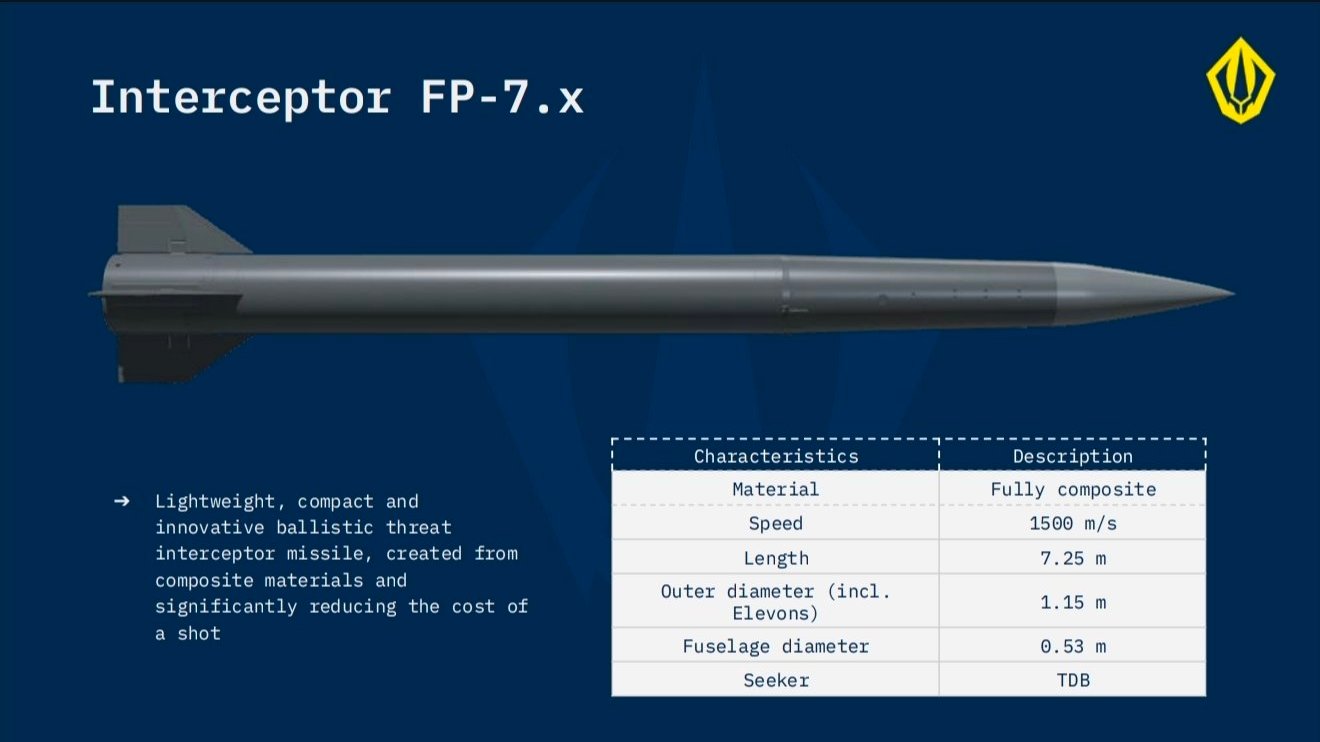
It is not a new weapon. Kyiv arms maker Fire Point is converting a ground-attack ballistic missile it already builds into an interceptor, reusing the airframe of a Soviet-era missile Ukraine's air force has flown for decades.

Freya's shot costs around $700,000. A Patriot interceptor costs $3.8 million—more than five times as much. The idea is a missile cheap enough to fire at everything Russia launches.

It is also slower than its target, a Russian Iskander comes down at roughly 2,100 meters per second; the Freya tops out near 2,000 meters per second. It does not win a chase. It gets to the right piece of sky first and waits.


Freya system missile.

Freya system missile. Chart: Fire Point.

A missile alone is not an air defense system. It needs radar to see the incoming missile, radar to steer the interceptor, and a command center to run the intercept. Ukraine is buying it all in Europe: Fire Point has signed a memorandum with Germany's Hensoldt for the detection radar—its CEO says the radar gap is now closed—while firms in Denmark, Italy, and Norway remain candidates for the rest.

The part nobody has

What turns a rocket into an interceptor is the seeker—the eye that finds a missile falling at six times the speed of sound. Fire Point wants it from Germany's Diehl Defense. There is a cooperation agreement, signed in April. As of the company's last public account, there was no supply contract.

The plan is to start serial production of missile bodies in August, at up to three per day, and to store the airframes until German seekers arrive. Ukraine will spend the autumn filling a warehouse with half-finished missiles. Diehl has published no delivery schedule.

Freya system missile.
Explore further

The Freya air defense system could take down Russian ballistic missiles. Can Ukraine build it?

The missile itself works, the first flight test reached 25 km—Patriot's altitude—and steered mid-flight. It has still never met a ballistic missile.

What Paris did and didn't do

The coalition produced a declaration and a flagship project, but no money for either. Marc DeVore, a St Andrews scholar of arms production, told Euromaidan Press he would be "very happy" if Freya were truly operational by December 2027, and is "fairly doubtful" about December 2026. Intercepting ballistics, he noted, is harder than anything Ukraine has already mastered—drones included.

  • ✇Euromaidan Press
  • Russia’s ex-space chief calls for “systematic zeroing out” of the Starlink satellite constellation
    A Russian senator has demanded the destruction of the Starlink satellite constellation, claiming its loss would allow Russia to win the war in Ukraine within weeks, The Moscow Times reported. The call landed as a joint European investigation revealed that Russia and China have worked on anti-Starlink weapons for three years without producing a solution.  Ukraine's access to Starlink gives it a significant advantage over Russia — this is the nervous system of the drone war f
     

Russia’s ex-space chief calls for “systematic zeroing out” of the Starlink satellite constellation

14 juillet 2026 à 05:38

russia's ex-space chief calls systematic zeroing out starlink satellite constellation · post russian senator former roscosmos head dmitry rogozin moscow times alco ukraine news ukrainian reports

Russian senator has demanded the destruction of the Starlink satellite constellation, claiming its loss would allow Russia to win the war in Ukraine within weeks, The Moscow Times reported. The call landed as a joint European investigation revealed that Russia and China have worked on anti-Starlink weapons for three years without producing a solution. 

Ukraine's access to Starlink gives it a significant advantage over Russia — this is the nervous system of the drone war for whoever holds it — SpaceX's cutoff of smuggled Russian terminals in early 2026 collapsed Russian frontline command and control and temporarily grounded parts of Moscow's own drone fleet, leaving Russia to fight the network it once quietly used.

"Koschei's needle in Elon Musk's egg"

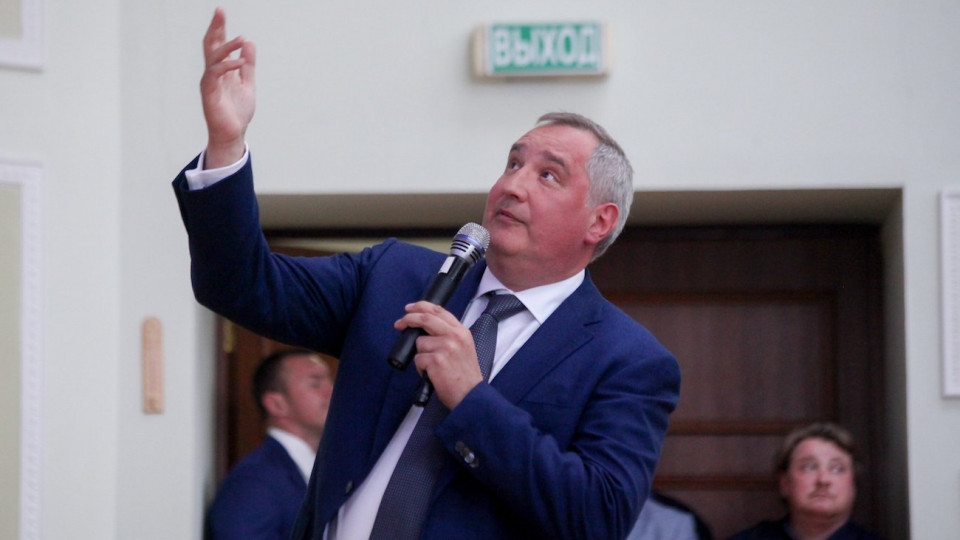
Dmitry Rogozin, a senator and former head of Russia's space agency Roscosmos, wrote on Telegram that Ukraine must lose access to Starlink. He demanded a "systematic zeroing out" of the satellite constellation.

"The enemy will lose its advantage in global control of unmanned systems, and the war will end within two to three weeks with its complete rout. Starlink is that very needle of Koschei the Immortal that must be taken out of Elon Musk's egg and broken," Rogozin stated.

Koschei the Immortal is a villain of Russian folklore whose death is hidden in a needle concealed inside an egg, inside a duck, which is then stuffed into a hare—for whatever Russian reason. Breaking the needle kills him.

Communication and control of unmanned systems matter more in modern combat than thousands of tanks and aircraft, Rogozin claimed. He asserted that Russia knows several ways to cut its enemy off from Starlink, without naming any.

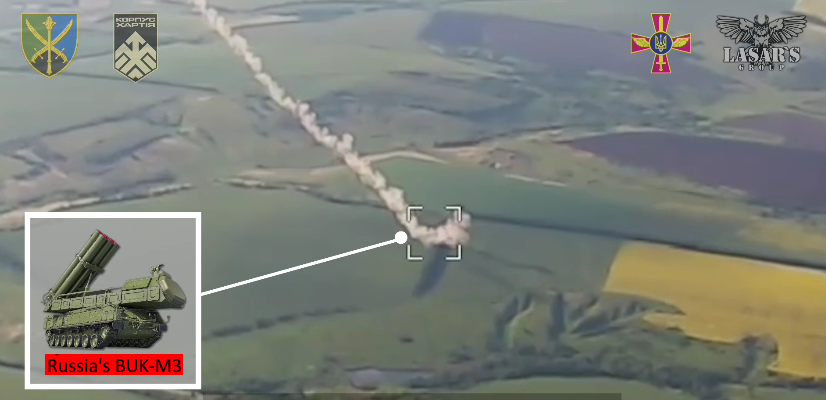
Ukrainian drones killed a Russian Buk-M3 air defense system. Credit: Lasar's Group
Explore further

Russia has found way to jam Starlink and take down Ukraine’s drones

China offered anti-Starlink options back in 2023

Rogozin's statement came amid the publication of an investigation by Der Spiegel, The Insider, and Le Monde into Russian-Chinese military-technical cooperation. Beijing offered Moscow various ways to counter the Starlink network as early as 2023, the outlets found.

The Chinese proposals ranged from cyberattacks and diplomatic pressure to developing means of physically destroying satellites. So far, no solution has been proposed, according to the investigation.

  • ✇Euromaidan Press
  • Drone Australia just trialed learned to fly through Russian jamming over Ukraine
    Australia is testing a reconnaissance drone that Ukraine has hardened for combat use. The Australian Army tested the Vector AI reconnaissance drone during Southern Jackaroo exercises at the Townsville training ground in Queensland, Defense-Blog reports. The Vector AI is made by German company Quantum Systems, which has made Ukraine its second-largest international base with several hundred employees across production, research and development, and product modernization.
     

Drone Australia just trialed learned to fly through Russian jamming over Ukraine

12 juillet 2026 à 12:28

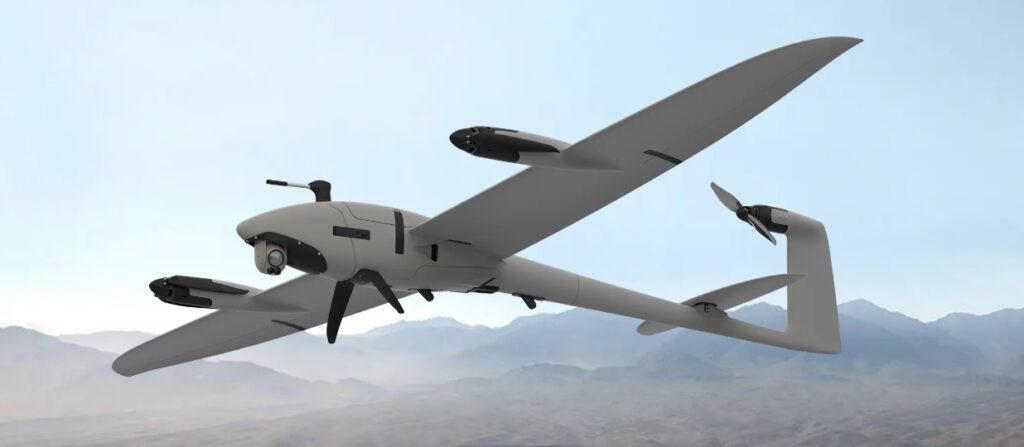
Vector drone

Australia is testing a reconnaissance drone that Ukraine has hardened for combat use. The Australian Army tested the Vector AI reconnaissance drone during Southern Jackaroo exercises at the Townsville training ground in Queensland, Defense-Blog reports.

The Vector AI is made by German company Quantum Systems, which has made Ukraine its second-largest international base with several hundred employees across production, research and development, and product modernization.

Quantum Systems produces roughly 80 Vector reconnaissance drones per month at its Ukrainian facility. Thousands of hours of combat flight in Ukraine helped adapt the platform to real battlefield threats such as electronic warfare and air defense. The version Australian troops tested at Townsville already reflects Ukrainian combat feedback rather than pure test-range design.

24/7 operator support for Ukrainian drone pilots from Australian office

Quantum Systems already provides 24/7 operator support for Ukrainian drone pilots from its Australian office. The Southern Jackaroo's appearance formalizes the direction of Ukraine-battle-tested drone technology into Australian military use.

Australian troops used the drone for deep reconnaissance, target detection, and data transmission for follow-up strikes by drones and artillery against simulated enemy positions.

Vector AI incorporates Ukraine's electronic-warfare lessons

The Vector platform has been operational in Ukraine since May 2022. Quantum Systems representative Oleksandr Bereshnyi said in October 2025 that Vector drones face constantly changing jamming conditions on the front. 

"What worked last week might not work next week," Bereshnyi said.

Quantum Systems has been integrating advanced electronic-warfare countermeasures into the Vector platform: CRPA antennas resistant to interference, edge-computing AI systems for navigation and target recognition, and enhanced data transmission channels. All the developments came in response to Ukrainian battlefield conditions.

Vector AI is a convertiplane with 2.8-meter wingspan

The Vector AI has a 2.8-meter wingspan and uses a convertiplane design. It takes off and lands vertically without a runway, then transitions to horizontal flight to cover long distances like a fixed-wing aircraft.

The drone uses AI-based data processing to create real-time terrain maps and independently detect and track objects.

US Senator Graham died day after his last visit to Kyiv. His Russia’s “sanctions from hell” bill loses its architect at moment it might pass

12 juillet 2026 à 05:25

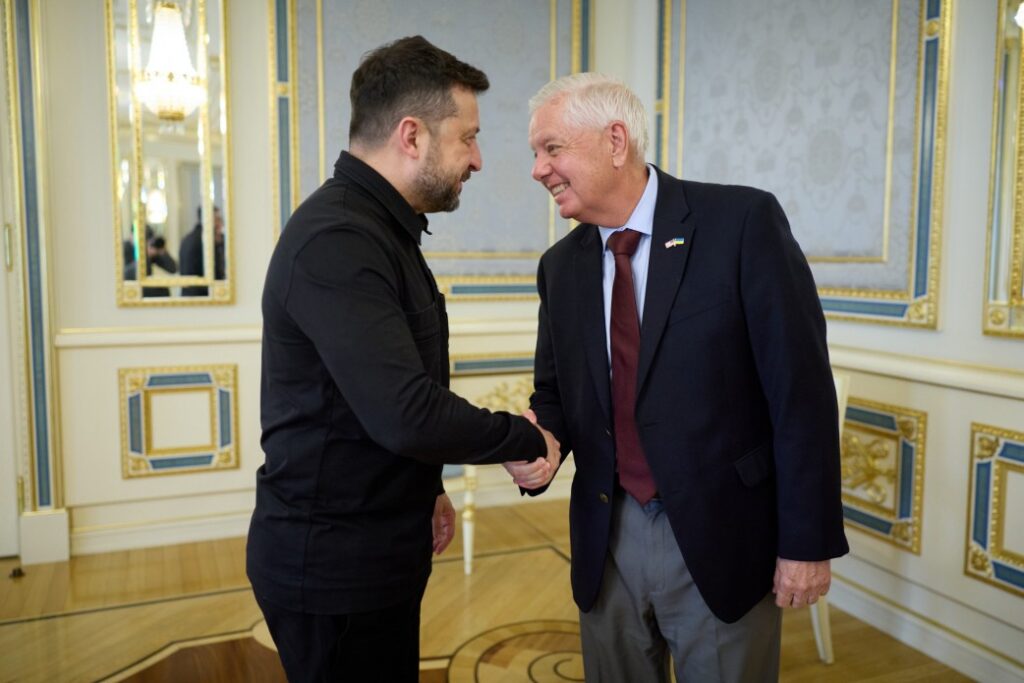
President of Ukraine Volodymyr Zelenskyy met with US Senator Lindsey Graham on 10 July, in Kyiv. Source: the Ukrainian President's Office

US Senator Lindsey Graham (R-South Carolina), Ukraine's most consistent Senate ally, died on 11 July after a short and sudden illness, according to a statement on Graham's official X account. He was 71. 

His last foreign visit was to Kyiv on 10 July, where he met with President Volodymyr Zelenskyy to discuss the US-Ukraine cooperation on Ukrainian drone production. Graham said it would be a "huge mistake" for the US not to develop cooperation with Ukraine in this area.

The day before his death, Graham said he had finally secured commitment from the Trump administration for his "sanctions from hell" 500% tariff bill targeting countries buying Russian oil, gas, and uranium, per Interfax Ukraine.
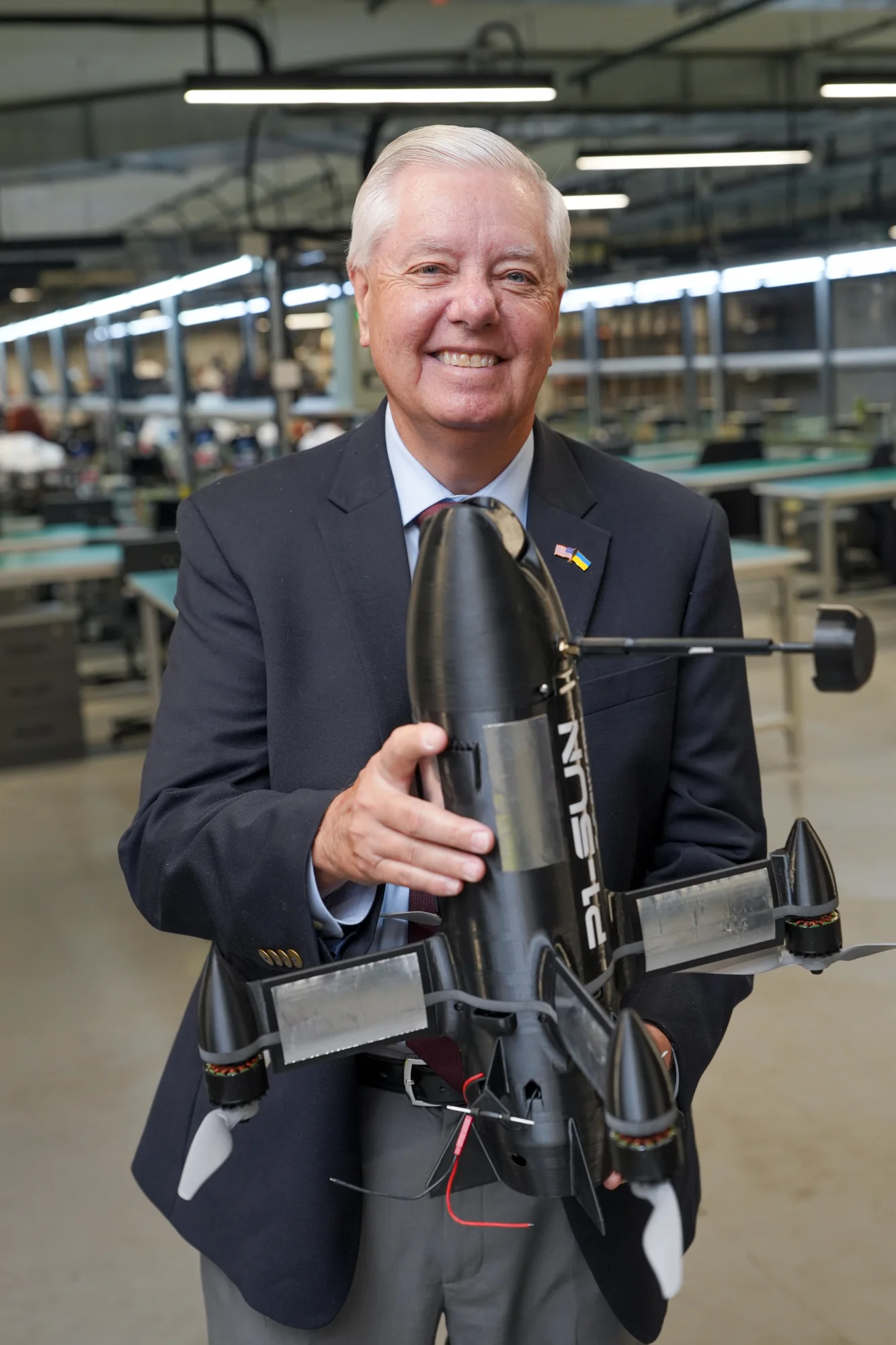
US Republican Senator Lindsey Graham is holding Ukraine's P1-SUN interceptor. Source: SkyFall Interfax

Graham unveiled the tariff legislation in January 2026 alongside President Donald Trump aboard Air Force One, describing it as a tool that would allow the president to impose tariffs ranging from 0 to 500 percent on any nation buying Russian crude.

The bill previously secured commitment from 72 senators. Sanctions were among the issues Graham discussed with Zelenskyy on 10 July, at a moment when Ukrainian strikes have taken over 40 percent of Russian oil refining capacity offline. Passage would give the sanctions maximum leverage.

Graham built his record in Ukraine over more than a decade. He was one of the few US senators who insisted on sanctions against Russia after Russia's 2008 war on Georgia. That initiative did not gain wide support, according to the BBC. 

After Russia's 2014 annexation of Crimea, Graham publicly diverged from the Obama administration's Ukraine policy.

"The Obama Administration would not provide the Ukrainian government the weapons it needed to continue the fight. Unfortunately, the Obama Administration and our NATO allies sold Ukraine out. Putin is winning, we are losing," Graham said.

Graham built his Ukraine record over multiple Kyiv visits

Graham has made multiple visits to Kyiv since Russia's full-scale war in 2022. In July 2022, he and Democratic Senator Richard Blumenthal made their first wartime visit to Kyiv, visiting bombed Borodianka and Bucha.

Anton Herashchenko, who accompanied the visit as adviser to Ukrainian Interior Minister Denys Monastyrskyi, remembered "tears in the eyes of Lindsey and Richard when they looked at photos of victims of Russian killers."

"Lindsey clearly understood that the interests of the US are the maximum weakening of Putin. Therefore, he used all his influence so that Ukraine received Patriot, F-16, ATACMS, and much more powerful American weapons," Herashchenko wrote.

Graham returned to Kyiv with Blumenthal on 30 May 2025 to promote the tariff bill and reaffirm bipartisan support for Ukraine.

Graham's role during the Trump-Zelenskyy tensions of 2025 was complicated. After the 28 February Oval Office confrontation between Zelenskyy, Trump, and Vice President JD Vance, Graham called for Zelenskyy's resignation. Zelenskyy rejected the demand.

But by November 2025, as Trump-brokered peace talks intensified, Graham warned that any Ukrainian surrender to Putin would "haunt us all."

He continued to advocate for Ukraine within the Trump team, even during the coldest moments of the Trump-Zelenskyy relationship.

Graham was Washington's fiercest anti-Putin voice in Republican politics. His death leaves the 500% tariff bill without its principal Senate architect at the moment his announcement suggested it might finally pass.

  • ✇Euromaidan Press
  • For first time, Ukrainian pilots will fly over Champs-Élysées in French Mirages on Bastille Day
    Ukrainian pilots will co-pilot French Mirage 2000B fighter jets in the Bastille Day parade flyover. 25 Ukrainian troops will also march at France's 14 July national holiday parade on the Champs-Élysées alongside French forces and representatives of 34 other Coalition of the Willing countries, in Ukraine's first participation in France's Bastille Day parade, Ukrinform reports.  Ukraine received the maximum foreign quota established by France, with each partner delegation all
     

For first time, Ukrainian pilots will fly over Champs-Élysées in French Mirages on Bastille Day

12 juillet 2026 à 04:21

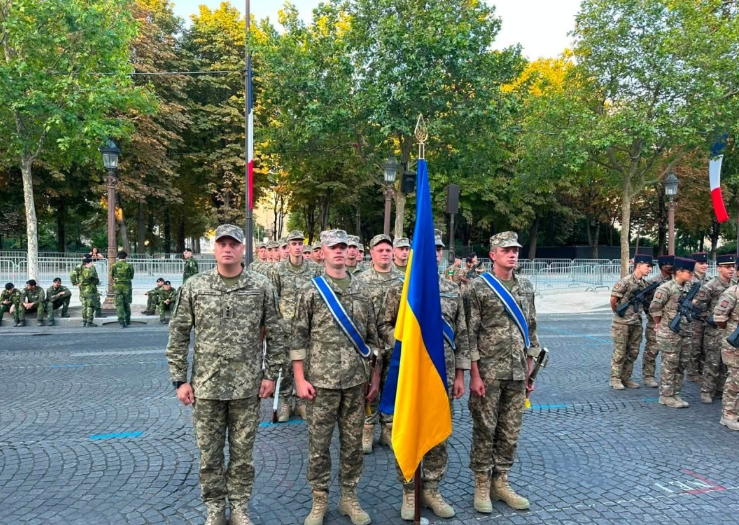
Ukrainian troops are preparing for France's 14 July national holiday parade alongside French forces and representatives of 34 other Coalition of the Willing countries. Source: UkrInform

Ukrainian pilots will co-pilot French Mirage 2000B fighter jets in the Bastille Day parade flyover. 25 Ukrainian troops will also march at France's 14 July national holiday parade on the Champs-Élysées alongside French forces and representatives of 34 other Coalition of the Willing countries, in Ukraine's first participation in France's Bastille Day parade, Ukrinform reports

Ukraine received the maximum foreign quota established by France, with each partner delegation allowed between 7 and 25 servicemembers.

The parade opens with Patrouille de France accompanied by two French Mirage 2000B two-seaters. French pilots will fly the aircraft, but Ukrainian pilots trained in France will serve as co-pilots.

The Mirage 2000B jets used in the flyover are the same aircraft Ukrainian pilots trained on. Ukraine's Air Force reported near-perfect 98 percent effectiveness of its Mirage 2000s against Russian drones and missiles in November 2025, per Euromaidan Press. The Mirage's Magic 2 missile achieved nearly 100 percent success against aerial targets.


The Bastille Day appearance sits within a growing Franco-Ukrainian air cooperation. France delivered the first Mirage 2000-5F to Ukraine in February 2025 and, by early 2026, was considering transferring all 26 of its Mirage 2000 aircraft to Ukraine.

Ukrainian pilots trained at the Nancy and Cazaux air bases in France for approximately six months on two-seater Mirage 2000B trainers before transitioning to the single-seat combat Mirage 2000-5F.

Ukraine gets maximum foreign quota with 25 servicemembers

Ukrainian Senior Lieutenant Yaroslav says the participation is a great honor and responsibility, and an opportunity to represent the Ukrainian people and Armed Forces marching alongside the troops of other states. He said Ukrainian troops are marching for those on the front line and in memory of those killed in combat.

"Because thanks to their courage, Ukraine continues to fight, so we march for everyone who is now on the front line. And in memory of those who fell in battle. And we remember every hero," Yaroslav says.

Preparation for the parade lasted several weeks. Every day, participants worked on a drill step to demonstrate military discipline. The final rehearsal on 11 July specifically tested whether the orchestra's march would remain audible during the fighter jet flyover above Paris.

Ukrainian troops will close the international section of the parade opening. Coalition of the Willing forces will march in a pedestrian formation, with 503 service members in total in the international contingent.

Coalition of the Willing gathers 35 countries at the parade

The Coalition of the Willing is a European planning body established to develop security guarantees for Ukraine in the event of a potential ceasefire. Ukraine, plus 34 other coalition countries, will be represented at the Bastille Day parade.

President Volodymyr Zelenskyy will be on the presidential tribune alongside other heads of state and government. Almost 6,700 military personnel will march down the Champs-Élysées on 14 July. According to French officials, this is the largest number of participants in the parade's history.

  • ✇Euromaidan Press
  • Japan builds the missiles Ukraine needs most—its own rules forbid the handoff
    Mitsubishi is the only licensed non-US manufacturer of the advanced PAC-3 interceptor, and Zelenskyy pointed to it as a model for building Ukraine's own production capacity, speaking to journalists on 9 July. Ukrainian President Volodymyr Zelenskyy said Ukraine wants to work with Japan's Mitsubishi Heavy Industries. He also said the company demonstrates a very high level of Patriot missile production and called it perhaps the strongest example today of how a country can est
     

Japan builds the missiles Ukraine needs most—its own rules forbid the handoff

10 juillet 2026 à 08:57

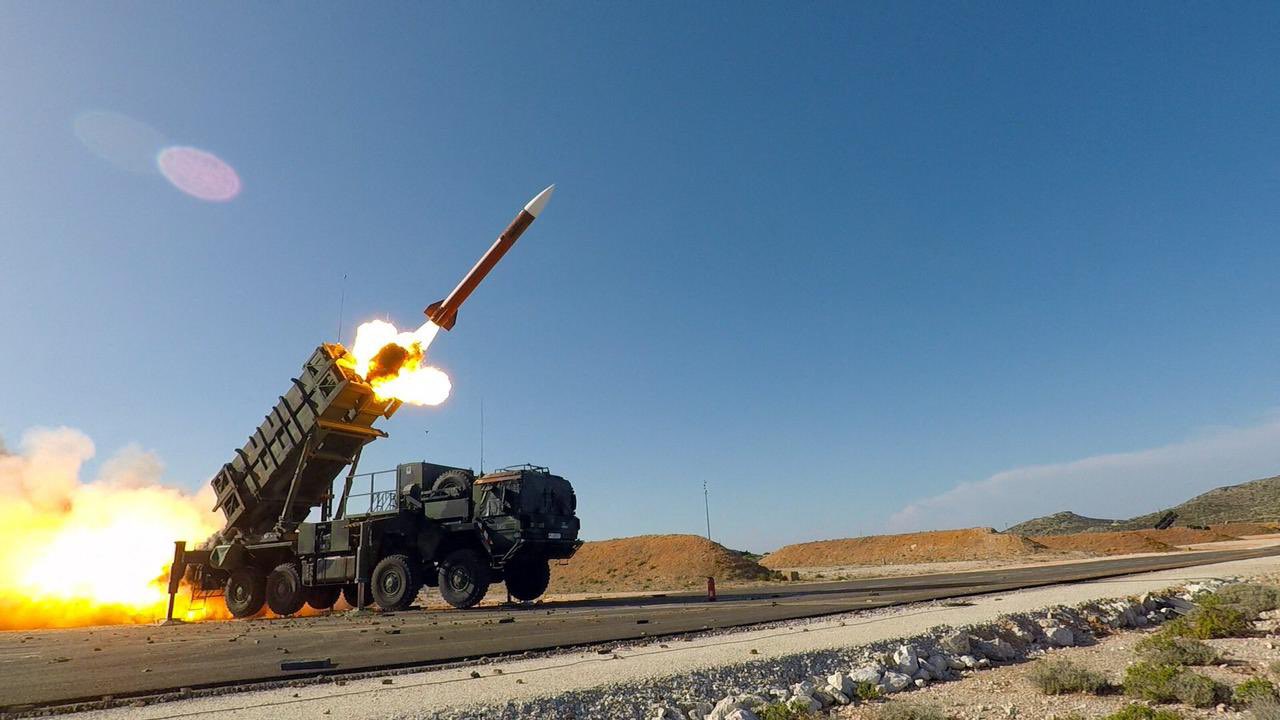
Patriot ukraine air defense

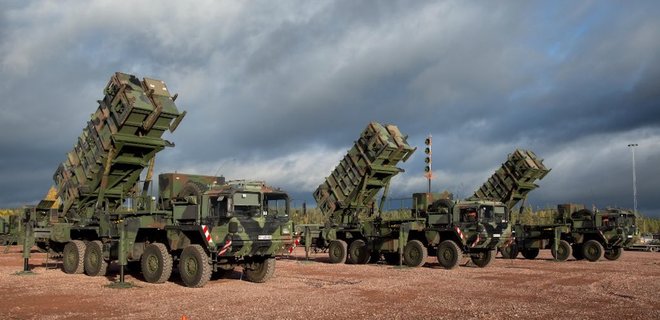
Mitsubishi is the only licensed non-US manufacturer of the advanced PAC-3 interceptor, and Zelenskyy pointed to it as a model for building Ukraine's own production capacity, speaking to journalists on 9 July. Ukrainian President Volodymyr Zelenskyy said Ukraine wants to work with Japan's Mitsubishi Heavy Industries. He also said the company demonstrates a very high level of Patriot missile production and called it perhaps the strongest example today of how a country can establish its own anti-ballistic missile production after obtaining a US license. Ukraine would like to see similar production capabilities developed domestically.

The statement came the day after Trump promised Ukraine a Patriot production license at the NATO summit in Ankara—the prerequisite that would make any Mitsubishi partnership meaningful. But Zelenskyy's interest runs into a wall his own words can't wish away: Japan's Three Principles on the Transfer of Defense Equipment and Technology bar arms transfers to countries engaged in active conflict.

When Tokyo shipped PAC-3 interceptors to the United States in November 2025, it did so on the explicit condition that they stay under US control and never reach a third country—which is why Ukraine received not a single Japanese-made interceptor from that transfer, only the US stocks it backfilled.

What Mitsubishi makes—and why Ukraine wants it

Mitsubishi Heavy Industries produces roughly 30 PAC-3 interceptors a year under license from Lockheed Martin, with the capacity to roughly double that once its main constraint—Boeing-built seekers, still in short supply—eases.

Boeing began expanding seeker production in 2023, with results expected from 2027. Japan's leverage in the Patriot supply chain runs deeper than assembly: it is the only producer of the guidance gyroscopes fitted in PAC-2 missiles—a component the US lost the ability to make domestically and had to request from Tokyo, which approved the export on 17 July 2014.

Ukraine's interest is less about buying interceptors than about copying a template: how a non-US country took an American technology license, built a domestic manufacturing base, and became an exporter of one of the most sought-after air-defense interceptors in the world.

Patriot air defense system
Explore further

Ukraine rewrote the Patriot playbook—but it’s still running out of missiles

In November 2025, Japan completed its first-ever export of a finished lethal weapon since World War II—those PAC-3s —to the United States to help replenish stocks drawn down by transfers to Ukraine. Kyiv wants to be the next country to run that playbook.

The license alone won't do it

Only the US, Germany, and Japan hold the rights to produce the Patriot. Germany co-produces the PAC-2 GEM-T—a variant with limited ballistic missile defense capability—with Raytheon, but cannot independently manufacture or export the system. Japan produces under strict controls. Trump's promised license would make Ukraine the fourth government in that circle—but without a partner that has already solved the seeker, gyroscope, and scaling problems, a license on its own would take years to become missiles.

Zelenskyy's Mitsubishi comment makes the sequencing explicit: license first, then a partner who knows how to use it.

"But this depends on the desire of the Japanese side," he said — an acknowledgment that the partnership is aspirational, not agreed.

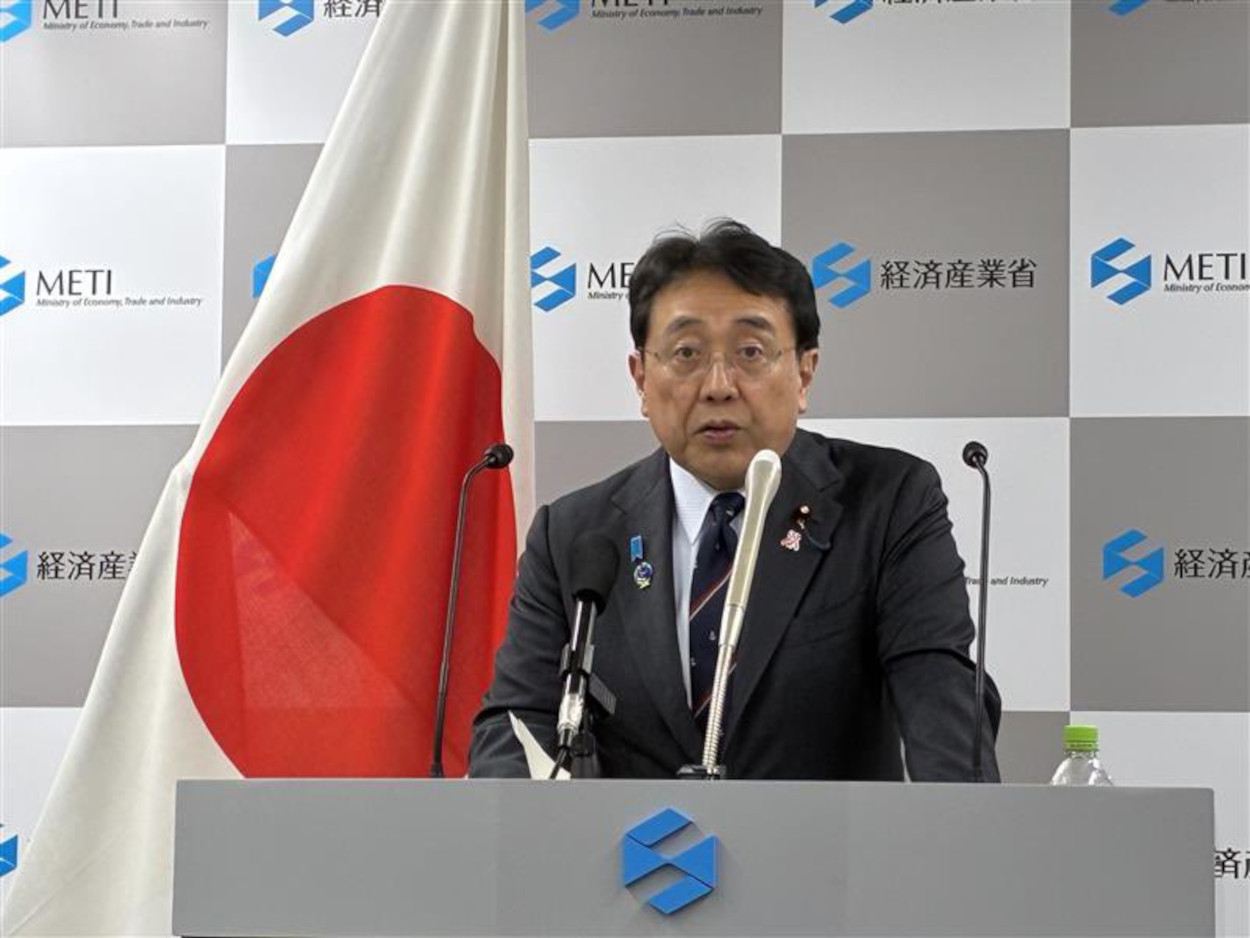
Japanese Trade Minister Ryosei Akazawa, 26 May 2026. Photo: Ryosei Akazawa on X
Explore further

Russia tried to secure Japanese jet fuel amid shortages. Tokyo closed the loophole

Japan loosened its arms rules—but not the part that blocks Ukraine

Japan's Prime Minister Takaichi Sanae's cabinet revised the Three Principles on 21 April, scrapping the rule that had confined finished exports to five non-lethal categories and permitting the export of lethal weapons in principle—a historic break with Japan's postwar pacifism.

But the revision did not remove the obstacle that matters for Ukraine. It kept the prohibition on transfers to countries in active conflict, allowing them only in narrow "exceptional circumstances." And it permits lethal exports to the 17 countries with which Japan holds Equipment and Technology Transfer Agreements—Australia, Germany, Sweden, the US, and 13 others.

Ukraine is not among them, so the door Japan opened this spring opened toward its partners and the Indo-Pacific, not toward a nation at war. Zelenskyy's public call is, in effect, an invitation for Tokyo to reach for the one narrow exception its rules still allows—a step its government has not chosen, and shows no sign of choosing.

Nine jets for drone tech: the Polish-Ukrainian barter that collapsed in June is alive again, Polish minister says

10 juillet 2026 à 04:38

nine jets drone tech polish-ukrainian barter collapsed alive again polish minister says · post mig-29 fighter jet poland's air force винищувач міг-29 повітряних сил польщі фото wzl-2 ukraine poland have

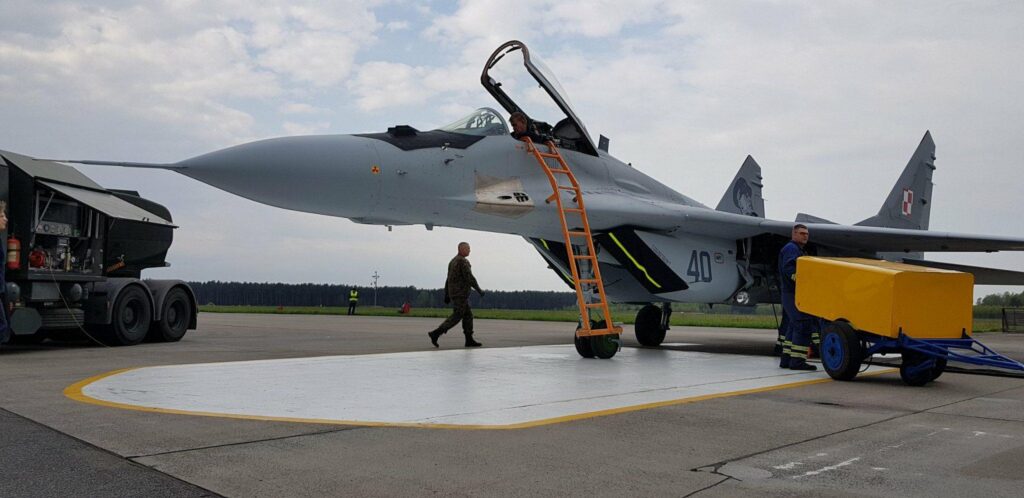
Ukraine and Poland have restarted negotiations on Warsaw's "MiGs for drones" offer, Polish Defense Minister Władysław Kosiniak-Kamysz said on 9 July, according to PAP. The proposal would hand Kyiv up to nine MiG-29 fighter jets in exchange for Ukrainian drone technology. The talks resume two weeks after Poland publicly froze the transfer.

Russia's full-scale invasion grinds through its fifth year, and Warsaw remains one of Kyiv's key military partners despite their disputes. Ukraine keeps rebuilding its air fleet after losing three MiG-29s in late June, with more fighters, including ex-Swedish Gripens, heading its way.

"MiGs for drones" back on the table

"There is a clear offer: MiGs for drones. The Ukrainians said yes, then began to reconsider, now they have returned to talks — and very good," Kosiniak-Kamysz said at a press conference after the NATO summit in Ankara. "I hope this offer will be positively finalized."

Talks are underway on implementing Ukraine's war experience in Polish defense systems, the Minister added.

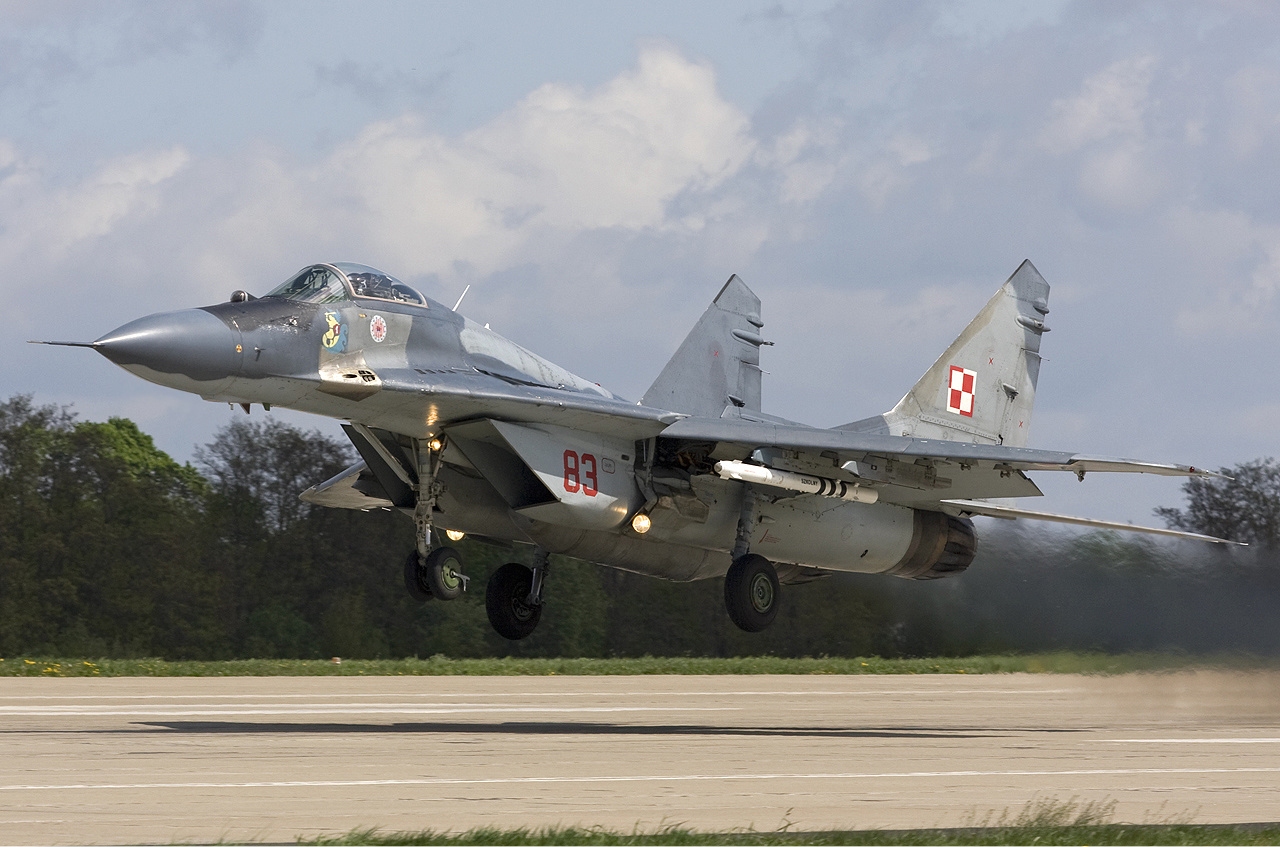
A Polish MiG-29 fighter jet.
Explore further

Poland to scrap the MiG-29 fighter jets it was supposed to hand Ukraine amid growing tensions between the allies

From December offer to June freeze

Poland first offered the swap in December 2025, when the Polish President announced readiness to hand over MiG-29s in exchange for anti-drone systems at a joint briefing with Volodymyr Zelenskyy. Ukraine's president called the jets important, noting Ukrainian pilots already fly the type.

In late June, Warsaw refused to transfer the fighters, with Kosiniak-Kamysz saying Kyiv had walked away from the drone-technology arrangement, Militarnyi reported. The head of Poland's state defense group PGZ said last month that Polish plants may join the repair and maintenance of Ukrainian F-16s and MiG-29s. Ukraine's Defense Minister Mykhailo Fedorov named joint MiG-29 modernization a pillar of deepening defense cooperation in January.

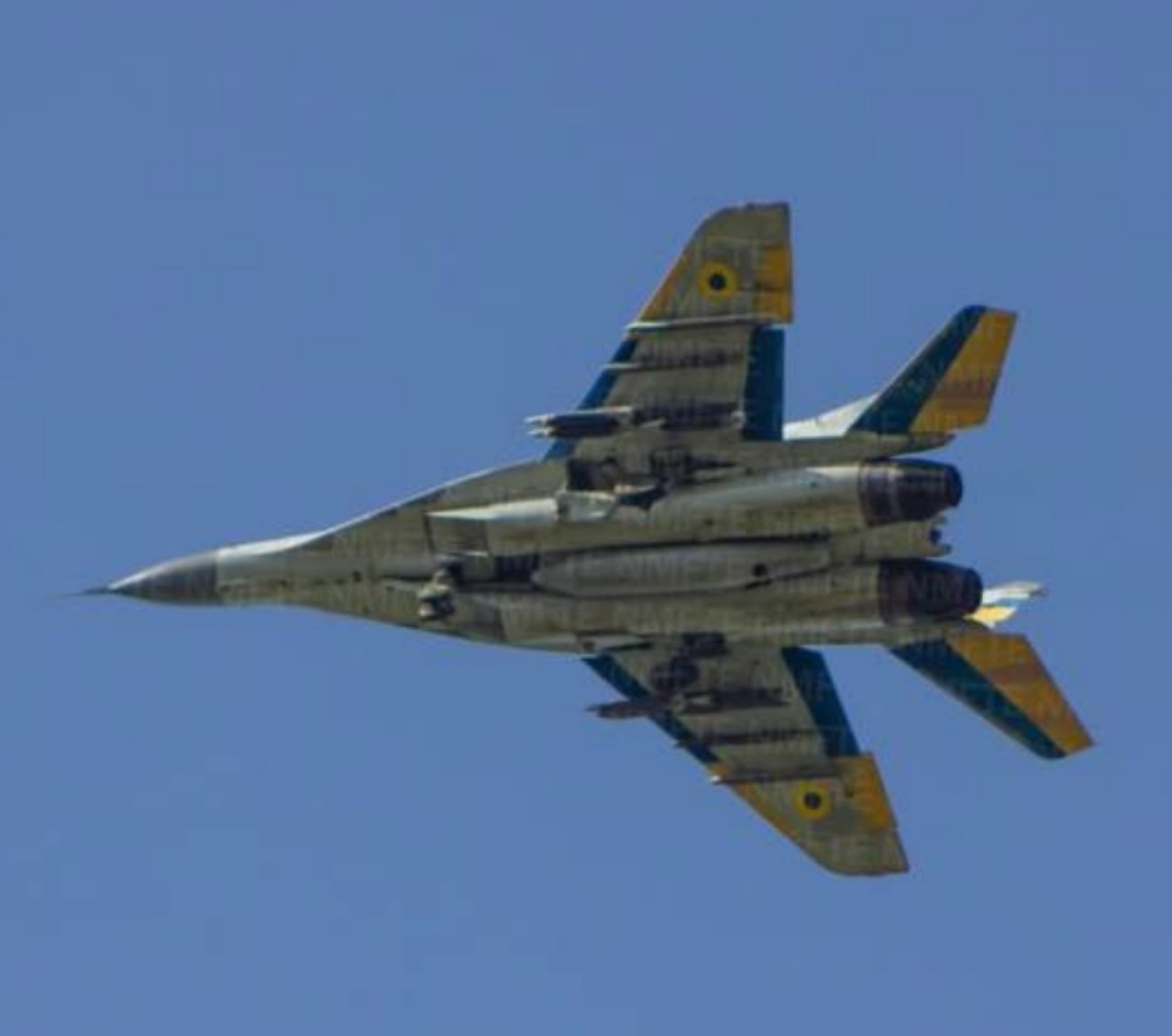
A Ukrainian air force MiG-29 carrying GBU-39s.
A Ukrainian air force MiG-29 carrying GBU-39 bombs. Via Status 6.

Poland inside the Patriot pipeline

In Ukraine, US President Donald Trump's promised production license remains months from delivering a missile. Meanwhile, Poland already holds preliminary US approval to manufacture PAC-3 interceptors. Warsaw also signed an agreement with the US, Germany, the Netherlands, and Sweden to create a European servicing center for PAC-3 Patriot interceptors. Poland, Germany, Sweden, and the Netherlands received status at Ankara, allowing the transfer of Patriot production and servicing technologies.

"Poland is one of the states indicated by the United States where this production and servicing should take place, so here we will also cooperate with Ukraine," Kosiniak-Kamysz said, adding that no equipment transfer to Ukraine happens without Poland.

Asked when Patriot production could start in Ukraine, he called it a stage of many weeks. Today, only the US makes the missiles, at a scale that does not even cover American needs, the minister said. 

"We are determined. Poland is ready immediately for servicing and further actions."

  • ✇Euromaidan Press
  • US soldiers left for a “summer rotation.” Estonia doesn’t know how many are coming back—or when
    American troops have largely left Estonia after the Pentagon paused new deployments to Europe and launched a review of its global force posture, according to Estonian public broadcaster ERR. Only a small part of the agreed contingent — mostly support personnel — remains in the NATO border state. A senior Estonian lawmaker says Washington's decision on its forces in Europe could come within months. Amid the ongoing Russian war against Ukraine, Moscow has long demanded that W
     

US soldiers left for a “summer rotation.” Estonia doesn’t know how many are coming back—or when

6 juillet 2026 à 03:53

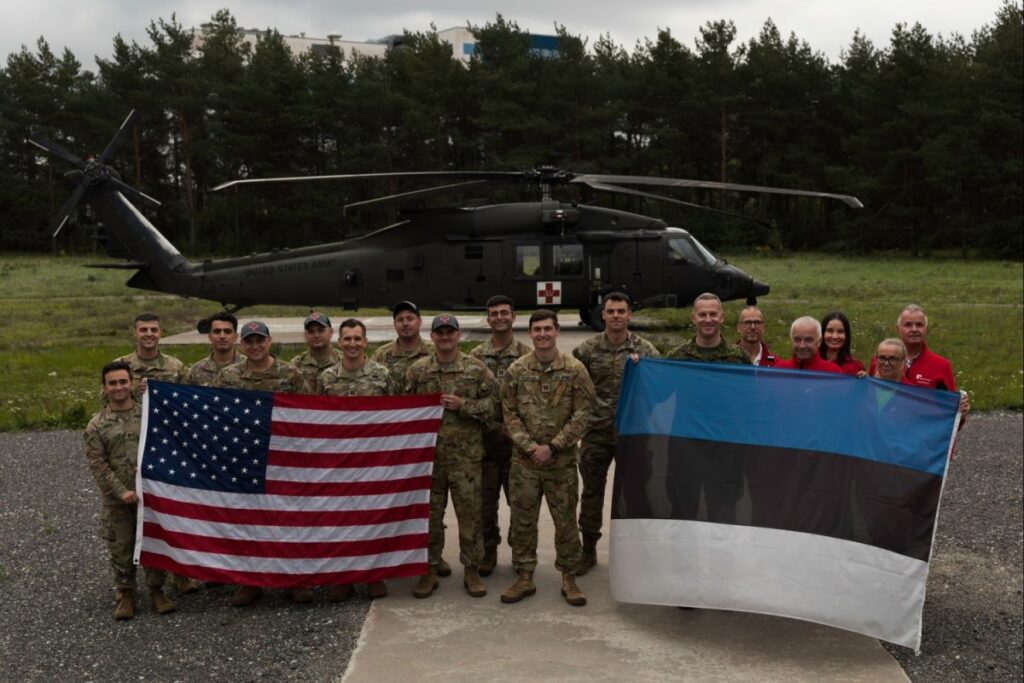
soldiers left summer rotation estonia doesn't know how many coming back—or when · post army task force knighthawk 3rd combat aviation brigade 101st airborne division north medical centre staff during

American troops have largely left Estonia after the Pentagon paused new deployments to Europe and launched a review of its global force posture, according to Estonian public broadcaster ERR. Only a small part of the agreed contingent — mostly support personnel — remains in the NATO border state. A senior Estonian lawmaker says Washington's decision on its forces in Europe could come within months.

Amid the ongoing Russian war against Ukraine, Moscow has long demanded that Washington pull NATO forces out of Eastern Europe, and the Trump administration — whose envoy privately coached the Kremlin on selling a peace plan senators called a Russian wish list — appears to be delivering pieces of that demand while pressuring Kyiv, not Moscow, for concessions.

A contingent below its agreed floor

Under the current defense cooperation agreement between Estonia and the US, an American contingent of 500 to 700 troops should be stationed in the country. Only a small portion of that personnel remains, mostly service and support units, ERR reported.

Kalev Stoicescu, head of the Riigikogu's national defense committee from the Eesti 200 party, said the situation amounts to a paused rotation inside a wider review of the US presence in Europe. 

"They began the rotation, but its implementation is suspended until a final decision on the presence of US armed forces in Europe. That decision could be made within six months," he said.

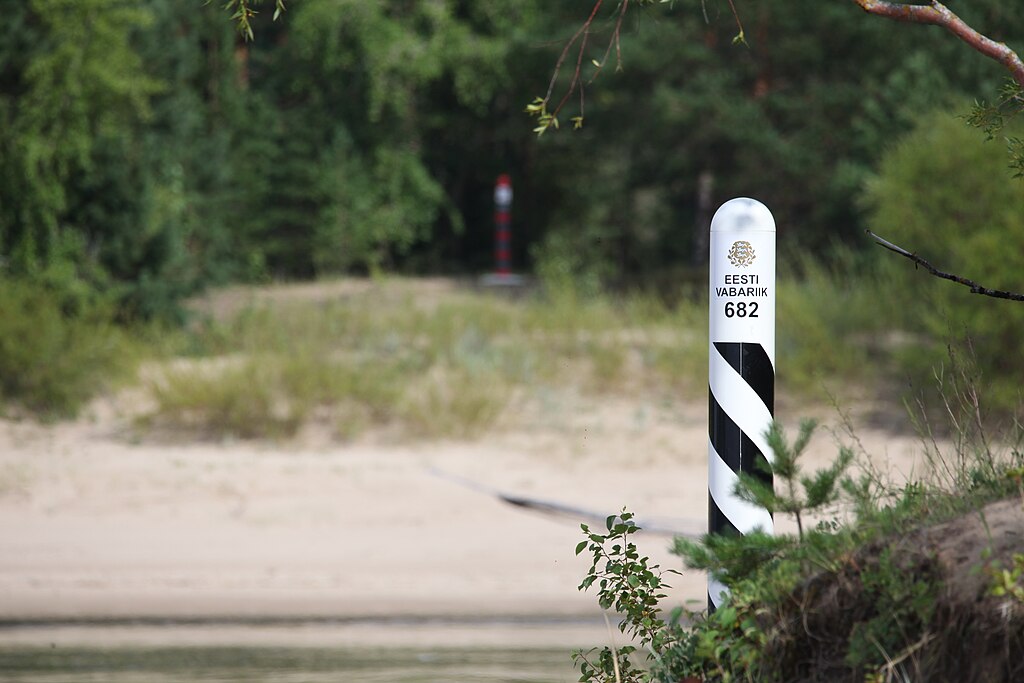
Estonian and Russian border posts at Narva-Jõesuu on the Estonia-Russia border
Explore further

Estonia switches on first border sensors to detect drones as Baltic incursions mount

A summer rotation with no return date

Estonian Defense Minister Hanno Pevkur said:

"The Americans traditionally rotate in summer. That process is underway now, but because of the force structure review, we don't yet know how many troops and which units will arrive."

Estonian politicians read the pause as Washington seeking to shift more of NATO's security burden onto European members. The UK and French contingents remain in Estonia and keep their planned rotations.

zelenskyy calls putin’s 9 truce proposal deceptive maneuver military parade moscow's red square 2017 kremlinru military_parade_on_red_square_2017-05-09_030 ukrainian president volodymyr rejected russian ceasefire beginning 8 labeling another attempt manipulation speaking during
Explore further

In 1939 Nazis faked attack to invade Poland. Poland’s FM warns Russia may be preparing to do same to Europe

A pattern along the Baltic frontier

Estonia is the second Baltic state to face a US rotation gap in weeks. More than 1,000 US troops with Abrams tanks and Bradley fighting vehicles began leaving Lithuania in June with no confirmed replacement, the first such gap since 2020. The Pentagon's review is already pulling thousands of troops from Germany and Poland, and US officials have told Baltic and Nordic allies that some contracted weapons deliveries will be delayed.

The drawdown lands against a chorus of European intelligence warnings that Russia could be ready to test NATO within years of the fighting in Ukraine slowing, with most alliance defense chiefs pointing to a window around 2029 — while Europe's own rearmament plans mature only by 2030.

  • ✇Euromaidan Press
  • Airbus joins Ukraine’s frontline defence innovation program
    Airbus Defence and Space and Ukraine's Brave1 defence technology cluster signed a memorandum of understanding on 1 July, marking Brave1's first industrial strategic partnership with a Western company since the cluster launched in April 2023, and putting a major European aerospace corporation directly inside Ukraine's live-fire R&D loop. The partnership, announced by Airbus, spans the full development arc — from initial research through to modernising equipment already i
     

Airbus joins Ukraine’s frontline defence innovation program

2 juillet 2026 à 08:26

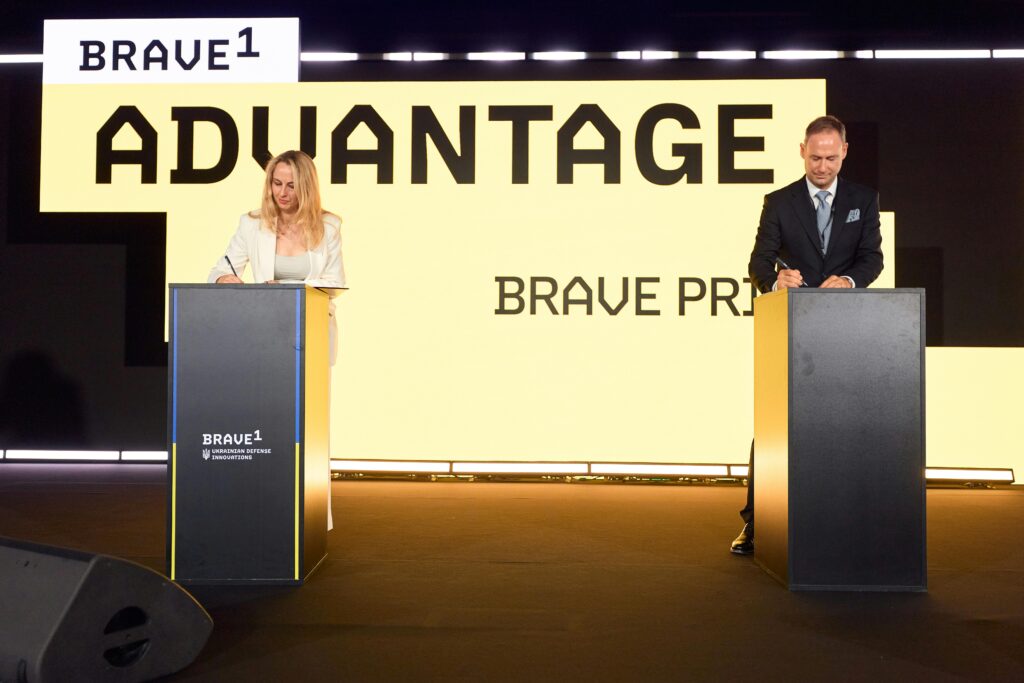
MoU Signature ADS & Brave1

Airbus Defence and Space and Ukraine's Brave1 defence technology cluster signed a memorandum of understanding on 1 July, marking Brave1's first industrial strategic partnership with a Western company since the cluster launched in April 2023, and putting a major European aerospace corporation directly inside Ukraine's live-fire R&D loop.

The partnership, announced by Airbus, spans the full development arc — from initial research through to modernising equipment already in active use. Airbus's technologies will integrate into Brave1's "Test in Ukraine" framework, which gives foreign manufacturers structured access to frontline performance data and feeds it directly back into design cycles. The cluster has processed over $235 million in procurement orders and, as of June 2026, counted more than 3,600 registered developments, 300 NATO-codified items, $50 million in defence innovation grants disbursed, and more than $65 million in additional investment attracted to Ukraine's defence sector.

"In Ukraine, research and development cycles are measured not in months or years, but in days," said Iryna Zabolotna, Brave1's chief operating officer.

She added that partnering with a global leader like Airbus allows us to combine their decades of deep aerospace expertise with our agile, combat-tested R&D approach.

Jo Mueller, a member of the executive committee of Airbus Defence and Space, framed the deal: "Collaborating with Ukraine on defence means effectively working on Europe's collective security."

What "Test in Ukraine" means in practice

The framework Airbus is joining gives foreign manufacturers a structured pathway: send equipment to Ukraine, conduct remote training, and receive performance feedback from armed forces units with direct frontline experience. Companies can test on-site with real-time adjustments, or commission Brave1 specialists to run the tests and deliver a results report. Real-time dashboards give manufacturers verified data on impacts, strike distances, and failure modes, giving companies performance intelligence they cannot generate in peacetime testing.

Brave1's priority areas span air defence, drone interceptors, AI-guided targeting, countermeasures against Russian glide bombs, naval unmanned systems, ground-based electronic warfare, and AI-assisted fire control for howitzers. The Airbus agreement establishes joint task forces spanning the full development arc from research to active-equipment modernisation.

Airbus will also serve as a key partner at the Defence Tech Valley summit in Lviv. Euromaidan Press previously described the 2025 edition as the world's biggest defence tech summit, drawing over 5,000 participants from more than 50 countries.

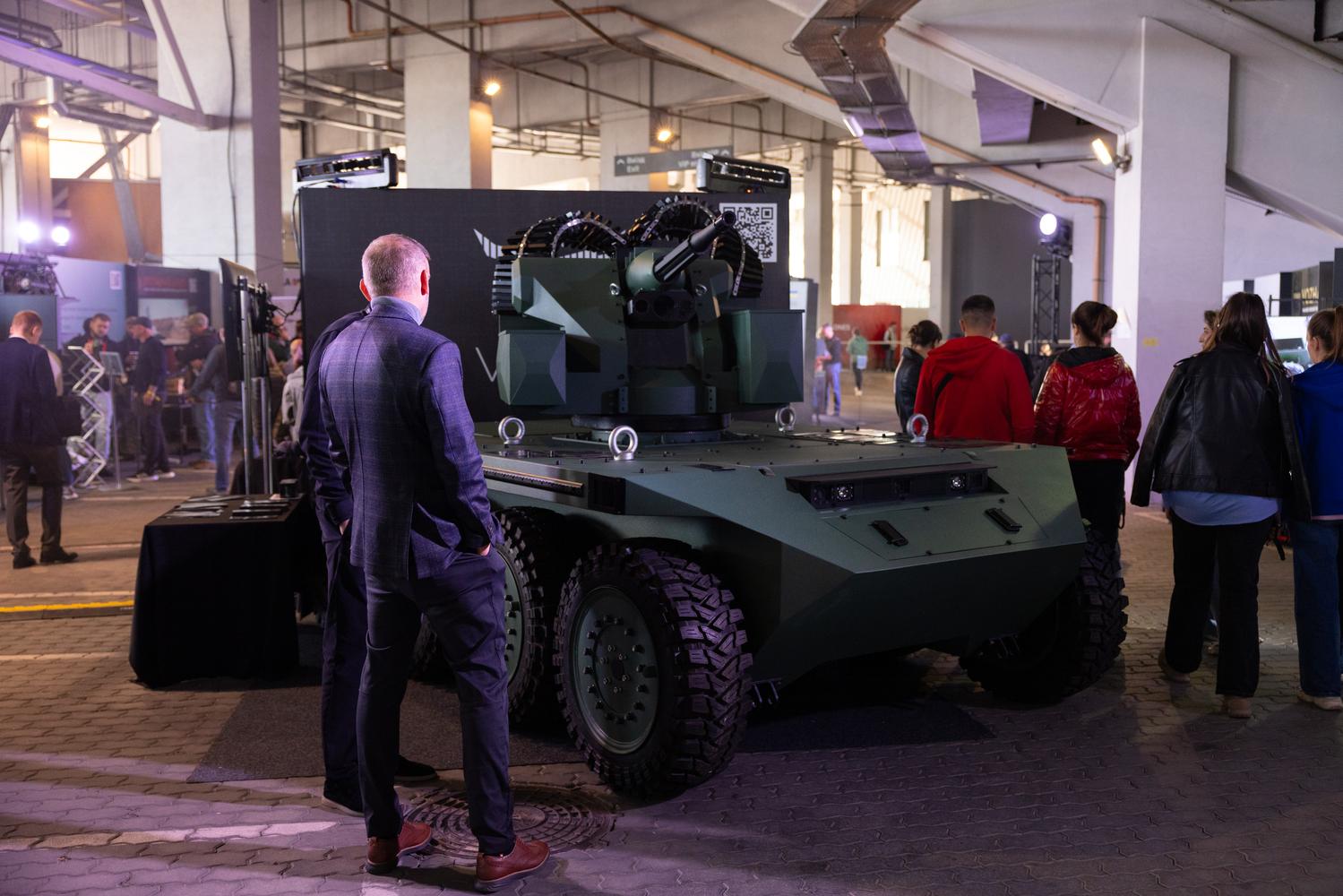
Ukrainian remote armed unmanned ground vehicle weapons
A Ukrainian unmanned ground vehicle (UGV) with a turret is on display at the Lviv Defense Tech Valley on 16-17 September 2025. Photo: Brave1

Brave1's expansion toward global industrial alliances

Brave1's chief operating officer Iryna Zabolotna said the Airbus deal falls under a new "Brave Prime" initiative — Brave1's expansion from launching defence startups toward forging global industrial alliances. The combat data loop at the cluster's core — where operational performance feeds directly back into development cycles — is what Brave1 says compresses R&D from months into days, giving partners access to battlefield insight unavailable in peacetime testing regimes.

On 27 June, the Ukrainian government introduced a unified framework called Brave International for working with international partners on defence innovation, establishing joint grant funds on a matched-contribution basis with parity oversight boards and expert panels. The Airbus MoU arrived four days later.

  • ✇Euromaidan Press
  • Sweden signed heritage deal with Ukraine aboard ship that beat Russia in 1790. Choice wasn’t accident
    Sweden is joining Ukraine to document ancient Cossack sites that Russia's Kakhovka dam attack revealed. Both countries have signed a Memorandum of Cooperation to preserve the thousands of archaeological sites revealed after Russia's destruction of the Kakhovka dam, according to the Ukrainian Embassy in Sweden.  The massive flood that killed at least 100 people drained the reservoir that had submerged the Great Meadow (Velykyi Luh), historic heartland of the Zaporozhian Coss
     

Sweden signed heritage deal with Ukraine aboard ship that beat Russia in 1790. Choice wasn’t accident

1 juillet 2026 à 09:05

Ukraine and Sweden signed a Memorandum of Cooperation in Stockholm to document, research, and preserve the thousands of archaeological sites revealed in the Great Meadow (Velykyi Luh), historic heartland of the Zaporozhian Cossacks. Source: The Ukrainian Embassy in Sweden

Sweden is joining Ukraine to document ancient Cossack sites that Russia's Kakhovka dam attack revealed. Both countries have signed a Memorandum of Cooperation to preserve the thousands of archaeological sites revealed after Russia's destruction of the Kakhovka dam, according to the Ukrainian Embassy in Sweden. 

The massive flood that killed at least 100 people drained the reservoir that had submerged the Great Meadow (Velykyi Luh), historic heartland of the Zaporozhian Cossacks for nearly 70 years. 

The Kakhovka dam, which Russia destroyed on 6 June 2023, was built by the Soviet Union in 1956. Its reservoir covered settlements, ancient burials, Ottoman-era fortresses, and Sich-era church sites.

The dam's destruction caused Ukraine's largest environmental disaster of the war, inflicting over $14 billion in damages, flooding 80 settlements. 

What did drained reservoir uncover? 

Ukrainian Embassy states that Russia's destruction of the Kakhovka dam in 2023 was a terrible humanitarian and environmental catastrophe for Ukraine. At the same time, "after the water receded, huge territories of the Great Meadow, which had been flooded for decades, were opened."

"Together with them — thousands of archaeological and historical monuments: ancient burials, settlements, ship remains, traces of various eras and wars," the diplomats said. 

The drained territories remain an active war zone. Russian forces have been using the exposed reservoir bed as a staging ground for infantry maneuvers to try to bypass Ukrainian positions in Zaporizhzhia Oblast. 

Deal: International Center for Great Meadow

The Memorandum of Cooperation unites three Ukrainian entities — the Zaporizhzhia Regional State Administration, Zaporizhzhia National University, and the Khortytsia National Reserve — with three Swedish museums (National Maritime, Transport, and Military) and the International Congress of Maritime Museums.

The partners plan to establish an International Center for Research and Preservation of the Great Meadow, to serve as a hub for scientific work, education, archaeological research, international cooperation, and post-war restoration.

The Ukrainian side framed the arrangement as an equal partnership rather than aid, offering scientific expertise and, in the embassy's phrasing, "unique experience of working in crisis conditions."

"The found monuments need urgent documentation, research, and preservation. It's about protecting memory that Russia is trying to destroy," the embassy said.

Amphion: signing at Sweden's greatest naval victory over Russia

The signing ceremony took place at Sweden's National Maritime Museum in Stockholm, with the preserved stern of the Amphion — King Gustav III's flagship during the 1788–1790 Russo-Swedish War — as the historical backdrop.

That war concluded with the Battle of Svensksund in July 1790, where a Swedish coastal fleet defeated a larger Russian force in the Gulf of Finland. It remains Sweden's greatest naval victory over the Russian Empire and preserved Swedish territorial integrity against Catherine the Great's expansionist campaign.

The Ukrainian embassy said the venue reflected the project's focus on shared European history and on countering Russia's attempts to erase Ukrainian cultural identity.

  • ✇Euromaidan Press
  • Denmark changes Europe’s approach to arming Ukraine with €590M package
    Denmark's Defense Ministry announced a $670 million military aid package for Ukraine on 30 June. It is the 30th such commitment since Russia's full-scale war began, Militarnyi reports.  About $200 million is directed through the "Danish model", the procurement mechanism that channels donor money directly into Ukrainian defense factories rather than drawing from allied stockpiles. It has drawn growing interest from European allies as a faster, cheaper alternative to traditio
     

Denmark changes Europe’s approach to arming Ukraine with €590M package

1 juillet 2026 à 07:46

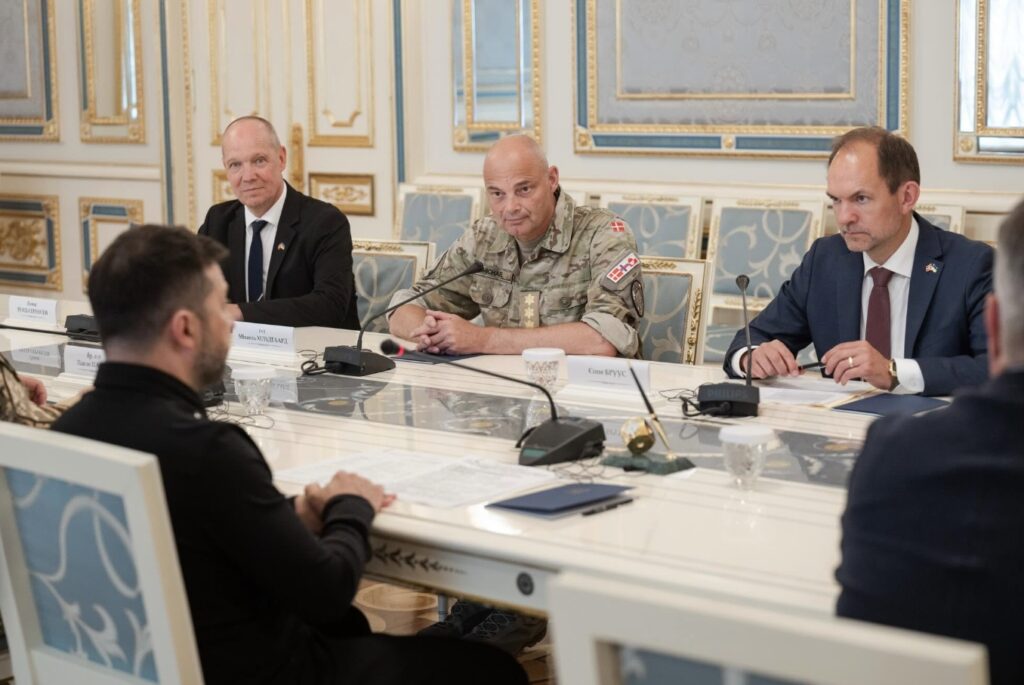
Representatives of Denmark during a meeting with the President of Ukraine on 30 June 2026. Photo

Denmark's Defense Ministry announced a $670 million military aid package for Ukraine on 30 June. It is the 30th such commitment since Russia's full-scale war began, Militarnyi reports. 

About $200 million is directed through the "Danish model", the procurement mechanism that channels donor money directly into Ukrainian defense factories rather than drawing from allied stockpiles.

It has drawn growing interest from European allies as a faster, cheaper alternative to traditional weapons donations, with countries channeling money into Ukrainian factories that can deliver systems in months rather than years.

What does Danish model do?

The mechanism, pioneered by Denmark, directs Western military funding to Ukrainian manufacturers rather than pulling equipment from allied inventories. Denmark's Defense Ministry said that the approach has already allowed Ukraine to procure a large number of drones, artillery systems, and ammunition with short delivery times.

Additional funds from the new package went toward long-range artillery ammunition. Denmark agreed within days when Ukraine asked to shift planned aid from short-range shells to 15,000 long-range artillery rounds, reflecting how the war's geometry has changed as the drone kill-zone widens along the front.

Danish Defense Minister Jeppe Bruus said that Denmark stands firmly behind Ukraine, stressing that Ukraine’s fight for freedom is also a fight for Europe, and that Europe cannot afford to abandon Ukraine at this critical moment. He added that Denmark must also learn from Ukraine in strengthening its own defense capabilities, noting that this was a key focus of his visit to Kyiv.

Denmark has committed about $11.7 billion in military aid to Ukraine from 2022 through 2028, the Defense Ministry said.

Drone Deal scaling and anti-ballistic gap

The 30 June ministerial meeting placed the Drone Deal, Denmark's framework for jointly procuring Ukrainian-made drones, at the center of the agenda. Ukrainian Minister of Defense Mykhailo Fedorov said Ukraine is prepared to share combat experience, data, and military technology with partners in exchange.

"This is a mutually beneficial partnership. We get more resources for the front, and partners get access to Ukrainian defense innovations," he said.

The two sides also agreed to develop joint programs supporting defense startups and security technologies. The ministers discussed a European anti-ballistic missile project, with Ukraine seeking Danish support to develop its own capability to counter ballistic threats, an area where Ukrainian forces currently have limited defensive depth.

Rasmussen's framing

Danish Foreign Minister Lars Løkke Rasmussen put the package in terms of the battlefield situation and diplomacy together.

"There are new dynamics on the battlefield regarding Ukraine," he said.

Also, he noted that the situation on the battlefield did not mean Ukraine’s partners could simply stand back, per Suspilne. He stressed that they must continue to support Ukraine and increase pressure on Russia to strengthen Ukraine’s negotiating position.

  • ✇Euromaidan Press
  • This Spanish kit turns Ukraine’s Soviet 1960s Grad rockets into precision weapons
    Spanish company Escribano Mechanical & Engineering (EM&E) has sent over 10,000 precision-guidance kits to Ukraine since 2023, converting unguided 122mm BM-21 Grad MLRS rockets into precision-guided munitions with 15-meter accuracy. The company representatives confirmed the delivery at the Eurosatory-2026 defense exhibition in Paris, per Defense Express. An EW-resistant laser-guided variant developed at Ukraine's specific request achieves accuracy of under 3 meters e
     

This Spanish kit turns Ukraine’s Soviet 1960s Grad rockets into precision weapons

19 juin 2026 à 12:19

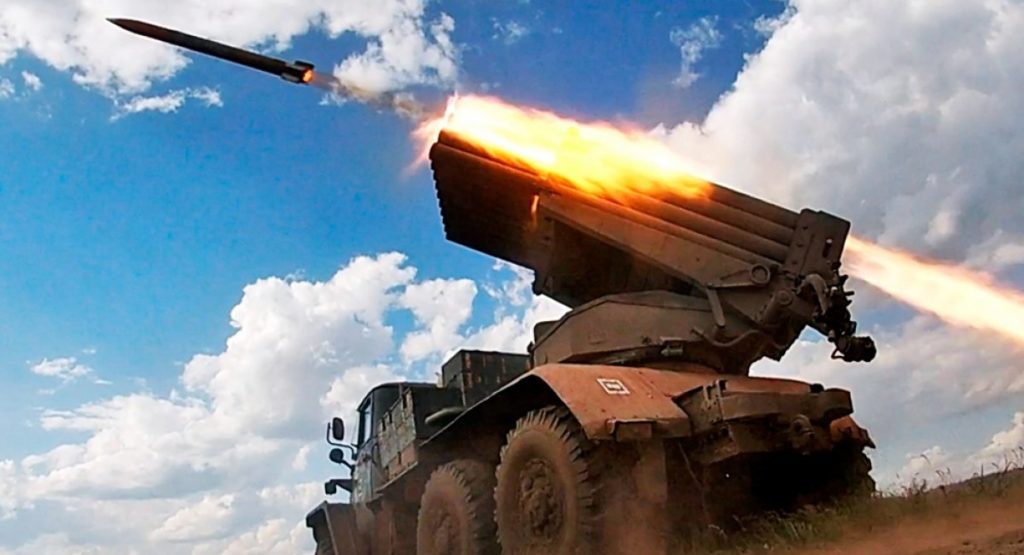
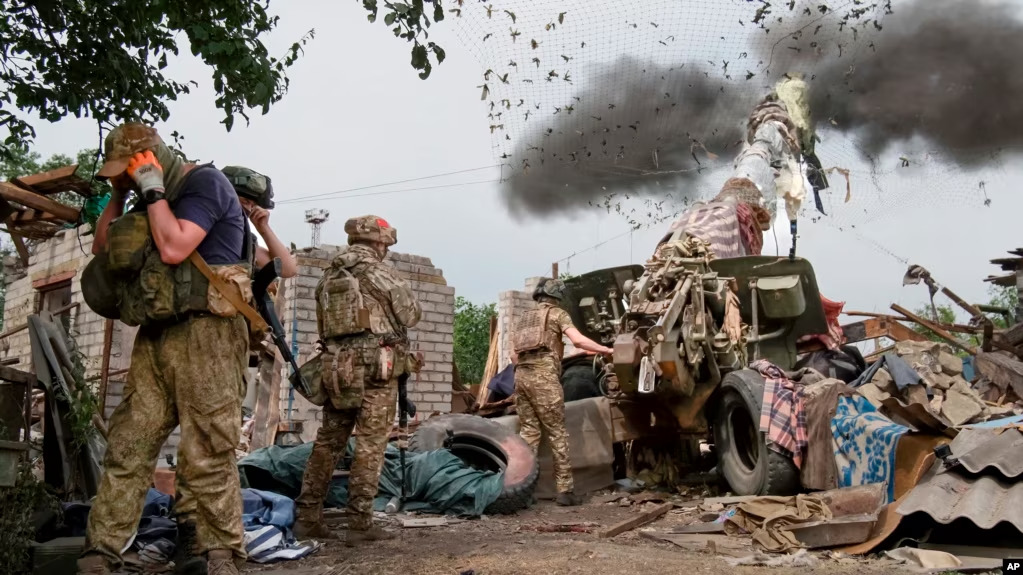
Russian Army's BM-21 Grad multiple rocket launcher. Photo via Defense Express

Spanish company Escribano Mechanical & Engineering (EM&E) has sent over 10,000 precision-guidance kits to Ukraine since 2023, converting unguided 122mm BM-21 Grad MLRS rockets into precision-guided munitions with 15-meter accuracy. The company representatives confirmed the delivery at the Eurosatory-2026 defense exhibition in Paris, per Defense Express.

An EW-resistant laser-guided variant developed at Ukraine's specific request achieves accuracy of under 3 meters even under electronic warfare conditions, with 1,000 of these laser kits delivered by Q1 2026.

The EM&E precision kits convert Ukraine's existing inventory of Soviet-era BM-21 Grad rockets, and any compatible 122mm rocket from any manufacturer, into precision-guided munitions without dependence on a single supplier or US ITAR-controlled technology.

The system can be launched from standard Grad launchers and even single launch tubes, with an effective range of 20 to 40 kilometers depending on the base rocket.

Laser variant achieves 3-meter accuracy even under Russian electronic warfare

The laser-guided variant is slightly longer than the GNSS/INS satellite-navigation version and equipped with four independently controlled front rudders versus two on the satellite-only version. EM&E has delivered approximately 3,700 kits per year on average since 2023, with capacity potentially scaling if international demand warrants expansion.

The laser-guided variant was developed specifically at Ukraine's request to address Russian electronic warfare effectiveness against satellite-guided munitions. The variant achieves a circular error probable of under 3 meters even when operating under active Russian electronic warfare and jamming, compared to 15 meters for the GNSS/INS variant.

Spanish-Ukrainian defense industrial cooperation expands beyond Grad kits

EM&E has expanded its Ukrainian defense market presence beyond the precision-guidance kits. Ukrainian defense holding Ukroboronprom signed a memorandum with EM&E in May 2025 to jointly develop weapons and localize Spanish module production within Ukraine.

Ukrainian UAV manufacturer Skyeton separately signed a cooperation agreement with EM&E in April 2026. EM&E operates from Madrid and has systems deployed across 25 countries across the globe, with the company having grown from a small machining workshop into one of Spain's largest defense and security firms.

EM&E precision-guidance kits transform Soviet-era Grad MLRS

The BM-21 Grad MLRS, a Soviet-era 122mm multiple rocket launcher system, remains in service with militaries worldwide despite its age, due to its mass production, low cost, and operational simplicity. Both Russia and Ukraine continue to deploy Grads, with Ukraine's Defense Forces actively modernizing the platform with counter-drone protection and updated chassis platforms.

  • ✇Euromaidan Press
  • From battlefield trophy to allied blueprint: Ukraine opens its Russian arsenal
    Ukraine has opened its captured Russian weapons to allied governments and defense firms through a new online platform, Ukrainian Defense Minister Mykhailo Fedorov said. The system turns seized missiles, drones, and vehicles into shared technical intelligence for partner governments, labs, and arms makers. Kyiv presents it as a way to build countermeasures faster and defend democracies. More than four years of full-scale war have made Ukraine a leading testing. ground for ne
     

From battlefield trophy to allied blueprint: Ukraine opens its Russian arsenal

19 juin 2026 à 08:52

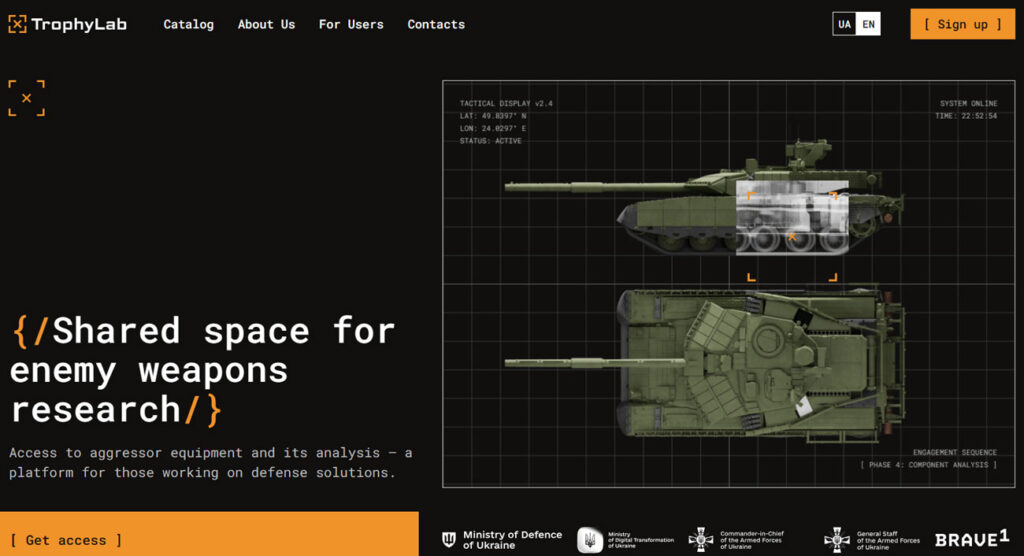
battlefield trophy allied blueprint ukraine opens its russian arsenal · post ukraine's trophylab website which captured equipment researchers seized t-90m tank trophy-lab-site news ukrainian reports

Ukraine has opened its captured Russian weapons to allied governments and defense firms through a new online platform, Ukrainian Defense Minister Mykhailo Fedorov said. The system turns seized missiles, drones, and vehicles into shared technical intelligence for partner governments, labs, and arms makers. Kyiv presents it as a way to build countermeasures faster and defend democracies.

More than four years of full-scale war have made Ukraine a leading testing. ground for new weapons, and allies increasingly look to it to learn what works and what fails.

Captured weapons, opened to the free world

The Defense Ministry calls the platform TrophyLabthe government's official site for examining seized Russian equipment.. Fedorov wrote that every seized missile, drone, and vehicle is now knowledge for the free world. Partner governments, labs, and weapons makers can dig into detailed engineering files, analyses, and the flaws in Russian systems, he said.

Kyiv set the portal up under a pilot scheme that the Cabinet signed off on. It draws on the security and military bodies that keep the seized hardware.

What partners can pull from the system

Users can reach captured samples and fragments, research from state institutions, and component analysis. Partners may also ask for the actual hardware to run their own tests. Fedorov said that step significantly shortens the development cycle for countermeasures.

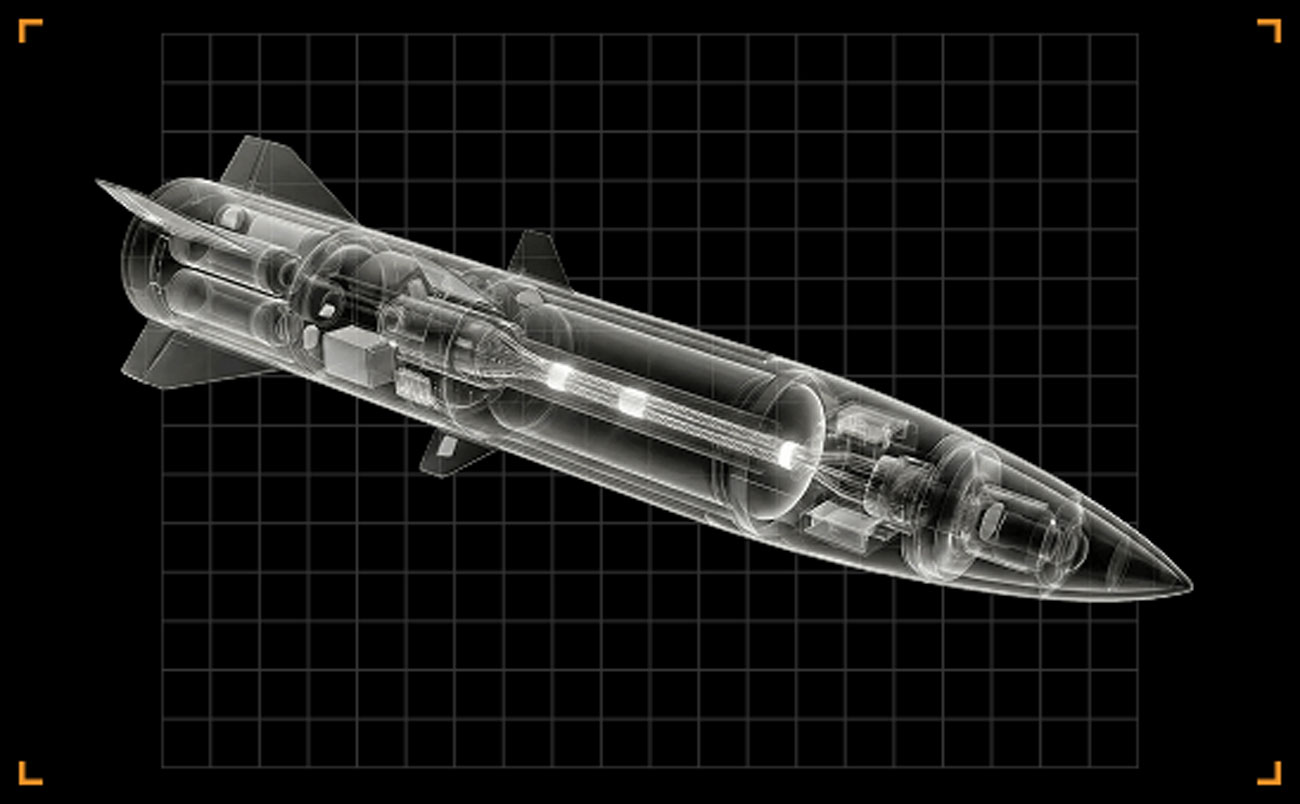
battlefield trophy allied blueprint ukraine opens its russian arsenal · post cutaway rendering kinzhal hypersonic missile shown ukraine's trophylab platform trophylab/ukraine's defense ministry news ukrainian reports
A cutaway rendering of a Russian Kinzhal hypersonic missile, as shown on Ukraine's TrophyLab platform. Illustrative image: TrophyLab/Ukraine's Defense Ministry

The site lists seized Russian systems as study material, among them a Kinzhal hypersonic missile and a T-90M tank. Its stated mission is to bring captured technology, research, and know-how together under one roof. It aims to make allied defense faster than the aggression it answers.

Ukraine launches TrophyLab: we are opening access to captured Russian weapon technologies for our global partners. Every missile, drone, and vehicle seized on the battlefield is now a source of knowledge for the free world.

Through this secure platform, allied governments,… pic.twitter.com/IM6ujyFnPB

— Mykhailo Fedorov (@FedorovMykhailo) June 19, 2026

Fedorov tied the launch to the wider war — the ongoing Russian invasion of Ukraine. 

"What was meant to be the enemy's secret advantage is being dismantled to defend democracy," he wrote. 

The Defense Ministry says it will keep converting Russia's seized hardware into a resource for engineers worldwide.

russian losses
Explore further

Ukraine found Russian artillery’s weak spot and destroyed 250 systems in two nights

Drone training data shared earlier

The move follows other steps to share battlefield knowledge with partners. Ukraine recently shared data from half a million hours of frontline drone footage to train allied AI. In May, Kyiv set a new procedure for using captured Russian equipment in defense and international cooperation. It earlier opened combat datasets to international partners and launched joint programs such as Brave Germany with Berlin.

  • ✇Euromaidan Press
  • France is putting $22 million into Ukrainian defense tech. Deal comes with battlefield testing
    Ukraine's Brave1 defense technology cluster and France's Defense Innovation Agency (AID) launched the Brave France joint defense innovation program with a $22 million budget. Ukraine and France first announced their intention to create Brave France in February 2026, with the final launch agreement signed at Eurosatory 2026, Ukraine's Defense Ministry announces.  Brave France extends Ukraine's growing network of bilateral defense innovation partnerships with European NATO me
     

France is putting $22 million into Ukrainian defense tech. Deal comes with battlefield testing

17 juin 2026 à 11:11

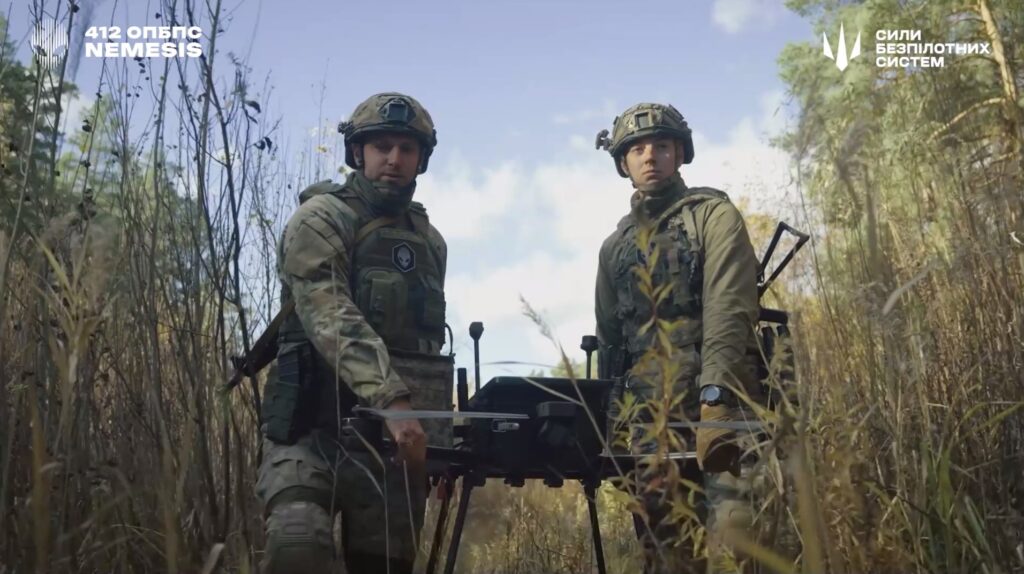
ukraine's nemesis drone battalion expands regiment pilots 412th 'nemesis' unmanned systems forces (sbs) has grown size sbs reported 26 ukraine news ukrainian reports

Ukraine's Brave1 defense technology cluster and France's Defense Innovation Agency (AID) launched the Brave France joint defense innovation program with a $22 million budget. Ukraine and France first announced their intention to create Brave France in February 2026, with the final launch agreement signed at Eurosatory 2026, Ukraine's Defense Ministry announces

Brave France extends Ukraine's growing network of bilateral defense innovation partnerships with European NATO members, following the May 2026 launch of Brave Germany with Berlin.

AID Director Patrick Aufort and Brave1 Operations Director Iryna Zabolotna signed the agreement, with French Minister of Armed Forces and Veterans Affairs Catherine Vautrin in attendance.

The parties are currently coordinating the list of priority topics, technical requirements for projects, and forming a joint executive board and expert commissions.

Brave France funds joint Ukrainian-French drone, missile, and air defense development

The program's primary focus areas align with Ukraine's most urgent battlefield needs and France's defense-industrial priorities. The maximum grant size of $1.1 million per project is designed to support both early-stage technology development and scaling of proven systems toward production.

Both AID and Brave1 will share oversight through joint expert commissions and an executive board currently being formed.

The September 2026 launch date for the first competitions gives the joint executive board approximately three months to finalize priority topics and technical requirements before opening applications to Ukrainian and French defense companies.

Test in Ukraine platform integrates battlefield validation into Brave France

A key element of Brave France will be integration with the Test in Ukraine platform, which allows foreign manufacturers to test new defense technologies in conditions close to actual combat. Ukraine's Defense Ministry offered the same Test in Ukraine framework to Germany earlier this year, with foreign manufacturers sending products to Ukraine, providing online training, and receiving operational reports from Ukrainian forces who deploy them.

The Brave France program will use the Test in Ukraine framework to accelerate the identification of technologies suitable for Ukraine's Defense Forces. The combined approach gives French defense manufacturers access to battlefield validation data while channeling Ukrainian frontline experience into joint product development.

The bilateral programs operate alongside ongoing co-production frameworks announced at Eurosatory 2026, including the Swedish-Ukrainian AIDronesUA-Njord Technology partnership for joint production of MAUL ground robots. 

❌