
 Connexion
7 ways mobile GPS medical alert devices give long-distance caregivers total peace of mind

There are numerous concerns with caring for an aging parent remotely. For example, perhaps you ask yourself if your loved one is safe at home, can obtain help in an emergency, and remembered to bring their phone. Over time, these uncertainties can start to make you stressed out when you don't have the ability to be there in person every day.
Having a medical alert system that can be used with a mobile phone can be a practical solution to help your loved one without sacrificing autonomy. With the help of advanced technologies such as GPS tracking, two-way communication, fall detection, and professional monitoring, seniors can receive care when they need it most with a device like Life Assure Premium Mobile Plus.
Here are seven ways mobile GPS medical alert devices can help long-distance caregivers feel more confident about their loved one’s safety.
1. Receive faster emergency support
Medical emergencies can happen without warning. In addition, emergency situations and sudden accidents or falls could cause your loved one to not be able to reach the telephone. In such cases, using a mobile medical alert device gives you a direct link to trained monitoring professionals who can come to your aid in emergency situations.
Life Assure Premium Mobile Plus connects users with 24/7 monitoring support through an easy-to-use wearable device. During an emergency, trained professionals can communicate with the user, evaluate the situation, and assist in organizing an appropriate response.
For long-distance caregivers, quick response times can help decrease worry about not being available during an emergency. As a result, when you know that your loved one can receive professional help and assistance in the event of a crisis, you will know that you are not far away.
2. Track location during emergencies
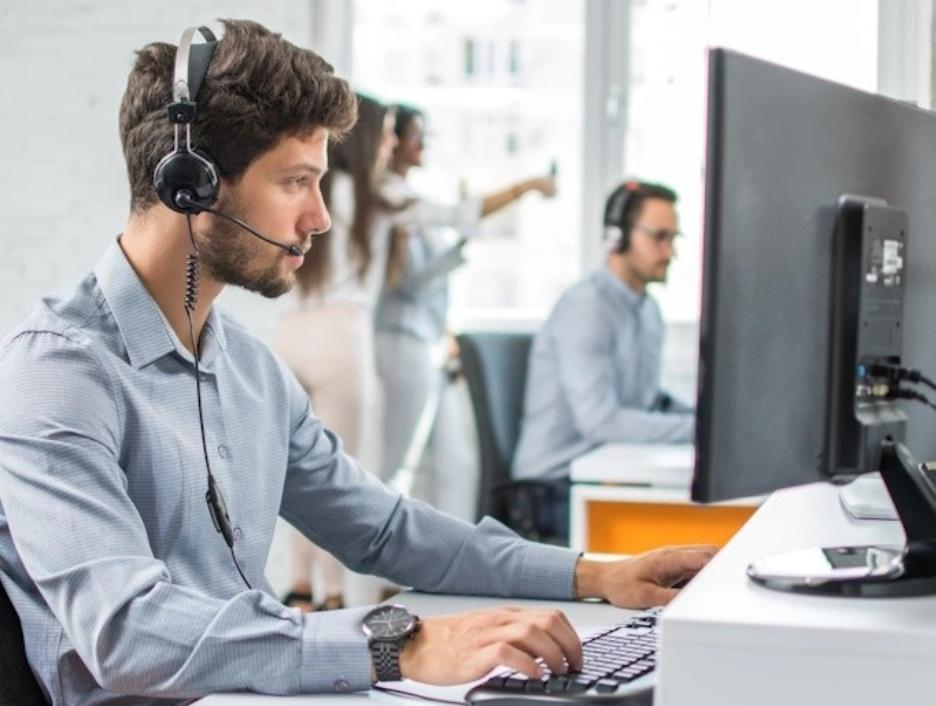
Not knowing where your loved one is during an emergency can be one of the biggest concerns for caregivers. For instance, a senior may develop an illness while walking, shopping, traveling, or engaging in daily activities away from home.
By using mobile GPS medical alert devices, caregivers can rely on location science tools to determine where help is needed. Life Assure Premium Mobile Plus is a mixture of GPS tracking and cellular connectivity, which also adds coverage outside the home.
With the use of location awareness, caregivers know they are prepared because they know where to reach out to certain emergency contacts. Additionally, GPS protection gives extra confidence, whether your loved one is at home, visiting friends, or running errands.
3. Support independent lifestyles
Older adults frequently express the desire to live their lives in their own homes without having to worry about safety. However, fear of falling or needing emergency help can sometimes prevent seniors from enjoying their normal routines.
With the Life Assure Premium Mobile Plus, you and your loved one can stay active while always having emergency help nearby. Additionally, it helps to achieve a more independent lifestyle whether walking, shopping, in appointments, or seeing friends.
Furthermore, when you know your family member can be protected, you can help support independence. A medical alert system helps to strike a balance between freedom, confidence, and safety.
4. Enable two-way communication
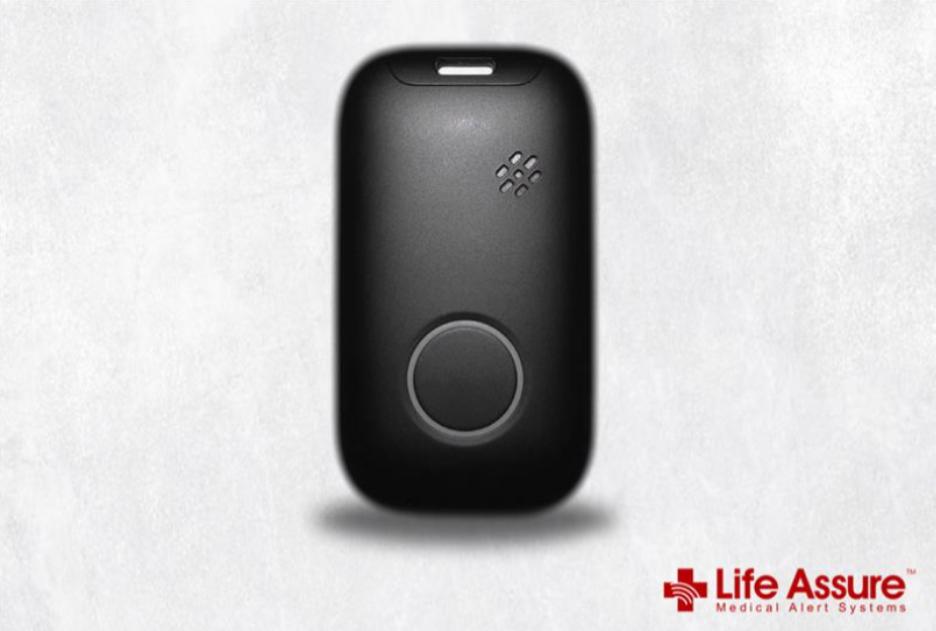
During an emergency, finding and using a phone may not always be possible. Seniors may also feel overwhelmed when trying to explain their situation during a stressful moment.
Life Assure Premium Mobile Plus includes two-way voice communication, allowing users to speak directly with monitoring professionals through the device. This feature eliminates the need to locate a separate phone when immediate assistance is needed.
For caregivers, direct communication provides additional reassurance. Knowing your loved one can communicate with trained professionals during an emergency adds another level of protection.
5. Reduce fall-related concerns
Falls are a common safety concern among older adults. A serious fall can become more dangerous if a person cannot press an emergency button or reach out for help.
Life Assure Premium Mobile Plus offers optional fall detection to provide additional support when a fall occurs. The technology can help notify monitoring professionals when a potential fall is detected, even if the user cannot manually request assistance.
For long-distance caregivers, fall detection provides valuable peace of mind. You can feel more confident knowing your loved one has an additional safety measure during daily activities.
6. Improve caregiver confidence

Providing care from a distance often involves uncertainty. You may find yourself wondering whether your parent is safe, keeping up with daily routines, or managing unexpected situations alone.
A reliable medical alert system helps reduce some of those concerns by providing ongoing safety support. Emergency alerts, device monitoring, and caregiver features allow you to stay connected without constantly checking in.
Life Assure’s StaySafe caregiver app helps families monitor important device information, including status updates, battery levels, and alerts. These features allow you to provide support while still respecting your loved one’s independence.
7. Protect seniors outside home
Many traditional medical alert systems focus mainly on protection inside the home. However, active seniors often need a solution that supports their lifestyle wherever they go.
Life Assure Premium Mobile Plus uses cellular technology to provide safety support beyond the home. The wearable device does not require a landline connection, allowing seniors to stay protected while walking, traveling, shopping, or participating in community activities.
For caregivers, outdoor protection means fewer worries about everyday activities. Your loved one can continue enjoying their routine while maintaining access to emergency assistance throughout Canada.
Conclusion
Mobile GPS medical alert devices help long-distance caregivers support aging loved ones while preserving their independence. Features such as GPS tracking, 24/7 monitoring, two-way communication, fall detection, and caregiver support provide valuable protection in everyday situations.
If you are caring for someone from a distance, choose a medical alert system that matches their lifestyle and safety needs. Life Assure Premium Mobile Plus helps you stay connected, informed, and confident while giving your loved one the freedom to live independently with greater security.
