
 Connexion

At least 100 satellites, fast but maybe not as fast as Starlink: a Ukrainian firm sizes up a satellite network for Ukraine’s military

A satellite network meant to give Ukraine’s military a link run by a Ukrainian operator would need at least 100 satellites for basic coverage in its first phase, Himera’s CEO told Ukrainian defense outlet Oboronka. Private companies paid for the first test satellite, and the later stages would need far more money, he said.
Ukraine’s drones fly on satellite links it does not own. From 14 October, a speed cap on Starlink and its military version, Starshield, disrupted drone missions, adviser Serhii Beskrestnov said. Speeds returned on 24 October, the Defense Ministry reported. During the slowdown, one Ukrainian drone maker said it was rethinking an air-launched interceptor because of the speed cap. Until this interview, a domestic alternative had a test satellite its builders say is working, but no published schedule or price.
Heavier satellites, state users first
Each production satellite would weigh about 250 kg, against about 10 kg for the Obria Nano test unit, Himera co-founder and CEO Misha Rudominski said. The network will support full-fledged high-speed communications, he said, and it is designed for low-latency video and for terminals on moving vehicles. Whether it will match Starlink is yet to be seen.
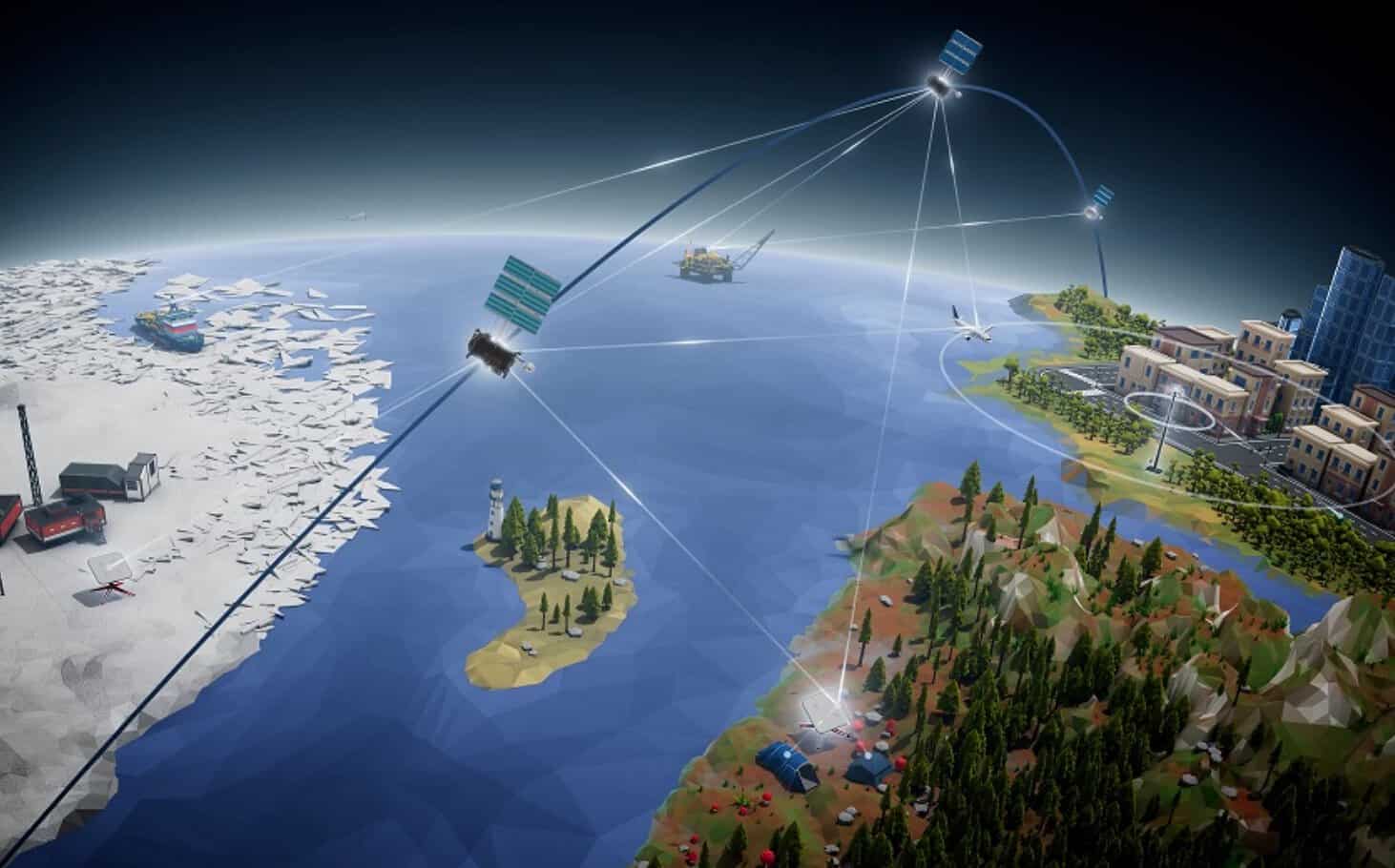
Russia’s Starlink rival lost a second satellite after it apparently sat idle for 103 days
Ukraine’s military, the government, and other institutions come first. The network won’t be able to serve as many subscribers at once as Starlink does in Ukraine any time soon, he told Oboronka, but that isn’t the project’s task.
One to two years in good conditions, potentially billions
In good conditions, full deployment could take one to two years, Rudominski said. Technological, production, logistical, and operational risks could affect that timeline. Without special arrangements, the queue for a SpaceX launch starts at 22 months, he said. He added that ground terminals are the narrowest bottleneck now, because everyone except SpaceX buys them from outside suppliers.
The next stages would need tens and hundreds of millions of euros, potentially billions, by his estimate. Meanwhile, the launch of the first test satellite used no state money. Private consortium members, including Himera and Denmark’s GomSpace, paid for it, he said.
One satellite, two names
Himera and GomSpace say Obria Nano launched on 1 October on SpaceX’s Transporter-18 rideshare. Tracking catalogs list one Ukrainian satellite from that mission, UASAT-Nano. Oboronka’s interview page gives that as Obria Nano’s registration name. However, UASAT-Nano is also the network another Ukrainian company, Stetman, is building with GomSpace. As of 30 October, neither Himera nor GomSpace had publicly explained how the two projects relate.

Two weeks before Starlink’s speed cap hit Ukraine’s drones, a Ukrainian test satellite went up on a SpaceX rocket
Read also
-
Starlink’s slowdown hurt Ukraine at front. Now Kyiv and Türkiye weigh building satellite technology together, Zelenskyy says
-
Russia is building Starlink no foreign company can switch off. Ukraine names 49 firms behind it, and 23 face no sanctions from Kyiv’s allies at all
-
No warning, capped Starlink, unsigned Patriots: Zelenskyy lists US holds to senators as Kyiv reads them as pressure
