Connexion
“We are staying”: EU embassies remain in Kyiv after Russia warns diplomats to leave or risk their lives

The EU Delegation and all EU embassies will keep working in Kyiv despite Russia's warning that foreign diplomats should leave or risk their lives, EU Ambassador to Ukraine Katarína Mathernová said on 4 October. Poland and Estonia also said their embassies would stay, calling the threats an attempt to intimidate Europe.
Russia attacks Kyiv daily as Moscow tries to make the city unlivable. Alongside the strikes, it now threatens the foreign missions that anchor Ukraine's support in the capital.
"We are staying"
Russia's Foreign Ministry singled out the embassies still working in Kyiv and the foreign officials who keep visiting Ukraine, Mathernová wrote. Moscow claimed that if something happened to them, the responsibility would be theirs.
"The responsibility for russian attacks belongs to russia! Not to anybody else," Mathernová wrote, adding: "Moscow wants to scare Europe into reducing its support for Ukraine. That will not happen."
The EU Delegation continues its work while taking the security of its team seriously, she added.

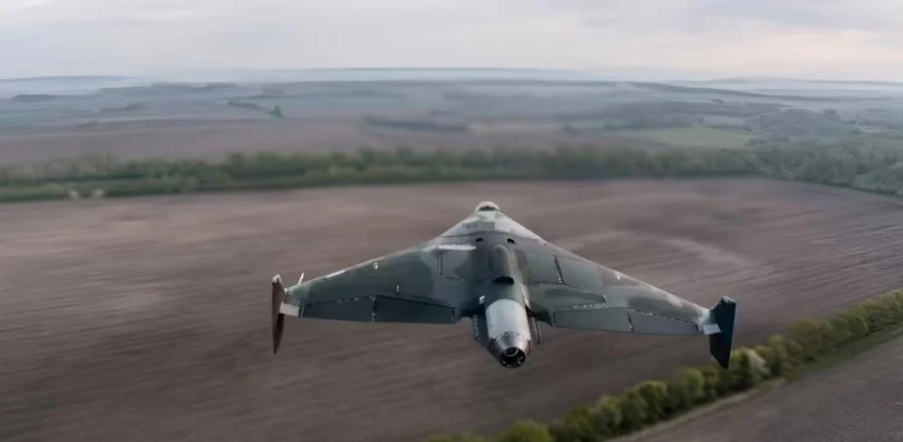
Russia’s drones keep targeting the bridges Kyiv can’t easily replace—now the Northern crossing is cratered
She pointed to the morning's strike on the Northern Bridge, saying the repeated attacks disrupt the connections between the two banks of the Dnipro. People worry about getting to work, reaching their families, and getting home safely, she wrote.
Poland and Estonia keep their embassies open
Poland's Foreign Ministry said it had no intention of changing how its Kyiv embassy works. The Kremlin's threats and calls for diplomats to leave show it is trying to intimidate Europe and undermine support for Ukraine, the ministry said. Such threats contradict international law and will not work, it added.
Estonia's Foreign Ministry said its embassy stays in Kyiv and its support for Ukraine remains firm. Russia's threats only strengthen Estonia's resolve to stand with Ukraine, the ministry said.

“Mr Putin, put an end to this senseless war”: Merz in Kyiv, with €1 billion in military aid
The European Commission also responded. Russia's threats show the Kremlin is losing the war and losing its self-control, Commission spokesperson Christian Wigand said, Suspilne reported.
More aid, more sanctions
This year alone, the EU has approved €28.3 billion ($32.3 billion) in defense procurement plans for Ukraine and is releasing another €6.6 billion ($7.5 billion) linked to military aid, Mathernová wrote. It is also moving forward with its biggest-ever sanctions listings against Russia, and this week imposed new sanctions over the deportation of Ukrainian children.
German Chancellor Friedrich Merz came to Kyiv on the same day, as Russian attacks on the city continued. He and Zelenskyy visited the National Academy of Sciences building, hit by a Russian drone in September, and Zelenskyy thanked him for coming despite the air raid alert, calling it "a needed and brave signal," in a post on Telegram. Germany remains a reliable partner at Ukraine's side even in difficult times, Merz wrote.
Read also
-
Three Russian missiles and two drones strike Moldovan territory in morning attacks on neighboring Ukraine. Moldova is increasingly exposed to the risks of Russia’s war next door
-
Russia strikes second major Kyiv bridge in two days as attacks disrupt movement across the capital
-
Russia retaliates after Hungary expels 10 diplomats, deepening Budapest-Moscow rift since Orbán’s ouster