Connexion
For the 17th or 18th time, Putin promised to take Donetsk “in a few months” – Zelenskyy

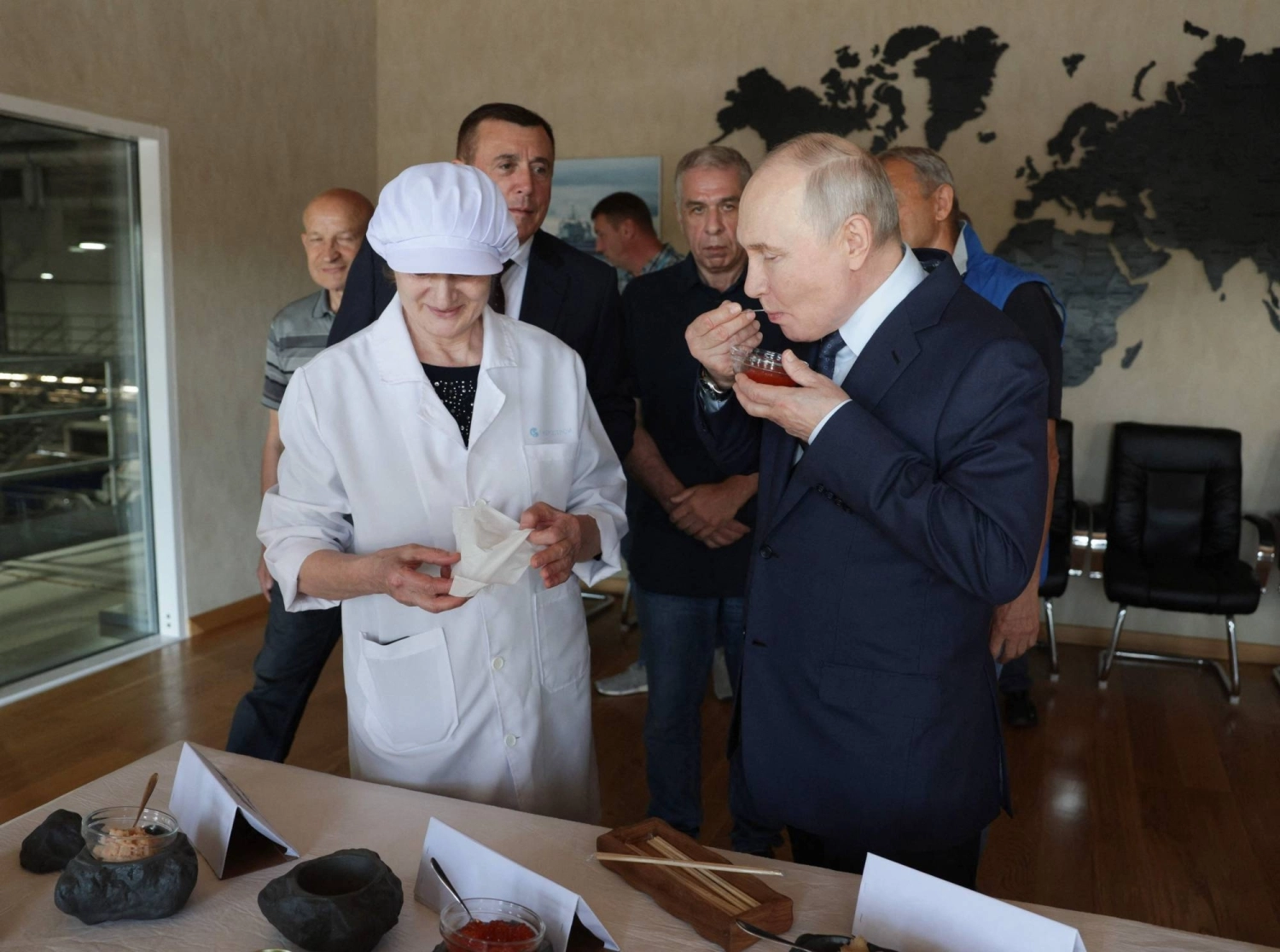
Russian President Vladimir Putin has again told US officials that Russia can capture Ukraine’s Donetsk Oblast within several months, according to Ukrainian President Volodymyr Zelenskyy.
Speaking to the UN General Assembly on 24 September, Zelenskyy said this was the latest in a long series of similar promises as Russia has spent nearly five years trying to seize the region. He said Putin has made such promises 17 or 18 times, repeatedly pushing the deadline further back.
He contrasted those promises with Russia’s heavy battlefield losses and relatively limited territorial gains.
Russia has paid a huge price for its Donetsk offensive
Zelenskyy said Russian forces suffered 248,964 troops killed or severely wounded between January and August 2026.
He said Russia had captured only slightly more than 1,000 square kilometers of Ukrainian territory this year, while Ukraine had already liberated a significant portion of those gains.
Zelenskyy presented the figures as the human cost of Putin’s continued attempt to seize Donetsk, arguing that Russia is paying an enormous price for relatively limited territorial gains.
“Always the same: ‘Just a few more months,’” Zelenskyy said, adding that Putin would again fail to meet his latest deadline.
The Russian offensive is also facing a recent setback in northern Donetsk. Ukraine launched Operation Vivaldi in September to clear Russian infiltrators and retake ground near Lyman, disrupting Russia’s plan to encircle the fortified cities of the Donetsk “Fortress Belt.”
Ukrainian forces have reported retaking several settlements and clearing up to 125 square kilometers in the operation, although the full scope of the offensive remains undisclosed.
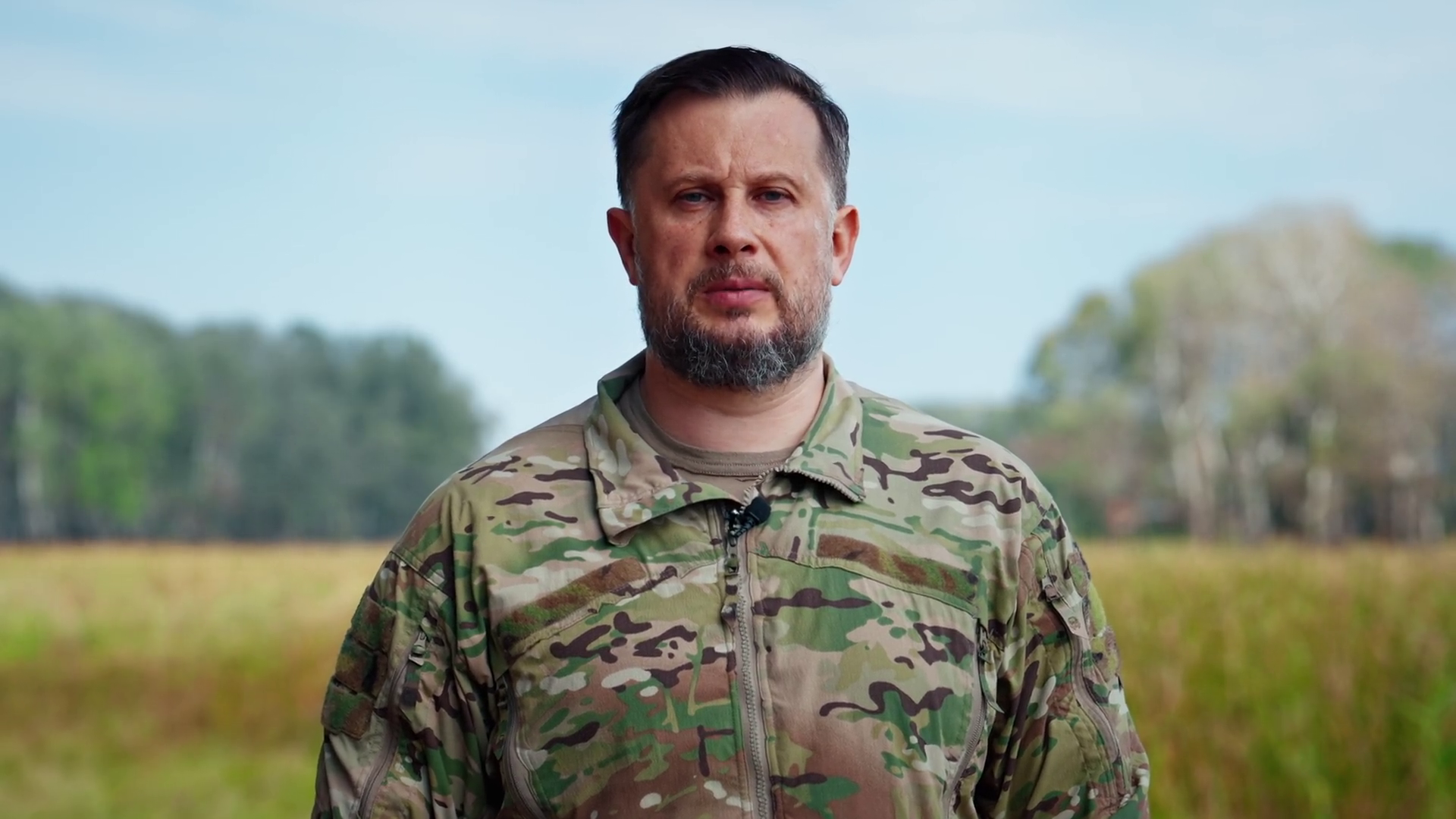
Ukraine retakes ground in a region Russia has fought for years to capture. “Vivaldi” is only getting started but is already “one of the most important victories for Ukraine in 2026”
Zelenskyy also warned that Russia’s ambitions extend beyond Donetsk. After saying Putin would again fail to capture the region, he said Russia would continue seeking other Ukrainian cities, naming Odesa, Kharkiv and Dnipro, while also pointing to Russian pressure on Moldova and threats toward Poland and the Baltic states.
Russia continues to pour missiles and drones into Ukraine
The battlefield campaign has been accompanied by a sustained Russian long-range attack campaign against Ukrainian cities and infrastructure.
Since the beginning of 2026, Russia has launched more than 2,100 missiles against Ukraine, including more than 950 ballistic missiles, according to Zelenskyy.
Ballistic missiles are particularly difficult for Ukraine to counter because it has a limited supply of interceptors capable of engaging them. Russia’s heavy use of ballistic weapons is therefore contributing directly to civilian deaths and infrastructure destruction.
Over the first eight months of the year, Russia also used 63,000 attack drones of various types, Zelenskyy said. More than 7,700 were jet-powered Geran drones, which he described as particularly destructive and dangerous.
The newer jet-powered drones are faster and more advanced than earlier Shahed-type models, making them harder to intercept and adding to the pressure on Ukraine’s air defenses as Russia attacks cities and infrastructure.
Zelenskyy said Russia was using the drones continuously to disrupt economic activity and normal life in Ukrainian cities, including by making it harder for children to attend school.
The figures show the scale of the Russian campaign beyond the front line. Alongside its ground offensive, Russia is using sustained missile and drone strikes to kill civilians, destroy infrastructure, and exhaust Ukraine’s air-defense resources.
North Korean troops add to Russia’s war effort
Zelenskyy also highlighted North Korea’s direct involvement in Russia’s war, saying its troops have suffered heavy losses while gaining battlefield experience alongside Russian forces.
He said North Korea’s military capabilities were also benefiting from its cooperation with Russia, pointing to improvements in its ballistic missiles and drone capabilities.
Ukraine recently transferred two North Korean prisoners of war to South Korea. Zelenskyy said capturing the soldiers alive had been difficult and described one prisoner’s attempt to take his own life after realizing he was about to be captured.
He said the soldiers had been conditioned to believe they had to die rather than surrender.
“Do you really want to give such a force more time to learn how to fight?” Zelenskyy asked.
Zelenskyy calls for de-escalation before winter
Zelenskyy separately warned that Russia could again target Ukraine’s energy and heating infrastructure this winter.
Russia has already intensified attacks on Ukraine’s energy system ahead of the cold season.
Russia has also explicitly threatened to “freeze” Ukraine this winter, with its Defense Ministry linking the threat to attacks on Ukrainian infrastructure. The country spent much of the previous winter dealing with the consequences of Russian strikes on power and heating infrastructure, including blackouts and disruptions to heat supplies.
Zelenskyy said Ukraine expects the coming winter to be difficult but warned that if Russia continues attacking Ukraine’s energy and heating systems, Ukraine will make the winter painful for Russia as well.
He called for steps toward de-escalation before winter, saying that diplomacy and military strength were both needed to end the war.
Read also
-
Ukraine outfoxes Russia near Donetsk’s fortress belt with Soviet BTR-60s rebuilt as kamikaze robots, storms a key hub and takes 250 Russian prisoners
-
Ukraine hits two fuel depots in Krasnodar Krai in one night—both wholesale diesel and gasoline
-
Russia holds 2,000 people hostage in Oleshky without food or water—Ukraine flew 4,000 kg of food to locals across the Dnipro