Connexion
“There is real hunger there”: Oleshky, occupied town in Ukraine’s Kherson Oblast, turned 942 this week. Behind Russian blockade, its people eat roadside grass

In the occupied town of Oleshky in Kherson Oblast, people are foraging for grass and picking through bombed-out basements for anything to eat, Natalia Soboleva, an Odesa volunteer who tracks the town, says, Espreso reports. The city turned 942 years old this week and marked the day, as it has more than two hundred before it, under a Russian blockade that lets no food in and no one out.
The starvation is engineered. Oleshky, on the Russian-held left bank of the Dnipro, was flooded when Russia blew the Kakhovka dam in 2023 and has been sealed off since late 2025, its roads mined and its aid convoys fired on. In July, OSCE monitors confirmed the blockade, describing a place where the living starve and the dead go unburied.
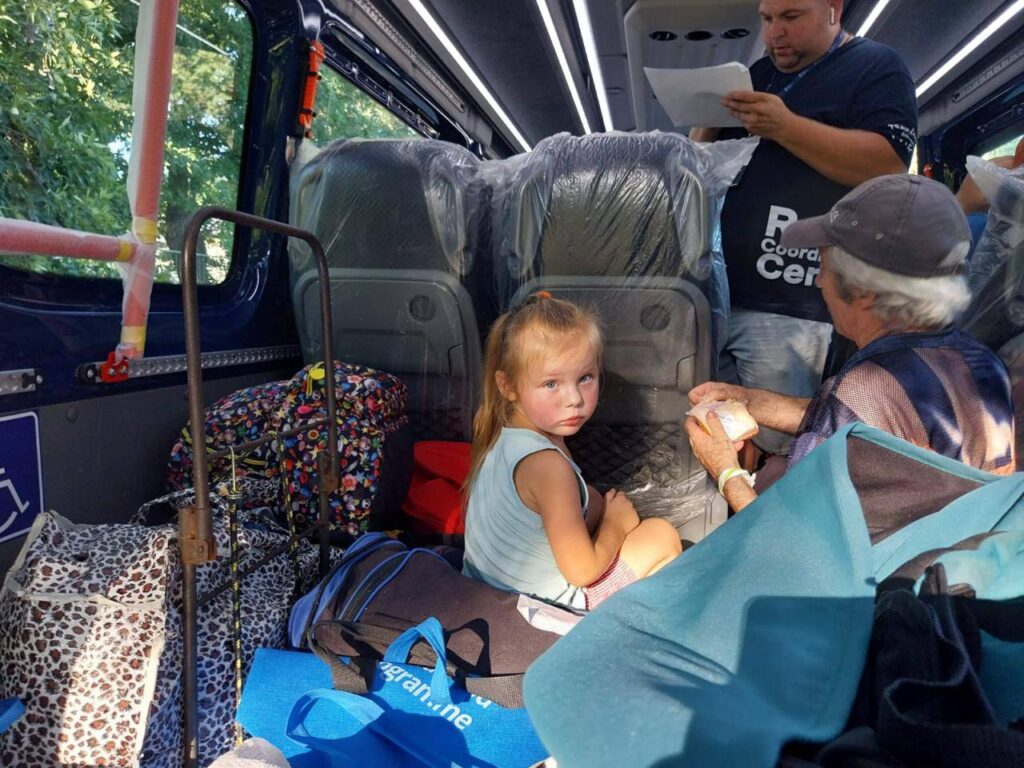
According to Kherson Regional Administration Head Oleksandr Prokudin, in Oleshky, hundreds of people remain, elderly, children, while food deliveries have all but stopped for months, and Russian forces prohibit the evacuation.
Residents forage through the ruins
Soboleva describes a population reduced to scavenging.
"People walk around gathering grass and cooking whatever they can, going through wrecked basements looking for scraps of food. There is hunger there, real hunger," she said.
Hundreds of abandoned animals are starving, too, and the residents who remain share what little they scavenge with them.
Russia shells the aid convoys
The blockade is enforced with fire. Russian forces attack the humanitarian vehicles that try to bring in food and water, Soboleva said.
The last attempt, on 1 September, ended with Russian troops shelling four volunteer cars. The turn for the worse came around January and February, she said, after a food run from Kopani was hit last summer, killing people and halting deliveries for good.
No corridor lets anyone leave
The one thing that could save the town, its officials and volunteers agree, is a guaranteed humanitarian corridor, and Russia will not grant one.
Volunteers, working with Ukraine's human rights ombudsperson, have twice collected lists of residents who want to leave, and the lists were reportedly cleared with the Russian side, but the occupiers still refused to open a route.
"We have not forgotten Oleshky, or the unspeakable pain the city's residents are living through," Prokudin said, adding that Ukraine keeps pressing to get people out.
Read Also
-
Ukraine successfully tests interceptor against faster Gerans as Russia floods its skies with drones
-
Ukraine’s drone campaign is changing where Putin goes – now his flagship forum is being moved out of Sochi
-
Russian drones started 17 fires in Chernihiv Oblast, adding forest to the list of things the war destroys without aiming