Connexion

Ukraine aims to finish EU talks by 2028. Brussels agrees—on one condition: Ukraine’s lawmakers stop dragging their feet

Ukraine is ready to open all remaining rounds of EU membership talks but must speed up reforms its parliament keeps putting off, the European Commission said in its annual report on 4 November. Brussels backs Kyiv’s goal of finishing the talks by the end of 2028. It also found that no law passed in the past year significantly strengthened Ukraine’s anti-corruption framework.
Russia’s war has made Ukraine dependent on foreign money to pay salaries, pensions, and repairs while its own revenue goes to defense. Next year’s financing gap runs to tens of billions of dollars, and Brussels ties more aid to reforms. That makes the speed of Kyiv’s legislature a question of cash as well as membership. In October, lawmakers passed a tax on cheap foreign parcels only on the third attempt, to unlock a €3.7 billion EU payment. The EU wants reforms before it pays more.
Every remaining cluster ready, a deadline that needs speed
Accession talks are split into six clusters of chapters. Ukraine opened four of them over the past year, and the Commission assessed the remaining two as ready to open. Brussels supports Kyiv’s aim to close negotiations by the end of 2028, but “it is important that Ukraine continues to accelerate the pace of reforms” to get there, the Commission stated.
Moldova, which applied alongside Ukraine, got a different message. Brussels urged it to keep its current pace and called its goal of finishing talks by early 2028 ambitious but achievable. “Albania, Moldova and Ukraine could join the European Union in the coming years if they sustain the reform efforts,” Enlargement Commissioner Marta Kos said.

Days before the EU grades Ukraine, watchdogs flag trouble with a condition Brussels set for its membership
The 119-page report grades each chapter. Ukraine has a good level of preparation in energy and in foreign, security and defense policy, where it made “very good progress.” It is at an early stage on the free movement of workers, social policy and employment, and its future payments into the EU budget.
Ahead of the release, Ukrainian news site Liga reported, citing a single unnamed Foreign Ministry source, that the Commission would raise Ukraine’s readiness in 10 chapters and see progress in all of them. The published report explicitly raises the overall level only in the fight against corruption, and records limited progress in several chapters.
A parliament that slowed down, then turned to reforms when EU money was at stake
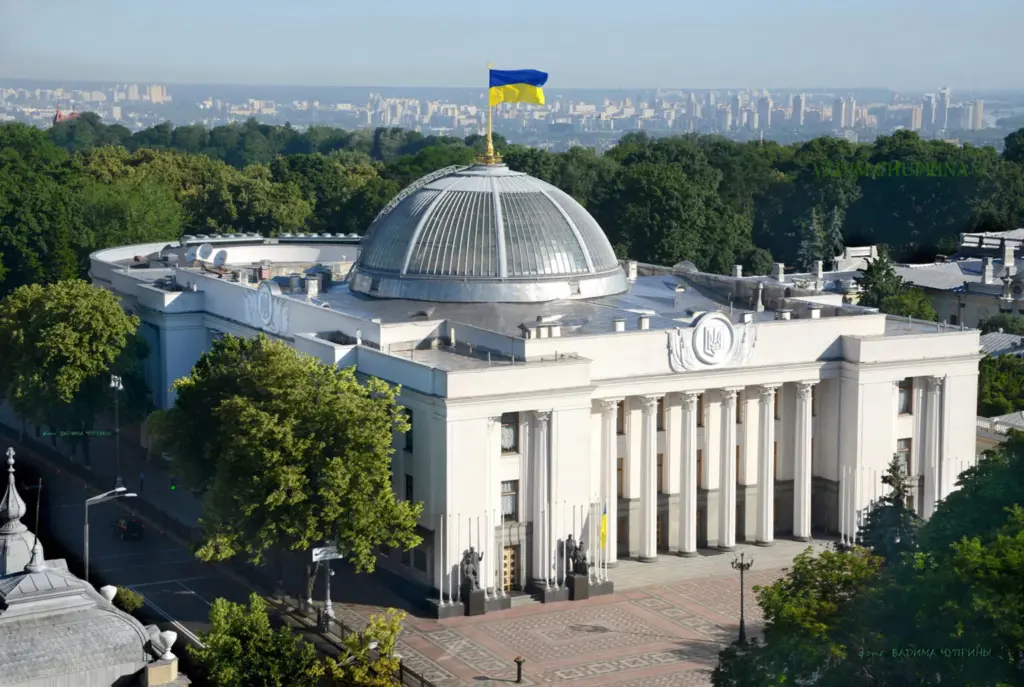
Parliament passed 133 laws between September 2025 and September 2026, at a slower pace than the year before, the report notes. It calls the slowdown in legislative decision-making “a point of concern.” Since the end of the summer, Kyiv has focused more on reforms and on meeting the conditions attached to the EU’s Ukraine Facility and the Ukraine Support Loan, two programs that pay out in step with reforms.
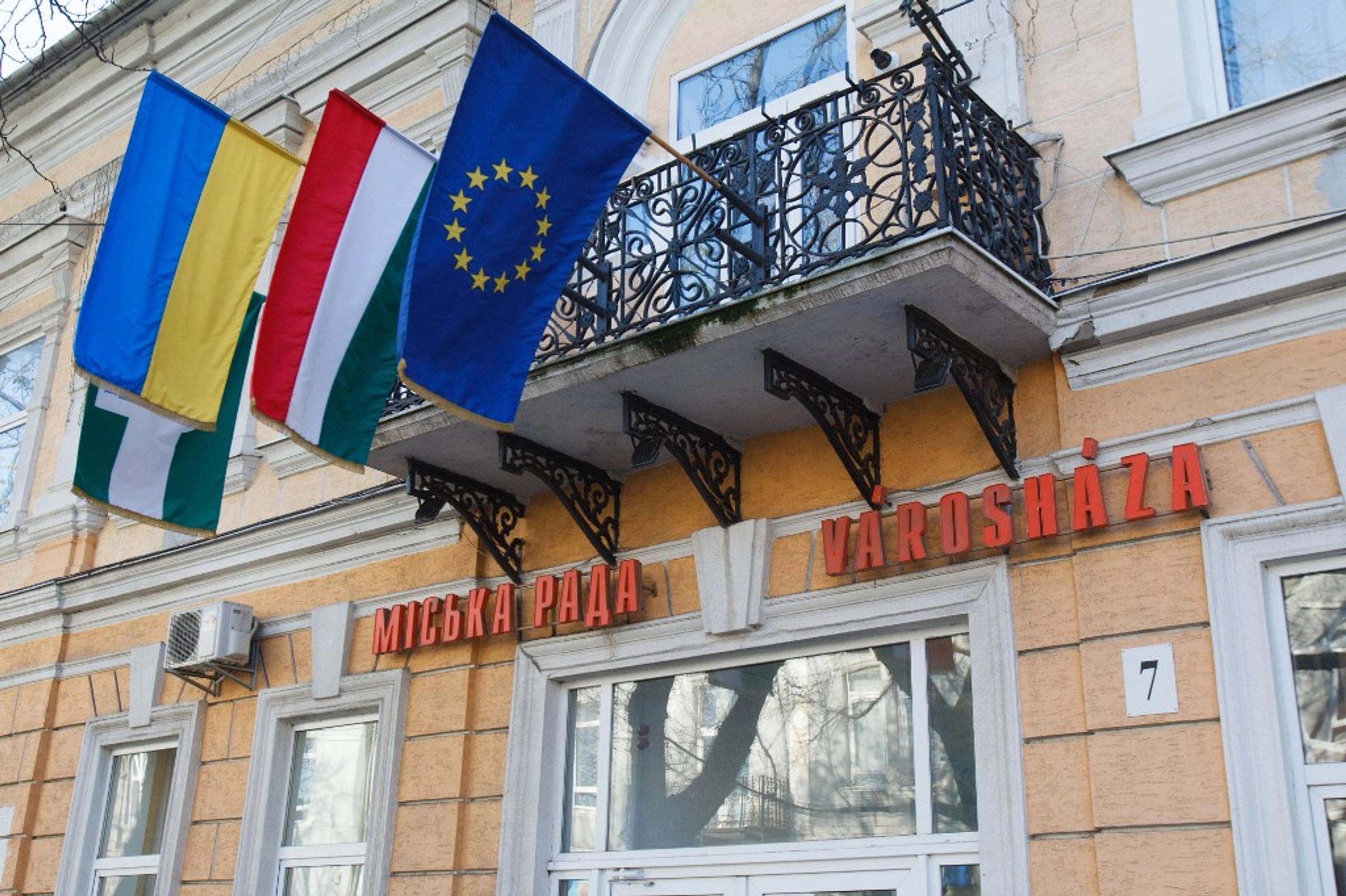
For years, Hungary tied Ukraine’s whole EU course to ethnic Hungarians’ language rights. Kyiv has now passed the schooling law meant to lift the block
Several votes the Commission needs are still waiting. A new anti-corruption strategy for 2026–2030 awaits adoption by parliament. The terms of two members of the High Council of Justice, the body that governs Ukraine’s judges, expired in August, and the report urges lawmakers to fill the seats “without delay.” Two seats on the Constitutional Court that parliament must fill have stayed empty since it failed to appoint judges in October 2025. Why lawmakers keep stalling bills they later pass, the report does not say.
Anti-corruption agencies work, the laws stall
The Commission credits Ukraine’s anti-corruption agencies with a better grade. The National Anti-Corruption Bureau, the Specialized Anti-Corruption Prosecutor’s Office, and the High Anti-Corruption Court brought more high-level corruption cases to investigation, trial, and final conviction, reaching top officials and judges. Yet “no laws were adopted to significantly advance the anti-corruption legal framework,” the report states, calling the slow adoption of the reforms Brussels recommended “a major concern, requiring urgent action.”
The 10 priority reforms Kyiv agreed with Brussels on 10 December 2025 “remain mostly outstanding.” Progress on the rule of law roadmap was limited, and law enforcement reforms were slow, with many delayed. Ukrainian watchdogs rated anti-corruption progress as limited in their own report in October.
These reforms decide when Ukraine can finish. No chapter can close until EU governments confirm that Kyiv has met interim benchmarks on the rule of law and democratic institutions, Interfax-Ukraine reported. In October, Ukraine and the Commission set up a joint task force to speed up those benchmarks.
Read also
-
Ukraine’s chief prosecutor fled. Politicians still choose the man who can prosecute them.
-
Ukraine files a minority-schooling bill, and Hungary agrees to unblock two of its EU-accession clusters
-
EU pledges €3.3 billion for Ukraine, von der Leyen says “more is coming” as Russia’s escalating air war makes life in Ukrainian cities increasingly difficult