❌

Vue lecture

Russia sells cheaper fuel abroad and pays to keep its own pumps running amid Ukraine’s refinery strikes, but crude money still flows
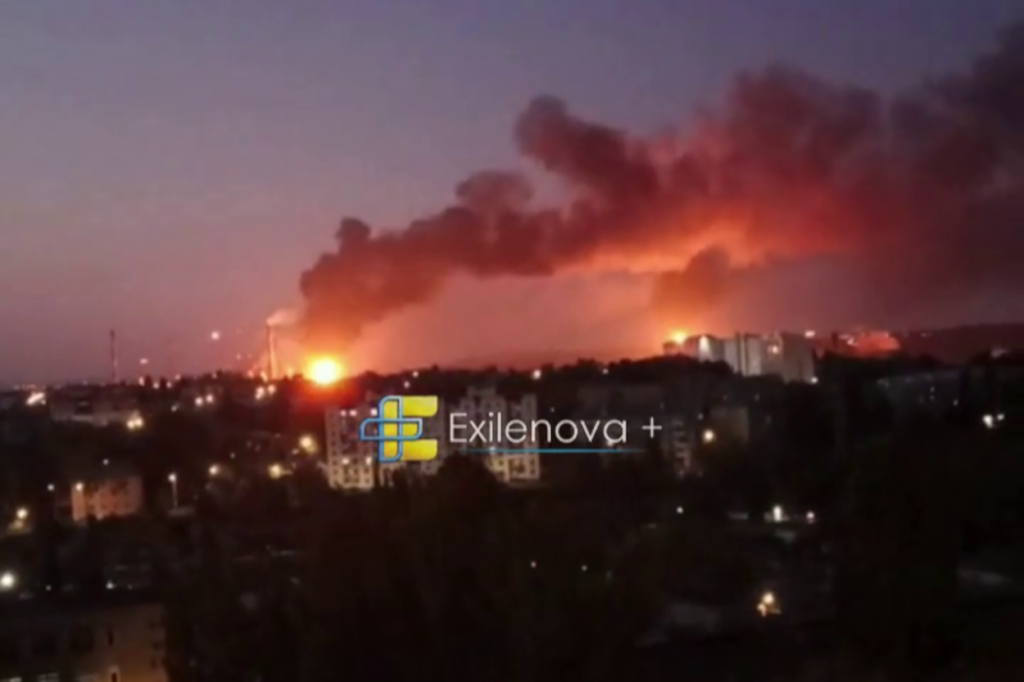
ukraine says its strikes have knocked out 51% russia's oil refining capacity · post flames saratov refinery after reported ukrainian drone strike 2 2026 image_2026-08-02_14-32-39 news reports

Russia's seaborne exports of refined oil products rose to a three-month high in September, but the growth came from cheaper fuel oil and naphtha as diesel shipments fell to their lowest in more than a decade, Bloomberg reported, citing Vortexa data. Russia kept diesel at home after Ukrainian refinery strikes and paid oil companies to supply its pumps, while high crude prices lifted its crude export earnings.

During the ongoing deep-strike campaign, Ukraine's long-range drones have knocked out more than half of Russia's oil refining capacity, Kyiv says, and Russia's budget oil revenues are falling even as it raises war spending. High global crude prices are softening that blow.

Cheaper fuel out

Total seaborne product exports reached about 1.17 million barrels a day in September. Fuel oil shipments rose 6% to about 613,000 barrels a day, the highest since April. Naphtha, a feedstock for petrochemicals, jumped 35% to 363,000 barrels a day. Exports of refinery feedstocks, including vacuum gasoil, rose to about 32,000 barrels a day, according to Bloomberg.

The trade has moved north. Almost 80% of fuel oil cargoes left from Baltic ports, and naphtha loadings there rose almost 50% as Ukrainian attacks disrupted Black Sea infrastructure. In September, Ukraine reported hitting an oil terminal in Novorossiysk, Russia's main Black Sea oil port—one in a string of attacks on Russia's Black Sea ports and oil sites.
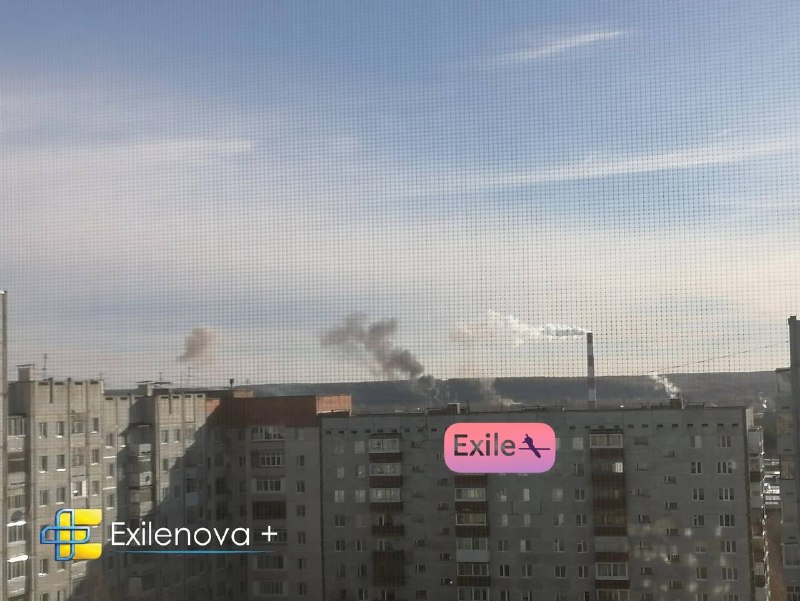
more than 500 drones moscow’s count kh-101 fuel plant second yandex data center far-north refinery hit · post smoke over ukhta komi republic after reported drone attack lukoil 9 2026
Explore further

More than 500 drones by Moscow’s count: Kh-101 fuel plant, second Yandex data center, and a far-north refinery hit

Diesel kept at home

Diesel and gasoil exports fell 28% to 144,000 barrels a day, the lowest monthly volume in Vortexa data going back more than a decade. Russia has restricted diesel exports to protect domestic supply after Ukrainian attacks on its refineries. Drones kept hitting them into October, from a Lukoil refinery in Volgograd to Gazprom's Salavat complex in Bashkortostan.

In September, Russia paid oil companies the biggest subsidy in more than four years to keep road fuel on the domestic market. It also imported about 350,000 tonnes of motor fuel by sea, mostly gasoline from India, Morocco, and Türkiye, Reuters calculations showed. Officials are considering letting some producers resume diesel exports in October to avoid overstocking, according to Interfax.

The diesel squeeze has reached the White House. US President Donald Trump stated on 30 September that diesel was hurt "not by the Middle East, but by what's going on in Russia, because those diesel refineries are being knocked out at a pretty alarming rate."

Crude carries the revenue

Russia's crude exports reached about 3.99 million barrels a day in the week to 27 September, and the estimated value of its seaborne crude shipments neared its highest since the full-scale invasion began, Bloomberg reported. Brent crude traded at about $102.60 a barrel on 9 October, according to Trading Economics data.
  •  

The US has until 18 October to choose its Russia sanctions targets—if any. Kyiv’s wish list leads with the firms feeding Russia’s Starlink clone

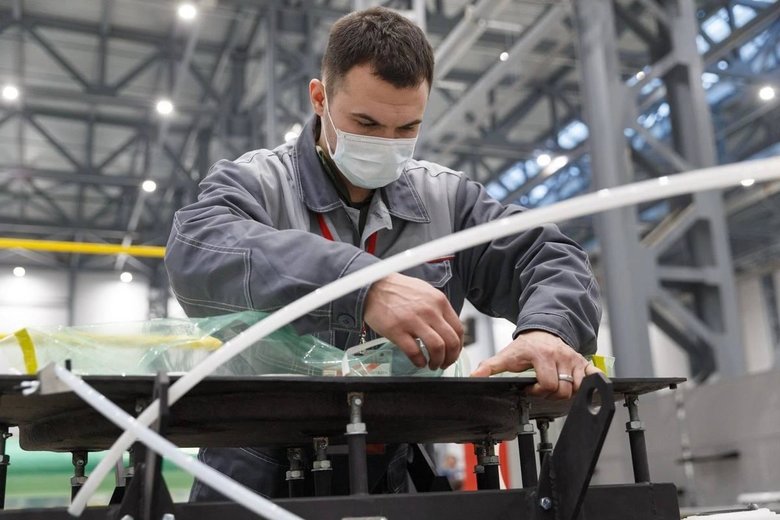
A worker at the Kronstadt UAV production plant in Dubna.

Ukraine is about to tell Washington exactly which Russian targets it wants punished under America's new sanctions law, the Associated Press reported. A senior Ukrainian diplomat said Kyiv will hand the Trump administration and Congress a wish list of companies, ships, and people this week—and at the top are the firms supplying parts for Russia's answer to Starlink.

The law requires Washington to act but lets the president waive the sanctions if he certifies that doing so serves US national interests, and the first choice falls due in weeks. For Ukraine, a measure that names no targets changes nothing on the ground—which is why the fight now is over whose names make the list before the clock runs out.

A list topped by Russia's Starlink clone

Denys Sienik, chargé d'affaires at Ukraine's embassy in Washington, said the priority is a group of Russian firms making components for Rassvet, Moscow's homegrown satellite network, which Russia hopes to complete by the end of the year—though its own officials have put the start of service in 2027. Bureau 1440, the firm building Rassvet, is not itself on US sanctions lists, but its parent company, ICS Holding, is under US blocking sanctions, according to Militarnyi. The suppliers feeding the network parts are not sanctioned, and those are the ones Kyiv wants added to the list.

Russia sped up the project after Ukraine and SpaceX cut off the Starlink terminals its troops had used without authorization at the front. If Russia completes the constellation, Sienik said, it could strike Ukraine at will with real-time information—a danger he warned would bite hardest this winter. "If these entities are not sanctioned, it will actually make this program possible for Russia and that will be a game-changer," he told reporters, Reuters reported. Kyiv wants access to Starlink inside Russia, too, so it can strike targets there.

Euromaidan Press has reported how such a network would change the battlefield: the satellites transmit in high-frequency bands that are hard to jam, and a relay overhead would feed drones and missiles fresh coordinates mid-flight, letting them fly low under air defenses that struggle to see them.

Oil tankers and attacks on US firms

Ukraine is pushing for tougher action against Russia's shadow fleet, too—the aging tankers that sell its oil around Western restrictions—and is asking the administration and American industry to publicly condemn Russian attacks on US companies' operations inside Ukraine, Sienik said.

The deadline Washington is now facing

The requests arrive as the administration faces an 18 October deadline to decide which Russian entities, if any, to sanction under the Lindsey O. Graham Sanctioning Russia and Iran Act, which US President Donald Trump signed into law on 18 September. The law directs the White House to impose tariffs on Russia's biggest oil buyers and to block its banks, officials, and tankers—but lets the president waive those measures, which is why Kyiv is lobbying for the toughest list it can get.

  •  
❌