❌

Vue lecture

Ukrainian marines cleared about 6 km² near Pokrovsk without losses. The Russians they faced got a can of meat a week

gunners can carry small car's weight shells every day — ukraine fields exoskeletons pokrovsk front · post artilleryman 147th separate artillery brigade wearing exoskeleton picks up combat position direction 2026

Ukrainian marines planned a clearing operation near Pokrovsk for about a month, their deputy commander said in remarks relayed by Army Inform. The Defense Ministry’s news agency published them on 12 October. He also described the Russian infantry the marines captured as barely trained, hungry, and unwilling to fight.

Russia seized Pokrovsk by seeping small infantry groups into the city a few at a time. Beyond the city, Russian advances stayed limited. ISW assessed on 25 February that the capture brought no further operationally significant gains. Small advances continued, and DeepState mapped one near Bilytske in Donetsk Oblast on 7 October. Every stretch where Ukrainian units stop that infiltration closes the route Russia used to take the city.

What the operation produced

Karyi, the 40th Separate Marine Brigade’s deputy commander, said that Operation Audit cleared about 6 km². The marines suffered no losses while inflicting them on the Russians, he said, and gathered a lot of intelligence. He promised the enemy many more surprises.

Service members of Ukraine's 40th Separate Marine Brigade during Operation Audit in the Pokrovsk direction.
Explore further

Ukraine makes local gains on Pokrovsk front despite sustained Russian attacks

The brigade had announced an operation by the same name on 26 September. It said then that the marines had cleared 5 km² and captured two Russian soldiers. The brigade also said they had stopped the flow of Russian infiltration on that stretch of the Pokrovsk direction.

Two weeks of training, then the front

Karyi called the two prisoners typical of the Russian infantry now sent against the marines, with all of two weeks’ training behind them. He said Russian recruits spend a month on transfers and paperwork before going into battle. They then walk to their positions for one or two weeks.
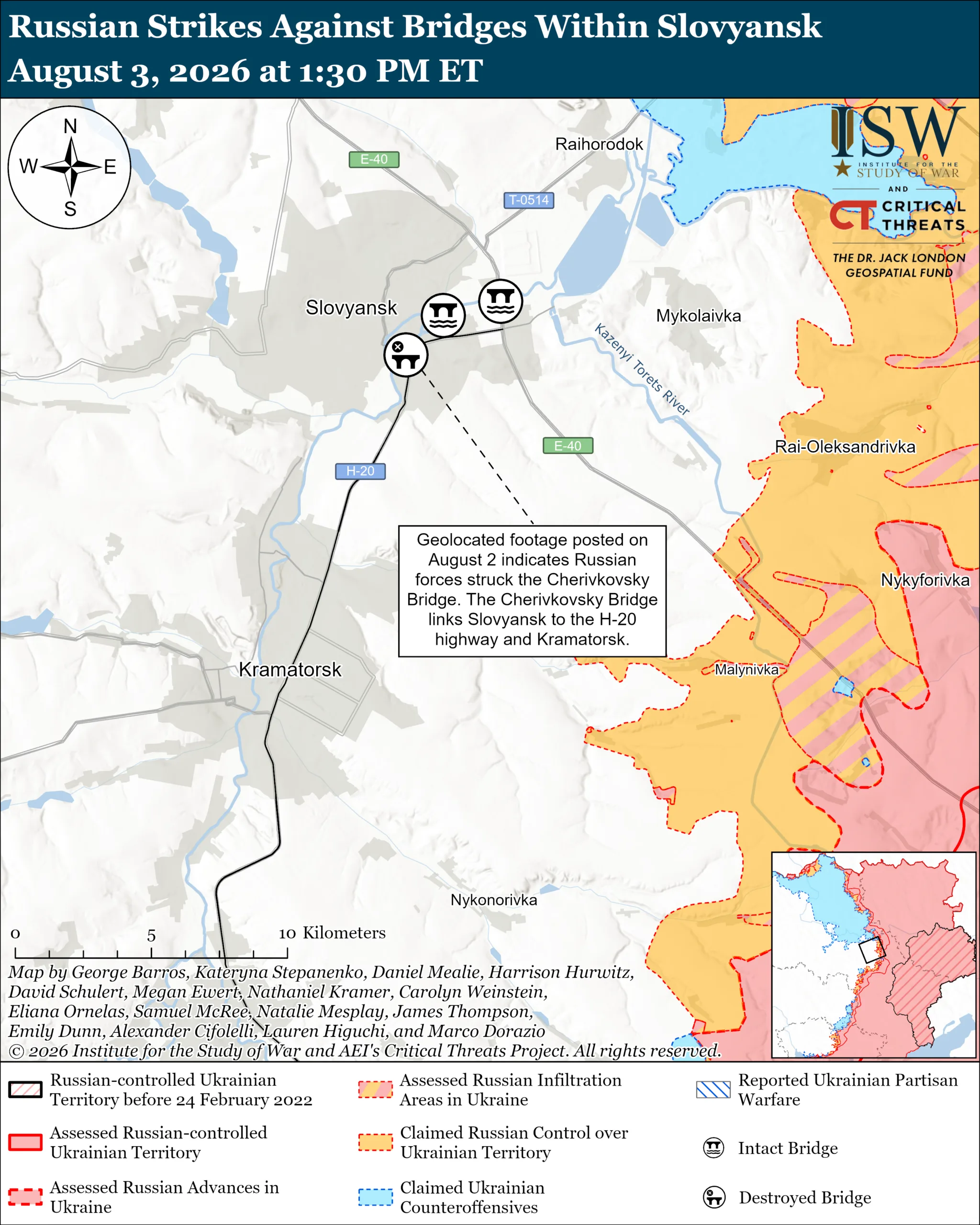
isw first pokrovsk huliaipole—now russia points its logistics-killing air campaign fortress belt · post russian-strikes-against-bridges-within-slovyansk-august-3-2026-scaled ukraine news ukrainian reports
Explore further

ISW: First Pokrovsk, then Huliaipole—now Russia points its logistics-killing air campaign at the Fortress Belt

If drones or Ukrainian ground groups don’t kill them first, he said, they surrender because they no longer want to fight. They are not fed or given water. He described one parcel a week with a can of stewed meat, and water drunk from the ground underfoot. That, Karyi said, is why the Russian troops facing the marines are demoralized and untrained.

  •  

Russia drained the Kakhovka Reservoir. Now it hides in the dry bed to creep toward Zaporizhzhia

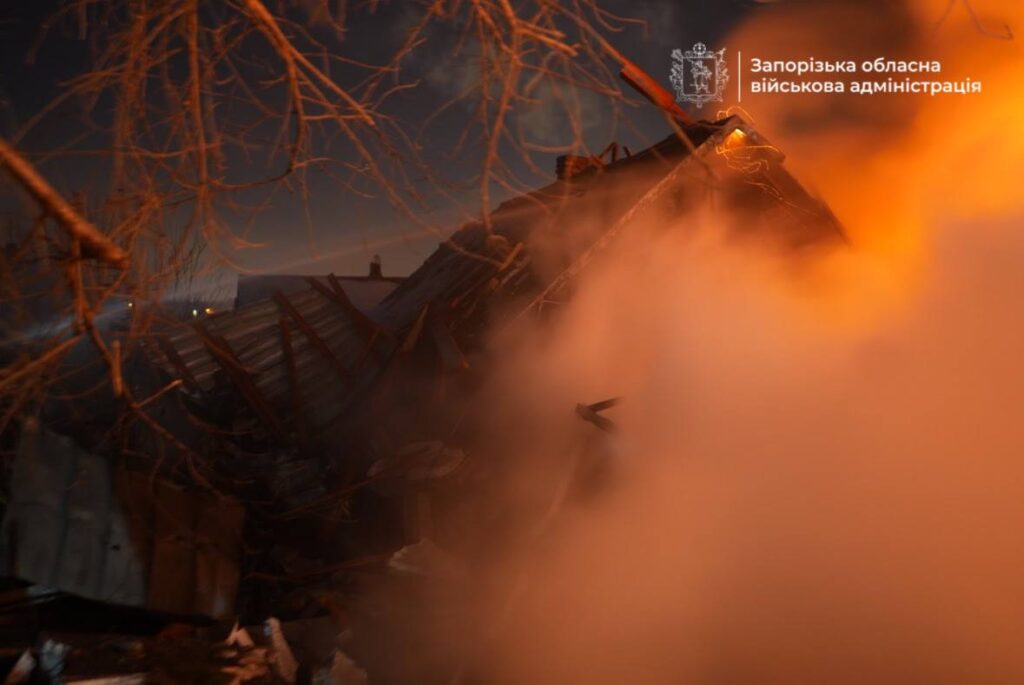
Site of a Russian drone strike on a Zaporizhzhia residential area, 20 January 2026. Photo: Zaporizhzhia Regional Military Administration

Small groups of Russian infantry could slip into regional capital Zaporizhzhia this winter, a frontline commander warned in a mid-September interview with Dnipro TV, in a debate later compiled by Radio Svoboda. His forecast drew quick pushback from a military analyst, who called it far more categorical than the situation warrants. At the center of the dispute lies the drained Kakhovka Reservoir, whose dry bed Russia now uses for cover.

Dense drone surveillance has made large mechanized assaults costly, pushing Russian commanders toward small groups that probe for gaps. That shift turns unwatched terrain — here, the drained reservoir bed—into the seams they test.

Solitary groups, not massed forces

Dmytro Filatov, callsign Perun, commands the 1st Separate Assault Regiment named after Dmytro Kotsiubailo. The danger will come not as a massed assault but as infiltration, he said. He expects solitary infantry groups to reach and enter Zaporizhzhia over the winter. He pointed to the Stepnohirsk axis and the dense buildings along the Dnipro shore. Fog and rain raise pressure across the whole front, and Russian troops have long fought well in winter, he said.

A city on the front's edge

Zaporizhzhia is a regional capital and industrial center in southeastern Ukraine, with more than 700,000 residents before the full-scale invasion. The city sits about 25 km from the nearest active front, around Stepnohirsk to the south—unusually close for a regional capital of its size. Russian missiles, drones, and glide bombs hit the city daily. It has held since 2022, and Russia has not taken a Ukrainian regional capital since the war's first months.

zaporizhzhia
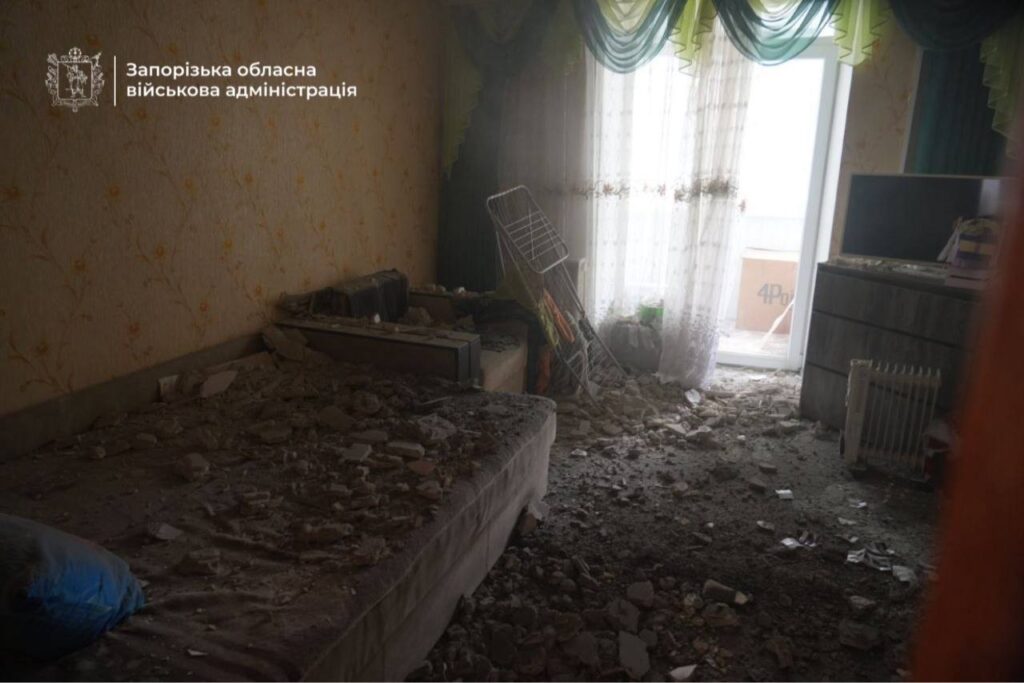
The aftermath of the Russian attack on Zaporizhzhia on 30 May 2026. Credit: Local Governor Ivan Fedorov

The dead reservoir as cover

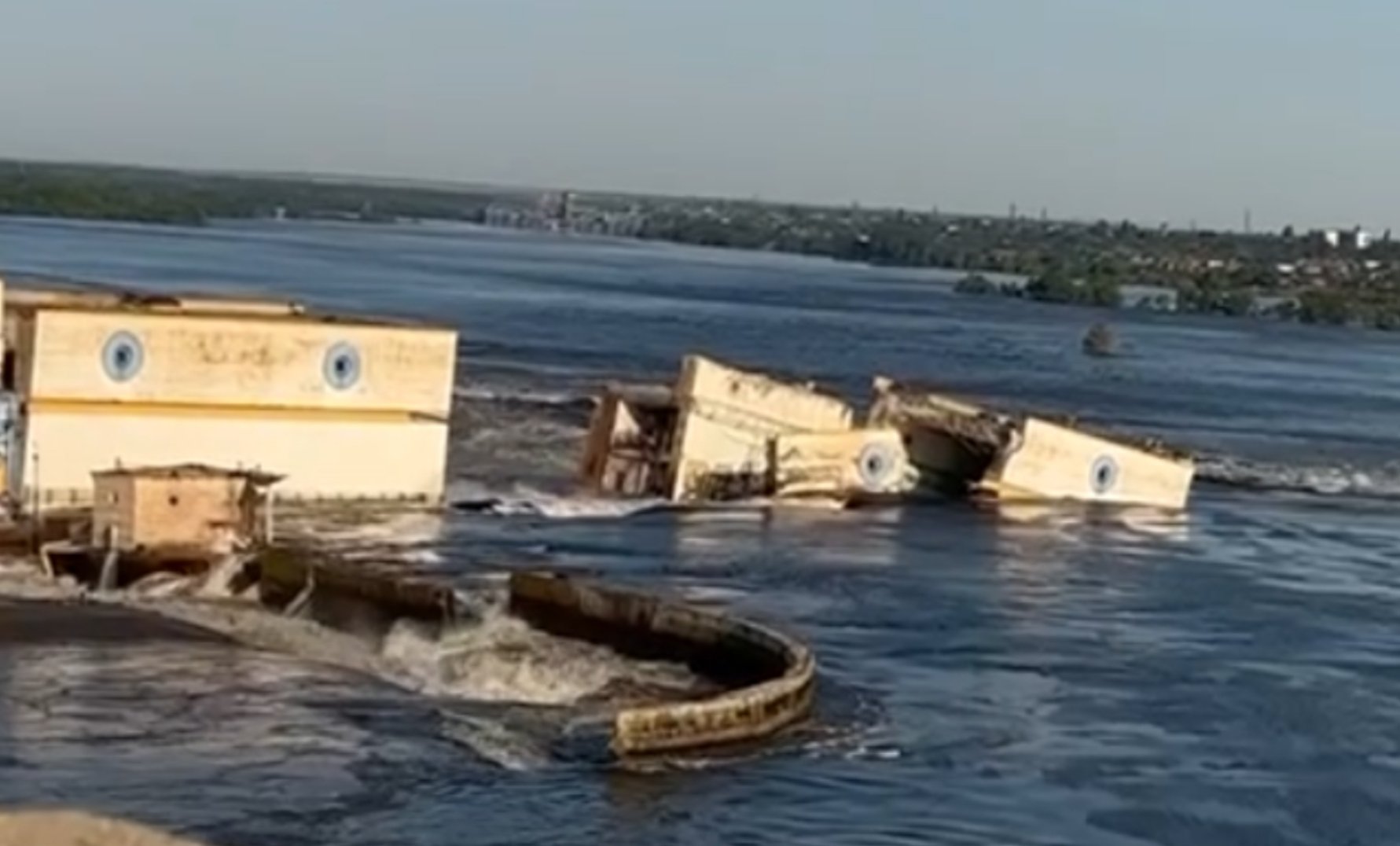
Russia blew up the Kakhovka dam in June 2023 and drained the reservoir behind it. Reeds now stand several meters high across the dry basin, giving foot soldiers cover to move unseen. Ukraine's Southern Defense Forces reported in November 2025 that Russian groups use it to press into the Ukrainian flank.

Russian troops increasingly use the bed to infiltrate and haul supplies, said Kostiantyn Mashovets of the Information Resistance group. One of their assault groups pushed as far as Malokaterynivka before Ukrainian forces blocked it, he wrote. Ukrainian troops hold northern Plavni, including the railway station and part of the E-105 highway, Mashovets added. The Institute for the Study of War pointed to the same route in its 26 September assessment, citing Ukrainian military observers.

Kakhovka dam HPP destroyed
Explore further

“The worst environmental catastrophe since Chornobyl disaster”: Three years after Russia destroyed Kakhovka Dam, real death toll is still unknown

An analyst is not convinced

Oleksandr Kovalenko, a military-political expert and Information Resistance coordinator, rates the threat far lower. He wrote that the warning "sounded far more categorical than it should have." Stepnohirsk, about 25 km south of Zaporizhzhia, is the closest active fighting to the city. Russia has tried for years to take the town but now controls only its 3rd microdistrict and southern Plavni.

Infiltration becomes possible only if Russia takes the whole foothold and reaches the north bank of the Konka river. That will not happen by the end of 2026, and no ground push on the city looks possible, he said. The main danger stays daily Russian strikes on the city, not a ground advance, he added.

  •  
❌