
 Connexion
Russia ordered arson attack on Estonian military robot-maker supplying Ukraine, Estonia confirms
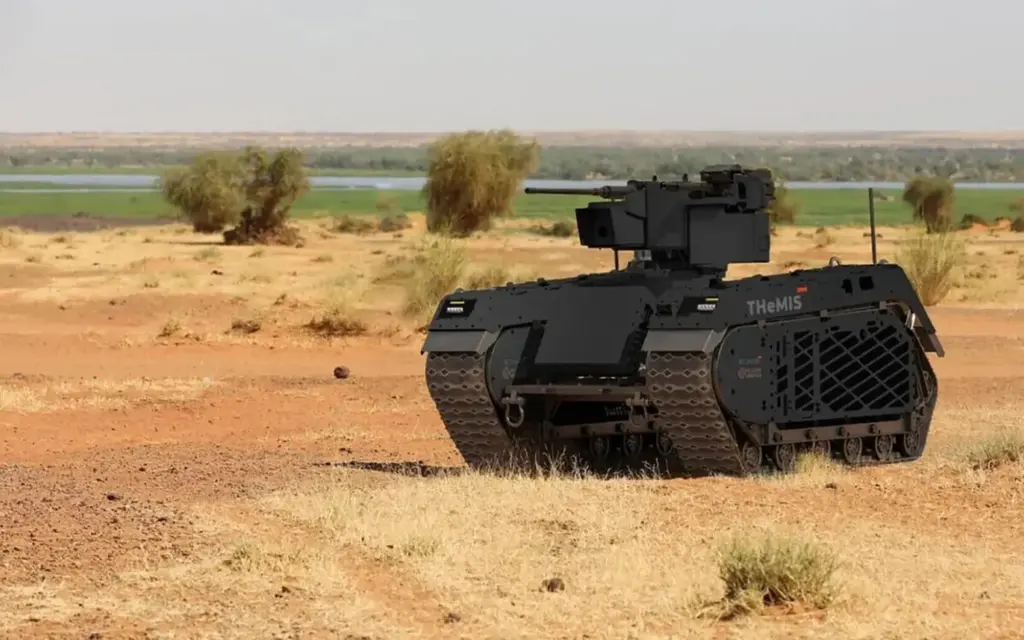
Estonia says Russia ordered the August arson attack on Milrem Robotics’ Tallinn premises, an Estonian defense company supplying Ukraine with military ground robots.
Russian sabotage operations have been expanding across Europe in recent months, targeting companies, infrastructure and supply chains connected to Ukraine’s defense effort. European authorities have linked or investigated suspected Russian involvement in arson and other sabotage attempts in several countries, as Moscow seeks to disrupt support for Ukraine and intimidate its European backers.
Foreign Minister Margus Tsahkna said on 29 September that information gathered by Estonia’s Internal Security Service showed the fire at Milrem’s Tallinn premises on the night of 14–15 August was a Russian intelligence-directed sabotage operation. Estonia summoned Russia’s chargé d’affaires over the attack.
Three suspects detained
Estonian authorities had already detained three suspects in connection with the arson, with the suspects apprehended in Latvia. Tsahkna said the perpetrators had been taken into custody and no longer posed a threat to Estonia.
Russia’s attempts to divide, intimidate and sow confusion will fail.
— Margus Tsahkna (@Tsahkna) September 29, 2026
Every act of sabotage only strengthens Allied resolve, increases pressure on Russia and reinforces support for Ukraine.
We will continue to expose, deter and respond. No stone will be left unturned. https://t.co/JfdSbAUGi1
When the investigation was first announced in August, Estonian authorities had not publicly established a Russian connection or disclosed evidence linking Moscow to the fire.
Milrem supplies robots to Ukraine
Milrem Robotics makes THeMIS unmanned ground vehicles, which have been used by Ukrainian forces since 2022 for tasks including transporting ammunition, food and other supplies, evacuating wounded troops, and mine clearance.
The company said in August that the fire had not disrupted its production or deliveries to Ukraine. More than 200 of its robotic systems are expected to be operating in Ukraine by the end of 2026, including more than 150 vehicles funded by the Netherlands.
The attack is part of a growing series of suspected sabotage operations targeting companies and facilities connected to Ukraine’s defense effort. In August, Slovak authorities foiled an attempted arson attack on a Ukrainian drone factory, while European investigations have also examined suspected Russian involvement in attacks on defense-related facilities in Czechia, Lithuania and Bulgaria.
Estonia says sabotage will not weaken Ukraine support
Tsahkna said Russia’s campaign is intended to intimidate European countries, divide allies and weaken their support for Ukraine.
“Russia’s sabotage campaign will not achieve its objectives,” the Estonian Foreign Ministry said, adding that Estonia and its allies would continue increasing pressure on Russia and supporting Ukraine.
Tsahkna said Estonia would respond to the attack by increasing both its support for Ukraine and pressure on Russia.
