Vue lecture

Russian cannibal soldier ate his own comrade, leaked audio from Ukraine's HUR claims
Russian cannibal soldier ate his own comrade, leaked audio from Ukraine's HUR claims

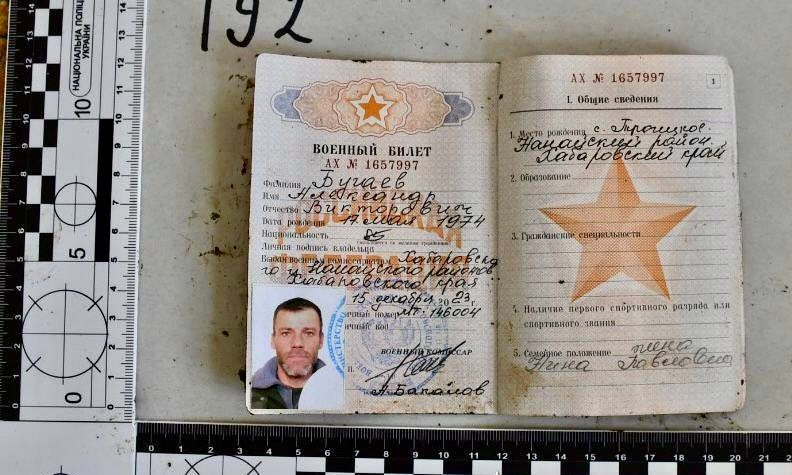
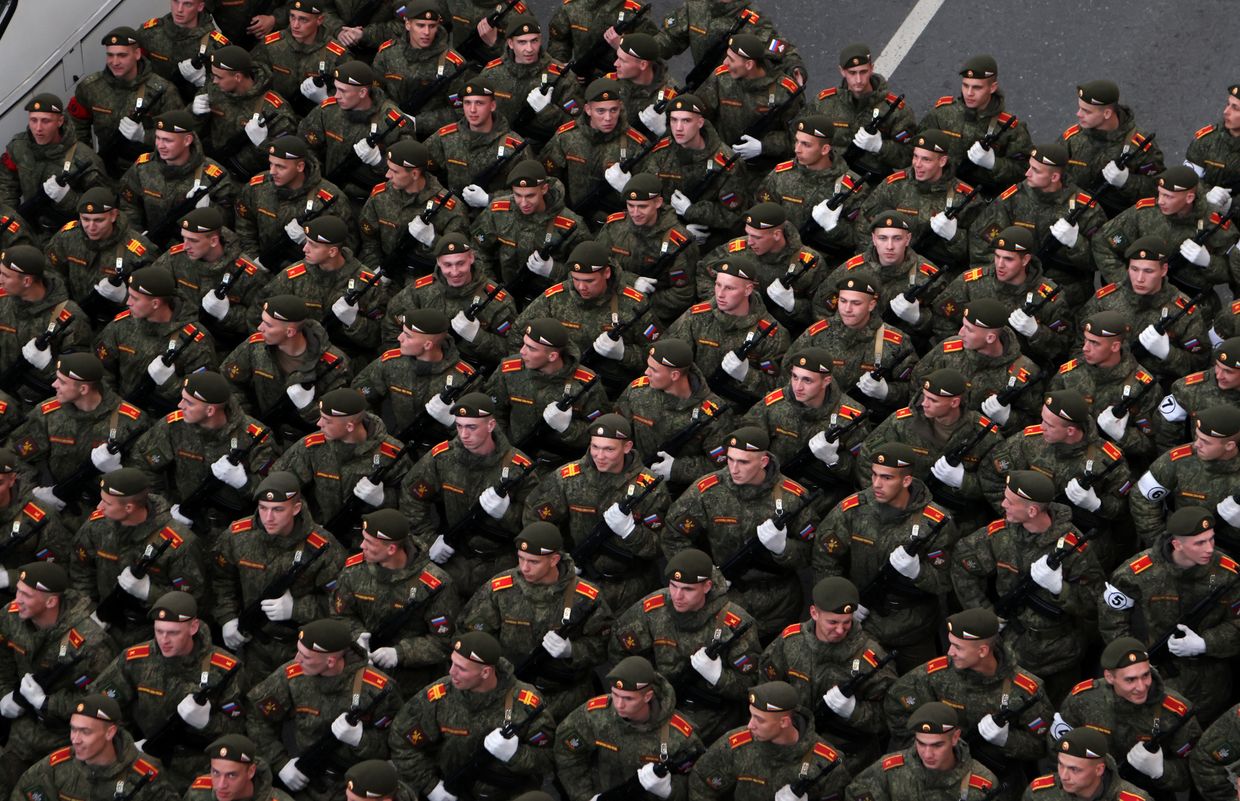
A Russian soldier deployed in Ukraine may have been involved in an act of cannibalism, audio intercepted by Ukraine's military intelligence agency (HUR) and released on June 20 suggests.

In the recording posted by HUR on Telegram, a Russian commander is heard telling a subordinate that one soldier, referred to by the call sign "Brelok," killed and consumed his fellow service member "Foma" over a two-week period.

Ukraine's military intelligence described the alleged incident as further evidence of what it called the "moral and psychological collapse" of Russian forces.

"Nobody ran away. 'Brelok' took him out and then ate him for two f*cking weeks," a speaker identified by HUR as a commander of a reconnaissance unit from Russia's 68th Motorized Rifle Division can be heard saying in the intercept.

According to HUR, both soldiers served in the 52nd Separate Reconnaissance Battalion, which is reportedly operating near the villages of Zapadne and Lyman Pershyi in the Kupiansk direction of Kharkiv Oblast.

The intercepted speaker adds that "Brelok" was later found dead himself.

"They say he was a 200 (military slang for a killed soldier), f*ck. Well, he ate his comrade, so that's something to think about," the voice says.

The Kyiv Independent cannot independently verify the authenticity of the leaked recording or confirm the events described in it. No visual or documentary evidence has been presented to support the claims, which are based solely on the intercepted audio provided by HUR.

But Russia's recruitment system for the war in Ukraine has heavily relied on the country's prisons as a source of manpower, leading to its ranks being filled by all manner of criminals, even cannibals.

Moscow has been recruiting convicts for its war since the summer of 2022, first under the auspices of the Wagner Group and later under the Russian Defense Ministry.

Initially, prisoners, even those convicted of violent crimes, were promised a pardon after completing a six-month military contract. Since January 2024, Russian army recruits drawn from prisons no longer receive pardons but are released on parole, and are expected to fight until the war is over.

In May 2024, the Moscow Times reported that Russian cannibal Dmitry Malyshev, who was sentenced to 25 years in prison for murder and several other serious crimes, joined one of Russia’s Storm V penal military units.

Malyshev was reportedly recruited to the army together with serial killer Aleksandr Maslennikov, sentenced to 23 years in prison for the "double murder and dismemberment of women."

Previously, Ukraine said there were cases of mistreatment and breakdown of discipline within Russia's own ranks. A group of Russian soldiers fighting near Kursk Oblast surrendered to Ukrainian paratroopers in May, saying abuse within their own units was "worse than captivity," according to a video posted by Ukraine's Airborne Assault Forces.

The soldiers said they had been subjected to inhumane treatment, psychological pressure, and threats while still inside Russian territory.

Reporting by investigative outlets, the Insider and Foreign Policy, has documented systemic abuse of Russian troops throughout the full-scale invasion.

These include so-called "punishment squads," beatings, confinement pits, and hazing that borrows heavily from Soviet-era gulag practices.

‘Unwanted by their homeland’ — Ukraine confirms Russia returned bodies of its soldiers disguised as Ukrainian
“This is yet another proof of how Russia treats its people with contempt,” Interior Minister Ihor Klymenko said.
Russian cannibal soldier ate his own comrade, leaked audio from Ukraine's HUR claimsThe Kyiv IndependentTim Zadorozhnyy
Russian cannibal soldier ate his own comrade, leaked audio from Ukraine's HUR claims
  •  

Russian political party requests political asylum for Musk, senior MP claims

Russian political party requests political asylum for Musk, senior MP claims

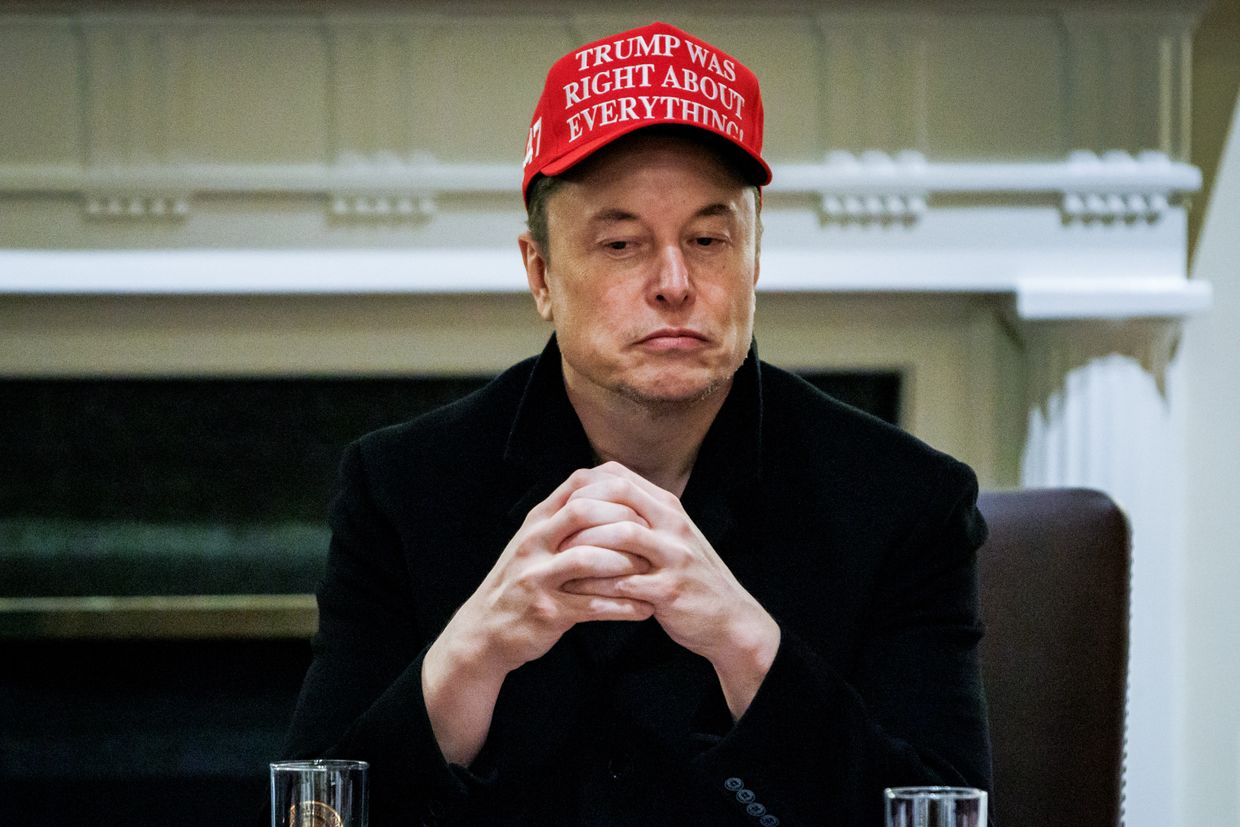
Russian authorities are considering a request from the New People's Party to offer political asylum to U.S. tech billionaire Elon Musk, claimed the party's lawmaker, Vladislav Davankov, to the Russian media on June 20.

Davankov, deputy speaker of the State Duma, told reporters at the St. Petersburg International Economic Forum that his party had formally petitioned the Russian Foreign Ministry to provide Musk with asylum. The request is expected to be reviewed within a month, he reportedly said.

"I think Elon Musk has made mistakes, but those mistakes should be forgiven," Davankov said. "If things don't work out for him, we are always ready to welcome him — from a technological and visionary point of view, he's very impressive."

The claim could not be independently verified, and there has been no official confirmation from the Russian Foreign Ministry or Musk. Kremlin spokesperson Dmitry Peskov declined to comment, telling reporters, "Let's wait for a statement from the Foreign Ministry or from Musk himself before we say anything."

The alleged request follows a public conflict that erupted between Musk and U.S. President Donald Trump earlier this month. The billionaire later expressed regret over a series of critical posts aimed at Trump, calling a proposed government spending bill "disgusting" and warning of economic consequences.

Trump hit back during a meeting with German Chancellor Friedrich Merz on June 5, saying on Truth Social that Musk had "just gone crazy."

In response, Musk claimed on social media that Trump owed him his electoral victory, suggesting his influence prevented Democrats from retaining the House.

Earlier this month, Dmitry Novikov, deputy chair of the State Duma Committee on International Affairs, told state-run news agency TASS that Russia would be ready to provide Musk with political asylum if needed.

"I think Musk is playing a completely different game, that he won't need political asylum, although if he did, Russia could certainly provide it," Novikov said on June 6.

The feud has attracted attention in Russia, where Musk is increasingly viewed as a sympathetic figure. Dmitry Medvedev, deputy chairman of Russia's Security Council, joked on X that Moscow could broker peace between "D and E," referring to Donald and Elon, in exchange for Starlink shares. "Don't fight, guys," Medvedev wrote.

Musk led a federal commission on government efficiency until May 30 and has been a key figure in dismantling U.S. foreign aid institutions, including USAID, which has delivered billions in aid to Ukraine.

Though he initially supported Ukraine by providing Starlink satellite systems to aid its defense, Musk eventually adopted Russian talking points, claiming President Volodymyr Zelensky lacks popular support and accusing Kyiv of running a "never-ending draft meat grinder."

He has also spoken out against U.S. military aid to Ukraine, a stance that aligns closely with Kremlin messaging aimed at discouraging Western support for Kyiv.

Russia’s war-fueled economy is running on empty, Central Bank chief warns
“We grew for two years at a fairly high pace because free resources were activated,” Russia’s Central Bank Governor Elvira Nabiullina said.
Russian political party requests political asylum for Musk, senior MP claimsThe Kyiv IndependentAnna Fratsyvir
Russian political party requests political asylum for Musk, senior MP claims
  •  

Russia's war-fueled economy is running on empty, Central Bank chief warns

Russia's war-fueled economy is running on empty, Central Bank chief warns

Editor's note: This story was updated to include Russian President Vladimir Putin's remarks at the St. Petersburg International Economic Forum.

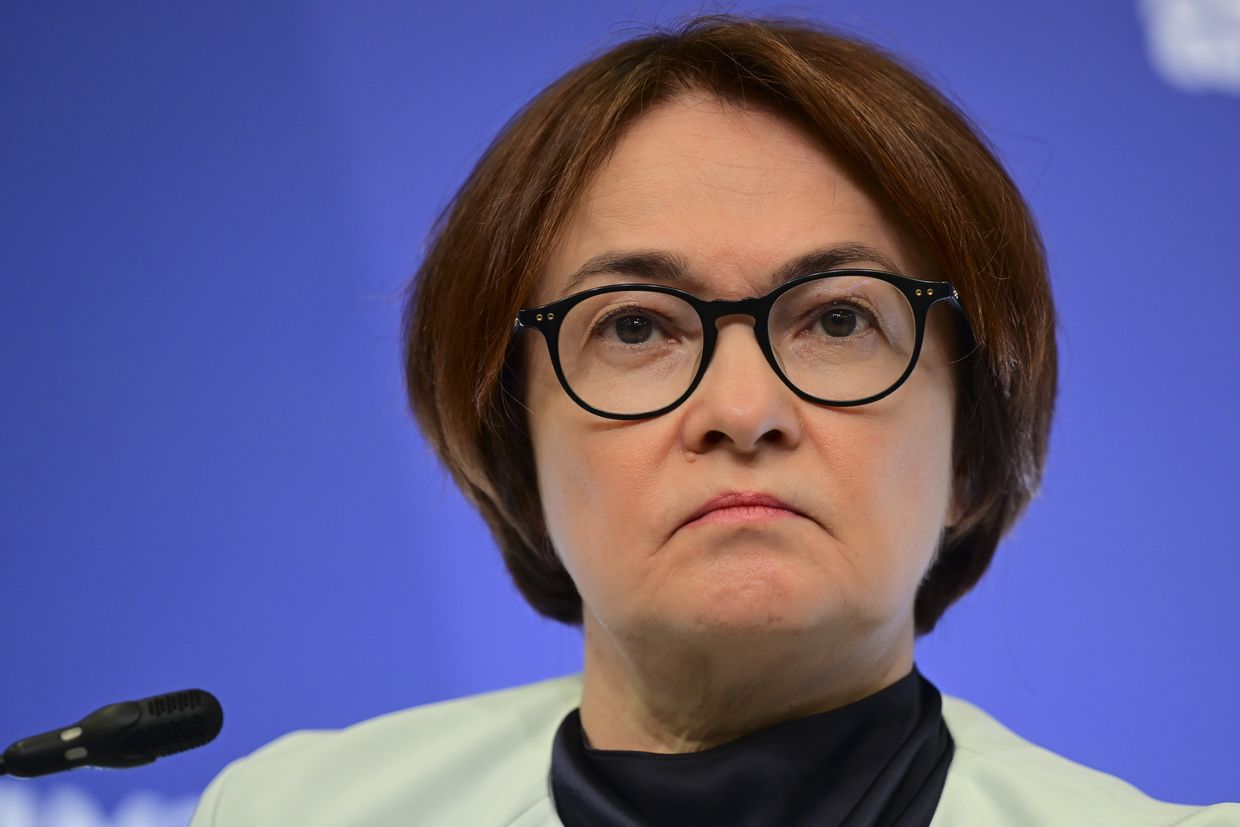
Russia's wartime economic momentum is fading fast, with key resources nearly exhausted, Russian Central Bank Governor Elvira Nabiullina said, warning that the country can no longer rely on the same tools that sustained growth in the first two years of the full-scale war against Ukraine, the Moscow Times reported on June 19.

Speaking at the St. Petersburg International Economic Forum, Nabiullina said that the Russian economy had been expanding on the back of "free resources," including labor, industrial capacity, bank capital reserves, and liquid assets from the National Wealth Fund (NWF) — all of which are now reportedly nearing depletion.

"We grew for two years at a fairly high pace because free resources were activated," she said. "We need to understand that many of those resources have truly been exhausted."

Speaking at the same forum, Russian President Vladimir Putin ordered officials "not to allow stagnation or recession" in the Russian economy under any circumstances.

"We must consistently change the structure of our economy," he said.

The comments come after Russia's ambassador to the U.K., Andrei Kelin, claimed in an interview with CNN this week that Russia is spending "only 5–7%" of its federal budget on the war. Kelin claimed that Russia can continue waging its war, saying Moscow "is winning."

According to the state statistics agency Rosstat, Russia's unemployment rate has dropped to a historic low of 2.3%. At the same time, mass emigration and large-scale wartime recruitment have created a labor shortage estimated at 2 million people. Industrial capacity utilization has surged beyond 80%, the highest in modern Russian history.

Ukraine war latest: Russia accidentally admits to its staggering troop losses in Ukraine
Key developments on June 19: * Russia accidentally admits to its staggering troop losses in Ukraine * Ukraine, Russia carry out another POW exchange under Istanbul deal * North Korea considers sending 25,000 workers to Russia to help produce Shahed drones, media reports * Zelensky appoints Brigadier General Shapovalov as new Ground Forces
Russia's war-fueled economy is running on empty, Central Bank chief warnsThe Kyiv IndependentThe Kyiv Independent news desk
Russia's war-fueled economy is running on empty, Central Bank chief warns

Russia's economy is now "on the verge of a transition to recession," Russian Economy Minister Maxim Reshetnikov said at the same forum. Official data show that GDP growth slowed from 4.1% in late 2023 to just 1.4% in the first quarter of 2024, with the economy contracting quarter-on-quarter for the first time since 2022.

Business profits in March fell by one-third overall and dropped by half in the critical oil and gas sector. Industrial growth stagnated at 1.2% year-over-year between January and April, while civilian sectors of the economy began shrinking. Retail turnover growth slowed from 7.2% in December to just 2.4% in April.

An anonymous Russian analyst told Novaya Gazeta Europe that government technocrats are effectively telling Putin it's time to choose between "war or economy."

During its invasion of Ukraine, Russia has faced rising inflation due to record military spending, pushing the central bank to maintain high interest rates. Under government pressure, the bank cut the rate slightly from 21% to 20% earlier in June, despite concerns about weakened private investment.

Officials have scaled back key development projects and reduced shipments of metals and oil products. Early hopes for recovery in 2025, driven by talks with the U.S., have faded as inflation and sanctions weigh heavily on growth.

As Russian losses in Ukraine hit 1 million, Putin’s war economy heads toward breaking point
Russian losses in Ukraine hit a massive, and grim milestone on June 12 — 1 million Russian soldiers killed or wounded during the 39-month-long full-scale war, according to figures from Kyiv. Although hugely symbolic, the number is unlikely to prompt a change in tactics from Moscow as it gears up for
Russia's war-fueled economy is running on empty, Central Bank chief warnsThe Kyiv IndependentChris York
Russia's war-fueled economy is running on empty, Central Bank chief warns
  •  

Baltics, Nordics, Poland propose Schengen ban for Russians who fought in Ukraine

Baltics, Nordics, Poland propose Schengen ban for Russians who fought in Ukraine

Editor's note: This story has been updated to include the joint statement issued by the ministers of the Baltic states, Nordic countries, and Poland.

A coalition of European Union countries is pushing to bar Russian citizens who participated in the war against Ukraine from entering the Schengen Area, citing serious security concerns,  Estonian broadcaster ERR reported on June 19.

The call comes as Russia increased its hybrid operations targeting the European Union. EU security agencies have repeatedly warned of Russian-linked sabotage operations, including arson attacks, orchestrated by Moscow as part of hybrid warfare strategies.

Interior ministers from the Baltic states, Nordic countries, and Poland met in Tallinn on June 19, where they issued a joint statement confirming their intent to prevent entry into the visa-free Schengen zone for Russians who took part in the war against Ukraine, ERR reported.

"There are hundreds of thousands of Russian citizens who have fought against Ukraine," Estonian Interior Minister Igor Taro said following the meeting. "We must take a clear stance; these individuals cannot freely travel across Schengen."

"We will not issue them residence permits or visas," he added. "This group, which has been killing and destroying, poses a very significant security threat to all of us."

The ministers emphasized that this restriction should remain in place even after active hostilities cease in Ukraine.

"Member States should take all necessary measures to ensure that individuals who are or have been contracted by the Russian armed forces or other armed groups acting on behalf of the regime are not allowed to undermine our security or move freely within the Schengen Area," the joint statement read.

The high-level meeting also included European Commissioner for Home Affairs and Migration Magnus Brunner, as well as representatives from the EU border agency Frontex.

The Schengen Area allows for visa-free travel across 29 European countries for up to 90 days in any 180-day period. While several EU member states have imposed national restrictions on Russian travelers, others continue processing applications, keeping access routes open.

Latvia has been among the most vocal proponents of stricter visa policies for Russian nationals. Latvian Foreign Minister Baiba Braze urged on May 25 all EU countries to suspend visa issuance to Russians, citing escalating security threats from Moscow.

"Latvia calls on the EU countries to halt visa issuance for Russian citizens, citing security concerns," Braze wrote on X. She noted that Schengen visa approvals for Russian nationals had surged by 25% in 2024 compared to 2023.

Latvia imposed entry restrictions in September 2022 as part of a coordinated effort with Lithuania, Estonia, and Poland. Czechia followed suit in October 2022.

Concerns over the abuse of Schengen visas and diplomatic privileges have intensified amid a wave of suspected Russian sabotage and espionage on EU soil. Polish and Czech authorities have recently led an effort to limit the movement of Russian diplomats within the bloc, targeting individuals allegedly working under diplomatic cover for Russian intelligence services.

Latvia prohibits Russian, Belarusian citizens from purchasing real estate
The bill — which carves out exceptions for EU and Latvian permanent residence holders, Belarusian refugees, and repatriates — establishes the new restrictions under the pretenses of protecting the country’s national security.
Baltics, Nordics, Poland propose Schengen ban for Russians who fought in UkraineThe Kyiv IndependentDmytro Basmat
Baltics, Nordics, Poland propose Schengen ban for Russians who fought in Ukraine
  •  

Dutch parliament recognizes Soviet 1944 deportation of Crimean Tatars as genocide

Dutch parliament recognizes Soviet 1944 deportation of Crimean Tatars as genocide

The lower house of the Dutch parliament on June 19 officially recognized the 1944 mass deportation of Crimean Tatars by the Soviet Union as genocide, according to a statement from the parliamentary press service.

The motion cited precedent from other countries that have recognized the forced deportations as genocide, including Poland, the Czech Republic, Canada, Latvia, Lithuania, and Ukraine.

In the adopted text, Dutch lawmakers declared that the Soviet-led deportation of Crimean Tatars, which took place between May 18 and 21, 1944, constitutes genocide by contemporary legal and historical definitions.

The 1944 deportation was carried out under direct orders from Soviet dictator Joseph Stalin, who labeled the entire Crimean Tatar population as traitors following the peninsula's liberation from Nazi occupation.

Over 190,000 Tatars were forcibly removed from Crimea in a matter of days, though some estimates place the number closer to 430,000, and sent to remote areas in Central Asia, mainly Uzbekistan, in brutal conditions that led to mass deaths.

The document pointed to the ongoing repression of Crimean Tatars under Russian occupation since 2014. It said that "many Crimean Tatars have been unjustly imprisoned, subjected to torture by the Russian Federation, or forcibly disappeared," and added that "Russia has likely continued a policy of genocide against Crimean Tatars."

Foreign Minister Andrii Sybiha welcomed the decision, calling it "a powerful gesture of solidarity with the Crimean Tatar people, who are still facing persecution under Russia’s temporary occupation of the Ukrainian Crimea peninsula."

Sybiha noted that the Netherlands is now the seventh country to formally recognize the deportation as genocide and urged other nations to follow suit.

"Recognizing this historical injustice is critical not only for establishing truth and justice, but also for preventing future atrocities," the minister wrote.

Ukraine's parliament recognized the deportation as genocide in 2015 and established May 18 as the official Day of Remembrance for the Victims of the Genocide of the Crimean Tatar People.

Who are the Crimean Tatars?
Crimean Tatars are one of Ukraine’s indigenous peoples who have been central to Crimea’s history for many centuries.
Dutch parliament recognizes Soviet 1944 deportation of Crimean Tatars as genocideThe Kyiv IndependentAnastasiia Lapatina
Dutch parliament recognizes Soviet 1944 deportation of Crimean Tatars as genocide
  •  

Russia would react 'very negatively' to Iran leader's assassination, Kremlin says

Russia would react 'very negatively' to Iran leader's assassination, Kremlin says

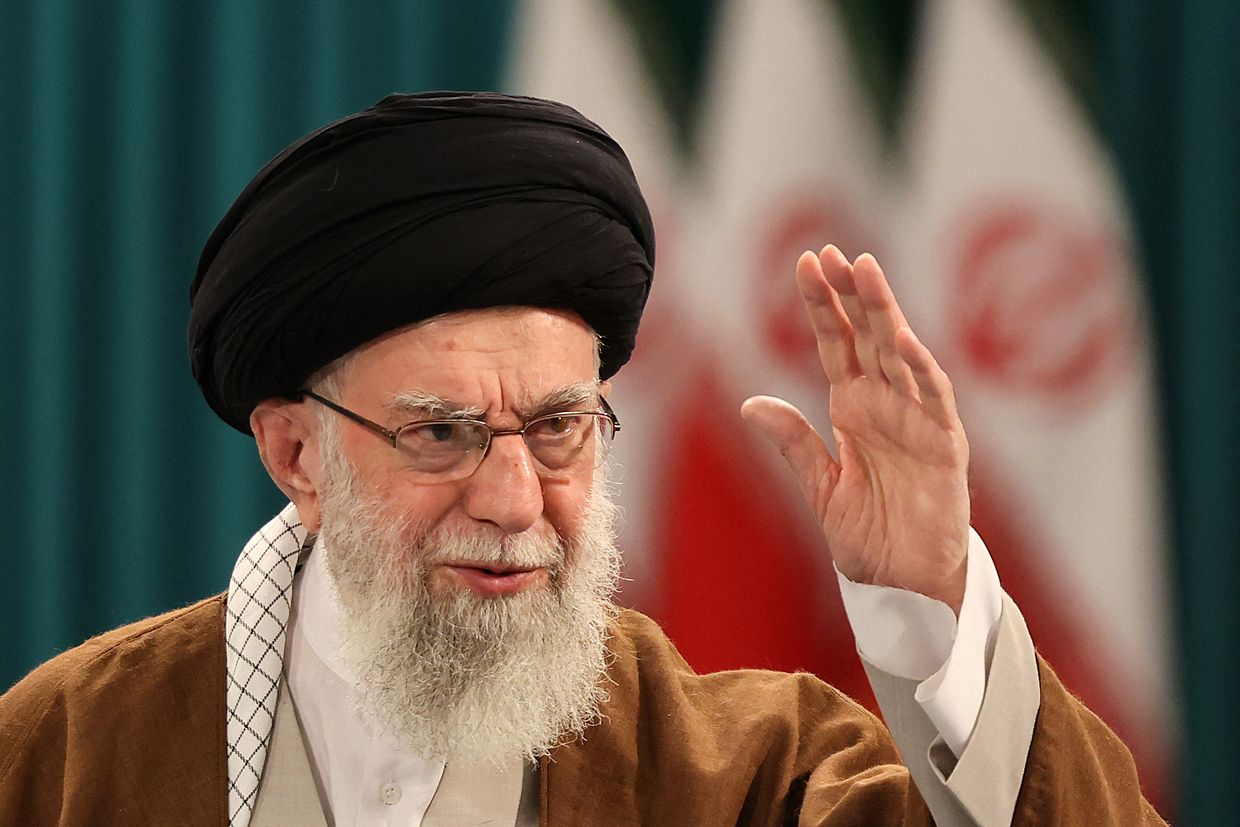
Regime change in Iran is "unacceptable" and the assassination of Supreme Leader Ayatollah Ali Khamenei would "open Pandora's box," Kremlin spokesperson Dmitry Peskov told Sky News in an interview published June 20.

Russia, which signed a strategic partnership with Iran in January, has reportedly grown increasingly alarmed as the United States weighs deeper involvement in Israel's military campaign against Tehran.

Earlier, U.S. President Donald Trump suggested the option of assassinating Iran's Supreme Leader Khamenei remains on the table, though he said the U.S. does not plan to act on it "for now."

The comment followed reporting that Israel had earlier proposed a plan to kill Khamenei — a proposal Trump initially rejected, according to a U.S. official cited by AP.

Peskov warned that any attempt at regime change in Tehran or threats to its leadership would "open Pandora's box," deepening instability across the Middle East and beyond.

"(Regime change in Iran) is unimaginable," Peskov said. "It should be unacceptable, even talking about that should be unacceptable for everyone." He added that the killing of Khamenei would promote extremist sentiment inside Iran and provoke unpredictable consequences.

"The situation is extremely tense and is dangerous not only for the region but globally," Peskov said. "An enlargement of the composition of the participants of the conflict is potentially even more dangerous. It will lead only to another circle of confrontation and escalation of tension in the region."

Russia has been a close regional ally of Iran, while Tehran supplied drones and ballistic missiles for Moscow's war against Ukraine. Meanwhile, Israel has maintained a delicate balance, refraining from joining Western sanctions against Moscow while condemning Iran's role in supporting Russia's war effort.

Asked on whether Moscow would respond to a possible strike against Khamenei, Peskov declined to specify, saying any reaction would come from "inside Iran."

Peskov also commented on Trump's dismissive response to Russian President Vladimir Putin's offer to mediate between Israel and Iran. The U.S. president reportedly told Putin to "mediate your own conflict" in reference to the Russia-Ukraine war. Peskov shrugged off the remark, calling Trump's language "unique" and urging mutual tolerance.

Tensions have risen between the U.S. and Iran following a wave of Israeli air strikes on Iranian territory, beginning June 13. The attacks targeted nuclear infrastructure and senior Iranian commanders, prompting Iranian missile strikes on Tel Aviv and other Israeli cities.

Tehran claimed that at least 224 Iranian civilians were killed on June 16, though the figures remain unverified.

Russia has offered to mediate the crisis, with Putin reportedly reaching out to both Iranian President Masoud Pezeshkian and Israeli Prime Minister Benjamin Netanyahu. Tel Aviv, according to the Kremlin, is reluctant to accept the proposal, while the EU leaders rejected it, citing Russia's aggression in Ukraine and its close military ties to Iran.

There’s loads of video of Israeli air defenses, and none of Ukraine’s — this is why
As Israel and Iran continue to trade salvos, dramatic footage of air defenses battling ballistic missiles have flooded the internet. Several prominent online commentators have compared the videos coming out of Israel with those from Ukraine, questioning why Russian attacks like those on Kyiv are portrayed in relatively sparse detail,
Russia would react 'very negatively' to Iran leader's assassination, Kremlin saysThe Kyiv IndependentYuliia Taradiuk
Russia would react 'very negatively' to Iran leader's assassination, Kremlin says
  •  
❌