
 Connexion
Ukraine files a minority-schooling bill, and Hungary agrees to unblock two of its EU-accession clusters
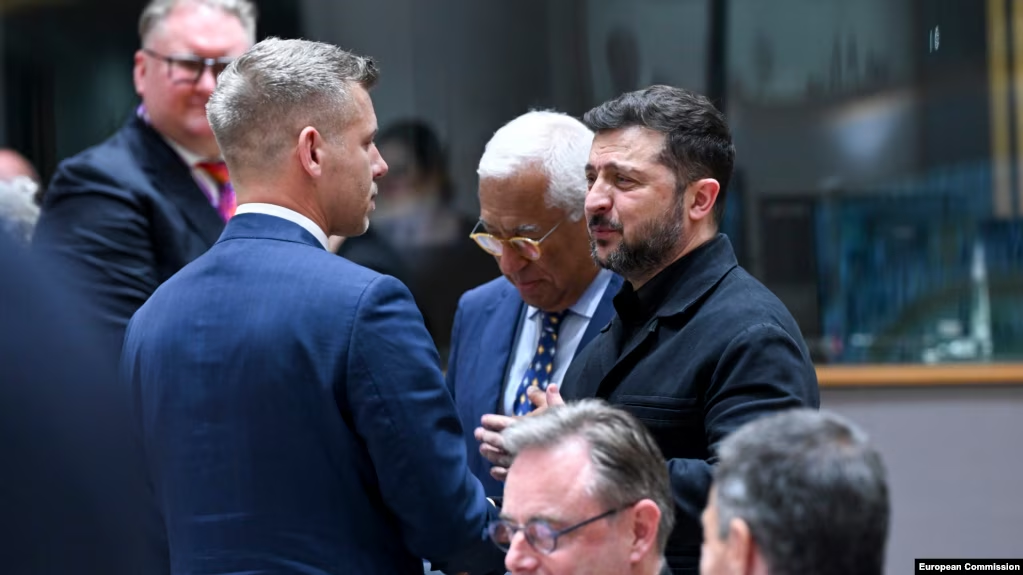
Ukraine's parliament registered a bill on minority-language schooling on 1 October to lift Hungary's block on the country's European Union membership talks, Ukrinform reported. Kyiv acts first with the legislation. Budapest reciprocates by letting the EU push the stalled accession process forward. Hungary's government welcomed the text within a day.
Ukraine's route into the European Union turns on unanimous votes, so one member state's leverage can stall the entire queue—and Kyiv is trying to pry the clusters open one bargain at a time before the window for this year's progress closes.
A tightly timed swap
European Pravda, citing unnamed sources, reported that the two capitals agreed to move in parallel after a public standoff, with neither side willing to go first on trust alone. Ukraine registers and passes the bill. In return, Hungary is to let the Council of the EU presidency send Kyiv, on 6 October, the requests needed to open two negotiating clusters—stages of the membership process. The Rada plans an extraordinary session on 12 October to adopt it, and European Pravda says the votes are there. A Council of the EU decision is due on 13 October, ahead of a European Council summit two days later. Deputy Prime Minister Vsevolod Chentsov said rebuilding trust will take concrete steps from both governments.
What the bill changes
Lawmakers filed Bill No. 16119, which creates a national minority school status: a school qualifies when over half its pupils—50% plus one—study in a national-minority language that is also an official EU language. By Education Ministry estimates, that fits about 149 schools, roughly 1.2% of Ukraine's general secondary institutions. Ukrainian stays the language of instruction, and the bill does not return Russian to classrooms.
Sybiha hails new page in Ukraine-Hungary relations as Cyprus launches first EU cluster procedure
Pupils at qualifying schools could use the minority language with teachers and classmates, not only in lessons, and parents could petition to add subjects taught in Ukrainian. The text also covers Ukraine's indigenous peoples, such as Crimean Tatars, and drops a Ukrainian-language certificate requirement for the heads of 29 private schools for as long as they stay in their posts. Education committee head Serhii Babak said the solution protects Ukrainian while meeting an EU accession commitment.
What changed in Budapest
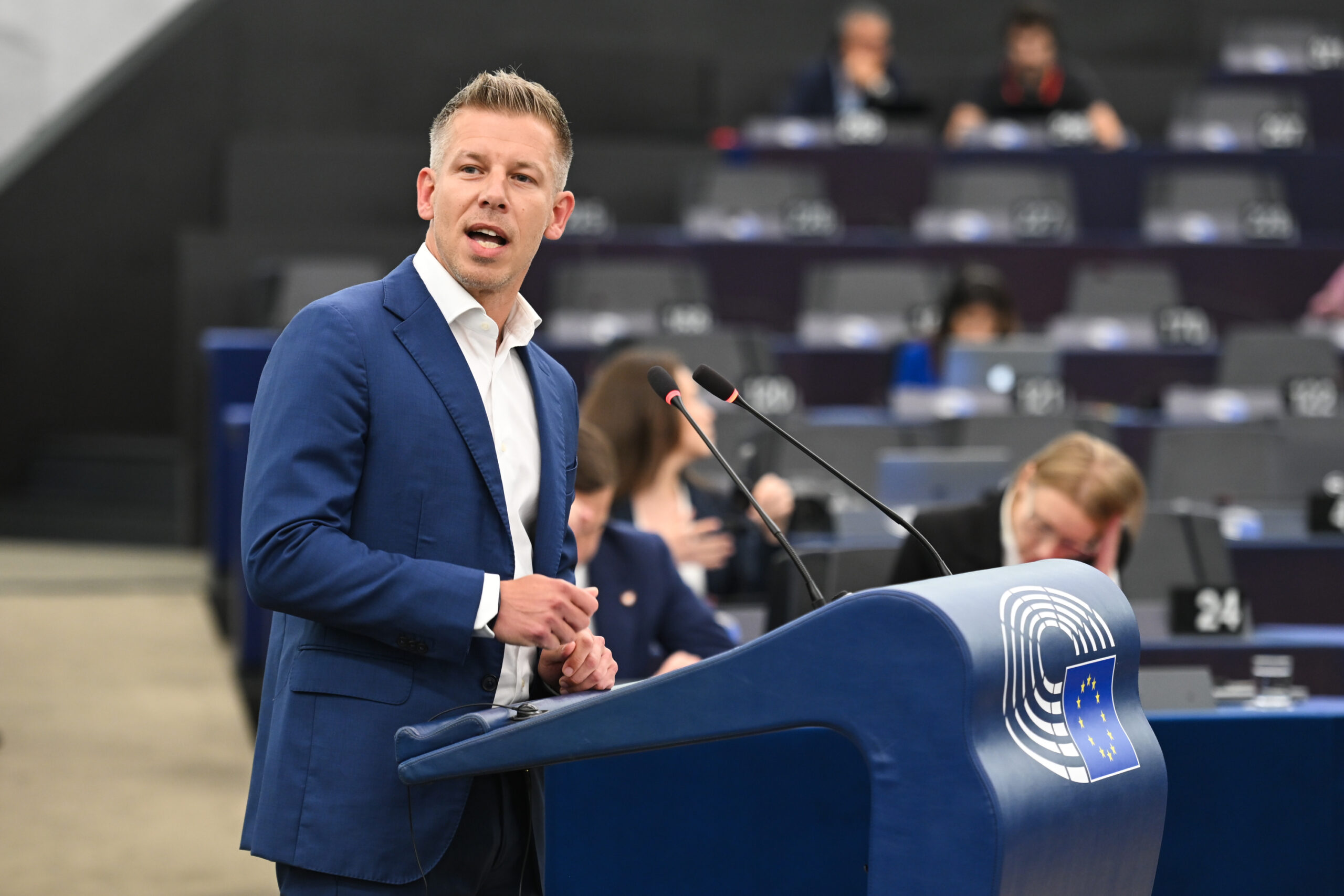
Hungarian Prime Minister Péter Magyar posted on Facebook that the bill strengthens legal guarantees for Hungarian-language education and the school network, and wrote that he expects those rights honored in practice. European Pravda framed the outcome as a win Magyar's own voters can read as delivering what the previous government never secured. Foreign Minister Anita Orbán said the new government had achieved more in a few months for the Hungarian minority in Zakarpattia than Viktor Orbán's cabinet managed in ten years. Under Magyar, Hungary agreed in June to open the first accession cluster but kept slowing the rest. Only in recent weeks, European Pravda wrote, did Budapest abandon Orbán-style unconditional blocking. This bill is meant to free the next two.
Read also
-
After years of disputes, Hungary finds common ground with Ukraine—on honoring Soviet deportations from Zakarpattia
-
Ukraine and Hungary have a rare moment of cooperation, agreeing to build fuel storage beyond Russia’s reach
-
Hungary again stalls key EU move on Ukraine and Moldova membership negotiations
