❌

Vue normale

Ukraine brings 14 more children home from Russian-occupied Kherson Oblast. One of them was being forced onto Russia’s military rolls
30 septembre 2026 à 13:38

1-ukraine-kyiv-children-reunited-russia-R003578

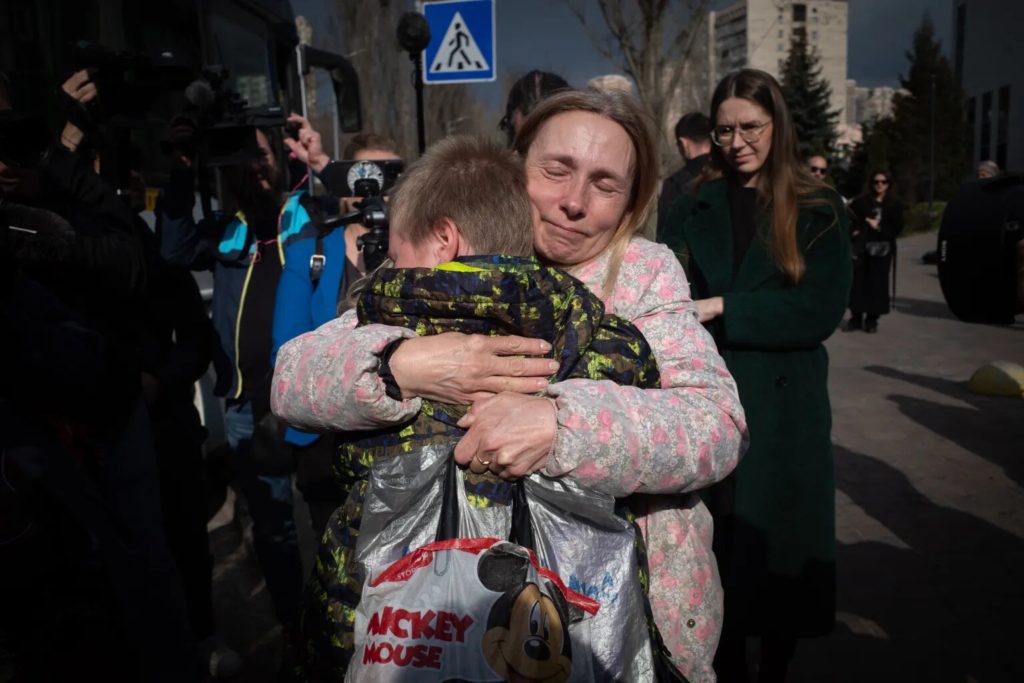
Fourteen more Ukrainian children have crossed from Russian-occupied Kherson Oblast back onto Ukrainian-held ground, the oblast's military administration said on 29 September. They join a years-long effort to recover children from land Russia seized in 2022, with thousands more still deported or unaccounted for.

Ukrainian authorities say Russia has deported nearly 20,000 children since its 2022 full-scale invasion, and Zelenskyy insists the true figure is far higher. Those taken to Russia are placed in institutions or Russian families and pushed through Russian "re-education" aimed at erasing their Ukrainian identity.

These 14 add to roughly 2,000 children Ukraine has brought back since 2022—a recovery effort still dwarfed by the numbers Russia holds and keeps adding to.

Who made it out

The 14 are four boys and 10 girls, aged 6 to 17, said Oleksandr Prokudin, who heads the administration. Rescuers also brought back one young adult who had been deprived of parental care.

Each case shows what pushed the children toward the return. One 16-year-old boy was being forced onto Russia's military registration rolls under occupation, part of a pipeline that moves teenagers from a Russian passport toward conscription at 18. A 17-year-old girl had sought a Ukrainian education despite the risks and Russian control, Prokudin said. A 10-year-old girl, he added, had longed to come home and did all she could to reach safety.

The running tally

The children left through Bring Kids Back UA, the repatriation program President Volodymyr Zelenskyy launched in 2023, working with the Ukrainian charity Save Ukraine. That brings to 204 the number of children returned from occupied Kherson Oblast since the start of 2026, regional authorities said.

The wider deportation campaign

In 2023, the International Criminal Court in The Hague issued arrest warrants for Russian leader Vladimir Putin and his children's rights commissioner, Maria Lvova-Belova, over the illegal deportation of children from occupied Ukraine to Russia.

  • ✇Euromaidan Press
  • Kyiv’s supermarkets are the new front line as Russia hunts civilian life before winter
    Russia is preparing to make daily life in Kyiv harder before winter, aiming at the ordinary places civilians use rather than at military sites, The Economist reported. Ukrainian officials say the push blends bombing, sabotage, and disinformation, and expect it to peak in November. Every winter of its full-scale invasion, Russia has tried to freeze Ukrainians into surrender, and each year the strikes reach deeper into ordinary life. The civilian casualties recorded in 2026 have already p
     

Kyiv’s supermarkets are the new front line as Russia hunts civilian life before winter

30 septembre 2026 à 08:15

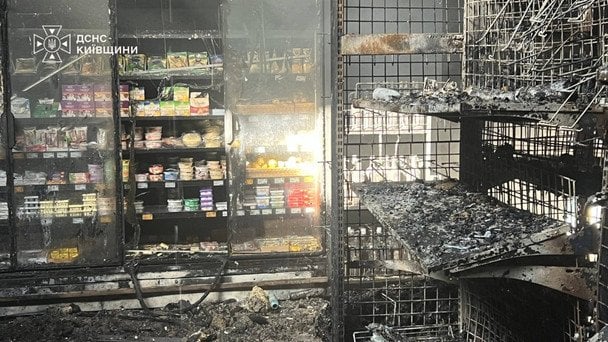
Aftermath of the Russian strike on a store in Kyiv Oblast, September 30, 2026.

Russia is preparing to make daily life in Kyiv harder before winter, aiming at the ordinary places civilians use rather than at military sites, The Economist reported. Ukrainian officials say the push blends bombing, sabotage, and disinformation, and expect it to peak in November.

Every winter of its full-scale invasion, Russia has tried to freeze Ukrainians into surrender, and each year the strikes reach deeper into ordinary life. The civilian casualties recorded in 2026 have already passed the whole of last year, the UN says.

From the power grid to the grocery store

Russia has already turned its drones on Kyiv's supermarkets, food warehouses, and data centers this year. On 28 September, a Russian jet drone struck the National Academy of Sciences in central Kyiv. The strike killed two people, the Academy said. Survivors climbed from the windows of the burning building. A senior Ukrainian official told The Economist the Kremlin now wants shoppers too afraid to enter a store. Russia is also keeping its winter routine, hitting electricity, water, and sewage systems.

Cheaper jet drones that stream live to their pilots

Most of the damage now comes from Russia's cheap jet drones, The Economist said. Pilots guide them onto targets and watch a live video feed. They are hard to stop, and Russia's ballistic missiles are deadlier still as Ukraine's supply of Patriot interceptors dwindles. Ukrainian President Volodymyr Zelenskyy said Kyiv had agreed a new Patriot interceptor package, but it remains short of interceptors of its own. A security official told The Economist that Russia has thousands of drones stockpiled and plans to use its entire ballistic missile stock within two months.

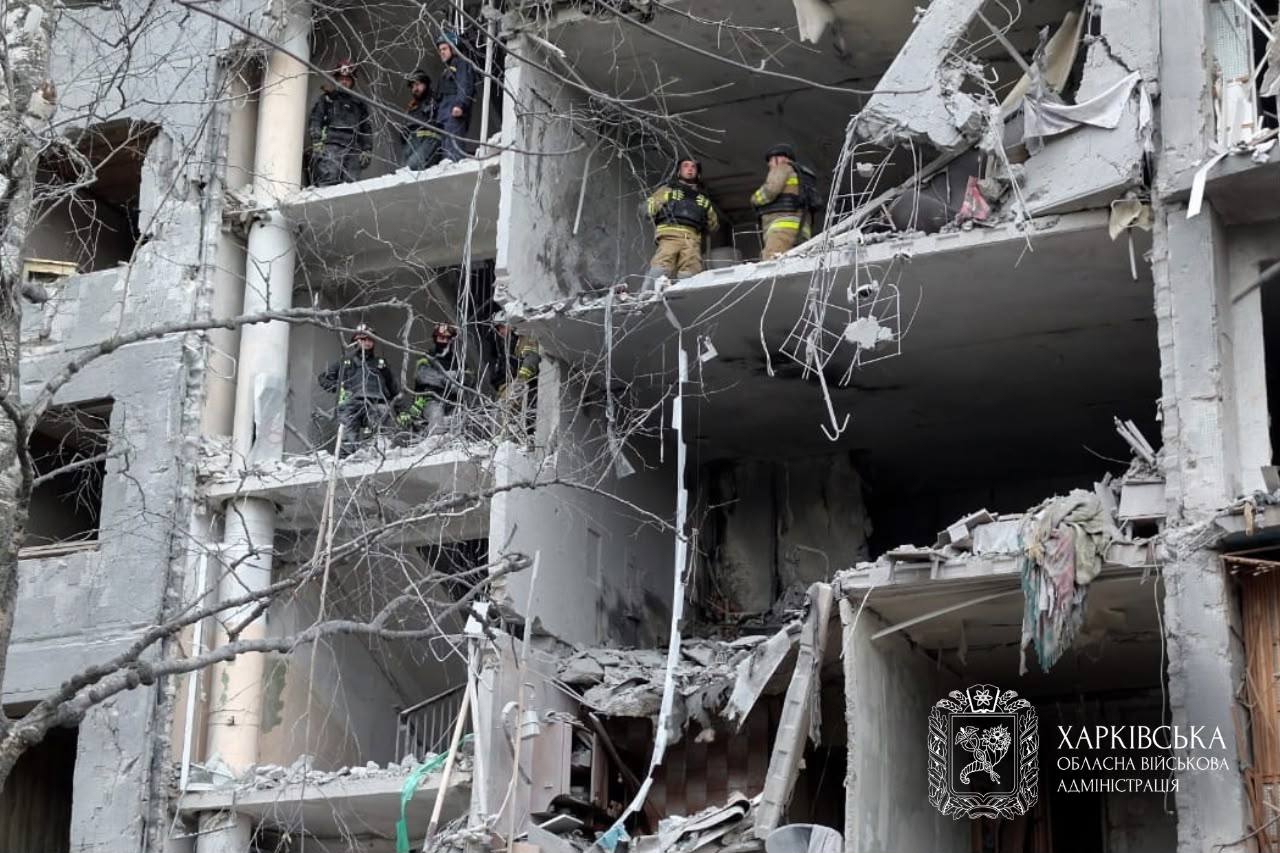
russia hits kharkiv high-rise overnight injuring 43 people strikes central kyiv dnipro broad daylight · post rescuers destroyed floors apartment building hit ukraine 28 2026 synehubov5319173733626879672 news ukrainian reports
Explore further

War is costing Ukraine $155 billion per year. With Western aid running late, Kyiv is freezing everything but army, pensions, and public wages

Sabotage, chaos, and a city that won't switch off

Ukraine's counter-intelligence services say they foil seven or eight Russian plots a week, and officials believe some sleeper cells remain. The campaign's third element, disinformation, targets war fatigue and corruption scandals. Russia runs the same plan every year, hoping its bot farms will push Ukrainians onto the streets to demand surrender, said Andrii Kovalenko, who heads the Center for Countering Disinformation at the National Security and Defense Council.

"It's nonsense," he told The Economist, adding that someone is feeding the idea to Putin so they can steal more money.

Kyiv is also far harder to shut down than Moscow assumes, Kovalenko said. The city's internet is too decentralized for a handful of strikes to knock out, The Economist noted. Energy expert Olha Babii said the test is how fast crews restore power, not whether it can be destroyed. The capital is emptying, its population down from about 3.7 million to 3.3 million by The Economist's count.

❌