❌

Vue normale

Ukraine put an Italian-Swiss Skyguard into combat duty. The missile inside is a Cold War design derived from the American Sparrow
16 septembre 2026 à 15:36

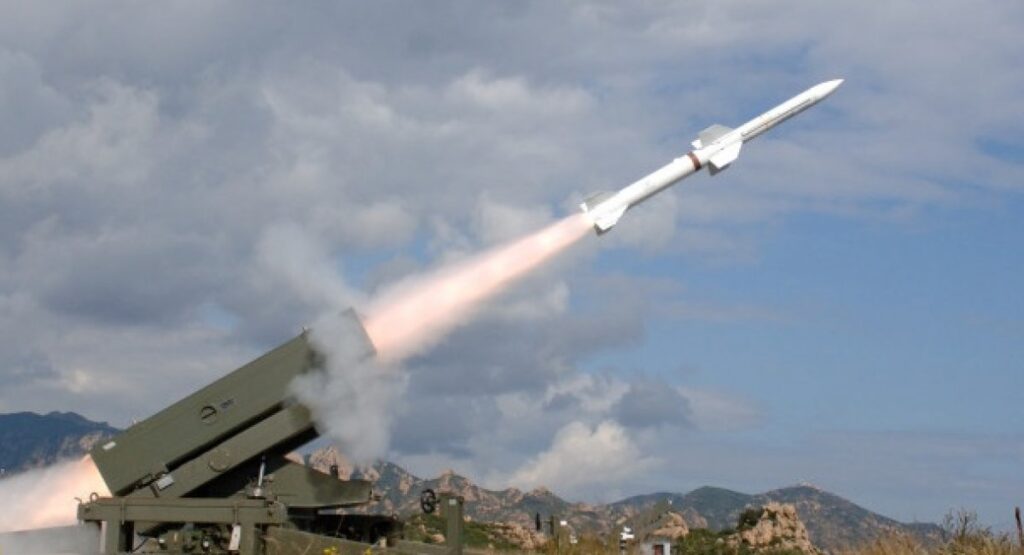
Launch of an Aspide 2000 surface-to-air missile from a Spanish Skyguard-Aspide air defense system

Ukraine's air defense forces have put another Western-supplied system to work as the country prepares for a fifth winter of Russian aerial strikes on its energy grid, Militarnyi reported. The 38th Anti-Aircraft Missile Regiment released the first public footage of the Italian-Swiss Skyguard/Aspide on combat duty.

Ukraine enters the 2026-2027 heating season with an interceptor gap that keeps widening. Patriot deliveries fell from 675 in 2023 to 364 last year and 264 projected for 2026, according to President Volodymyr Zelenskyy. F-16 pilots have resorted to gun-only sorties when missiles run out. Every additional short-range system that covers drones and cruise missiles frees scarce high-end interceptors for the ballistic threats Russia keeps sending.

Ukraine just showed the system in action

The Ukrainian unit posted a video of crews loading missiles onto the launcher and the system standing watch.
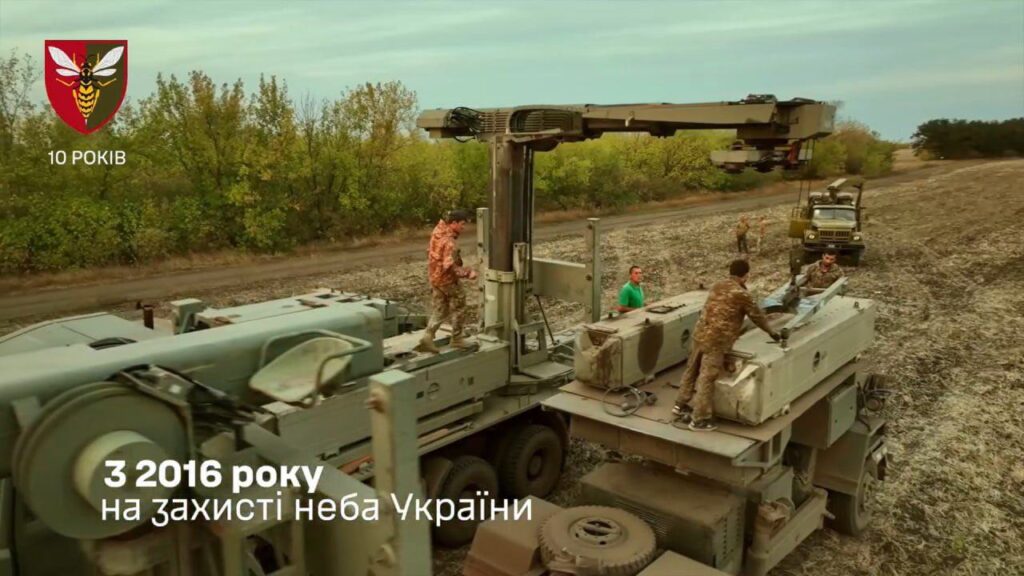
Loading a Skyguard/Aspide air defense system
Loading a Skyguard/Aspide air defense system. Screenshot from a video by the 38th Anti-Aircraft Missile Regiment

The system arrived through two European pipelines. Spain delivered the first batch in November 2022, then-Defense Minister Oleksii Reznikov confirmed. A month earlier, 19 Ukrainian troops had trained on the system at Spain's Zaragoza base. Madrid also asked Switzerland for re-export permission, Texty reported, since the Swiss firm Oerlikon Contraves — now Rheinmetall Air Defense — built the Skyguard fire control unit the missiles are paired with.

Italy pledged additional Skyguard units in February 2023. The Italian launchers differ from the Spanish ones. They carry a target-illumination radar and a TV tracking unit mounted directly on the launcher.

A Cold War-era missile in a drone war

Skyguard/Aspide, a related variant of Italy's Spada, is a short-range air defense system built to guard military sites and critical infrastructure from aircraft, helicopters, cruise missiles, and drones. It pairs a Swiss fire control unit with Italian Aspide missiles derived from the American AIM-7 Sparrow, a radar-guided weapon the US Navy developed starting in the late 1940s to shoot down jet bombers during the Cold War. The system can engage targets at distances up to 12–25 km and altitudes from 15 m to 6,000 meters.
In April, 24 Ukrainian companies ran their own air defense. By mid-September, 81 do — about one new firm per day

16 septembre 2026 à 10:51

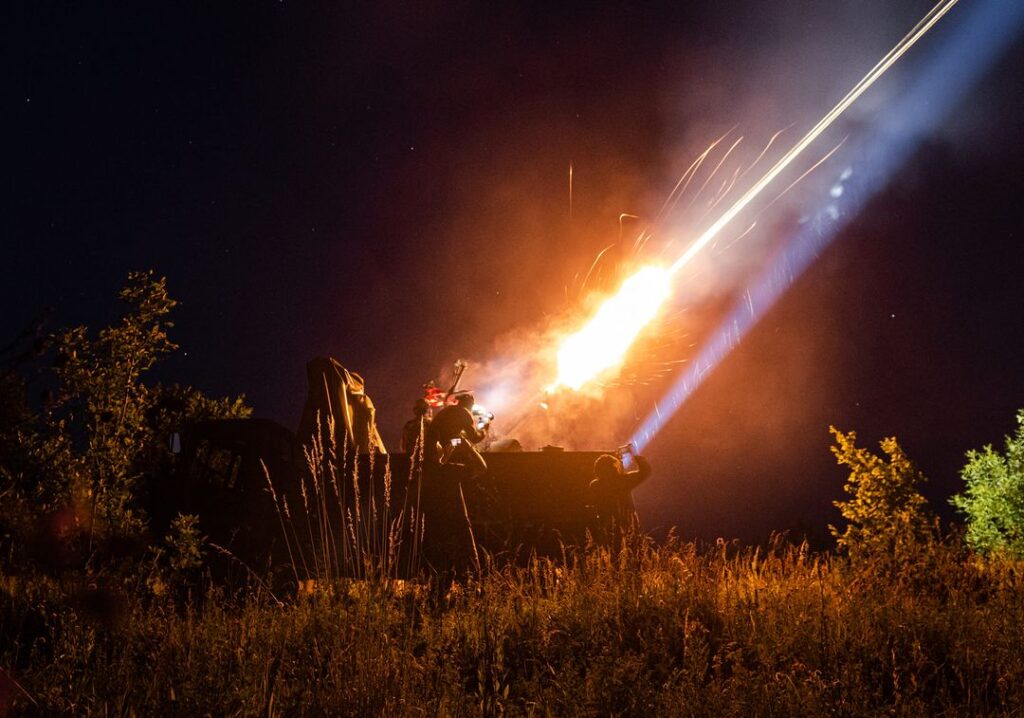
Ukrainian mobile fire squad shooting down incoming drones. Photo: Army Inform

Ukraine has authorized 81 private companies to run their own air defense against Russian drones, letting the factories and infrastructure sites that Moscow hits daily shoot back, Ukraine's Defense Ministry says. The firms have been provided "authorized" status under an experimental program, a count that has climbed from 51 in mid-July, according to ArmyInform.

The idea is to let the targets defend themselves. Russian drones strike Ukrainian factories, warehouses, and power sites so relentlessly that the state cannot shield everyone, so the Defense Ministry is enlisting the companies being hit to form their own drone-defense teams.

Ninety-two firms have already applied, among them operators of critical infrastructure and businesses from across the country's industries and regions. The teams are not freelancers: they fold into Ukraine's layered air defense under the command of the Air Force, so they do not fire into a shared sky blind.

The count climbs fast

The program has grown quickly since it began in late 2025, from 24 companies in April to 30 in June, 51 in July, and 81 by mid-September. The units are made of trained, certified civilian staff, some running mobile fire teams with heavy machine guns, others flying interceptor drones.

By June, they had already shot down more than 20 Russian attack and reconnaissance drones, the ministry said, including one jet-powered Geran, the faster variant that has strained Ukraine's defenses.

Russia's drones drive the demand

The Defense Ministry launched the project at the end of 2025 to add a layer of protection for workers and production sites that had become routine targets.

The goal the ministry set for the wider effort is stark: detect every aerial threat and destroy 95 percent of them. The steady climb in members, roughly one company added per day since July, suggests that demand is not slowing.

❌