❌

Vue normale

  • ✇Euromaidan Press
  • Russia keeps hitting Kyiv’s gas stations. Now they get military air-threat tracking
    Gas stations across Kyiv Oblast will receive access to a military air-awareness system to help them respond more quickly to Russian drone attacks, Kyiv Oblast military administration head Tymur Tkachenko said on 15 September. The move comes as Russian forces increasingly target fuel infrastructure during their attacks on Ukrainian cities. Two gas stations were hit in Kyiv on 15 September, killing one person and injuring 11, while at least three other Ukrnafta stations in the capital hav
     

Russia keeps hitting Kyiv’s gas stations. Now they get military air-threat tracking

15 septembre 2026 à 12:33

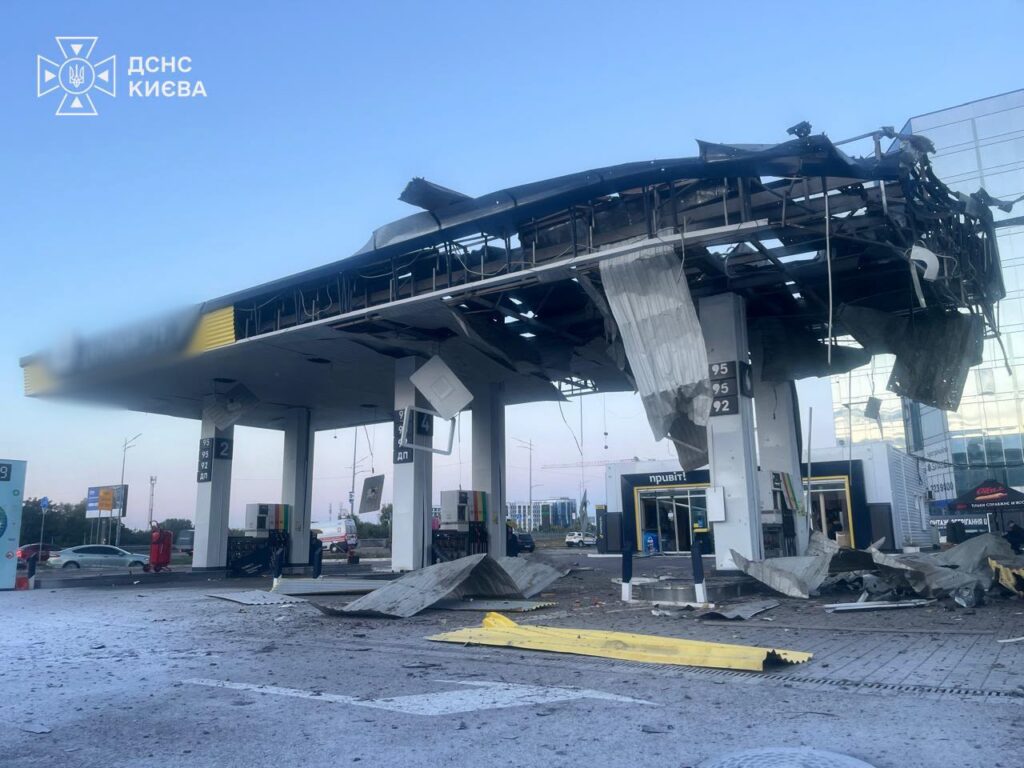
A gas station in Kyiv after being struck by a Russian drone on 15 September 2026. Photo: Ukraine's State Emergency Service

Gas stations across Kyiv Oblast will receive access to a military air-awareness system to help them respond more quickly to Russian drone attacks, Kyiv Oblast military administration head Tymur Tkachenko said on 15 September.

The move comes as Russian forces increasingly target fuel infrastructure during their attacks on Ukrainian cities. Two gas stations were hit in Kyiv on 15 September, killing one person and injuring 11, while at least three other Ukrnafta stations in the capital have been struck since 10 September.

The new system will allow designated gas-station employees to see real-time information about the movement of Russian aerial targets rather than relying only on the general air-raid alert. This should give stations more time to suspend operations, protect employees, and move customers away from danger.

Gas stations are becoming a recurring target

The attacks on Kyiv’s gas stations are part of a broader pattern. More than 300 gas stations across Ukraine have been attacked since the current wave began, according to Ukraine’s Energy Ministry, with strikes increasingly reaching deeper into the country.

In Kyiv, Russian forces have repeatedly used drones against fuel stations over the past week. The 15 September attack hit two more stations during a wider wave of around 200 drones launched against Ukraine.
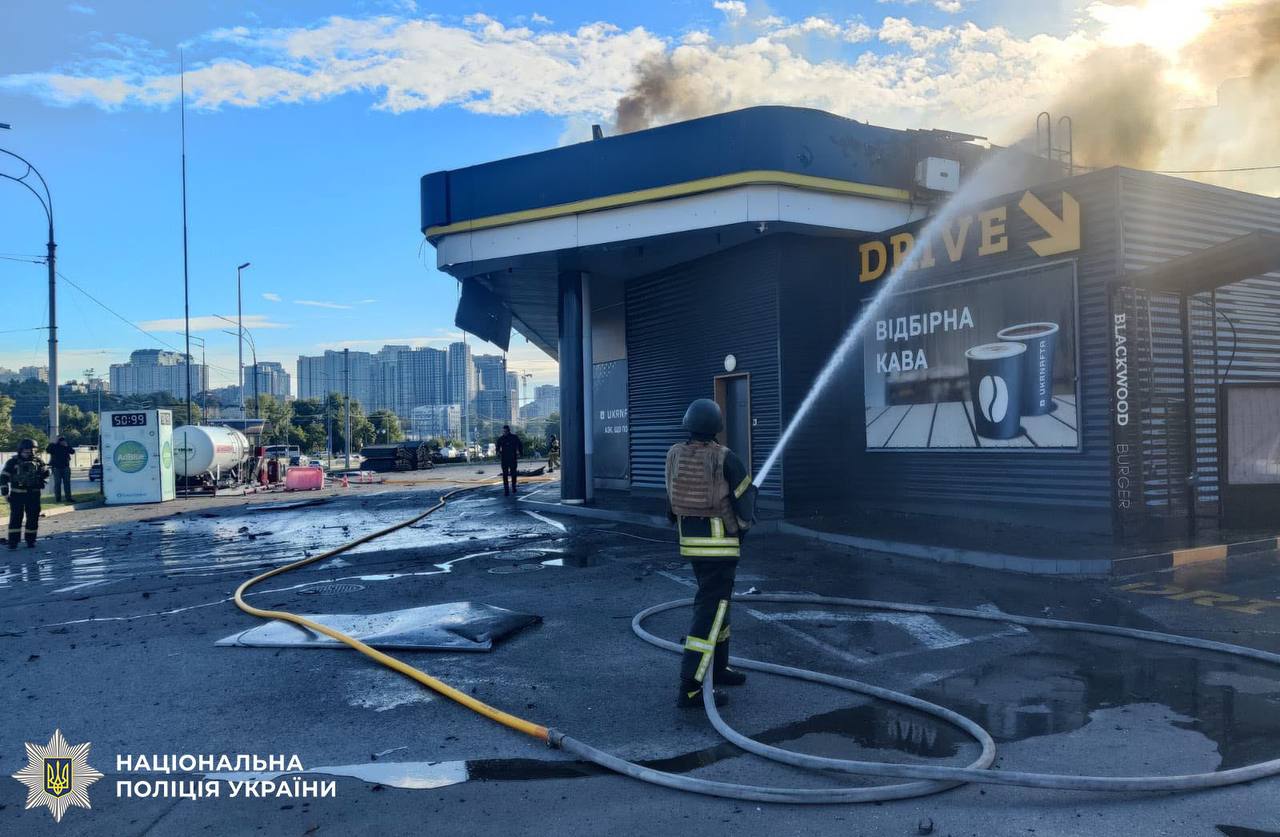
russian drones killed man injured eight kyiv hitting two gas stations · post firefighter extinguishes burning shop ukrnafta station struck drone ukraine 15 2026 police5280922930982363336 news ukrainian reports
Explore further

Russian drones killed a man and injured eight in Kyiv, hitting two gas stations

The targeting of fuel infrastructure adds another dimension to Russia’s campaign against Ukraine’s civilian supply system. Gas stations are not only businesses but critical points in the country’s transportation and fuel network, making repeated attacks capable of affecting both public safety and civilian mobility.

Tkachenko said the new air-awareness access is intended to give businesses “maximum available tools” to detect threats earlier and react in time.

He also urged drivers to follow gas-station employees’ instructions during air raids, as the facilities adapt their operations to the growing threat.

A century ago, bright red trousers made soldiers easy targets. Ukraine’s ex-army chief says the West is wearing them again

15 septembre 2026 à 07:16

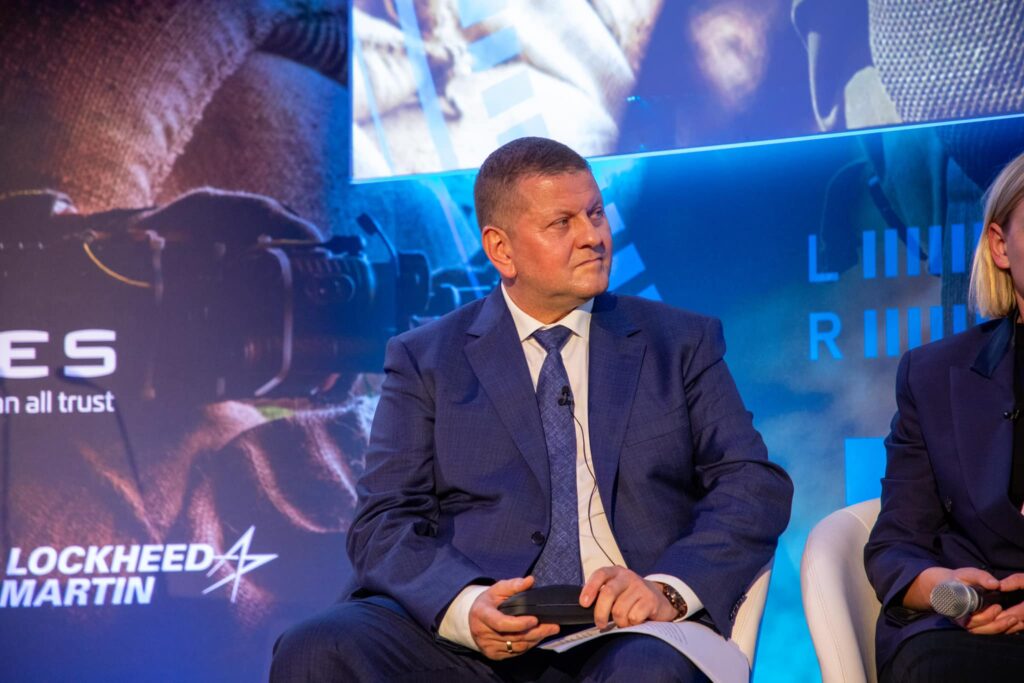
Zaluzhnyi ambassador Ukraine

Ukraine's former top commander has a warning for anyone betting that new gadgets will win the war, he wrote in a column for Ukrainska Pravda. Valerii Zaluzhnyi, the country's Commander-in-Chief until 2024 and now its ambassador to the UK, argues 2026 is a war of technologies and, no less, of the strategies and doctrines that must keep pace with them. Bolting modern tech onto an old Soviet playbook, he says, drove mobilization into a dead end.

A year ago, Zaluzhnyi warned that Ukraine would need thousands of counter-drone systems and mass drone production to cope with the growing role of UAVs in war. A year later, those capabilities still aren't there at the scale he called for, mobilization has hit the dead end he now describes, and the four measures he proposed have not kept pace with how quickly drones are spreading.

Drones are already cheap, widespread, and shaping the war, and the front has gone static, Zaluzhnyi writes, while Russian strikes keep reaching railways and fuel stations far behind it.

This is no longer a drone war

The drones filling headlines no longer exist on their own, Zaluzhnyi writes. They have evolved into more familiar weapon types, cheaper and more effective—anyone still treating drones as a stand-alone class is about three years behind. Fixating on individual gadgets, he argues, misses the real contest: strategy and doctrine.

He reaches back to World War I for the danger he sees, running the line from Verdun and the Somme to Robotyne and Bakhmut. Before that war, soldiers in one army marched in bright red trousers that were supposed to help against repeating rifles, machine guns, and long-range artillery, and later against tanks and aircraft.

Today's faith in old security guarantees, he warns, is that same proud symbol worn onto a modern battlefield.

"The red trousers taught them nothing," he writes of those still moving tanks and artillery toward the fight by yesterday's logic.

New weapons, old strategy

The war has surrendered itself to marketers and wheeler-dealers, Zaluzhnyi writes—people who, without understanding or strategy, stoke it for quick profit while flaunting the pace of technological progress. Trying to retake land with Soviet methods and new weapons drove mobilization into a dead end, and fewer and fewer people were willing to take the one chance it offered.

"Damn marketing that kills," he adds.

The way out, he argues, is to treat technology as a new weapon, build tactics around it, and only then reshape the force.

That is what he calls doctrine, built through resource and technological alliances into a strategy for victory. Ukraine and Russia, he writes, have become real-time testing grounds.

What he warned a year ago

In September 2025, Zaluzhnyi named the four fights Ukraine had to win to survive mass drone warfare: counter-drone systems at scale, state-level drone production, integrated battlefield networks, and channeling tech talent into defense industries.

The counter-drone systems he put first are still short of the scale he warned Ukraine would need. Mobilization, he writes, has hit a dead end, and marketers—not the doctrine he calls for—are setting the pace.

❌