Connexion
Russia’s answer to Starlink was written off as a failure—its satellites are still climbing
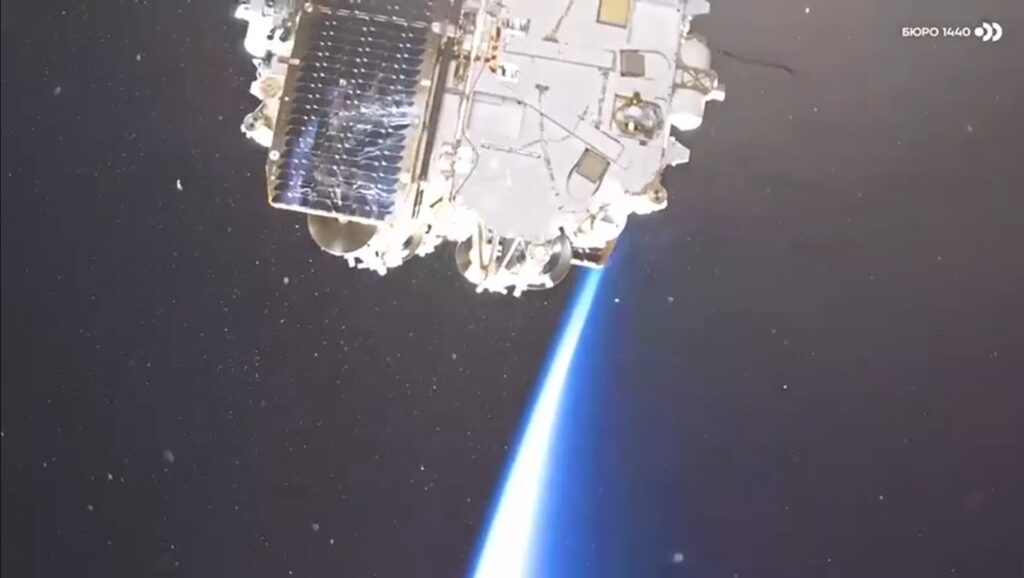
Russia's newest batch of Starlink-style satellites is gaining altitude sooner and sitting higher than the country's already-working first batch did at the same point, an analysis by Ukrainian defense outlet Militarnyi found. That complicates recent reports that the batch will stay far below its working altitude—though a few of the craft clearly have malfunctioned.
Moscow is racing to field its own orbital network to replace the Starlink service its troops used without authorization, a system experts warn could one day relay commands to long-range strike drones.
Where the "failure" verdict came from
Business Insider reported that all 16 satellites in the second Rassvet batch—launched 19 July—had fallen short of their target orbit, citing public US Space Force tracking data. The Institute for the Study of War (ISW) noted that many of the craft sat between 300 and 400 kilometers, well below their intended orbit. Russia looks unprepared to deploy at this pace and will likely face further delays, ISW assessed. At those low heights, thicker air drags on satellites and shortens their lives. Rassvet—Russian for "Dawn"—is built by the Russian firm Bureau 1440. Moscow rushed the network in after SpaceX cut off Russian forces' access to Starlink.
What the altitude data shows
Militarnyi's own reading of the tracking record points the other way. A rocket drops the satellites near 300 kilometers, and they raise themselves over months on their own engines. The July batch fired those engines days earlier than the March group, giving it a head start. By day 46, the new batch's median altitude was 365 kilometers, against 314 for the first. Thirteen of the new craft had passed 320 kilometers and ten cleared 350, against five and one for the first batch. The newer craft climb at a slower daily pace, but the early start left them well ahead on height.
Militarnyi cautions that the batch cannot be judged before roughly 100 to 125 days after launch—around late October—the window in which most of the March craft passed 500 kilometers.
The malfunctions are real
Two satellites show no real climb and are sinking toward the atmosphere, a third rose and slipped back, and a fourth stalled with the cause unclear. The March launch lost one craft outright and left two more stuck below working height. The company had listed a target orbit near 800 kilometers, yet the first batch settled far lower and still works. Militarnyi counts thirteen of its satellites in a stable orbit near 508 kilometers, where Business Insider and ISW put twelve of them at roughly 550. By its count, they now open at least two communication windows over Ukraine each day, each running longer than an hour.
Read also
-
Russia’s FM says war must end so there is “no more Nazism” in Europe. Russian occupation official already said what that means: erasing Ukraine and stopping its aid
-
Russia deploys missile brigade to Belarus as fears grow over new threat to Kyiv
-
Ukrainian journalist asks Trump’s envoy to his face whether he was disgusted to sit across from “international criminal” Putin. Witkoff wouldn’t answer directly